Top 12 Castles around Fossombrone
Best castles around Fossombrone are found in a medieval town in Italy, known for its rich history and strategic location in the Metauro valley. The area features prominent historical structures, including a significant fortress and a ducal palace, reflecting its architectural heritage. These sites offer insights into the region's past under families like the Malatesta and Montefeltro, providing historical context to the natural landscape.
Best castles around Fossombrone
- The most popular castles is Ducal Palace, a castle that is…
Last updated: June 30, 2026
Ducal Palace
Highlight • Castle
Tip by

Ducal Palace, Urbino
Highlight • Historical Site
Translated by Google •
Tip by

Sign up now to discover places like this
Get recommendations on the best single tracks, peaks, & plenty of other exciting outdoor places.
Sign up for free
Urbino
Highlight • Historical Site
Translated by Google •
Tip by

Tower and Paper Mill of Fermignano
Highlight • Historical Site
Translated by Google •
Tip by

Albornoz Fortress - Park of the Resistance
Highlight • Castle
Translated by Google •
Tip by

Sign up for free to discover even more castles around Fossombrone.
Sign up for free
Already have an account?
Start today with a free account
Your next adventure awaits.
Login or Signup
Popular around Fossombrone
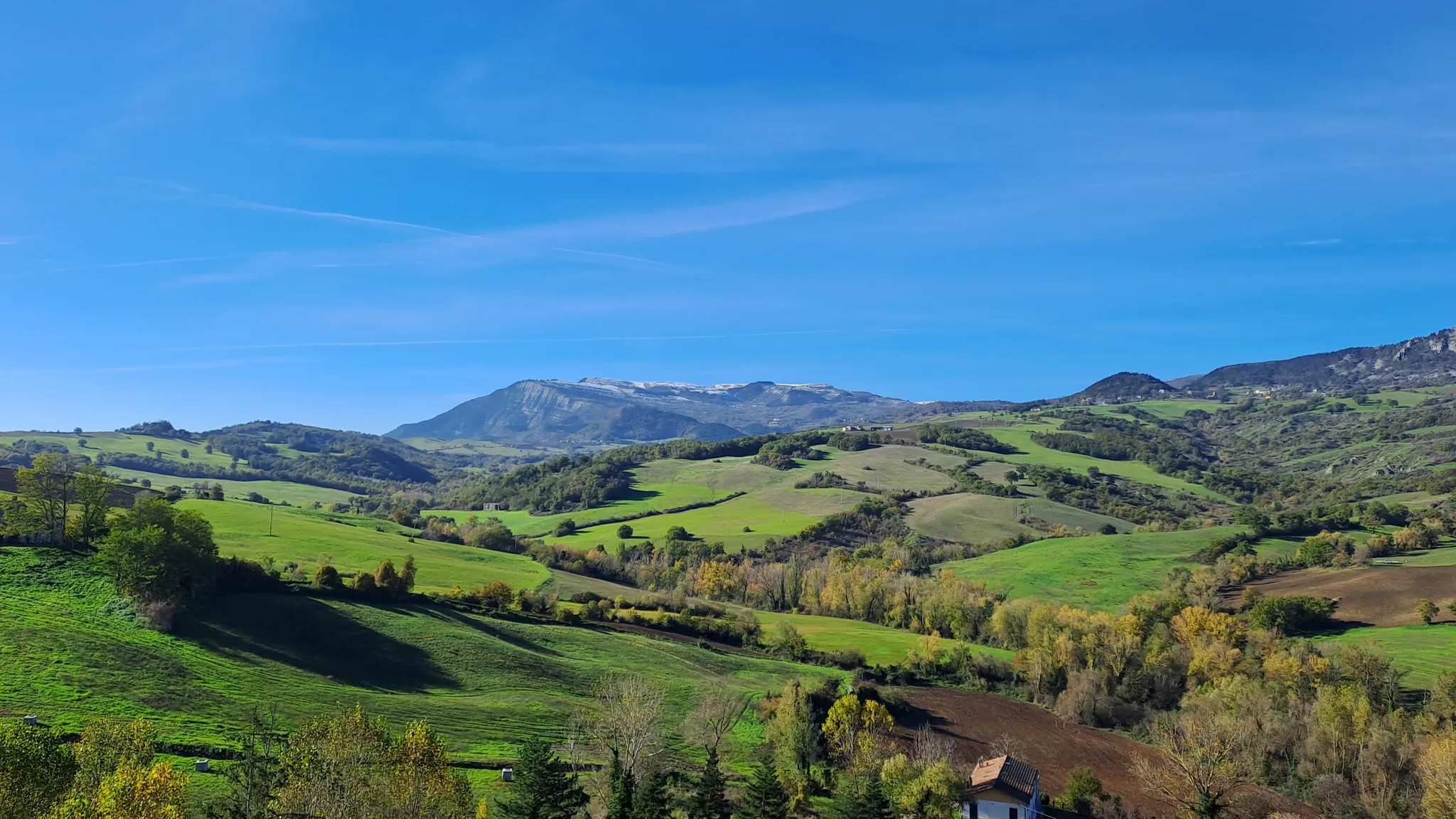
Cycling the Marche – sea to the mountains, among villages and hills
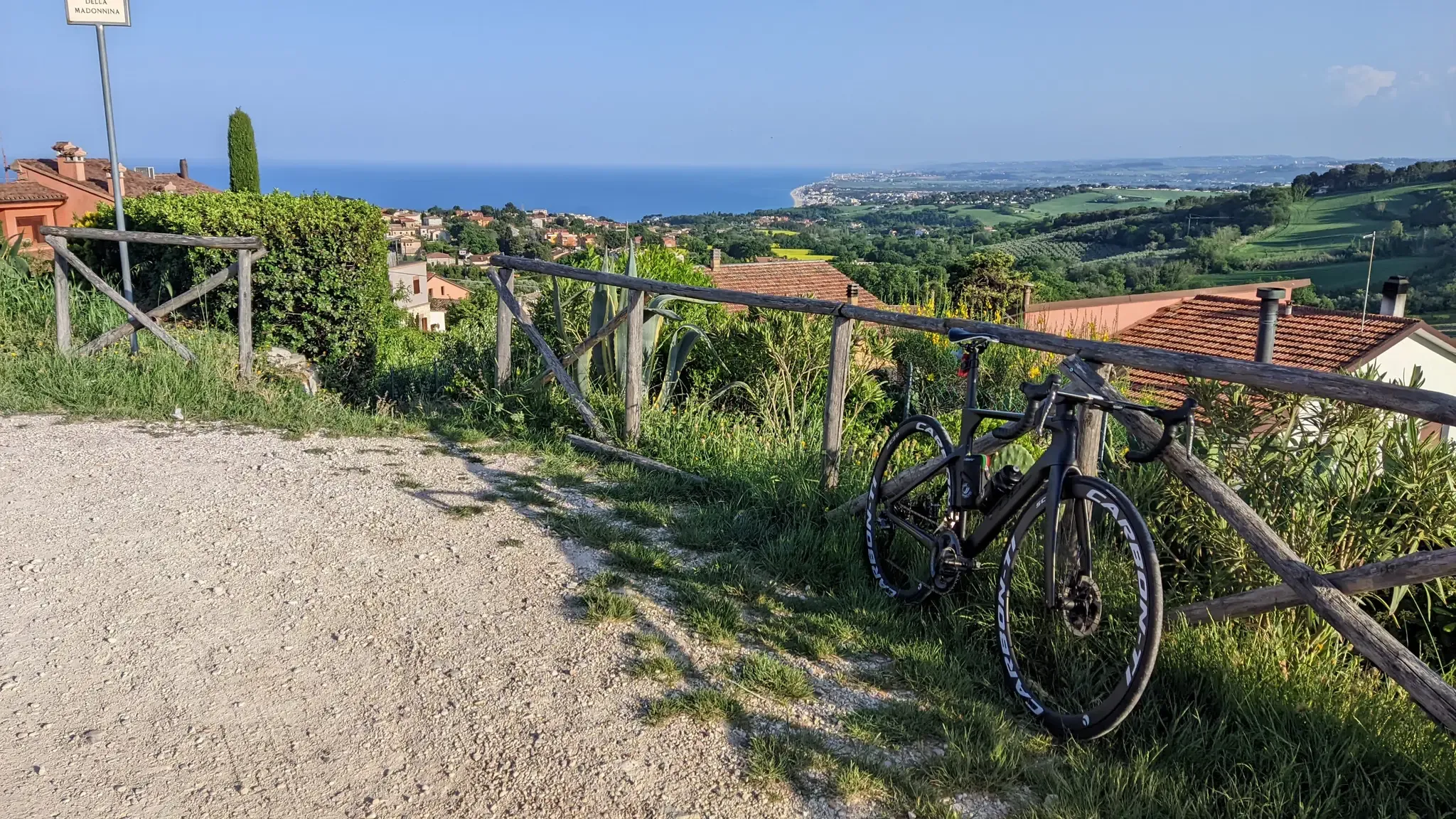
Between mountains and sea — road cycling in Italy’s Marche
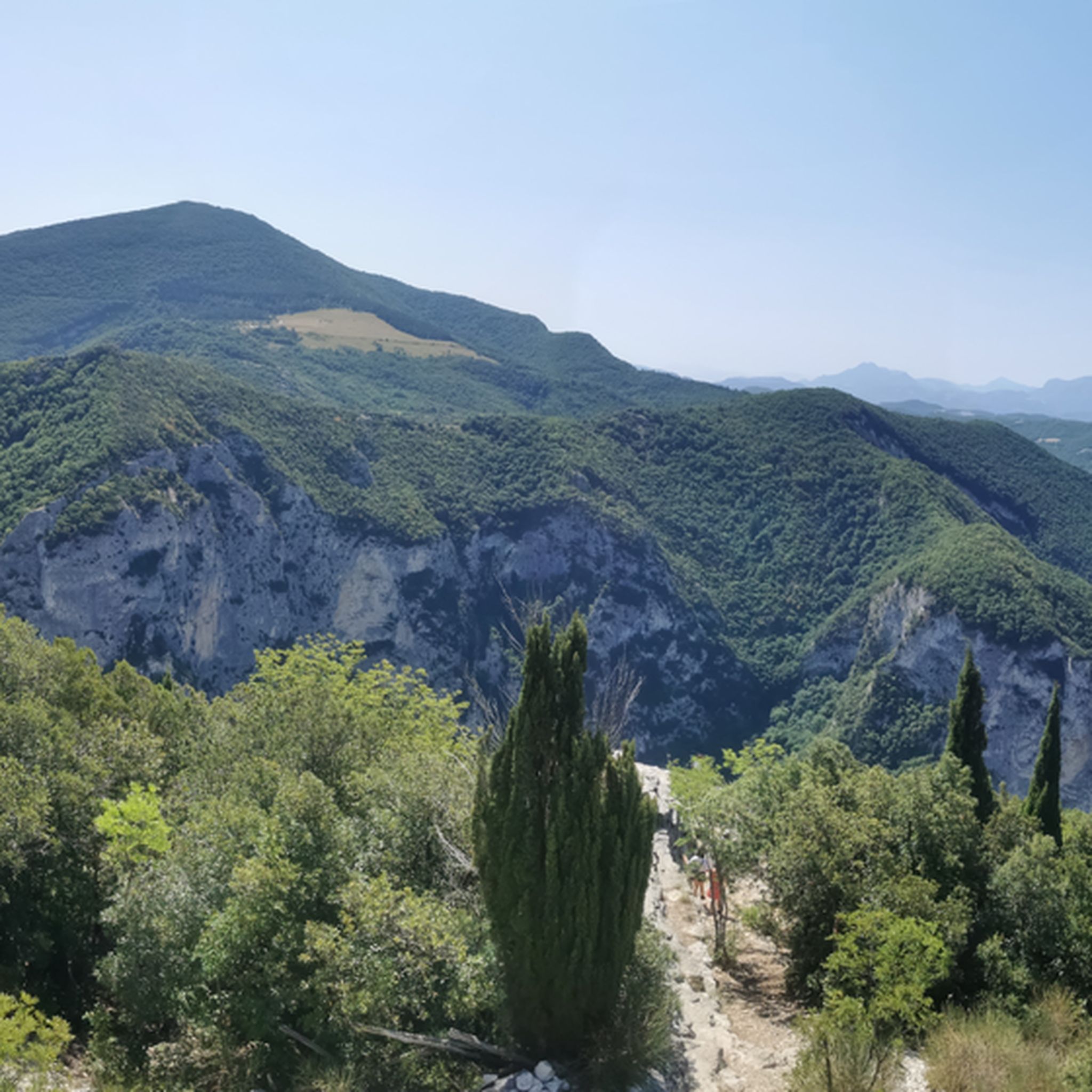
Hiking around Fossombrone
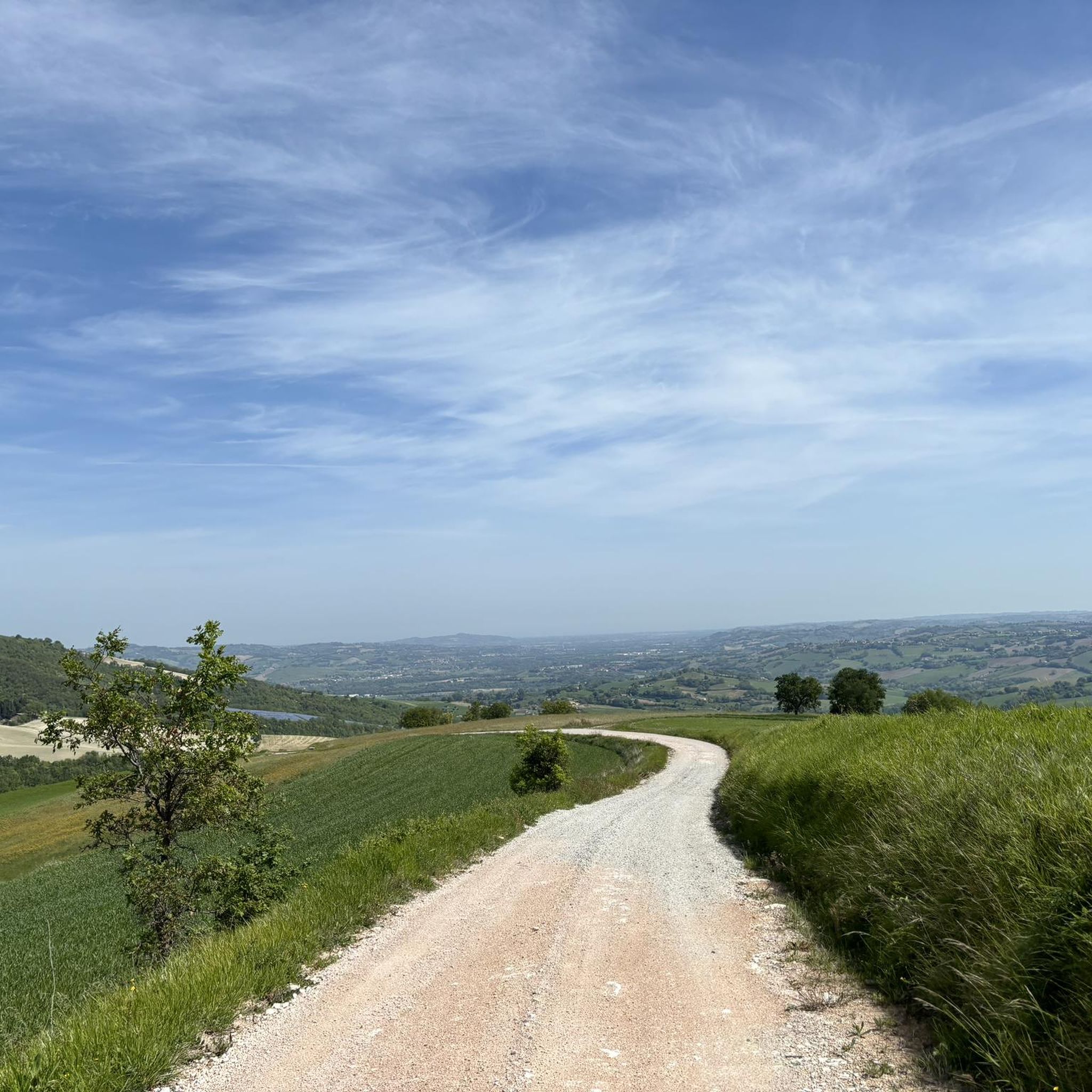
Cycling around Fossombrone
MTB Trails around Fossombrone
Road Cycling Routes around Fossombrone
Running Trails around Fossombrone

Gravel biking around Fossombrone


Tips from the Community

Urbino is a city in the Marche region, recognized as a UNESCO World Heritage site for its Renaissance-era historic center. It is located in a hilly area and is characterized by uphill streets, squares, and brick buildings. Among the main sites is the Ducal Palace of Urbino, home to the National Gallery of the Marche. Urbino is also the birthplace of Raffaello Sanzio, with a house-museum that can be visited. The city is home to the University of Urbino Carlo Bo, which contributes to the presence of students throughout the year.
0
0
An imposing 14th-century fortification, Fortezza Albornoz dominates Urbino from the top of Monte di San Sergio, offering one of the most beautiful views of the city and the surrounding hills. Originally built for defensive purposes and rebuilt several times over the years, it now retains a brick structure with towers and bastions that tell its military history. At its feet lies the Parco della Resistenza, a green area ideal for a break, with benches and a children's playground, perfect for relaxing and enjoying the view.
1
0

The Fortezza Albornoz was built between 1367 and 1371 by Cardinal Anglico de Grimoard on the site of a former residence of the Montefeltro family. It was constructed to better control the city after periods of unrest.
1
0
The Palazzo Ducale is a Renaissance ducal palace built primarily on the orders of Count Federico da Montefeltro between 1463 and 1472. It is now a UNESCO World Heritage Site.
1
0
The Palazzo Ducale in Urbino is a Renaissance palace and houses the famous Renaissance picture gallery of the Marche.
2
0

..... all I would add is that the toilets are clean and free for public use. An impressive inner courtyard and part of it is free to enter.
0
0

The city of Urbino is located on the highest part of a hill which, seen from afar, takes your breath away with such beauty.
2
0

The Palazzo Ducale is the main monument of the city of Urbino and one of the most interesting artistic-architectural examples of the Italian Renaissance. It is home to the National Gallery of the Marche and the Archaeological Lapidary Museum.
1
0
Frequently Asked Questions
What historical castles and palaces can I visit in Fossombrone itself?
In Fossombrone, you can explore the ruins of the Malatesta Fortress (Rocca Malatestiana), which offers panoramic views of the Metauro valley and the Gola del Furlo. Another significant structure is the Corte Alta, also known as the Ducal Palace, which was a ducal residence for the Montefeltro family and now houses the Civic Archaeological Museum A. Vernarecci and the Municipal Art Gallery.
Are there other notable castles or historical sites near Fossombrone worth visiting?
Absolutely. A short distance away, you'll find the magnificent Ducal Palace in Urbino, a UNESCO World Heritage Site and a prime example of Renaissance architecture. Also in Urbino is the Ducal Palace, Urbino, housing the famous Renaissance picture gallery of the Marche. Another interesting site is the Tower and Paper Mill of Fermignano, which has historical ties to the Montefeltro family and the birthplace of architect Bramante. Further afield, the Rocca di Mondavio offers an imposing appearance and a scenic museum of history with weapons and siege engines.
What kind of natural features or viewpoints can I expect near these castles?
Many castles in the region, including the Malatesta Fortress in Fossombrone, are strategically located to offer stunning views. The Rocca Malatestiana provides amazing vistas of the Gola del Furlo and the Metauro River. The city of Urbino, a UNESCO World Heritage Site, is situated on a hill offering breathtaking views of the surrounding Marche hills.
What outdoor activities can I do near the castles around Fossombrone?
The area around Fossombrone is excellent for outdoor activities. You can find numerous routes for gravel biking, running, and hiking. For example, there are challenging gravel biking routes through the Furlo Gorge, and various running trails including a moderate loop from Fossombrone to the Giant's Kettles. Hiking options range from easy loops in the Furlo Gorge to more difficult trails like the Monte Paganuccio Loop. You can explore these activities further in the Gravel biking around Fossombrone, Running Trails around Fossombrone, and Hiking around Fossombrone guides.
Are there family-friendly castles or activities in the Fossombrone area?
Yes, several sites are considered family-friendly. The Ducal Palace, Urbino and the Tower and Paper Mill of Fermignano are categorized as family-friendly. The Rocca di Mondavio, with its museum of historical siege engines, can also be engaging for families.
What is the best time of year to visit the castles and explore the region?
While specific seasonal tips for castles aren't provided, generally, spring and autumn offer pleasant weather for exploring historical sites and engaging in outdoor activities like hiking and biking in the Marche region. These seasons avoid the intense heat of summer and the colder, potentially wetter conditions of winter, making for a more comfortable visit.
What are some of the historical highlights of the castles in this region?
The castles and palaces around Fossombrone are steeped in history. The Malatesta Fortress in Fossombrone dates back to the early 14th century under the Malatesta family and later became part of the Duchy of Urbino's defenses. The Corte Alta in Fossombrone and the Ducal Palace in Urbino are significant Renaissance palaces built by Federico da Montefeltro, showcasing the region's prosperity and artistic achievements during that era. Urbino itself is a UNESCO World Heritage Site known as the 'Cradle of the Renaissance'.
Can I find cafes or places to eat near the castles?
Yes, you can find refreshments in the historic centers of the towns. For instance, there are recommendations for coffee in the historic center of Mondavio near the Rocca di Mondavio. The town of Fermignano, home to the Tower and Paper Mill, also has a historic center full of life and activities, likely including cafes.
What do visitors appreciate most about the castles around Fossombrone?
Visitors frequently appreciate the rich history and architectural beauty of the region's castles and palaces. The Ducal Palace in Urbino is highly regarded as a UNESCO World Heritage Site and for its Renaissance significance. The city of Urbino itself is loved for its 'Cradle of the Renaissance' atmosphere, narrow streets, and great views of the surrounding hills.
Are there any specific tips for visiting the Ducal Palace in Urbino?
The Ducal Palace in Urbino is a UNESCO World Heritage Site and houses the famous Renaissance picture gallery of the Marche. The visit is paid, but the price is considered justified by the significant works inside, including paintings by Raphael and Piero della Francesca. It's a must-see for art and history enthusiasts.
What is the significance of the Malatesta Fortress in Fossombrone?
The Malatesta Fortress (Rocca Malatestiana) in Fossombrone was a crucial strategic point, commanding the entire Metauro valley. Built by the Malatesta family in the early 14th century, it later became part of the Montefeltro domain. Although largely in ruins today due to its demolition in 1502, its strategic location and historical importance as a fortification make it a compelling site for understanding the region's past.
How long should I plan for a visit to the castles in the Fossombrone area?
The duration of your visit depends on how many sites you wish to explore. For the main structures in Fossombrone like the Malatesta Fortress and Corte Alta, a few hours would suffice. However, if you plan to visit Urbino's Ducal Palace and explore the city, you should allocate at least half a day, or even a full day, to fully appreciate its historical and artistic richness. Visiting multiple castles and engaging in outdoor activities could easily fill several days.
Most popular routes around Fossombrone
Most popular attractions around Fossombrone

Get inspired with the komoot mobile app


Explore more
Looking for the best castles somewhere else? Discover other guides around Fossombrone:
