Top 9 Caves around Gubbio
Caves around Gubbio are found in a region characterized by its historical hill towns and significant karst landscapes. Located in Umbria, Gubbio is surrounded by the Apennine mountains, which host extensive underground systems. The area's geology, shaped by ancient waters, has created numerous caves, grottoes, and natural arches. This natural environment provides opportunities for exploring geological formations and experiencing underground adventures.
Best caves around Gubbio
- The most popular caves is Balza Forata (Madonna's Arch), a natural_monument that represents a…
Last updated: May 18, 2026
Fondarca Arch
Highlight • Natural Monument
The entrance to path no. 20 is found at the entrance to …
Translated by Google •
Tip by

Sanctuary of Santa Maria in Val d'Abisso
Highlight • Religious Site
very hard path if not trained like me, follow the track because although Nero has paths of all possible and imaginable types and wonderful views it is very …
Translated by Google •
Tip by

Sign up now to discover places like this
Get recommendations on the best single tracks, peaks, & plenty of other exciting outdoor places.
Sign up for free
Monte Cucco Parking Area
Highlight • Parking
Translated by Google •
Tip by

Balza Forata (Madonna's Arch)
Highlight • Natural Monument
Translated by Google •
Tip by

Anello di Giano — Eastern Section, Monte Cucco Regional Park
Highlight (Segment) • Trail
Translated by Google •
Tip by

Sign up for free to discover even more caves around Gubbio.
Sign up for free
Already have an account?
Start today with a free account
Your next adventure awaits.
Login or Signup
Popular around Gubbio
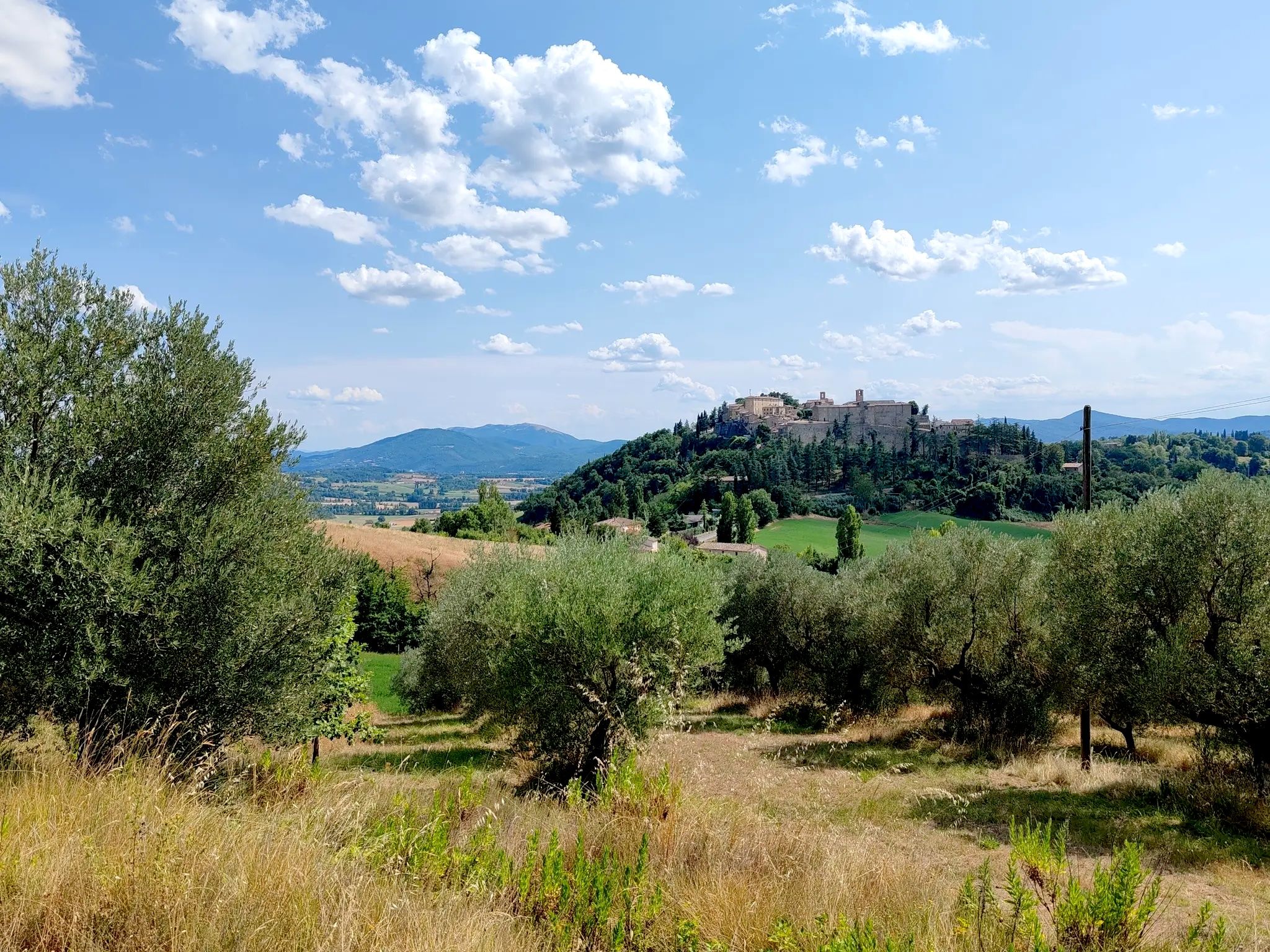
Day rides in the heart of Umbria – a Journey through History
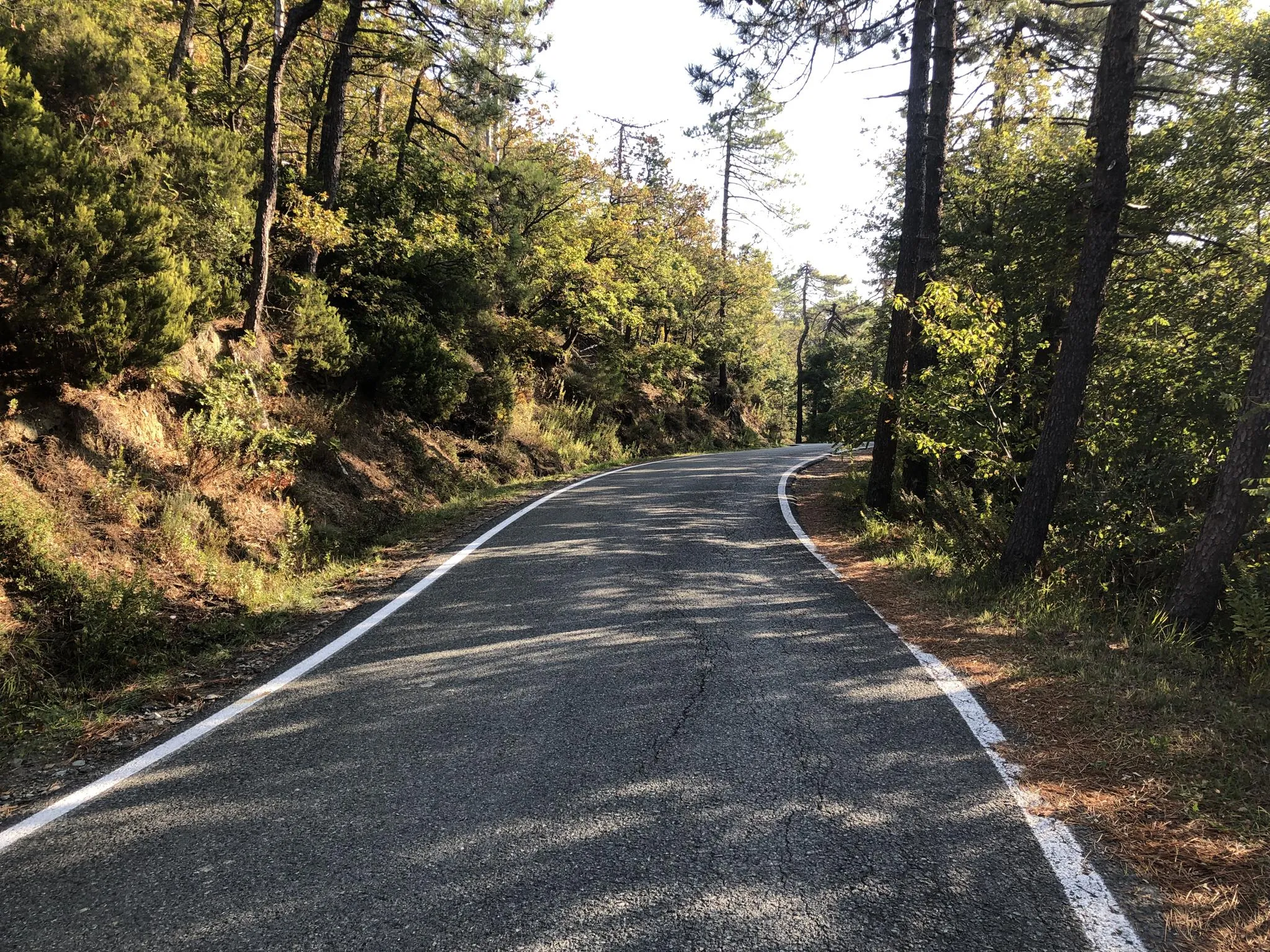
Apennine Cycle Route (Part 1) - From Liguria to Umbria
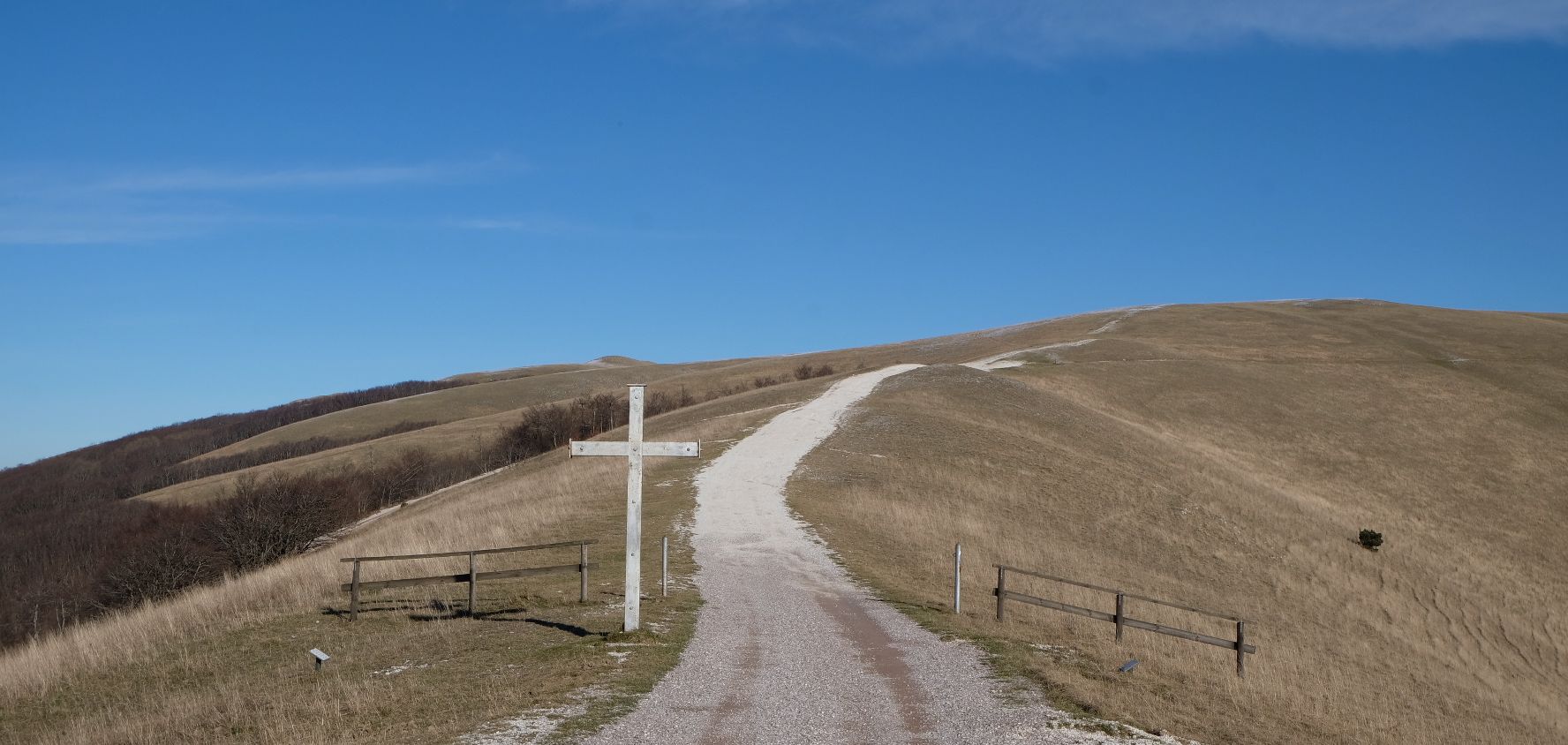
In the footsteps of St. Francis - Cammino di Assisi
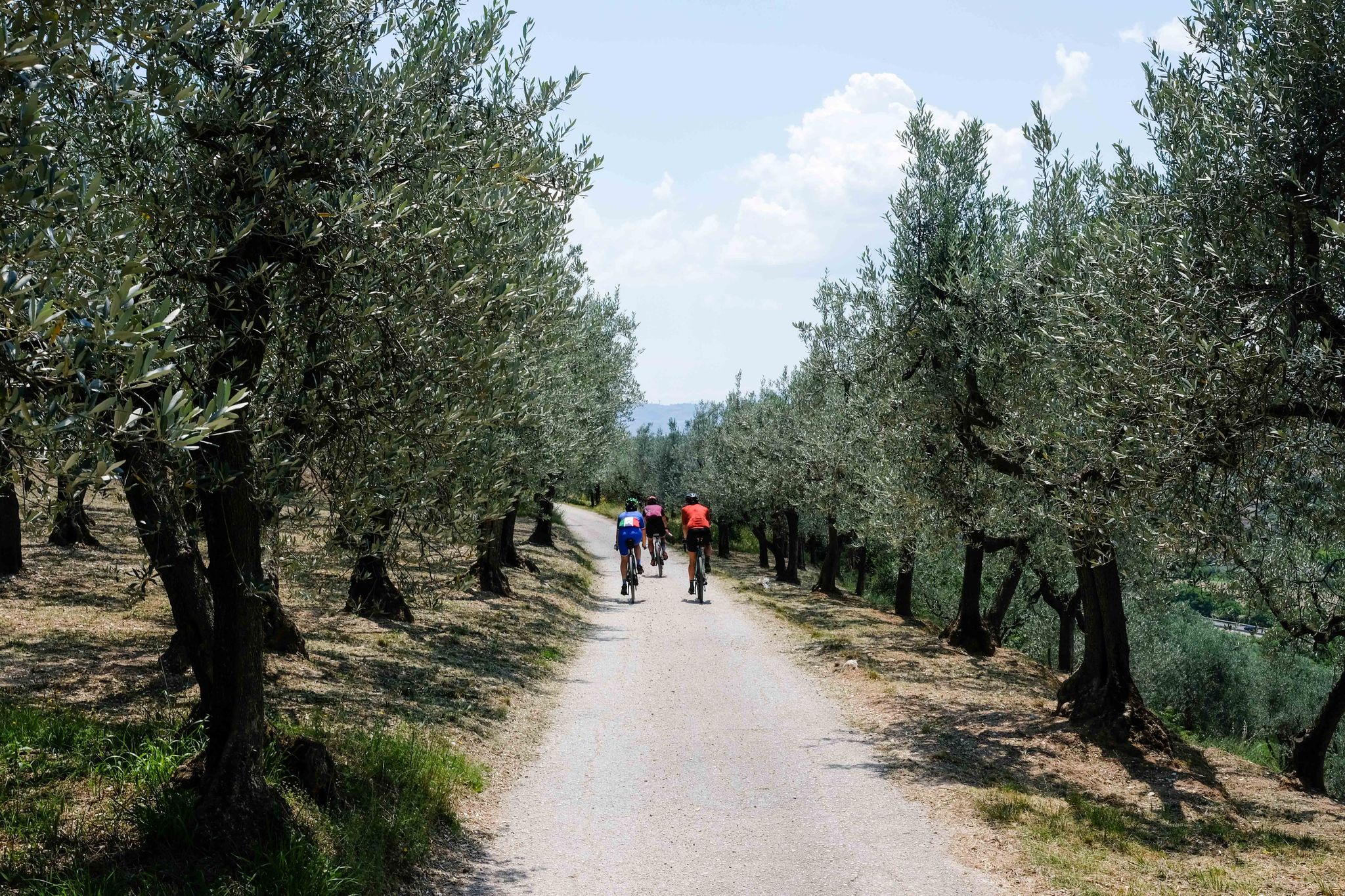
Cycle the St. Francis Way in Italy – Via del Nord
Italy coast to coast by bike – Orbetello to Senigallia
Italy’s Coast to Coast – pedalling from the Adriatic to Tyrrhenian Sea
Hiking around Gubbio
Road Cycling Routes around Gubbio
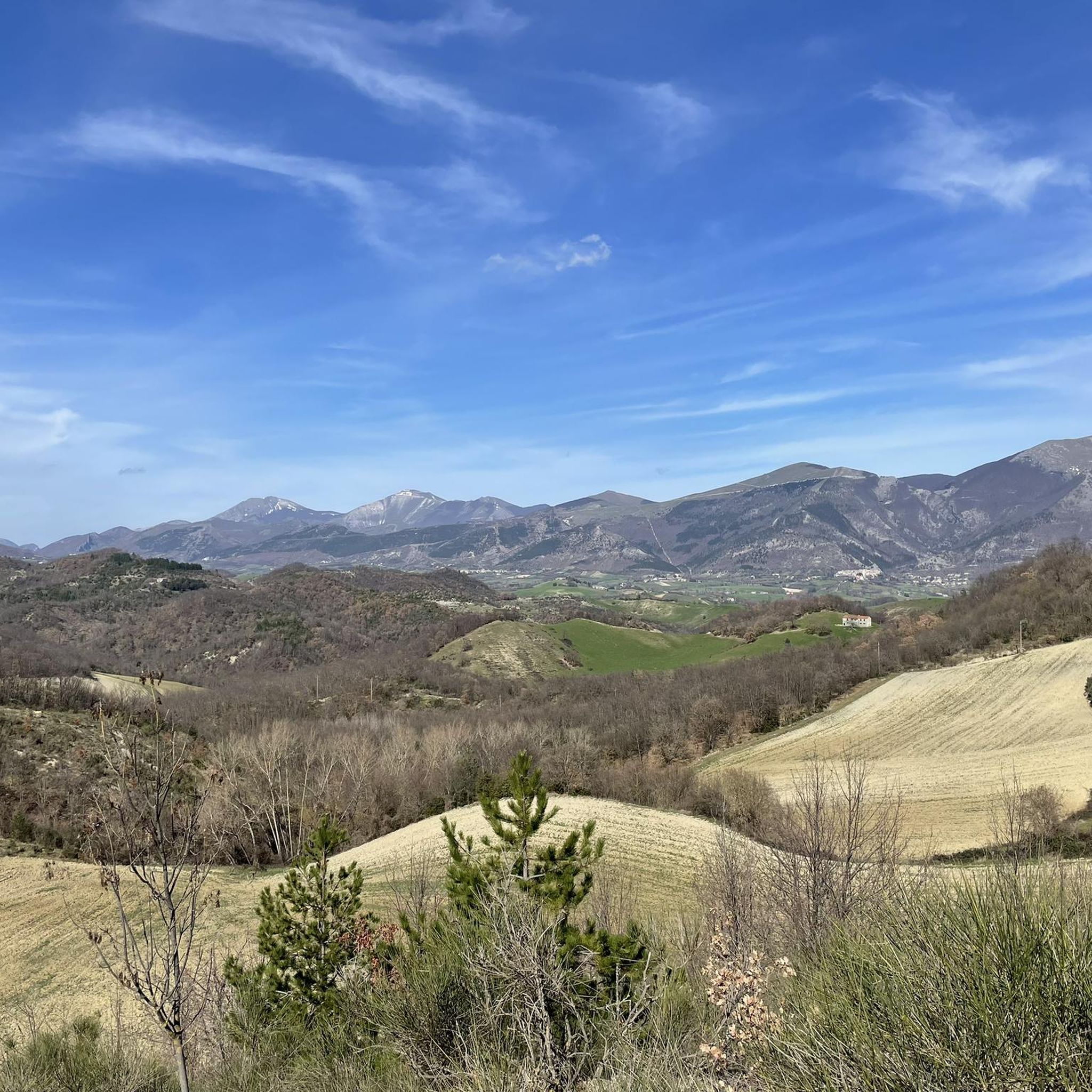
Cycling around Gubbio
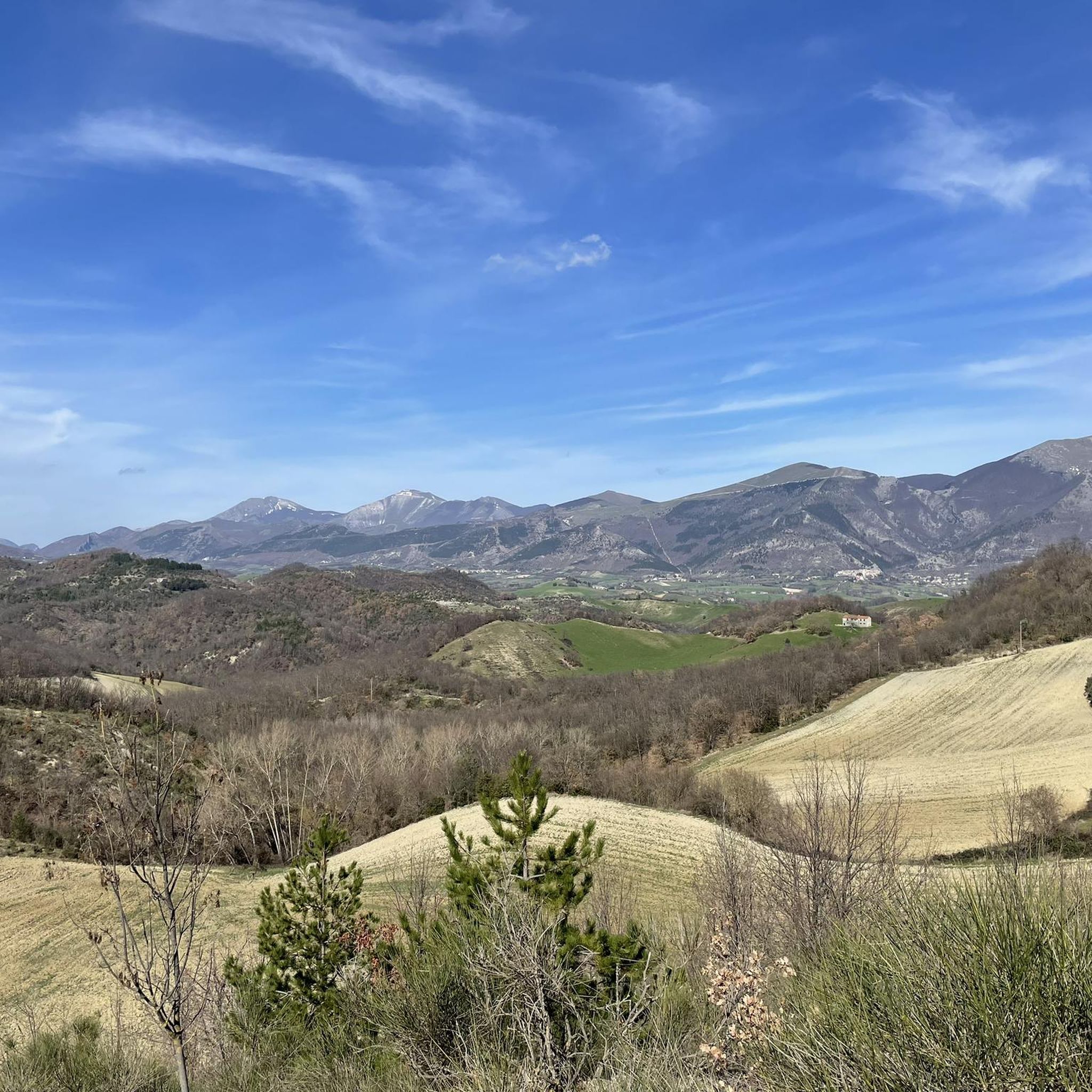
MTB Trails around Gubbio
Other adventures around Gubbio


Tips from the Community

SEA VIEW... Wonderful 😍!
0
0

great place to start for excursions and flights!
1
0
suggestion? explore it all! trails, caves, flying, on horseback, by mountain bike or on foot. Explore it all it's wonderful
0
0

You can find more information and book the tours here: https://www.grottamontecucco.umbria.it/en/cave-activity/excursions/ I can recommend the “Crossing Route”.
1
0

The Balza Forata, also called Foro della Madonna, represents a classic itinerary of Monte Nerone.
1
0
The Sanctuary of Santa Maria in Val d'Abisso is a Catholic place located near Piobbico, at the foot of Monte Nerone. According to tradition, shepherds found an image of the Madonna and Child in a cave on Mount Nero, perhaps left by one of the hermits who lived in the area.
0
0

The Ring of Janus is a trekking route that winds between Marche and Umbria, offering spectacular views of the Apennines and touching places rich in history and spirituality, such as ancient abbeys and hermitages, as well as crossing regional parks and nature reserves. This specific section of the route explores the eastern side of Monte Cucco.
2
0

Spectacular window along the rock face, it represents a classic stopping point along the demanding climb of the Infernaccio gorge, being about halfway along the route that leads to the summit of Monte Nerone
0
0
Frequently Asked Questions
What types of caves can I explore around Gubbio?
The region around Gubbio offers a variety of underground experiences, from natural rock arches and historical grottoes to extensive karst systems. You can find impressive natural monuments like Balza Forata (Madonna's Arch) and Fondarca Arch, which was once the entrance to a vast cave. The area also features significant underground networks such as the Grotta di Monte Cucco.
What makes the Grotta di Monte Cucco a notable cave system?
The Grotta di Monte Cucco, located within the Monte Cucco Regional Natural Park, is one of Italy's most extensive karst systems, reaching a depth of over 900 meters. It's known for its vast rooms, intricate stalactites and stalagmites, and unique formations like those found in the Sala del Becco. It also holds historical significance with exploration records dating back to the 15th century.
Are there guided tours available for cave exploration near Gubbio?
Yes, for the Grotta di Monte Cucco, there are guided tours available. The 'Discovery Route' (Percorso Scoperta) is a guided tour lasting about 3 hours, suitable for most visitors. For a more challenging experience, the 'Adventure Route' (Percorso Avventura) offers a speleological itinerary using caving techniques. You can find more information and book tours at grottamontecucco.umbria.it.
What is the difficulty level of cave exploration around Gubbio?
Difficulty varies. Natural monuments like Balza Forata often involve challenging climbs to reach. For the Grotta di Monte Cucco, the 'Discovery Route' is generally accessible, while the 'Adventure Route' requires caving techniques and is more demanding. Some paths, like those near the Sanctuary of Santa Maria in Val d'Abisso, can be very hard if not trained, with poorly marked trails.
What should I wear for caving in the Gubbio area?
Inside the Grotta di Monte Cucco, the average temperature is around 6°C (43°F), so warm clothing is essential even in summer. For adventure routes, specific caving equipment is provided, but comfortable, layered clothing and sturdy footwear are always recommended for any cave exploration.
Is there parking available near the main cave attractions?
Yes, for the Grotta di Monte Cucco, there is a dedicated Monte Cucco Parking Area, which serves as a starting point for excursions. For other sites like Fondarca Arch, you can typically park in nearby villages like Pieia and then access the trails.
Are there any permits required for cave access?
Access to the Grotta di Monte Cucco for public tours is managed through guided excursions, which include necessary permissions. For other natural features or less developed caves, it's advisable to check local regulations or inquire with park authorities, especially for speleological activities.
Are there family-friendly cave options around Gubbio?
The 'Discovery Route' at Grotta di Monte Cucco is generally suitable for families, offering a guided experience through impressive chambers without requiring specialized skills. Natural arches like Fondarca Arch can also be reached via trails that vary in difficulty, with some sections being more accessible.
Are there any historical or cultural caves in the region?
Yes, the Sanctuary of Santa Maria in Val d'Abisso is a religious building associated with a cave where, according to tradition, an image of the Madonna and Child was found. Additionally, Gubbio has a cultural 'cave' associated with the legend of the Wolf of Gubbio, where the Church of San Francesco della Pace is said to be built over the cave where the tamed wolf lived.
What outdoor activities can I do near the caves around Gubbio?
The area around Gubbio is excellent for various outdoor activities. You can find numerous hiking trails, such as those in the Monte Cucco Regional Park, including sections of the Anello di Giano. For more options, explore hiking routes around Gubbio, running trails, or cycling routes.
When is the best time to visit the caves around Gubbio?
Caves like Grotta di Monte Cucco maintain a constant cool temperature year-round, making them suitable for visits in any season. However, access trails and surrounding outdoor activities are generally more pleasant during spring, summer, and early autumn when the weather is milder. Winter access might be limited for some outdoor trails leading to cave entrances due to snow or ice.
Are there any unique geological formations to see in the caves?
Absolutely. The Grotta di Monte Cucco is renowned for its vast rooms, intricate stalactites, stalagmites, galleries, and labyrinths. The Sala del Becco, for example, is particularly noted for its unique concretions resembling jellyfish and mushrooms. Natural arches like Fondarca Arch are also impressive remnants of ancient cave systems.
Most popular attractions around Gubbio

Get inspired with the komoot mobile app


Explore more
Extend your search for the best caves by checking out these guides of the top ones around Gubbio:
