Top 7 Castles around Belforte All'Isauro
Castles around Belforte All'Isauro are situated in a region known for its historical significance and varied landscape, including the upper Foglia valley. The area features medieval towns and structures, often perched on rocky spurs. This location provides views of the surrounding hills and valleys, bordering areas like Tuscany and near natural parks. The castles here reflect centuries of history, from Lombard settlements to the Montefeltro dominion.
Best castles around Belforte All'Isauro
- The most popular castles is The Ancient Castel Durante…
Last updated: June 30, 2026
Pietrarubbia village
Highlight • Settlement
Translated by Google •
Tip by

Monteboaggine Tower
Highlight • Castle
Translated by Google •
Tip by

Sign up now to discover places like this
Get recommendations on the best single tracks, peaks, & plenty of other exciting outdoor places.
Sign up for free
The Ancient Castel Durante - Urbania
Highlight • Historical Site
Translated by Google •
Tip by

Castello della Pieve
Highlight • Castle
The Castle was built after the disintegration of …
Translated by Google •
Tip by

Monterone Medieval Village
Highlight • Settlement
Translated by Google •
Tip by
Sign up for free to discover even more castles around Belforte All'Isauro.
Sign up for free
Already have an account?
Start today with a free account
Your next adventure awaits.
Login or Signup
Tips from the Community

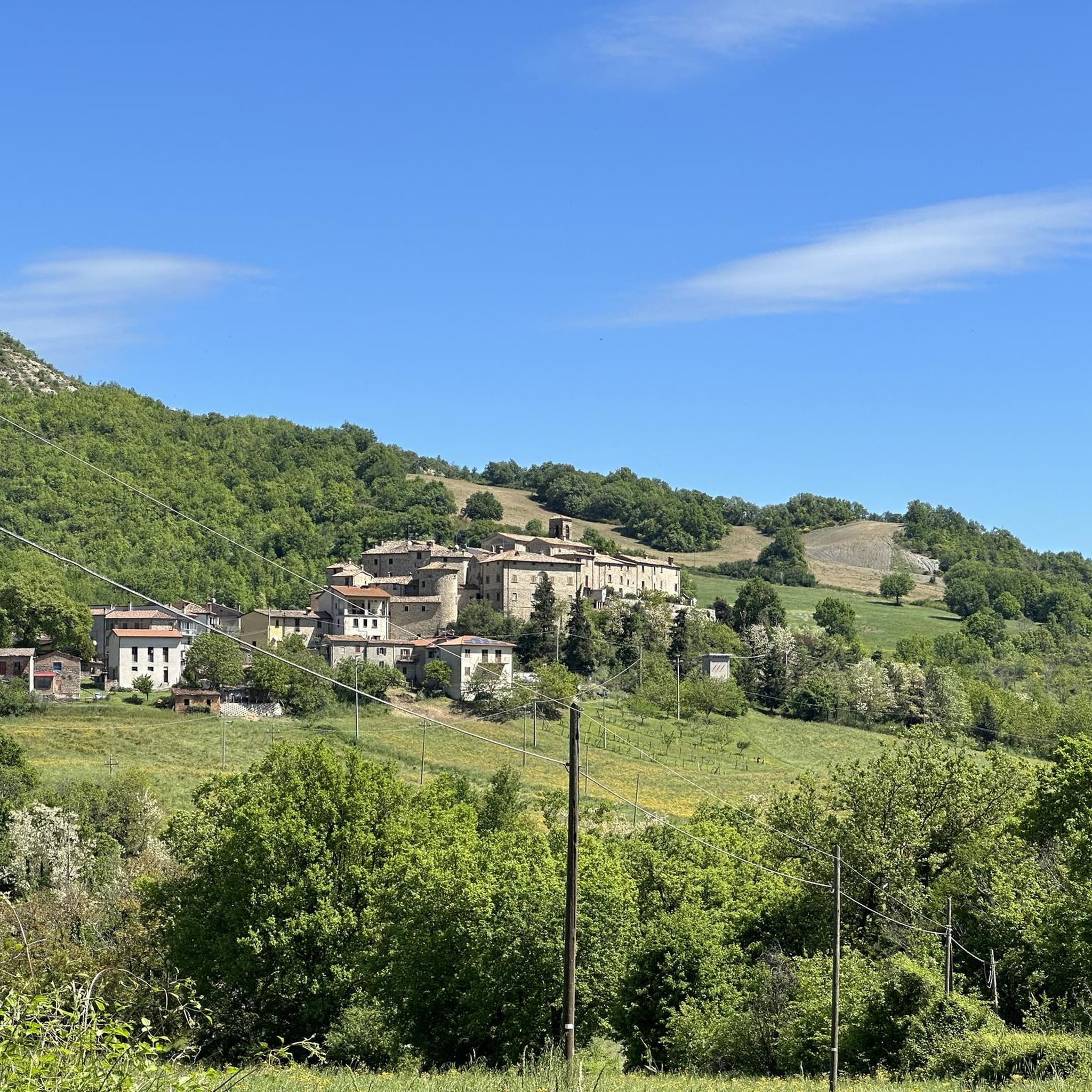
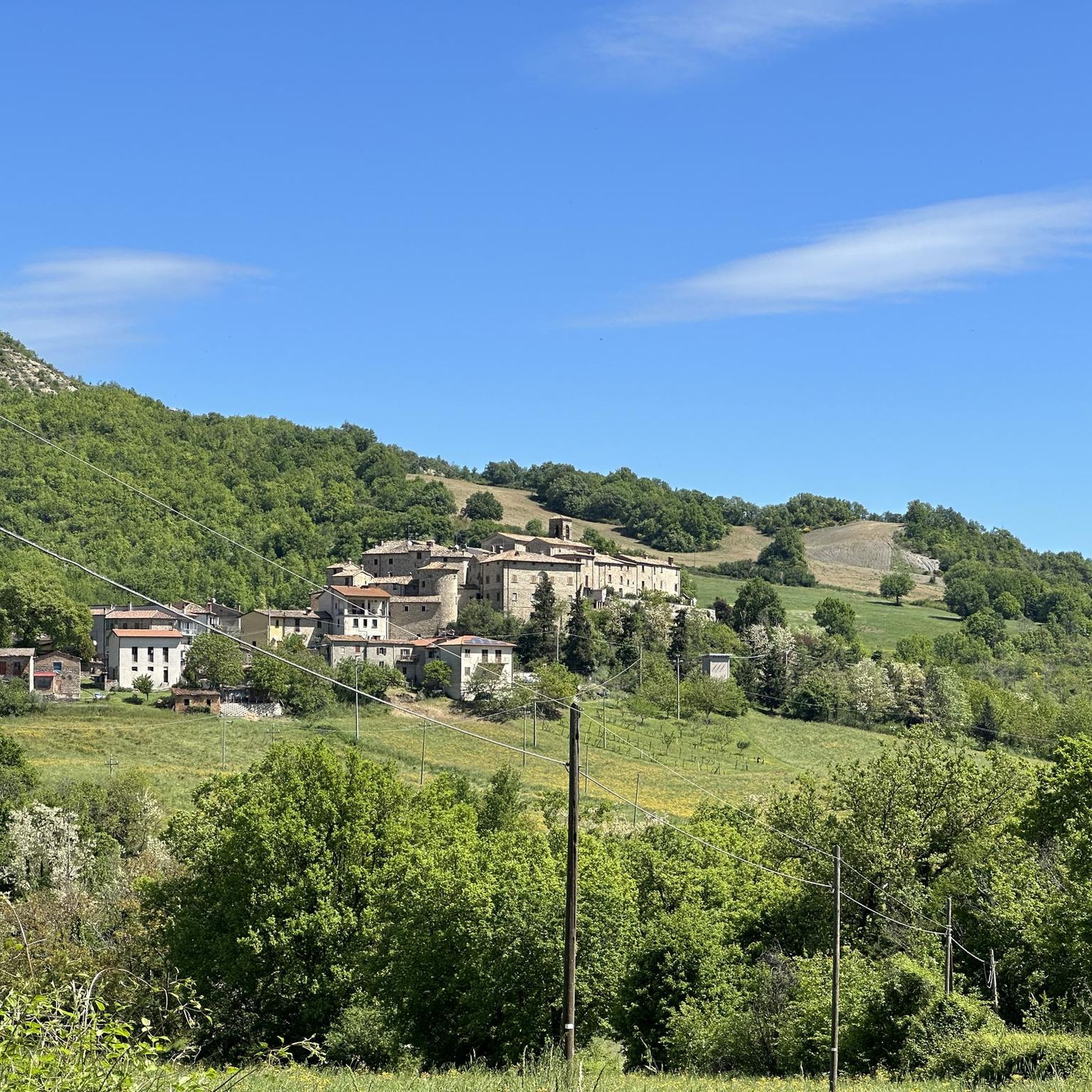
The tiny village of Pietarubbia is located on the slopes of Mount Carpegna in a quiet and panoramic position. It is one of the oldest fortified villages in Montefeltro and is dominated by a Castle of which only one tower remains today. The name derives from Pietra Rubea, meaning "red stone", due to the reddish color of the rocks on which it stands.
0
0

Perched on a rock overlooking the Apsa torrent valley, on the southern slopes of Mount Carpegna, the village of Pietrarubbia is one of the oldest (if not the oldest) of the entire Montefeltro, with its origins that can be dated around the year 1000 ... What is certainly certain is that the village belonged to the Counts of Carpegna as early as 1137, and was equipped with an imposing Castle that stood on a red stone rock (from which the name petra rubea derives, later becoming Pietrarubbia) overlooking the valley below, characterized by excellent natural defenses so much so that it was later called "castrum inexpugnabile". The Montefeltro family originated from a branch of the Counts of Carpegna family, which gradually extended its influence throughout the Duchy of Urbino, with Pietrarubbia playing the role of an important defensive bulwark ... In the following centuries Pietrarubbia was the scene of bloody battles, first between the Guelph and Ghibelline factions within the Montefeltro family, and then between the Montefeltros and the Malatestas, who fought for a long time for control of the Castle, which changed hands several times. ... The following centuries were certainly quieter than the era of great battles that had just ended, however Pietrarubbia, precisely because of its particular conformation that transformed it into an almost impregnable fortress, went through a phase of decline and progressive abandonment, as in a period of peace the defensive function of the Castle became superfluous, and the inhabitants gradually but inexorably moved towards the valley ... The ancient village was completely depopulated around 1960, going through a phase of further decline, interrupted in the last years of the last century thanks also to the intervention of the famous sculptor Arnaldo Pomodoro who, after having acquired the ownership of some of the most important buildings in the town, founded in 1990 the T.A.M., a school dedicated to the treatment of metals located right inside the historic center of Pietrarubbia. Nowadays the village is completely renovated and, although not permanently inhabited, it is very popular with tourists or simply curious people attracted by this place that presents itself as a real open-air museum. (Source: https://www.borghipesarourbino.it/castelli-e-rocche/pietrarubbia/ )
0
0
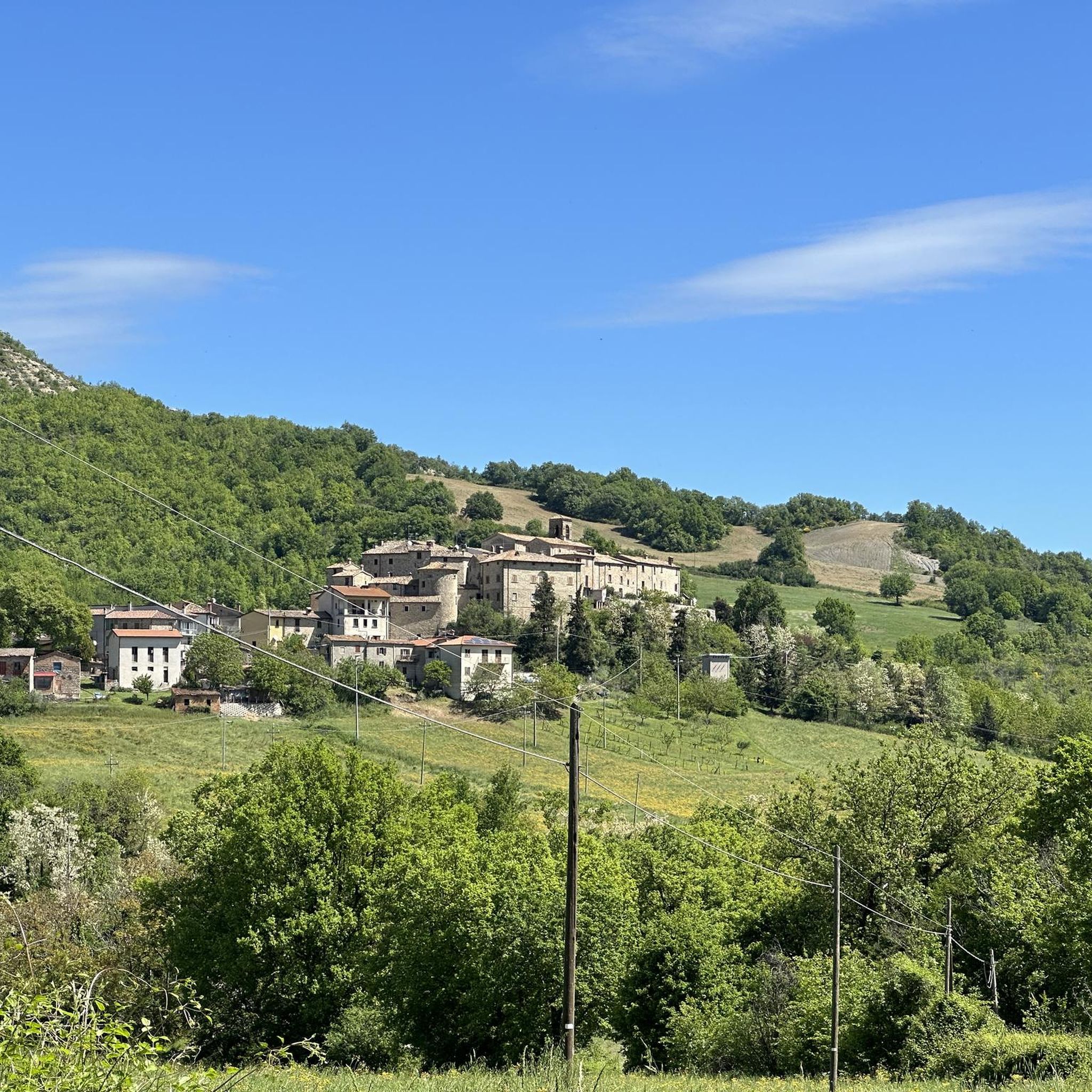
Monterone, located in the municipality of Sestino, in the province of Arezzo, is a place steeped in history and charm. This small medieval village, located on a hill and surrounded by fortified walls, still seems to retain the magic of the past. The old stone facades overlook the alleys that wind downwards like a spiral staircase. The view extends over the Foglia valley and reaches as far as Alpe della Luna, which acts as the border. It is no wonder that Monterone has acquired the nickname of Castello del Luto. The small square in front of the church is the scene of some musical events. Every year, in the first week after Easter, the lutenist Sigrun Richter holds a Masterclass for lute and Early Music Ensembles. During the summer, Ancient Music weekends are also planned for lutenists and singers with teachers Patrizia Vaccari (singing) and Sigrun Richter (lute) If you are passionate about history and culture, Monterone is definitely a place to visit. And if you have the opportunity to participate in one of the concerts or ancient music courses, you will be able to immerse yourself even more in the atmosphere of this enchanting village.
0
0
The name Monteboaggine means "Mount of oxen" due to the grazing of cattle that has been practiced in this area since ancient times. A pearl of the place is the ancient castle of Monteboaggine, of which the bell tower and some traces of the ancient village and church remain today.
1
0

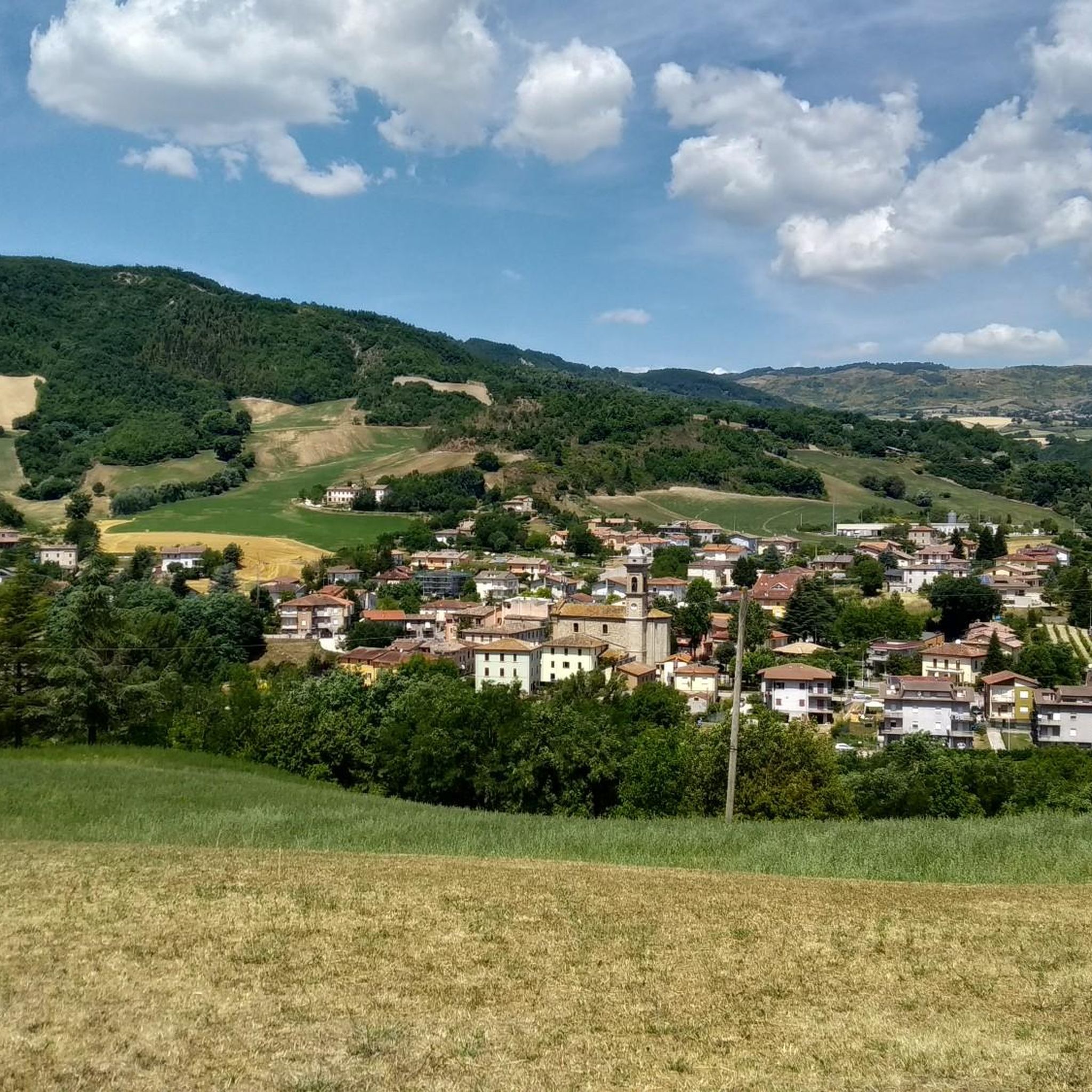
The Castello della Pieve was built near an ancient pagan temple dedicated, according to tradition, to the God of the river Metauro. The Castle was built after the disintegration of the Roman Empire in the 12th century, it was fortified to defend the ancient Pieve d'Ico, current Mercatello sul Metauro. With its high towers in large stone ashlars, the armigers defended this noble land from the intrigues of errant knights and from the conspiracies of the powerful. The Medieval Castle thus played an important role in the military geography of Massa Trabaria, Guelph stronghold and Vassalla of the Holy See.
0
0

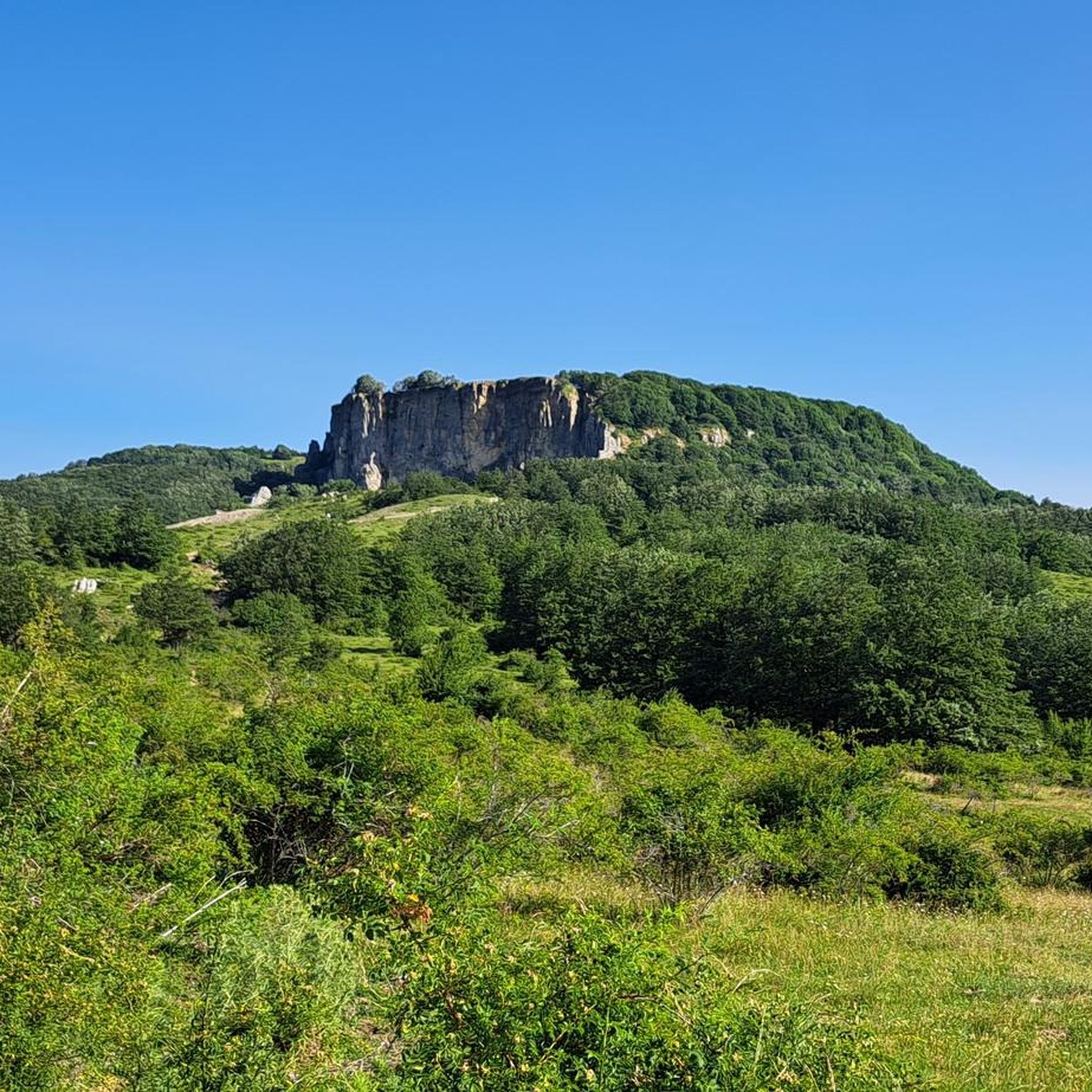
The Antica Castel Durante hunting residence of the Duke of Urbino, contains many points of interest, such as the Palazzo Ducale and the Barco
0
0
Frequently Asked Questions
What is the historical significance of the castles around Belforte All'Isauro?
The castles in this region, including the notable Castle of Belforte all'Isauro, boast a rich history dating back to Lombard settlements in the 6th or 7th century AD. They played a strategic defensive role, often perched on rocky spurs overlooking valleys. Many were part of the Massa Trabaria and later fiefs of the Montefeltro family, reflecting centuries of Italian heritage and numerous alterations through medieval and Renaissance periods.
Can you tell me more about the Castle of Belforte all'Isauro itself?
The Castle of Belforte all'Isauro, also known as the Castello del Barone di Beaufort, was strategically built on a rocky spur overlooking the upper Foglia valley. Its definitive appearance was shaped by architect Francesco di Giorgio Martini. After centuries under the Montefeltro family, it was eventually purchased by a Prussian Baron and later donated to the municipality. Since 1996, it serves as a vibrant center for Italian language and culture for foreigners, a condition of its donation.
What architectural features can I expect to see in the castles of this region?
The castles around Belforte All'Isauro showcase a blend of medieval and Renaissance architectural adaptations. For instance, the Castle of Belforte all'Isauro was designed by Francesco di Giorgio Martini. You'll find fortified structures, high towers, and remnants of ancient villages, often built with large stone ashlars, reflecting their defensive origins and the various periods of construction and modification.
Are there any ancient villages with castle remnants worth visiting?
Yes, Pietrarubbia village is one of the oldest in Montefeltro, with origins around the year 1000. It was once equipped with an imposing castle, of which one tower remains today. The village is completely renovated and acts as an open-air museum. Another is Monterone Medieval Village, a small village on a hill surrounded by fortified walls, offering views over the Foglia valley.
What kind of views can I expect from the castles in the area?
Many castles, like the Castle of Belforte all'Isauro, are perched on rocky outcrops, offering picturesque views of the surrounding hills and the Foglia valley. From places like Monterone Medieval Village, the view extends as far as Alpe della Luna, which acts as a border. These locations provide ideal starting points for exploring the natural beauty of the region.
What outdoor activities can I do near these castles?
The scenic location of these castles, particularly the Castle of Belforte all'Isauro near the Sasso Simone and Simoncello Park or the Alpe della Luna, makes them great starting points for outdoor activities. You can find various running trails, road cycling routes, and gravel biking routes in the surrounding area.
Are there any specific historical sites or monuments besides castles?
Yes, beyond the castles, the region offers other significant historical sites. The Ancient Castel Durante - Urbania is a historical site that served as a hunting residence for the Duke of Urbino, featuring points of interest like the Palazzo Ducale and the Barco. Additionally, the Castle of Belforte all'Isauro is integrated with the town's historic center, including attractions like the Church of San Lorenzo.
What is the best time to visit the castles around Belforte All'Isauro?
While specific seasonal data isn't available, the scenic location of the castles, offering picturesque views and serving as starting points for walks and excursions into nearby natural parks, suggests that spring and autumn would be ideal. These seasons typically offer pleasant weather for exploring both the historical sites and the surrounding natural landscapes.
What do visitors enjoy most about the castles in this region?
Visitors appreciate the rich history and architectural significance of the castles, which offer a glimpse into centuries of Italian heritage. The scenic locations, often perched on rocky spurs, provide stunning views. The komoot community has shown appreciation for these sites, with highlights featuring more than 80 photos and receiving 9 upvotes, indicating a positive visitor experience.
Is there a castle with a unique name or origin story?
Yes, the Monteboaggine Tower is part of an ancient castle whose name means 'Mount of oxen,' due to the historical grazing of cattle in the area. Only the bell tower and traces of the old village and church remain today, offering a glimpse into its pastoral and defensive past.
Are there any castles that played a significant military role in the past?
Absolutely. The Castello della Pieve, built in the 12th century, played an important role in the military geography of Massa Trabaria. With its high towers, it defended the ancient Pieve d'Ico (now Mercatello sul Metauro) from various conflicts. Similarly, Pietrarubbia village's castle was known as a 'castrum inexpugnabile' due to its natural defenses and was a scene of bloody battles between the Montefeltros and Malatestas.
Most popular routes around Belforte All'Isauro
Most popular attractions around Belforte All'Isauro

Get inspired with the komoot mobile app


Explore more
Looking for the best castles somewhere else? Discover other guides around Belforte All'Isauro:
