Top 4 Castles around Zungri
Best castles around Zungri offers a unique exploration of historical structures in the Vibo Valentia province. While Zungri is renowned for its Rupestrian Settlement, a "City of Stone" with approximately 100 cave houses, the surrounding area features various historical sites. This region provides a glimpse into ancient dwelling practices and offers panoramic views of the surrounding countryside and the Tyrrhenian Sea. The structures blend organically with their natural environment at the foot of Monte Poro.
Best castles around Zungri
- The…
Last updated: August 23, 2026
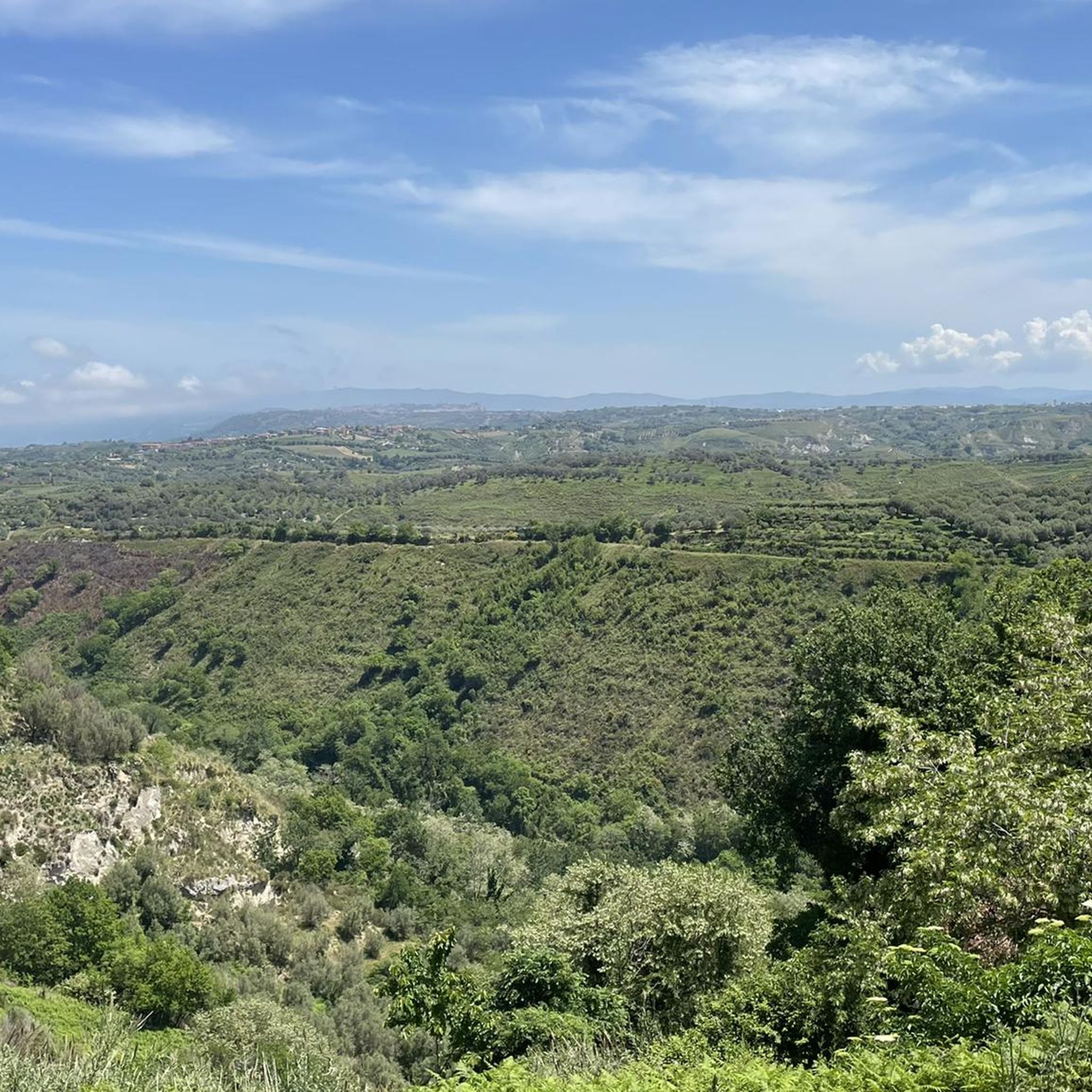
Ancient Roman Aqueduct of Spilinga
Highlight • Monument
Translated by Google •
Tip by

Torre di Capo Pacì and Amphitheater
Highlight • Historical Site
Translated by Google •
Tip by

Sign up now to discover places like this
Get recommendations on the best single tracks, peaks, & plenty of other exciting outdoor places.
Sign up for free
Castello di Nicotera
Highlight • Castle
Translated by Google •
Tip by

Norman-Swabian Castle of Vibo Valentia
Highlight • Castle
Translated by Google •
Tip by
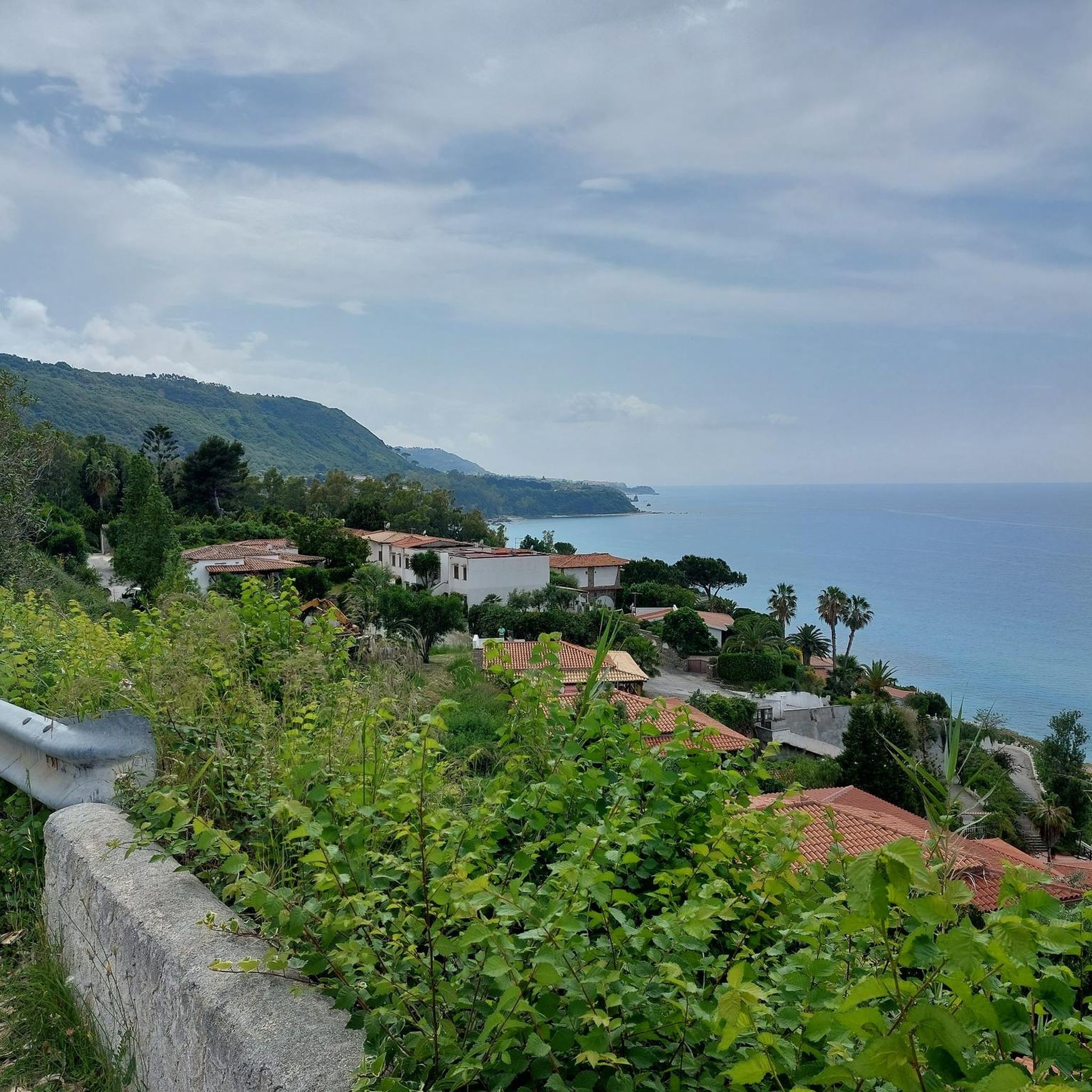
Castello di Bivona and Rocchetta di Briatico
Highlight • Castle
Translated by Google •
Tip by
Sign up for free to discover even more castles around Zungri.
Sign up for free
Already have an account?
Start today with a free account
Your next adventure awaits.
Login or Signup
Tips from the Community

at the exit of Solinga, homeland of the Nduja, shortly after the end of the climb, you find yourself skirting the ancient Roman aqueduct.
0
0
In Spilinga there is not only 'Nduja...
0
0

Beautiful castle and from the balcony of the square you can admire a beautiful panorama, on nice days you can wander from the Aeolian island to Etna
0
0

The aqueduct is still really well preserved at this point.
0
2
The castle enjoys a splendid panoramic view and inside is used as a museum with Greco-Roman finds
0
0
Bivona Castle and Rocchetta di Briatico attractions for those who find themselves traveling the road from Vibo Marina to the wonderful Tropea
0
0

Stretch of road that passes alongside an ancient Roman aqueduct and the ruins of the church of San Michele.
2
0

On the Internet, we have often read that both places are very garbage. We could not find that during our hike (May 2019).
1
0
Frequently Asked Questions
What unique historical sites can I explore around Zungri?
While Zungri itself is famous for its extraordinary Rupestrian Settlement, often called the 'Zungri Caves' or 'Grotte degli Sbariati,' the surrounding area also features traditional historical structures. The Rupestrian Settlement is an ancient 'City of Stone' with approximately 100 cave houses carved into rock, offering a unique glimpse into past ways of life. Nearby, you can visit sites like the Ancient Roman Aqueduct of Spilinga or the 18th-century noble residence, Castello Ruffo di Nicotera.
Are there any traditional castles near Zungri?
Yes, beyond Zungri's unique cave settlement, the region offers several traditional castles and historical fortifications. Notable examples include the Castello Ruffo di Nicotera, an 18th-century noble residence now housing an archaeological museum, and the Norman Castle of Stilo, which also serves as a museum with Greco-Roman finds.
What are the best places for panoramic views in the Zungri area?
The Rupestrian Settlement of Zungri itself offers magnificent panoramic views of the surrounding countryside and the Tyrrhenian Sea. For another excellent vista, consider visiting Torre di Capo Pacì and Amphitheater, which combines ancient structures with scenic overlooks. The Norman Castle of Stilo also boasts a splendid panoramic view.
What kind of outdoor activities can I do near these historical sites?
The Zungri area is great for various outdoor activities. You can find numerous routes for hiking, road cycling, and running. For instance, there are several hiking trails around Zungri, including a moderate loop around the Zungri Cave Settlement. If you prefer cycling, explore the Road Cycling Routes around Zungri, or for runners, check out the Running Trails around Zungri.
Are there family-friendly activities or sites around Zungri?
The Rupestrian Settlement of Zungri offers a fascinating and educational experience for families, allowing children to explore ancient cave dwellings and imagine past lives. The Castello Ruffo di Nicotera, with its archaeological city museum, can also be an engaging visit for older children interested in history. Many of the easier hiking trails in the area are also suitable for families.
What is the best time of year to visit the Zungri area?
The Zungri area, like much of Calabria, is pleasant to visit during spring (April-May) and autumn (September-October) when the weather is mild and ideal for exploring historical sites and engaging in outdoor activities. Summers can be hot, but the coastal breezes offer some relief, and winters are generally mild, though some facilities might have reduced hours.
Where can I find information about the daily life of the ancient inhabitants of Zungri?
The Rupestrian Settlement of Zungri provides a tangible understanding of ancient daily life through its meticulously divided small rooms, which served for sleeping, cooking, and food storage. Adjacent to the rock village, the Museum of Rural and Peasant Civilization houses artifacts, tools, and everyday objects found in the area, offering deeper insights into the habits and traditions of the people who once lived there.
Are there any sites that combine historical interest with natural beauty?
Absolutely. The Rupestrian Settlement of Zungri itself is a prime example, blending organically with its natural environment at the foot of Monte Poro and offering magnificent panoramic views. Additionally, sites like Torre di Capo Pacì and Amphitheater offer both historical structures and scenic vistas of the surrounding landscape.
What kind of historical artifacts or museums can I find in the castles around Zungri?
The Castello Ruffo di Nicotera houses an archaeological city museum and a center for the study of local civil and peasant culture. Similarly, the Norman Castle of Stilo is used as a museum, displaying Greco-Roman finds.
Is it possible to visit the Zungri Cave Settlement and other sites by public transport?
While Zungri is a charming town, public transport options to the Rupestrian Settlement and other specific historical sites in the surrounding rural areas can be limited. It is often recommended to have a car for flexibility, especially when exploring multiple sites. However, local bus services might connect Zungri to larger towns, from where you might need to arrange local transport or a taxi.
What do visitors enjoy most about the historical sites in the Zungri area?
Visitors particularly appreciate the unique historical insights offered by the Rupestrian Settlement of Zungri, often described as a 'hidden gem.' The blend of ancient history with unspoiled nature and magnificent panoramic views is a major draw. For other sites, the combination of historical structures with scenic viewpoints, such as at Torre di Capo Pacì and Amphitheater, is highly valued.
Are there any ancient Roman structures to see near Zungri?
Yes, you can visit the Ancient Roman Aqueduct of Spilinga. This site allows visitors to observe an old waterway and the ruins of the church of San Michele, providing a glimpse into Roman engineering and local history.
Most popular attractions around Zungri

Get inspired with the komoot mobile app


Explore more
Looking for the best castles somewhere else? Discover other guides around Zungri:
