Top 14 Castles around Pontremoli
Best castles around Pontremoli are found in the northernmost municipality of Tuscany, a region characterized by a plateau surrounded by hills and mountains. This area is a historical treasure, with medieval bridges crossing the Verde and Magra rivers and cobbled streets that evoke its past as the mythical Apua. The Lunigiana region offers a blend of natural landscapes and significant historical landmarks.
Best castles around Pontremoli
- The most popular castles is Piagnaro Castle and Museum of Lunigiana Stele Statues,…
Last updated: October 30, 2026
Historic Center of Pontremoli
Highlight • Historical Site
You will find a beautiful church on the central square of …
Translated by Google •
Tip by

Piagnaro Castle and Museum of Lunigiana Stele Statues
Highlight • Castle
Translated by Google •
Tip by

Sign up now to discover places like this
Get recommendations on the best single tracks, peaks, & plenty of other exciting outdoor places.
Lusuolo Castle and Medieval Village
Highlight • Castle
Translated by Google •
Tip by
Malaspina Castle Tower, Villafranca in Lunigiana
Highlight • Castle
Translated by Google •
Tip by

Castello di Corniglio
Highlight • Castle
Translated by Google •
Tip by

Sign up for free to discover even more castles around Pontremoli.
Already have an account?
Start today with a free account
Your next adventure awaits.
Popular around Pontremoli
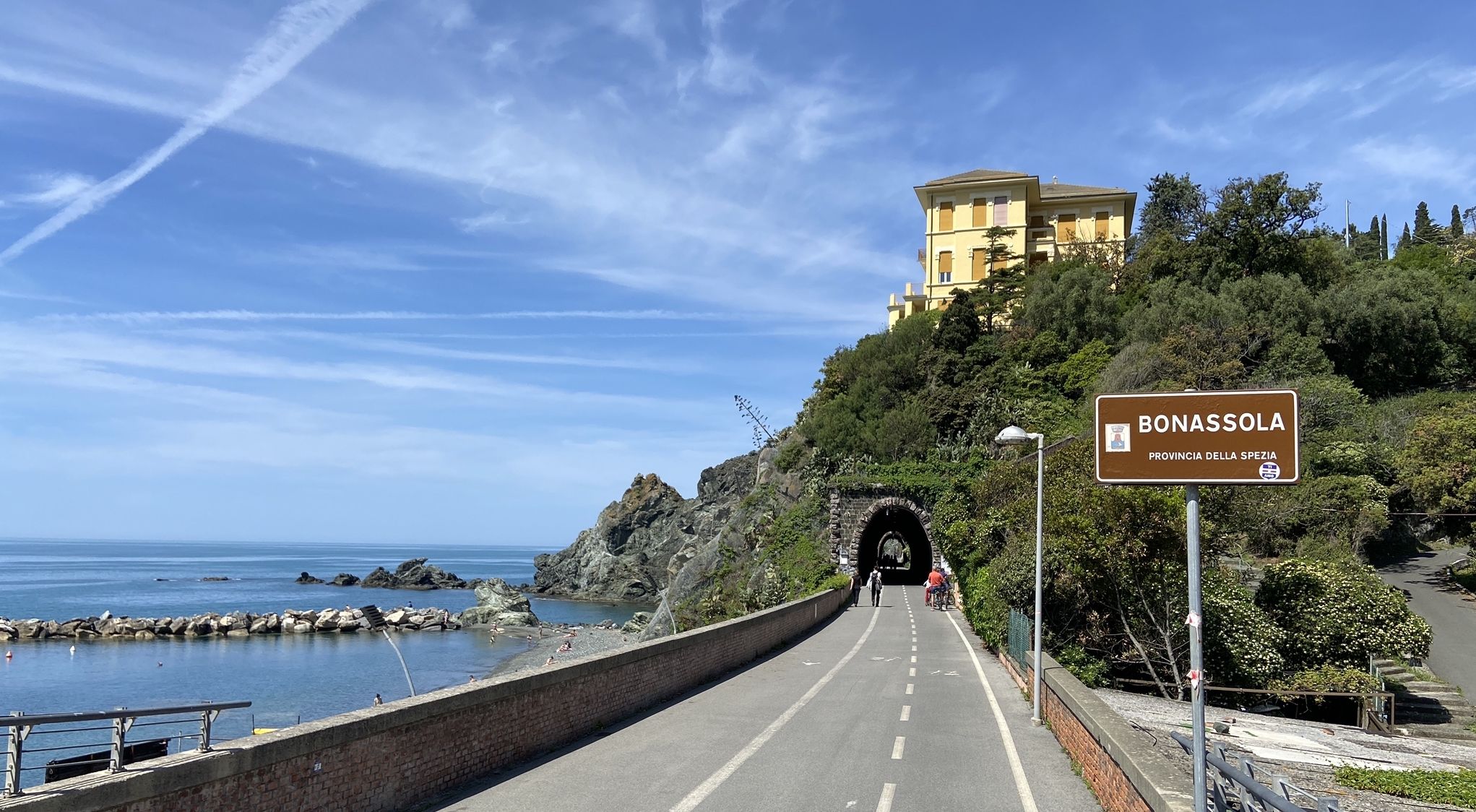
Pedalling to Portofino and the Cinque Terre — sea and mountains
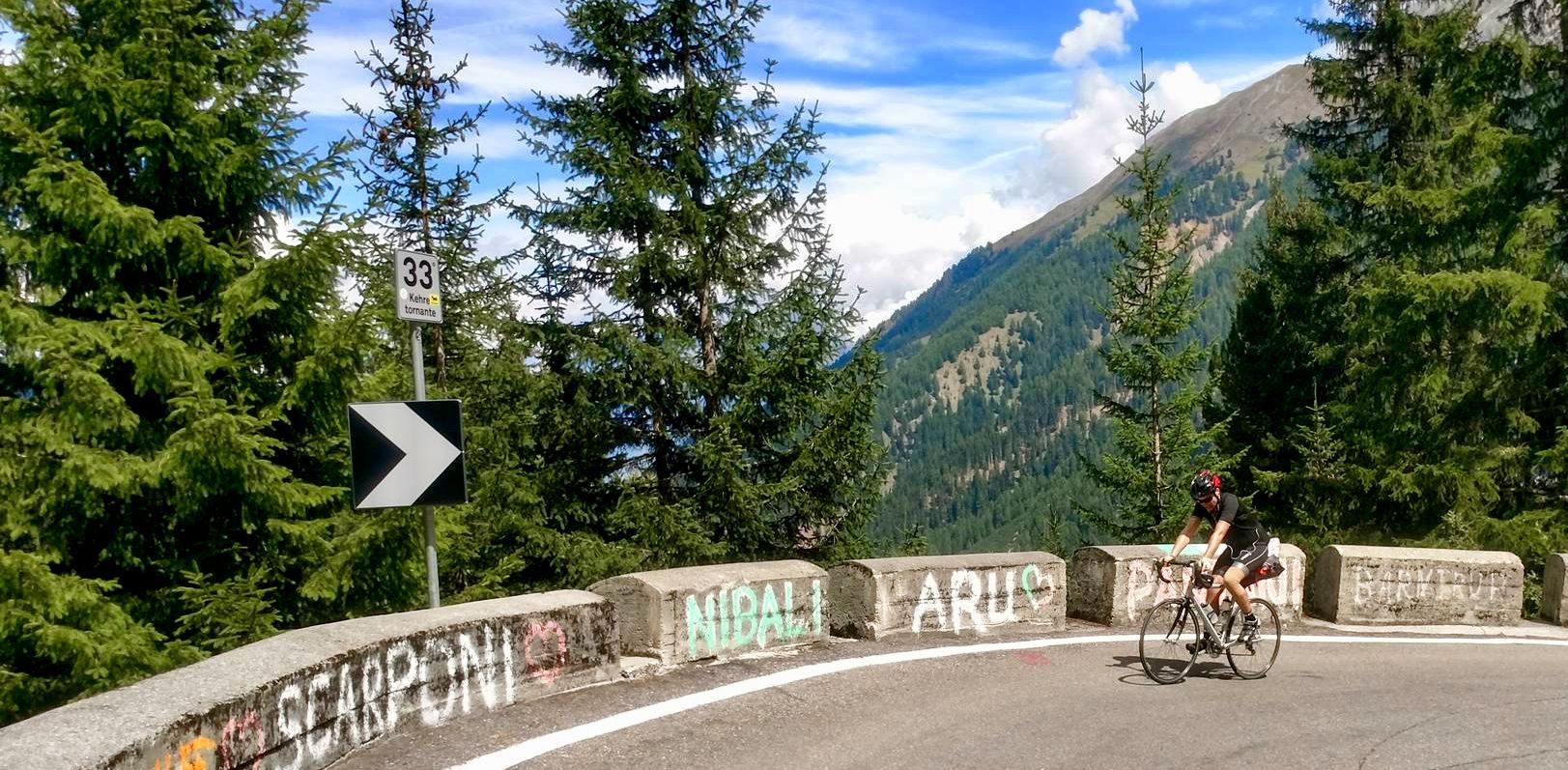
From the mountains to the sea — road cycling in Northern Italy
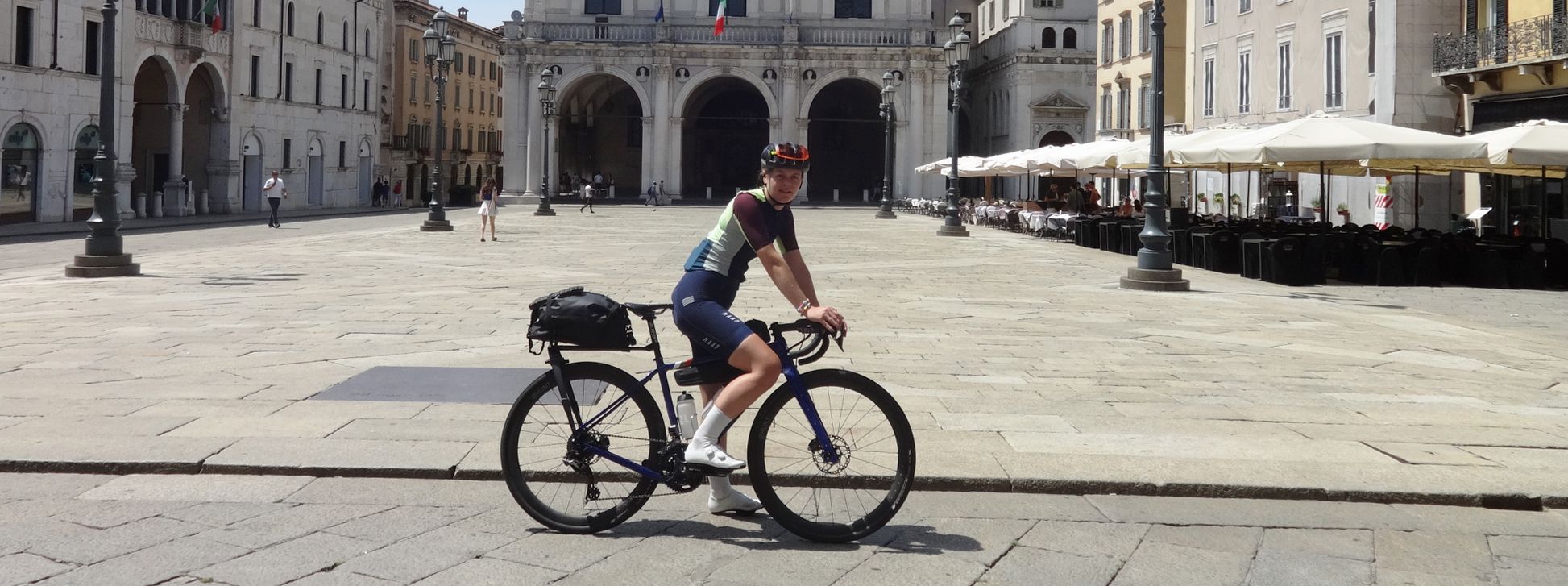
The Pizza Pilgrimage – Milan to Naples, fuelled by pizza
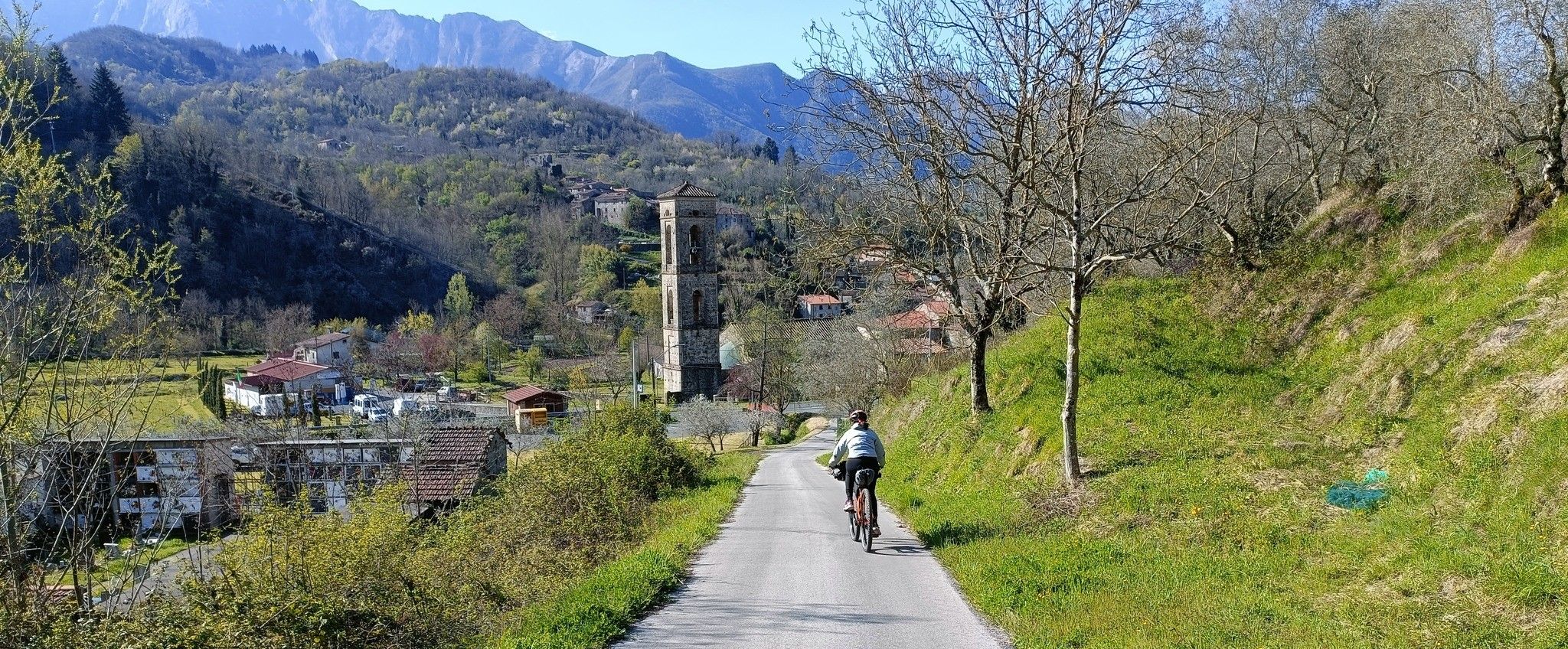
Mediaeval villages and sublime nature – Lunigiana Gravel
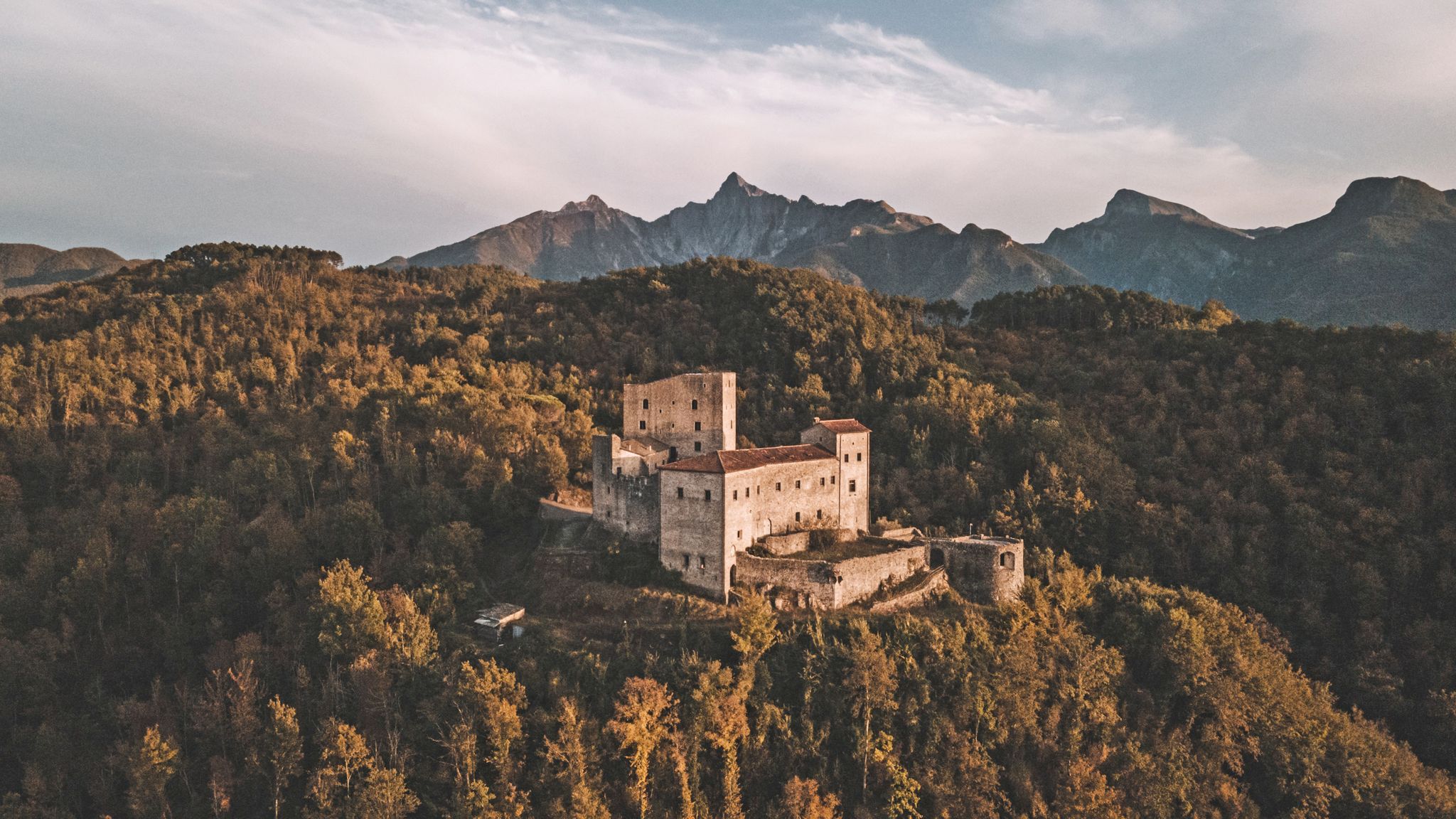
Through history between Lunigiana and Garfagnana – Via del Volto Santo by MTB

The land of 100 castles – Lunigiana Trail MTB
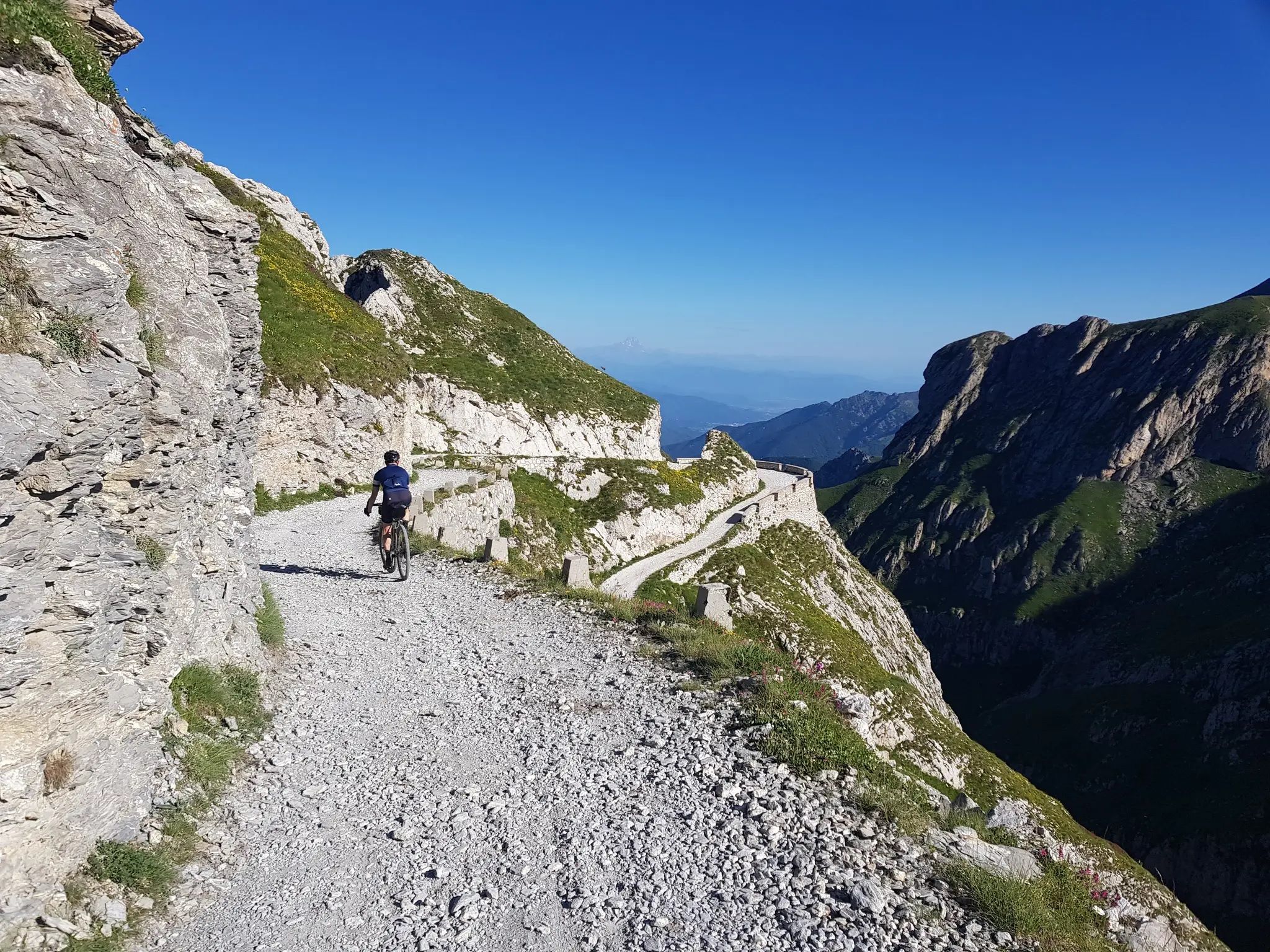
From the boot’s toe to the heel – the most beautiful cycling Tours in Italy
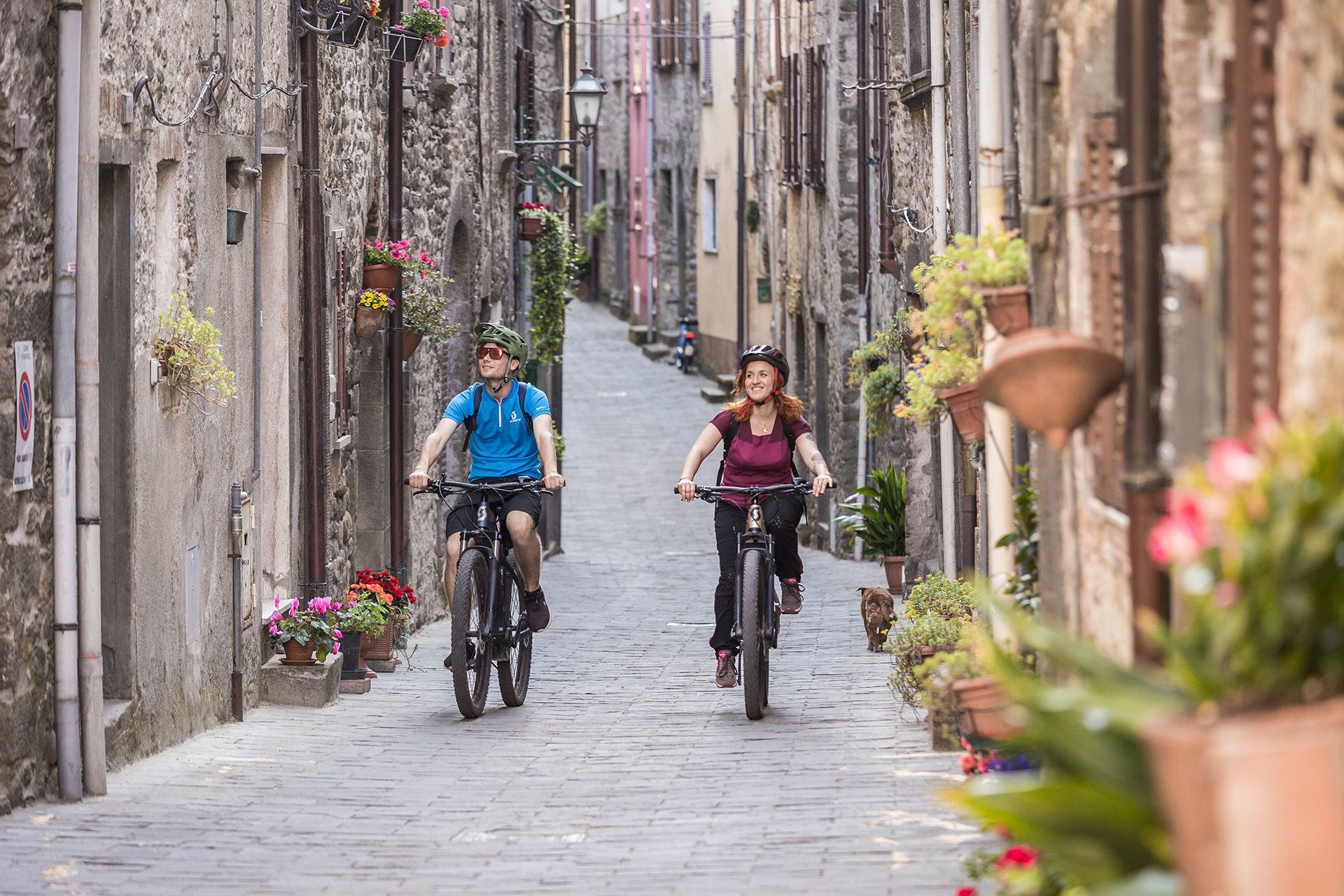
Tuscany by bike — nine Tours for every taste
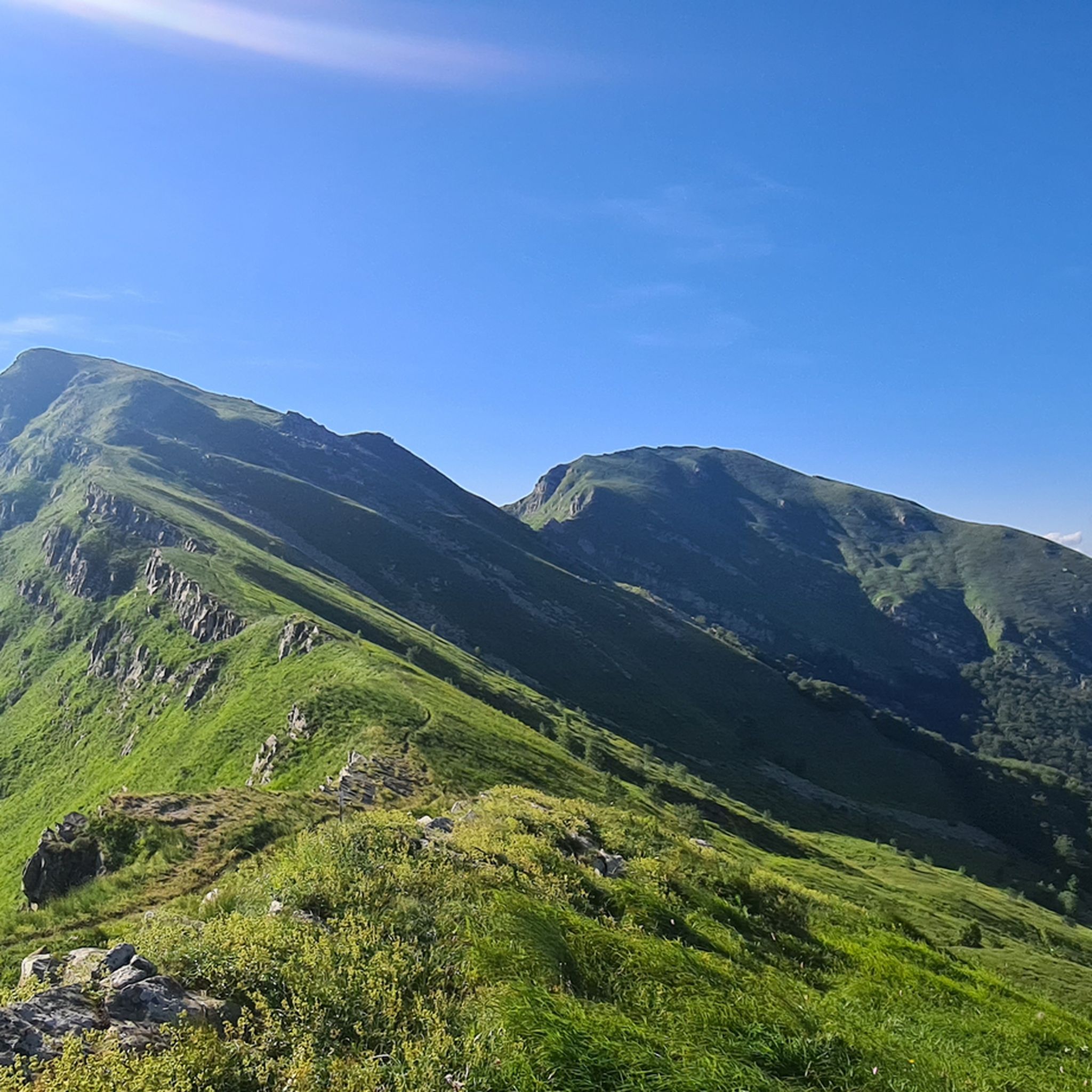
Hiking around Pontremoli
MTB Trails around Pontremoli
Other adventures around Pontremoli


Tips from the Community

Pontremoli lies on the historic Via Francigena pilgrimage route, which leads from Canterbury/Southern England to Rome. A medieval gem in northern Tuscany.
1
0

The Castello di Corniglio is a historic medieval defensive structure located on a rocky spur at an altitude of 700 meters in the municipality of Corniglio, in the province of Parma. Built entirely of sandstone, it stands in a strategic position at the confluence of the Alta Val Parma and Val Bratica to historically control access to the Apennine valleys.
0
0
The Torre del Castello Malaspina in the municipality of Villafranca in Lunigiana mainly refers to the imposing and famous cylindrical structure of the Castello Malaspina di Malgrate, although in the municipal capital there are also the ruins of the Castello di Malnido, the historic Dantesque residence of the Malaspina marquises, which was also originally equipped with a control tower. The best-preserved and famous fortification with its slender tower is located precisely in the hamlet of Malgrate. The cylindrical keep towers over the valley and is an unmistakable symbol of the Lunigiana landscape.
0
0
The Castello del Piagnaro and the Museum of the Lunigianesi Stele Statues "Augusto Cesare Ambrosi" form one of the most fascinating historical and archaeological complexes in Tuscany. Located in Pontremoli (Massa-Carrara), this millennial site dominates the medieval village and holds a prehistoric enigma unique in Europe.
0
0

During the Appennino bike tour, a short detour is necessary to enter the historic center of the town. But it is absolutely worth it.
3
0

The Statue Stele are anthropomorphic vertical stone sculptures, of variable size but generally between 2 and 3 meters in height. These mysterious works of art are testimonies to the culture and spirituality of the ancient peoples who inhabited Lunigiana. Their exact function remains a subject of debate among scholars. Some hypothesize that the Statue Stele could represent ancient gods or local deities, while others suggest they could be funerary symbols or commemorative monuments. The carved figures often feature enigmatic and abstract symbols, such as concentric circles, cupules, and linear engravings, which may have religious, astronomical, or ritualistic significance. The understanding of these symbols is still the subject of research and study by archaeologists and experts.
1
0


Ruins of the Malnido Castle, with the square dedicated to Dante Alighieri, ancient guest of the Malaspina, and the remains of the church of San Nicolò, the medieval road leads to the parish church of San Giovanni
0
0
Frequently Asked Questions
What is the most prominent castle to visit in Pontremoli?
The most prominent castle is the Piagnaro Castle and Museum of Lunigiana Stele Statues. It stands strategically on a hill overlooking Pontremoli's historic center and houses the fascinating Museum of Lunigiana Stele Statues, showcasing prehistoric carvings unique to the region. It offers breathtaking panoramic views of Pontremoli and the surrounding valleys.
Are there other notable castles in the Lunigiana region near Pontremoli?
Yes, beyond Piagnaro, you can explore the Lusuolo Castle and Medieval Village, which is a prime example of medieval civil and military architecture and hosts the Museum of the Emigration of the People of Tuscany. Another significant site is the Entrance to Malgrate Castle, a medieval fortification dominating the Bagnone river valley with its impressive 25-meter high tower.
What kind of historical artifacts can I see at Piagnaro Castle?
Since 1975, the Castello del Piagnaro has housed the Museum of Lunigiana Stele Statues. These are prehistoric carvings representing human figures, significant examples of European megalithic culture created by populations living between the 4th and 1st millennia BC in the Lunigiana region.
What are the accessibility options for reaching Piagnaro Castle?
You can enjoy a scenic walk up to Piagnaro Castle from Pontremoli's historic center, winding through small alleys. For a less strenuous option, an elevator is available from Porta Parma at the north end of town, taking you directly to the castle grounds.
Are there family-friendly castles or activities around Pontremoli?
The Historic Center of Pontremoli itself is considered family-friendly, offering a chance to explore medieval bridges and cobbled streets. While specific castles aren't explicitly listed as 'family-friendly' in the data, the historical and museum aspects of Piagnaro Castle and Lusuolo Castle can be engaging for families interested in history and culture.
What is the best time of year to visit the castles around Pontremoli?
The region experiences varied weather. While specific recommendations for castles are not provided, generally, spring and autumn offer pleasant temperatures for exploring historical sites and enjoying outdoor activities. Summer can be warm, and winter might bring cooler temperatures, but visiting in winter could offer a unique, less crowded experience.
Are there hiking trails near the castles in Lunigiana?
Yes, the Lunigiana region offers various hiking opportunities. You can find routes like 'The village and the Piscio di Pracchiola' or sections of the 'Via Francigena from Liguria to Tuscany (via Passo della Cisa)'. For more details on hiking trails, check out the Hiking around Pontremoli guide.
Can I go cycling or mountain biking near the castles?
Absolutely. The area around Pontremoli is suitable for both cycling and mountain biking. You can explore routes like the 'Ciclovia dei Castelli (Castle Cycle Path)' for MTB or the 'Castles and villages of Lunigiana — Ring tour' for touring bicycles. More information can be found in the MTB Trails around Pontremoli and Cycling around Pontremoli guides.
What kind of views can I expect from the castles?
From Piagnaro Castle, you can expect breathtaking panoramic views of Pontremoli, the surrounding valley, and the Verde and Magra rivers. Malgrate Castle also offers commanding views as it dominates the valley of the Bagnone river.
Are there any cafes or amenities near the castles?
The Historic Center of Pontremoli, located below Piagnaro Castle, has amenities like the famous Caffè Pasticceria Aichta. While specific cafes directly at other castles are not detailed, the nearby villages and towns will offer dining and refreshment options.
What is the historical significance of Pontremoli itself?
Pontremoli is the northernmost municipality in Tuscany and a characteristic center of Lunigiana. It's a historical treasure with medieval bridges and cobbled streets, believed by historians to be the mythical Apua, the ancient capital of the Ligurian-Apuan civilization. Its strategic location meant it played a crucial role in defense and road control throughout history.
How long should I plan for a visit to the castles?
For Piagnaro Castle and its Museum, allow at least 2-3 hours to explore the castle, the museum, and enjoy the panoramic views. Visiting other castles like Lusuolo or Malgrate might take 1-2 hours each, depending on your interest in exploring the surrounding villages or ruins. A full day could be dedicated to visiting multiple sites.
Most popular routes around Pontremoli
Most popular attractions around Pontremoli

Get inspired with the komoot mobile app


Explore more
Looking for the best castles somewhere else? Discover other guides around Pontremoli:
