Top 5 Castles around Marcellina
Castles around Marcellina, Italy, are primarily represented by ancient fortifications and historical sites. The region's strategic geographical position, connecting Montecelio and Palombara to Tivoli and San Polo, made it a vital area for defensive structures. Marcellina's history dates back to the Middle Paleolithic age, with medieval castles often built upon earlier Roman settlements, offering a tangible connection to centuries of history. The Castrum Marcellini is a notable example, showcasing the area's rich past and defensive architecture.
Best castles around Marcellina
…Last updated: June 30, 2026
Rocca Pia of Tivoli
Highlight • Castle
Translated by Google •
Tip by

Ruins of Stazzano Vecchio
Highlight • Historical Site
Translated by Google •
Tip by

Sign up now to discover places like this
Get recommendations on the best single tracks, peaks, & plenty of other exciting outdoor places.
Sign up for free
Castello Orsini-Cesi-Borghese, San Polo dei Cavalieri
Highlight • Castle
Translated by Google •
Tip by

Castello di Corcolle
Highlight • Castle
It was a transition fortress of the late fifteenth century, towards the affirmation of the "modern fortification". …
Translated by Google •
Tip by

Start today with a free account
Your next adventure awaits.
Login or Signup
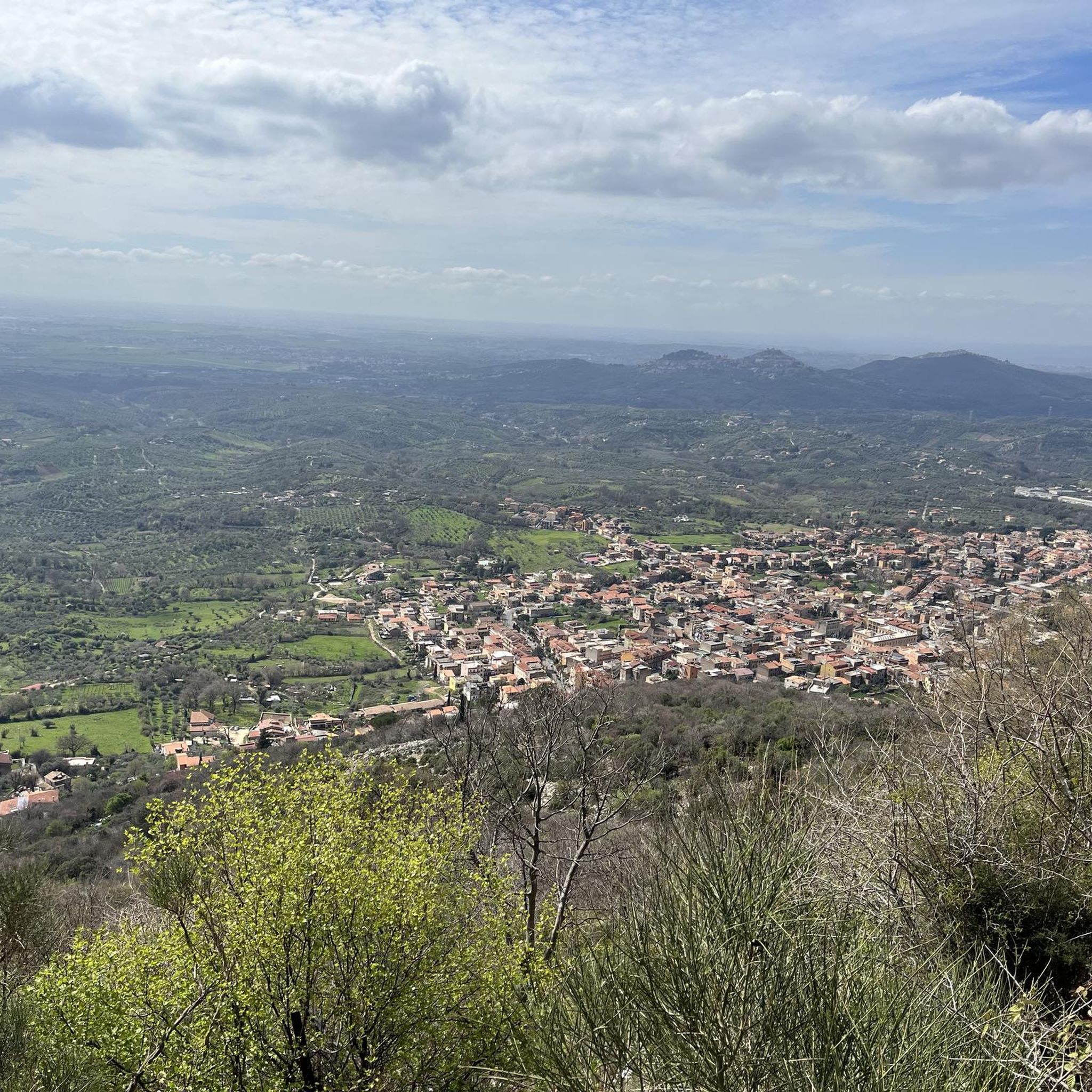
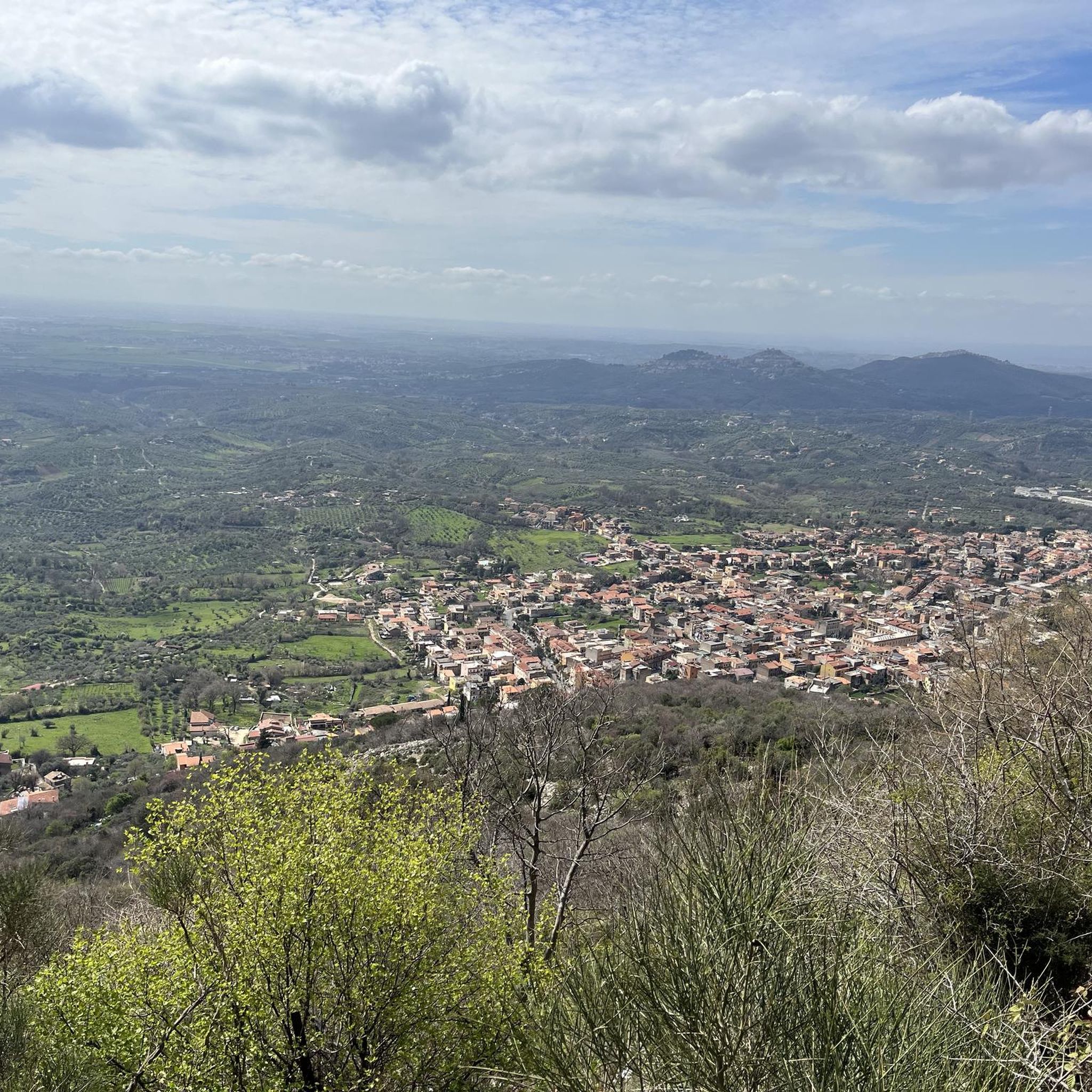
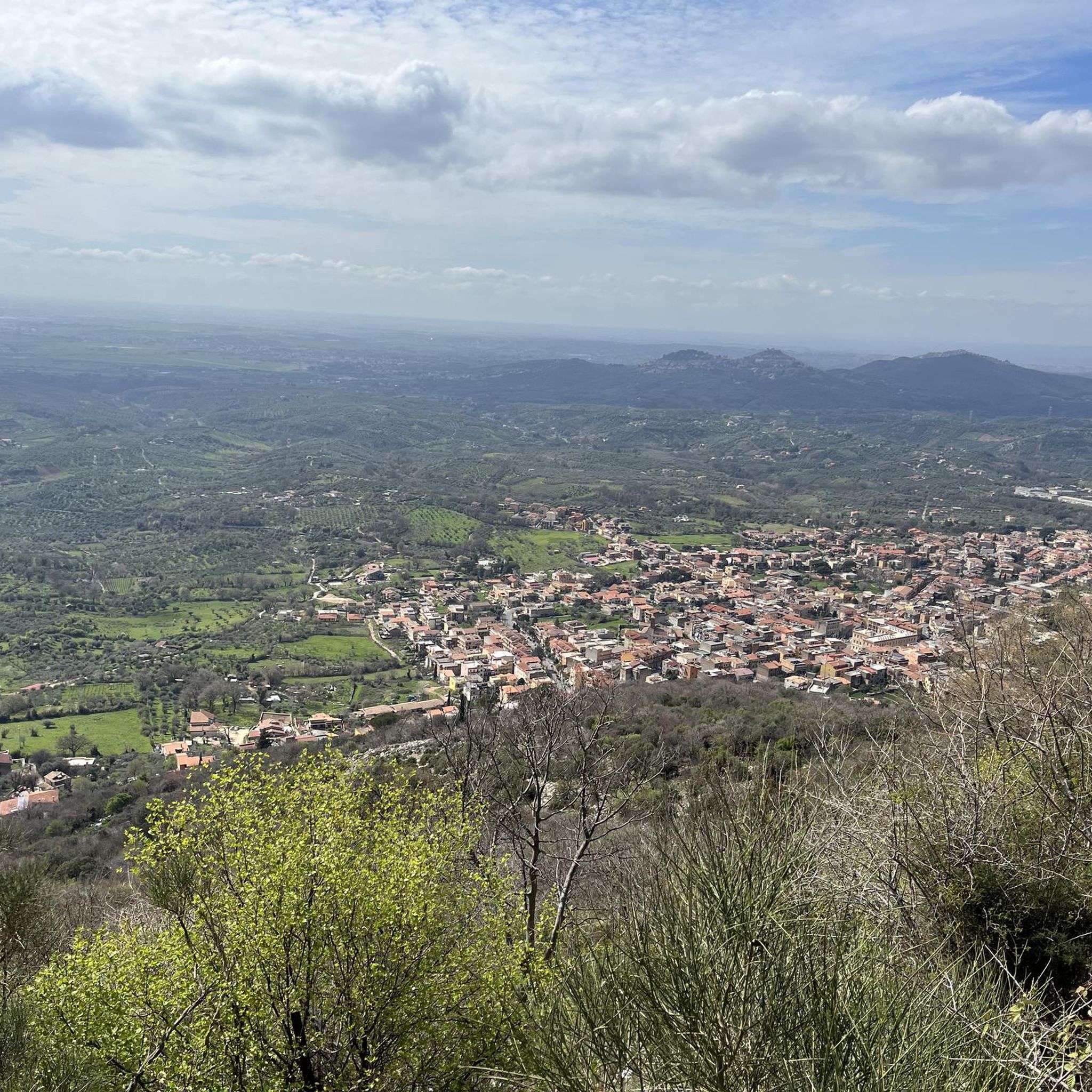
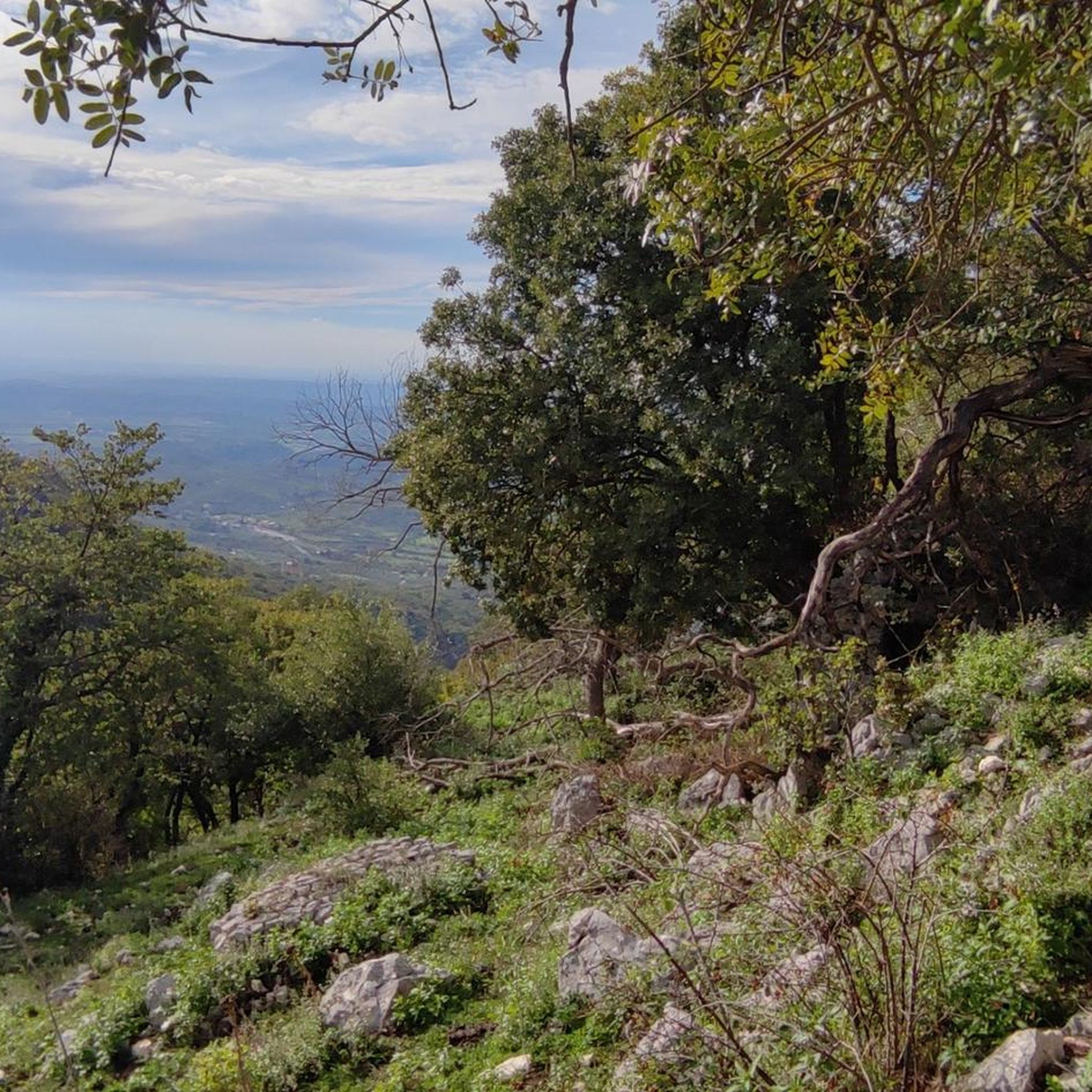

Tips from the Community

Vicolo Barchetto, 00019 Tivoli RM, Italy
9
0

Tivoli's Rocca Pia, an imposing Renaissance fortress located in the city center, was built by Pope Pius II Piccolomini starting in 1461 to defend the city and control the population. The structure is characterized by four large circular towers of varying heights, connected by high crenellated walls. Over the course of its history, the Rocca has alternated defensive functions with those of a papal barracks and, for a long time, a prison until 1960. It is currently a tourist attraction located near Piazza Garibaldi and the Bleso amphitheater. WEBSITE: https://visittivoli.it/sito-turistico/rocca-pia/
1
0


Today it is managed by the farm of the same name which welcomes visitors with rooms and a restaurant.
0
0
In Piazza Garibaldi, the heart and arrival point of the Via Tiburtina in the city, the Rocca Pia castle dominates, symbol of the city of Tivoli.
2
0

The first inhabited center of Stazzano Vecchio was probably built on the remains of a Roman settlement. The term "Stazzano", in fact, could derive from the Latin statio, with the dual meaning of "place of a garrison", or "Post Station". Even today the origins of Stazzano are not clear but it seems certain that a town developed around a castle, built between the 10th and 11th centuries by the Savelli family, a powerful family that influenced the historical events of this part of Lazio. The castle and the town passed into the hands of the Borghese family between the sixteenth and seventeenth centuries. Access to the town consisted of a single door that opened between the outermost tower of the castle and the Church of Santa Maria, a distinguishable sign that Stazzano had been conceived as a "village-castle". A terrible seismic event which occurred on 24 April 1901, with its epicenter in nearby Montelibretti and calculated at the VIII degree of the Mercalli Scale, put an end to the peaceful peasant life. From that moment on, the village of Stazzano was inevitably abandoned and the ruins of the houses were used to build the new town a short distance away. https://www.lazionascosto.it/citta-fantasma-borghi-abbandonati-del-lazio/stazzano-vecchio/
0
0

San Polo dei Cavalieri is a town of about 3,000 inhabitants. It is located at an altitude of 650 meters and is part of the province of Rome. The town is dominated by the Orsini - Cesi - Borghese castle, dating back to medieval times.
0
0
The Rocca Pia of Tivoli dates back to the fifteenth century. It boasts four splendid towers, of different sizes: the tallest is over 36 meters in height.
2
0
Frequently Asked Questions
What is the historical significance of castles in the Marcellina area?
The castles and fortifications around Marcellina, such as the ancient Castrum Marcellini, hold significant historical importance. They were strategically located on crucial roads connecting Montecelio and Palombara to Tivoli and San Polo, serving as vital defensive structures. Many of these medieval fortifications were built upon earlier Roman settlements, offering a tangible connection to centuries of history, from the Middle Paleolithic age through medieval times.
Can I visit the Castrum Marcellini, and what should I expect?
The Castrum Marcellini represents the primary ancient fortification in Marcellina. While much of it lies in ruins, visitors can explore its historic remnants to gain insight into the region's ancient past and defensive architecture. It offers a direct connection to the medieval period and the strategic importance of this hilltop town. Specific visitor information like opening hours or guided tours would need to be checked locally upon arrival.
Are there other ancient fortified sites or villages to explore near Marcellina?
Yes, beyond the Castrum Marcellini, you can explore other historically significant sites. The Historic village of San Vittorino is an ancient settlement with castle elements, appreciated for its preserved character. Additionally, the Ruins of Stazzano Vecchio are the remains of a village that developed around a castle, offering a glimpse into a past settlement abandoned after a seismic event.
Are there family-friendly castles to visit near Marcellina?
Yes, several castles and historical sites in the area are suitable for families. The Castello di Corcolle is noted as family-friendly and currently houses an accommodation facility with a restaurant. The Rocca Pia of Tivoli, with its impressive four towers, also offers an engaging historical experience for all ages.
Are any castles around Marcellina wheelchair accessible?
The Castello Orsini-Cesi-Borghese in San Polo dei Cavalieri is listed as wheelchair accessible, making it a suitable option for visitors with mobility needs. It's always advisable to confirm specific accessibility details directly with the venue before your visit.
What is the best time of year to visit the castles around Marcellina?
The best time to visit the castles around Marcellina is typically during the spring (April-June) and autumn (September-October) months. During these periods, the weather is generally mild and pleasant for exploring historical sites and enjoying outdoor activities. Summer can be quite hot, while winter might be cooler and potentially rainy, though still offering a unique atmosphere for walks.
What outdoor activities can I do near these castles?
The region around Marcellina offers various outdoor activities. You can find numerous running, mountain biking, and gravel biking trails. For example, there are challenging running routes like the Monte Gennaro loops, and diverse MTB trails such as the Fountain in Palombara Sabina loop. You can explore more options and detailed routes on the Running Trails around Marcellina, MTB Trails around Marcellina, and Gravel biking around Marcellina guide pages.
Are there hiking trails near the castles around Marcellina?
Yes, the area is excellent for hiking. Many trails, including those around Monte Gennaro, offer various difficulty levels. While specific trails directly to each castle might vary, you can combine castle visits with hikes in the surrounding natural landscapes. For detailed hiking routes, refer to the running trails guide, which includes many routes suitable for hiking.
What do visitors enjoy most about the castles and historical sites in this region?
Visitors particularly appreciate the rich history and the prominent architectural features of the castles. For instance, the Rocca Pia of Tivoli is admired for its four splendid towers, with the tallest over 36 meters. The Castello Orsini-Cesi-Borghese is noted for dominating the town of San Polo dei Cavalieri, offering a prominent historical landmark. The preserved character of ancient settlements like the Historic village of San Vittorino is also highly valued.
Are there cafes, pubs, or accommodation options near the castles in Marcellina?
Marcellina itself offers various local amenities including cafes, pubs, and accommodation options. While specific establishments directly adjacent to every castle might be limited, you will find choices within Marcellina town center. For example, Castello di Corcolle currently houses an accommodation facility with a restaurant, providing a convenient option for visitors.
How can I get to the castles around Marcellina by public transport?
Marcellina is accessible by public transport, typically via bus services connecting to larger towns or Rome. However, direct public transport routes to individual castles or more remote historical sites can be limited. It's often best to reach Marcellina by public transport and then consider local taxi services or a combination of walking/cycling to reach specific castle locations. Always check local bus schedules and availability for the most up-to-date information.
Where can I find parking when visiting castles near Marcellina?
Parking availability varies by location. In Marcellina town, you can usually find public parking. For castles like Castello Orsini-Cesi-Borghese in San Polo dei Cavalieri, parking is generally available within the village. For sites like the Rocca Pia of Tivoli, parking would be in Tivoli town. It's recommended to look for designated parking areas in the nearest town or village to your chosen castle.
Most popular routes around Marcellina
Most popular attractions around Marcellina

Get inspired with the komoot mobile app


Explore more
Looking for the best castles somewhere else? Discover other guides around Marcellina:
