Top 6 Castles around San Giorgio Di Lomellina
Best castles around San Giorgio Di Lomellina are found within the broader Lomellina region, an area rich in history in the Po Valley. This region features several notable historical castles, reflecting centuries of architectural evolution and strategic importance. While San Giorgio di Lomellina itself once had an ancient castle, the surrounding area offers well-preserved examples of medieval and Renaissance fortifications. These landmarks near San Giorgio di Lomellina provide insight into the cultural heritage of the Lombardy region.
Best castles around…
Last updated: May 18, 2026
Sartirana Castle
Highlight • Castle
Translated by Google •
Tip by

Scaldasole Castle
Highlight • Castle
It is composed of a …
Translated by Google •
Tip by
Sign up now to discover places like this
Get recommendations on the best single tracks, peaks, & plenty of other exciting outdoor places.
Sign up for free
Semiana
Highlight • Settlement
Translated by Google •
Tip by
Lomello Castle
Highlight • Castle
Translated by Google •
Tip by
Litta Castle, Gambolò
Highlight • Castle
Via Molino della Roggia, 27025 Gambolò PV
03819382256
Translated by Google •
Tip by

Sign up for free to discover even more castles around San Giorgio Di Lomellina.
Sign up for free
Already have an account?
Start today with a free account
Your next adventure awaits.
Login or Signup
Popular around San Giorgio Di Lomellina

Tips from the Community

Sartirana beautiful castle, a pity about the cars parked in front
0
0

Place of historical, architectural, cultural and tourist interest Via Molino della Roggia, 27025 Gambolò PV 03819382256
1
0

A classic passage in the great flat tours.
4
0

In the middle of Scaldasole stands a mighty, well-fortified castle. It dates from the Middle Ages.
0
0

The history of the Castle can be summarized as follows: built towards the end of the 1300s by order of Gian Galeazzo Visconti, it was strengthened towards the end of the 1400s by the Sforza family who, in the meantime, had conquered power. The Sforza family added other parts to the main body, which remained so until the sixteenth century, a time when the Castle, by the Gattinara family, was transformed into a comfortable residence, which has not undergone substantial changes to this day. Typical quadrilateral layout, with moat, internal courtyard and four corner towers. The castle is the main attraction of the village and currently houses the "Lomellina Study and Documentation Center", the "Sartirana Arte Foundation", with the museums of collections of silver, jewels, objects of peasant culture, art graphics. Both the Study Center and the Foundation organize numerous exhibitions and cultural events at an international level. In 1462-1463 under the Sforza, the Castle underwent military transformations of expansion and consolidation of the round tower, which was dealt with by the famous architect Bartolomeo Fioravanti, the same that Ivan II, Tsar of Russia, called to his court to the construction of the Kremlin defenses. Sartirana and its castle then passed to the Spaniards with Mercurino Arborio (cardinal) until his death in 1530. The castle belonged to the Arborio dynasty until 1934, and then to the Duke of Aosta Amedeo di Savoia.
4
0
This fountain is located in the municipality of Semiana Lomellina, formerly called Salviana, its name derives from the Salvj people, coming from Provence, who founded it. To see in this small municipality there is an old manor house, there are some remains of a tower on the south side. Unfortunately the building is in a pitiful state of abandonment, without fixtures, with a damaged roof and a wing already collapsed. The parish church of Saints Ippolito and Cassiano dates back to around 1500.
49
0
The building has significant elements that are still clearly visible today, such as the tower located at the entrance, the drawbridge and the moat; tower and moat date back to 1450.
52
0
The monumental complex of Scaldasole is one of the most significant presences of medieval fortified architecture in the province of Pavia and the entire region. It is composed of a castle and a shelter; this building typology, unique in the Lombardy panorama, is very frequent in nearby Piedmont. The original nucleus of the castle was built at the end of the 10th century and the shelter, however, at the beginning of the 15th century.
41
0
Frequently Asked Questions
What are some of the most notable castles to visit near San Giorgio Di Lomellina?
The Lomellina region offers several historically significant castles. Among them, Sartirana Castle, built by Gian Galeazzo Visconti and fortified by the Sforza family, now houses museums and cultural events. Another significant site is Scaldasole Castle, a monumental complex with origins dating back to the 10th century. You can also explore Valeggio Castle, known for its unusual trapezoidal layout and seven asymmetrical towers, or the unique horseshoe-shaped Castello di Valle Lomellina.
Are there any family-friendly castles in the San Giorgio Di Lomellina area?
Yes, several castles in the area are suitable for family visits. Sartirana Castle, for instance, hosts museums dedicated to silver collections, jewelry, peasant culture, and graphic art, which can be engaging for various ages. Scaldasole Castle and Lomello Castle are also listed as family-friendly, offering historical exploration.
What is the best time of year to visit the castles around San Giorgio Di Lomellina?
The best time to visit the castles in the Lomellina region is typically during the spring (April to June) and autumn (September to October). During these seasons, the weather is generally mild and pleasant, making it comfortable for exploring the castle grounds and surrounding areas. Summer can be hot, and mosquitoes might be present, as noted by visitors to Sartirana Castle.
What kind of historical significance do these castles hold?
The castles in the Lomellina region are rich in history, reflecting centuries of architectural evolution and strategic importance. For example, Sartirana Castle saw transformations by the Visconti and Sforza families, with military upgrades overseen by Bartolomeo Fioravanti, who also worked on the Kremlin. Valeggio Castle tells a story from Roman necropolises to Lombard legends, while Scaldasole Castle is a significant example of medieval fortified architecture dating back to the 10th century.
Are there any unique architectural features among the castles in this region?
Absolutely. Valeggio Castle stands out with its unusual trapezoidal layout and seven asymmetrical towers, a rarity among Po Valley castles. Castello di Valle Lomellina is unique for its horseshoe shape, being one of only three such castles in the region. Sartirana Castle features a typical quadrangular layout with a moat, inner courtyard, and four corner towers, showcasing classic medieval design.
What outdoor activities can I do near the castles in San Giorgio Di Lomellina?
The area around San Giorgio Di Lomellina offers various outdoor activities. You can find numerous routes for gravel biking, mountain biking, and running. For gravel biking, explore routes like the Bereguardo Pontoon Bridge loop. Mountain biking options include the Percorso Vita Dorno or the Green Rice Fields loop. If you prefer running, there are trails like the Running loop from Casoni di Sant'Albino or the Castello di Alagna loop. You can find more details on these activities in the Gravel biking around San Giorgio Di Lomellina, MTB Trails around San Giorgio Di Lomellina, and Running Trails around San Giorgio Di Lomellina guides.
Are there any castles that have been converted or repurposed?
Yes, some castles in the region have found new purposes. Sartirana Castle now houses the 'Lomellina Study and Documentation Center' and the 'Sartirana Arte Foundation,' hosting museums and international cultural events. Valeggio Castle, while preserving its medieval charm, serves as an exclusive venue for weddings, private events, and photographic shoots.
What do visitors enjoy most about the castles in the San Giorgio Di Lomellina area?
Visitors appreciate the rich history and architectural beauty of the castles. Many enjoy the well-preserved structures and the insight they offer into the region's past. The cultural events and museums hosted at places like Sartirana Castle are also a major draw. The komoot community has upvoted these castles over 40 times and shared more than 30 photos, highlighting their appeal.
Is there a castle that offers a glimpse into a broader historical timeline?
Valeggio Castle, while fascinating on its own, can be combined with a visit to the museum in Gambolò. This allows for an exploration of a historical timeline spanning from the Roman age through to the late Middle Ages, providing a comprehensive view of the region's past.
Are there any hidden gems or lesser-known historical sites near San Giorgio Di Lomellina?
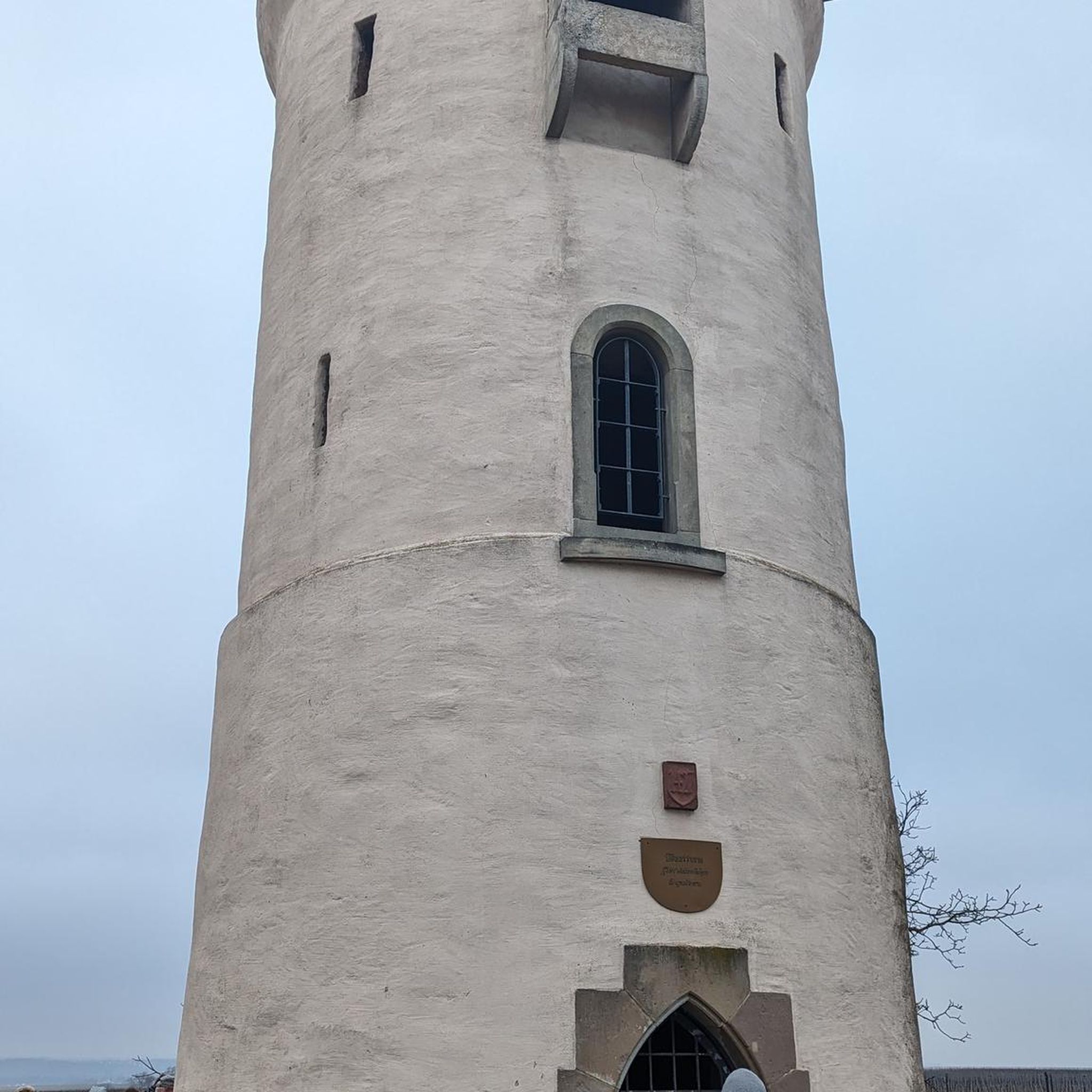
While not a full castle, the settlement of Semiana offers a glimpse into the past with remains of an old manor house and a castle tower. It also features a unique fountain hidden under the castle tower, providing a more intimate historical discovery.
Can I visit Castello Isimbardi?
Yes, Castello Isimbardi, a medieval complex dating back to the 12th century, is open to art, solidarity, and events. It offers about a thousand square meters of visitable space and hosts exhibitions, conferences, and private events. It's surrounded by a splendid park and is located in Castello d'Agogna.
Most popular routes around San Giorgio Di Lomellina
Most popular attractions around San Giorgio Di Lomellina

Get inspired with the komoot mobile app


Explore more
Looking for the best castles somewhere else? Discover other guides around San Giorgio Di Lomellina:
