Top 12 Castles around Volpara
Castles around Volpara offer a glimpse into the region's historical significance and strategic past. The area features a variety of fortified structures, many of which served defensive purposes during medieval times. These sites are often situated in dominant positions, providing views over valleys and surrounding landscapes. Volpara's castles showcase architectural evolution from early medieval fortresses to later adaptations into private residences.
Best castles around Volpara
- The most popular castles is Montalto Pavese, a settlement that stands in a dominant…
Last updated: May 18, 2026
Cicognola Castle and Viewpoint
Highlight • Castle
Translated by Google •
Tip by

Montalto Pavese
Highlight • Settlement
Translated by Google •
Tip by

Sign up now to discover places like this
Get recommendations on the best single tracks, peaks, & plenty of other exciting outdoor places.
Sign up for free
Rocca di Pianello Val Tidone
Highlight • Castle
Translated by Google •
Tip by

Castello di Luzzano
Highlight • Castle
Translated by Google •
Tip by
Olgisio Fortress
Highlight • Castle
Translated by Google •
Tip by

Sign up for free to discover even more castles around Volpara.
Sign up for free
Already have an account?
Start today with a free account
Your next adventure awaits.
Login or Signup

Tips from the Community


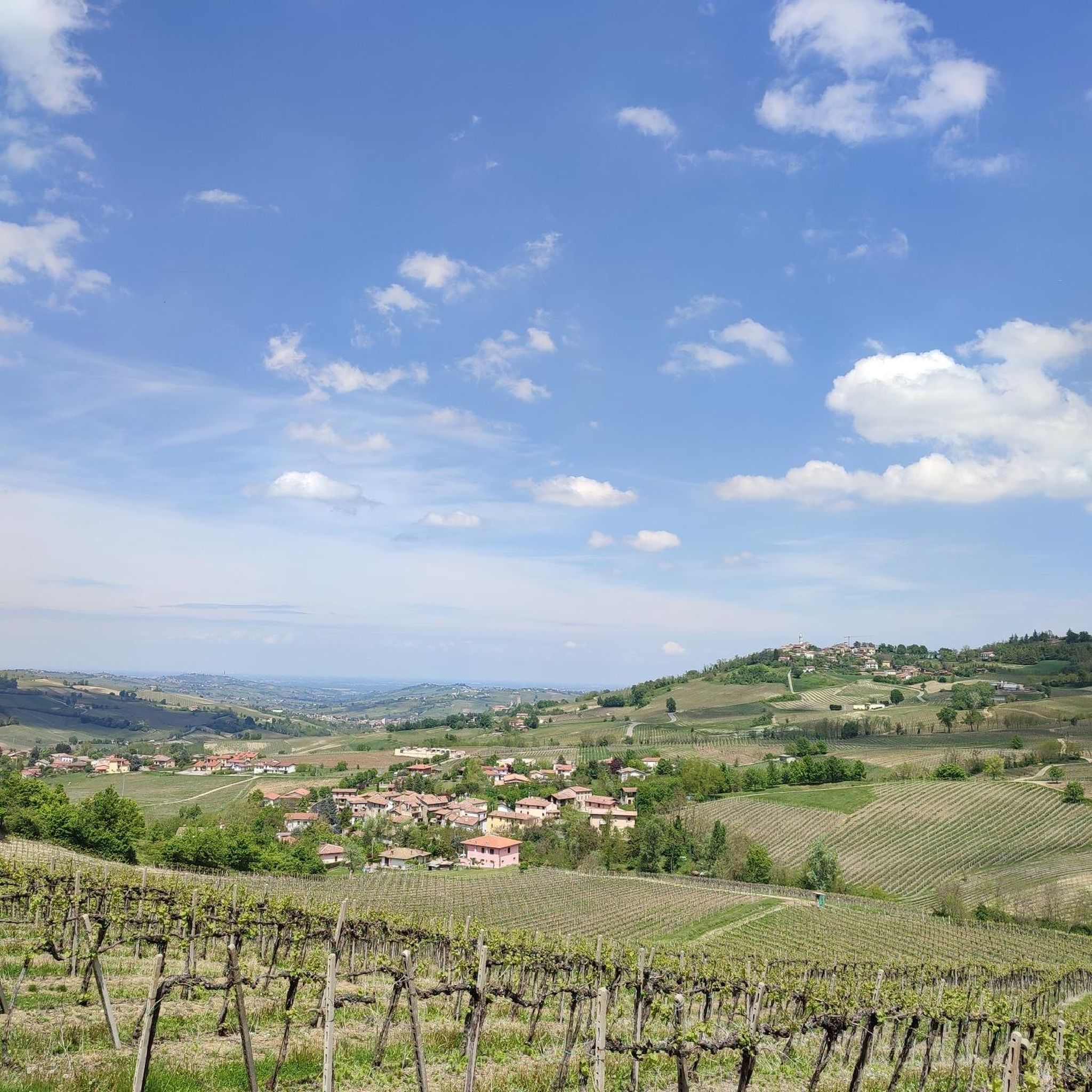
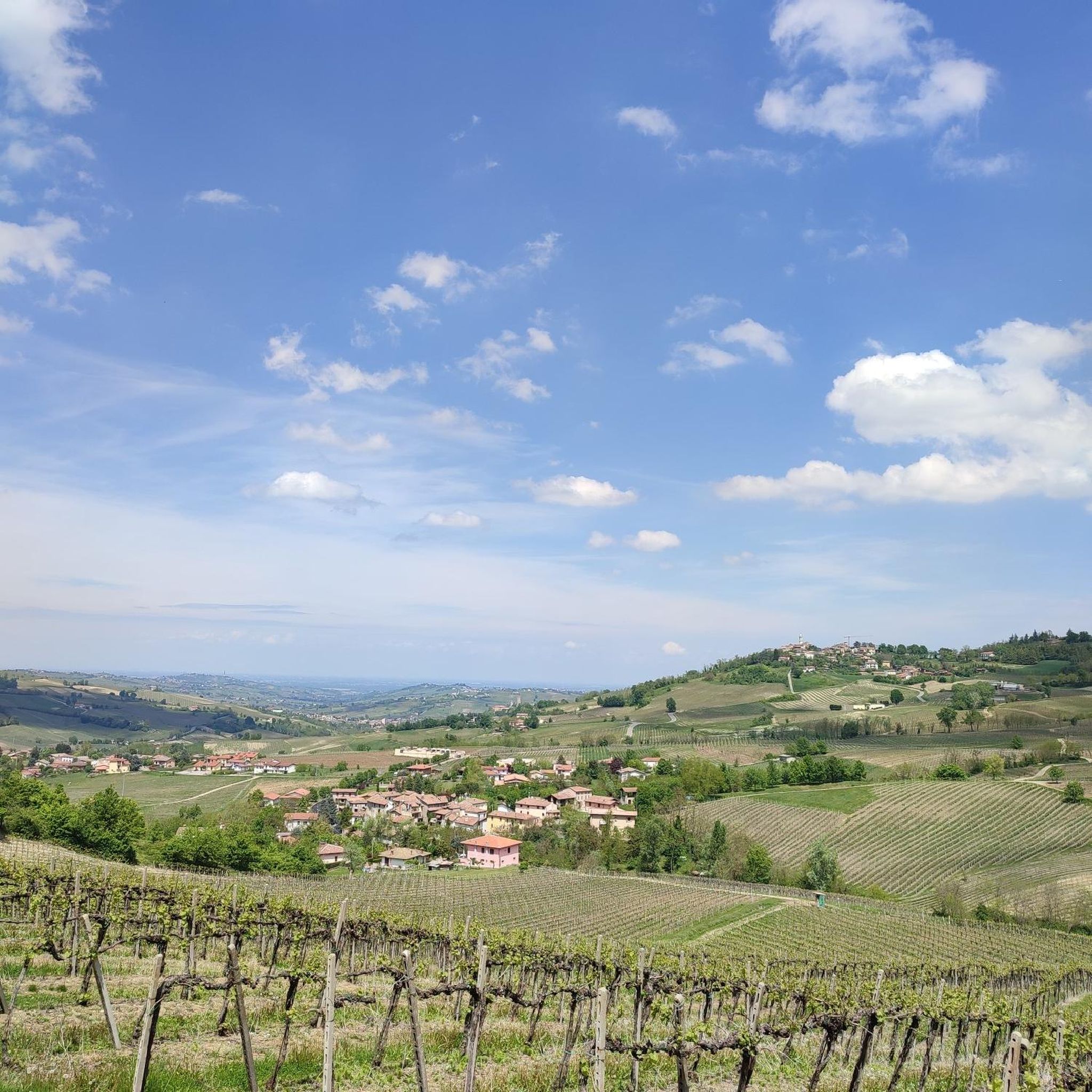
Montalto Pavese stands in a dominant position on the first hills above Casteggio, the beautiful castle (one of the best preserved in the region) with its Italian garden and its wine production.
23
0

Village above Casteggio with two excellent restaurants and panoramic square
1
0

Vicobarone, of Roman origins, takes its name from a 'Vicus Varroni' of the imperial era and has been known as "Vici Baruni" since the year 833. Possession of the monastery of Bobbio and considered one of the first organized communities in the area, it expanded thanks to the numerous and important monastic cells of the Bobbio monastery, present in the area. The transformation of the castle dates back to the end of the seventeenth century, carried out by the Marquises Malvicini Fontana who made it an elegant residence with large and well-kept cellars. A final renovation was recently carried out by the current owners who adapted the building to accommodate tourists without altering its architectural characteristics and recovering the thousandth tower in which the "blade well" from the feudal era was located.
0
0
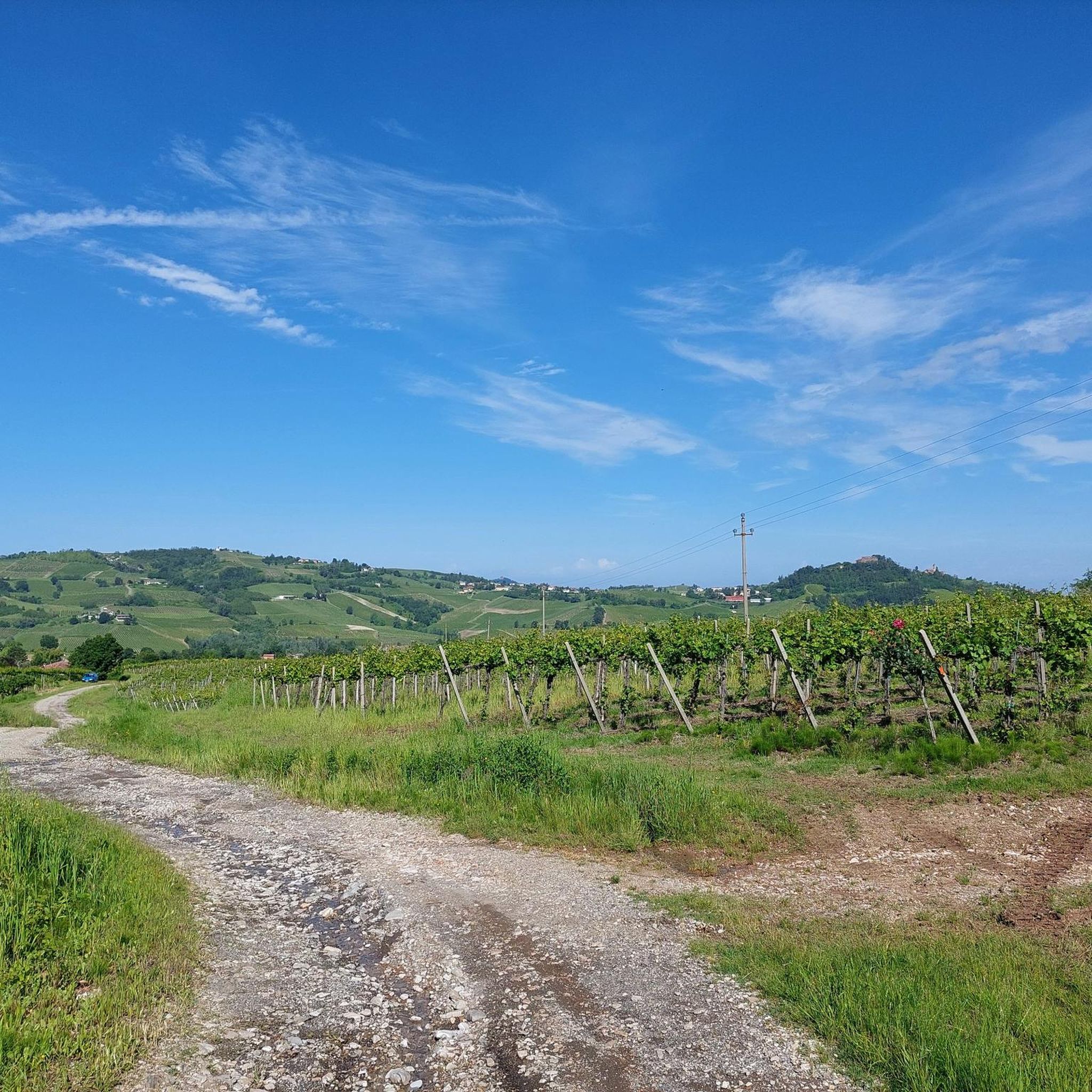
The Rocca di Pianello is believed to have been built towards the end of the fourteenth century, perhaps adapting a pre-existing 10th century fortress, destroyed by Federico Barbarossa in 1164. The reconstruction probably took place following the Visconti investiture of Jacopo Dal Verme in 1378. The irregular plan of the The building is perhaps due to the need to place a late medieval extension to the only tower of which we traditionally have memory. The owners made important changes in the 17th century, transforming it into a private home; today the building houses the Municipality of Pianello and the Archaeological Museum of Val Tidone, which houses the fundamental evidence that emerged from excavations in the area.
0
0

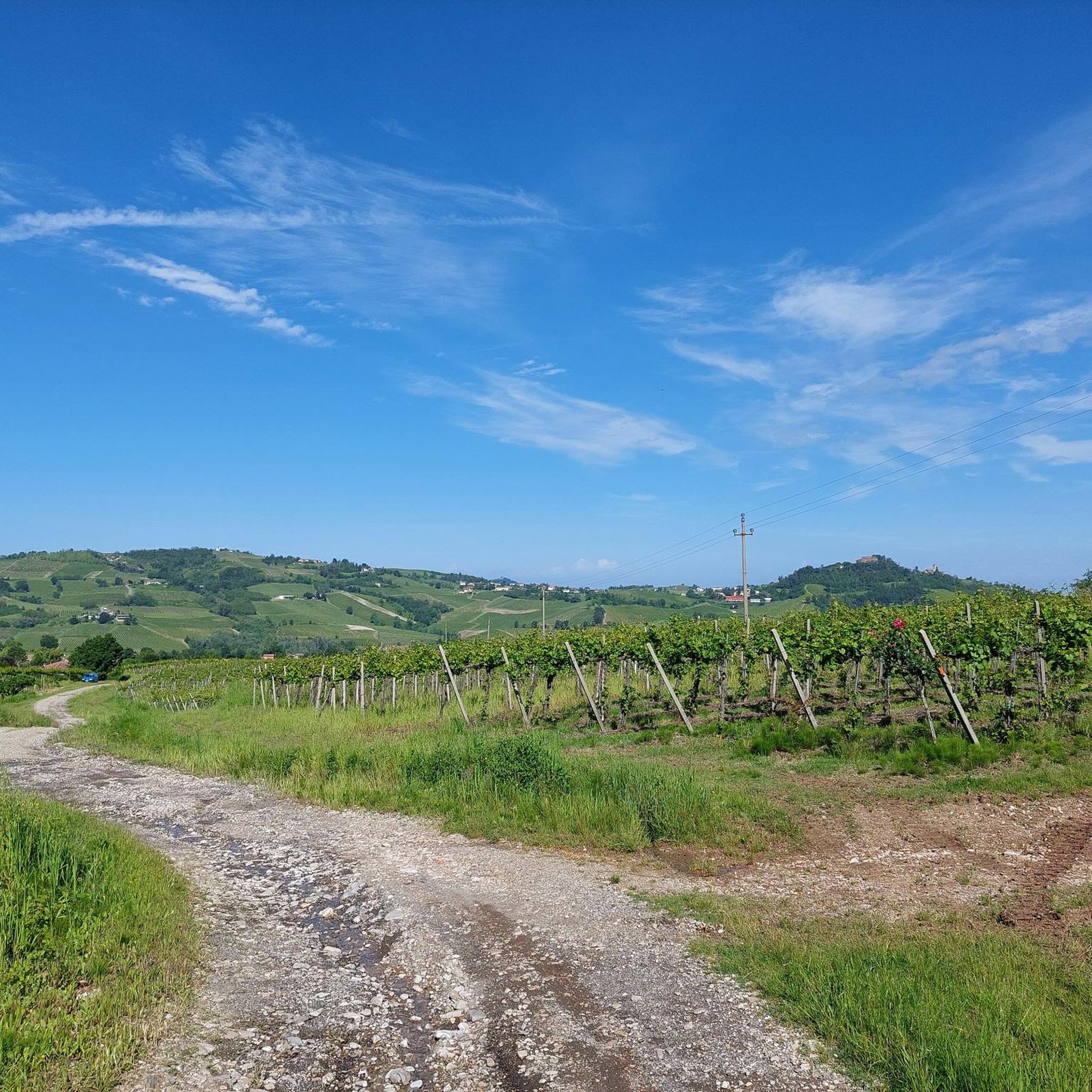
You arrive from Scuropasso, Casteggio or Oliva Gessi. Coming from Pavia, you go up from the Scuropasso valley, via Lirio and Finigeto. Nice climb, longer than the usual low hill climbs, about 6 km. Fairly regular, with a few short stretches of counterslope once you reach the coast. Overview. Very little traffic.
1
0

The Rocca d'Olgisio is one of the oldest and most evocative fortified complexes in the Piacenza area, both for its position dominating the Tidone and Chiarone streams and for its architecture. Its history dates back to the 11th century, when it belonged to the monks of S. Savino of Piacenza; conquered in 1378 by Gian Galeazzo Visconti, he handed it over to the Dal Verme family, to whom it belonged, with intervals, until the mid-nineteenth century. Since 1979 it has been owned by the Bengalli family.
2
0

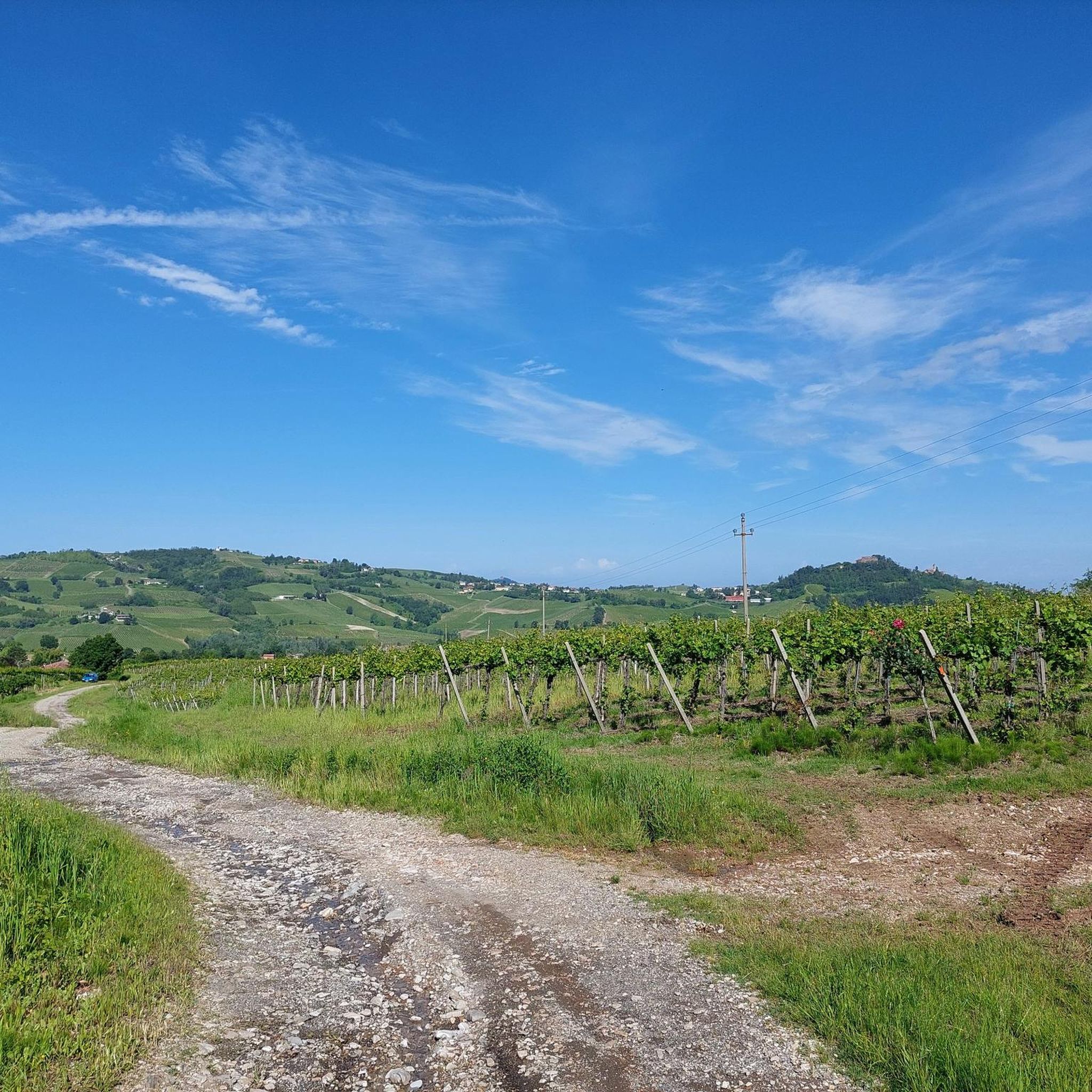
Cicognola offers a splendid castle and an equally interesting panoramic point on the hills of the Oltrepò Pavese. Stop in this small town for a break and to admire its beauties.
1
0
Frequently Asked Questions
What are some of the most notable castles to visit around Volpara?
The Volpara region boasts several historically significant castles. Among the most popular are Montalto Pavese, known for its well-preserved structure, Italian garden, and wine production. Another must-see is Cicognola Castle and Viewpoint, which held a strategic defensive role in the Middle Ages. Also highly regarded is Olgisio Fortress, one of the oldest and most evocative fortified complexes in the Piacenza area, dating back to the 11th century.
Are there any family-friendly castles in the Volpara area?
Yes, Rocca di Pianello Val Tidone is considered family-friendly. This castle, believed to have been built towards the end of the 14th century, now houses the Municipality of Pianello and the Archaeological Museum of Val Tidone, offering an educational experience for all ages.
What kind of historical significance do the castles around Volpara have?
The castles around Volpara are rich in history, primarily serving defensive purposes during medieval times. For example, Cicognola Castle was strategically positioned to control traffic towards Emilia, while Olgisio Fortress has roots dating back to the 11th century and played a role in the conflicts between powerful families like the Visconti and Dal Verme. Many have been adapted over centuries, some becoming private residences or housing museums.
Can I find castles with good viewpoints in the Volpara region?
Absolutely. Several castles offer excellent panoramic views. Cicognola Castle and Viewpoint is specifically noted for its high-altitude position overlooking the Scuropasso Valley. Montalto Pavese also stands in a dominant position on the hills above Casteggio, providing scenic vistas. The Olgisio Fortress is renowned for its commanding position over the Tidone and Chiarone streams.
What outdoor activities can I do near the castles around Volpara?
The area around Volpara offers various outdoor activities, especially cycling. You can explore gravel biking routes like the Tidone Trail, or enjoy road cycling routes that take you through vineyards and past scenic viewpoints. For mountain biking enthusiasts, there are MTB trails that lead to places like the Molato Dam or Castello di Tassara.
Are there any castles in the Volpara area that have been converted or adapted over time?
Yes, many castles in the region have seen significant adaptations. Rocca di Pianello Val Tidone, for instance, underwent important changes in the 17th century, transforming into a private home before becoming the seat of the Municipality and an archaeological museum. Similarly, Castello di Luzzano was transformed into an elegant residence with extensive cellars by the Marquises Malvicini Fontana in the late 17th century, now adapted to accommodate tourists while preserving its architectural character.
What do visitors enjoy most about the castles around Volpara?
Visitors frequently appreciate the historical depth and strategic locations of the castles. Many enjoy the well-preserved architecture, the panoramic views from elevated positions, and the sense of stepping back in time. The integration of some castles with local wine production, such as at Montalto Pavese, also adds a unique cultural dimension to the experience.
When is the best time of year to visit the castles near Volpara?
The region generally offers pleasant weather for visiting castles from spring through early autumn (April to October). During these months, the weather is typically mild, making it ideal for exploring the castle grounds and enjoying the surrounding landscapes. May, June, and July are particularly beautiful for seeing local flora, such as roses, in bloom.
Are there any castles near Volpara that are known for wine production?
Yes, Montalto Pavese is a notable example. This settlement features a beautiful, well-preserved castle with an Italian garden and active wine production, offering visitors a chance to experience both history and local viticulture.
Can I find any hidden gems among the castles in the Volpara region?
While the main highlights are well-known, exploring the smaller, less prominent fortified structures can reveal hidden gems. The region is dotted with medieval castles and fortified settlements, each with its own unique story. For instance, Castello di Luzzano, with its Roman origins and transformation into an elegant residence, offers a glimpse into the area's rich past beyond the more famous strongholds.
What kind of architecture can I expect to see at the castles around Volpara?
The castles around Volpara showcase a range of architectural styles, primarily medieval. You'll find structures with robust defensive features from the 13th and 14th centuries, such as those at Cicognola Castle and Olgisio Fortress. Many castles have also undergone later adaptations, incorporating elements from subsequent centuries as they were converted into private residences, blending military functionality with more refined architectural details.
Most popular routes around Volpara
Most popular attractions around Volpara

Get inspired with the komoot mobile app


Explore more
Looking for the best castles somewhere else? Discover other guides around Volpara:
