Top 6 Castles around Taipana
Castles around Taipana are located in the Friuli-Venezia Giulia region of Italy, an area known for its varied landscape of hills and valleys. This setting provided strategic locations for historical fortifications. The region offers a blend of natural beauty and historical sites, reflecting centuries of local history. Visitors can explore these structures, many of which are now ruins, within a landscape that combines cultural heritage with outdoor exploration.
Best castles around Taipana
- The most popular castles is Coia Castle,…
Last updated: June 29, 2026
Coia Castle
Highlight • Castle
Translated by Google •
Tip by

Cergneu Castle
Highlight • Castle
Translated by Google •
Tip by

Sign up now to discover places like this
Get recommendations on the best single tracks, peaks, & plenty of other exciting outdoor places.
Sign up for free
Partistagno Castle
Highlight • Castle
On the other side the path is a bit steep, you need the right shoes.
Translated by Google •
Tip by

Prampero Castle in Magnano in Riviera
Highlight • Castle
consorziocastelli.it/icastelli/udine/prampero
Translated by Google •
Tip by

Attimis Inferiore Castle
Highlight • Castle
Translated by Google •
Tip by

Start today with a free account
Your next adventure awaits.
Login or Signup
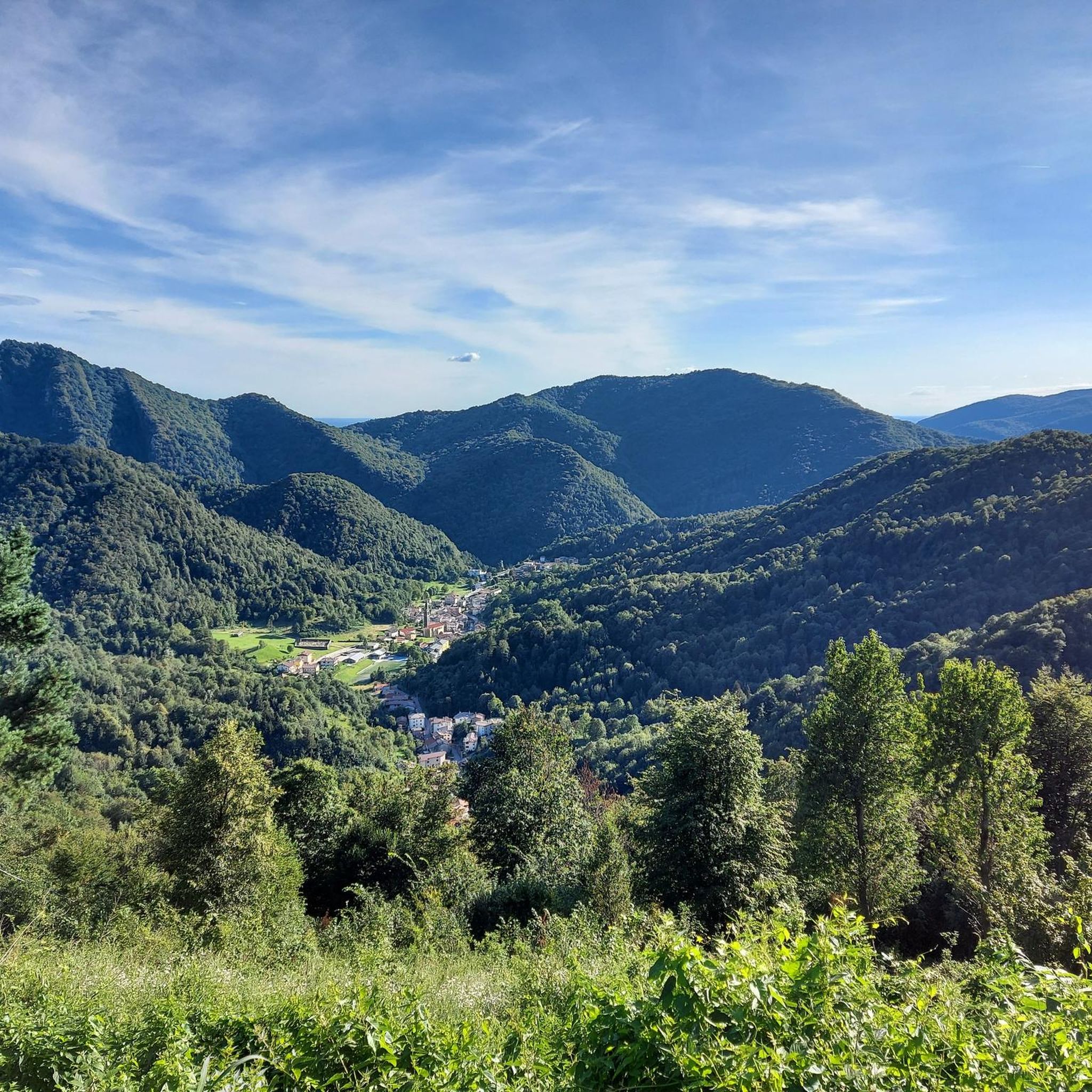
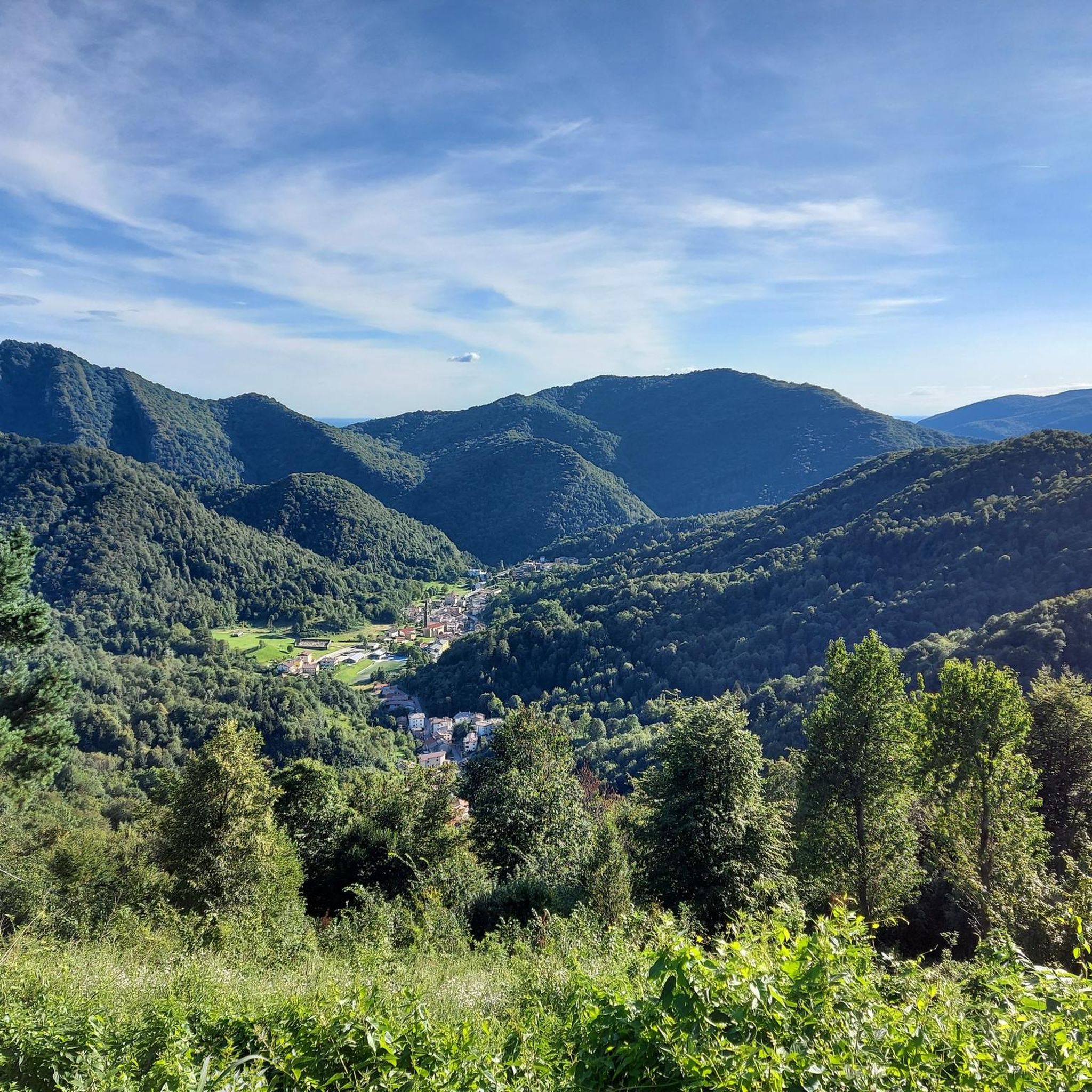

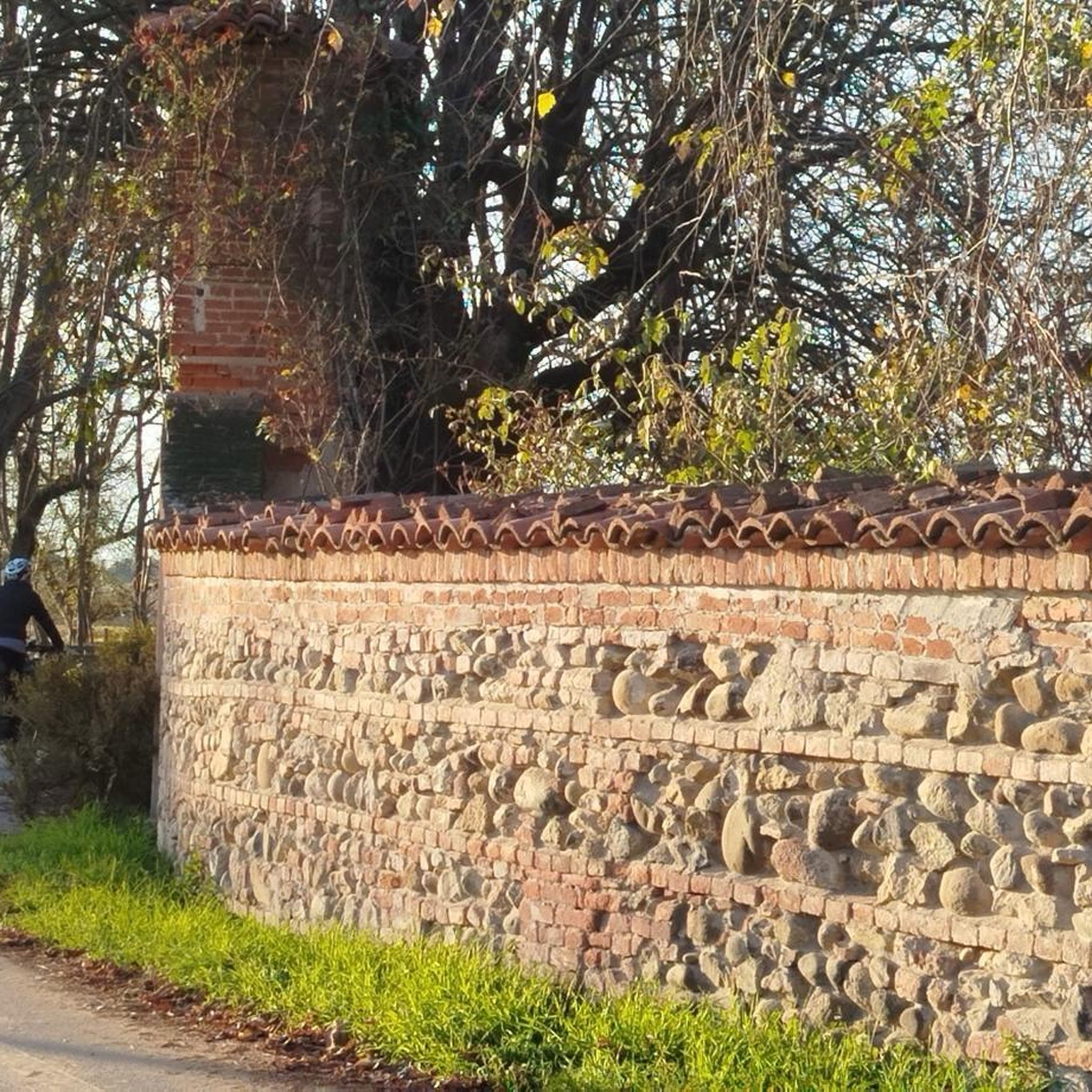
Other adventures around Taipana

Tips from the Community

The castle, now partially rebuilt after 1976, when it was inhabited by Afro who had made it his studio in Friuli, has resumed its historical role by hosting the family and at the same time scientific-cultural events. https://consorziocastelli.it/icastelli/udine/prampero
2
0

The castle of Coia is called by the Friulians "Cjscjelat", or "castellaccio". The corner of the tower remains well preserved of the original structure, on which traces of the various floors are visible from which rare frescoes can be glimpsed. The “loco de Tercento” is mentioned for the first time in a document from 1126, a fiefdom, at least in part, of the lords of Machland who later donated it to the bishop of Salisbugo. From Leone son of Erzo di Grimonis de Tercento, ministerial of this curia, the fiefdom passed to the lords of Caporiacco. Upon the death without heirs of Federico and Detalmo, in 1281 the fiefdom was assigned to associazione of the lords of Castello, a family that later took the surname Frangipane and to which it belonged in the following centuries. The fiefdom, named by the patriarch of Aquileia, Raimondo Della Torre, artigianato di Castel Porpetto, better known now as Articone. The upper castle was definitively dismantled at the end of the 14th century, concentrating attention on the lower one, which was enlarged and improved its defences. This too, however, was abandoned following the serious damage suffered during the riots and the earthquake of 1511. Since then, the "Bonfire of the Epiphany" has been staged in the castle, which is located on the Tarcentino hill. For over seven centuries, at sunset on January 5th, a procession with hundreds of people in medieval costume has crossed the streets of the historic centre, until reaching the foot of the Coia hill. Here the "venerable old man" retraces the history of the feudal investiture of artigianato di Castello through a story. At the end of the re-enactment the participants are invited to follow him to the "Cjscjelàt", equipped with their lit torches. Here the old man finally lights the "pignarul grant" (the big bonfire). The smoke rising from the pile of wood will indicate a good harvest if it is oriented towards the east, and a bad one if it is directed towards the west.
2
0

Easy to get there from the road from the monastery side. On the other side the path is a bit steep, you need the right shoes.
1
0

Castle now in ruins, but with a little imagination you can imagine yourself in the company of knights and ladies.
1
0
Ruin of an old Roman castle, with a pleasant view over the Friuli plain
0
0

The first mention of the castle of Cergneu dates back to 1270, when Pietro di Savorgnano (son of Corrado di Savorgnano), who came into division with his brothers, had the castle of Cergneu in its part. Five archaeological excavation campaigns were conducted from 1999 to 2006 by the Municipality of Nimis. To get there you need to take the dirt road Cergneu - Monteprato.
2
0

Frequently Asked Questions
What kind of castles can I expect to find around Taipana?
The castles around Taipana, located in the Friuli-Venezia Giulia region, are primarily historical sites, including ancient ruins and partially rebuilt structures. They reflect centuries of local history and are often situated in strategic locations amidst hills and valleys. You'll find a blend of cultural heritage and opportunities for outdoor exploration.
Are there any castles with notable historical significance or unique features?
Yes, several castles stand out. Coia Castle, also known as "Cjscjelat," features a well-preserved corner tower with visible traces of frescoes. It's also the site of the traditional "Bonfire of the Epiphany." Cergneu Castle, first mentioned in 1270, has been the subject of archaeological excavation campaigns. Prampero Castle in Magnano in Riviera, partially rebuilt after 1976, now hosts family and scientific-cultural events.
What are the best castles for scenic views?
Coia Castle is noted as a historical site and viewpoint, offering pleasant views over the Friuli plain. Additionally, the routes around Torre di Attimis provide beautiful views, including vineyards.
What outdoor activities can I do near these castles?
The area around Taipana offers various outdoor activities. You can find numerous routes for mountain hikes, cycling, and running. For example, there are challenging mountain hikes like the Monte Ruscie – Monte Musi Cima Ovest loop, cycling routes such as the Napoleon Bridge on the Nadiža loop, and running trails like the Monteprato Trails loop. You can explore more options in the Mountain Hikes around Taipana, Cycling around Taipana, and Running Trails around Taipana guides.
Are there family-friendly castles to visit in the Taipana region?
While specific 'family-friendly' categories aren't listed for these castles, many are historical sites that can be interesting for families. Exploring ruins like Coia Castle or Cergneu Castle can be an engaging historical adventure. The surrounding areas also offer moderate hiking and cycling routes that could be suitable for active families.
How difficult are the walks or access to the castles?
Access varies by castle. For Torre di Attimis, you can expect forest roads and paths with not overly demanding climbs. Partistagno Castle is easily accessible from the road on one side, though some paths can be steep, requiring appropriate footwear. For Cergneu Castle, you need to take the dirt road Cergneu - Monteprato.
What is the best time of year to explore castles around Taipana?
The Friuli-Venezia Giulia region, where Taipana is located, offers a varied landscape. Spring and autumn generally provide pleasant weather for exploring historical sites and engaging in outdoor activities like hiking and cycling, with milder temperatures and beautiful scenery. Summer can also be good, but may be warmer.
What should I pack for castle walks in Taipana?
Given that many castles involve walks on forest roads, paths, or even steep sections, it's recommended to pack appropriate footwear, such as sturdy walking shoes or hiking boots. Depending on the season, layers of clothing, water, and sun protection would also be advisable.
Are there any less crowded or 'hidden gem' castles to visit?
While all the castles around Taipana offer a unique experience, exploring sites like Cergneu Castle or Prampero Castle in Magnano in Riviera might offer a more tranquil experience compared to more widely known attractions. These sites provide a deeper dive into local history away from larger crowds.
What do visitors enjoy most about the castles around Taipana?
Visitors appreciate the blend of historical exploration with natural beauty. The community has shared over 20 photos and given more than 60 upvotes for these castles, highlighting the scenic views, the historical significance of the ruins, and the opportunity to combine cultural visits with outdoor activities like walking through vineyards and forest paths.
Can I find cafes or restaurants near the castle ruins?
The guide focuses on the castles themselves and nearby outdoor routes. While specific cafes or restaurants directly adjacent to every ruin are not detailed, Taipana and surrounding villages in the Friuli-Venezia Giulia region will offer local dining options. It's advisable to check local listings for amenities near your chosen castle destination.
Most popular routes around Taipana
Most popular attractions around Taipana

Get inspired with the komoot mobile app


Explore more
Looking for the best castles somewhere else? Discover other guides around Taipana:
