Top 5 Castles around Prata Di Pordenone
Best castles around Prata Di Pordenone are found in a region historically influenced by Venetian nobility and strategically important during medieval times. While Prata di Pordenone itself features the historic Villa Morosini Memmo, which serves as the Town Hall, the surrounding area offers several significant historical sites. These include castles that once served military functions and later transformed into stately residences. The landscape is characterized by its connection to ancient Roman settlements and the rich history of Friuli.
Best castles…
Last updated: June 29, 2026
Porcia Castle
Highlight • Castle
Built with a …
Translated by Google •
Tip by

Castello di Torre and Archaeological Museum of Western Friuli
Highlight • Castle
Translated by Google •
Tip by

Sign up now to discover places like this
Get recommendations on the best single tracks, peaks, & plenty of other exciting outdoor places.
Sign up for free
Laghetto delle Risorgive di Porcia
Highlight • Lake
Translated by Google •
Tip by

Mantova Castle
Highlight • Castle
Translated by Google •
Tip by

Start today with a free account
Your next adventure awaits.
Login or Signup

Tips from the Community

The castle of Torre was built in the Middle Ages where the complex of the large Roman villa once stood. The oldest part of the fortification is represented by a square-based tower, characterized by mighty walls, probably built in the second half of the 13th century by the Patriarch of Aquileia, who initially entrusted it to the ancient House of the Lords of Prata. Long the object of contention between the nobles of Porcia, the Count of Gorizia and the Carraresi, in 1391 the Patriarch of Aquileia, Giovanni di Moravia, granted the castle of Torre to Giovannino di Ragogna. After the first half of the 15th century, with the Venetian conquest of Friuli, the castle was transformed into a noble residence and was involved in a vast program of architectural and artistic interventions including the fresco decoration with the Annunciation on the ground floor, attributed to Gianfrancesco da Tolmezzo (1450-1511). The staircase leading to the main floor and the loggia were probably built during the second half of the seventeenth century. Between the end of the seventeenth century and the beginning of the eighteenth century, the fresco depicting the main protagonists of the defense of Vienna from the siege of the Turks in 1683 was created in the vault of the ground floor of the tower-keep, probably to commemorate the participation of a member of the Ragogna family in the clash. Various additions and structural modifications were made to the building during the eighteenth and nineteenth centuries. At the end of the nineteenth century, in the southern sector of the castle, the old loggia building was demolished and a new building was built, which was placed against the northern wall of the main tower. In 1926, the building was replaced with the one that still exists today. In 1970, the Count of Ragogna died, leaving the Castello di Torre as an inheritance to the Friuli Venezia Giulia Region; in the end, after various testamentary events, the building came to the Municipality of Pordenone. After a careful restoration that took place in the early 2000s, since 2006 it has been home to the Archaeological Museum of Western Friuli.
0
0

the "castle of Mantua" is an ancient residence located near the so-called Bosc de Mantua, in official sources the Bosco della Mantua. The ancient toponym, already mentioned in documents from 1237, appears in various lexical forms (think of Mantua, Mantoa, Mantova) and over the history of the term, has given rise to various street names in the area, such as Via Vecchia di Mantova , the ancient road that led to the forest and which continued up to the administrative borders of the Municipality reaching S. Andrea di Pasiano. As regards the linguistic derivation, the name immediately recalls the Lombard city of the same name: in reality, the popular legend linked to the name narrates that a rural building in this area, due to being massive and surmounted by a tower-shaped pigeon loft, was called the castle of Mantua. This was the residence of the "counts of Mantua", who gave the area its name from their place of Lombard origin. The territory of Mantua was once covered with dense natural forests and wild brambles and in recent decades, thanks to important archaeological excavations, it has emerged that one of the most developed civilizations in the world lived here in the primitive age before the arrival of the Romans. Friulian prehistory. The meaning of the name Mantua, therefore, could date back to the primitive age and recall the Mediterranean echo word Manta which is the basis of the words cloak, robe, blanket. Hence, perhaps, the name Mantua, attributed to the area, could be linked to the nature of the territory, a true wooded cover of varied and dense vegetation https://www.curaticonstile.it/files/4WynL2/azzano_x-castello_della_mantova-fagnigola.pdf
0
0

Casone with Guardian in Armor on the tower (Tiezzo fraction of Azzano X)
1
0

Porcía Castle is one of the symbolic places in the history of Friuli. The complex consists of a central keep, a Renaissance wing and a Venetian-style building.
2
0
Porcía Castle is one of the symbolic places in the history of Friuli. The complex consists of a central keep, a Renaissance wing and a Venetian-style building. Built with a military function to protect the territory from barbarian invasions, from the 12th century the castle became the permanent residence of the noble family of Porcía and Brugnera, who governed these lands for eight centuries and held important political and military positions under the Serenissima Republic of Venice. The Castle of Porcía, still inhabited by the family, is at the center of an agricultural area of 840 hectares where fine vines and other products are grown with cutting-edge methods.
9
0

The family had their castle of origin in Prata di Pordenone. At the beginning of the 13th century, Gabriel and Frederick, sons of Guecello I de Prata, drew the boundaries of their possessions. The first line descended from Gabriel and over time took possession of the castles of Porcia and Brugnera. The second line descended from Frederick but came into conflict with Venice and eventually died out in the 16th century.
3
0

The castle, built with a military function to protect the territory from barbarian invasions, since the 12th century has become the permanent home of the noble family of Porcía and Brugnera, who ruled these lands for eight centuries and held important political and military positions under the Serenissima Republic of Venice. . The Castle gave hospitality to emperors such as Charles V and Henry III of Habsburg who, as reported by the memorials of the time, enjoyed and appreciated good wine, cuisine and hospitality.
3
0
The castle, built with a military function to protect the territory from barbarian invasions, since the 12th century has become the permanent home of the noble family of Porcía and Brugnera, who ruled these lands for eight centuries and held important political and military positions under the Serenissima Republic of Venice. . The Castle gave hospitality to emperors such as Charles V and Henry III of Habsburg who, as reported by the memorials of the time, enjoyed and appreciated good wine, cuisine and hospitality.
2
0
Frequently Asked Questions
What historical sites related to castles can I visit in and around Prata di Pordenone?
While Prata di Pordenone itself features the historic Villa Morosini Memmo, which now serves as the Town Hall, the surrounding area offers several significant historical sites. These include the Castello di Torre and Archaeological Museum of Western Friuli, Porcia Castle, and Mantova Castle.
What is the significance of Castello di Torre and what can I see there?
The Castello di Torre, originally built by the Counts of Prata, is a historical site that now houses the Archaeological Museum of Western Friuli. Visitors can explore the museum within the castle's setting, which features a square-based tower with mighty walls. The castle's park also has natural springs that feed the Noncello river.
Are there any family-friendly castles to visit near Prata di Pordenone?
Yes, the Castello di Torre and Archaeological Museum of Western Friuli is considered family-friendly, offering an educational experience through its museum exhibits within a historical setting.
Can I visit a castle that is still inhabited by a noble family?
Yes, Porcia Castle has been the permanent residence of the noble family of Porcía and Brugnera since the 12th century and is still inhabited by the family today. It is a symbolic place in the history of Friuli, featuring a central keep, a Renaissance wing, and a Venetian-style building.
What kind of outdoor activities can I do near the castles around Prata di Pordenone?
The area around Prata di Pordenone offers various cycling opportunities. You can find numerous road cycling routes, mountain biking trails, and general cycling tours. For example, there are easy MTB trails like the 'Riverside Trail – Sculpture of Christ loop' or moderate road cycling routes such as the 'Historic Center of Sacile – Caneva loop'. You can explore more options on the Road Cycling Routes around Prata Di Pordenone, MTB Trails around Prata Di Pordenone, and Cycling around Prata Di Pordenone guide pages.
What is unique about Mantova Castle?
Mantova Castle is an ancient residence known for its massive structure and a distinctive tower-shaped pigeon loft. The area also holds significant archaeological importance, revealing traces of developed civilizations from the primitive age before the arrival of the Romans.
Are there any castles near Prata di Pordenone with natural features?
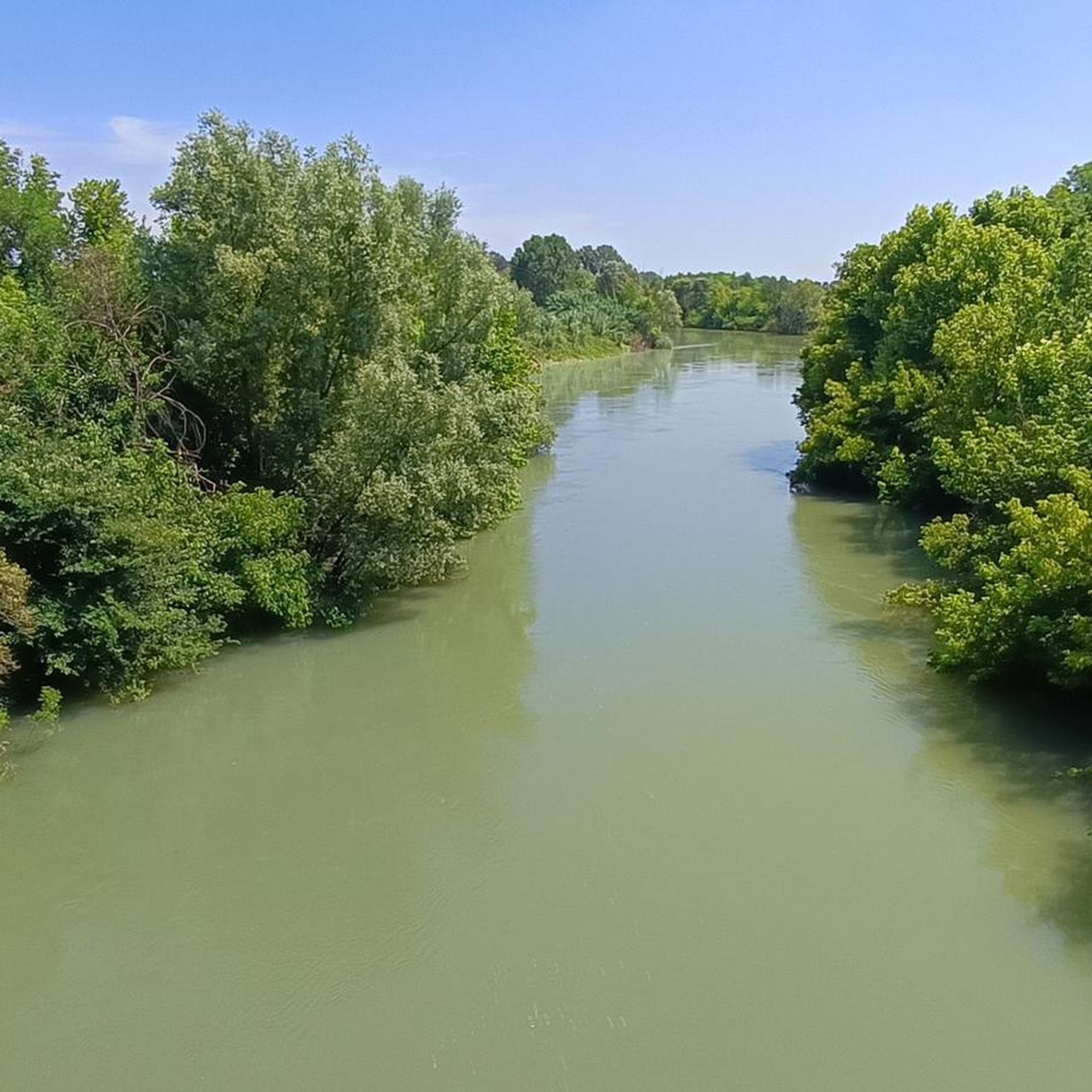
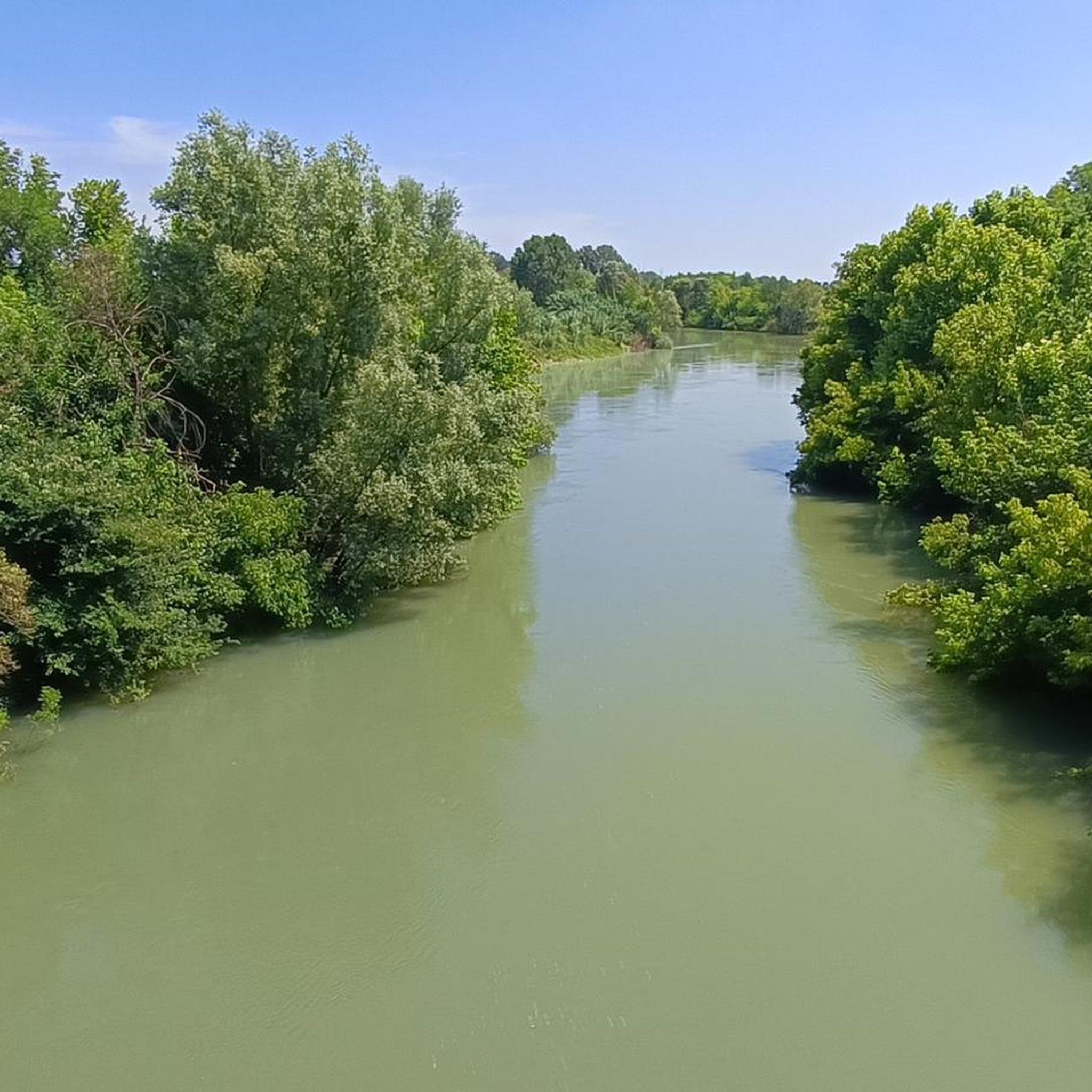
Yes, the Castello di Torre is situated in a park where spring waters feed the Noncello river, offering a blend of historical and natural interest. Additionally, the nearby Laghetto delle Risorgive di Porcia is a lake highlight close to Porcia Castle.
What is the historical connection of Prata di Pordenone to these castles?
Prata di Pordenone has strong historical ties to the region's castles. The Counts of Prata originally built the Castello di Torre in the late 13th century. The noble family of Porcía and Brugnera, who reside in Porcia Castle, also had their castle of origin in Prata di Pordenone.
What kind of architecture can I expect to see in the castles around Prata di Pordenone?
You will find a mix of architectural styles reflecting the region's history. Porcia Castle features a central keep, a Renaissance wing, and a Venetian-style building. The Villa Morosini Memmo in Prata di Pordenone is modeled after Venetian villas. Castello di Torre retains a square-based tower with mighty walls, indicative of its medieval military origins, alongside later transformations into a noble residence.
What do visitors enjoy most about the castles in this area?
Visitors appreciate the rich history and the opportunity to explore sites that have been central to Friuli's past. The transformation of military fortifications into stately residences, the presence of museums like the Archaeological Museum of Western Friuli, and the fact that some castles are still inhabited by historical families, all contribute to a unique and engaging experience.
Are there any castles that were originally built for military defense?
Yes, Porcia Castle was originally built with a military function to protect the territory from barbarian invasions. Similarly, the Castello di Torre, with its mighty walls and square-based tower, also served as a fortification before its transformation into a noble residence.
Most popular routes around Prata Di Pordenone
Most popular attractions around Prata Di Pordenone

Get inspired with the komoot mobile app


Explore more
Looking for the best castles somewhere else? Discover other guides around Prata Di Pordenone:
