Top 5 Castles around Roveredo In Piano
Best castles around Roveredo In Piano are found in the surrounding region, offering a glimpse into centuries of history. While Roveredo In Piano itself does not feature prominent castles, the nearby municipality of Aviano is home to significant historical sites. The area is characterized by its rich cultural heritage and historical architecture, providing a tangible connection to its past. Visitors can explore various fortifications and noble residences that dot the landscape.
Best castles around Roveredo In Piano
- The most popular…
Last updated: June 29, 2026
Porcia Castle
Highlight • Castle
Built with a …
Translated by Google •
Tip by

Castello di Torre and Archaeological Museum of Western Friuli
Highlight • Castle
Translated by Google •
Tip by

Sign up now to discover places like this
Get recommendations on the best single tracks, peaks, & plenty of other exciting outdoor places.
Sign up for free
Castle of Aviano
Highlight • Castle
Translated by Google •
Tip by

Laghetto delle Risorgive di Porcia
Highlight • Lake
Translated by Google •
Tip by

Start today with a free account
Your next adventure awaits.
Login or Signup
Tips from the Community

Beautiful castle and beautiful church. Please be respectful, people live in the houses inside.
0
0

Of Aviano Castle, only a portion of the walls and the entrance gate remain (see highlight with explanatory sign).
0
0
Castello di Aviano gives its name to the locality of the same name near Aviano.
0
0

The castle of Torre was built in the Middle Ages where the complex of the large Roman villa once stood. The oldest part of the fortification is represented by a square-based tower, characterized by mighty walls, probably built in the second half of the 13th century by the Patriarch of Aquileia, who initially entrusted it to the ancient House of the Lords of Prata. Long the object of contention between the nobles of Porcia, the Count of Gorizia and the Carraresi, in 1391 the Patriarch of Aquileia, Giovanni di Moravia, granted the castle of Torre to Giovannino di Ragogna. After the first half of the 15th century, with the Venetian conquest of Friuli, the castle was transformed into a noble residence and was involved in a vast program of architectural and artistic interventions including the fresco decoration with the Annunciation on the ground floor, attributed to Gianfrancesco da Tolmezzo (1450-1511). The staircase leading to the main floor and the loggia were probably built during the second half of the seventeenth century. Between the end of the seventeenth century and the beginning of the eighteenth century, the fresco depicting the main protagonists of the defense of Vienna from the siege of the Turks in 1683 was created in the vault of the ground floor of the tower-keep, probably to commemorate the participation of a member of the Ragogna family in the clash. Various additions and structural modifications were made to the building during the eighteenth and nineteenth centuries. At the end of the nineteenth century, in the southern sector of the castle, the old loggia building was demolished and a new building was built, which was placed against the northern wall of the main tower. In 1926, the building was replaced with the one that still exists today. In 1970, the Count of Ragogna died, leaving the Castello di Torre as an inheritance to the Friuli Venezia Giulia Region; in the end, after various testamentary events, the building came to the Municipality of Pordenone. After a careful restoration that took place in the early 2000s, since 2006 it has been home to the Archaeological Museum of Western Friuli.
0
0

Characteristic place, worth visiting!!!
0
0

Porcía Castle is one of the symbolic places in the history of Friuli. The complex consists of a central keep, a Renaissance wing and a Venetian-style building.
2
0
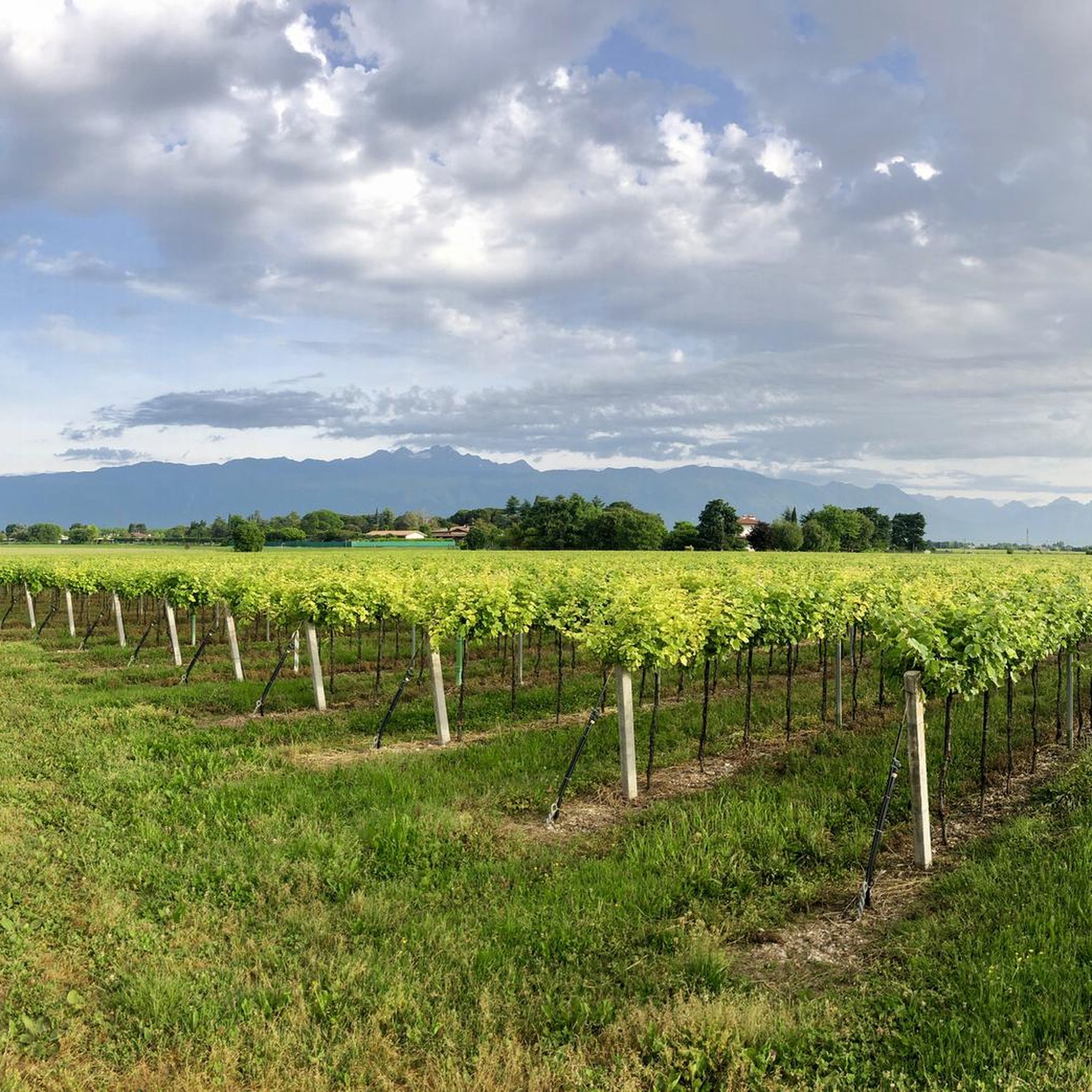
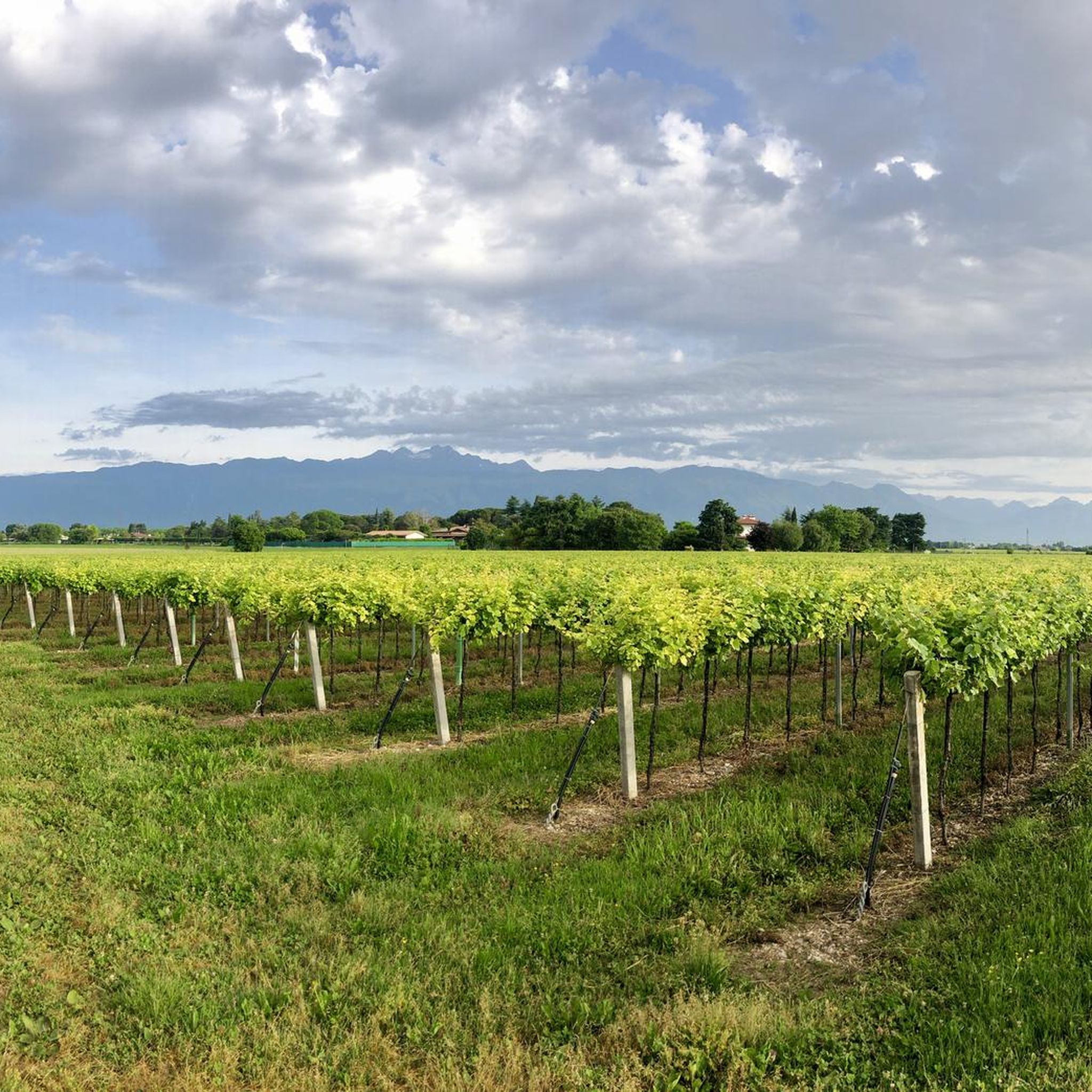
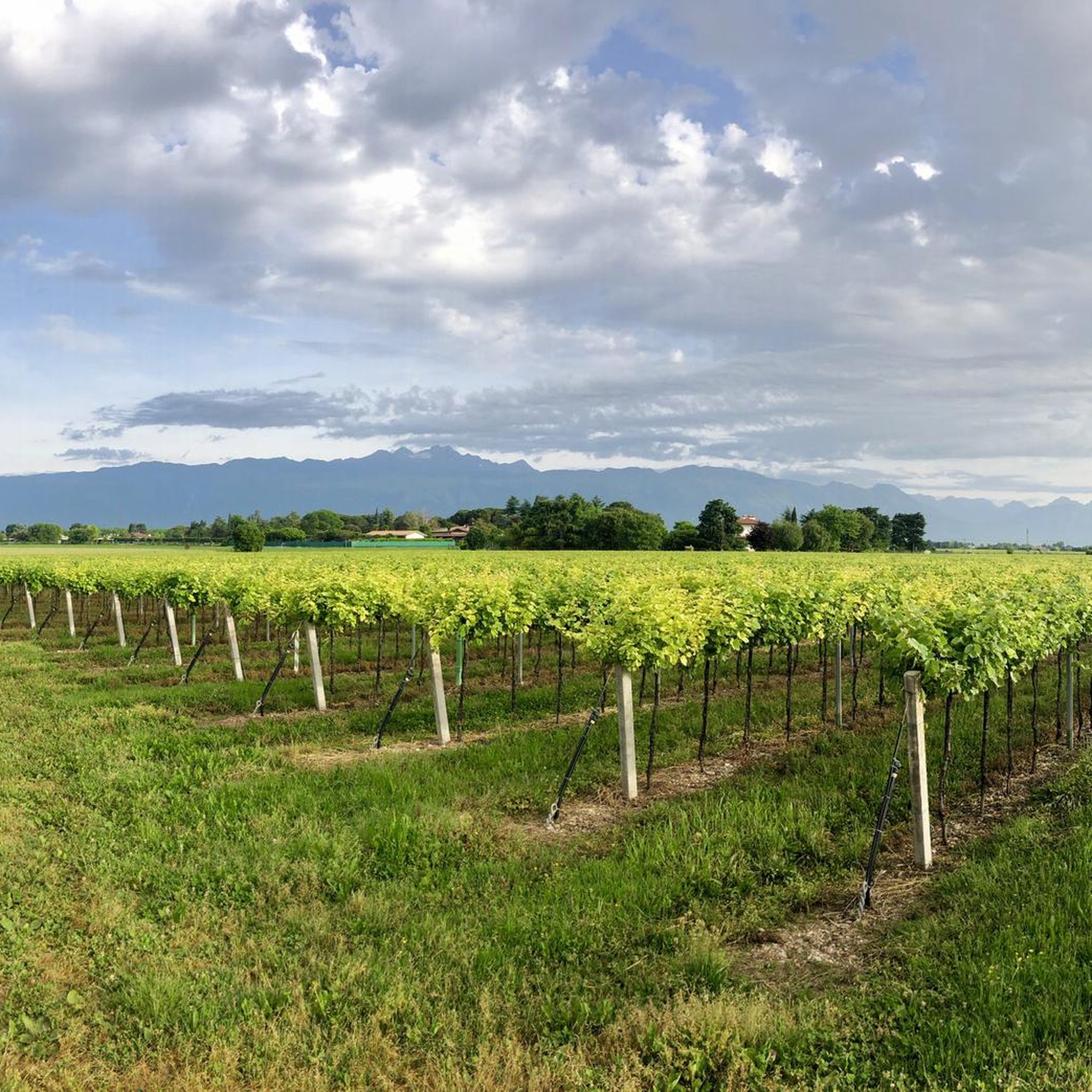
Porcía Castle is one of the symbolic places in the history of Friuli. The complex consists of a central keep, a Renaissance wing and a Venetian-style building. Built with a military function to protect the territory from barbarian invasions, from the 12th century the castle became the permanent residence of the noble family of Porcía and Brugnera, who governed these lands for eight centuries and held important political and military positions under the Serenissima Republic of Venice. The Castle of Porcía, still inhabited by the family, is at the center of an agricultural area of 840 hectares where fine vines and other products are grown with cutting-edge methods.
9
0
Frequently Asked Questions
Which castles are most recommended to visit near Roveredo In Piano?
While Roveredo In Piano itself doesn't have prominent castles, the surrounding region offers several notable historical sites. The most popular is Castle of Aviano, a 10th-century fortress with well-preserved architectural elements. Other highly recommended castles include Porcia Castle, known for its central keep and Renaissance wing, and Castello di Torre and Archaeological Museum of Western Friuli, which houses a museum showcasing the region's ancient past.
What makes the Castle of Aviano a significant historical site?
The Castle of Aviano dates back to the 10th century, with origins possibly from a Roman watchtower. It has endured numerous attacks and reconstructions, yet still reveals the original structure of an imposing fortress. Visitors can see sections of the curtain wall, three square-based towers, a circular tower, and the remains of the keep. The complex also includes the Church of Santa Giuliana, which features one of the most extensive cycles of medieval decorative frescoes in Friuli.
Are there family-friendly castles to visit in the area?
Yes, several castles in the region are suitable for families. The Castle of Aviano and Castello di Torre and Archaeological Museum of Western Friuli are both considered family-friendly. Exploring these historical sites offers an engaging educational experience for all ages.
What kind of outdoor activities can I do near these castles?
The area around Roveredo In Piano offers various outdoor activities, particularly cycling. You can find numerous routes for touring bicycles, road cycling, and gravel biking. For example, there's an easy cycling loop from Roveredo in Piano that includes the Castle of Aviano. You can explore more cycling options on the Cycling around Roveredo In Piano guide.
Are there hiking trails that lead to or pass by these castles?
While specific hiking trails directly to all castles aren't detailed, the region is well-suited for outdoor exploration. The Castle of Aviano is located on a hill, offering scenic views, and there are cycling routes like the 'Chapel of San Martino – Castle of Aviano loop' that can be adapted for walking. For more options, check the various cycling guides which often follow paths suitable for walking or offer scenic views of the landscape.
What is the best time of year to visit the castles in the Friuli Venezia Giulia region?
Visiting the castles in the Friuli Venezia Giulia region is generally pleasant during the spring (April to June) and autumn (September to October) months. The weather is typically mild, making it comfortable for exploring the castle grounds and nearby areas. Summer can also be a good time, though it can be warmer.
Can I find cafes or restaurants near the castles?
Yes, you can find amenities like cafes and restaurants in the towns near the castles. For instance, Aviano, where the Castle of Aviano is located, has various dining options. Similarly, towns near other castles like Porcia and Torre will offer places to eat and drink.
Is public transport available to reach the castles?
Information on specific public transport routes directly to each castle is best checked with local transport authorities. However, major towns like Aviano and Pordenone (near Castello di Torre) are generally accessible by public transport, and from there, local buses or taxis might be available to reach the castle sites.
What do visitors enjoy most about the castles in this region?
Visitors appreciate the rich history and well-preserved architecture of the castles. Many enjoy the tangible connection to the past, the scenic views from elevated castle locations like the Castle of Aviano, and the cultural insights offered by sites like the Archaeological Museum of Western Friuli housed within Castello di Torre.
Are there any specific historical sites other than castles worth visiting near Roveredo In Piano?
Beyond the castles, the region is rich in historical significance. The Castello di Torre and Archaeological Museum of Western Friuli offers a deep dive into the region's ancient past, showcasing artifacts from the Roman era and beyond. The historical context of towns like Aviano, with its long-standing history, also provides additional cultural exploration opportunities.
Where can I find more detailed visiting information for Castello di Aviano?
For detailed visiting information, including current opening hours, potential entrance fees, and any specific visitor guidelines for the Castello di Aviano, it is recommended to check the official tourism resources. You can find more information on the Visit Italy website for Castello di Aviano.
Most popular routes around Roveredo In Piano
Most popular attractions around Roveredo In Piano

Get inspired with the komoot mobile app


Explore more
Looking for the best castles somewhere else? Discover other guides around Roveredo In Piano:
