Top 5 Caves around Fontanafredda
Best caves around Fontanafredda are found in a region characterized by its karst topography, where water has sculpted unique underground formations and springs. This area, located in Friuli-Venezia Giulia, offers a mix of natural caves, sinkholes, and significant hydrological features. The landscape is shaped by the Livenza river's origins and the geological processes that create these subterranean environments. Visitors can explore various natural cavities and historical sites within this diverse terrain.
Best caves around Fontanafredda
- The most popular caves is Gorgazzo Spring, an other natural site that features beautiful springs where the water is a fabulous green. The Livenza river originates from these large and spectacular Valchiusan springs.
- Another must-see spot is Bus de la Lum Sinkhole, a cave. This karst cavity was formed by the dissolution of rock by water and holds historical significance.
- Visitors also love Bus del Gias Cave, a natural cavity. This cave is notable for being so narrow and deep that ice and snow remain inside it year-round.
- Fontanafredda is known for natural caves, sinkholes, and springs. The area offers a variety of underground formations to see and explore.
- The caves around Fontanafredda are appreciated by the komoot community, with 237 upvotes and 104 photos shared by users.
Last updated: June 29, 2026
Gorgazzo Spring
Highlight • Natural
Translated by Google •
Tip by

Bus de la Lum Sinkhole
Highlight • Cave
During the Second World War, the cesspool was used by partisans (the resistance was particularly active in the Cansiglio area) to dump the bodies of several soldiers of the Italian Social Republic and German soldiers, as well as civilians. Burial in natural caves has led some sources to compare this event to the Venezia Giulia (the Foibe) massacres.
According to the association Silentes Loquimur, created specifically to commemorate the victims of the Bus de La Lum, a 1949 report by the Carabinieri of Vittorio Veneto counted over 300 victims, while the speleologists of the Italian Cave Rescue Center were working on theirs Investigations in the 1960s assumed up to 500 victims (200 German soldiers, 100 RSI soldiers, 200 civilians). The same association reports that in the early 1950s the remains of 26 people were recovered, while a search carried out in 1992 turned up another 68 people who were later buried in the Caneva cemetery. No further surgeries have been performed since then due to the high economic cost.
According to Umberto Lorenzoni, president of the Treviso ANPI, "no more than a dozen skeletons were recovered" from the Bus de la Lum; and when, in the early 1990s, the president of the ANPI of Pordenone, Bruno Giust, asked for further investigations to be opened, "we were told by the president of the Victims' Association that it was not appropriate to proceed. Obviously because, in our opinion, there was nothing else to be found gave". He concluded that the Bus de La Lum was used as an improvised burial ground in the final months of the war, at a time "when nothing else could be made available".
Translated by Google •
Tip by

Sign up now to discover places like this
Get recommendations on the best single tracks, peaks, & plenty of other exciting outdoor places.
Sign up for free
Bus del Gias Cave
Highlight • Cave
Translated by Google •
Tip by

Austrian World War I Bunkers
Highlight • Historical Site
From the wide path in the Tamarethe area you descend into the valley along a narrow track and immediately encounter the natural inlets.
Translated by Google •
Tip by

Start today with a free account
Your next adventure awaits.
Login or Signup

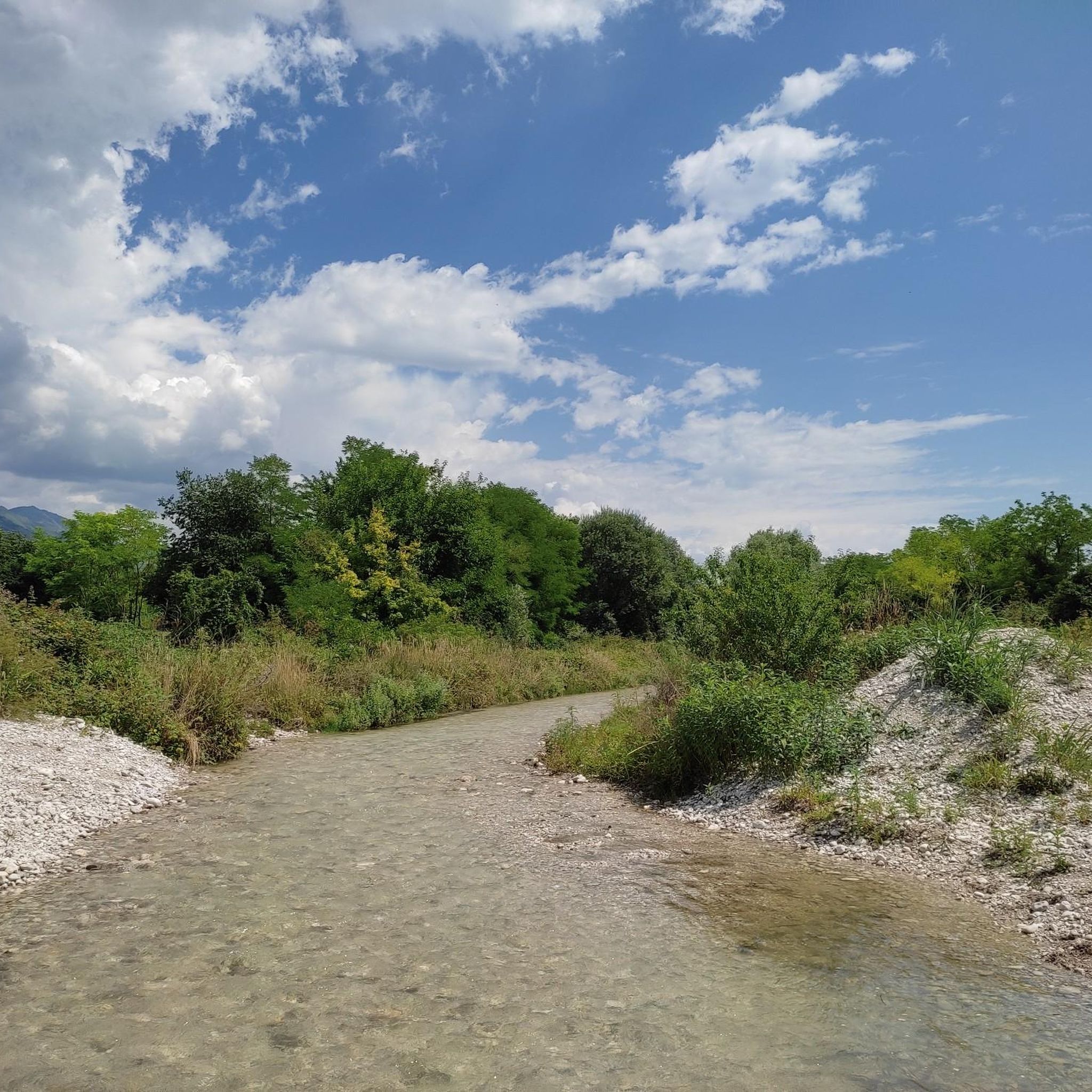
Tips from the Community


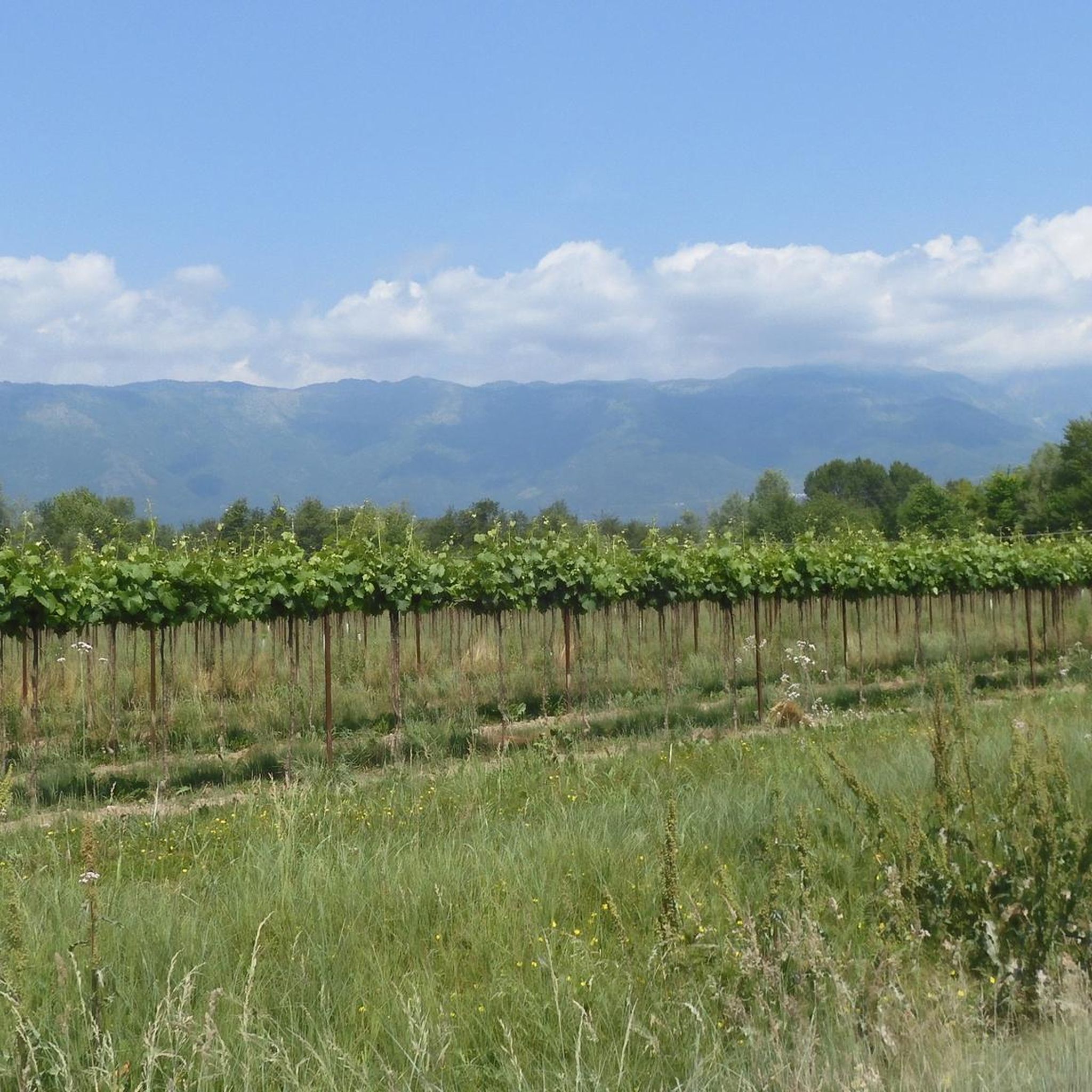
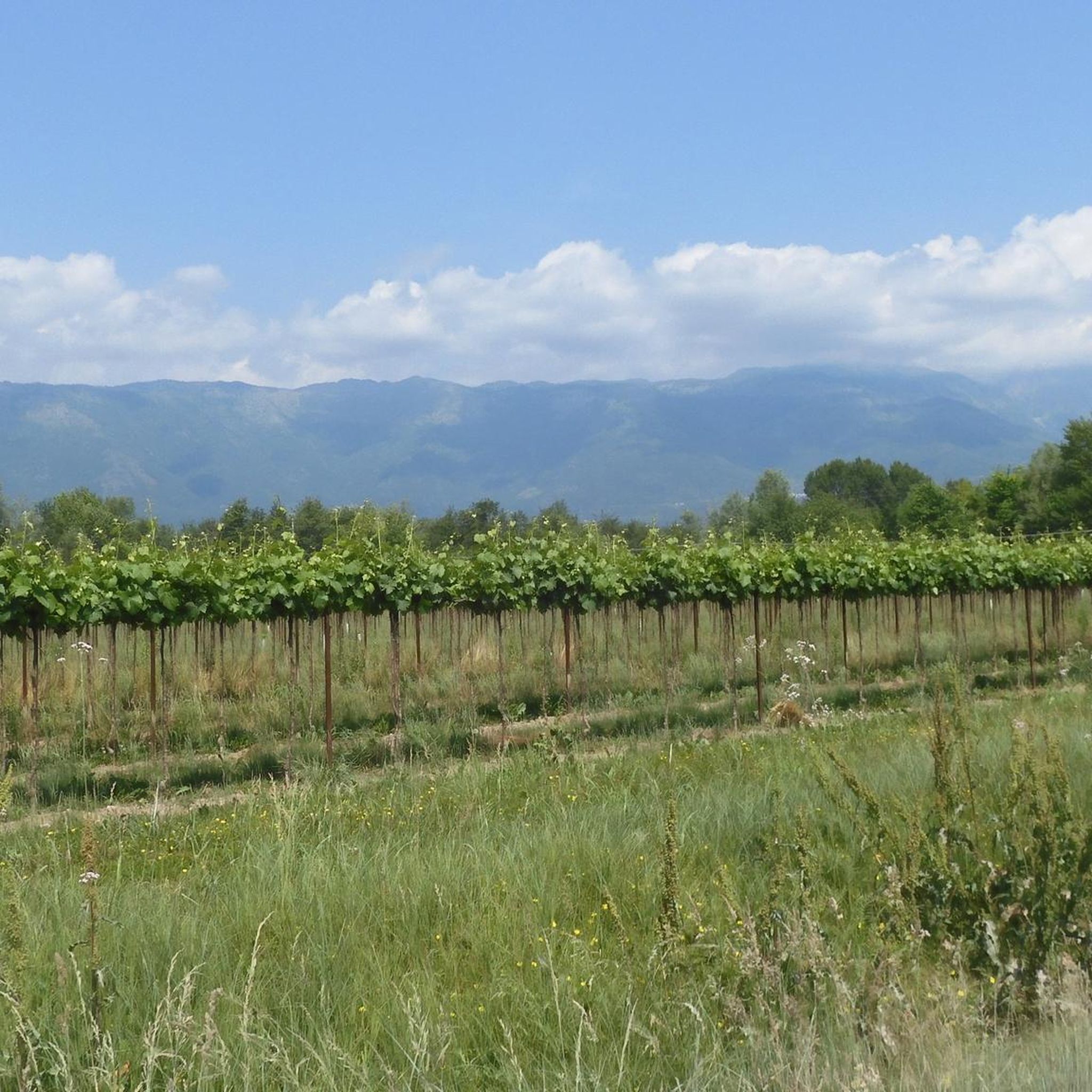
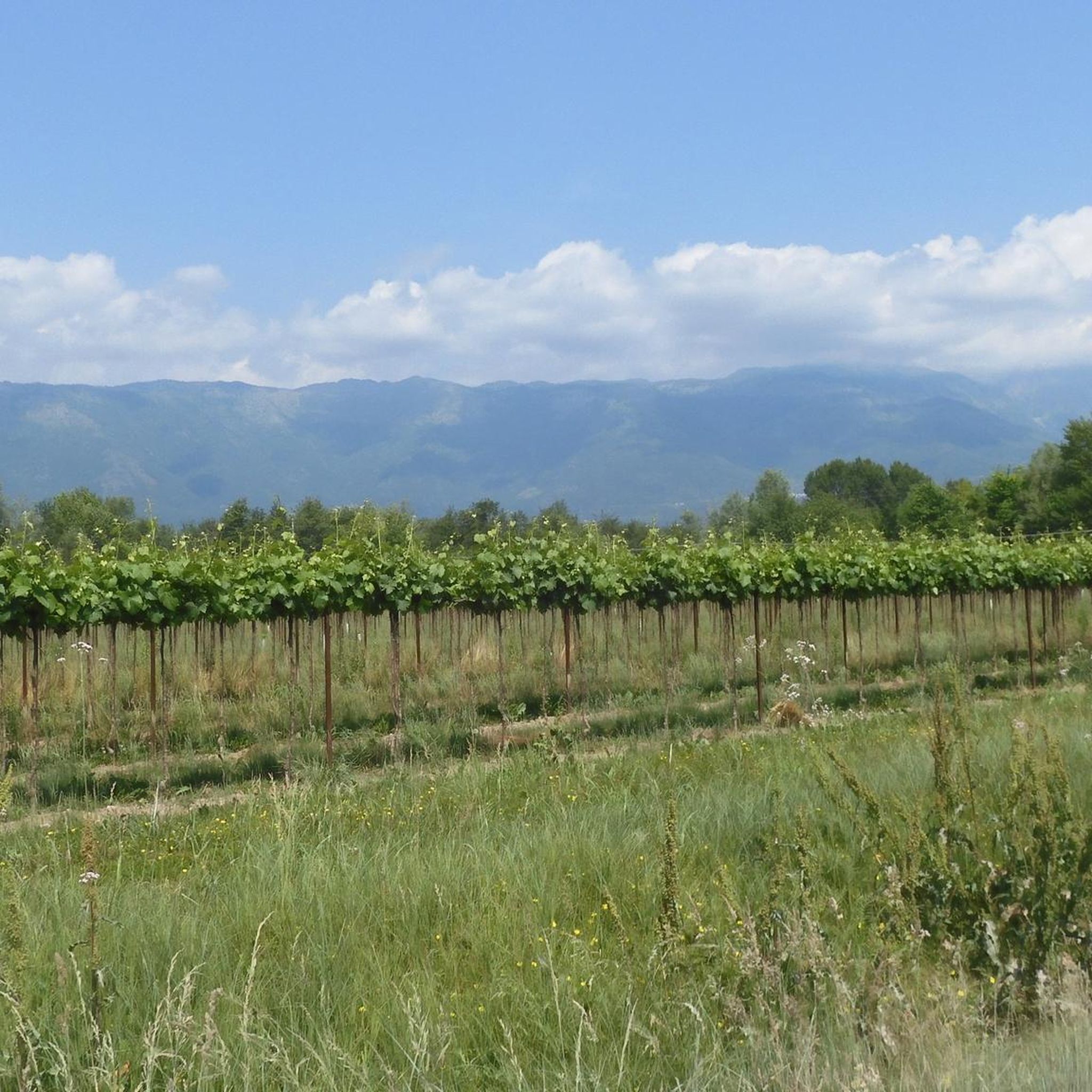
The Gorgazzo springs have the characteristic of collecting rainwater which, infiltrating the karst structure of the Cansiglio plateau, emerges at the base of the mountain with an already considerable flow rate.
0
0

A magical place, with an incredible scientific history. Always worth a stop.
0
0

Area of interest dating back to the First World War. Several entrances to Austrian Bunkers that certainly served as warehouses ... Also ammunition? From the wide path in the Tamarethe area you descend into the valley along a narrow track and immediately encounter the natural inlets.
0
0

The name probably derives from "lume" or flame, due to the luminescence that would have been seen on summer nights above the cavity, produced by the gases generated by the putrefaction of animal carcasses thrown into the well. The cavity was formed by karst, or by the dissolution of the rock by water. According to legend, it is inhabited by the Anguane, very ugly fairies, with nails instead of hair, and long fangs instead of teeth. During the day they went to wash clothes at Lake Santa Croce, then wandered around in search of wood, food and children to roast. At night, they lit a small fire, whose light, spotted by shepherds, gives the cavity its name
2
0

The Gorgazzo source is an underwater cave where the stream of the same name originates, a tributary of the Livenza river. Located near Polcenigo, its name derives from the Friulian gorc which means precisely abyss. The cave consists of a resurgence and near the mouth of the cavity, nine meters deep, the statue of a Christ was placed, which thanks to the clarity of the water and the bottom is visible from the outside from the shore on sunny days .
1
0

Gorgazzo source with adjoining restaurant and area with tables for shaded breaks
0
0

Beautiful springs where the water is of a fabulous green thanks to the reflections of the sun. A must visit.
8
0
Frequently Asked Questions
What are the most popular natural sites and caves around Fontanafredda?
Visitors frequently enjoy Gorgazzo Spring, known for its beautiful green waters where the Livenza river originates. Other popular spots include Bus de la Lum Sinkhole, a karst cavity with historical significance, and Bus del Gias Cave, notable for retaining ice and snow year-round.
Are there family-friendly caves or natural attractions in the Fontanafredda area?
Yes, Gorgazzo Spring is considered family-friendly. Its beautiful springs and the origin of the Livenza river offer an accessible and scenic natural experience for all ages.
What kind of natural features can I expect to see around Fontanafredda?
The area around Fontanafredda is characterized by its karst topography, featuring unique underground formations, sinkholes, and significant springs. You'll encounter natural caves, such as the Bus de la Lum Sinkhole, and impressive water sources like Gorgazzo Spring, where the Livenza river begins.
Are there any historical sites related to caves or underground structures near Fontanafredda?
Yes, the Bus de la Lum Sinkhole holds historical significance, having been the scene of tragic events during World War II. Additionally, you can explore the Austrian World War I Bunkers, which are historical sites with several entrances to underground structures that served as warehouses.
What outdoor activities can I do near the caves around Fontanafredda?
Beyond exploring the caves, the region offers various outdoor activities. You can find numerous hiking trails around Fontanafredda, including options like the Saint Anthony's Way or the Caneva Castle loop. There are also extensive road cycling routes and mountain biking trails to explore the diverse landscape.
Are there hiking trails that lead to or near these caves?
Yes, the area around Fontanafredda is well-suited for hiking. While specific trails directly to each cave might vary, you can find many hiking routes in the vicinity that allow you to explore the natural surroundings, including paths that pass close to sites like Gorgazzo Spring.
What do visitors appreciate most about the caves and natural sites in Fontanafredda?
Visitors frequently highlight the stunning natural beauty, particularly the vibrant green waters of Gorgazzo Spring. The unique geological formations, the historical context of sites like Bus de la Lum Sinkhole, and the year-round ice in Bus del Gias Cave are also highly appreciated.
Is it possible to visit the caves during winter?
Some caves, like Bus del Gias Cave, are known for retaining ice and snow throughout the year, making them a unique experience even in warmer months. For other natural sites, accessibility might depend on weather conditions, but the karst landscape remains a feature year-round.
What is the difficulty level for exploring the caves?
The difficulty varies. Gorgazzo Spring is generally considered intermediate and family-friendly. Bus de la Lum Sinkhole is also rated intermediate. However, Bus del Gias Cave is categorized as challenging due to its narrow and deep nature.
How many photos have been shared by the komoot community for these caves?
The komoot community has shared over 104 photos of the caves and natural sites around Fontanafredda, showcasing the diverse beauty and unique features of the region.
What is the geological significance of the Fontanafredda area's caves?
The caves and sinkholes around Fontanafredda are significant examples of karst topography. They are formed by the dissolution of rock by water, creating unique underground formations and hydrological features, including the origins of the Livenza river from spectacular springs like Gorgazzo Spring.
Most popular routes around Fontanafredda
Most popular attractions around Fontanafredda

Get inspired with the komoot mobile app


Explore more
Extend your search for the best caves by checking out these guides of the top ones around Fontanafredda:
