Top 20 Caves around Fasano
Best caves around Fasano are located in Puglia, Italy, providing opportunities to explore diverse underground environments. The region features ancient rock settlements and spectacular karst cave systems. Fasano's territory and surrounding areas offer a range of cave experiences, from historical sites to natural formations. These locations showcase the area's geological and cultural significance.
Best caves around Fasano
- The most popular caves is Rock Church Sanctuary of San Biagio, a religious building and cave that was founded in the 12th…
Last updated: June 29, 2026
Rock Church Sanctuary of San Biagio
Highlight • Religious Site
Translated by Google •
Tip by

Villanova Harbour and Castle
Highlight • Castle
Translated by Google •
Tip by

Sign up now to discover places like this
Get recommendations on the best single tracks, peaks, & plenty of other exciting outdoor places.
Sign up for free
Lamacornola Rock Settlement and Caves
Highlight (Segment) • Historical Site
Translated by Google •
Tip by
Spirito Santo Rock Sanctuary
Highlight • Religious Site
Translated by Google •
Tip by
Santa Maria di Agnano Archaeological Park
Highlight • Historical Site
Translated by Google •
Tip by

Sign up for free to discover even more caves around Fasano.
Sign up for free
Already have an account?
Start today with a free account
Your next adventure awaits.
Login or Signup



Tips from the Community

The "Donna di Ostuni" is the 28,000-year-old skeleton of a Paleolithic woman, approximately 20 years old, found in the Santa Maria di Agnano cave near Ostuni. The "world's oldest human mother" died in late pregnancy, her fetus in the 8th or 9th month. The skeleton is on display at the Museum of Preclassic Civilizations of the Southern Murgia (Museo di Civiltà Preclassiche della Murgia Meridionale) in Ostuni.
0
0

A stroll along the seafront in the center of the Villanova marina
1
0

In 1278 the walls of Villanova were built, and about 20 years later the castle was built by the Angevins, who took over the domination of Ostuni from the Swabian-Normans, who were responsible for the intensification of olive cultivation. From surviving documents, demonstrating its strategic importance, it appears that around the 15th century the castle was a fully active defensive structure. In fact, the city of Ostuni under Aragonese domination, thanks also to the castle and the small port of Villanova, managed to maintain the status of a state city, therefore free from feudal duties. Due to the various destructions over time, little remains of the original 14th-century construction. Currently the castle is made up of three bodies that act as square towers with a sloped base. Around the building, at the height of the first floor, runs a tubular torus and from the roof of the building rises a turret modeled on the prototype of a lighthouse. Ref. https://fondoambiente.it/luoghi/castello-del-porto-turistico-di-villanova-ostuni
4
0
it is a tourist port protected by two piers: the eastern pier 70 m long with quayside and bollards and the western pier 280 m long. Inside the dock there are some docks reserved for pleasure boats
4
0
The 12th century church of San Biagio in Rialbo opens onto a natural cave. It is best to reach it from the Strada dei Colli rather than from the valley if you are a beginner MTB rider.
1
0

⛪ *Chiesetta dello Spirito Santo di Monopoli: how to get there by bike and on foot* If you are visiting *Monopoli*, you cannot miss the *Chiesetta dello Spirito Santo*, a corner of tranquility and beauty hidden in the heart of the city. But how to get there? Here is all the information! 🚲 *By bike*: The church is easily reachable by bike, although the route depends on your starting position. The roads leading to it are generally passable, but be careful of traffic during rush hour, especially near the historic center. Once you arrive, you can park your bike in one of the public spaces nearby and continue on foot to discover this little gem. 👣 *On foot*: If you prefer to walk, the church is easily reachable on foot from the center of Monopoli. A quiet walk will allow you to enjoy the beauty of the historic center, among characteristic alleys and panoramic views. Once you arrive at the church, you will find an atmosphere of peace that invites reflection and contemplation.
0
0

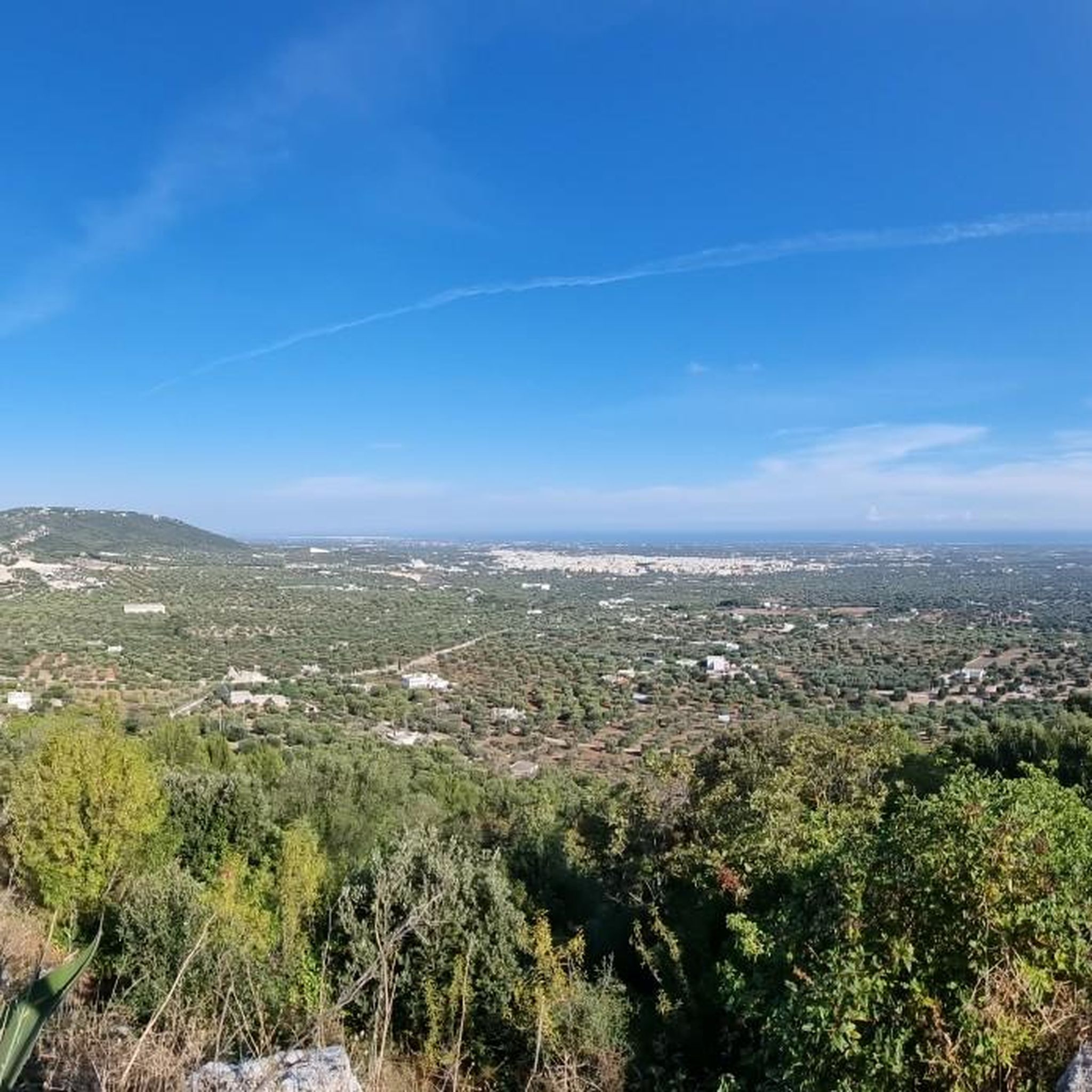
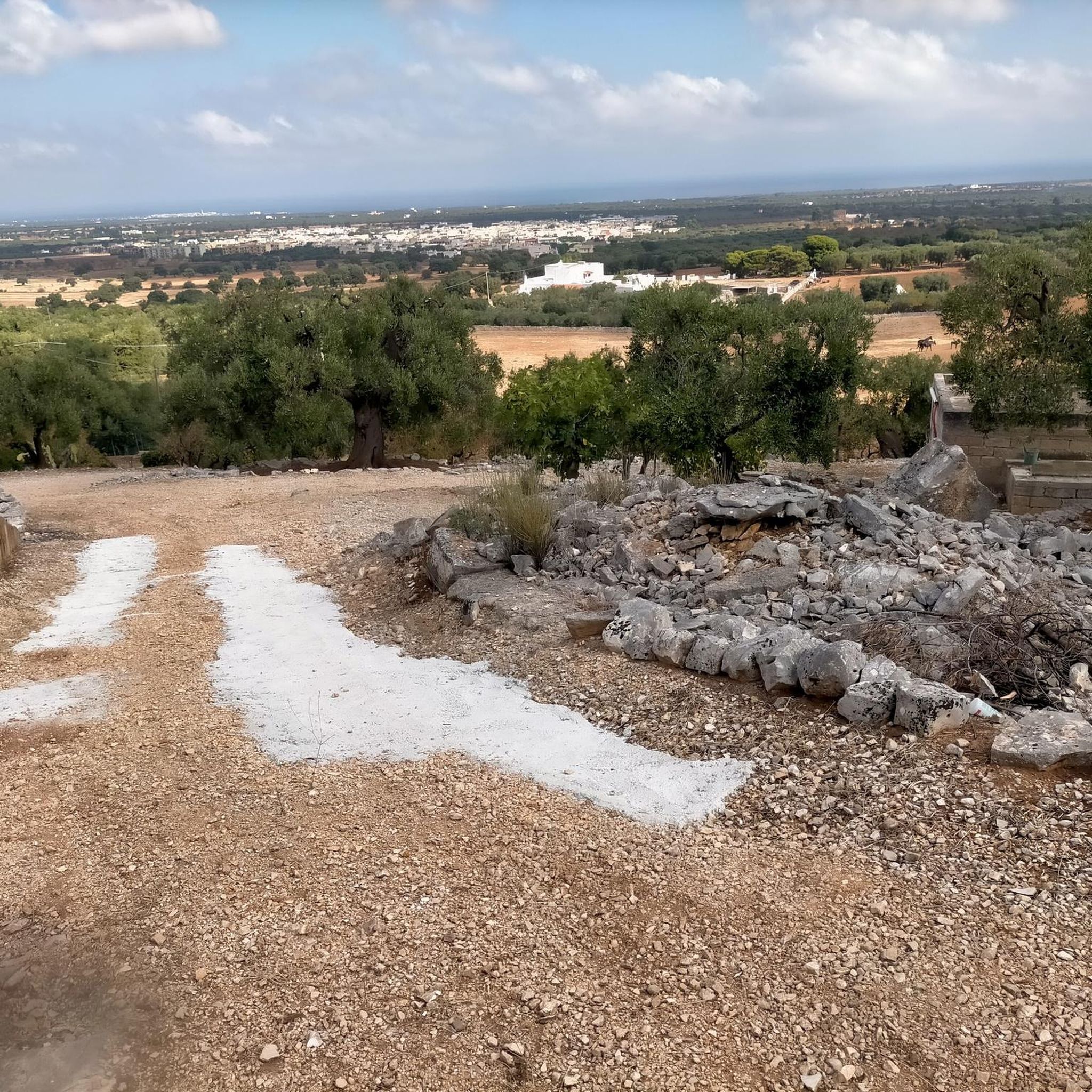
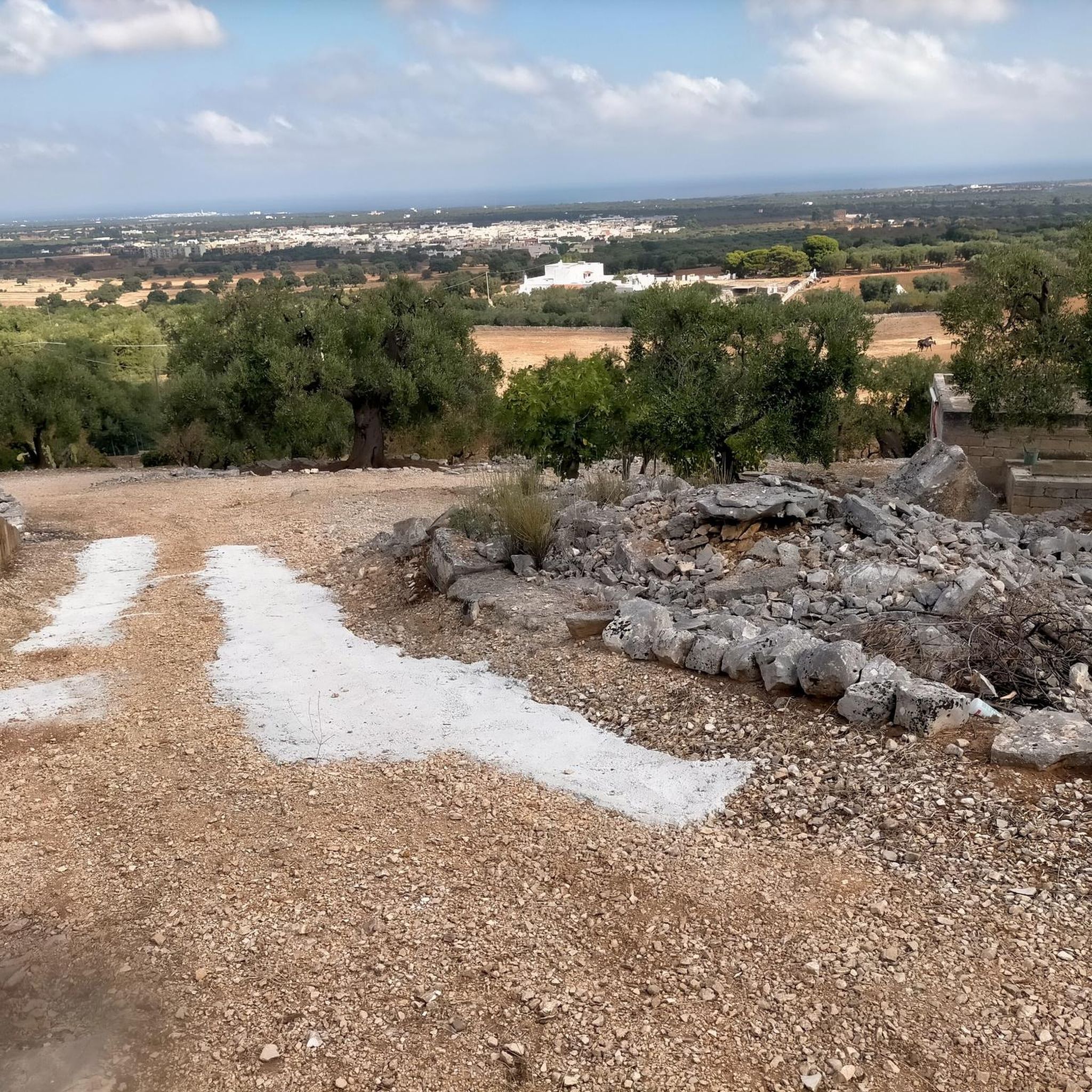
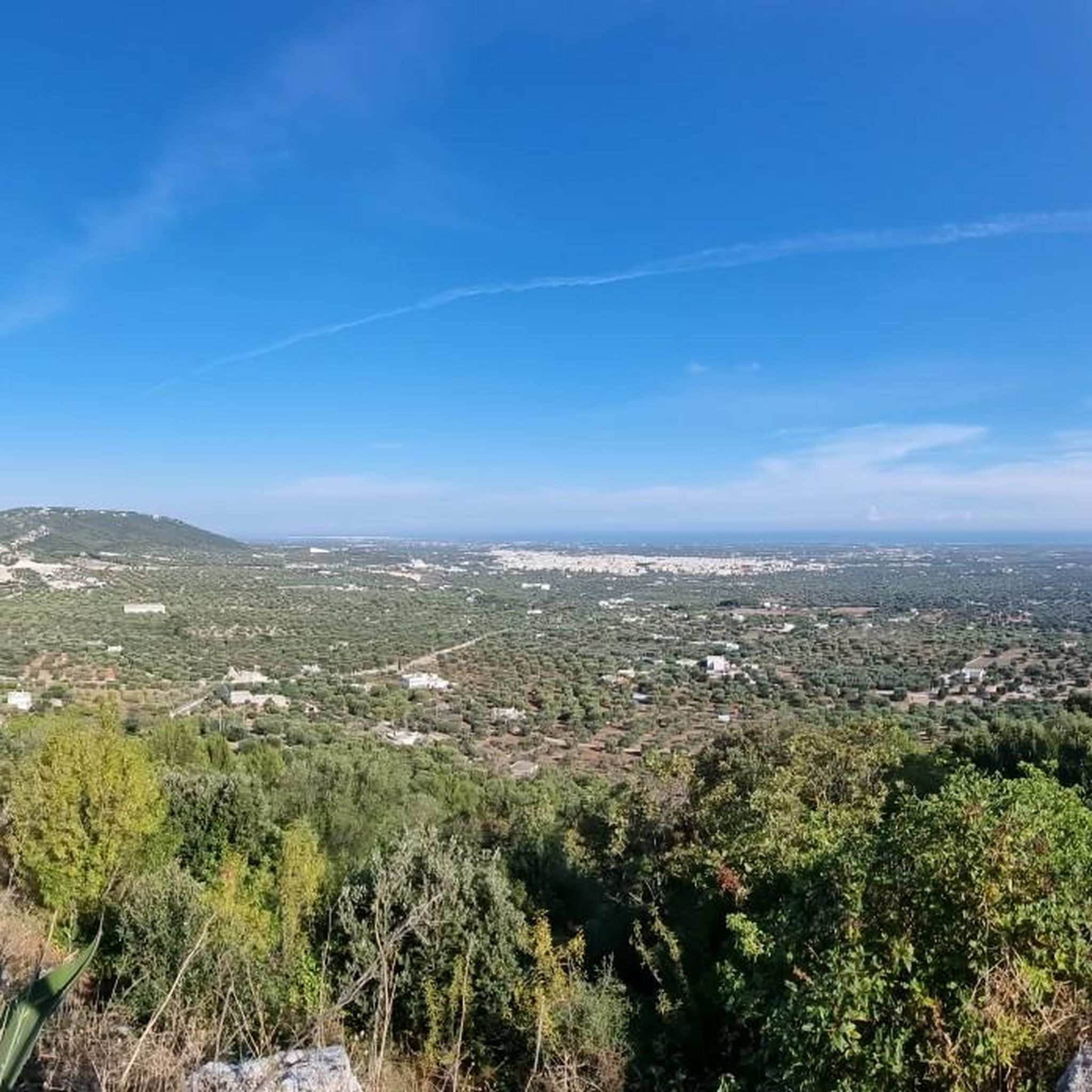
The Sanctuary of San Biagio in Ostuni is located in one of the most beautiful natural contexts in the province of Brindisi. Whether you reach the church from the top of the hill or go up the hill from the plain, the route is immersed in lush nature and characterized by stone artefacts which, due to their form and functions, bear witness to settlements from various eras. On February 3, however, the day on which the Saint is celebrated, the pilgrims' route is usually the easiest for everyone. Arriving from the panoramic Strada dei Colli you will find a sign with the indication. The path to reach the site is equally beautiful because it immerses you in the typical Murgia nature, rich in pastures and Mediterranean scrub shrubs. Before going down to the church, here comes the boundless view of the Piana degli Ulivi centenaries, in the area occupied by the Parco delle Dune Costiere. From here, if the sky is clear, the Adriatic Sea appears an intense turquoise. At this point a narrow descent p
2
0

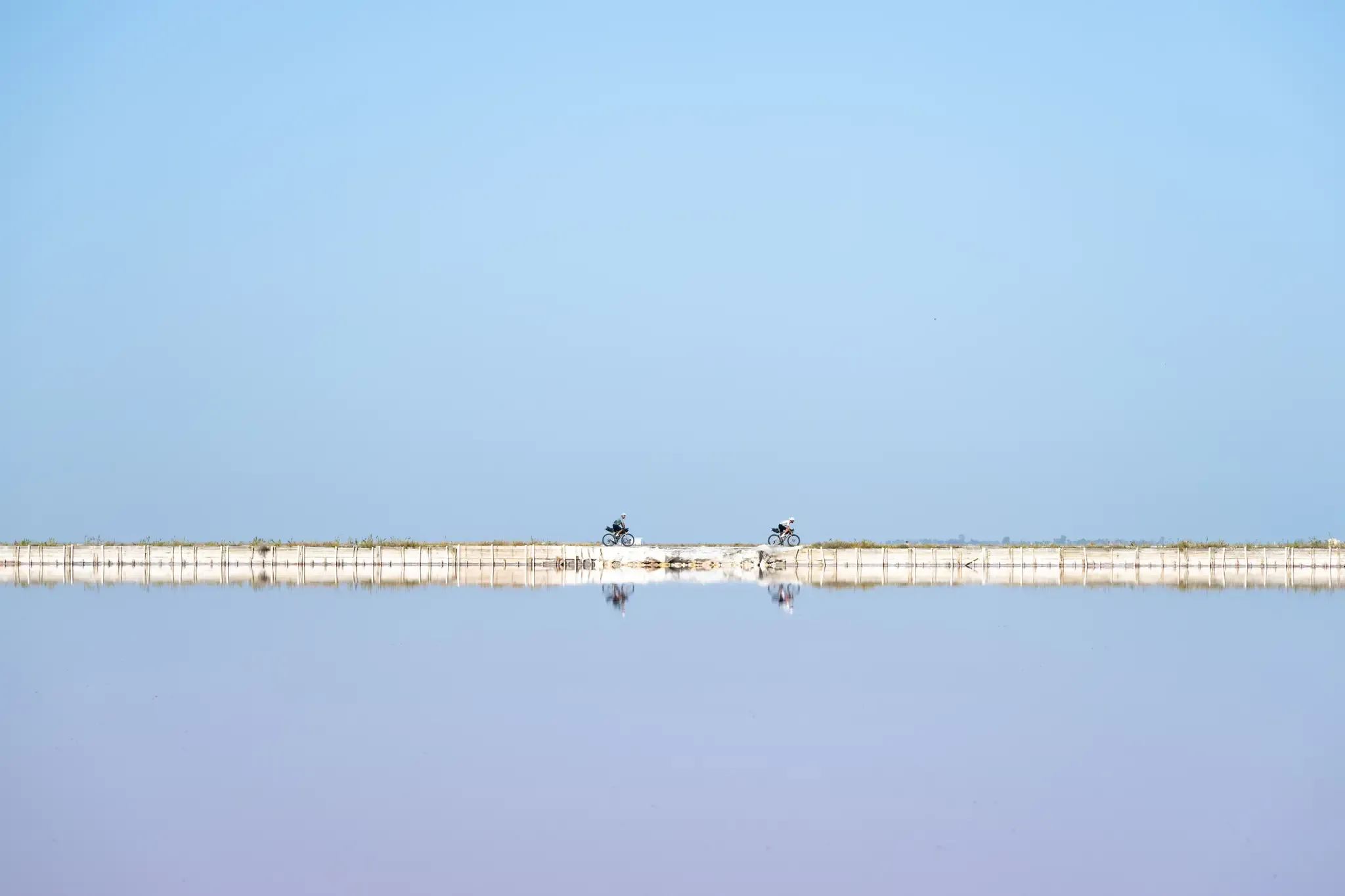
Nice ride even on rocks and beaches
0
0
Frequently Asked Questions
What historical cave sites can I explore near Fasano?
Fasano and its surroundings offer several significant historical cave sites. You can visit Lamacornola Rock Settlement and Caves, an extensive rupestrian settlement with cave dwellings, rock-hewn churches, and workshops dating back to ancient times. Another notable site is the Rock Church Sanctuary of San Biagio, a 12th-century rock church founded by Basilian monks. Additionally, the Santa Maria di Agnano Archaeological Park features a cave used for female rituals for 30,000 years, where the famous 'woman of Ostuni' was discovered.
Are there any spectacular natural cave systems near Fasano?
Yes, the Grotte di Castellana, located about 20-25 minutes from Fasano, is a world-renowned natural cave system. It stretches over 3 kilometers and reaches depths of up to 122 meters, featuring stunning stalactites, stalagmites, and unique chambers like the 'White Cave,' considered one of the most beautiful in the world.
What are the best caves for families with children near Fasano?
The Grotte di Castellana offers an engaging and accessible experience for all ages, with expert multilingual guides. For a historical outing, the Villanova Harbour and Castle is categorized as family-friendly and includes a nearby cave. The Lamacornola Rock Settlement and Caves also provides an interesting historical exploration suitable for families.
What is the best time of year to visit the caves around Fasano?
The caves around Fasano, particularly the Grotte di Castellana, are generally open year-round. However, visiting during the shoulder seasons (spring and autumn) might offer more comfortable temperatures for exploring above ground and fewer crowds. Underground temperatures in natural caves like Grotte di Castellana remain constant, making them a good option even during hotter summer months.
Are there any caves near Fasano with unique geological features?
The Grotte di Castellana is renowned for its extensive karst system, formed over 90 million years. It boasts a vast array of stalactites, stalagmites, and other mineral deposits, including the famous 'White Cave' with its pure white, alabaster-like formations. The guided tours highlight these unique geological characteristics.
Can I find ancient religious or cult sites within the caves near Fasano?
Yes, the region is rich in such sites. The Rock Church Sanctuary of San Biagio is a 12th-century rock church. The Santa Maria di Agnano Archaeological Park contains a cave used for female rituals and cults for millennia. Further afield, the Grotta di Grava Palombara in Sava is known for its historical use as a place of worship, bearing signs of various ancient cults, including those dedicated to Demeter and later Christian veneration.
What kind of outdoor activities can I do near the caves around Fasano?
The area around Fasano offers various outdoor activities. You can find excellent cycling routes, including options for gravel biking and mountain biking. For example, there are routes like 'The Trulli of Alberobello' for gravel biking or 'Capitolo Beach, Monopoli' for general cycling. You can explore more options on the Gravel biking around Fasano, Cycling around Fasano, and MTB Trails around Fasano guide pages.
Are there any ancient olive mills or industrial caves to visit?
Yes, the Trappeto dell'Arco Hypogeum Olive Mill is a historical site near Fasano. This ancient underground olive mill, mentioned in documents as early as 1519, provides insight into the region's historical agricultural practices and the use of caves for production and preservation.
How long do typical cave visits last near Fasano?
The duration of a cave visit varies by location. For a comprehensive experience at the Grotte di Castellana, guided tours typically last between 1 to 2 hours, depending on the chosen route (partial or complete). Exploring rupestrian settlements like Lamacornola Rock Settlement and Caves can range from a quick walk-through to several hours if you opt for a more in-depth self-guided or guided exploration of the various dwellings and churches.
What should I wear when visiting caves in the Fasano area?
When visiting natural caves like Grotte di Castellana, it's advisable to wear comfortable walking shoes with good grip, as surfaces can be damp or uneven. Even on warm days, the temperature inside caves remains cool and constant, so bringing a light jacket or sweater is recommended. For historical rock settlements, comfortable footwear is also key for navigating paths and uneven terrain.
Are there any caves near Fasano that are particularly accessible?
The Grotte di Castellana is designed to be an accessible and engaging experience for a wide range of visitors, including families. While specific accessibility details for all sites should be verified directly with the operators, the main tourist routes within Grotte di Castellana are generally well-maintained for guided tours.
Where can I find accommodation near the major cave attractions?
Accommodation options are available in Fasano itself, as well as in nearby towns like Castellana Grotte (for Grotte di Castellana) and Ostuni. Many agriturismi (farm stays) and B&Bs are scattered throughout the countryside, offering convenient access to various cave sites and other regional attractions.
Most popular attractions around Fasano

Get inspired with the komoot mobile app


Explore more
Extend your search for the best caves by checking out these guides of the top ones around Fasano:
