Top 5 Castles around Cornedo Vicentino
Best castles around Cornedo Vicentino are found within the broader Vicenza province, an area rich in historical fortifications. This region features diverse architectural styles, from medieval fortresses to fortified palaces, reflecting a history dating back to Roman times. These structures often served strategic purposes, controlling passages and acting as defensive strongholds. Visitors can explore these historical sites, many of which offer panoramic views of the surrounding landscape.
Best castles around Cornedo Vicentino
- The most popular castles is Villa Castle or…
Last updated: October 3, 2026
Villa Castle or Romeo's Castle
Highlight • Castle
Translated by Google •
Tip by

Bellaguardia Castle or Juliet's Castle
Highlight • Castle
Translated by Google •
Tip by
Sign up now to discover places like this
Get recommendations on the best single tracks, peaks, & plenty of other exciting outdoor places.
Colle di San Vittore
Highlight • Trail
Translated by Google •
Tip by
Strada dei Carri to Castello di Giulietta
Highlight • Trail
Translated by Google •
Tip by

Villa Cavajon – Montemezzo Castle
Highlight • Castle
Translated by Google •
Tip by

Sign up for free to discover even more castles around Cornedo Vicentino.
Already have an account?
Start today with a free account
Your next adventure awaits.
Tips from the Community

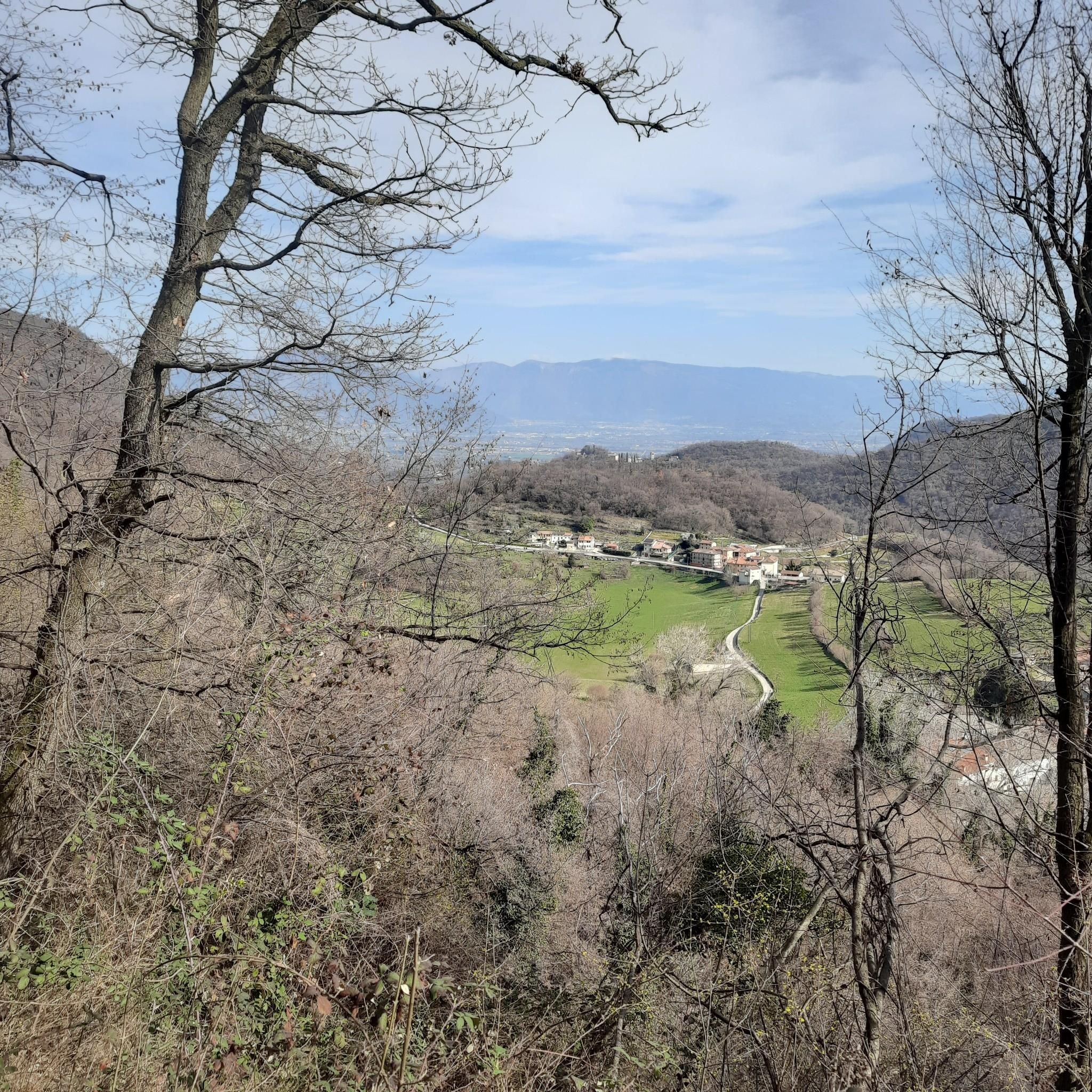
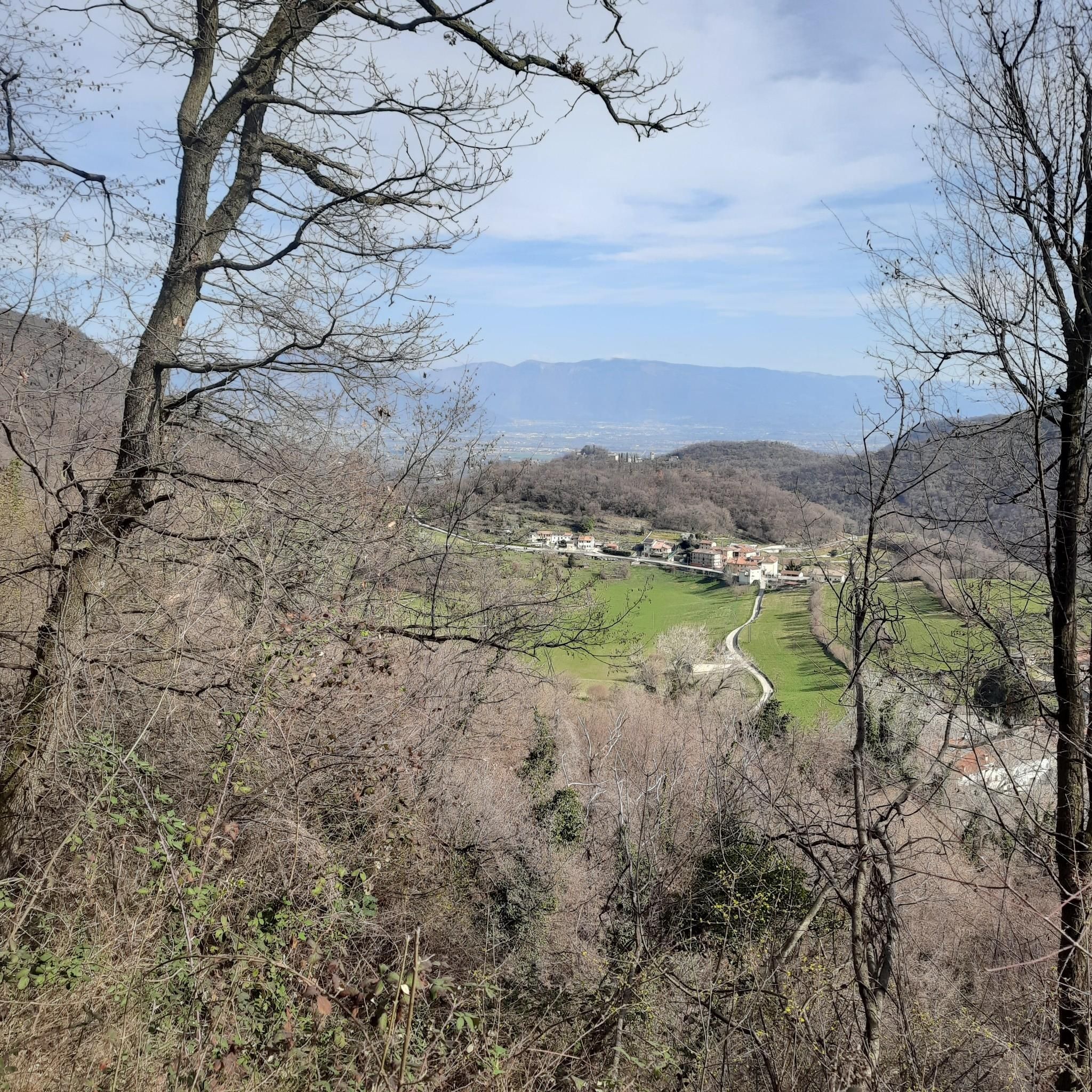
A fine and renowned restaurant has been created there, but the original structure suggests that here stood, as also attested by the toponym handed down by the population, the ever-mentioned Castello di Montemezzo, a refuge against repeated incursions of armies in search of territories and raids in the medieval period, even before 1000, property of the Bishop of Vicenza, in a period in which the care of the souls of the faithful was subordinated to the management of real estate assets. The complex, enclosed by walls, is located in the highest part of the hill so that in the past it also served as a lookout and guard. It presents modifications that have taken place over time, with architectural details worthy of note, such as the fine fireplaces dating back to the sixteenth and eighteenth centuries. Some dates carved on the façade and on the entrance portal to the courtyard, near the family coat of arms, document the Cavajon ownership in the mid-1600s. Interesting is the engraving, unfortunately incomplete but eloquent, on the jamb of a secondary entrance, referring to the passage of Charles V, fresh from his coronation as Emperor of the Holy Roman Empire, in transit in Montemezzo on 3 November 1532. On the same day he arrived in nearby Montecchio Maggiore, where he was hosted in the welcoming villa of the Gualdo family, as shown in the house diary, which shows in particular the assortment of gifts and provisions generously given to the sovereign and his hungry caravanserai. There is no evidence of his brief stay at the Castle but, considering how the sovereign was notoriously an unrepentant gourmet, it is easy to imagine that the stop was dedicated to a skewer of seasonal game, evidently prophetic and auspicious, given that the site is now a place of refreshment for gourmets. Source: https://subvicum.it/tappe/villa-cavajon-il-castello-di-montemezzo/
0
0

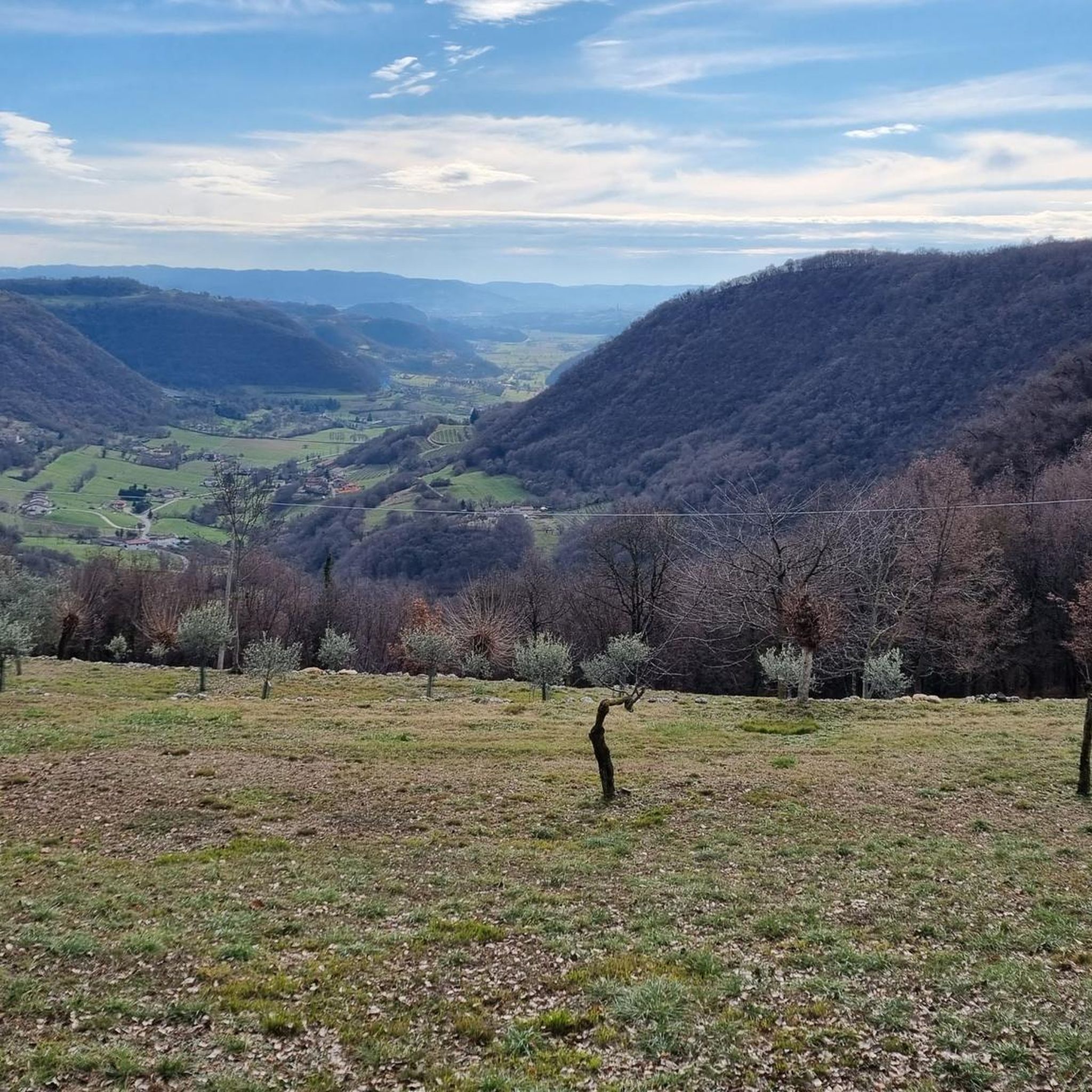
uphill rural road passable only on foot or MTB. Leads to the castle of "Giulietta" and the hypogeum complex "Le Priare".
0
0

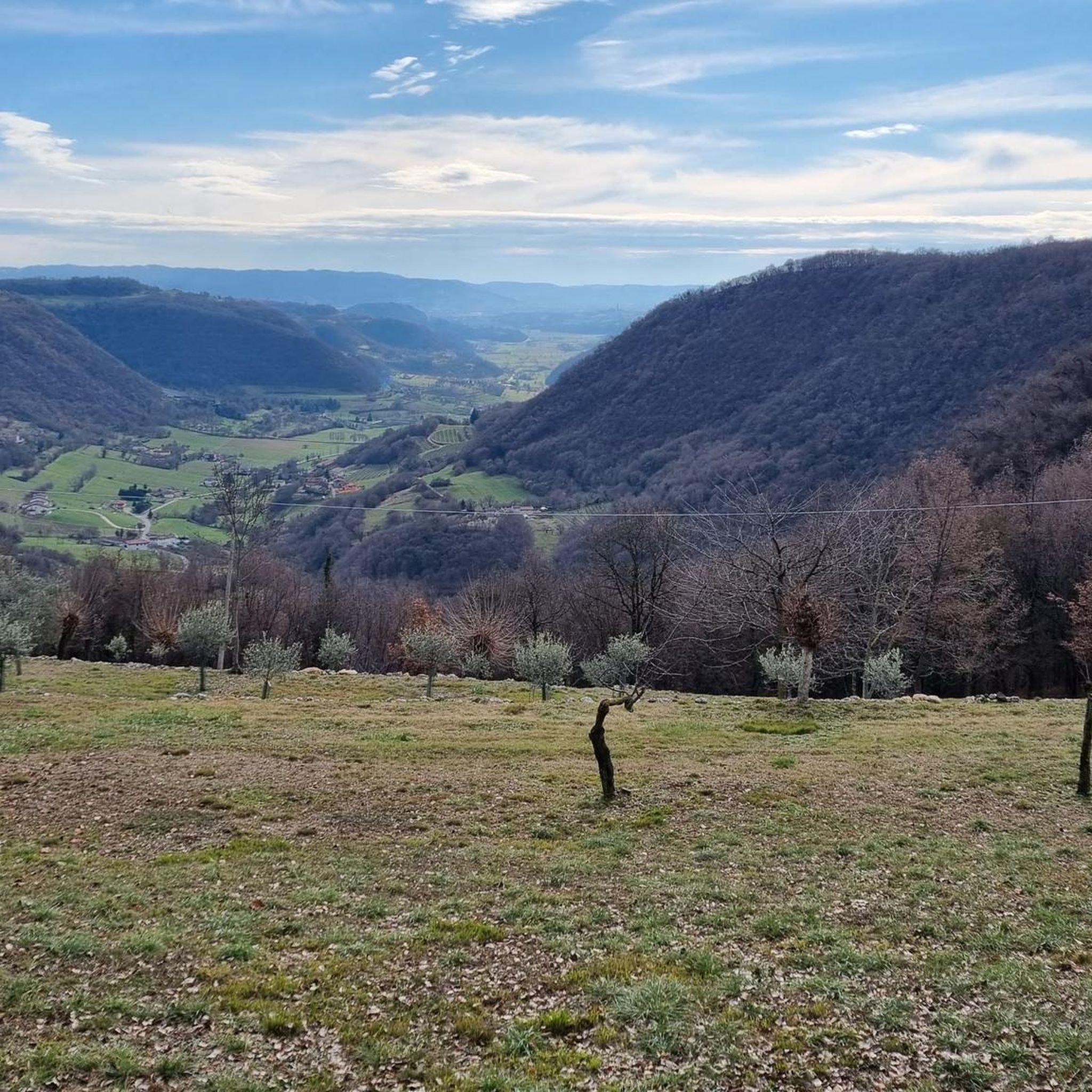
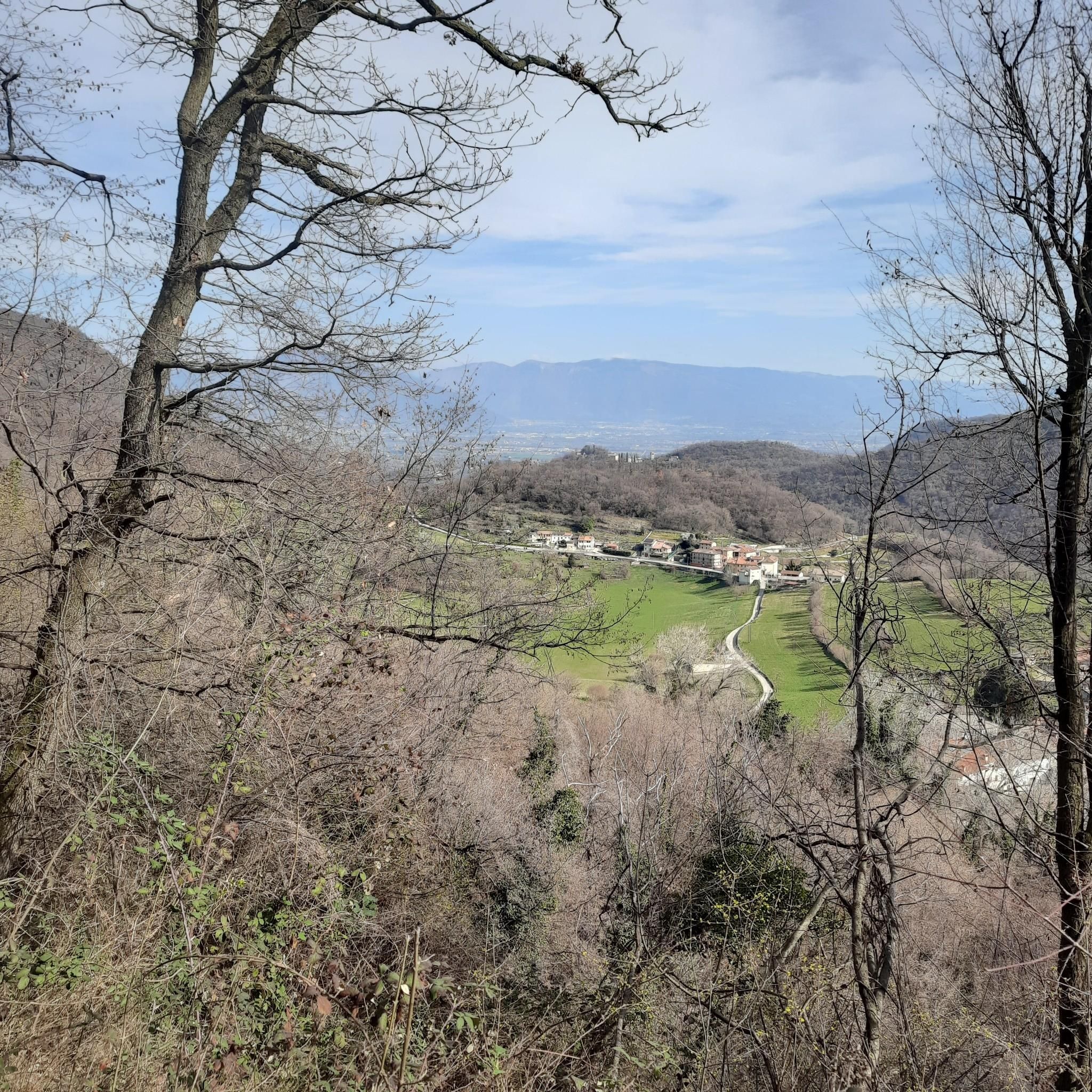
Colle di San Vittore is a silent, secluded and suggestive place that dominates a strategic passage between the Alta Pianura Vicentina and the Valle dell'Agno, with a view of the piedmont: precisely because of its position, it hosted the castle of Pietramala (ancient name of Priabona), built in the 8th-9th century and destroyed in 1250. For many centuries the hill was the center of the village, in a protected position, with the construction of the first parish church and the cemetery. Until quieter times pushed the inhabitants to go down to a more comfortable position, along the pass and the current road: the new church and the new cemetery were built. Today the hill hosts an unusual gathering of eras and styles: the church (with an appearance distorted over the centuries), the characteristic and squat bell tower, the ancient oratory (what remains of the castle), the deconsecrated cemetery and the 'recent' abandoned convent. https://padovasorprendi.it/loratorio-di-san-vittore-di-priabona-e-il-colle-ponimo/
2
0

Magnificent view on one side of Sovizzo and on the other of Montecchio Maggiore. Sometimes it hosts events (theatre, open-air cinema, medieval events).
0
0
A medieval fortress, destroyed and rebuilt several times over the centuries, built on the hills of Montecchio Maggiore for its strategic position along the Via Postumia, controlling the passage between Verona and Vicenza. A previous fortification likely existed in Roman times. It is known as "Romeo's Castle" by tradition and folklore: Luigi da Porto, a military leader and man of letters, retired from military life and wrote the first novel about Romeo and Juliet in 1531 in his residence in Montorso, overlooking the two castles. In the 19th century, at the height of Romanticism, legend arose that the two castles, so close yet so far away, inspired him to imagine them as belonging to the rival families of the Montecchi and the Cappelletti. Shakespeare later drew inspiration from his work to make the tragic love story famous. Today, the castle occasionally hosts cultural events (concerts, theater, open-air cinema); it is open on weekends (see link); Free access to both the walls and the tower, from the top of which you can enjoy a magnificent 360° panorama. https://www.prolocoaltemontecchio.it/cosa-vedere/castelli-di-giulietta-e-romeo/ https://it.wikipedia.org/wiki/Castelli_di_Romeo_e_Giulietta
2
0
A medieval fortress, destroyed and rebuilt several times over the centuries, built on the hills of Montecchio Maggiore for its strategic position along the Via Postumia, controlling the passage between Verona and Vicenza. A previous fortification likely existed in Roman times. It is known as "Juliet's Castle" by tradition and folklore: Luigi da Porto, a military leader and man of letters, retired from military life and wrote the first story of Romeo and Juliet in 1531 in his residence in Montorso, overlooking the two castles. In the 19th century, at the height of Romanticism, legend arose that the two castles, so close yet so far away, inspired him to imagine them as belonging to the rival families of the Montecchi and the Cappelletti. Shakespeare later drew inspiration from his work to make the tragic love story famous. Today, the castle houses a bar/restaurant, and admission (free) is open during its opening days and hours (see link); From the panoramic terrace, you can enjoy a magnificent 360° view of the surrounding valleys and hills, covered in greenery and cultivated fields. https://www.prolocoaltemontecchio.it/cosa-vedere/castelli-di-giulietta-e-romeo/ https://it.wikipedia.org/wiki/Castelli_di_Romeo_e_Giulietta
2
0

Frequently Asked Questions
What are the most historically significant castles in the Cornedo Vicentino area?
The Vicenza province, where Cornedo Vicentino is located, is rich in historical fortifications. Notable examples include Villa Castle or Romeo's Castle and Bellaguardia Castle or Juliet's Castle in Montecchio Maggiore, both medieval fortresses with strategic importance dating back to Roman times. Another significant site is the Torrione di Porta Castello in Vicenza, a medieval city gate with 12th-century foundations, part of a larger former fortress.
Are there any castles associated with the Romeo and Juliet story near Cornedo Vicentino?
Yes, Villa Castle or Romeo's Castle and Bellaguardia Castle or Juliet's Castle, both located on the hills of Montecchio Maggiore, are famously associated with Luigi da Porto's 1531 novel, which inspired Shakespeare's Romeo and Juliet. Legend suggests these two castles, so close yet distinct, inspired the rival families of the Montecchi and Cappelletti.
Which castles offer panoramic views of the surrounding landscape?
Villa Castle or Romeo's Castle provides a magnificent 360-degree panorama from its tower. Similarly, Bellaguardia Castle or Juliet's Castle offers a splendid 360-degree view from its panoramic terrace, overlooking the valleys and hills.
Are there family-friendly castles to visit in the area?
Yes, Villa Castle or Romeo's Castle is categorized as family-friendly. Its open access to the walls and tower, along with occasional cultural events, makes it suitable for families.
Can I find restaurants or cafes at or near these castles?
Yes, Bellaguardia Castle or Juliet's Castle houses a bar/restaurant with a spectacular rooftop terrace. Additionally, Villa Cavajon – Montemezzo Castle is now home to a renowned restaurant, offering a unique dining experience within a historical setting.
What kind of outdoor activities can I do near the castles around Cornedo Vicentino?
The area around Cornedo Vicentino offers various cycling opportunities. You can explore Road Cycling Routes, General Cycling Routes, and Gravel Biking Routes. Some trails, like the Strada dei Carri to Castello di Giulietta, are suitable for walking or mountain biking and lead directly to historical sites.
Are there hiking trails that lead to or past castles?
Yes, the Strada dei Carri to Castello di Giulietta is an uphill rural road passable on foot or MTB, leading directly to Juliet's Castle. The San Vittore Malo Descent also passes through an area with historical significance, including the site of the destroyed Pietramala castle.
What is the historical background of Villa Cavajon – Montemezzo Castle?
Villa Cavajon – Montemezzo Castle was originally a refuge against incursions during the medieval period, even before the year 1000. It was once property of the Bishop of Vicenza and served as a lookout and guard post due to its elevated position. The complex features notable architectural details from the 16th and 18th centuries.
What kind of events or activities can I expect at these castles?
Villa Castle or Romeo's Castle occasionally hosts cultural events such as concerts, theater performances, and open-air cinema. Bellaguardia Castle or Juliet's Castle, with its restaurant, provides a venue for dining with a view.
What do visitors enjoy most about the castles around Cornedo Vicentino?
Visitors particularly appreciate the historical significance and the stunning panoramic views offered by castles like Romeo's Castle and Juliet's Castle. The connection to the Romeo and Juliet story adds a unique cultural appeal, and the opportunity to explore medieval architecture and enjoy local cuisine at castle restaurants is also highly valued.
Are there any other historical sites besides traditional castles in the region?
While not a traditional castle, Villa Pretto-Cassanello in Cornedo Vicentino is a notable historical villa known for its beauty, located within the public Parco Pretto. The Torrione di Porta Castello in Vicenza also offers a glimpse into medieval defensive architecture.
Most popular routes around Cornedo Vicentino
Most popular attractions around Cornedo Vicentino

Get inspired with the komoot mobile app


Explore more
Looking for the best castles somewhere else? Discover other guides around Cornedo Vicentino:
