Top 10 Caves around San Pietro Mussolino
Caves around San Pietro Mussolino are situated in the Chiampo valley, a region in Veneto, Italy, known for its natural beauty and diverse geological formations. The area features a landscape shaped by both natural processes and historical human activity, including ancient quarries and karstic systems. This part of the Veneto region offers a variety of underground explorations, from natural caves to historical shelters.
Best caves around San Pietro Mussolino
- The most popular caves is Papalini Waterfall, a waterfall that…
Last updated: July 13, 2026
Papalini Waterfall
Highlight • Waterfall
Translated by Google •
Tip by

Buso della Rana Cave
Highlight • Cave
Translated by Google •
Tip by

Sign up now to discover places like this
Get recommendations on the best single tracks, peaks, & plenty of other exciting outdoor places.
Sign up for free
Buso delle Anguane Cave
Highlight • Cave
Translated by Google •
Tip by

Strada delle Lore
Highlight (Segment) • Trail
Translated by Google •
Tip by

Sign up for free to discover even more caves around San Pietro Mussolino.
Sign up for free
Already have an account?
Start today with a free account
Your next adventure awaits.
Login or Signup
Tips from the Community

The Buso della Rana is the largest cave in the Veneto region and one of the most extensive in Italy, with a network of caves stretching almost 30 km in total (40 km including the Pissatèla complex above, to which it is connected). Located beneath the Faedo-Casaròn Plateau, it is an intricate karst system that collects and channels the plateau's waters into the Rio Rana, which flows at the entrance. It was formed when rainwater seeps into the permeable limestone surface layer and, encountering the underlying impermeable basalt (volcanic rock), flows laterally, eroding the rock. Over millions of years, this has created a complex labyrinth of horizontal tunnels, chambers, chimneys, siphons, and small lakes traversed by underground streams. Because it drains the plateau's waters, the cave is subject to flash floods, making exploration treacherous. Inside, the temperature remains constant between 10 and 12°C year-round. It is freely accessible through the monumental entrance and by proceeding along the Main Branch for about fifty meters, until reaching the first flooded corridor or Siphon, a horizontal constriction that requires crawling. From there, it is the preserve of speleologists or exciting and adventurous guided tours organized by associations like Biosphera (see link). The internal branches are not marked, and one must know the way. The name of the cave has nothing to do with the amphibian, but is an Italianized term from the Cimbrian word "roan," meaning "rocky wall," referring to the cliff at the entrance. https://www.busodellarana.it https://esplora.biosphaera.it/luoghi/buso-della-rana/
0
0
The Buso delle Anguane is a fascinating cave in the rock with a natural balcony overlooking the Chiampo Valley: a place of mystery and legends, in ancient folk tales it was the home of the anguane, evil creatures that attracted men with their comely appearance. https://it.wikipedia.org/wiki/Anguana The path to reach the cave is quite impervious and challenging, not very visible and not signposted along the asphalt road.
0
0
The Cascata dei Papalini suddenly appears in a small clearing in the heart of the forest, along the path: over time the falling water has formed a columnar deposit of gray limestone that descends like a drape and that partly acts as a springboard for the jet. But the peculiarity and spectacular nature of this waterfall is the possibility of seeing it even from behind the scenes: in fact, by climbing to the left on a short but steep path, you reach a natural roof of the rock from which you can observe the forest below through the curtain of water, without getting wet! The passage is not protected and is wet, so you need to pay particular attention. Like all torrential waterfalls, it is not always full and active: you need to look for the right period, perhaps after heavy rains, to visit it in all its thunderous splendor.
1
0

Point quite easy to reach unless it has rained recently, in which case I would advise caution. Very suggestive view from inside the "Buso"
0
0

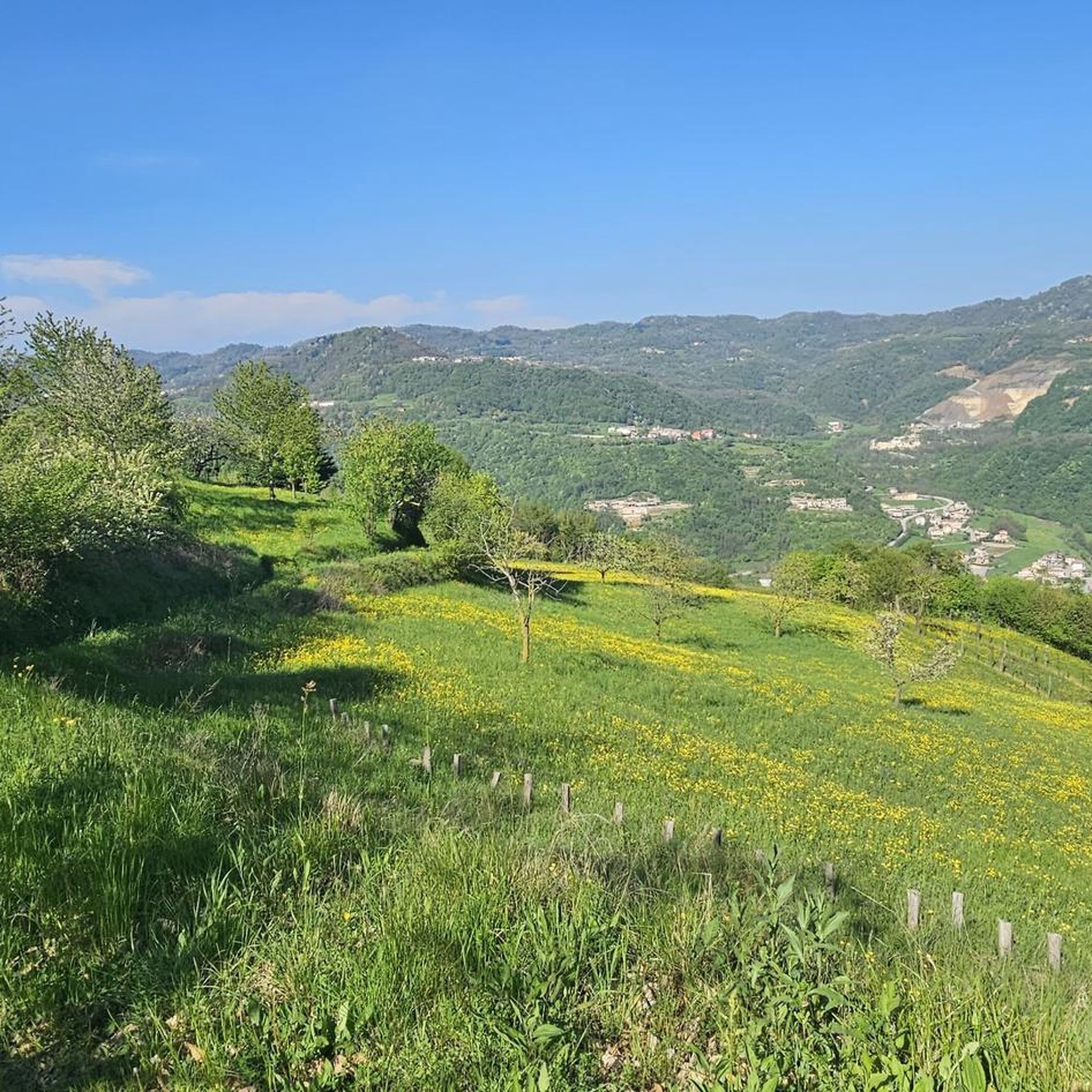
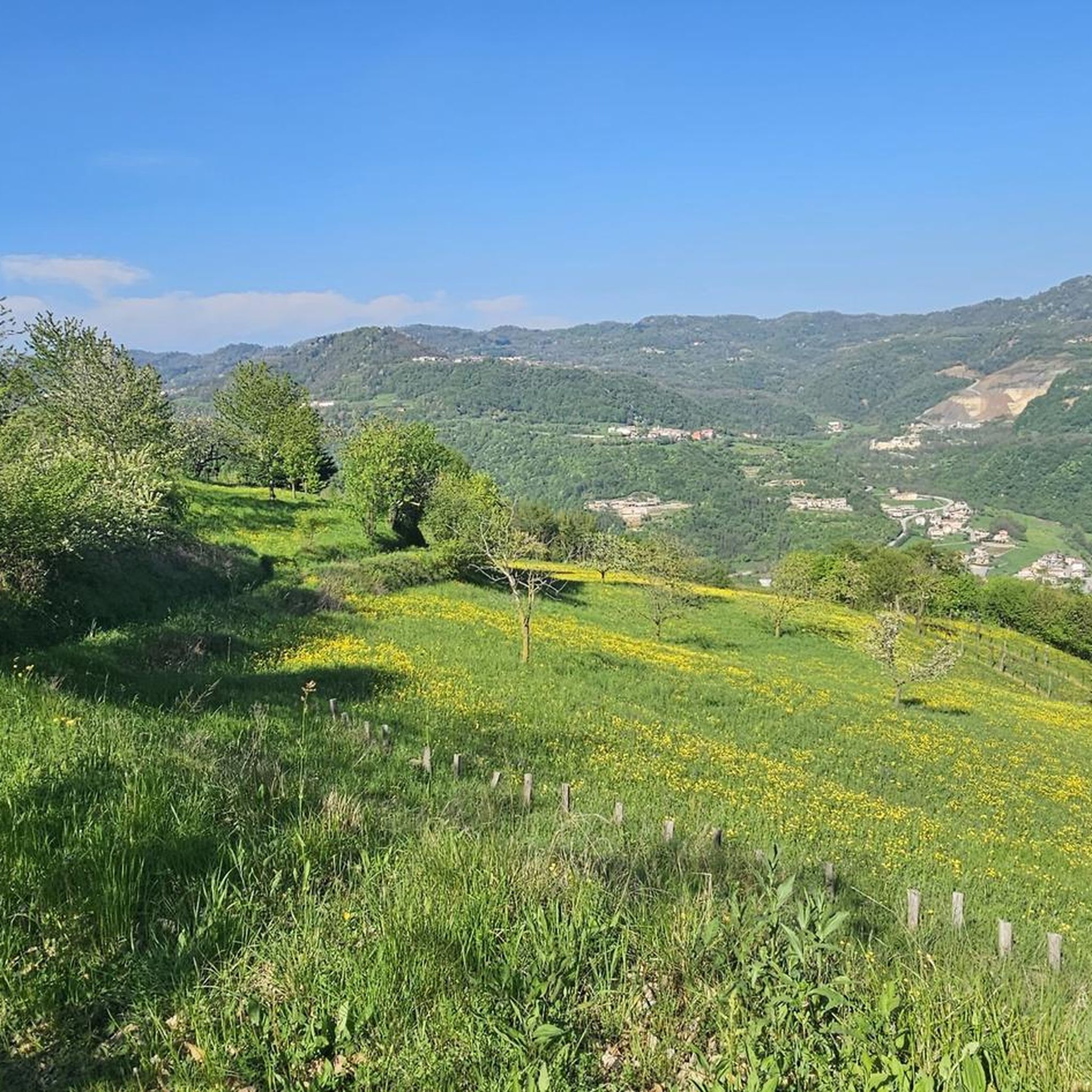
Road that leads from Faedo to Monte di Malo
0
0

Beautiful waterfall, it looks like a face with one eye, a big nose and teeth😊
1
0

The Papalini waterfall is a small waterfall in the middle of the woods, it deserves to be seen
0
0

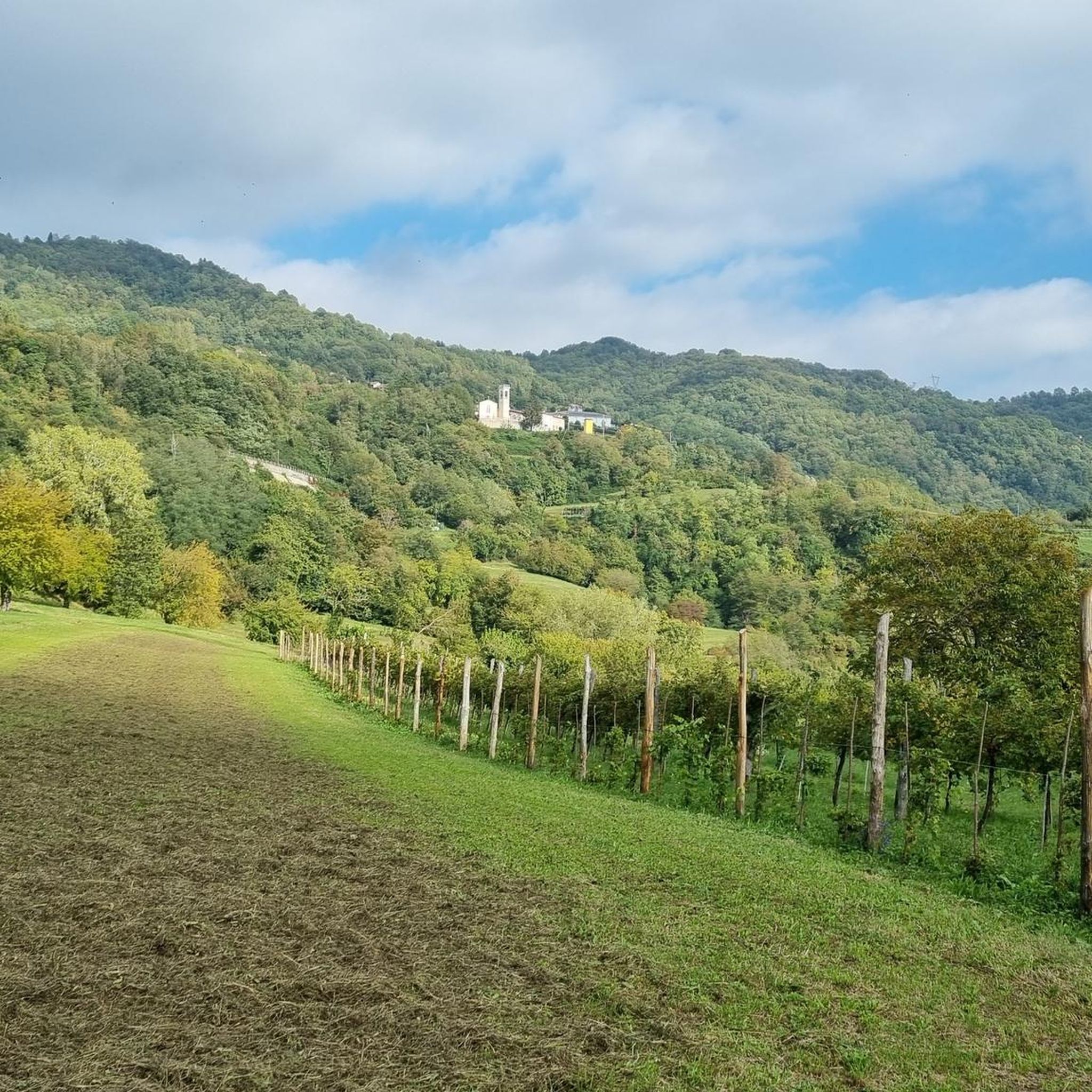
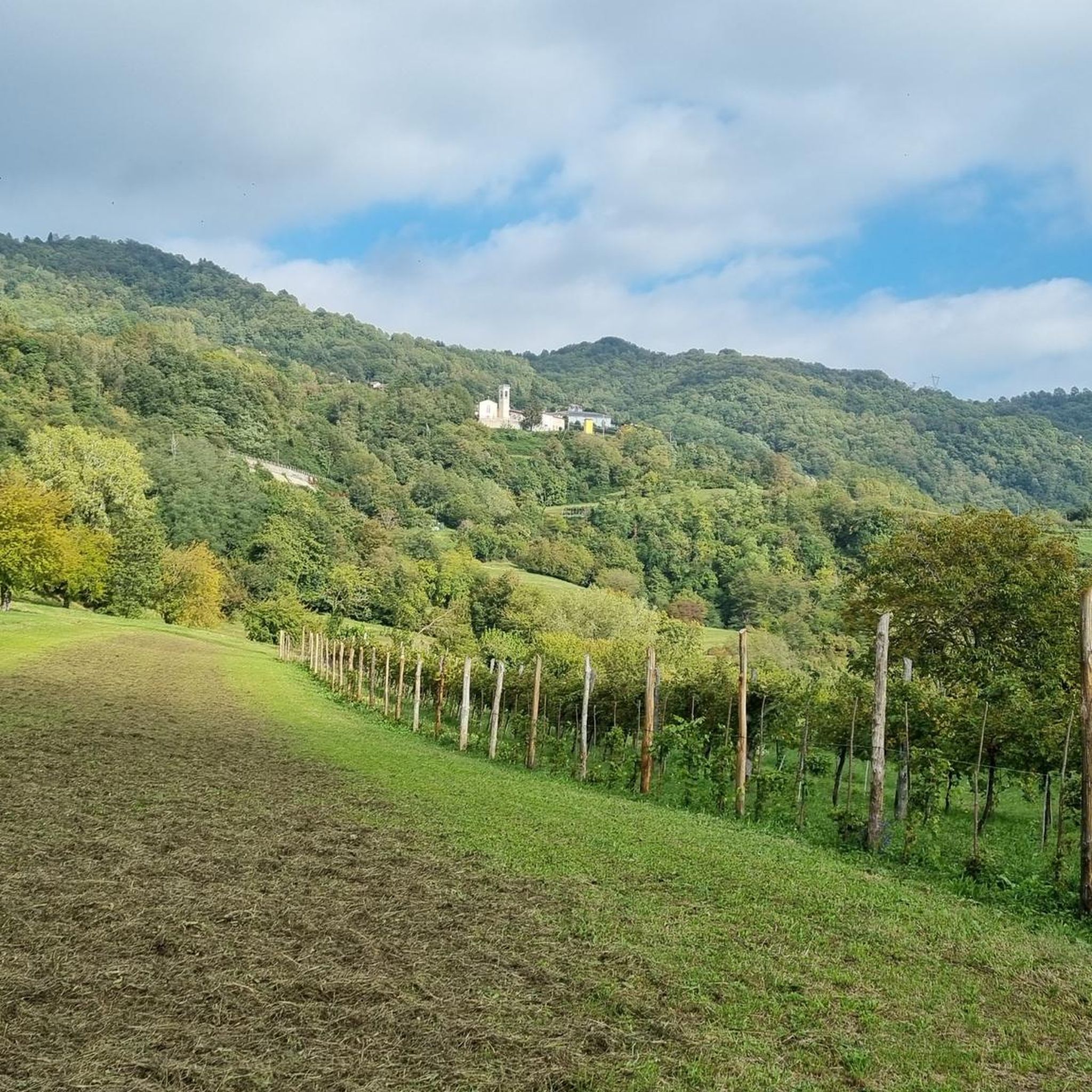
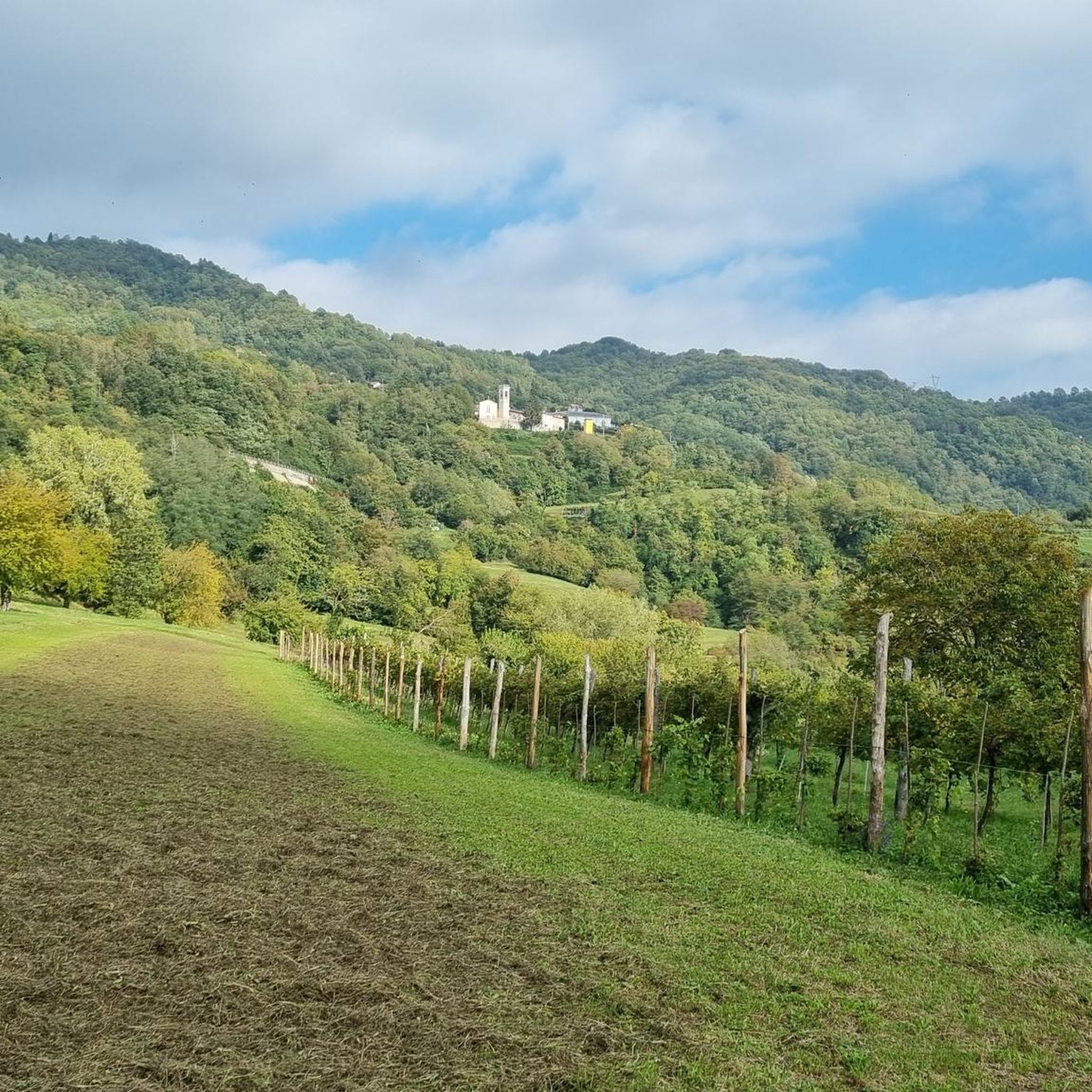
Nice circular tour with very little asphalt and many paths immersed in the nature of the small Dolomites
0
0
Frequently Asked Questions
What are the most popular caves and cave-like attractions around San Pietro Mussolino?
Visitors frequently enjoy the unique Papalini Waterfall, where you can walk behind the water veil. Another popular spot is Strada delle Lore, a historical military road featuring numerous cave shelters. The Ancient Home of the Salbanei, a miniature home built into a rock cavity, is also a beloved cultural attraction.
Are there any fossil sites or geological wonders in the broader Veneto region near San Pietro Mussolino?
Yes, the **Bolca Fossil Cave** (La Pesciara and Monte Postale), located approximately 4 km from San Pietro Mussolino, is renowned as one of the richest fossil deposits globally. It preserves an extraordinary collection of 50-million-year-old fossils. You can explore underground tunnels and even participate in a 'paleontologist for a day' experience. For more information, you can visit Visit Verona.
What kind of natural features can I expect to see in the caves and surrounding areas?
The region offers diverse natural features. At Papalini Waterfall, you'll find a small waterfall resembling a face. The Buso delle Anguane Cave provides panoramic views of the surrounding valleys. Further afield, the **Caglieron Caves** feature a deep natural gorge with impressive waterfalls and cascades, while the **Oliero Caves** are known for their significant karstic formations, stalactites, and stalagmites, accessible via a unique boat tour.
Are there historical or cultural sites related to caves in the area?
Absolutely. The Strada delle Lore is a military road with historical cave shelters. The Ancient Home of the Salbanei offers a glimpse into Venetian folklore. In the broader region, the **Caglieron Caves** include artificial sections created by stone extraction since the 16th century, and the **Oliero Caves** complex houses a Speleological and Ethnographic Museum.
Are there family-friendly cave attractions or activities?
Yes, the Ancient Home of the Salbanei is a charming, family-friendly spot with its miniature home built into a rock cavity. The **Bolca Fossil Cave** offers a 'paleontologist for a day' experience, which is great for children. The **Caglieron Caves** with their wooden walkways and waterfalls are also considered ideal for families.
What is the best time of year to visit the caves around San Pietro Mussolino and the Veneto region?
The best time depends on your preference. The **Caglieron Caves** offer a cool retreat in summer and a spectacular frozen wonderland with ice formations in winter. The **Oliero Caves** maintain a constant cool temperature (around 12°C), making them a pleasant escape during warmer months. For outdoor trails leading to caves like those near Bolca, spring and autumn offer mild weather.
What outdoor activities can I do near the caves around San Pietro Mussolino?
The area around San Pietro Mussolino is excellent for various outdoor activities. You can find numerous MTB Trails, Cycling routes, and Road Cycling Routes. Many of these routes pass through natural landscapes and offer opportunities to explore the region's beauty.
Are there guided tours available for any of the caves?
Yes, guided tours are available for some of the regional cave systems. The **Bolca Fossil Cave** offers guided tours through its underground path. The **Oliero Caves** are primarily explored via a unique boat tour through the underground river, which lasts about 30 minutes.
What is the typical difficulty level for exploring caves or trails leading to them in this region?
The difficulty varies. The path to Buso delle Anguane Cave can be quite challenging with impervious steps, especially after rain. Strada delle Lore, however, is a well-beaten military road, easily passable on gravel without demanding climbs. The **Caglieron Caves** feature wooden walkways, making them generally accessible for hikers and families.
Are permits or special equipment needed to visit the caves?
For publicly accessible sites like the **Bolca Fossil Cave**, **Caglieron Caves**, and **Oliero Caves**, you typically need to purchase tickets for entry or guided tours. Specific permits for general caving might be required for more advanced, unguided explorations, but for the main tourist attractions, standard entry fees apply. No specialized equipment is usually needed for the designated tourist paths and tours.
Where can I find food and drink near the caves?
Near the **Bolca Fossil Cave**, you'll find cafes and restaurants in the hamlet of Bolca. The **Caglieron Caves** site includes an old mill building that now serves as a restaurant. For the caves directly around San Pietro Mussolino, you can find various cafes, pubs, and restaurants within the town itself and nearby villages.
Most popular routes around San Pietro Mussolino
Most popular attractions around San Pietro Mussolino

Get inspired with the komoot mobile app


Explore more
Extend your search for the best caves by checking out these guides of the top ones around San Pietro Mussolino:
