Top 12 Caves around Creazzo
Best caves around Creazzo are found in the vicinity of the Berici Hills, an area characterized by limestone formations. This geological landscape has led to the creation of numerous "covoli," which are a mix of natural caves and historical quarrying sites. These locations offer insights into both natural geology and historical human activity.
Best caves around Creazzo
- The most popular caves is San Cassiano Hermitage, a religious building and cave that incorporates remains of an ancient church from the 6th-7th century. It features 13 tombs carved into the rock, dating back to between the 5th and 9th centuries.
- Another must-see spot is Covoli Trail, a challenging trail that features a picturesque cliff hiding a series of natural karst caves and a disused stone quarry. This site is also used for sport climbing.
- Visitors also love Former Stone Quarry in Gallery, a historical site with a majestic entrance, showcasing the process of Vicenza stone extraction. Its square-cut walls and ceiling reveal ancient quarrying techniques.
- Creazzo is known for natural karst caves, historical stone quarries, and hermitage caves. The area offers a variety of underground sites, from geological formations to locations shaped by centuries of human activity.
- The caves around Creazzo are appreciated by the komoot community, with more than 30 upvotes and over 40 photos shared by visitors.
Last updated: October 3, 2026
San Cassiano Hermitage
Highlight • Religious Site
Translated by Google •
Tip by

Le Priare di Montecchio Underground Complex
Highlight • Cave
The Priàre (from 'pria', meaning stone in the Venetian dialect) are a complex of underground quarries and tunnels for the extraction of the renowned "soft Vicenza stone," active from Roman times until the mid-20th century. During the bombings of World War II, the quarries were used by the inhabitants of Montecchio as a refuge; between 1972 and 1985, they were exploited as a mushroom farm, thanks to the humidity and constant temperature throughout the year; Afterwards, they were abandoned until their redevelopment and safety measures in 2000.
Vicenza Stone is a highly prized material, always highly appreciated and sought after in architecture and construction: beyond its aesthetic appeal, it is soft and malleable when freshly quarried, but upon contact with air, it "seasons," hardening and becoming extremely resistant over time. This rock was used to build the Montecchio fortresses and by Andrea Palladio for his works. It has always been quarried strictly by hand, using the same technique for millennia, in square blocks; this is why the quarries have such a geometric appearance.
Open Sunday afternoon; entry is only possible with a (very interesting) guided tour lasting about 40 minutes; admission is €3. Please note that payment by POS is not possible due to the lack of signal.
prolocoaltemontecchio.it/cosa-vedere/le-priare
Translated by Google •
Tip by

Sign up now to discover places like this
Get recommendations on the best single tracks, peaks, & plenty of other exciting outdoor places.
Covoli Trail
Highlight (Segment) • Cave
Translated by Google •
Tip by
Former Stone Quarry in Gallery
Highlight • Cave
It is one of the many quarries in the Berici Hills (known as 'priàre' in Venetian dialect) for the extraction of the prized Vicenza stone, widely used and appreciated in architecture. Some quarries (like this one) have been abandoned; others are still active; and still others have been converted for various uses.
colliberici.it/it/i-colli-berici/societa/la-attivita-estrattive
Translated by Google •
Tip by
Covolo dell'Orco
Highlight • Cave
Legend has it that a disturbing ogre lived here who took it out on travelers with his cries and his lugubrious laugh.
Translated by Google •
Tip by
Sign up for free to discover even more caves around Creazzo.
Already have an account?
Start today with a free account
Your next adventure awaits.
Tips from the Community

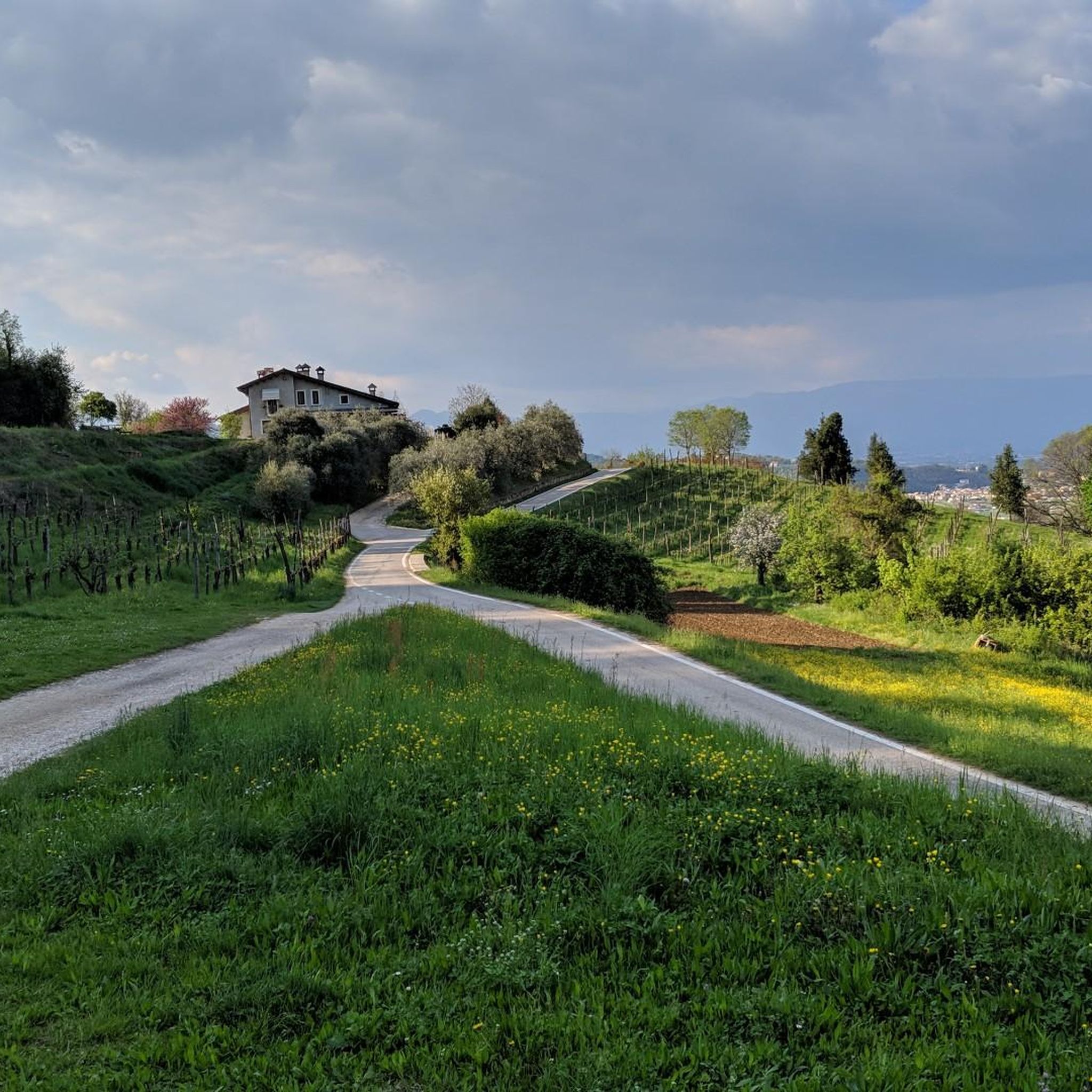
A picturesque cliff that hides a series of còvoli (natural karst caves) and a disused priara (stone quarry). The best ravines, rock formations, and light effects must be sought out, carefully venturing onto the rugged ledge at the foot of the wall. The cliff is used for sport climbing ('Lumignano Nuova', to distinguish it from 'Lumignano Classica' on the other side of the valley).
0
0
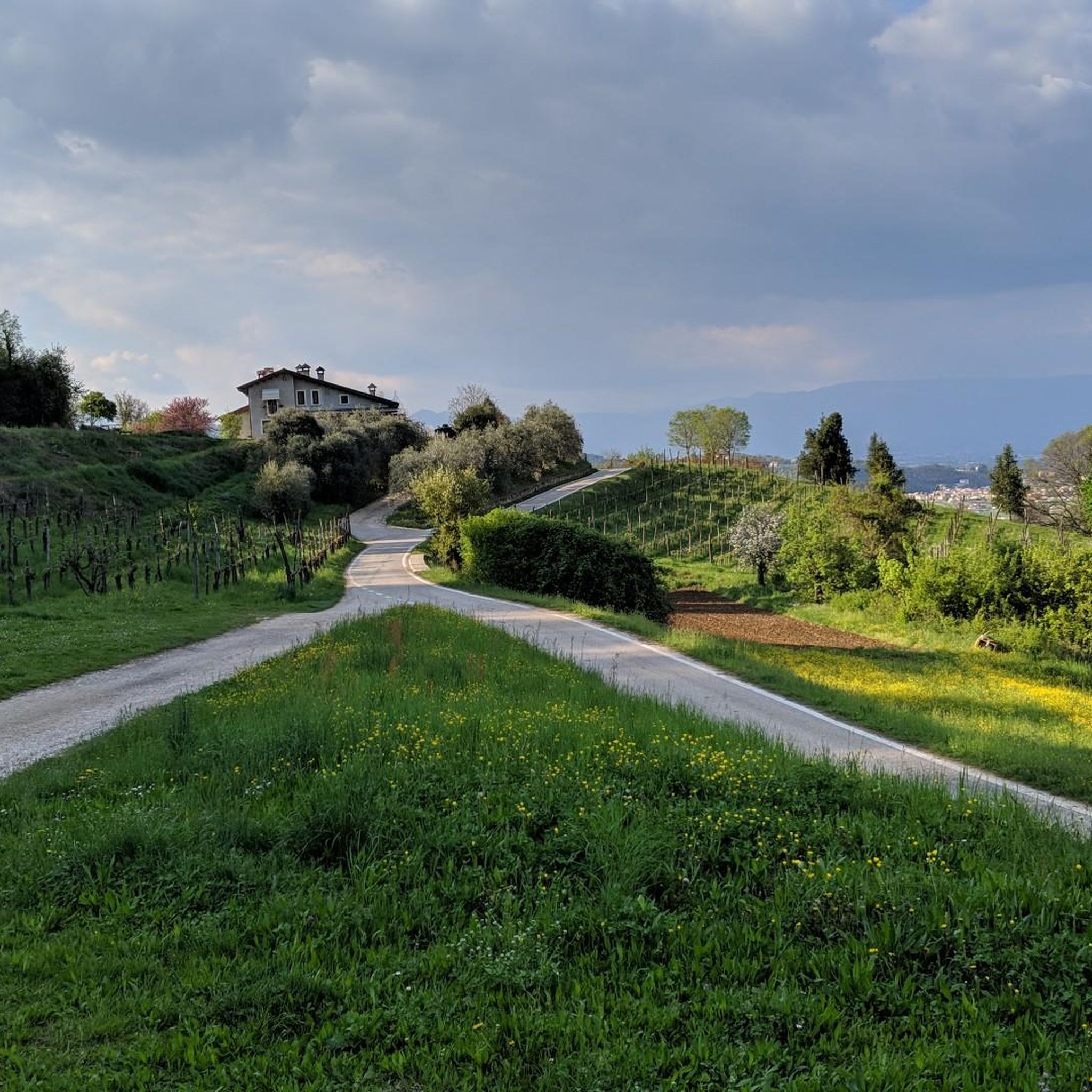
The Grotta dell'Orco, also known as the Grotta del Boscòn, is the largest natural cave in the area: a large cavern of about twenty meters that originated from the intersection of various fractures in the rock and shaped by meteoric erosion. Frequented by men since prehistoric times, it was used over the centuries as a shelter for shepherds and a humble home for poor families. Legend has it that a disturbing ogre lived here who took it out on travelers with his cries and his lugubrious laugh.
0
0
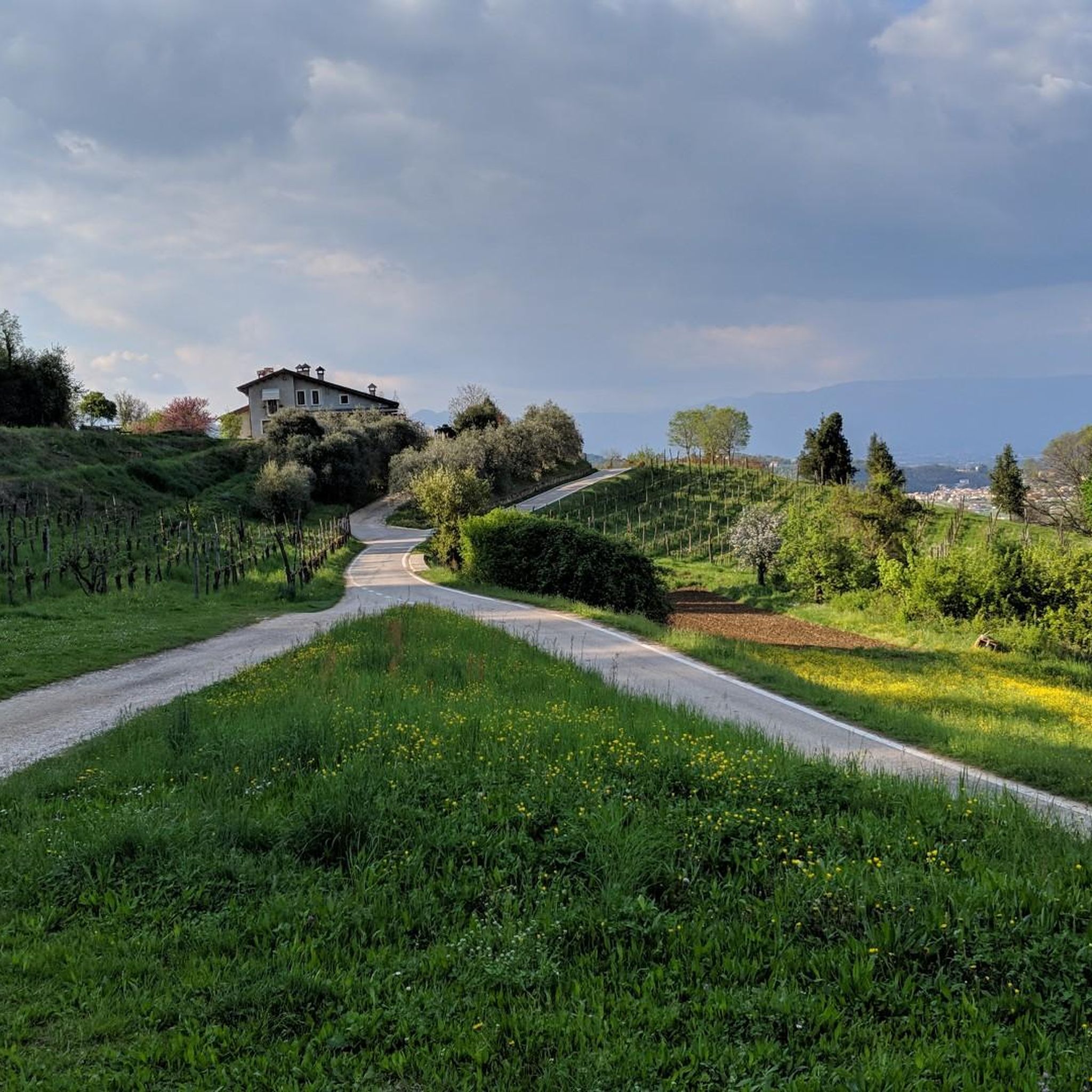
The Hermitage of San Cassiano is a little gem of the Berici Hills: a small and ancient building nestled in an imposing rock face, along a narrow ledge, overlooking the eastern plain, in a silent and suggestive environment. It is a building that in its current appearance dates back to the 17th century, erected by incorporating the remains of the ancient church of San Cassiano from the 6th-7th century: the small parish church was built in correspondence with a cave that served as an apse, closed by walls; thirteen tombs carved into the rock were discovered here, ten of which are still visible. N.B.: the hermitage is open only on the first Sunday of each month, managed by a group of volunteers, with free admission and a guided tour (free donation). https://sites.google.com/site/clubspeleologicoproteo/eremodisancassiano?authuser=0
1
0
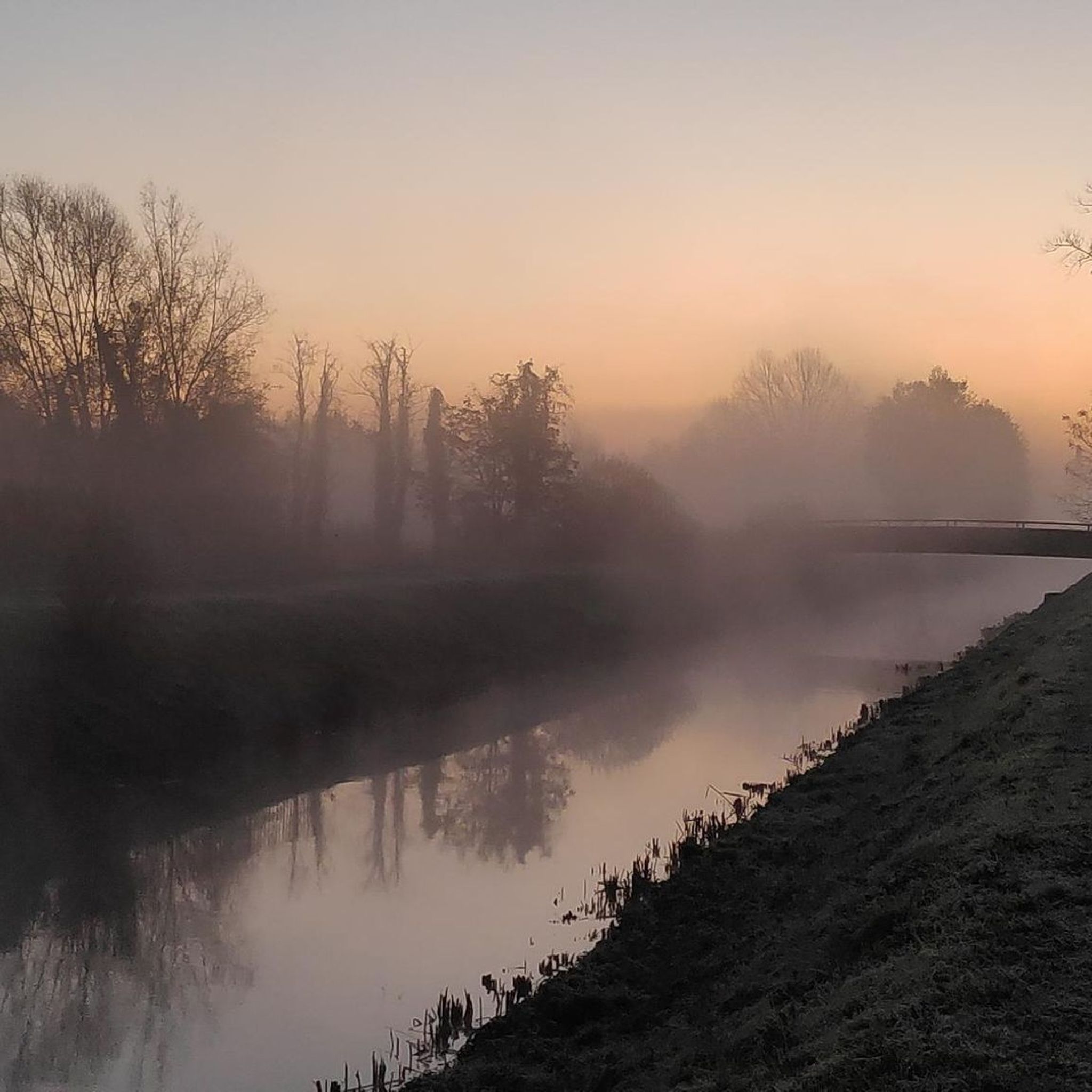
An extremely evocative and interesting site, hidden and unexpected, almost surreal: it surprises with its vastness and the slender square columns supporting the titanic ceiling... it feels like being inside a temple in ancient Mesopotamia or in the mines of Moria from Tolkien's memory! The Priàre (from 'pria', meaning stone in the Venetian dialect) are a complex of underground quarries and tunnels for the extraction of the renowned "soft Vicenza stone," active from Roman times until the mid-20th century. During the bombings of World War II, the quarries were used by the inhabitants of Montecchio as a refuge; between 1972 and 1985, they were exploited as a mushroom farm, thanks to the humidity and constant temperature throughout the year; Afterwards, they were abandoned until their redevelopment and safety measures in 2000. Vicenza Stone is a highly prized material, always highly appreciated and sought after in architecture and construction: beyond its aesthetic appeal, it is soft and malleable when freshly quarried, but upon contact with air, it "seasons," hardening and becoming extremely resistant over time. This rock was used to build the Montecchio fortresses and by Andrea Palladio for his works. It has always been quarried strictly by hand, using the same technique for millennia, in square blocks; this is why the quarries have such a geometric appearance. Open Sunday afternoon; entry is only possible with a (very interesting) guided tour lasting about 40 minutes; admission is €3. Please note that payment by POS is not possible due to the lack of signal. https://www.prolocoaltemontecchio.it/cosa-vedere/le-priare/
2
0
A gallery with a majestic entrance and height. The square cuts in the walls and ceiling reveal the stone extraction process: first, a layer of wall was isolated, cutting deeply along the entire perimeter; then, non-invasive explosives and metal pins were used to collapse the hidden facade and detach the enormous block. It is one of the many quarries in the Berici Hills (known as 'priàre' in Venetian dialect) for the extraction of the prized Vicenza stone, widely used and appreciated in architecture. Some quarries (like this one) have been abandoned; others are still active; and still others have been converted for various uses. https://www.colliberici.it/it/i-colli-berici/societa/la-attivita-estrattive
2
0

Hermitage of San Cassiano From Wikipedia, the free encyclopedia. The Hermitage of San Cassiano is located in Lumignano, a hamlet of Longare, a municipality in the province of Vicenza. The hermitage, inserted into the eastern rocky wall of the Monte della Croce di Lumignano, is a construction that dates back to the 17th century, built by incorporating the remains of the ancient church of San Cassiano from the 6th-7th century which was located in today's room on the north side of the building. Inserted into the eastern rock face of the Monte della Croce di Lumignano, it is a building that dates back to the 17th century, built by incorporating the remains of the ancient church of San Cassiano from the 6th-7th century[1] which was located in today's room on the north side of the building. The ancient church was built in correspondence with a den that served as an apse, closed by walls, the lower parts of which were brought to light by the 1994 excavation. Thirteen tombs carved into the rock were discovered here, ten of which are still visible. We can distinguish pits of rectangular or trapezoidal shape, of elliptical shape and other anthropomorphic ones, with a hollow where the head of the deceased rested, dating back to a period between the 5th and 9th centuries. Inscriptions engraved on a tombstone were also found, the only one found on site; others are carved directly on the rock face where the pits were created. Tradition has it that here, in the 12th century, Adelaide of Burgundy, empress of the Franks and queen of Italy, found refuge for some time after escaping the imprisonment imposed on her by Berengar when King Lothair II, her husband, was assassinated in 1137. It is also said that, as long as she lived, the grateful queen sent gifts to the penitents who retreated here to pray[2]. The complex became the private property of the Padua Dottori family from the 17th century until the end of the 18th, when it passed to Nicolò Leoni who in 1825 sold it to the Da Schio family, to whom it still belongs.
2
0

Apart from the first Sunday of the month the hermitage is closed by a gate and the hermitage is not even visible from there, so it is not worth going up, except for a walk in the woods.
3
0
I recommend following the path upstream and not the one further down, in order to see all the nests that follow one another in this stretch. Follow the orange marks on the trunks of the plants. Please note that the route is challenging and bumpy, but not dangerous.
1
1
Frequently Asked Questions
What types of caves can I explore near Creazzo?
The area around Creazzo, particularly within the Berici Hills, offers a diverse range of underground sites. You'll find natural karst caves, historical stone quarries (known locally as 'priàre' or 'covoli'), and even hermitage caves. These locations provide insights into both natural geology and centuries of human activity, from stone extraction to religious retreats.
Are there any historical cave sites near Creazzo?
Yes, the region is rich in historical cave sites. For instance, the San Cassiano Hermitage is a religious building and cave incorporating remains of an ancient church from the 6th-7th century, featuring 13 rock-carved tombs. Another significant site is the Former Stone Quarry in Gallery, which showcases ancient Vicenza stone extraction techniques with its square-cut walls and ceiling.
Can I visit ancient quarries that are now caves?
Absolutely. The Le Priare di Montecchio Underground Complex is an excellent example. These vast underground quarries, active from Roman times, were used for extracting Vicenza stone. They later served as a WWII refuge and a mushroom farm. Today, they are an evocative site, offering guided tours to explore their history and unique architecture.
Are there any challenging trails that lead to caves or quarries?
Yes, the Covoli Trail is a challenging route that features a picturesque cliff hiding a series of natural karst caves and a disused stone quarry. It's also a popular spot for sport climbing, offering rugged terrain and interesting rock formations.
What is the best time to visit the caves around Creazzo?
Many of the caves and underground complexes, especially the former quarries, maintain a constant cool temperature year-round, making them a pleasant escape during warmer months. For sites like the San Cassiano Hermitage, it's important to note that it is typically only open on the first Sunday of each month.
Are there any caves near Creazzo that are known for their geology?
The Berici Hills, where many of these sites are located, are characterized by limestone formations, which have naturally led to the creation of numerous 'covoli' or caves. The Tri Oci Sinkhole, for example, is a notable natural geological formation, a vertically developed chasm with three openings, though its access involves unmaintained metal stairs.
What outdoor activities can I do near the caves around Creazzo?
Beyond exploring the caves, the region offers various outdoor activities. You can find numerous MTB Trails around Creazzo, Running Trails around Creazzo, and Cycling routes around Creazzo, allowing you to combine underground exploration with active pursuits in the surrounding landscape.
Are there any caves that were used for purposes other than quarrying or religious retreats?
Yes, the Antiche Grotte di Costozza in the Berici Hills, while primarily quarrying sites, also served as wine cellars due to their constant cool temperatures. During the Renaissance, an ingenious system of 'ventidotti' (ventilation ducts) connected them to nearby villas for natural cooling and warmth, showcasing their versatile historical uses.
What do visitors appreciate most about the caves around Creazzo?
Visitors frequently appreciate the unique blend of natural beauty and historical significance. The opportunity to explore ancient quarries, understand historical stone extraction methods, and discover sites with centuries of human presence, from religious hermits to wartime refuges, makes for a captivating experience. The sheer scale and unexpected nature of some underground complexes are also highly praised.
Is it possible to visit Cava Arcari?
The Cava Arcari Entrance is a historical cave site, but its interior is not generally open for public visits, even though it is sometimes used for shows. The main entrance gate is closed, though you can reach the quarries via a path from Via Priare, you won't be able to go inside.
Are there any caves that are difficult to access or require special precautions?
Some sites, like the Tri Oci Sinkhole, involve descending via old metal stairs that are noted to be corroded and unmaintained, making descent at one's own risk. For trails like the Covoli Trail, it is described as challenging and bumpy, requiring careful navigation on rugged ledges.
Most popular routes around Creazzo
Most popular attractions around Creazzo

Get inspired with the komoot mobile app


Explore more
Extend your search for the best caves by checking out these guides of the top ones around Creazzo:
