Top 20 Caves around Nanto
Best caves around Nanto offer a blend of natural formations and historical significance. The region features diverse landscapes, from ancient hermitages carved into rock faces to valleys with unique geological features. These areas provide opportunities for exploration and insight into past human habitation and natural erosion processes. The terrain around Nanto caves often includes varied paths suitable for different activity levels.
Best caves around Nanto
- The most popular caves is Caves of the Hermitage of San Donato, a cave…
Last updated: June 29, 2026
Caves of the Hermitage of San Donato
Highlight • Cave
I would like to point out that in the second part of the descent from Monte Tondo the …
Translated by Google •
Tip by

Grotta di Santa Felicita
Highlight • Cave
Translated by Google •
Tip by

Sign up now to discover places like this
Get recommendations on the best single tracks, peaks, & plenty of other exciting outdoor places.
Sign up for free
San Bernardino Cave in Mossano
Highlight (Segment) • Cave
Translated by Google •
Tip by

San Cassiano Hermitage
Highlight • Religious Site
Translated by Google •
Tip by

Valle dei Mulini di Mossano
Highlight • Trail
Translated by Google •
Tip by

Sign up for free to discover even more caves around Nanto.
Sign up for free
Already have an account?
Start today with a free account
Your next adventure awaits.
Login or Signup
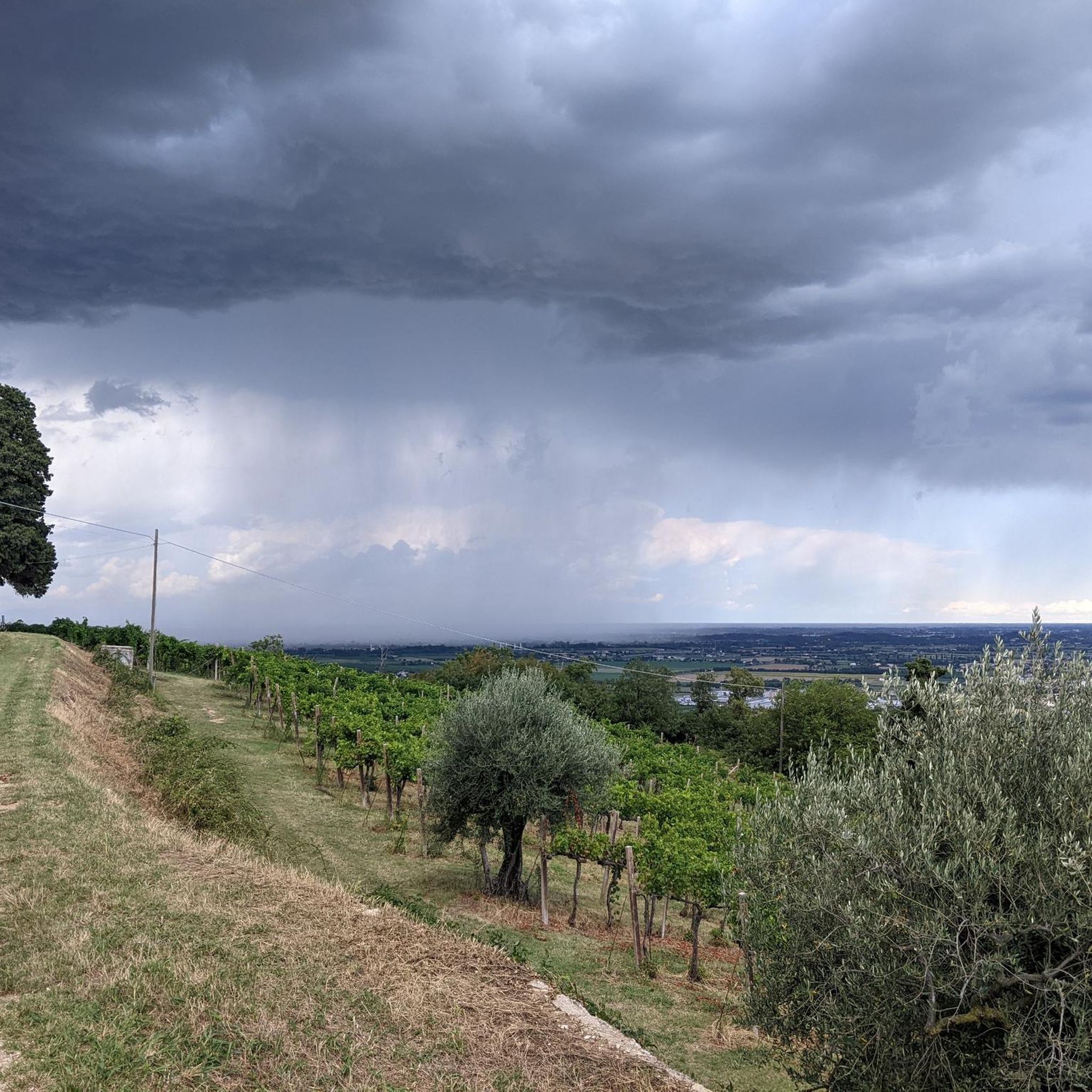

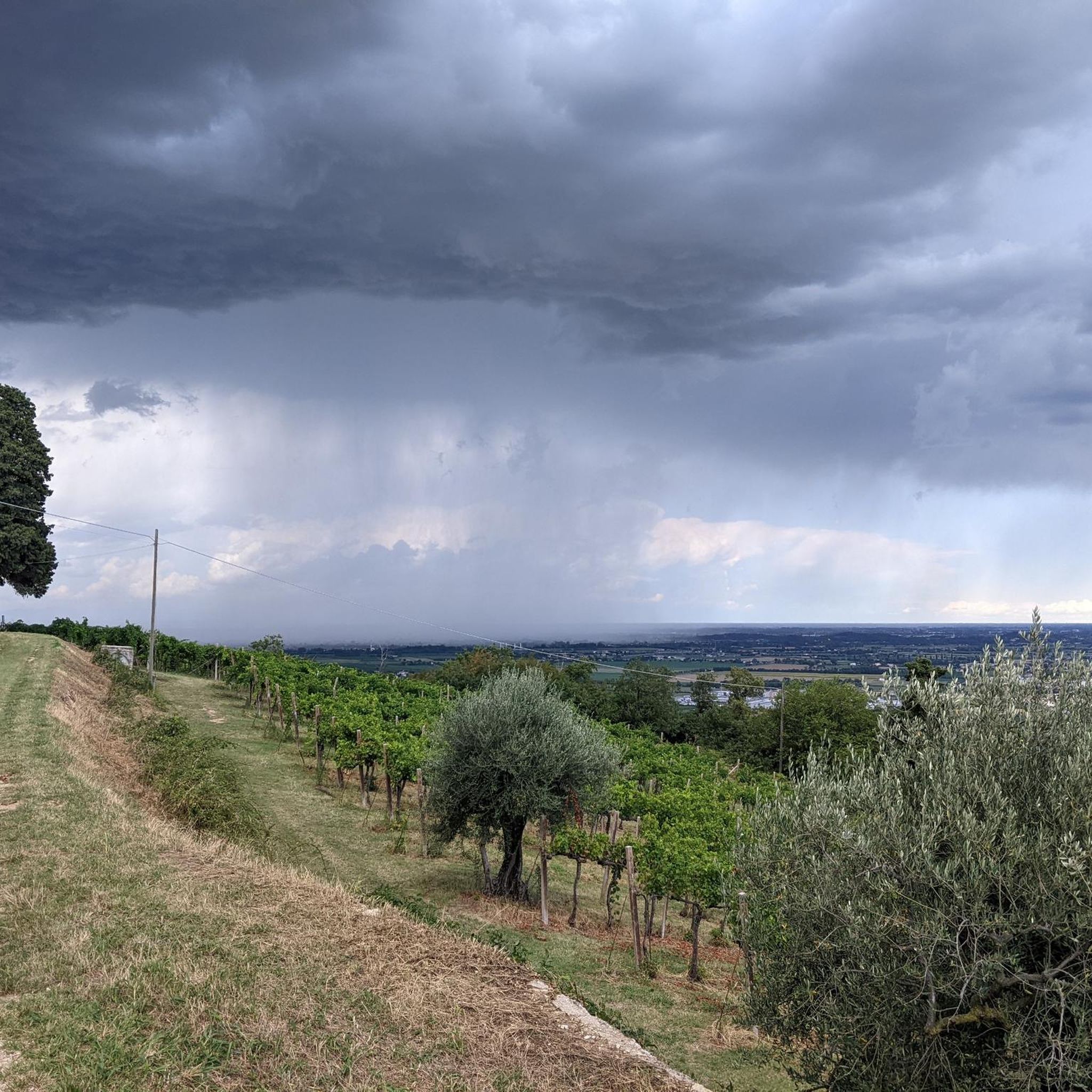
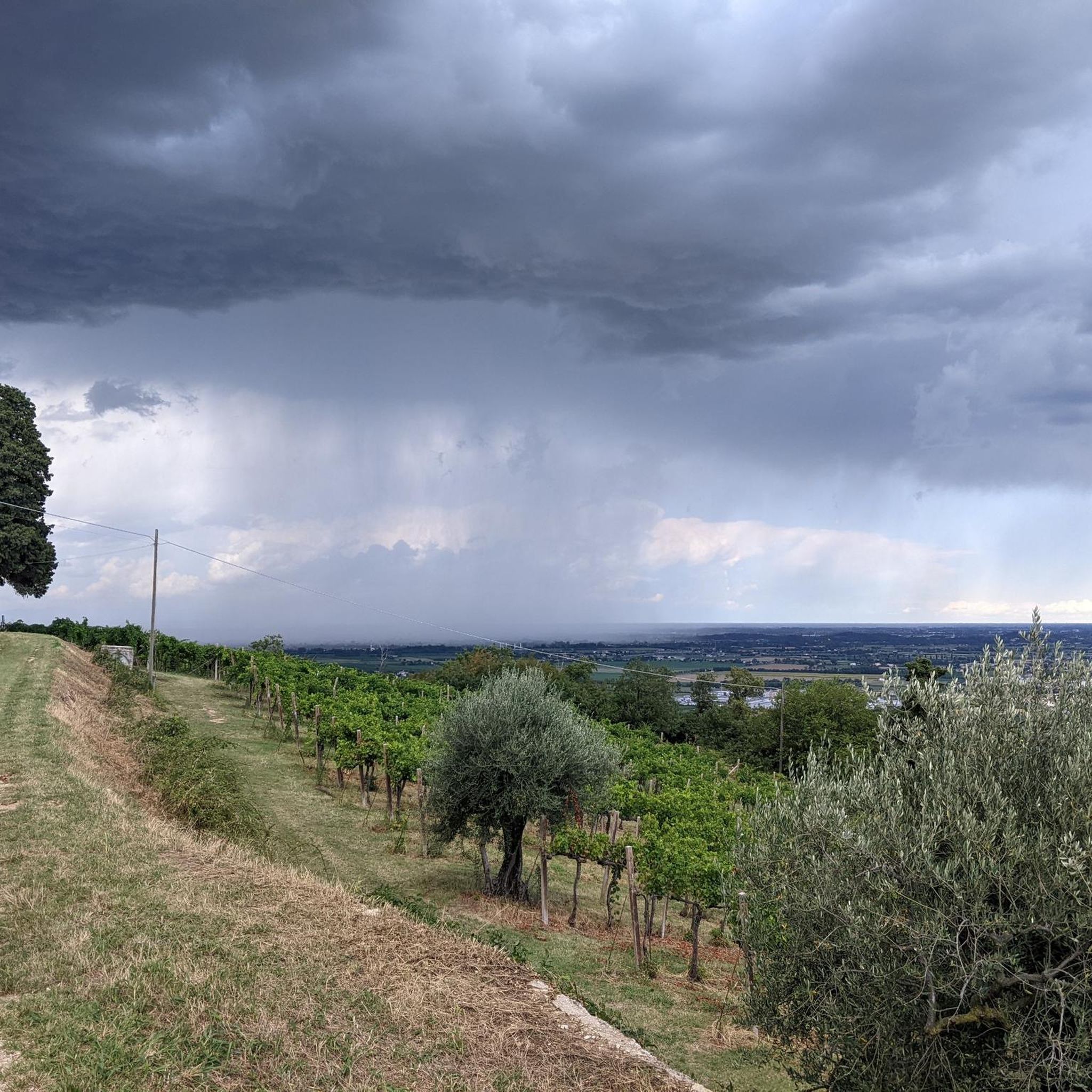
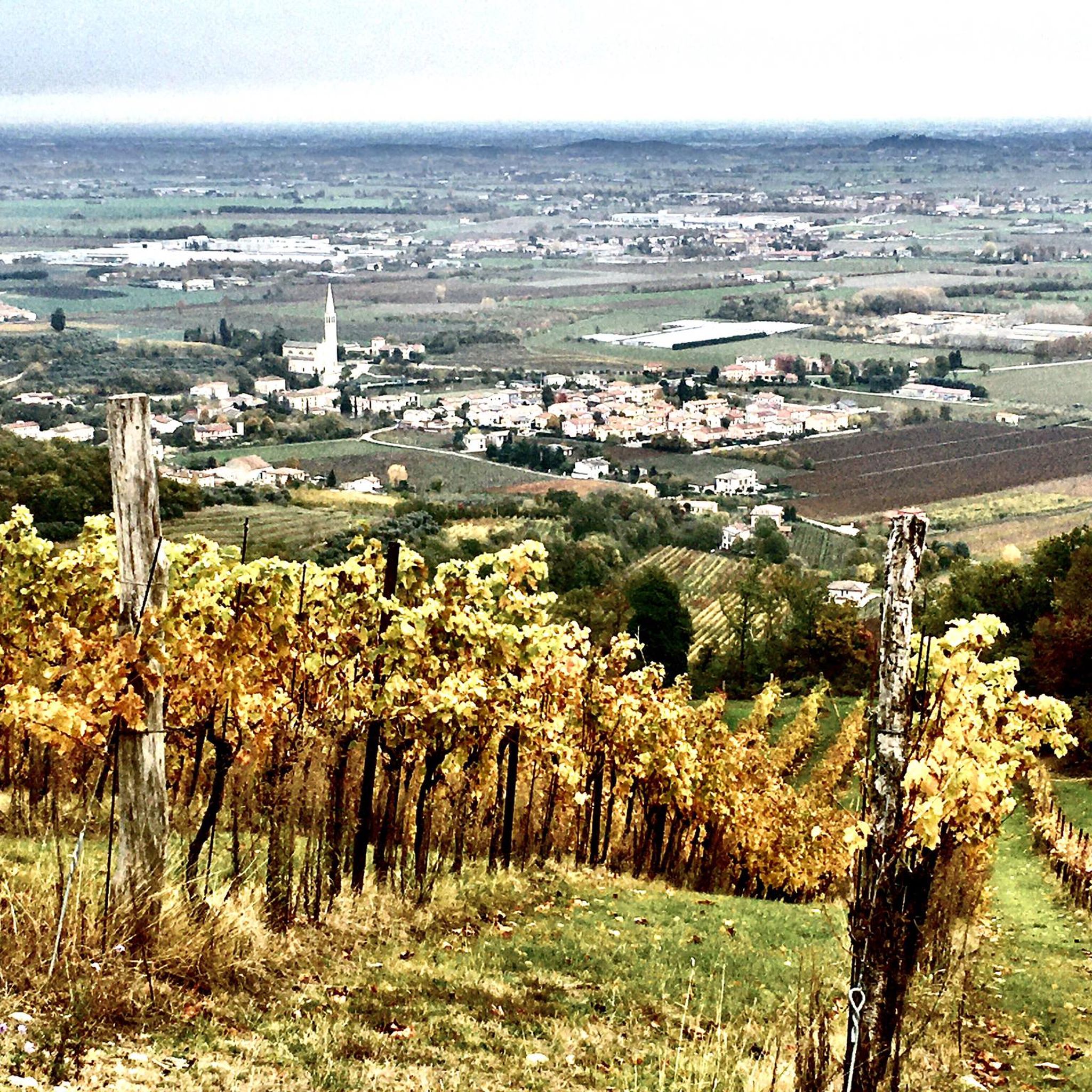
Tips from the Community

The Grotto of Santa Felicita is located in Teolo, on the southern slope of Monte della Madonna, within the Euganean Hills Regional Park. It is a place shrouded in mystery and spirituality, closely linked to the figure of the saint who, according to tradition, retired there as a hermit between the 8th and 9th centuries. The grotto is a natural cavity located right next to the small church of Sant'Antonio Abate. Inside, it holds one of the highest water springs in the hills, once considered miraculous. The site, surrounded by Mediterranean vegetation where the dwarf prickly pear grows spontaneously, emanates an atmosphere of absolute peace. Reachable by an easy walk, the grotto represents one of the most evocative stops for those exploring the trails of Teolo, combining the charm of volcanic geology with the popular devotion that still sees this cave as a symbol of rebirth and contemplation.
0
0

The Hermitage of San Cassiano is a little gem of the Berici Hills: a small and ancient building nestled in an imposing rock face, along a narrow ledge, overlooking the eastern plain, in a silent and suggestive environment. It is a building that in its current appearance dates back to the 17th century, erected by incorporating the remains of the ancient church of San Cassiano from the 6th-7th century: the small parish church was built in correspondence with a cave that served as an apse, closed by walls; thirteen tombs carved into the rock were discovered here, ten of which are still visible. N.B.: the hermitage is open only on the first Sunday of each month, managed by a group of volunteers, with free admission and a guided tour (free donation). https://sites.google.com/site/clubspeleologicoproteo/eremodisancassiano?authuser=0
1
0

Going to the Grotta di San Bernardino is like taking a step back in time, an experience that touches the heart and mind. Imagine finding yourself in the same place where, thousands of years ago, prehistoric men lit fires and hunted, and where, in the Middle Ages, hermits sought refuge. This cave has seen a succession of stories of hunting, prayer and refuge. Visiting the cave is a way to connect with the history of the area and to live an experience full of emotions.
2
0

Thanks for the information
2
1

From Mossano (near the town hall), follow the clearly visible signs, path 81, which after a short descent leads you uphill between old mills, accompanied by the sweet sound of the stream.
0
0
The Valle dei Mulini of Mossano and path 81 take you to a wonderful corner of the Berici, where history, traditions and nature come together to give those who travel it a unique experience of peace and tranquility. It is a path also suitable for children, easy and always well maintained.
4
0

Hermitage of San Cassiano From Wikipedia, the free encyclopedia. The Hermitage of San Cassiano is located in Lumignano, a hamlet of Longare, a municipality in the province of Vicenza. The hermitage, inserted into the eastern rocky wall of the Monte della Croce di Lumignano, is a construction that dates back to the 17th century, built by incorporating the remains of the ancient church of San Cassiano from the 6th-7th century which was located in today's room on the north side of the building. Inserted into the eastern rock face of the Monte della Croce di Lumignano, it is a building that dates back to the 17th century, built by incorporating the remains of the ancient church of San Cassiano from the 6th-7th century[1] which was located in today's room on the north side of the building. The ancient church was built in correspondence with a den that served as an apse, closed by walls, the lower parts of which were brought to light by the 1994 excavation. Thirteen tombs carved into the rock were discovered here, ten of which are still visible. We can distinguish pits of rectangular or trapezoidal shape, of elliptical shape and other anthropomorphic ones, with a hollow where the head of the deceased rested, dating back to a period between the 5th and 9th centuries. Inscriptions engraved on a tombstone were also found, the only one found on site; others are carved directly on the rock face where the pits were created. Tradition has it that here, in the 12th century, Adelaide of Burgundy, empress of the Franks and queen of Italy, found refuge for some time after escaping the imprisonment imposed on her by Berengar when King Lothair II, her husband, was assassinated in 1137. It is also said that, as long as she lived, the grateful queen sent gifts to the penitents who retreated here to pray[2]. The complex became the private property of the Padua Dottori family from the 17th century until the end of the 18th, when it passed to Nicolò Leoni who in 1825 sold it to the Da Schio family, to whom it still belongs.
2
0

Apart from the first Sunday of the month the hermitage is closed by a gate and the hermitage is not even visible from there, so it is not worth going up, except for a walk in the woods.
3
0
Frequently Asked Questions
What types of caves can I explore around Nanto?
The Nanto area offers a diverse range of cave experiences, including natural formations, ancient hermitages carved into rock faces, and historical sites with archaeological significance. You can find caves with religious importance, such as the Caves of the Hermitage of San Donato, and those showcasing geological erosion and past human habitation.
Are there historical sites associated with caves in the Nanto area?
Yes, the region is rich in historical cave sites. For example, the San Bernardino Cave in Mossano is the oldest archaeological site in the Vicenza area, with traces of Neanderthal Man. The San Cassiano Hermitage is a 17th-century building incorporating remains of an ancient church from the 6th-7th century, featuring rock-carved tombs.
What natural features can I expect to see in the caves around Nanto?
The caves around Nanto feature natural cavities at the base of rocky walls, such as those at the Caves of the Hermitage of San Donato. Many sites also offer panoramic views of the surrounding plains and hills, showcasing the interplay of natural formations and the landscape.
Are there any family-friendly cave experiences near Nanto?
The Valle dei Mulini di Mossano offers a path that is suitable for children, easy, and well-maintained, combining history, traditions, and nature. While not a cave itself, it includes cave elements and is part of a wider area with historical cave dwellings.
What is the difficulty level of exploring caves around Nanto?
Many of the cave-related sites, such as the Caves of the Hermitage of San Donato and San Bernardino Cave in Mossano, are categorized as intermediate. Paths can be varied, and some descents may be damaged, so checking specific route conditions is advisable.
What outdoor activities can I do near these caves?
Beyond exploring the caves, the Nanto area offers various outdoor activities. You can find numerous running trails, mountain biking routes, and road cycling routes. For detailed options, explore the Running Trails around Nanto, MTB Trails around Nanto, and Road Cycling Routes around Nanto guides.
Are there hiking trails that include caves near Nanto?
Yes, many trails in the area incorporate cave sites. For instance, the path to San Bernardino Cave in Mossano is described as a wonderful and mystical walk steeped in history. The Caves of the Hermitage of San Donato are reachable by following path 72 from Villaga.
What do visitors enjoy most about the caves around Nanto?
Visitors frequently praise the historical significance and the evocative atmosphere of the sites. Many appreciate the panoramic views, such as those from the Hermitage of San Donato, and the unique natural formations that resemble Gothic architecture, as seen at San Bernardino Cave.
Is there a cave dwelling I can visit near Nanto?
Yes, the Sengia dei Meoni Rock House is a unique two-story cave dwelling ingeniously carved out of a depleted stone quarry. It has been restored with original rustic furnishings and operates as a museum open on specific months, days, and times.
What is the best time to visit the caves around Nanto?
Information on specific seasonal conditions for all caves is not universally available. However, for sites like the San Cassiano Hermitage, it's important to note that it is typically only open on the first Sunday of each month. Always check specific opening times for individual sites before planning your visit.
Are there any caves with religious significance in the Nanto area?
Yes, several sites have religious importance. The Caves of the Hermitage of San Donato include an oratory and a church that occasionally opens for mass and ceremonies. The San Cassiano Hermitage is a religious building inserted into a rocky wall, incorporating an ancient church.
Most popular attractions around Nanto

Get inspired with the komoot mobile app


Explore more
Extend your search for the best caves by checking out these guides of the top ones around Nanto:
