Top 5 Castles around Monesiglio
Best castles around Monesiglio are situated in a region rich in history, nestled along the Bormida River at the confluence of the Langhe, Roero, and Monferrato lands. This area is characterized by its medieval heritage and offers views of the surrounding hills. Monesiglio itself is a village steeped in medieval history and culture, featuring historical buildings and a local museum. The castles in this region reflect centuries of architectural evolution, from defensive fortresses to noble residences.
Best castles around Monesiglio
…Last updated: May 18, 2026
Bergolo
Highlight • Settlement
Translated by Google •
Tip by

Prunetto
Highlight • Settlement
Translated by Google •
Tip by

Sign up now to discover places like this
Get recommendations on the best single tracks, peaks, & plenty of other exciting outdoor places.
Sign up for free
Castello dei Marchesi Incisa di Camerana
Highlight • Castle
Translated by Google •
Tip by

Camerana Tower
Highlight • Monument
Translated by Google •
Tip by

Saliceto
Highlight • Castle
Translated by Google •
Tip by
Sign up for free to discover even more castles around Monesiglio.
Sign up for free
Already have an account?
Start today with a free account
Your next adventure awaits.
Login or Signup

Tips from the Community

Located in the center of Sale San Giovanni, it was built to defend the city in the distant 900 to oppose the offensives of the Saracens. Today a part of the castle is used as a venue for exhibitions, concerts, events and receptions.
2
0


The tower with a quadrangular shaft dates back to the thirteenth century, still related to the ruins of the castle of Camerana, located in the hamlet of Villa on the Bormida valley. Despite being the place already mentioned in a diploma of 967 in favor of the bishopric of Savona, the historic building is first attested, as "castrum Camairana", in the uncertain document of 1142, concerning the hereditary division between the sons of the aleramic marquis Bonifacio del Vast. The construction of the keep and the restructuring of the castle complex is probably due to the marquises of Monferrato, for whom the castrum cameranese is included in deeds of 1216 and 1233. The high tower, although cut off at the top, is made of stone cut. (from www.turris.it)
0
0

As the name suggests, the place on which the village of Saliceto rests in the past was rich in willows; the coat of arms of the municipality also portrays a weeping willow. The Castle of the Marchesi del Carretto is one of the symbols of the town and dates back to the twelfth century.
3
0
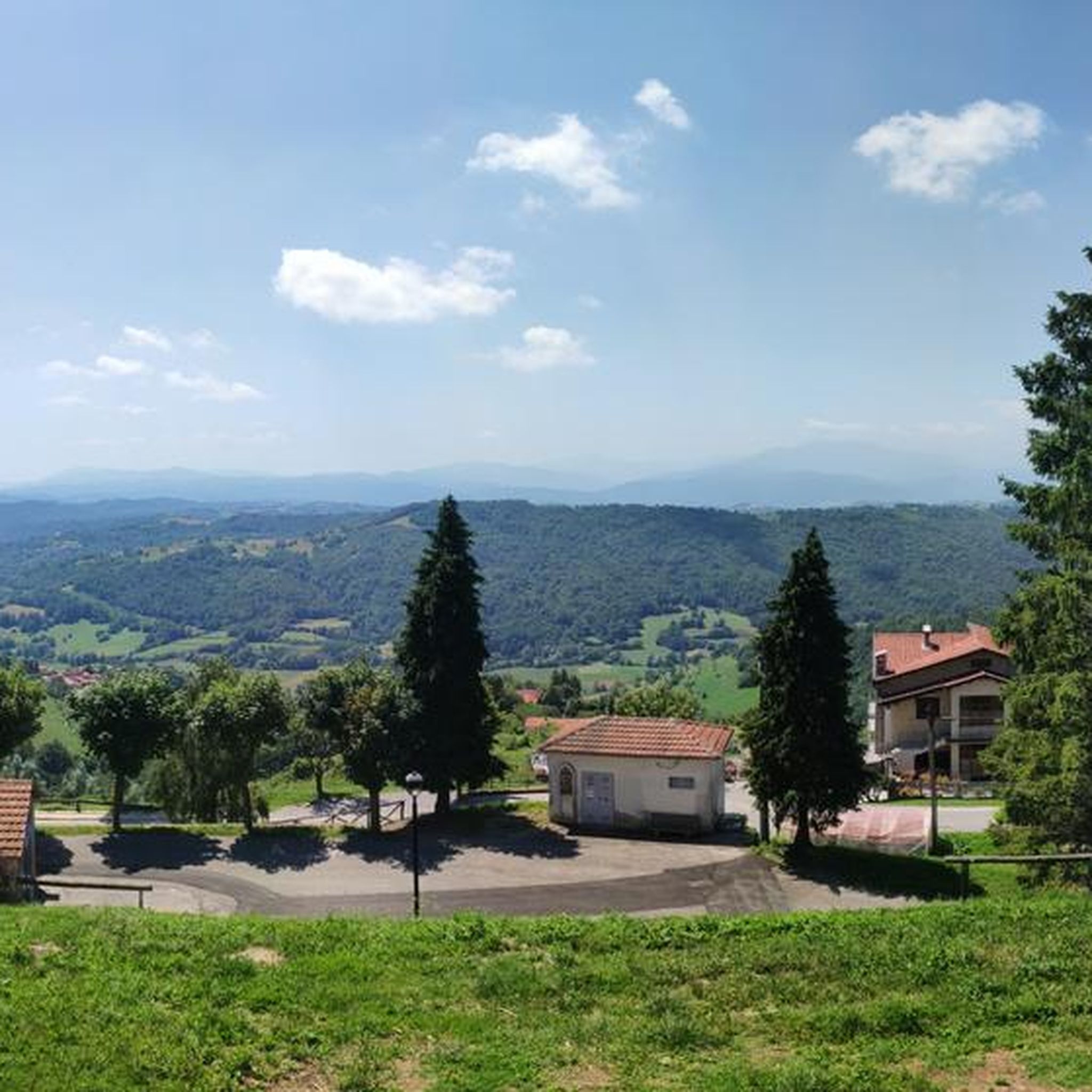
Prunetto is a beautiful village in the Alta Langa, famous for the castle of the Del Carretto family and the Sanctuary of Santa Maria del Carmine, dating back to the fifteenth century.
2
0

Privately owned castle not open to visitors
2
0

Bergolo is a very small town in the province of Cuneo located in the Langhe, on the border between Piedmont and Liguria, on the ridge between the Bormida and Uzzone valleys.
18
0
Frequently Asked Questions
What is the main historical castle in Monesiglio itself?
The most notable castle within the town of Monesiglio is the Castello di Monesiglio. Originally a 13th-century defensive structure, it was later transformed into a noble residence. It features Gothic elements, valuable 16th-century frescoes by Antonio Occello da Ceva, and offers impressive panoramic views of the surrounding landscape. You can find more information about its history and features on visitmudi.it or visititaly.com.
Are there other significant castles or historical sites near Monesiglio?
Yes, beyond the Castello di Monesiglio, you can explore other historical sites. The settlement of Prunetto is famous for the castle of the Del Carretto family, dating back to the 13th century. Another notable site is the Castello dei Marchesi Incisa di Camerana, built around 900 for defense, with part of it now used for exhibitions and events. Additionally, the Camerana Tower, a 13th-century quadrangular shaft, stands near the ruins of the castle of Camerana.
What kind of architectural styles can I expect to see in the castles around Monesiglio?
The castles in the Monesiglio region showcase a blend of architectural styles reflecting their evolution from defensive fortresses to noble residences. You'll find medieval elements like crenellated towers and Gothic features, as seen in the Castello di Monesiglio. Over centuries, many underwent renovations, incorporating more refined designs, particularly during the 18th and 19th centuries.
Are there any castles around Monesiglio that are particularly family-friendly?
The village of Prunetto, known for its castle of the Del Carretto family and the Sanctuary of Santa Maria del Carmine, is considered a family-friendly destination. Exploring its historical sites and the beautiful Alta Langa setting can be an enjoyable experience for all ages.
What outdoor activities can I do near the castles in Monesiglio?
The Monesiglio area offers various outdoor activities. You can find numerous cycling routes, such as the 'Castello di Prunetto – Bergolo loop' or the 'Castello di Saliceto – Mombarcaro loop'. For hiking enthusiasts, there are trails like the 'Monesiglio loop through Langhe vineyards' or the 'Beech Forest – Prunetto loop'. You can explore more options on the cycling guide or the hiking guide for Monesiglio.
Are there hiking trails that incorporate castle views or historical sites?
Yes, several hiking routes in the area allow you to experience the historical landscape. For example, the 'Beech Forest – Prunetto loop' from Prunetto takes you near the Prunetto castle. While not all trails directly pass through castle grounds, many offer views of the surrounding hills and historical villages where these castles are located. Check the hiking guide for Monesiglio for detailed routes.
What is the best season to visit the castles around Monesiglio?
The region's castles and surrounding landscapes are beautiful throughout much of the year. Spring and autumn offer pleasant temperatures for exploring and hiking, with vibrant natural colors. While specific data for winter is not available, the historical sites remain accessible, though some outdoor activities might be less comfortable. Always check specific castle opening hours, as they can vary by season.
What kind of views can I expect from the castles in this region?
The castles in the Monesiglio area are strategically located to offer picturesque and impressive panoramic views. From the Castello di Monesiglio, you can see the confluence of the Langhe, Roero, and Monferrato lands, with rolling hills and the Bormida River valley. Other castles, often situated in elevated villages like Prunetto, also provide stunning vistas of the Alta Langa.
What makes the Castello di Monesiglio historically significant?
The Castello di Monesiglio is historically significant due to its origins as a 13th-century defensive structure by the Caldera family, its transformation into a noble residence by the Agliè family, and its strategic location. It houses valuable 16th-century frescoes attributed to Antonio Occello da Ceva, which are considered jewels of late Gothic art, making it a site of cultural and artistic importance.
Can I find any castles that are less crowded in the Monesiglio area?
While the Castello di Monesiglio is a central attraction, exploring the smaller villages and their historical sites might offer a more tranquil experience. For instance, the village of Saliceto, with its 12th-century Castle of the Marchesi del Carretto, provides a glimpse into the region's history away from the main tourist hubs.
What are the highlights of the Castello di Monesiglio's interior?
Inside the Castello di Monesiglio, visitors can explore the *piano nobile*, which includes the Armory and the 'Party Hall' ('Salone delle Feste'). The second floor features the 'Pink Room' ('Sala rossa') and the meticulously restored 'Hall of the Coats of Arms' ('Sala degli Stemmi'). A significant feature is the interior chapel, which contains prized 16th-century frescoes by Antonio Occello da Ceva.
Most popular attractions around Monesiglio

Get inspired with the komoot mobile app


Explore more
Looking for the best castles somewhere else? Discover other guides around Monesiglio:
