Top 4 Castles around Bagnara Di Romagna
Best castles around Bagnara Di Romagna include the well-preserved Rocca Sforzesca, a significant example of medieval fortress architecture in Emilia-Romagna. This area is known for its historical significance, particularly its role in the Renaissance period. Bagnara di Romagna itself is recognized as one of Italy's "Most Beautiful Villages," offering a charming historical setting. The region provides a glimpse into centuries of history through its fortified structures.
Best castles around Bagnara Di Romagna
- The most popular castles is Rocca Sforzesca di…
Last updated: June 29, 2026
Rocca Sforzesca di Bagnara
Highlight • Castle
The entire defensive system that includes the Sforza fortress, the boundary wall and the moat …
Translated by Google •
Tip by

Rocca Sforzesca of Imola
Highlight • Castle
Translated by Google •
Tip by

Sign up now to discover places like this
Get recommendations on the best single tracks, peaks, & plenty of other exciting outdoor places.
Sign up for free
Rocca Estense di Lugo
Highlight • Castle
The sources also tell us that the Faentines destroyed the fortress in 1218 and from …
Translated by Google •
Tip by

Church of the Suffrage (Lugo)
Highlight • Religious Site
The interior with three naves presents an important decorative apparatus, consisting of Baroque stuccos and light and dark drawings ...
(Source: bassaromagnamia.it/poitofintrests/chiesa-del-pio-suffragio )
Translated by Google •
Tip by
🅰️⭕️ Sant'Andrea Meadow
Highlight • Historical Site
bassaromagnamia.it/poitofintrests/prato-di-santandrea
Translated by Google •
Tip by

Start today with a free account
Your next adventure awaits.
Login or Signup

Tips from the Community

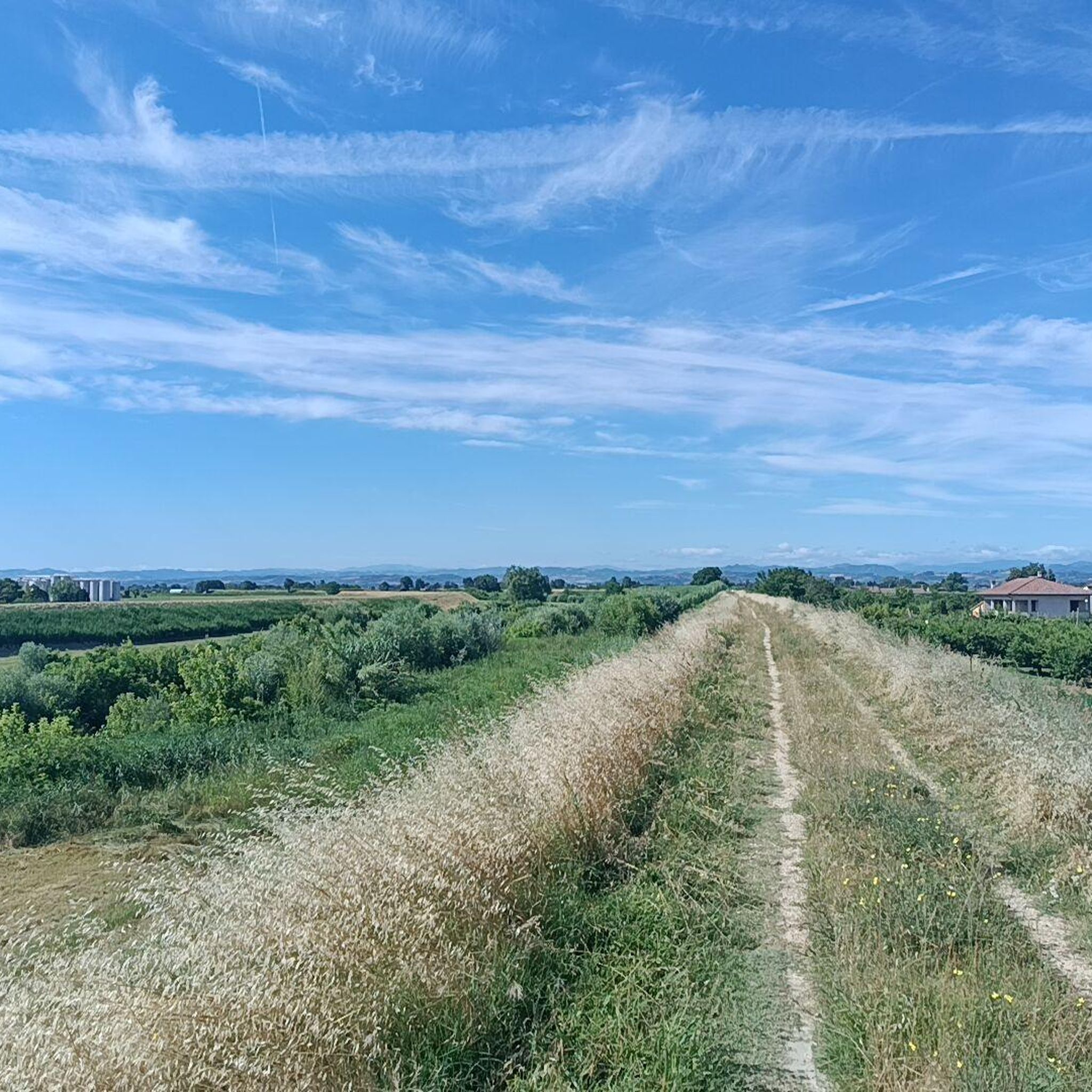
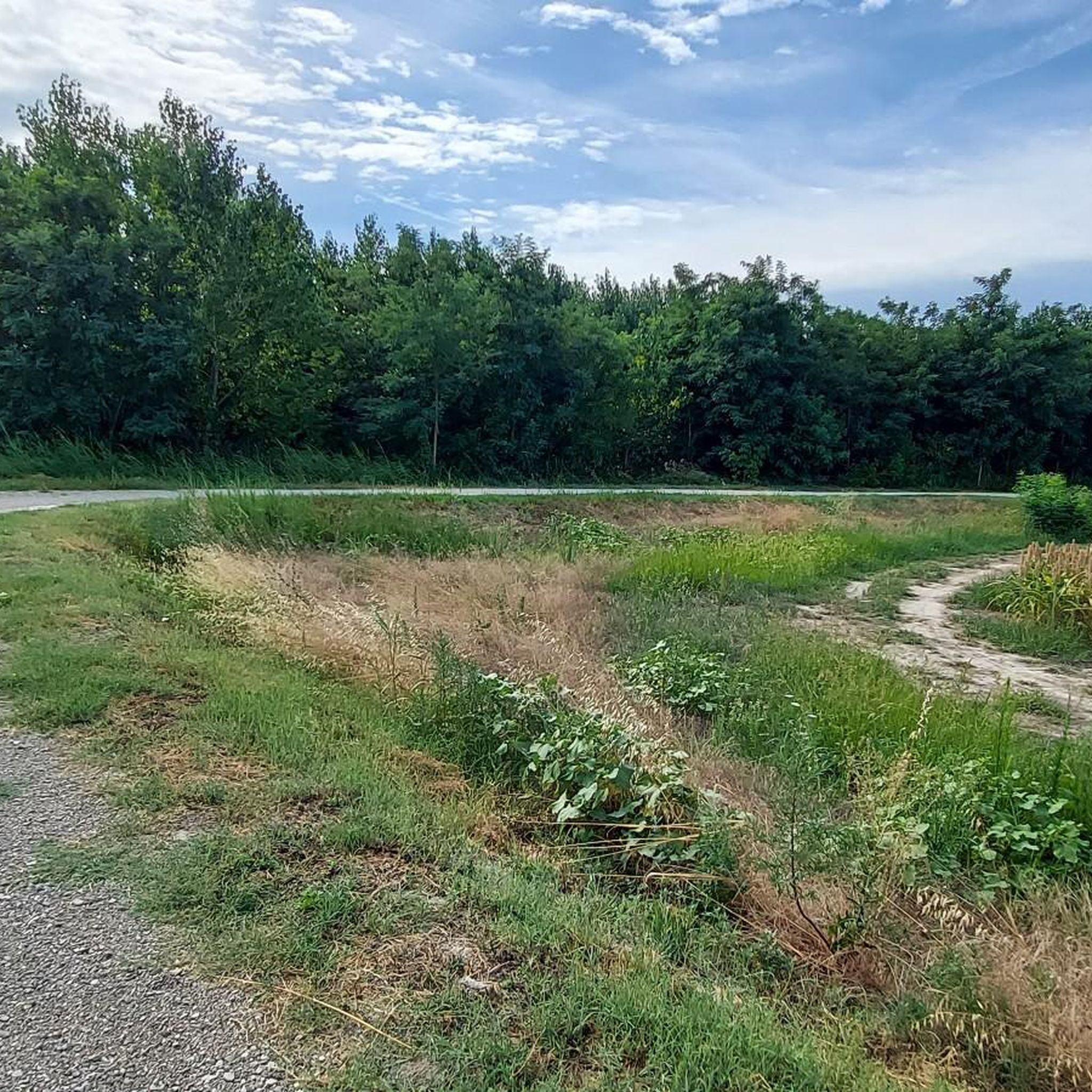
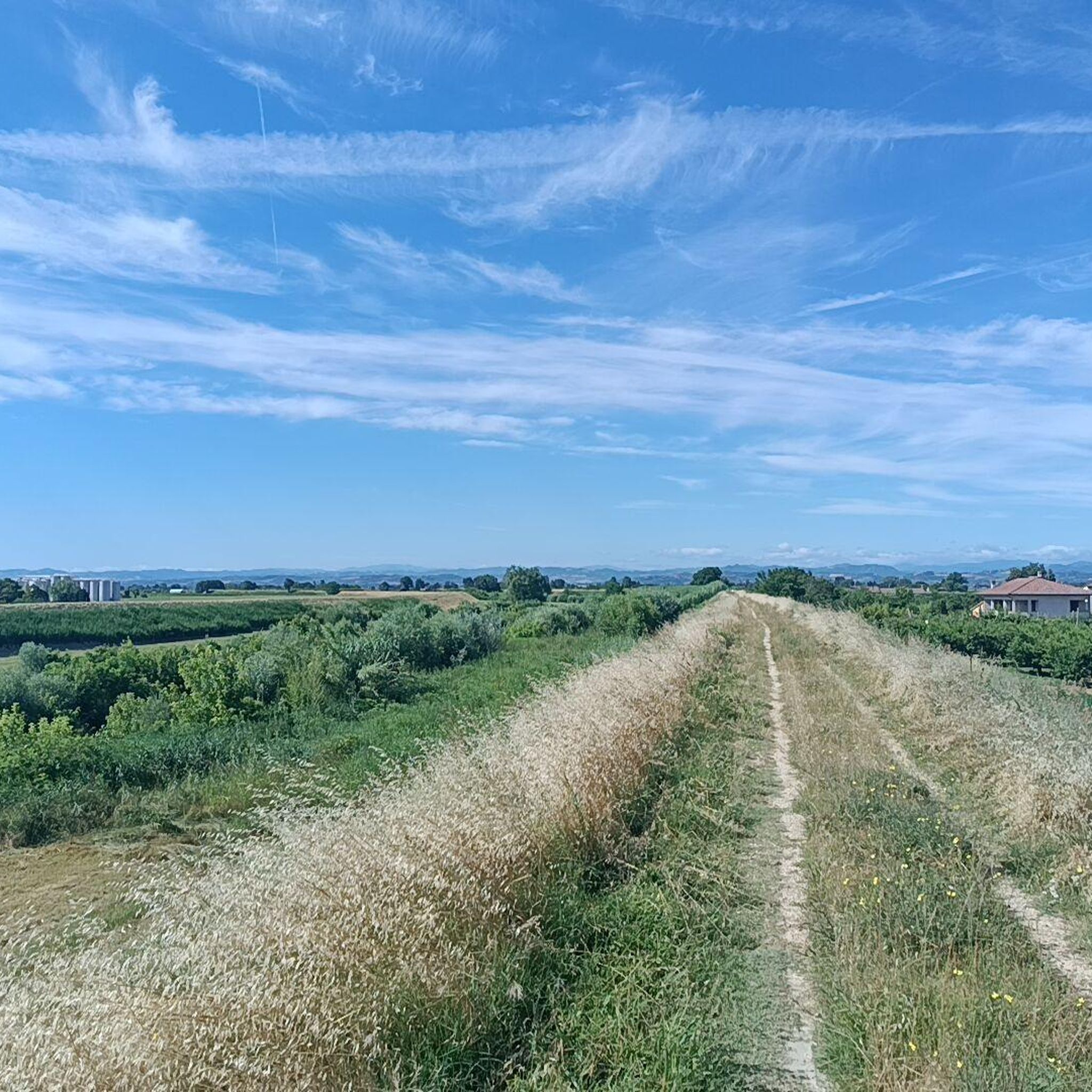
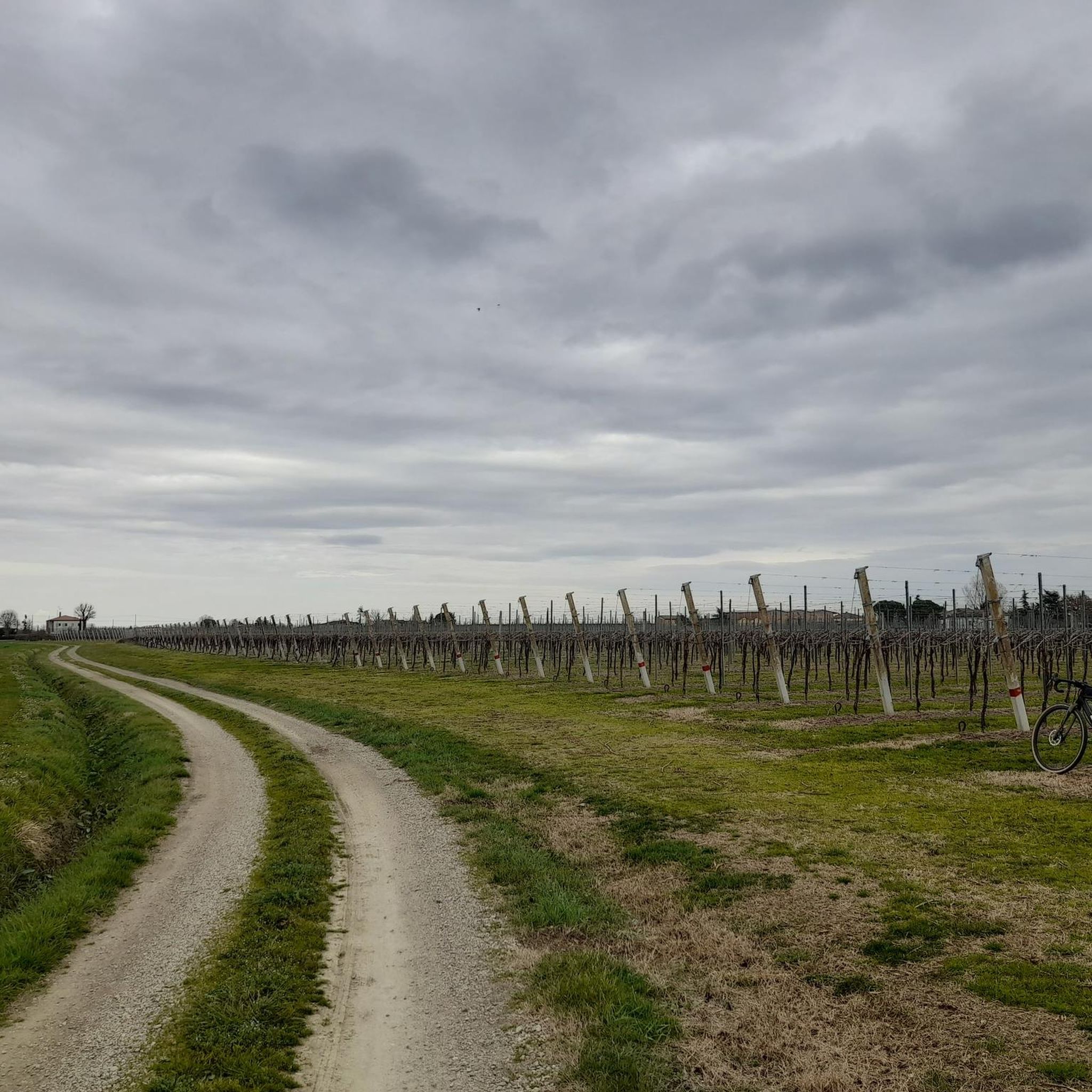
Prato di Sant'Andrea is a simple elliptical mound of land. It was the ancient Bagnara castle, founded in Roman times and destroyed in 1222 during the battle between the Bolognese and Imola residents. https://www.bassaromagnamia.it/poitofintrests/prato-di-santandrea/ The area is always open and free to access.
0
0

...the origins of the fortress of Imola date back to 1261, when the municipality decided to build a fortress to defend the city. ... The fortress then had a quadrangular perimeter with nine square towers, four at the corners and four at the center of each curtain wall, plus an entrance tower on the eastern side and a mighty central keep. In the second half of the 15th century, the transformation of the medieval fortress into a new structure capable of withstanding the destructive power of modern artillery began. ... Beginning in 1480, the square corner towers were incorporated into new, thicker circular towers capable of withstanding bombardment, and construction of an internal residence began. The crisis of the Riario-Sforza lordship and the siege of the fortress launched in 1499 by Cesare Borgia, known as Valentino, decreed the return of direct papal rule. ... With the definitive annexation of Imola to the Papal States, the fortress's use as a prison intensified, a situation that continued until 1958, when restoration work began and the Sforza monument was converted into a museum. (Source: https://imolamusei.it/rocca-sforzesca/ )
2
0

In the center of Imola stands the Rocca Sforzesca: a medieval castle. This is a fine example of fortified architecture from the Middle Ages to the Renaissance.
2
0
Church dating back to 1620 which was formerly an oratory dedicated to St. Joseph. The interior with three naves presents an important decorative apparatus, consisting of Baroque stuccos and light and dark drawings ... (Source: https://www.bassaromagnamia.it/poitofintrests/chiesa-del-pio-suffragio/ )
0
0
Sources tell us of a first fortified nucleus as early as the 10th century ... The sources also tell us that the Faentines destroyed the fortress in 1218 and from this moment on it was rebuilt several times and at different times until the fourteenth century. ... the name Rocca Estense reflects the period of its maximum flowering, i.e. under the Este domination, from 1437 to 1598. In fact, the most significant changes to the fortress date back to this period. Ercole I d'Este transformed the parade ground into a citadel by equipping it with a wall, towers and a moat to defend it. Subsequently, Duke Alfonso II d'Este had the citadel demolished and used the resulting materials to build the ramparts on the south, east and west sides. Following these interventions, the Rocca changed its appearance assuming the form of a bastioned fortress typical of the late sixteenth century. With the passage to the Papal State, the Rocca lost its castle characteristics. The creation of a Hanging Garden is the main modification of this period which can be dated to the end of the 18th century. It is a suggestive place today accessible through the internal courtyard of the Rocca. (Source: https://ilromagnolo.info/rubriche/luoghi/rocca-estense-di-lugo/ )
0
0
The toponym is thought to derive from the quality of the land in the area, once marshy and known as Silva Bagnaria, which was reclaimed by the Etruscans and subsequently colonized by the Romans. ... The first nucleus of the city of Bagnara (old Bagnara) was built in what is now the locality of Prato di S. Andrea, one km southeast of the current city centre, around the ancient Roman castrum, of which currently all that remains is a rise and the remains of what used to be the boundary ditch. Bagnara Vecchia was in fact razed to the ground in 1222 during a battle between the Bolognese and Faentini, and the escaped inhabitants took refuge near the Santerno river, where today the center of the new Bagnara is located. (Source: http://www.itinerariinromagna.it/comune/32/bagnara_di_romagna )
0
0
The only example of a fully preserved medieval castrum in Romagna, the history of the Rocca di Bagnara starts from the 14th century even if its origins are somewhat uncertain. It was probably built by Uguccione della Faggiola in 1297. ... During the 1400s the fortress passed under different hands, from the Holy See to the Estensi. In 1482 it passed to Girolamo Riario and his wife Caterina Sforza (second half of the 1400s) as a wedding gift from Pope Sixtus IV. It is in fact the latter that takes care of the numerous defensive changes of the fortress. ... In the 16th century the fortress passed to Cesare Borgia who marked the way towards its decline. In this period there is also a conversion from military use to civilian use. After the Napoleonic occupation of the 19th century, the fortress definitively became the property of the Municipality of Bagnara in 1868. The fortress was restored in 2008 and has since housed the Castle Museum. It is also the scene of historical re-enactments. (Source: https://ilromagnolo.info/rubriche/luoghi/rocca-sforzesca-bagnara-di-romagna/ )
2
0

Place of historical, cultural and architectural interest Piazza 4 Novembre, 3, 48031 Bagnara di Romagna RA http://www.comune.bagnaradiromagna.ra.it/Citta-e-territorio/Cultura/Rocca-Sforzesca 0545905540
1
0
Frequently Asked Questions
What is the most prominent castle in Bagnara di Romagna itself?
The most prominent castle in Bagnara di Romagna is the Rocca Sforzesca di Bagnara. It is a rare and fully preserved example of a medieval 'castrum' in Emilia-Romagna, known for its defensive system, including a mighty circular keep and original interiors.
What historical significance do the castles around Bagnara di Romagna hold?
The castles in this region are rich in history, often dating back to the Middle Ages and undergoing significant transformations during the Renaissance. For example, the Rocca Sforzesca di Bagnara was influenced by figures like Caterina Sforza, while the Rocca Sforzesca of Imola evolved from a medieval fortress to withstand artillery, and the Rocca Estense di Lugo saw multiple rebuilds and changes under Este domination.
Are there museums or exhibitions within these castles?
Yes, several castles house museums. The Rocca Sforzesca di Bagnara hosts the Museum of the Territory of Bagnara and Lower Romagna, showcasing history from the Bronze Age to the Renaissance. The Rocca Sforzesca of Imola also features a museum displaying pottery and weaponry.
Are the castles around Bagnara di Romagna suitable for families?
Yes, many of the castles are considered family-friendly. The Rocca Sforzesca di Bagnara, Rocca Sforzesca of Imola, and Rocca Estense di Lugo are all categorized as such, offering historical exploration and often cultural events that can engage visitors of all ages.
Can I combine a castle visit with outdoor activities like cycling or running?
Absolutely. The region around Bagnara di Romagna offers various outdoor activities. You can find numerous MTB Trails, Running Trails, and Traffic-free bike rides that allow you to explore the countryside and potentially connect different historical sites.
What makes the Rocca Sforzesca di Bagnara particularly unique?
The Rocca Sforzesca di Bagnara is unique for being a rare and fully preserved medieval 'castrum' in the Romagna plain. Its entire defensive system, including the boundary wall, moat, and a keep considered one of the best 15th-century fortification works in Italy, is still perfectly visible today. It also boasts original wooden ceilings, a drawbridge structure, and a spiral staircase.
Are there any lesser-known historical sites or former castles to explore?
Yes, beyond the prominent fortresses, you can visit sites like Sant'Andrea Meadow. This simple elliptical mound of land marks the site of the ancient Bagnara castle, founded in Roman times and destroyed in 1222. It offers a glimpse into the region's even older history and is always open with free access.
What is the best time to visit the castles around Bagnara di Romagna?
While specific opening hours vary, generally spring and autumn offer pleasant weather for exploring the castles and their surrounding areas. These seasons avoid the peak summer heat and offer comfortable conditions for both indoor and outdoor activities.
Can I find cafes or restaurants near the castles?
Bagnara di Romagna is recognized as one of Italy's 'Most Beautiful Villages,' and larger towns like Imola and Lugo, where other significant castles are located, offer various dining options. You'll typically find cafes and restaurants in the historic centers surrounding these attractions.
What kind of events or cultural activities are held at the Rocca Sforzesca di Bagnara?
The Rocca Sforzesca di Bagnara frequently hosts cultural and educational events. These can include temporary exhibitions, tastings, and historical re-enactments, providing an immersive experience into the castle's rich past.
Is there a castle that showcases Renaissance architecture and history?
The Rocca Sforzesca of Imola is an excellent example of fortified architecture transitioning from the Middle Ages to the Renaissance. Its transformation in the 15th century, including the incorporation of circular towers to withstand artillery, reflects the architectural innovations of that period.
Most popular routes around Bagnara Di Romagna
Most popular attractions around Bagnara Di Romagna

Get inspired with the komoot mobile app


Explore more
Looking for the best castles somewhere else? Discover other guides around Bagnara Di Romagna:
