Top 8 Castles around Rocca San Casciano
Best castles around Rocca San Casciano, a town with medieval origins in Emilia-Romagna, Italy, offer a glimpse into the region's rich history. The area features historical fortifications, including remnants of old roccas and fortified abbeys. These sites are often situated in elevated positions, providing viewpoints over the surrounding Montone valley. The historical fortifications near Rocca San Casciano hiking trails provide a unique blend of natural beauty and cultural heritage.
Best castles around Rocca San Casciano
- The most popular castles is…
Last updated: October 30, 2026
Premilcuore Fortress
Highlight • Castle
Translated by Google •
Tip by

Rocca delle Caminate
Highlight • Castle
Translated by Google •
Tip by

Sign up now to discover places like this
Get recommendations on the best single tracks, peaks, & plenty of other exciting outdoor places.
Castrocaro Castle
Highlight • Castle
Translated by Google •
Tip by

Portico di Romagna
Highlight • Settlement
Translated by Google •
Tip by
The Tribuna of Modigliana
Highlight • Monument
Translated by Google •
Tip by

Sign up for free to discover even more castles around Rocca San Casciano.
Already have an account?
Start today with a free account
Your next adventure awaits.
Popular around Rocca San Casciano
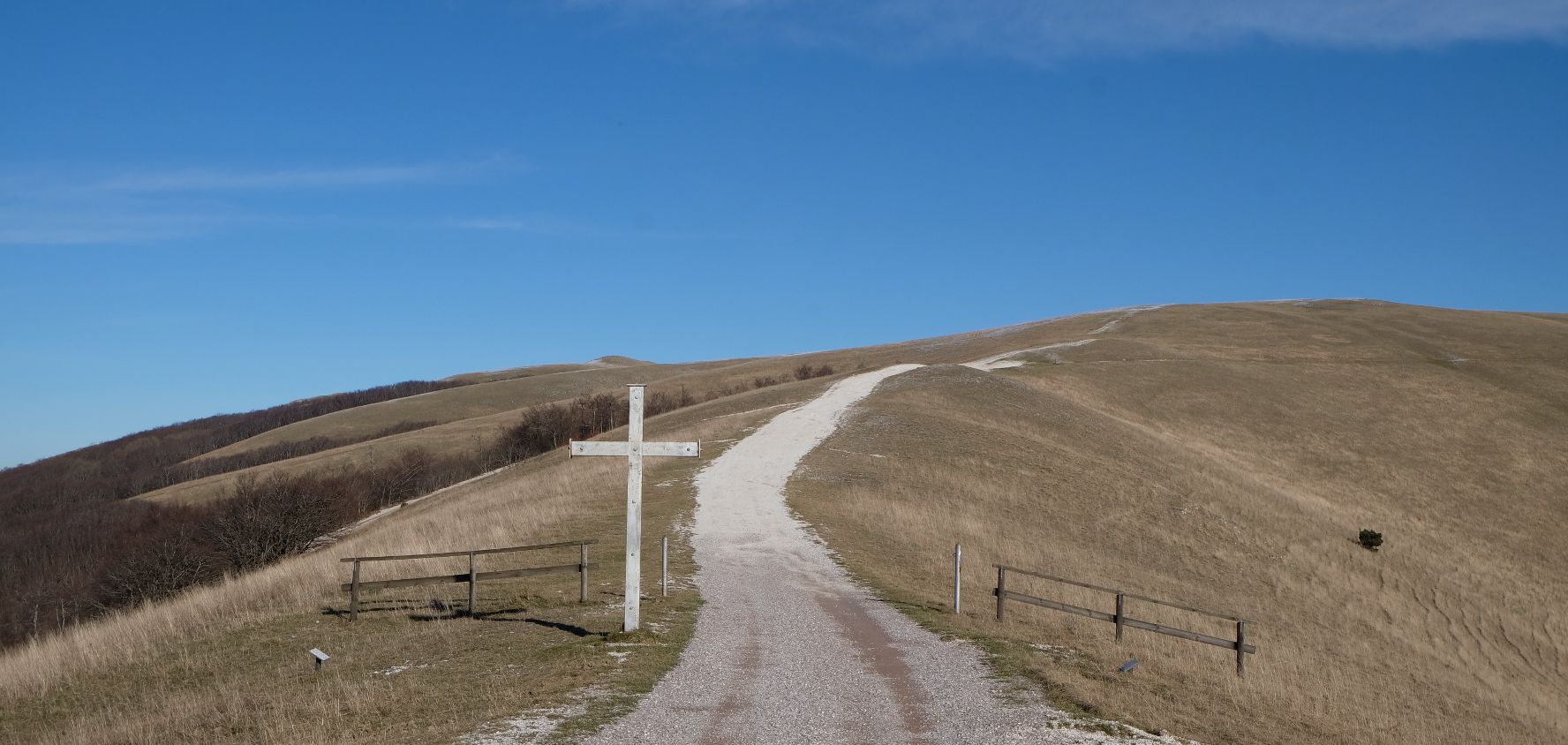
In the footsteps of St. Francis - Cammino di Assisi
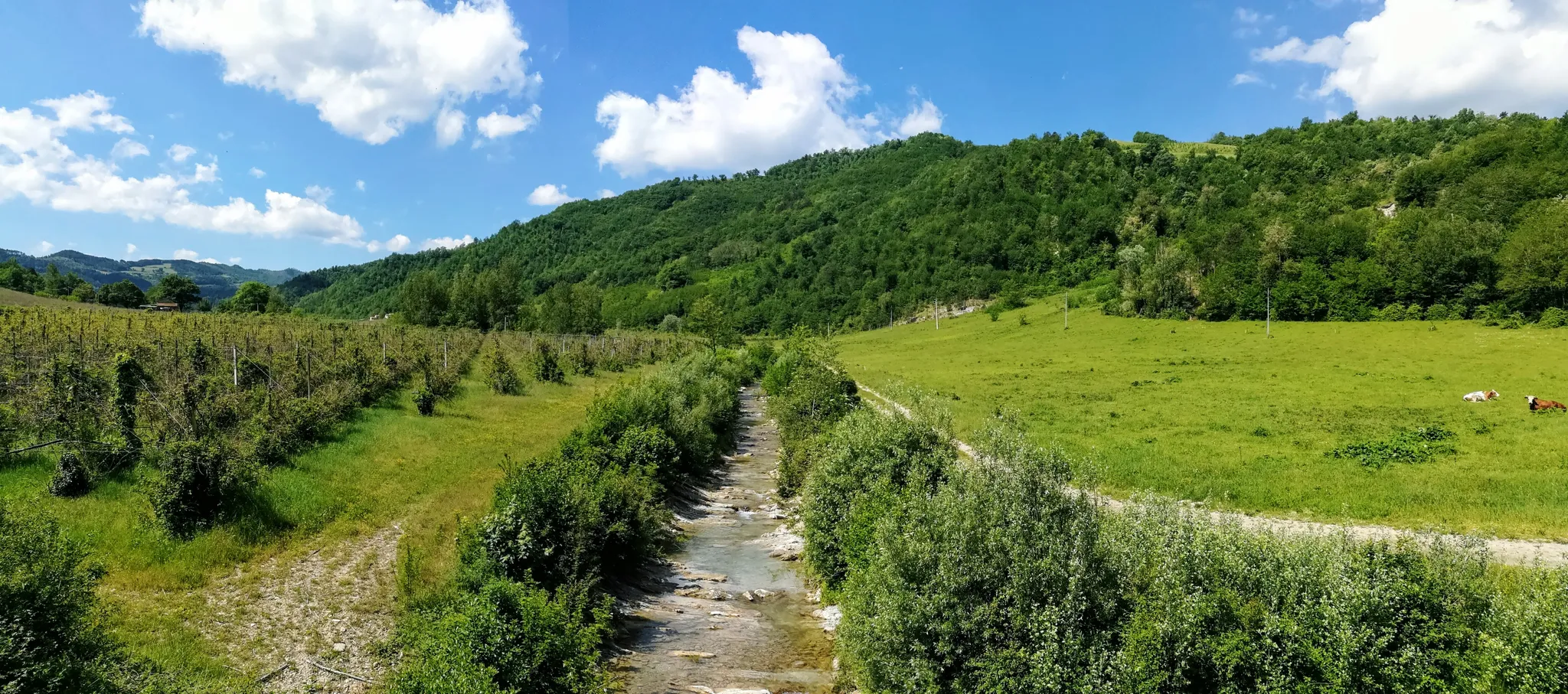
Hills, rivers and valleys - Transromagna by MTB

Road Cycling Routes around Rocca San Casciano

Hiking around Rocca San Casciano

Cycling around Rocca San Casciano

MTB Trails around Rocca San Casciano

Gravel biking around Rocca San Casciano

Running Trails around Rocca San Casciano


Tips from the Community

Situated at 400 metres above sea level on a tuff ridge between the valleys of the Rabbi and Bidente Ronco rivers, it is a destination to be conquered by all bikers. It can be reached from Meldola, Predappio or Forlì with various routes through vineyards and cultivated fields with breathtaking views and with sections of slopes of up to 14%.
0
0

Beautiful fortress, open on weekends
0
0

Premilcuore, like many other villages in the area, experienced its period of maximum expansion around the 13th and 14th centuries under the dominion of the Guidi family. In this period the castle known as Rocca di Premilcuore was built, today not much remains of this structure except one of the doors and remains of the walls incorporated into other buildings in subsequent periods. The life of Premilcuore is linked to the course of the Rabbi river. Today the river is a popular summer destination to escape the heat, while in the past the watercourse served to irrigate the surrounding fields and gave power to various mills in the area, two of which are still visible near the town.
2
0
Portico di Romagna is a quiet town on the banks of the Montone river. Despite its small size, the town played a very important role in medieval and Renaissance history thanks to its strategic position. Under the rule of the Guidi family it reached its maximum extension, becoming a fortified citadel complete with a castle, of which today only a tower remains. History and legend meet among the cobbled streets of this village: it is said that it was here that Dante met Beatrice for the first time. In fact, Folco Portinari, Beatrice's father, had a summer residence here where it is believed Dante was hosted while fleeing from Florence.
2
0


Ascent of the house, different sides to climb it, one more beautiful than the other, for all tastes, and legs.
1
0

The origins of Premilcuore are mysterious, although there are several versions and legends about its foundation. The most fascinating and imaginative version is linked to the legend of the Roman soldier named Marcello, who fled Rome at the time of Caracalla, because he was part of a conspiracy against the emperor, and who found refuge in these places. Marcello fortified the small villages already existing, one of which, the current via Marciolame, is named in honor of its founder. And even the name of Premilcuore seems to date back to “PREMIT COR” (“pain oppresses our hearts” for the death of their benefactor) or to “PREMUNT COR” (“rather than hand him over we would tear out our hearts” because the Roman captain was wanted to be killed). (Source: http://www.turismopremilcuore.it/scopri-premilcuore/storia/ )
3
1
For about a millennium the great manor, erected on the rocky spur that has made it a fascinating and original panoramic subject, has watched over the town below. Integrated with the landscape, the Fortress seems to complete the design and appearance of the cliff, with which it has become a single entity. The colors and the materials are linked to each other; the structural extensions that took place over the centuries of the Middle Ages and the Renaissance adapted the war requirements to the morphology of the land. The result is an unrepeatable union in which fortified architecture is inextricably linked to the surrounding environment. Unique in its kind, in terms of type and size, the Fortress of Castrocaro is made up of three distinct architectural and defensive works: the Girone, the Rocca and the Medici Arsenals. (Source: https://www.proloco-castrocaro.it/il-castello/description.html)
1
0
Frequently Asked Questions
What historical fortifications can I visit near Rocca San Casciano?
The area around Rocca San Casciano offers several historical fortifications. You can explore the remnants of the old Rocca, known as the Castellaccio, in Rocca San Casciano itself, which features a robust 15-meter-high tower. Approximately 4 kilometers away, the Abbey of San Donnino in Soglio is a well-preserved 'fort construction' dating back to the year 1000. Other notable sites include Premilcuore Fortress, Rocca delle Caminate, Castello di Lugo, and the ruins of Castellaccio di Pietramora.
Are there any castles with panoramic views in the region?
Yes, several fortifications in the region offer excellent views. The Castellaccio in Rocca San Casciano, due to its elevated position, provides glimpses of the surrounding Montone valley. Rocca delle Caminate is particularly known as the 'balcony of Romagna,' offering breathtaking panoramic views from its hilltop location. Castellaccio di Pietramora also offers impressive views from its cliffside ruins.
What is the historical significance of the Castellaccio in Rocca San Casciano?
The Castellaccio is the remnant of a medieval castle built around the year 1000, which gave the town its name 'Rocca Sancti Cassiani.' It was held by powerful families like the Counts Guidi and the Florentine Republic. Though largely dismantled over centuries due to sieges and an earthquake, its 15-meter-high tower remains, symbolizing the town's defensive past. The municipality acquired it in 2018 for partial restoration.
Can I find any ancient art or frescoes in the fortifications?
Yes, the Abbey of San Donnino in Soglio, a powerful Benedictine Abbey located near Rocca San Casciano, houses a valuable 14th-century fresco. This artwork depicts episodes from the life of San Donnino and reflects the Riminese and Bolognese artistic schools of the late Gothic period.
Are there hiking trails near these castles?
Absolutely. The historical fortifications near Rocca San Casciano are often integrated with hiking opportunities. For example, you can take a moderate 6 km hike from Rocca San Casciano to the Abbey of San Donnino in Soglio. There are also longer and more challenging routes like the St. Anthony's Way: Stage 16, and the Margherita Trails Loop. You can find more details on various hiking routes in the Hiking around Rocca San Casciano guide.
What other outdoor activities can I do near the castles?
Beyond hiking, the region offers various cycling opportunities. You can explore road cycling routes such as the 'Climb Via del Partigiano – Rocca di Terra del Sole loop' from Rocca San Casciano, or mountain biking trails like the 'Rifugio Pian di Rocchi – Mount Tiravento loop.' For more options, check the Road Cycling Routes around Rocca San Casciano and MTB Trails around Rocca San Casciano guides.
Is <a href="https://www.komoot.com/highlight/307840" target="_blank" rel="noopener">Portico di Romagna</a> considered a castle or fortification?
Portico di Romagna is a historic town that, during its medieval and Renaissance peak under the Guidi family, became a fortified citadel with a castle. Today, only a tower remains of its original castle structure, but the town itself retains its historical charm and strategic importance.
What should I know about visiting <a href="https://www.komoot.com/highlight/1421274" target="_blank" rel="noopener">Rocca delle Caminate</a>?
Rocca delle Caminate is a castle located on a hill 356 meters above sea level, offering extensive views. Its origins date back to around the year 1000. For guided tours inside the castle, reservations are required. The castle also has a unique history, having been used by Mussolini as a summer residence and hosting significant political meetings.
Are there any castles that are less crowded or considered 'hidden gems'?
While not extensively crowded, the ruins of Castellaccio di Pietramora offer a more rugged and perhaps less frequented experience. It's a site of a 9th-century castle with a cliff featuring caves, accessible via a gravel road. Be aware that the final approach involves a tough climb, and some paths are exposed.
What is the best time to visit the castles and fortifications in this region?
The region's castles and fortifications are generally best visited during spring and autumn when the weather is mild and pleasant for exploring historical sites and combining visits with outdoor activities like hiking. Summer can be warm, but the elevated positions of many sites offer refreshing breezes. Winter visits are possible, but some paths might be less accessible, and specific sites may have reduced hours.
Can I visit the Castellaccio in Rocca San Casciano from the inside?
The Castellaccio in Rocca San Casciano is generally visitable from the outside. While partial restoration has occurred, the most prominent feature remaining is its 15-meter-high tower, offering a glimpse into the town's defensive past and good views from its elevated position.
What remains of <a href="https://www.komoot.com/highlight/3356368" target="_blank" rel="noopener">Premilcuore Fortress</a> today?
Premilcuore Fortress, which reached its maximum expansion in the 13th and 14th centuries under the Guidi family, today has remnants including one of its original doors and parts of its walls. These remaining structures have often been incorporated into other buildings constructed in later periods within the village of Premilcuore.
Most popular routes around Rocca San Casciano
Most popular attractions around Rocca San Casciano

Get inspired with the komoot mobile app


Explore more
Looking for the best castles somewhere else? Discover other guides around Rocca San Casciano:
