Top 9 Castles around Bastia Umbra
Best castles around Bastia Umbra reveal the region's rich historical past as a strategically important fortified city. Situated between the historically significant municipalities of Perugia and Assisi, Bastia Umbra retains remnants of its ancient defenses. The area offers insights into medieval life and regional conflicts through its preserved fortifications and historical structures. Bastia Umbra is known for its fortified cities, medieval castles, and historical residences.
Best castles around Bastia Umbra
- The most popular castles is Rocca Paolina — The Underground City, a historical site that was a Renaissance fortress built for Pope Paul III, now featuring a series of tunnels and escalators that reveal Perugia's historical layers. It offers a unique urban experience, allowing visitors to explore a lost world beneath the city.
- Another must-see spot is Cassero di Porta Sant'Angelo, a historical site describing a medieval city gate and an impressive structure below the church of San Michele Arcangelo. It stands as a testament to Perugia's historical fortifications and its past heyday.
- Visitors also love Valfabbrica Historic Center, a historical site immersed in the green Umbrian hills. It offers a journey through Italian history and culture, with historic hamlets and medieval palio reenactments.
- Bastia Umbra is known for its fortified cities, medieval castles, and historical residences. Visitors can explore structures ranging from ancient defensive strongholds to transformed stately homes.
- The castles around Bastia Umbra are appreciated by the komoot community, with over 95 upvotes and more than 50 photos shared.
Last updated: May 18, 2026
Rocca Paolina — The Underground City
Highlight • Historical Site
A mysterious series of tunnels gives a premature glimpse of Perugia's nooks and crannies. The jumble of cobbled streets and arched stairwells is essentially all that remains of a once-imposing fortress.
Today these arched foundations are part of a popular route that takes visitors from Piazza Partigiani into the city. Riding through the walls on the many escalators (scale mobili) is a typical urban experience. It feels like entering a lost world, with secret doors that reveal one shop or another for art exhibitions.
Translated by Google •
Tip by

Rocca Maggiore
Highlight • Castle
Translated by Google •
Tip by

Sign up now to discover places like this
Get recommendations on the best single tracks, peaks, & plenty of other exciting outdoor places.
Sign up for free
Cassero di Porta Sant'Angelo
Highlight • Historical Site
Definitely worth walking the route out of the city, taking the VIA ACQVEDOTTO that directly connects the center of Perugia with this part of the city.
Translated by Google •
Tip by
Valfabbrica Historic Center
Highlight • Historical Site
Translated by Google •
Tip by

Castello di San Gregorio
Highlight • Castle
Translated by Google •
Tip by

Sign up for free to discover even more castles around Bastia Umbra.
Sign up for free
Already have an account?
Start today with a free account
Your next adventure awaits.
Login or Signup
Tips from the Community

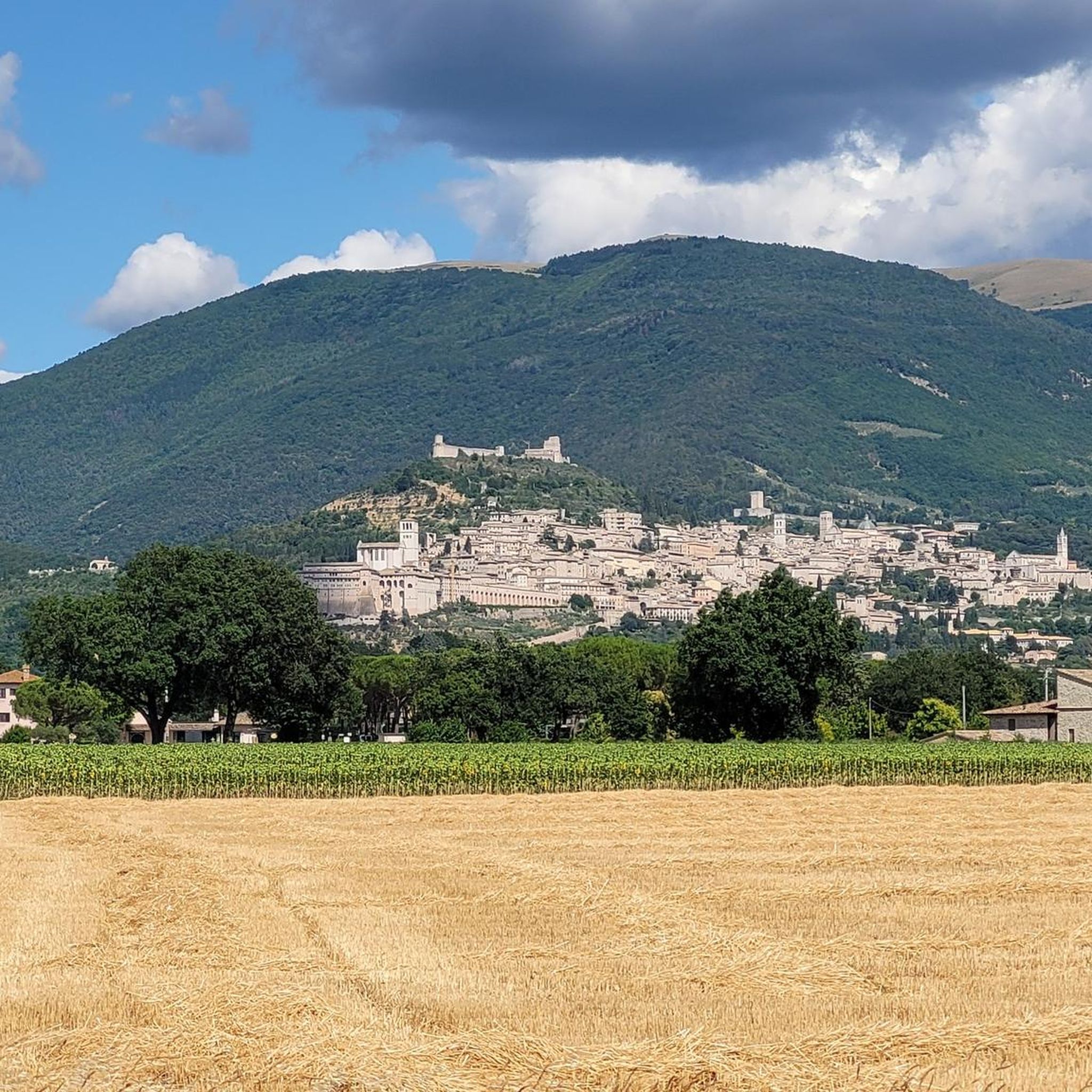
In the historic center, the ancient medieval Castle preserves beautiful 13th-century walls and a mighty keep. Inside the Castle, you can admire the church of San Sebastiano, once an Oratory, renovated in the 16th century. Outside the Castle is the small church of the Madonna di Foce, built between 1634 and 1636, with a large terracotta rose window and, along the road, the modern Parish church of Santa Maria Assunta with polychrome stained glass windows.
0
0
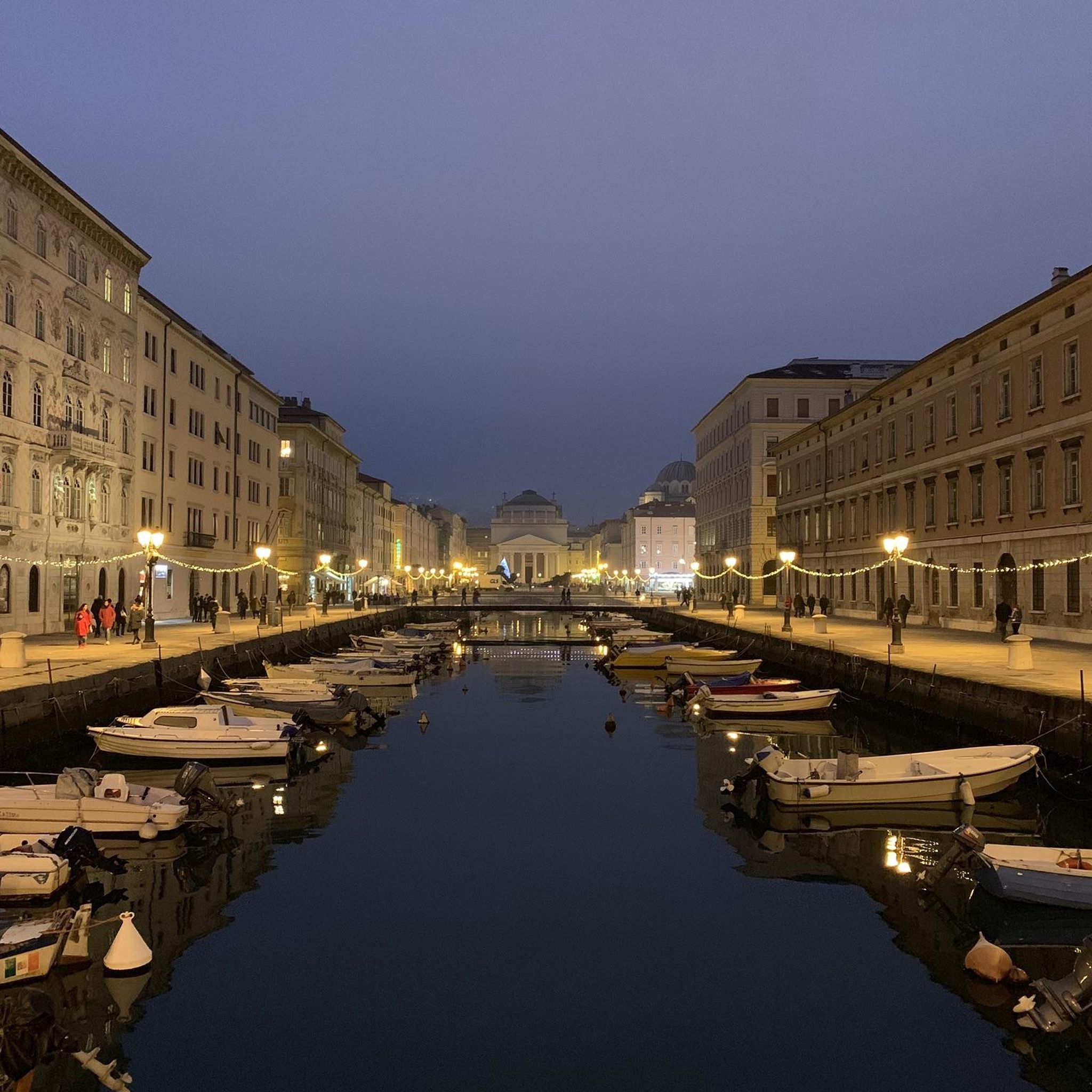
The Cassero di Porta di Sant'Angelo is one of the medieval gates of Perugia's walls, located in the Sant'Angelo district, at the end of Corso Garibaldi, adjacent to the Temple of Sant'Angelo. It's easy to reach by climbing through the streets of the university district.
0
0

The Cassero di Porta di Sant'Angelo is one of the medieval gates of the city walls of Perugia. It can be seen in the Gonfalone della Giustizia, a painting by Perugino (1496–1498) kept in the National Gallery of Umbria.
1
0

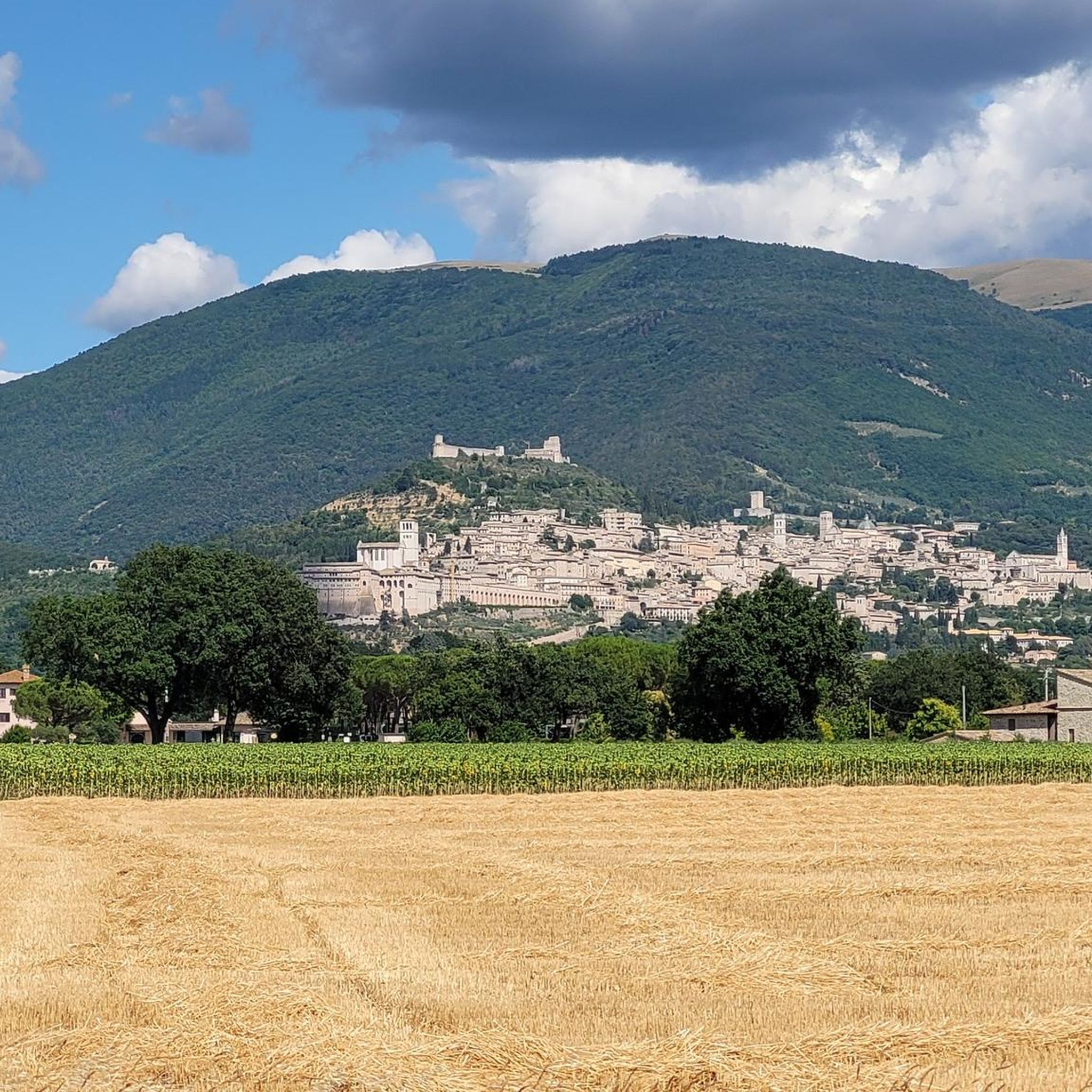
The Castle stands on a small hill, a short distance from the Chiascio River and along the borders that divided the territories of the Municipality of Assisi from those of Perugia. Built almost entirely of sandstone blocks, it still retains the clearly visible walls that mark its rectangular development, with corner towers. The entrance gate is protected by a mighty tower with turrets, on which the slots for the drawbridge's lowering are still clearly visible. The Castle was mentioned as early as 1114 in documents kept in the Archives of the Cathedral of Assisi. Due to its particular position, it was the scene of power struggles, which continued until the 15th century. In 1479, together with the Castles of Rocca Sant'Angelo, Mora and Beviglie, it was the subject of significant restoration work by the Municipality of Assisi. It can still be admired today in its original structure, only partially altered due to the partial transformation for residential use.
1
0

ARCHITECTURAL STRATIFICATIONS Visiting this area of the Rocca, where Via Bagliona meets the shorter Via alla Piazza Gran-de, the complex and fascinating interplay between the remains of the medieval quarter and the structures of the papal fortress can be seen more clearly. The limestone and travertine walls of the ground floor of the medieval buildings, the pointed arches of the entrances to houses and shops and the base of Gentile Ba-glioni's tower blend with the brick vaults that cover the streets and the great foundation columns of the fortress. The old buildings were gutted and the underground chambers of the Rocca Paolina made. The destruction of a large part of the city and the construction of the Rocca in its place was a tearing wound for Perugia, which thus lost the quarter with its most elegant houses and the church of Santa Maria dei Servi, which housed many tombs of noble families and remarkable works of art. The keystone of its entrance is still visible. One of the frescoes by Benedetto Bonfigli (second half of the 15th century) in the chapel of the Palazzo dei Priori (now part of the National Gallery of Umbria) represents precisely this area of the medieval city and remains the most important evidence of how it was before the construction of the fortress.
1
0
ROCCA PAOLINA This underground structure, known as Rocca Paolina ("Pauline Fortress"), is the result of the building on buildings that took place in different eras. In the Middle Ages (12th-16th centuries) in this district stood the tower houses of some aristocratic Perugian families. In the 15th century the most important of these buildings belonged to the Baglioni family, the most powerful in Renaissance Perugia. In 1540, after the Salt War, which broke out following the rise in the price of salt and the refusal of Perugia to accept the rule of the Pope, Perugia lost its independence and was annexed to the Papal States. Pope Paul II had a fortress built to definitively subjugate the city and commissioned the architect Antonio da Sangallo the Younger to build it in this area, raising it above the medieval buildings. The fortress was called "Rocca Paolina" because Paul Ill ordered its construction. To speed up the works, which were completed in 1543, the fortress did not completely eliminate the existing buildings, but instead integrated them, preserving many parts (walls, corners, streets, arches), creating the effect of a practically unique underground city. The ancient road network, and in particular the long Via Bagliona that runs through the entire fortress, is still clearly visible today; in the Middle Ages these streets were of course open to the sky, and above the buildings rose tall towers, the instruments and symbols of power and prestige. Only one of the many towers that existed in the medieval city remains intact today in another area of the historic center, the Torre degli Sciri (or Torre degli Scalzi), but more or less considerable fragments can still be identified of about thirty of the forty towers remembered by tradition.
2
0

From the Partigiani car park, the big surprise! Escalators take you back a thousand years. You enter a medieval landscape with buildings and narrow streets that are as intact as they were centuries ago.
1
0

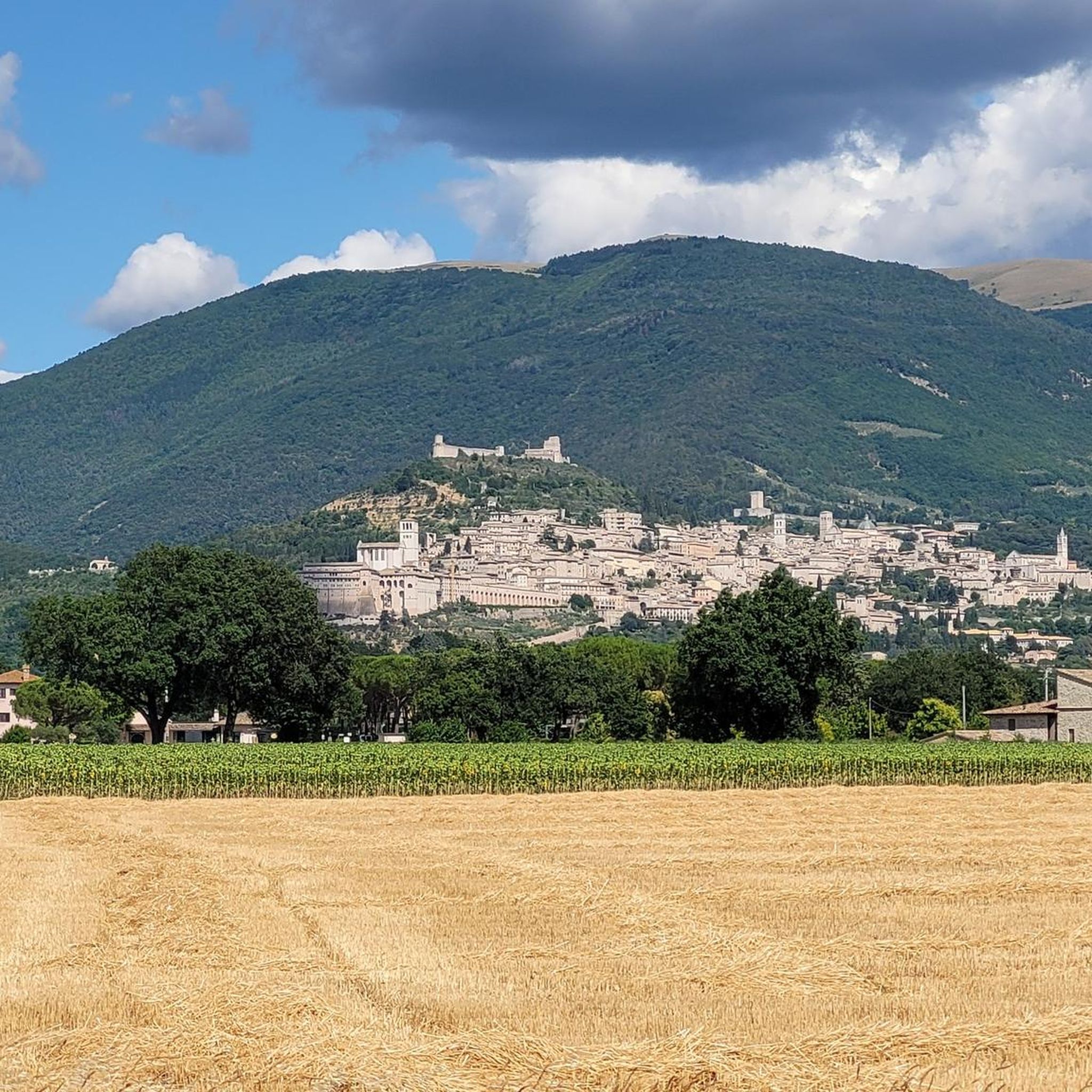
The castle is located on a rocky peak, making the construction of a motte unnecessary. The walls are protected by square corner towers. The large keep and the walls date back to the castle's early days. The battlements and machicolations attached to the walls are clearly visible. On the first floor of the palace there is a large ballroom with rich decorations. The inner courtyard is quite small in relation to the entire complex. In the middle of the 15th century, Giacomo Piccinino built a twelve-sided tower to the west of the castle on a wall with a battlement. The last extension took place in 1538. A round bastion was built at the entrance, which could accommodate artillery.
2
0
Frequently Asked Questions
What historical sites and castles can I explore around Bastia Umbra?
Bastia Umbra and its surroundings are rich in history. You can explore the ancient defenses of Bastia Umbra itself, including remnants of its fortified past like Porta Sant'Angelo. A notable example is Ospedalicchio Castle, which evolved from a pilgrim's hospital to a stately residence. Further afield, consider visiting Rocca Paolina — The Underground City in Perugia, a Renaissance fortress with a unique underground experience. Also, Rocca Maggiore offers an incomparable view over Assisi, and Cassero di Porta Sant'Angelo is an impressive medieval city gate in Perugia.
Are there any family-friendly castles or historical sites near Bastia Umbra?
Yes, several sites are suitable for families. Rocca Paolina — The Underground City is listed as family-friendly, offering an engaging experience with its tunnels and escalators. Cassero di Porta Sant'Angelo is also noted as family-friendly, providing a glimpse into medieval fortifications.
What is Ospedalicchio Castle and what makes it significant?
Ospedalicchio Castle, located within the municipality of Bastia Umbra, has a rich history. It originated as an ancient hospital (Ospitalitium) assisting pilgrims and was fortified by Perugia around 1300. In the 17th century, it was transformed into a magnificent country residence by the Eugeni family. Its significance lies in its historical evolution from a military fortification to a stately home, offering a glimpse into medieval life and regional conflicts. Today, it operates as a hotel, providing a tranquil setting to experience history.
What outdoor activities can I do near these castles?
The area around Bastia Umbra offers various outdoor activities. You can find numerous running, cycling, and hiking routes. For instance, there are moderate to difficult running loops from Ospedalicchio and trails along the Tescio River. Cycling options include routes to Spello and Perugia. Hiking trails range from easy to moderate, such as the 'Basilica of Saint Francis – Historic Center of Assisi loop' or 'The Rose Garden loop'. You can find more details on these activities in the Running Trails around Bastia Umbra, Cycling around Bastia Umbra, and Hiking around Bastia Umbra guides.
Are there hiking trails that connect different castles or historical sites?
While there isn't a specific trail connecting all castles, many hiking routes in the region pass near or offer views of historical sites. For example, the 'Basilica of Saint Francis – Historic Center of Assisi loop' from Bastia Umbra will bring you close to Rocca Maggiore in Assisi. You can explore various hiking options in the Hiking around Bastia Umbra guide to find routes that suit your interests.
What is the best time to visit the castles and historical sites around Bastia Umbra?
The spring and autumn months generally offer the most pleasant weather for exploring the castles and historical sites in Umbria. Temperatures are mild, and the landscapes are beautiful. Summer can be quite hot, especially in July and August, while winter can be cooler but often less crowded. Many sites, like Ospedalicchio Castle, are accessible year-round, but checking specific opening hours for individual attractions is always recommended.
What are some notable natural features or viewpoints near the castles?
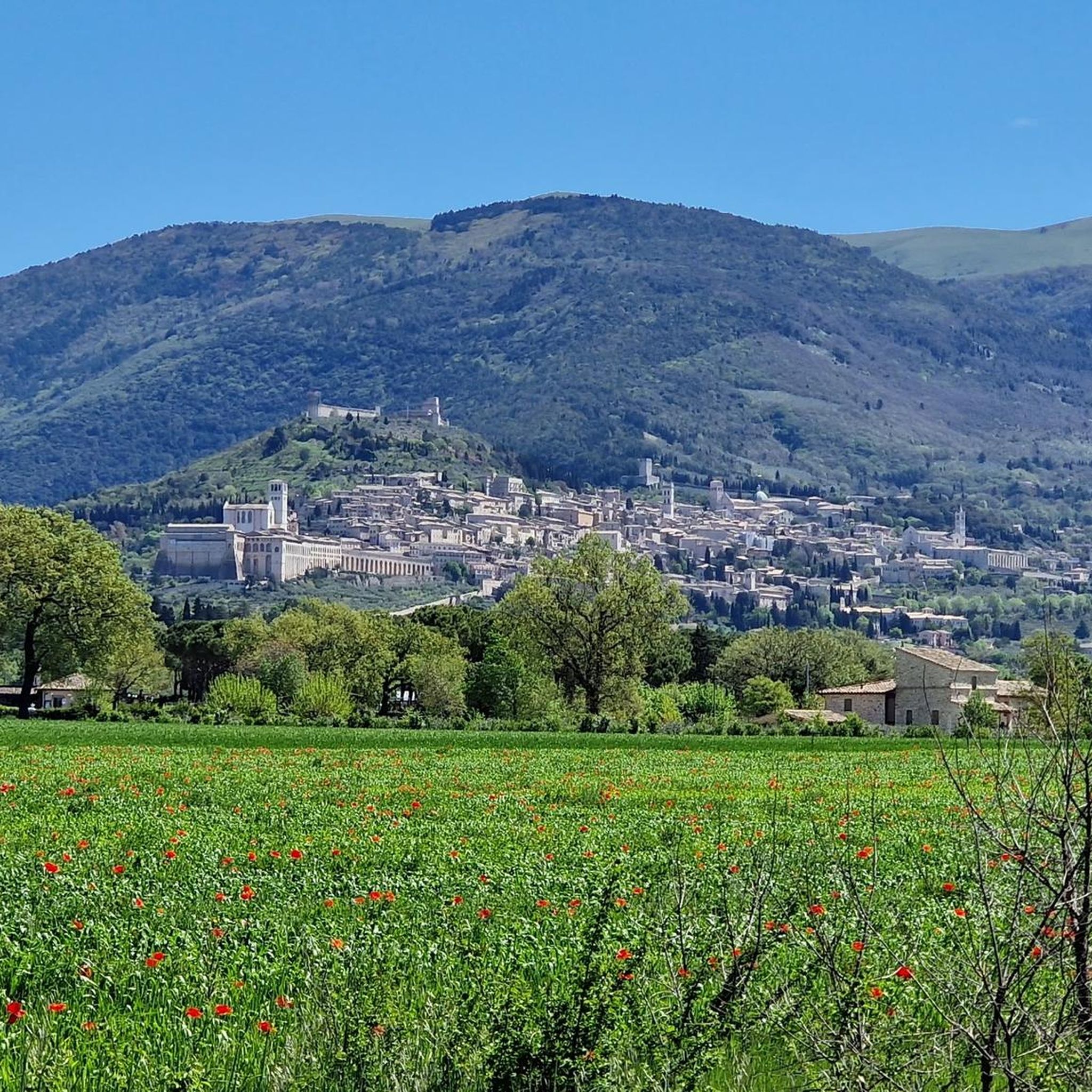
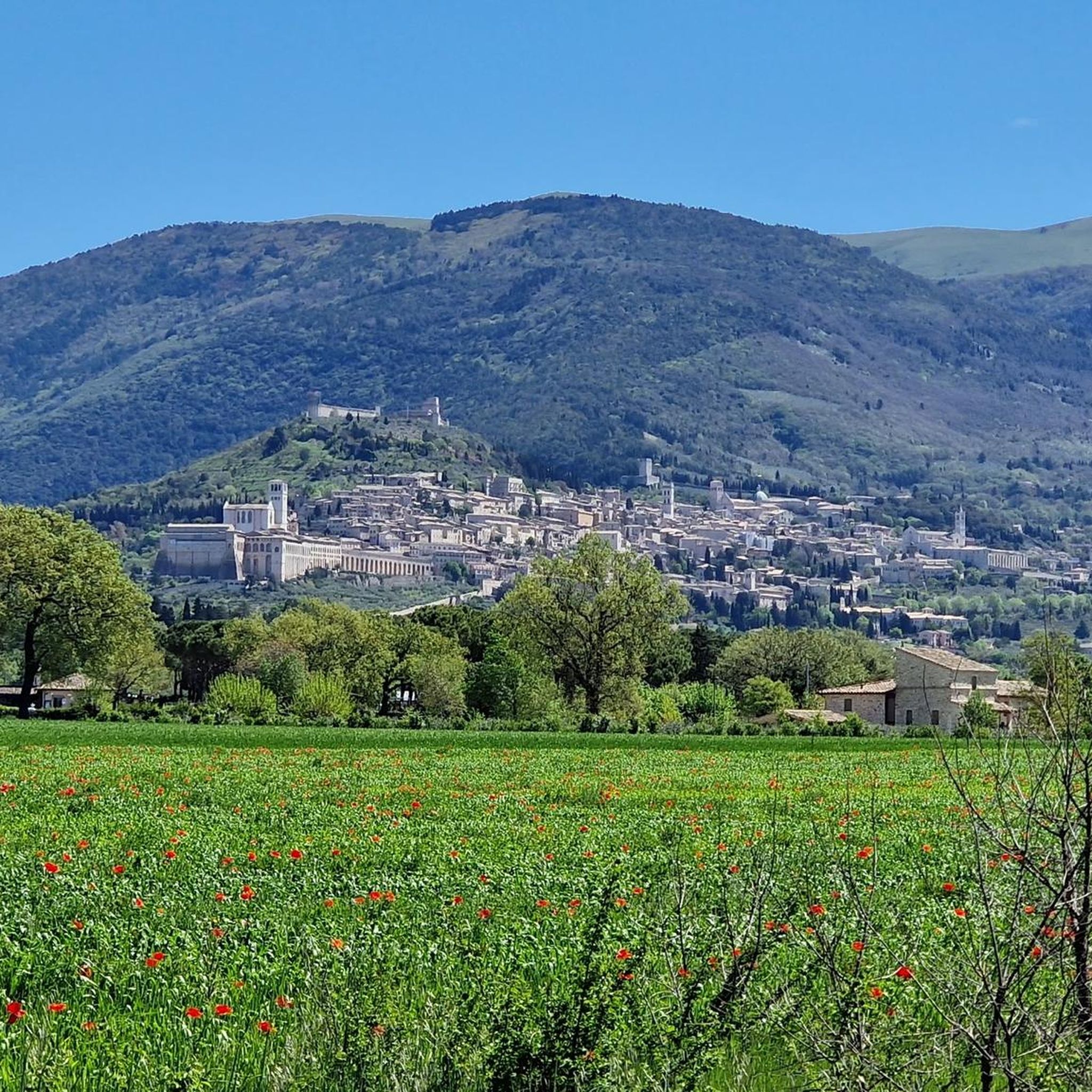
The region around Bastia Umbra is characterized by its rolling Umbrian hills and proximity to the Chiascio River. Rocca Maggiore in Assisi offers an incomparable view of the city and the surrounding valley. Many hiking and cycling routes also provide scenic viewpoints of the Umbrian landscape, often with historical structures in the distance.
Are there options for parking at Ospedalicchio Castle or other nearby historical sites?
For Ospedalicchio Castle, as it operates as a hotel, it likely offers parking facilities for guests and visitors. For other historical sites like those in Perugia or Assisi, parking is typically available in designated public car parks within or on the outskirts of the towns. It's advisable to check specific parking information for each site before your visit, especially in historic city centers where access might be restricted.
Can I reach these castles using public transport?
Bastia Umbra is well-connected by public transport, particularly by train and bus, making it a good base for exploring the region. From Bastia Umbra, you can typically find bus services to nearby towns like Assisi and Perugia, where many of the highlights are located. Ospedalicchio Castle is accessible by local transport or a short drive from Bastia Umbra. For detailed schedules, it's best to consult local transport providers.
What are some less crowded castles or historical sites to visit near Bastia Umbra?
Beyond the more popular sites in Perugia and Assisi, consider exploring Castello di Palazzo di Assisi or Castello di San Gregorio. These castles, while historically significant, might offer a quieter experience. Ospedalicchio Castle, as a converted hotel, also provides a peaceful historical setting away from large crowds.
What kind of local wildlife might I encounter on hiking trails near these castles?
The Umbrian countryside, especially along trails near the Chiascio River or in more rural areas, is home to various wildlife. You might spot common birds of prey, small mammals like foxes or badgers, and a variety of local bird species. The natural features around the castles, such as wooded areas and fields, provide habitats for this wildlife.
Are there cafes, pubs, or restaurants near the castles?
Yes, you'll find dining options near most of the historical sites. In Bastia Umbra, Assisi, and Perugia, there are numerous cafes, pubs, and restaurants offering local Umbrian cuisine. Ospedalicchio Castle, being a hotel, likely has its own restaurant. For specific recommendations, it's best to check local listings or explore the towns themselves.
Most popular routes around Bastia Umbra
Most popular attractions around Bastia Umbra

Get inspired with the komoot mobile app


Explore more
Looking for the best castles somewhere else? Discover other guides around Bastia Umbra:
