Top 6 Castles around Bevagna
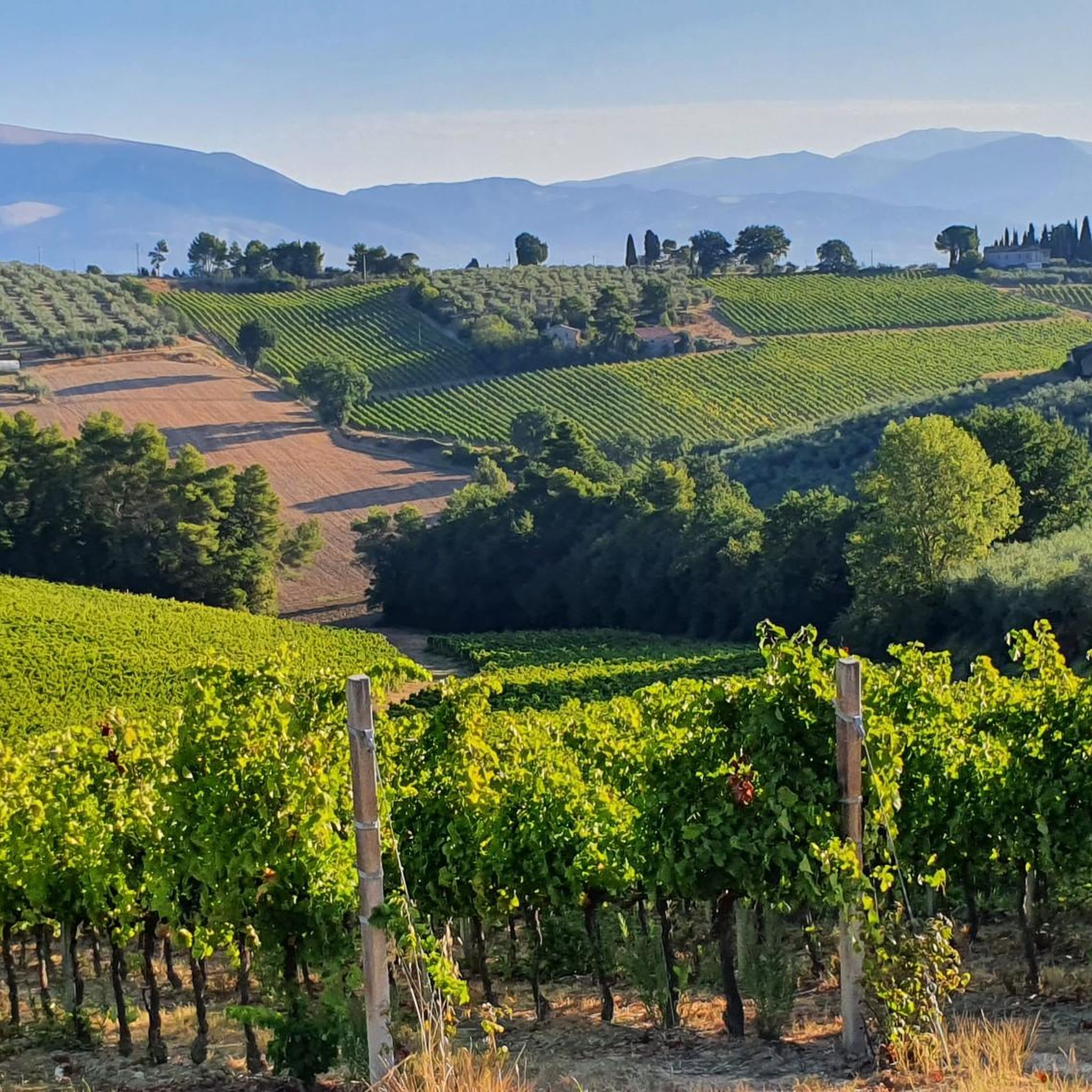
Best castles around Bevagna are found in a charming medieval village in Umbria, Italy, characterized by well-preserved fortifications and surrounding fortified settlements. The town itself is encircled by impressive medieval walls, many sections of which date back to the 3rd century BC. The area offers a journey back in time with its intact architectural structures and historical significance. This region provides a comprehensive experience of medieval fortifications and life in central Italy.
Best castles around Bevagna
- The most popular castles…
Last updated: June 29, 2026
Historic Center of Bevagna
Highlight • Historical Site
Translated by Google •
Tip by

Gualdo Cattaneo: Historic Village and Fortress
Highlight • Settlement
Located between the Umbrian and Tiber valleys, …
Translated by Google •
Tip by

Sign up now to discover places like this
Get recommendations on the best single tracks, peaks, & plenty of other exciting outdoor places.
Sign up for free
Rocca di Gualdo Cattaneo
Highlight • Castle
The direct link with a famous figure like Alessandro Borgia and its singularity on an …
Translated by Google •
Tip by

Fabbri Castle
Highlight • Castle
The Castle was built in the 14th century and was part of …
Translated by Google •
Tip by
Sant'Eraclio Castle
Highlight • Castle
Translated by Google •
Tip by
Sign up for free to discover even more castles around Bevagna.
Sign up for free
Already have an account?
Start today with a free account
Your next adventure awaits.
Login or Signup

Tips from the Community

Bring some cash to climb the tower 😀
0
0

Bevagna / Region – Umbria / Province – Perugia (PG) The town, surrounded by a city wall with towers and gates, has an intact medieval structure (12th-13th centuries). In the upper part of the town, numerous Roman remains can still be seen: the ruins of a temple, the theater, and a thermal bath complex, of which a frigidarium with a magnificent black and white floor mosaic depicting marine figures from the 2nd century AD survives. The medieval town structure, with its squares and noble houses, developed over the Romanesque foundations: The magnificent Piazza Silvestri is home to the Palazzo dei Consoli (1270), which houses the Torti Theater, the Romanesque churches of San Silvestro and San Michele Arcangelo, both from the late 12th century, and the church of San Domenico e Giacomo (1291). Worth seeing is the Palazzo Comunale (late 18th century), which houses the historical archives, the library, and the art gallery. The Baroque churches of the Monastery of Santa Margherita and San Filippo are also very interesting. At the highest point in the town stands the Church of San Francesco (late 13th century). Next to the altar, one can see the stone on which St. Francis knelt when he preached to the flock of birds at Pian d'Arca. The 18th-century Palazzo Lepri houses the Museum of Bevagna, with works that tell the story of the town from pre-Roman times to the 18th century: archaeological finds from the ancient city of Mevania, medieval documents, and paintings by Dono Doni, Fantino, and Corrado Giaquinto. In the surrounding area, the Sanctuary of Madonna delle Grazie (late 16th century), the Sanctuary of Madonna della Valle, and the Monastery of Annunziata (11th century), formerly a defensive castle, rise up against the hillsides. Text / Source: Umbria Tourism.it contatti@umbriatourism.it https://www.umbriatourism.it/de/bevagna
14
1

Rocca Sonora, the undisputed symbol of Gualdo Cattaneo.
0
0

Bogo dominating the Puglia valley, a tributary of the Tiber; very well renovated, it is surrounded by mighty fifteenth-century walls
0
0
The Rocca Borgia (or Rocca Sonora) is the true protagonist of the village of GualdoCattaneo. The direct link with a famous figure like Alessandro Borgia and its singularity on an architectural level make this building truly unique in the Umbrian defensive panorama. It was built between 1494 and 1498, designed by Francesco di Bartolomeo da Pietrasanta according to the military canons of the time, which with the advent of artillery were substantially changing the appearance of all the defensive structures. It is a triangular fortress with a central keep and two lateral walls communicating with each other through a complex system of underground tunnels.
1
0
Gualdo Cattaneo is a small medieval village perched on the slopes of the Martani Mountains in a particularly suggestive position. The first historical information about the town dates back to the time of Emperor Otto II, who founded the castle in 975, entrusting it as a fief to the Germanic count Edoardo Cattaneo. Its perched position was militarily strategic and very often at the center of bitter disputes and domination between Foligno and Spoleto. In the main square of the village stands the mighty fortress from 1494, triangular in shape with three towers communicating with each other. The 13th century parish church is interesting. with a beautiful thirteenth-century crypt inside; the church of Sant'Agostino built in 1136 with frescoes from the Foligno school and the church of Sant'Andrea.
0
0
In my opinion, together with Spello, the most beautiful village in the eastern Umbrian Valley
1
0

Beautiful city with ancient origins.
0
0
Frequently Asked Questions
What makes Bevagna's historic center unique among the fortified sites in the region?
The Historic Center of Bevagna is entirely surrounded by imposing medieval walls, with sections dating back to the 3rd century BC. It's often described as an "open-air museum," showcasing perfectly preserved Romanesque, Gothic, and Baroque architectural styles within its fortified core. You can also find Roman remains like a frigidarium with a mosaic.
Are there any fortified villages near Bevagna that offer a glimpse into rural medieval life?
Yes, Torre del Colle is a notable fortified village that preserves an intact architectural structure. Visitors enter through a sandstone pointed arch and can explore 13th-century houses and a semi-cylindrical tower, providing a unique insight into a medieval rural settlement.
Which castles around Bevagna are known for their defensive architecture?
The Rocca di Gualdo Cattaneo, also known as Rocca Borgia, is a triangular fortress built between 1494 and 1498, featuring a central keep and a complex system of underground tunnels. Fabbri Castle, built in the 14th century, also showcases strong defensive features with its crooked rectangular shape, high crenellated walls, quadrangular bastions, moat, and drawbridge.
Can I find any castles with significant historical artwork or religious sites nearby?
Yes, Castelbuono, a 10th-century *castrum*, features the Church of Santa Maria, which houses frescoes by artists like Ascensidonio Spacca. Additionally, the Historic Village and Fortress of Gualdo Cattaneo includes the church of Saints Anthony and Antoninus, dating back to 1260, and the church of Sant'Agostino from 1136.
What kind of outdoor activities can I do near the castles around Bevagna?
The area around Bevagna offers various outdoor activities. You can find numerous routes for hiking, running, and gravel biking. Many of these routes pass through or near the historic villages and fortified sites, allowing you to combine exploration with physical activity.
Are there any family-friendly castles or fortified sites to visit?
The Historic Center of Bevagna is considered family-friendly, offering a safe and engaging environment to explore medieval streets and walls. The Historic Village and Fortress of Gualdo Cattaneo is also suitable for families, though it does involve some steep but short climbs.
What is the best time of year to visit the castles and fortified villages in the Bevagna area?
The spring and autumn months generally offer pleasant weather for exploring the castles and engaging in outdoor activities like hiking. The end of June is particularly special in Bevagna, as the town hosts the Mercato delle Gaite medieval festival, offering a unique historical experience within its fortified center.
Can I find panoramic viewpoints at any of the castles?
Yes, the Historic Village and Fortress of Gualdo Cattaneo, perched on a rock, offers astonishing views of vineyards, olive groves, and the Sibillini mountains. The medieval walls of Bevagna also provide picturesque views of the town and the surrounding Umbrian landscape.
Which fortified sites are less crowded for a more tranquil visit?
While Bevagna's historic center can be popular, smaller fortified villages like Torre del Colle and Limigiano offer a more tranquil experience. These sites preserve their architectural structure and provide a genuine historical experience away from larger crowds.
How long should I plan for a visit to the castles and fortified villages around Bevagna?
To fully appreciate the Historic Center of Bevagna, including its walls, Roman remains, and medieval architecture, you could spend a half to a full day. For the surrounding fortified villages like Torre del Colle, Limigiano, and Castelbuono, allow a few hours for each, especially if you plan to explore their interiors or nearby trails.
Are there any castles that are particularly well-preserved or offer a complete historical complex?
Bevagna's Medieval Walls and Gates are remarkably well-preserved, encircling the entire town. Sant'Eraclio Castle is also noted for its well-preserved complex, with its history linked to the Trinci Lordship of Foligno.
Where can I find more information about the ancient castles and fortified sites in the Bevagna area?
For more details on the ancient castles and fortified sites around Bevagna, you can visit the official tourism website for the area: visit-bevagna.it.
Most popular routes around Bevagna
Most popular attractions around Bevagna

Get inspired with the komoot mobile app


Explore more
Looking for the best castles somewhere else? Discover other guides around Bevagna:
