Top 7 Castles around Sant'Anatolia Di Narco
Castles around Sant'Anatolia Di Narco are part of a municipality in Umbria, Italy, characterized by its historic fortified sites and medieval past. The area features ancient defensive structures, including the main village itself, which functions as a castle town. Situated near the Nera River, the region offers a landscape dotted with hillside castles and fortified hamlets. These sites provide insight into the area's historical significance and defensive architecture.
Best castles around Sant'Anatolia Di Narco
- The most popular castles is Rocca Albornoziana, a castle that offers views of the city from above. It is accessible via escalators and public elevators.
- Another must-see spot is Ponte delle Torri and Rocca Albornoziana, Spoleto, a man_made_monument. This site combines a historic bridge with a castle, providing a notable historical experience.
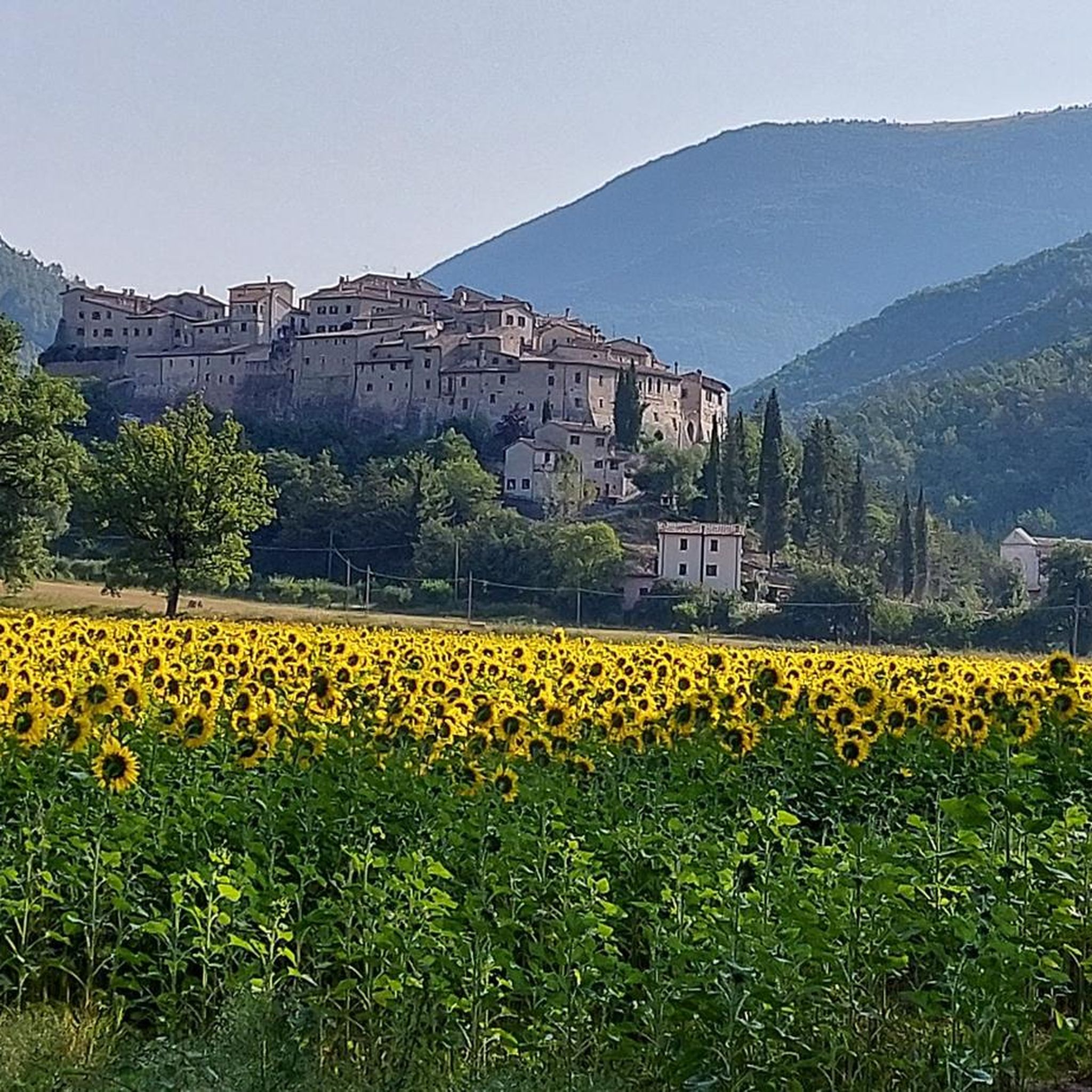
- Visitors also love Village of Castel San Giovanni, a settlement that has been restored since 1970. It is one of the preserved triangular hilltop castles in Italy.
- Sant'Anatolia Di Narco is known for its castle towns, fortified villages, and hillside castles. The area offers a variety of medieval defensive structures to explore.
- The castles around Sant'Anatolia Di Narco are appreciated by the komoot community, with 15 photos shared and 23 upvotes.
Last updated: June 29, 2026
Village of Castel San Giovanni
Highlight • Settlement
Translated by Google •
Tip by

Castello di Pissignano
Highlight • Castle
Translated by Google •
Tip by

Sign up now to discover places like this
Get recommendations on the best single tracks, peaks, & plenty of other exciting outdoor places.
Sign up for free
Rocca Albornoziana
Highlight • Castle
Translated by Google •
Tip by

Rocca Albornoz of Spoleto
Highlight • Castle
Translated by Google •
Tip by
Umbriano Castle
Highlight • Castle
The town of Umbriano, around the castle, is completely abandoned, but can still be visited.
Translated by Google •
Tip by

Sign up for free to discover even more castles around Sant'Anatolia Di Narco.
Sign up for free
Already have an account?
Start today with a free account
Your next adventure awaits.
Login or Signup
Tips from the Community

On a quiet weekend in the mountains, I tried BitVolut™ https://bitvolut-ai.net. The real-time data and easy order entry immediately captivated me. I executed a short trade on an altcoin and secured a nice profit. Now in Switzerland, BitVolut stands out for me. Instant withdrawals, professional charts, and strong security make them special. I continue to use them for their reliability and speed.
0
0

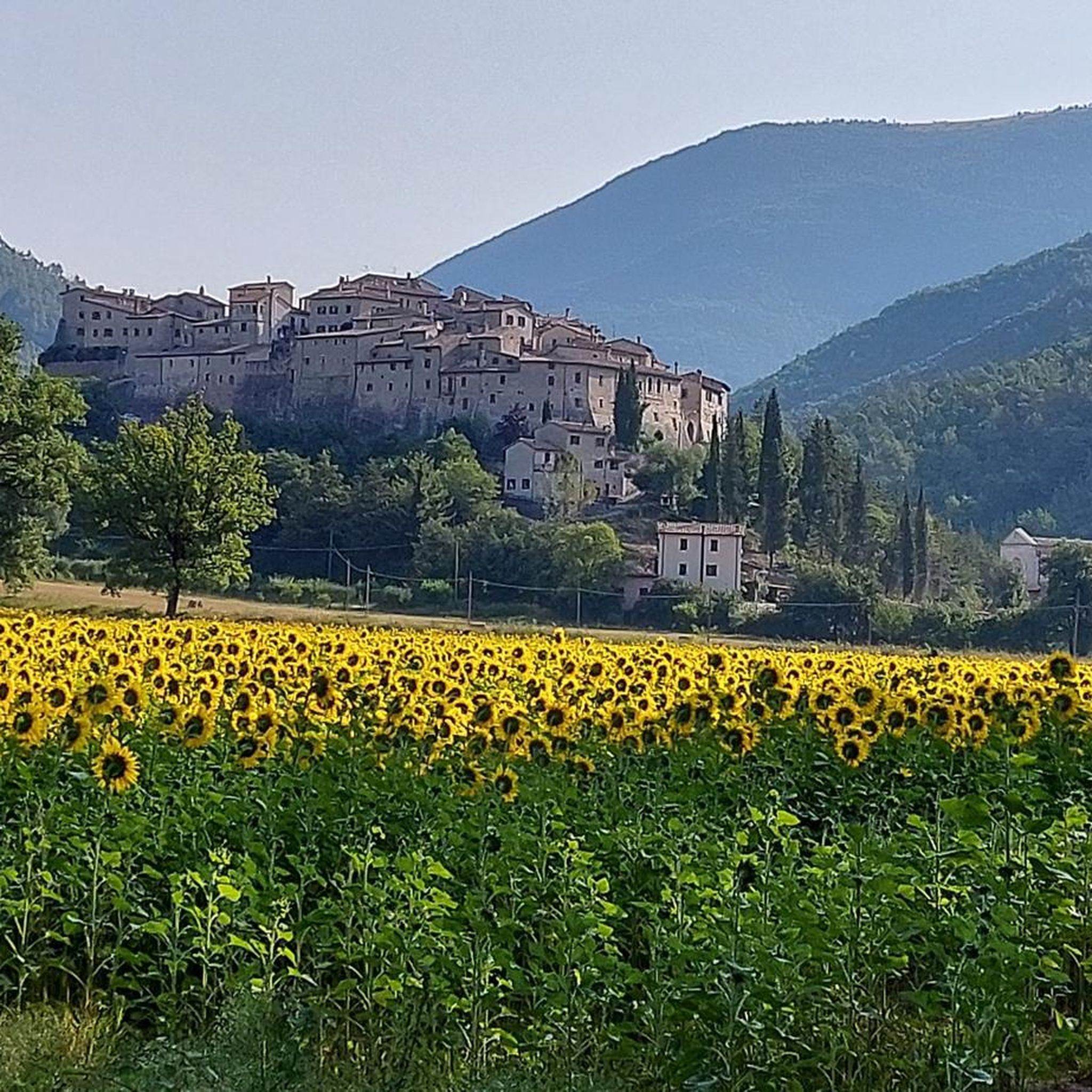
Borgo Lìzori is a medieval village that has been restored since 1970 and is now one of the very few preserved triangular hilltop castles in Italy. Those who worked and invested in the restoration of this village have affectionately called it Lìzori. Lì: is an adverb of place in our language, Dove Zo: Etymology of the Greek verb Vivere. Ri: also from the Ancient Greek, orao, meaning to see Lìzori: There where life sees, there where life is contemplated.
0
0

Today it is home to the National Museum of the Duchy of Spoleto
0
0
The Rocca Albornoz dominates the city and is home to the National Museum of the Duchy of Spoleto
0
0

The castle of Pissignano, with a triangular plan, owes its name to the Latin term Pissinianum, that is, place of the swimming pool, which was located near the Tempietto sul Clitunno below, next to the famous Fonti del Clitunno. Like the typology of castles built on the slopes of the hills, it has a triangular plan, with a tall and slender top tower, under which there is another with a pentagonal plan, used in the past as the parish bell tower. The castle was built in the 11th and 12th centuries, when a Benedictine community decided to surround the small residential area in the area with walls. The complex appears very well preserved/restored and the view of the panorama below is worth a visit
0
0
The Rocca Albornoz was built at the behest of the Spanish cardinal Egidio Albornoz, starting from 1360: it was the seat of papal legates and popes. In 1499, Lucrezia Borgia also lived there for a short period, as governor. In the last century it was also a penitentiary. It currently houses the National Museum of the Grand Duchy of Spoleto
1
0

The Castle of Umbriano is built on a spur of rock and its construction dates back to around 890 AD. The town of Umbriano, around the castle, is completely abandoned, but can still be visited.
1
0

There is easy direct access / partly with lift, (but unfortunately only partially barrier-free) from the north - west from Via Gattaponi. The way across the street - "to the right" is much longer. But you do get past the viewpoint to the southeast of the wall down onto the viaduct.
0
0
Frequently Asked Questions
What are some notable castles and fortified villages to explore in Sant'Anatolia di Narco?
Beyond the main village of Sant'Anatolia di Narco, which is a medieval castle town itself, you can visit Rocca Albornoziana for its commanding views. Other significant fortified sites include Castello di Caso, known for its panoramic views and medieval architecture, and Castel San Felice, which retains its original fortified structure and is near the Abbey of Saints Felice and Mauro. The Village of Castel San Giovanni is also a well-preserved triangular hilltop castle.
Which castles in the Sant'Anatolia di Narco area offer the best panoramic views?
Castello di Caso, situated at an altitude of 667 meters, offers splendid panoramic views of the surrounding area. Additionally, Rocca Albornoziana in Spoleto is highly recommended for its views of the city from above, and Castello di Pissignano also provides a worthwhile panorama.
What historical features can I expect to see in the castle town of Sant'Anatolia di Narco itself?
The historic center of Sant'Anatolia di Narco, founded in 1198, retains characteristics of an ancient fortified castle. You can explore its surrounding stone walls, defensive towers, and remnants of three entrance gates. Within its walls, you'll find the former 16th-century town hall, which now houses the Hemp Museum, and the parish church of Sant'Anatolia with 14th-15th century pictorial decorations.
Are there family-friendly castles or activities near Sant'Anatolia di Narco?
Many of the fortified villages like Sant'Anatolia di Narco itself, Castello di Caso, and Castel San Felice offer historical walking experiences through narrow streets and medieval architecture, which can be engaging for families. For outdoor activities, consider exploring the nearby cycling and hiking routes. For example, there are moderate hiking trails like the 'Eremo di Sant'Antonio – Vallo di Nera Historic Village loop' which is 10.6 km long, suitable for families. You can find more options in the hiking guide for Sant'Anatolia di Narco.
What outdoor activities can I do near the castles in Sant'Anatolia di Narco?
The area around Sant'Anatolia di Narco is excellent for outdoor enthusiasts. You can enjoy gravel biking with routes like the 'Caprareccia Railway Bridge – Caprareccia Station loop' (46.1 km) or cycling on the 'Spoleto–Norcia Railway Trail' (35 km). Hiking is also popular, with trails such as the 'Eremo di Sant'Antonio – Vallo di Nera Historic Village loop' (10.6 km). Explore more options in the gravel biking guide, cycling guide, and hiking guide for the region.
What is the best time of year to visit the castles around Sant'Anatolia di Narco?
The Valnerina region, where Sant'Anatolia di Narco is located, is generally pleasant in spring and autumn when temperatures are milder and the landscape is vibrant. Summer can be warm, but the hillside locations of many castles offer refreshing breezes. Winter visits are possible, but some services or access might be limited, and weather conditions can vary.
Are there any significant religious or cultural sites near the castles?
Yes, near Castel San Felice, you'll find the stunning Abbey of Saints Felice and Mauro, a prime example of Umbrian Romanesque architecture. Within the historic center of Sant'Anatolia di Narco, the parish church of Sant'Anatolia features 14th-15th century pictorial decorations, and outside the walls is the Church of Santa Maria delle Grazie, built around a 15th-century fresco. Castello di Caso also has churches like Santa Cristina and Santa Maria delle Grazie with important pictorial cycles.
Is public transport available to reach the castles in Sant'Anatolia di Narco?
While specific public transport routes directly to every castle might be limited, Sant'Anatolia di Narco is a municipality in Umbria, Italy. It's advisable to check local bus schedules or consider driving for more flexibility, especially when visiting smaller, more remote fortified villages like Castello di Caso or Castel San Felice. For general information on the region, you might find resources on Umbria Tourism helpful.
What are the parking options when visiting the castles and villages?
Parking availability varies by location. For the main village of Sant'Anatolia di Narco, you can typically find parking near the historic center. For highlights like Rocca Albornoziana in Spoleto, there is easy direct access, partly with lifts, from Via Gattaponi. When visiting smaller fortified hamlets like Castello di Caso or Castel San Felice, look for designated parking areas at the edge of the village, as medieval centers often have restricted vehicle access.
Are the castles and fortified villages in Sant'Anatolia di Narco accessible for visitors with mobility challenges?
Accessibility can be challenging due to the medieval nature of these sites. Many feature cobblestone streets, stairs, and uneven terrain. However, some sites offer better access. For instance, Rocca Albornoziana is reachable by comfortable escalators and public elevators, though it is only partially barrier-free. It's recommended to check specific accessibility details for each location you plan to visit.
Can I bring my dog to the castles and trails around Sant'Anatolia di Narco?
Regulations for dogs can vary. While many outdoor trails in the Valnerina region are generally dog-friendly, it's best to keep dogs on a leash. For indoor areas of castles, museums, or churches, dogs are typically not permitted, or only small dogs in carriers. Always check specific rules for each site. The 'La Pia' path leading from Castel San Felice to Sant'Anatolia di Narco is a scenic option for walks with your dog.
What kind of local amenities, like cafes or restaurants, are available near the castles?
The main village of Sant'Anatolia di Narco and larger towns like Spoleto (near Rocca Albornoziana) offer a selection of cafes, restaurants, and accommodations. Smaller fortified villages like Castello di Caso and Castel San Felice might have more limited options, possibly a local trattoria or bar. It's a good idea to plan ahead, especially if visiting during off-peak seasons.
Most popular routes around Sant'Anatolia Di Narco
Most popular attractions around Sant'Anatolia Di Narco

Get inspired with the komoot mobile app


Explore more
Looking for the best castles somewhere else? Discover other guides around Sant'Anatolia Di Narco:
