Top 5 Castles around Vallerano
Best castles around Vallerano offers exploration of a historic hilltop village in the Lazio region of Italy. Vallerano is characterized by its well-preserved medieval urban structure, featuring ancient walls, small squares, and stone steps. The town's fortified past and strategic importance are evident in its architecture and layout. This area provides a tangible link to its defensive history, inviting visitors to explore its network of streets and historical buildings.
Best castles around Vallerano
- The most popular castles is Chia Tower…
Last updated: June 29, 2026
Palazzo Farnese of Caprarola
Highlight • Historical Site
Translated by Google •
Tip by

Chia Tower and Etruscan Cave
Highlight • Historical Site
Translated by Google •
Tip by

Sign up now to discover places like this
Get recommendations on the best single tracks, peaks, & plenty of other exciting outdoor places.
Sign up for free
Orsini Castle
Highlight • Castle
Translated by Google •
Tip by

Rocca dei Torrioni of Ronciglione
Highlight • Castle
Translated by Google •
Tip by

Start today with a free account
Your next adventure awaits.
Login or Signup

Tips from the Community

Built in the Middle Ages by the Prefects of Vico to guard the only natural access to the city, in the following centuries it often changed ownership, purpose and shape. It was the prerogative of the Counts of Anguillara, Della Rovere and Farnese from 1526 to 1649, under the ownership of the Della Rovere the fortress underwent the greatest changes, in particular between 1475 and 1480 with the renovation commissioned by Pope Sixtus IV and entrusted to the Florentine architect Giovanni Dolci who added the circular keep and the four fortified towers at the corners, which among other things gave the castle its current popular name "I Torrioni". Very eminent figures stayed there, including Pope Sixtus IV and Pope Paul III, but then, in 1649, it passed into the hands of the Holy See, which ceded it in 1756 to the Genoese Girolamo Marè, who, although committed to its conservation and embellishment, left it in a state of abandonment. (c) https://it.wikipedia.org/wiki/Ronciglione
0
0

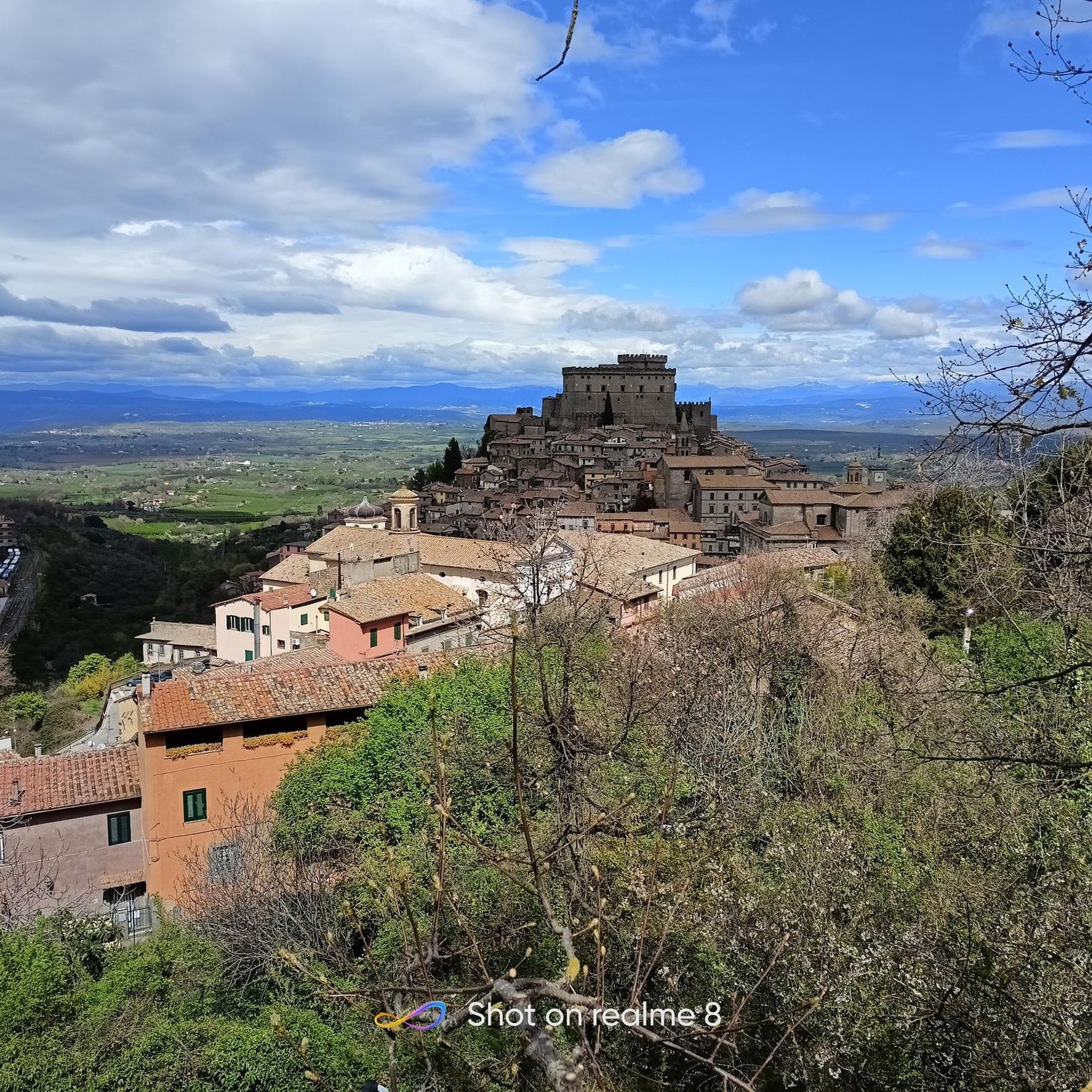
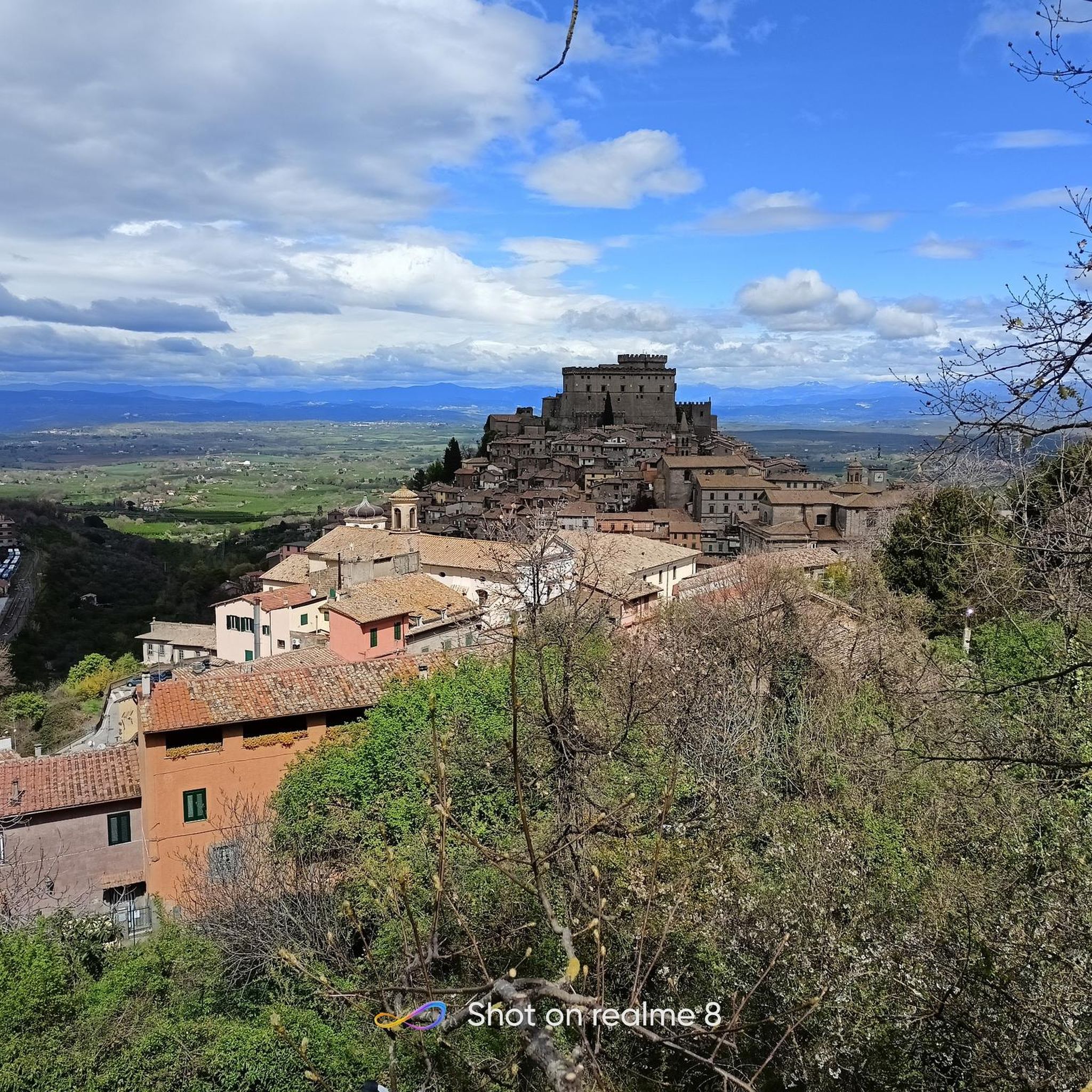
historic center of Vasanello, Orsini castle and medieval church
1
0

The Palazzo Farnese, also Villa Farnese or Villa Caprarola in Caprarola is one of the most important palaces of the Renaissance and Mannerism in Italy. It is famous for the numerous Mannerist frescoes that decorate the walls and ceilings inside. Not only the building in the form of a pentagon, which was built around a circular courtyard surrounded by colonnades, is impressive. Also impressive are the numerous rooms that are not only covered with lush paintings on all ceilings, but also the walls are mostly completely covered with paintings. Each room on a different theme. The room, which is decorated with world maps on all walls, stands out from this, with the knowledge from 1550. The absolute highlight, however, is the Scala Regia, a spiral staircase. The palace also has a large park that rises steadily to end in a cascade with a casino.
0
0

Dominating castle right on the village square in Vasanello. Unfortunately, access was not possible.
2
0

Interesting construction in a beautiful setting with a very simple walk that leads up to the Chia waterfalls. Pasolini also lived in this place
1
0

The Palazzo Farnese in Caprarola can be visited every day, except Mondays, with the following times and ticket prices: Visiting hours: From Tuesday to Sunday 8.30 - 18.45, last admission to visit the park at 18.00. The ticket office closes at 18.45, Palazzo Farnese closes at 19.30 Closed: Monday, January 1st, May 1st (except May 1st 2019), December 25th "unless otherwise indicated" MIBACT The Park can be visited only on weekdays from Tuesday to Saturday from 8.30 to one hour before sunset, only in favorable weather conditions.
2
0
Caprarola is one of the most significant urban examples of the 1500s. The ancient medieval village was pierced to allow a spectacular straight path to pass through which from the foot of the hill climbs over gullies, partly filled and partly exceeded with 2 bridges until it reaches the square in front of the imposing Palazzo Farnese. It is one of the most important buildings of Renaissance-Mannerist architecture. It was built in the 16th century on a design by Jacopo Barozzi da Vignola on the basis of a previous pentagonal fortification designed by Antonio da Sangallo the Younger, of which Vignola kept the external perimeter.
2
0
Frequently Asked Questions
What kind of historical fortifications can I explore around Vallerano?
Vallerano itself is a historic hilltop village characterized by its well-preserved medieval urban structure, ancient walls, and stone steps, offering a glimpse into a fortified past. Beyond the village, you can explore specific sites like the impressive Palazzo Farnese of Caprarola, a 16th-century Renaissance-Mannerist palace, or the historical Chia Tower and Etruscan Cave, which features an interesting construction in a beautiful natural setting.
Are there any castles that are particularly family-friendly?
Yes, several sites are noted as family-friendly. The Palazzo Farnese of Caprarola, with its vast frescoed rooms and large park, offers an engaging experience for families. The Chia Tower and Etruscan Cave is also family-friendly, featuring a simple walk to the Chia waterfalls. While access to the interior may vary, the exterior of Orsini Castle in Vasanello is also a significant historical landmark within a charming village square.
What natural features or viewpoints can I find near these historical sites?
Near the Chia Tower and Etruscan Cave, you can enjoy a beautiful natural setting and a simple walk leading to the Chia waterfalls. The region around Vallerano, including the Monti Cimini, offers various opportunities for scenic views and natural exploration, often integrated with historical routes.
What outdoor activities can I do near the castles around Vallerano?
The area around Vallerano is excellent for outdoor enthusiasts. You can find numerous routes for gravel biking, mountain biking, and general cycling. For example, there are challenging gravel biking routes like the 'Poggio di Mezzo Trail' and MTB trails such as the 'Panoramic view of Lake Vico loop from Vallerano'. You can explore more options on the Gravel biking around Vallerano, MTB Trails around Vallerano, and Cycling around Vallerano guide pages.
Is there public transport available to reach the castles or Vallerano?
Vallerano is a historic hilltop village, and while specific public transport details to individual castles may vary, the town itself is accessible. For detailed information on public transport options to Vallerano and surrounding areas, it's advisable to check local transport schedules or resources like VisitLazio.com.
What is the best time of year to visit Vallerano and its historical sites?
The Lazio region generally enjoys pleasant weather in spring (April-May) and autumn (September-October), making these ideal times for exploring historical sites and engaging in outdoor activities like hiking or cycling. Summers can be hot, while winters offer a quieter experience, though some park access or opening hours might be limited.
Are there any specific historical sites that highlight the region's medieval past?
Beyond Vallerano's own medieval urban structure, the Rocca dei Torrioni of Ronciglione is a significant medieval fortress. Built by the Prefects of Vico, it underwent major changes under the Della Rovere family, including the addition of a circular keep and four fortified towers, giving it its distinctive name 'I Torrioni'.
Can I visit the interior of Orsini Castle in Vasanello?
The Orsini Castle in Vasanello is a dominating historical landmark right on the village square. However, based on visitor tips, access to the interior is not always possible. It remains a significant site to view from the outside within the historic center of Vasanello.
What should I wear for exploring the castles and historical sites around Vallerano?
Comfortable walking shoes are highly recommended, as many sites involve exploring historic centers with narrow, stone-paved streets or walking through parks. Layered clothing is also advisable, especially during spring and autumn, to adapt to changing temperatures throughout the day. If you plan on hiking or cycling, appropriate sportswear is essential.
Are there any hidden gems or less-known historical sites worth visiting?
While Vallerano itself is a charming, less-traveled medieval village, the Chia Tower and Etruscan Cave offers a unique blend of history and nature, known for its interesting construction and association with Pasolini. It's a beautiful spot that combines historical intrigue with a pleasant natural walk.
Where can I find information about opening hours and tickets for Palazzo Farnese of Caprarola?
The Palazzo Farnese of Caprarola is generally open from Tuesday to Sunday, 8:30 AM to 6:45 PM, with the last admission to the park at 6:00 PM. It is typically closed on Mondays, January 1st, May 1st, and December 25th. For the most current visiting hours and ticket prices, it's best to check the official website or contact the site directly, as these can be subject to change.
What makes Vallerano's historic center unique compared to other castle visits?
Vallerano's historic center is unique because the entire village functions as a living 'fortification.' Instead of a single standalone castle, you'll find a well-preserved medieval urban structure with ancient walls, small squares, and stone steps that tell the story of its strategic importance and fortified past. Exploring Vallerano means immersing yourself in a town where the architecture itself narrates centuries of history.
Most popular attractions around Vallerano

Get inspired with the komoot mobile app


Explore more
Looking for the best castles somewhere else? Discover other guides around Vallerano:
