Top 3 Castles around Poggio Picenze
Castles around Poggio Picenze offer a historical perspective on the L'Aquila province in Italy. The area is characterized by its medieval past, with fortifications and ruins dotting the landscape. Situated in a region known for its historical significance, Poggio Picenze provides access to various castle sites. These structures reflect centuries of regional history and architectural development.
Best castles around Poggio Picenze
- The most popular castles is View of Rocca Calascio and Santa Maria della Pietà, a viewpoint that includes…
Last updated: June 29, 2026
Forte Spagnolo (Cinquecento Castle), L'Aquila
Highlight • Castle
Translated by Google •
Tip by

Forte Spagnolo
Highlight • Castle
Showing Translation
Tip by

Sign up now to discover places like this
Get recommendations on the best single tracks, peaks, & plenty of other exciting outdoor places.
Sign up for free
View of Rocca Calascio and Santa Maria della Pietà
Highlight • Viewpoint
Translated by Google •
Tip by

Parco del Castello and Forte Spagnolo
Highlight • Castle
Fancy a peaceful break during your walk through L'Aquila? Then be sure to visit Parco del Castello, the …
Showing Translation
Tip by
Castel Camponeschi
Highlight • Castle
Translated by Google •
Tip by

Sign up for free to discover even more castles around Poggio Picenze.
Sign up for free
Already have an account?
Start today with a free account
Your next adventure awaits.
Login or Signup

Tips from the Community

The Forte Spagnolo (also known as Castello Cinquecentesco) is one of the most impressive 16th-century military strongholds of Central and Southern Italy. Although it is a defensive work, its true historical significance lies in the fact that it was never built to protect the city, but rather to suppress it. After the Spanish threat diminished over time, the complex successively served as the residence of the Spanish governor, barracks for French troops in the 19th century, and headquarters for the German occupier during World War II. In 1902, it was officially declared a national monument. Shortly after World War II, it became the home of the National Museum of Abruzzo (MuNDA). Since the devastating earthquake of 2009, the fort has been undergoing a lengthy and complex restoration, but it remains one of the most impressive symbols of the city when viewed from the outside.
1
0
Parco del Castello & Forte Spagnolo – the green oasis of L'Aquila Fancy a peaceful break during your walk through L'Aquila? Then be sure to visit Parco del Castello, the city's largest city park. The park surrounds the imposing 16th-century Forte Spagnolo and combines history, nature, and beautiful views. Take a walk around the wide, dry castle moat and admire the impressive fortress walls. The shady paths under ancient pines and cedars make this a wonderful place to relax for a while. On the north side of the park, you will be rewarded with a magnificent panorama of the rugged Gran Sasso massif. Those who also visit the fort will discover a special surprise there: the almost completely intact skeleton of a prehistoric mammoth (Elephas antiquus), which was excavated in the vicinity of L'Aquila in 1954. An ideal stopover where nature, history, and culture come together.
2
0
The Forte Spagnolo (also known as Castello Cinquecentesco) is one of the most impressive 16th-century military strongholds in Central and Southern Italy. Although it is a defensive work, its true historical significance lies in the fact that it was never built to protect the city, but rather to suppress it. Once the Spanish threat subsided over time, the complex successively served as the residence of the Spanish governor, barracks for French troops in the 19th century, and headquarters for the German occupiers during World War II. In 1902 it was officially declared a national monument. Shortly after World War II, it became the home of the Museo Nazionale d'Abruzzo (MuNDA). Since the devastating earthquake of 2009, the fort has been undergoing a lengthy and complex restoration, but it remains one of the most impressive symbols of the city when viewed from the outside.
2
0


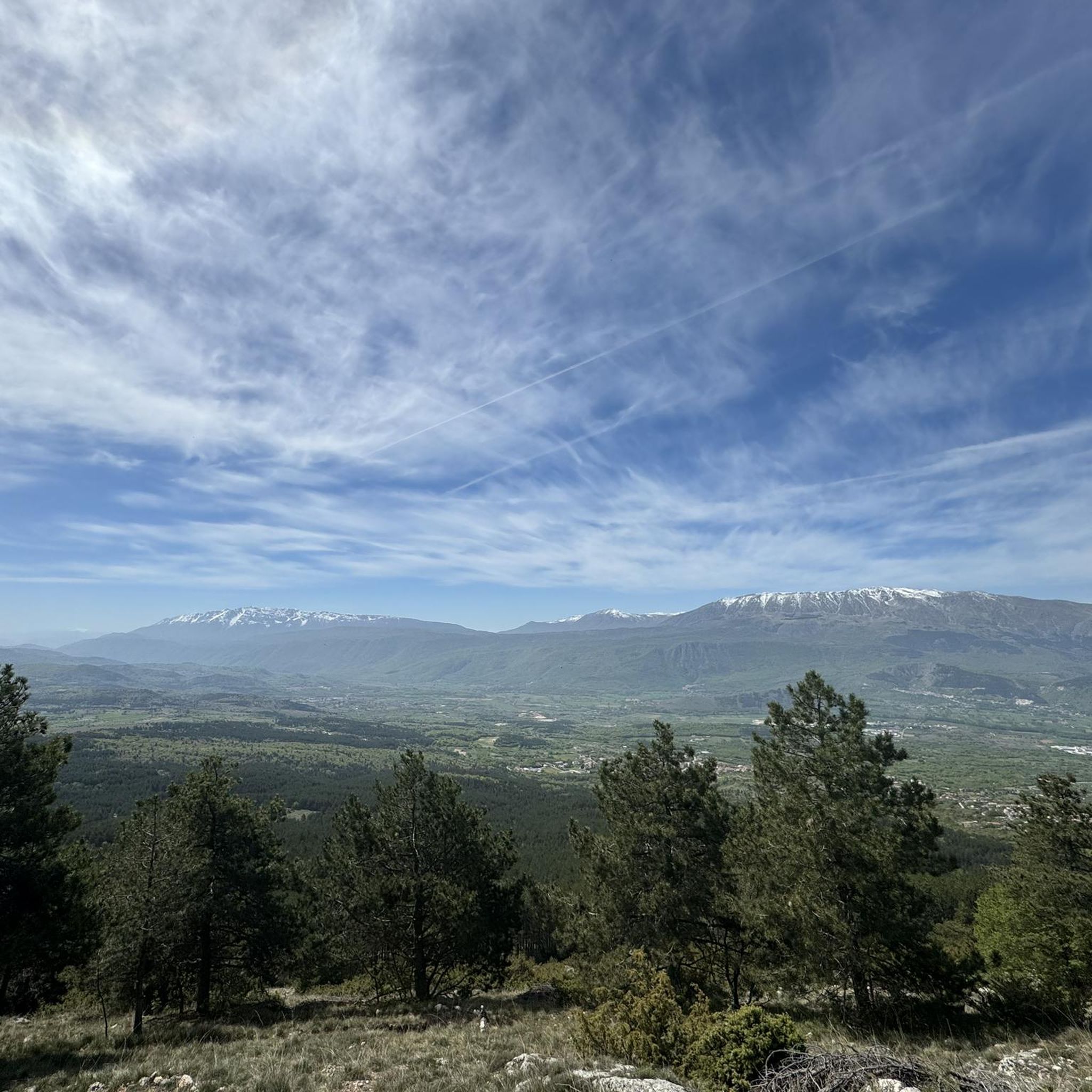
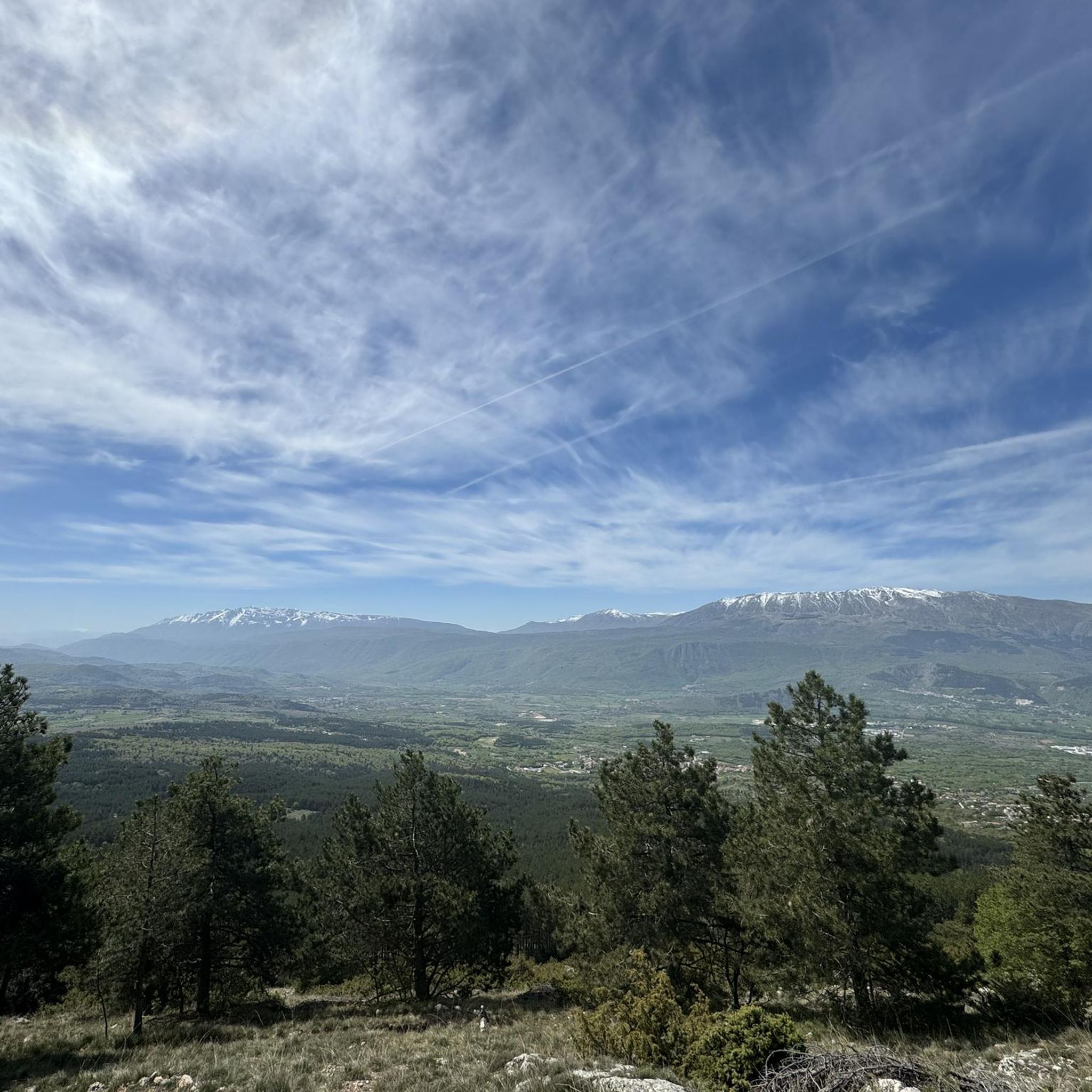
wonderful view of Rocca Calascio and Campo Imperatore
0
0

360 view of all the valleys
0
0

You can climb to the westernmost end of the rocky spur on which the castle stands. Very windy, but very beautiful.
0
0

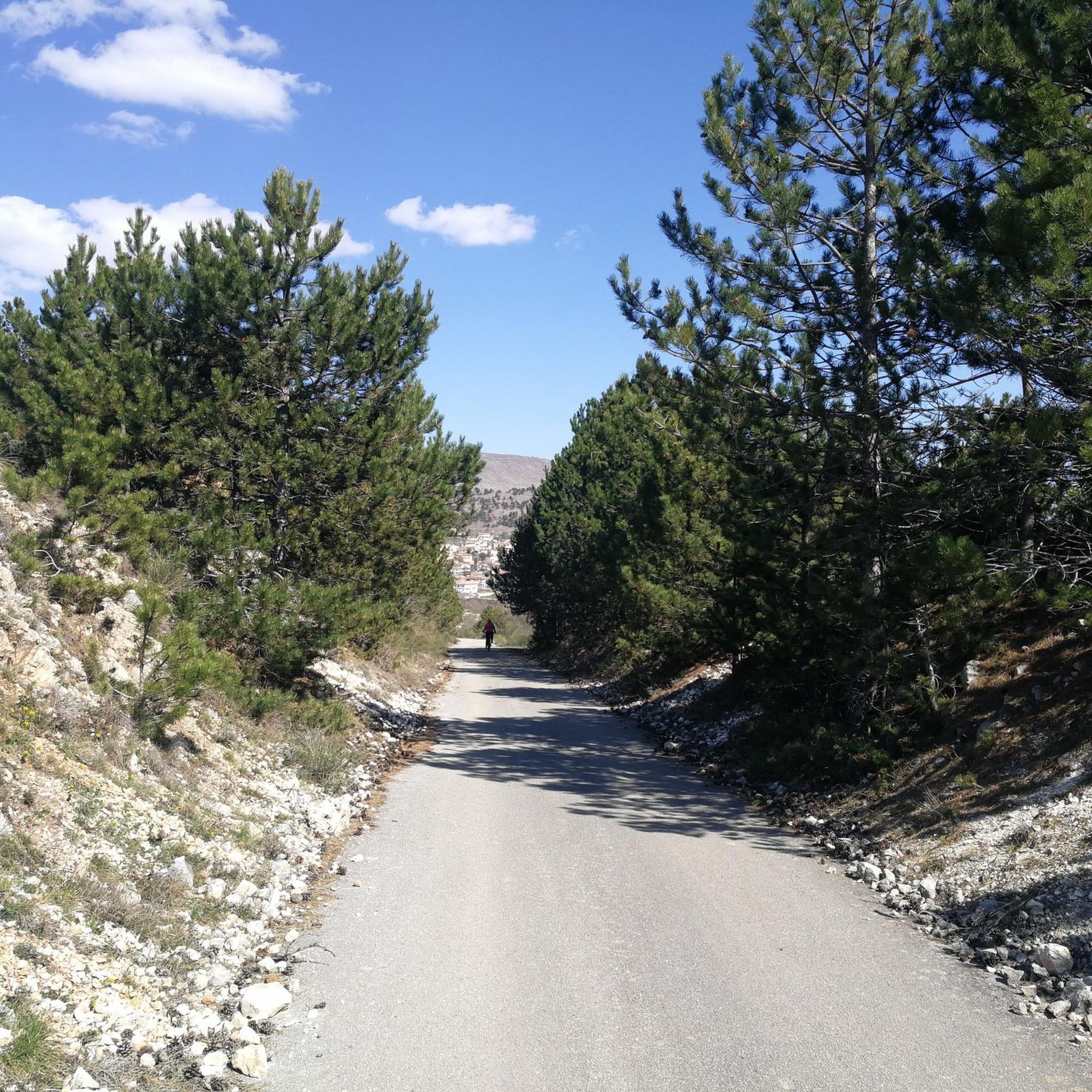
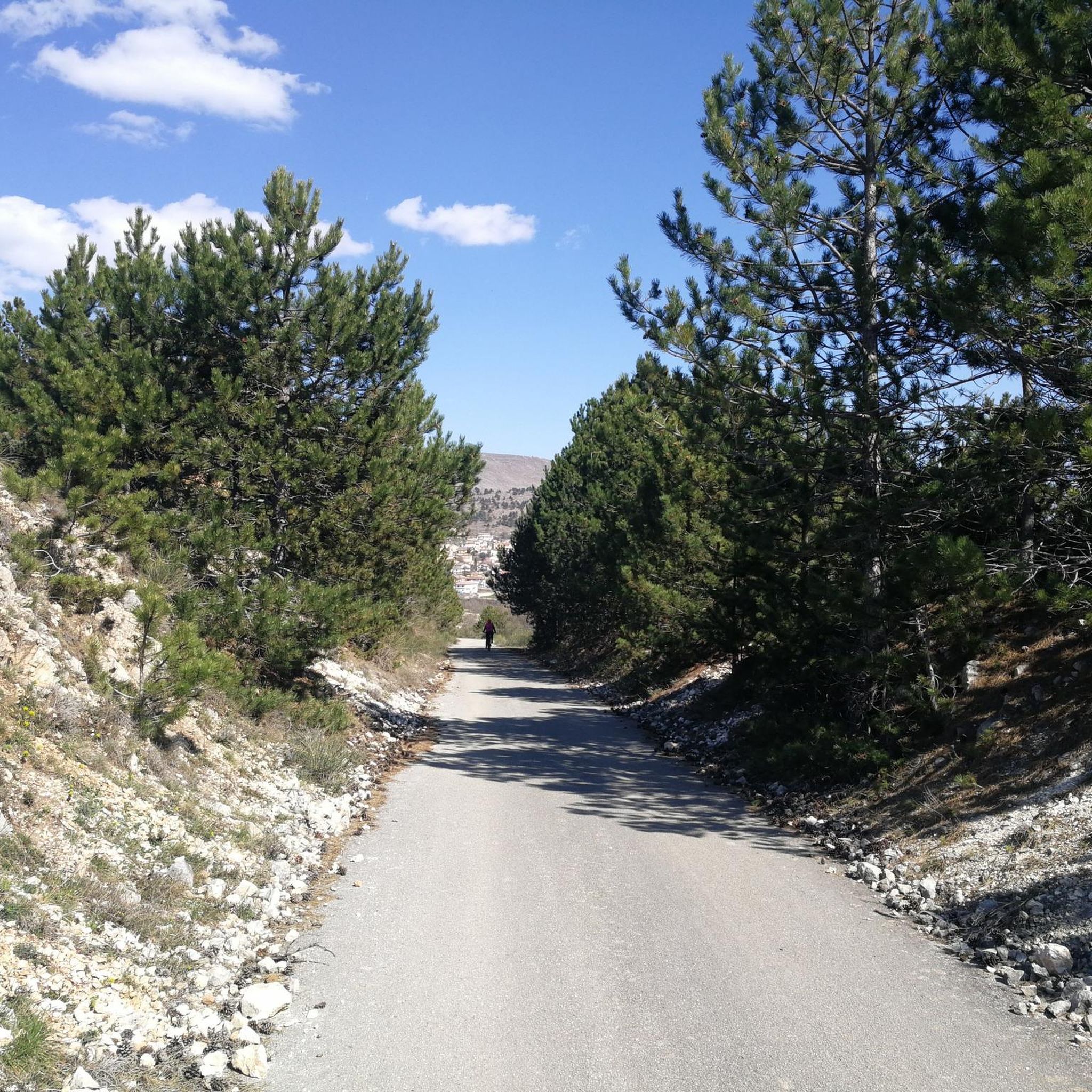
Fortified town of the Camponeschi family in the municipality of Prata D'Ansidonia
0
0
Frequently Asked Questions
Which castles offer the most impressive panoramic views?
For breathtaking vistas, visit View of Rocca Calascio and Santa Maria della Pietà. Located at over 1,400 meters, it provides stunning views of the Gran Sasso National Park. Another excellent option is Castello d'Ocre Diroccato, approximately 6 kilometers from Poggio Picenze, which sits on a hill with extraordinary panoramic views.
Are there any well-preserved castles to explore in the Poggio Picenze area?
Yes, Forte Spagnolo (Cinquecento Castle), L'Aquila is one of the largest and best-preserved examples of modern military architecture in Europe. Rocca Calascio, despite being damaged by an earthquake in 1703, underwent extensive restorations and is freely accessible. Within Poggio Picenze itself, Castello Retenga Diroccato is open to the public with guided tours.
What historical significance do the castles around Poggio Picenze hold?
The castles reflect centuries of regional history. The original Castello Poggio Picenze, dating back to the 9th century, was crucial to the town's identity. Forte Spagnolo, built in the 16th century, represents Spanish domination, though it was never used for war. Rocca Calascio served as a strategic military outpost for observation.
Are there family-friendly castles to visit near Poggio Picenze?
Yes, Forte Spagnolo (Cinquecento Castle), L'Aquila is categorized as family-friendly. Its large size and historical significance make it an engaging visit for all ages. Castello Retenga Diroccato in Poggio Picenze also offers guided tours, which can be a good option for families.
What outdoor activities can I do near these castles?
The region offers various outdoor activities. You can find numerous hiking routes, such as the 'View from Castello di Ocre – Ponte del Castello loop from Fossa' (13.9 km, moderate), or 'Rifugio Cenerale – Croce del Poggio loop from Poggio Picenze' (12.8 km, moderate). For more options, explore the Hiking around Poggio Picenze guide. There are also running and gravel biking trails available.
Are there specific hiking trails that include castle views?
Yes, the 'View from Castello di Ocre – Ponte del Castello loop from Fossa' is a moderate 13.9 km hike that offers views of Castello di Ocre. For a more challenging experience, the 'View of Rocca Calascio – Rocca Calascio Castle loop from Santo Stefano di Sessanio' is a moderate 18 km gravel biking route that takes you past Rocca Calascio. You can find more details in the Hiking around Poggio Picenze guide.
What is the best time of year to visit the castles around Poggio Picenze?
The spring and autumn months generally offer pleasant weather for exploring the castles and surrounding landscapes. Summer can be warm, especially at lower altitudes, while winter might bring snow, particularly to higher-altitude castles like Rocca Calascio, which can be very windy.
Are there any hidden gem castles or lesser-known sites worth visiting?
While not entirely hidden, Castel Camponeschi is an abandoned fortified village surrounded by natural greenery, offering a unique glimpse into a historical settlement rather than just a single castle structure. Castello Retenga Diroccato in Poggio Picenze, with its small church, also provides a more intimate historical experience.
What should I wear when visiting the castles, especially if I plan to hike?
Comfortable walking shoes are essential, especially if you plan to explore ruins or nearby trails. Layers of clothing are recommended as weather conditions can change, particularly at higher elevations like Rocca Calascio, where it can be very windy. A windproof jacket is advisable.
Are there any castles that are easily accessible or suitable for beginner walks?
While many castles involve some walking, the ruins of Castello Poggio Picenze are located within the old part of Poggio Picenze town, making them relatively accessible. For walks, the 'Lago Sinizzo loop from San Giovanni' (4.2 km, easy) is a beginner-friendly option nearby, though it doesn't directly feature a castle, it's in the general area.
What do visitors enjoy most about the castles in this region?
Visitors frequently highlight the stunning panoramic views, especially from sites like Rocca Calascio, noting its beauty at sunset. The historical atmosphere and the opportunity to explore well-preserved military architecture, such as Forte Spagnolo, are also highly appreciated. The sense of stepping back in time amidst beautiful natural scenery is a common theme.
Can I find cafes or refreshments near the castles?
While some larger towns like L'Aquila (near Forte Spagnolo) will have amenities, options directly adjacent to more remote castle ruins like Rocca Calascio or Castello d'Ocre might be limited. It's advisable to check local services in nearby villages or bring your own refreshments, especially when venturing into more rural areas.
Most popular routes around Poggio Picenze
Most popular attractions around Poggio Picenze

Get inspired with the komoot mobile app


Explore more
Looking for the best castles somewhere else? Discover other guides around Poggio Picenze:
