Top 5 Castles around Barbarano Romano
Best castles around Barbarano Romano are found within a naturally fortified medieval town. Barbarano Romano is characterized by its position atop a volcanic rock cliff, with its historical core embodying a castle-like ambiance. The town's defensive structures, including medieval walls and gates, reflect centuries of strategic planning. Visitors can explore the narrow streets and ancient stone buildings within these protective boundaries.
Best castles around Barbarano Romano
- The most popular castles is Historic Center of Sutri, a historical site that…
Last updated: June 29, 2026
Historic Center of Sutri
Highlight • Historical Site
Translated by Google •
Tip by

Civitella Cesi
Highlight • Settlement
Translated by Google •
Tip by

Sign up now to discover places like this
Get recommendations on the best single tracks, peaks, & plenty of other exciting outdoor places.
Sign up for free
Roman Tombs and Charlemagne's Castle Ruins
Highlight • Historical Site
Translated by Google •
Tip by

San Giovenale Necropolis
Highlight • Historical Site
Translated by Google •
Tip by

Rocca dei Torrioni of Ronciglione
Highlight • Castle
Translated by Google •
Tip by

Sign up for free to discover even more castles around Barbarano Romano.
Sign up for free
Already have an account?
Start today with a free account
Your next adventure awaits.
Login or Signup
Tips from the Community

The village of Sutri is located on the Via Cassia, it is worth a stop to visit the wonderful archaeological area and the rock necropolis
0
0


Built in the Middle Ages by the Prefects of Vico to guard the only natural access to the city, in the following centuries it often changed ownership, purpose and shape. It was the prerogative of the Counts of Anguillara, Della Rovere and Farnese from 1526 to 1649, under the ownership of the Della Rovere the fortress underwent the greatest changes, in particular between 1475 and 1480 with the renovation commissioned by Pope Sixtus IV and entrusted to the Florentine architect Giovanni Dolci who added the circular keep and the four fortified towers at the corners, which among other things gave the castle its current popular name "I Torrioni". Very eminent figures stayed there, including Pope Sixtus IV and Pope Paul III, but then, in 1649, it passed into the hands of the Holy See, which ceded it in 1756 to the Genoese Girolamo Marè, who, although committed to its conservation and embellishment, left it in a state of abandonment. (c) https://it.wikipedia.org/wiki/Ronciglione
0
0

Sutri is a charming town in the province of Viterbo. It is located about 30 kilometers north of Rome and has about 6565 inhabitants. The city is built on a tuff hill and has a beautiful location with many historical sights. Sutri is rich in historical sites, including a Roman amphitheater, an Etruscan necropolis, the Santa Maria del Tempio church, the Madonna del Parto church, the villa Savorelli, and the remains of a castle. In addition, there are also several historic palaces and churches in the city. The city is located on the ancient main road Via Cassia, an ancient Roman road from Rome to Tuscany. It is also an important stop on the Via Francigena, one of the oldest pilgrimage routes in Europe that runs from Canterbury to Rome.
3
0

beautiful village, I recommend to visit it
3
0

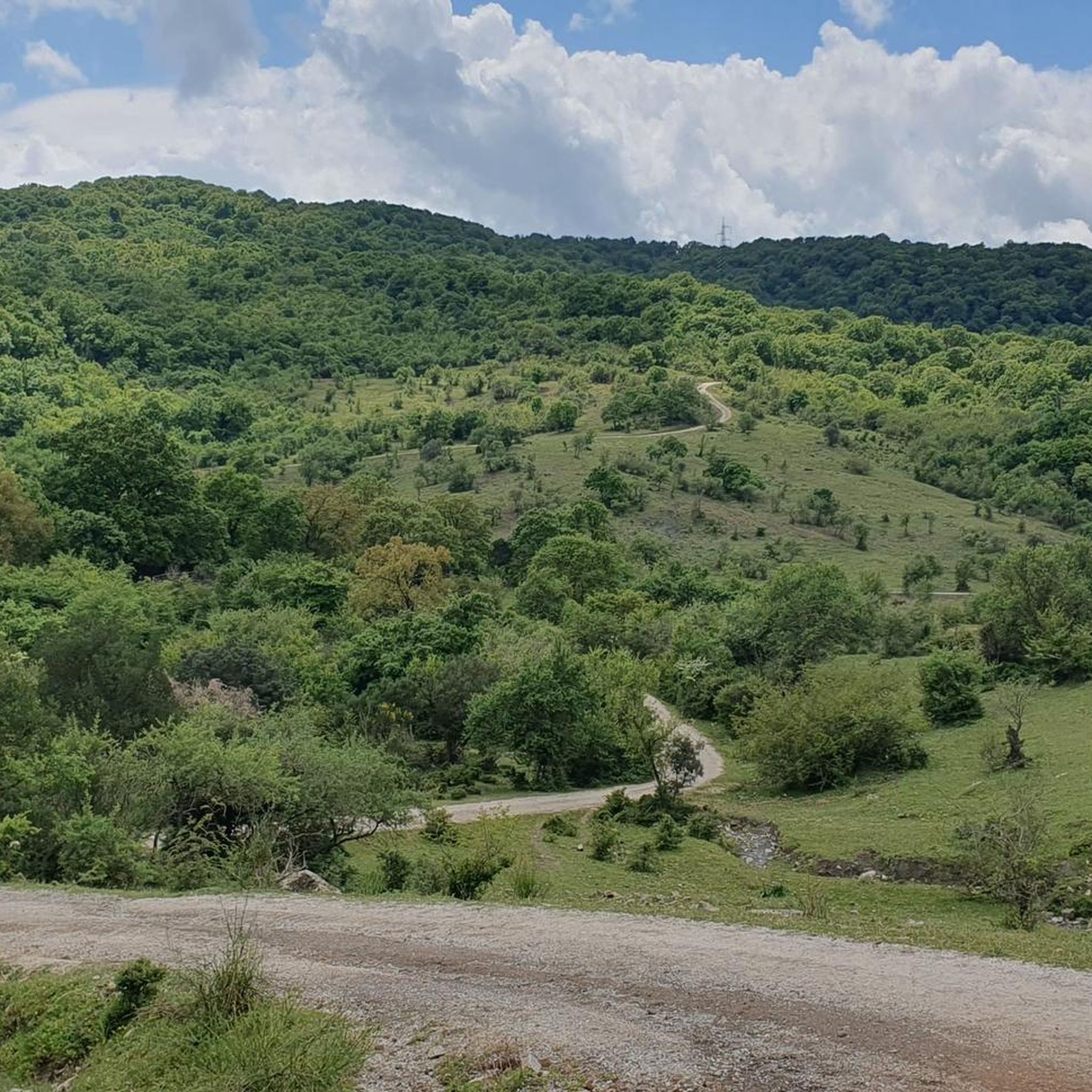
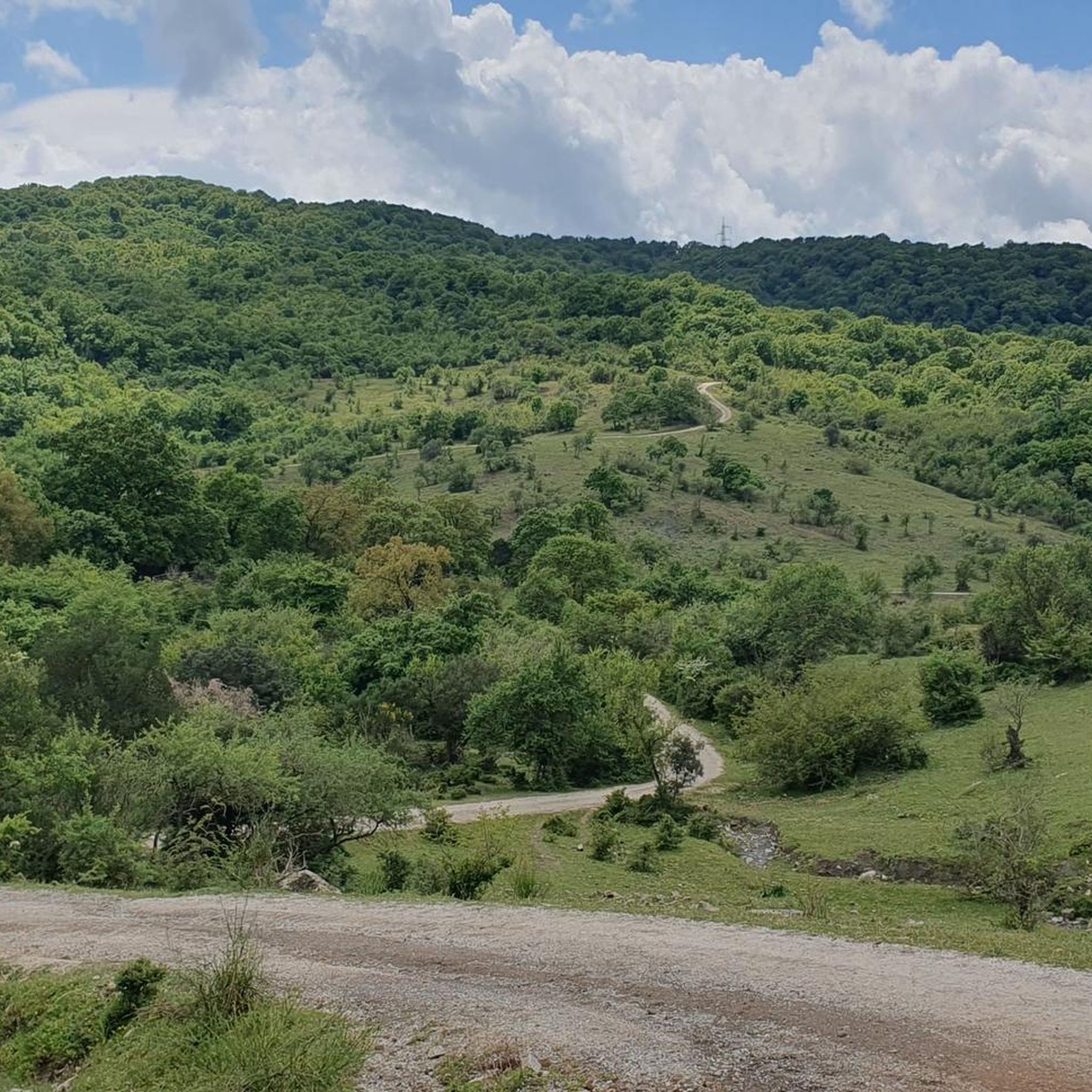
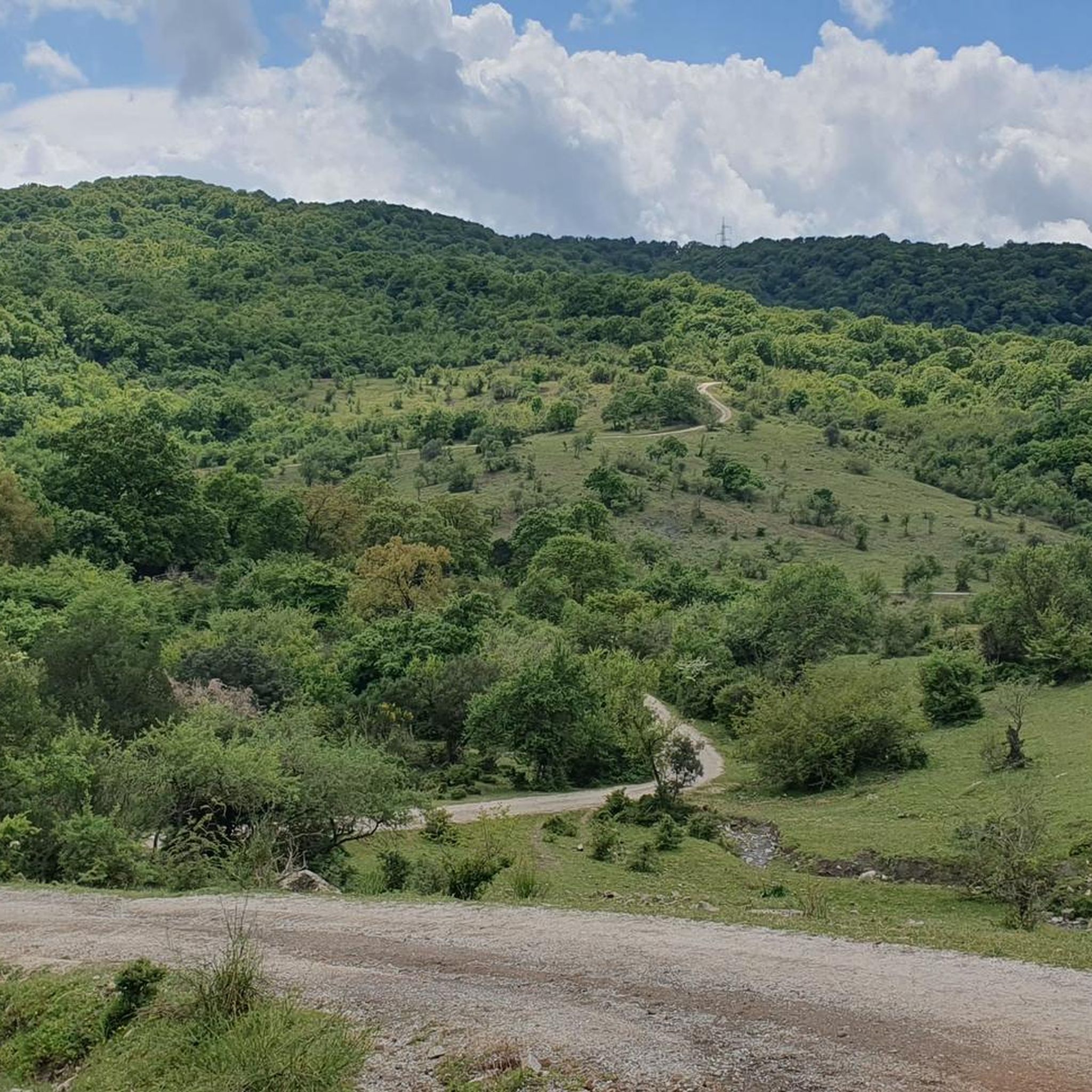
Very nice village nestled in the Tolfa Mountains, all around fabulous landscapes and wild nature
4
0

Necropolis of Etruscan origin dating back to the 7th century BC. In addition to the Etruscan tumulus and dice tombs, there are also the ruins of the later castle of medieval origins, where San Giovenale, the first bishop of Nanni, was buried.
0
0
Frequently Asked Questions
What kind of 'castles' can I expect to see in Barbarano Romano?
Barbarano Romano itself is a naturally fortified medieval village, offering a unique 'castle' experience. You'll explore its historical core, which sits atop a volcanic rock cliff, protected by medieval walls and the impressive 15th-century Porta Romana. While not a single grand castle, the entire town embodies centuries of defensive architecture and strategic planning.
Are there other notable historical sites or castle ruins near Barbarano Romano?
Yes, several fascinating sites are nearby. You can visit the Historic Center of Sutri, a charming town with Roman amphitheater, Etruscan necropolis, and castle remains. Another interesting spot is Civitella Cesi, home to the intriguing Castello Torlonia. Additionally, the San Giovenale Necropolis contains ruins of a medieval castle alongside its Etruscan tombs.
What are some hidden gems or less-known castle-related sites in the area?
Beyond the main attractions, you might explore the Roman Tombs and Charlemagne's Castle Ruins, which feature ancient rock-carved tombs and the historical site of a former castle. The Rocca dei Torrioni of Ronciglione is another significant medieval fortress with a rich history, known for its distinctive circular keep and four fortified towers.
What outdoor activities can I do near these historical sites?
The area around Barbarano Romano is excellent for outdoor enthusiasts. You can find numerous routes for mountain biking, gravel biking, and cycling. For example, explore the 'In the Marturanum regional park' cycling route or various MTB trails like the 'Civitella Cesi – Old spring (fontanile) of Oriolo loop'. For more details and routes, check out the MTB Trails around Barbarano Romano, Gravel biking around Barbarano Romano, and Cycling around Barbarano Romano guides.
Are there family-friendly options for visiting castles or historical sites in this region?
Many of the sites, including the fortified village of Barbarano Romano itself, offer an engaging experience for families. Exploring the ancient streets and defensive structures can be an adventure. Civitella Cesi is also noted as family-friendly, offering a charming village setting amidst wild nature. The nearby necropolises provide an educational glimpse into ancient history.
Can I bring my dog to the historical sites or on nearby trails?
While specific rules for each historical site may vary, the natural areas and many trails around Barbarano Romano are generally dog-friendly. Exploring the fortified village of Barbarano Romano and walking through the surrounding natural landscapes, such as those near the San Giovenale Necropolis, are often suitable for dogs on a leash. Always check local signage for any restrictions.
What is the best time of year to visit Barbarano Romano and its surrounding castles?
Spring (April-May) and Autumn (September-October) are generally the best times to visit. The weather is pleasant for exploring the outdoor historical sites and enjoying the nearby trails. Summers can be hot, while winters are cooler and can be damp, though still suitable for visits if you prefer fewer crowds.
What natural features can I expect to see around Barbarano Romano's historical sites?
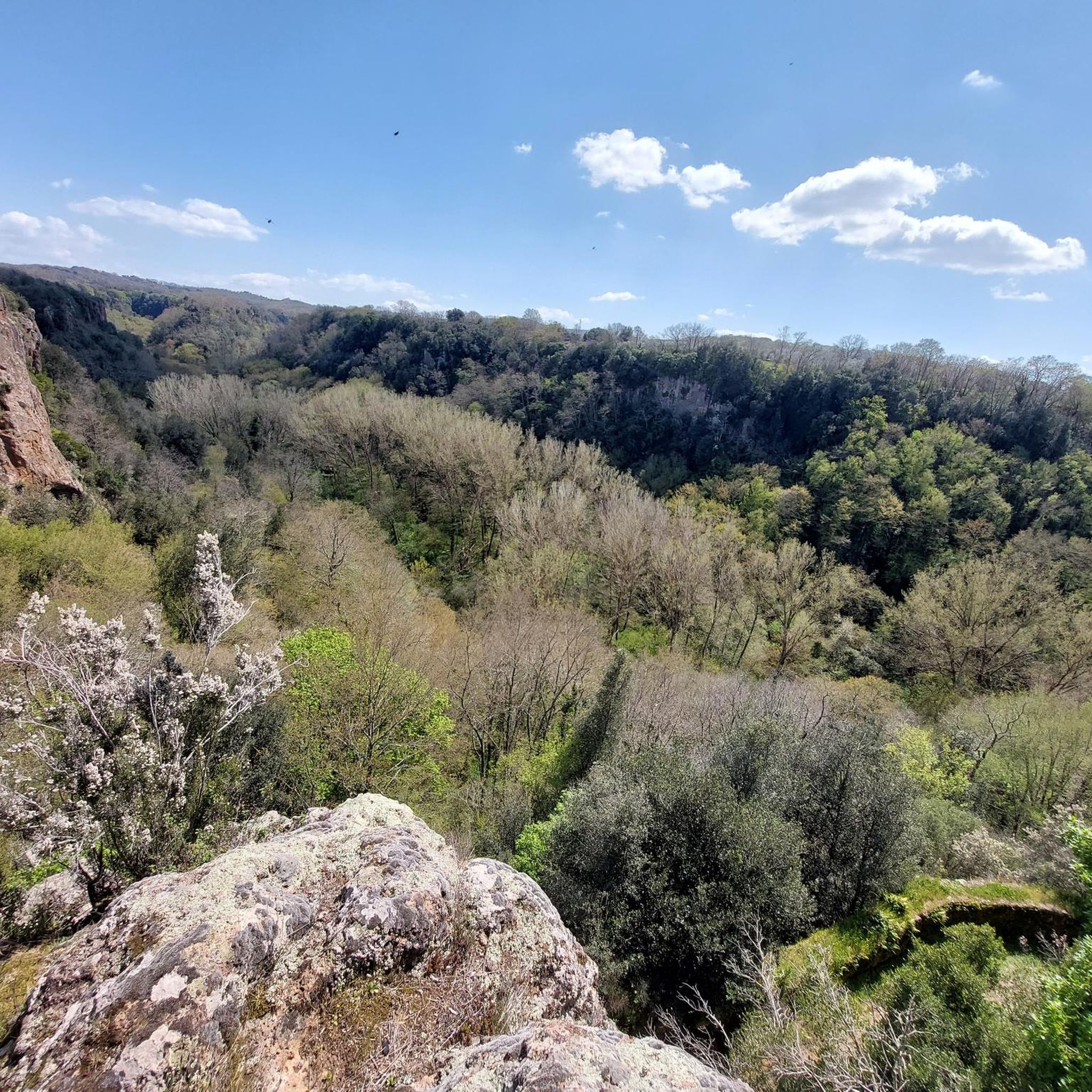
The region is characterized by its volcanic landscape, with deep gorges carved by rivers like the Biedano. You'll find lush vegetation, ancient forests, and dramatic tuff cliffs. The area around Civitella Cesi, for instance, is known for its 'wild nature' in the Tolfa Mountains, offering scenic views and opportunities for wildlife spotting.
Are there any cafes or places to eat near the historical sites in Barbarano Romano?
Yes, within the historic center of Barbarano Romano, you'll find local cafes and trattorias where you can enjoy traditional Italian fare and refreshments. Similarly, towns like Sutri and Ronciglione, which host other notable historical sites, also offer dining options for visitors.
What do visitors enjoy most about exploring the castles and historical sites around Barbarano Romano?
Visitors frequently appreciate the authentic medieval atmosphere of Barbarano Romano's fortified village, the rich history embedded in sites like Sutri's Roman amphitheater and Etruscan necropolis, and the wild natural beauty surrounding places like Civitella Cesi. The blend of history, culture, and outdoor exploration is a major draw, with many highlighting the charm of the villages and the scenic landscapes.
Is public transport available to reach Barbarano Romano or nearby historical sites?
Public transport options to Barbarano Romano and some nearby towns exist, primarily via local bus services from larger hubs like Viterbo. However, to fully explore the various historical sites and access trailheads, having a car often provides more flexibility. It's advisable to check local bus schedules in advance for specific routes and timings.
Most popular routes around Barbarano Romano
Most popular attractions around Barbarano Romano

Get inspired with the komoot mobile app


Explore more
Looking for the best castles somewhere else? Discover other guides around Barbarano Romano:
