Top 5 Caves around Faleria
Best caves around Faleria are found in a region characterized by its volcanic origins and ancient human settlements. The area features natural karst formations, including impressive geological structures shaped by water erosion. Faleria also contains historical cave walls and dwellings, reflecting ancient inhabitants' adaptation to the tuff cliffs. These sites offer insights into both geological processes and historical human interaction with the landscape.
Best caves around Faleria
- The most popular caves is Necropolis of Cavo degli Zucchi, a historical…
Last updated: November 27, 2026
Church of Santa Romana
Highlight • Religious Site
Translated by Google •
Tip by

Meri del Soratte Karst Sinkholes
Highlight • Cave
Translated by Google •
Tip by
Sign up now to discover places like this
Get recommendations on the best single tracks, peaks, & plenty of other exciting outdoor places.
The Cavoni of Nepi
Highlight • Gorge
Translated by Google •
Tip by

Necropolis of Cavo degli Zucchi
Highlight • Historical Site
Translated by Google •
Tip by
Faliscan Necropolis Cavone of Monte Li Santi
Highlight • Historical Site
Translated by Google •
Tip by

Sign up for free to discover even more caves around Faleria.
Already have an account?
Start today with a free account
Your next adventure awaits.

Tips from the Community

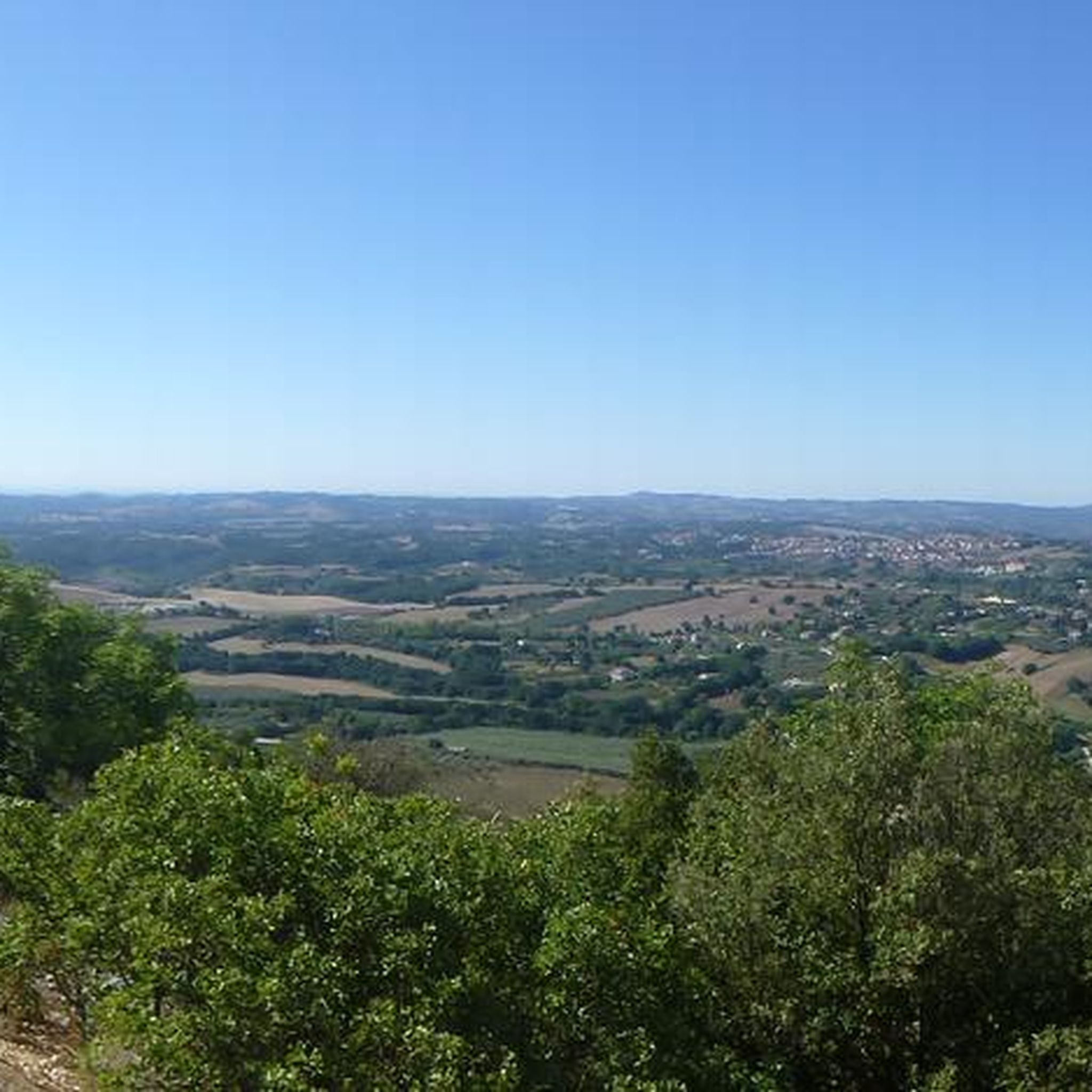
The hermitage of Santa Romana, in Sant’Oreste sul Monte Soratte, is a rock-hewn church carved into a cave on the northeast side of the mountain, in a wooded and very evocative setting. According to tradition, it was consecrated in 1218, but the site seems to have even older origins, perhaps also linked to pre-Christian cults. The site preserves remains of walls and ruins that show how the hermitage was larger than it appears today, as well as frescoes visible on the damp cave walls. Inside there is also a marble basin that collects water dripping from the rock, traditionally used for devotion by women who lacked milk,
0
0

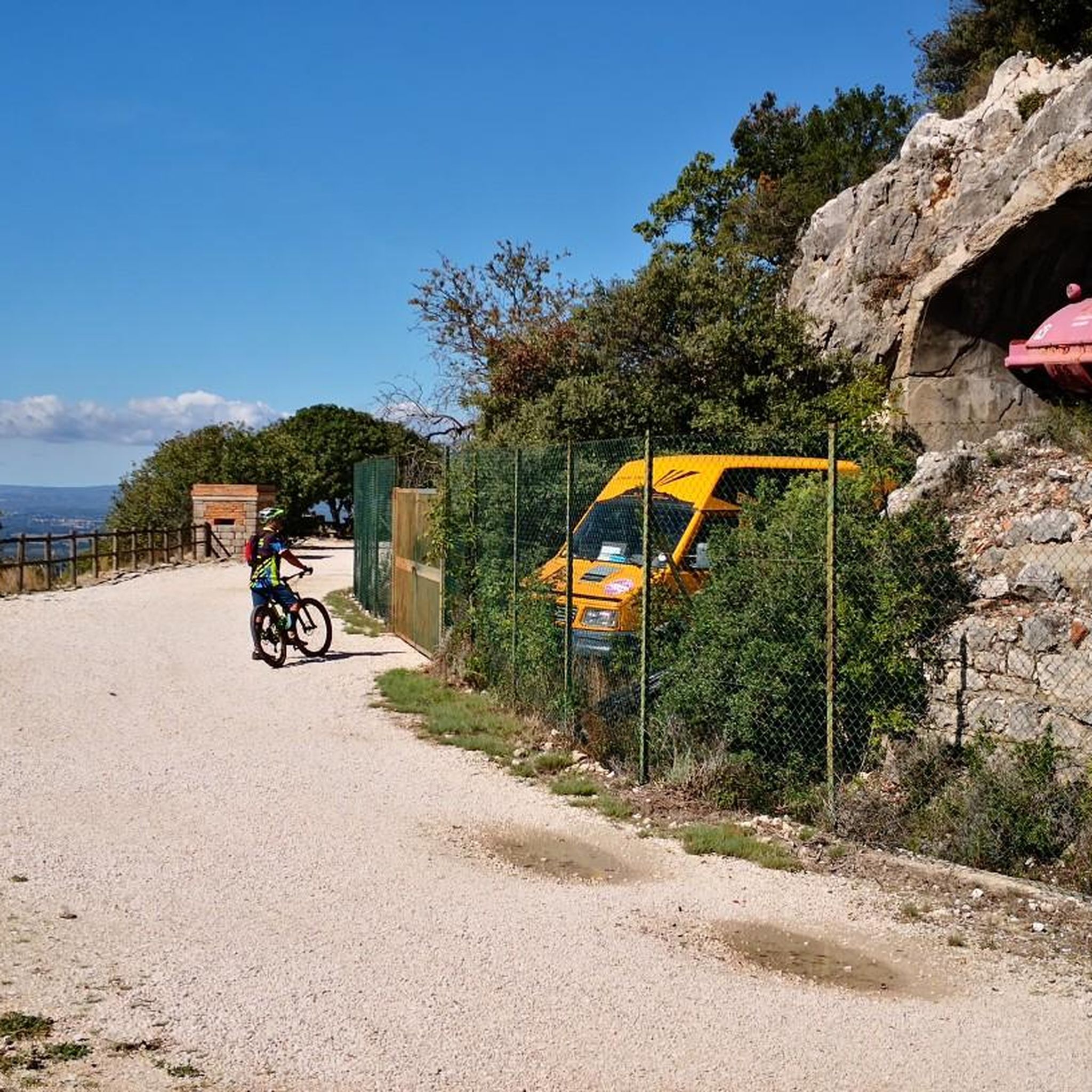
The meri are very deep karst cavities. Easy path to follow. Start from the large Sant'Oreste car park, the one below the road. There are three of them, all close together. On the same path, a little further on, there is the church in the cave of Santa Romana, a beautiful place that deserves to be visited.
0
0


Etruscan necropolis located on the ancient Via Amerina in the municipality of Fabrica di Roma
1
0

Between Calcata and Mazzano you can admire in several points ancient tombs and structures of the Etruscan people of the Falisci.
0
0

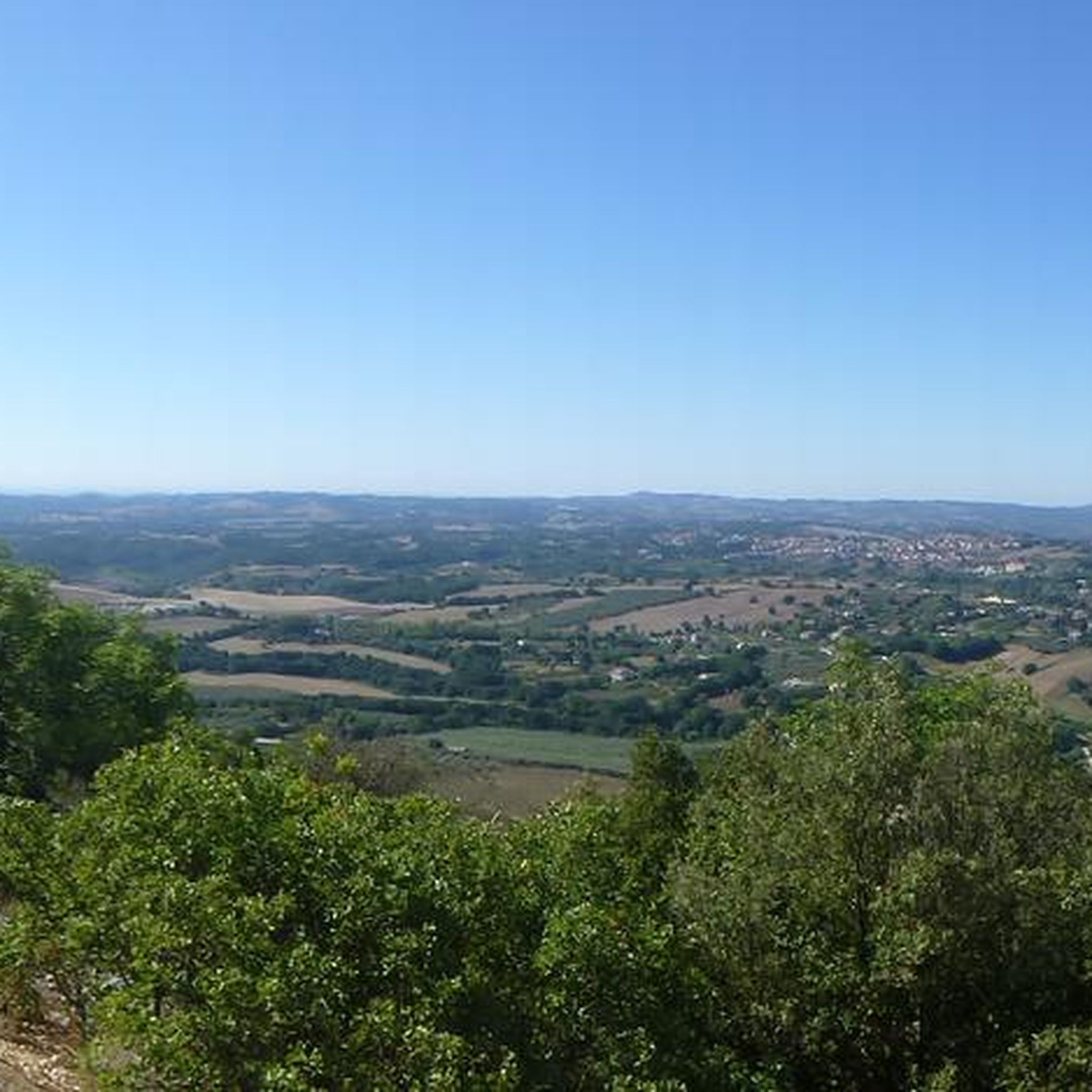
The Necropolis of Cavo degli Zucchi is the largest existing Faliscan necropolis. It is suggestive to walk among the tombs dug into the walls of the cut that runs along the road.
1
0
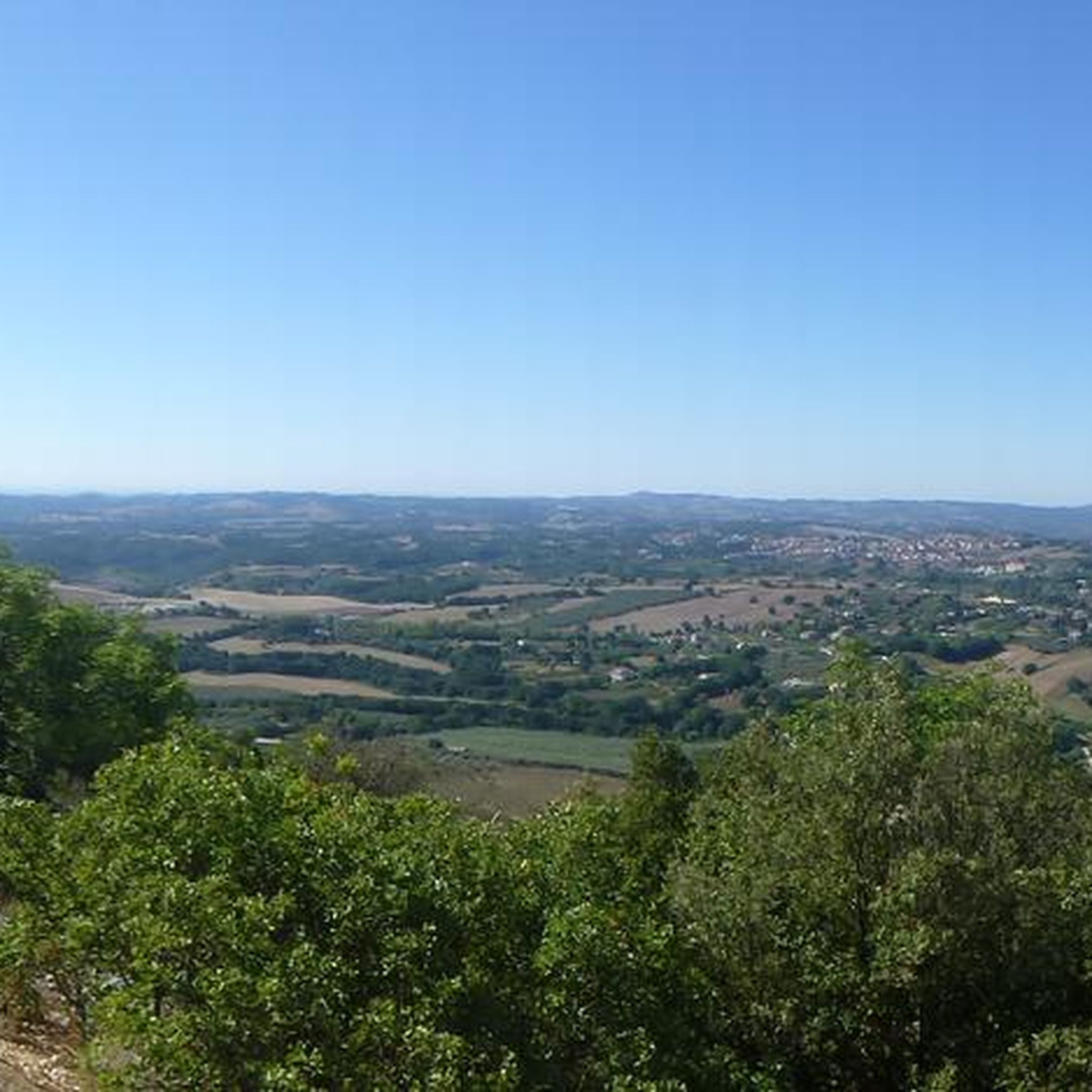
The Cavoni appear very similar to the gorges and are one of the most important examples of the impressive engineering works of the ancient Falisci civilization. The communication routes of this ancient people were dug by hand in the tuff.
4
0

Impressive hand-carved rock paths. 3000 years old!!!
0
0
Frequently Asked Questions
What types of caves can I explore around Faleria?
Faleria offers a mix of natural karst formations and historical cave dwellings. You can find impressive geological structures shaped by water erosion, as well as ancient necropolises and rock-cut structures carved into tuff cliffs by early inhabitants.
Are there natural karst caves near Faleria?
Yes, the region features natural karst formations, such as the Meri del Soratte Karst Sinkholes. These are three deep karst cavities known since ancient times, offering an easy path for exploration. The broader area also includes the Caves of the Valley of Hell, characterized by stalactites, stalagmites, and other geological features.
Can I visit historical cave dwellings or ancient rock-cut sites in Faleria?
Absolutely. Faleria is rich in historical rock-cut structures. You can visit the Necropolis of Cavo degli Zucchi, the largest existing Faliscan necropolis with tombs dug into the road's cut. Another significant site is the Faliscan Necropolis Cavone of Monte Li Santi, where you can admire ancient Etruscan tombs and structures.
What is the difficulty level for exploring caves and rock formations in the Faleria area?
The difficulty varies. For instance, the path to the Meri del Soratte Karst Sinkholes is considered easy. However, some natural karst areas, like the Caves of the Valley of Hell, may involve hiking routes of moderate difficulty. Historical sites like the Cavoni of Nepi, with their impressive hand-carved rock paths, are generally intermediate.
Are there any unique historical sites built within caves near Faleria?
Yes, the Church of Santa Romana is a unique historical site. Consecrated in 1218, this church was built inside a cave, offering a distinctive blend of religious history and natural setting.
What outdoor activities can I do near these caves?
The area around Faleria is excellent for outdoor activities. You can find numerous hiking trails, such as those detailed in the Hiking around Faleria guide, including routes to the Monte Gelato Waterfalls or the Calcata Loop Trail. There are also options for MTB Trails and Road Cycling Routes, with trails leading through scenic landscapes and past historical sites.
Is it possible to visit the historical hand-carved paths of the Falisci civilization?
Yes, you can explore sites like The Cavoni of Nepi. These are impressive hand-carved rock paths, dating back 3000 years, which served as communication routes for the ancient Falisci civilization. They offer a fascinating glimpse into ancient engineering.
What is the best time of year to visit the caves and historical sites around Faleria?
The Lazio region, where Faleria is located, generally experiences mild winters and hot summers. Spring (April-June) and Autumn (September-October) are often ideal for exploring outdoor sites, offering pleasant temperatures for hiking and sightseeing without the intense summer heat.
Are the caves and historical sites around Faleria family-friendly?
Many sites are suitable for families. For example, the path to the Meri del Soratte Karst Sinkholes is easy to follow, making it accessible for families. Historical necropolises can also be explored by families interested in ancient history, though some paths might be uneven.
Do I need a permit to visit the caves or historical sites in Faleria?
Generally, for publicly accessible natural formations and historical sites like the necropolises, a specific permit is not required for casual visits. However, for any organized tours or access to more restricted areas, it's always advisable to check with local tourism information or specific site management. For general information about the region, you can visit visitlazio.com.
What geological features can I expect to see in the natural caves near Faleria?
In the natural karst formations, particularly in areas like the Caves of the Valley of Hell, you can expect to see a 'spectacle of nature' including stalactites, stalagmites, grooves, corrosion basins, and furrows. These are all formed by the corrosive action of rainwater on large limestone ridges.
Most popular attractions around Faleria

Get inspired with the komoot mobile app


Explore more
Extend your search for the best caves by checking out these guides of the top ones around Faleria:
