Top 6 Gorges around Sutri
Best canyons around Sutri are characterized by deep ravines carved into volcanic tuff, forming a unique geological landscape. These natural features are integral to Sutri's historical significance, housing ancient structures. The area offers a tangible connection to its Etruscan and Roman past, with many sites seamlessly integrated into the tuff landscape. Sutri itself is situated on a narrow tuff hill, historically protected by these ravines.
Best canyons around Sutri
- The most popular canyons is Via Francigena, a trail that…
Last updated: August 23, 2026
Via Francigena
Highlight (Segment) • Trail
Path that runs parallel to the stream and crosses it with wooden bridges in several points.
It …
Translated by Google •
Tip by

The Cavoni of Nepi
Highlight • Gorge
Translated by Google •
Tip by

Sign up now to discover places like this
Get recommendations on the best single tracks, peaks, & plenty of other exciting outdoor places.
Sign up for free
Wooden Bridge and Cavoni of Nepi
Highlight • Bridge
Translated by Google •
Tip by

Singletrack in the Gorge, Parco Naturale Regionale di Bracciano - Martignano
Highlight (Segment) • Trail
Translated by Google •
Tip by

Tagliata Fantibassi
Highlight • Gorge
The Tagliata Fantibassi is about 190 meters long, its walls are about 10-14 meters high, the …
Translated by Google •
Tip by
Sign up for free to discover even more gorges around Sutri.
Sign up for free
Already have an account?
Start today with a free account
Your next adventure awaits.
Login or Signup



Tips from the Community

A truly fun section of the Via Francigena to cycle: but watch out for pedestrians
0
0

Beautiful singletrack that descends into a gorge in the woods. You can do it by MTB but it's easy and it's best to do it in the direction of Oriolo
0
0


Very suggestive place near the Nepi Cavoni and the beginning of the path that leads to the Picchio waterfall
0
0

The Tagliate, or dark quarries, are very ancient roads carved into the sulphurous rock. The Tagliata Fantibassi is about 190 meters long, its walls are about 10-14 meters high, the road is 4 meters wide even if it sometimes narrows down to 1 meter. The average slope of the track is approximately 15%.
0
0
The Cavoni appear very similar to the gorges and are one of the most important examples of the impressive engineering works of the ancient Falisci civilization. The communication routes of this ancient people were dug by hand in the tuff.
4
0

Impressive hand-carved rock paths. 3000 years old!!!
0
0

Half towards Sutri very beautiful, slight descent (taking it from Sutri), wide, you go with the stream on the left: very very beautiful! Little mud and in January nice stretches of thick frost, but no problem. Halfway through the bridge, you pass on the left bank, always going from Sutri towards Capranica, and the affair becomes complicated: the path becomes narrow, very narrow passages between the boulders, sections with handrails (little space). It is done, but by pushing the bike. Second stretch (after another bridge that leads back to the other bank), again narrow passages, remarkable roots, steep steep slopes, a little more mud and several trees felled sideways. The frame remains beautiful anyway!
1
0
Frequently Asked Questions
What makes the canyons around Sutri unique?
The 'canyons' around Sutri are distinctive for being deep ravines carved into volcanic tuff, rather than conventional arid formations. This unique geological landscape is deeply intertwined with Sutri's rich history, housing remarkable ancient structures. The entire area offers a tangible connection to its Etruscan and Roman past, with many sites seamlessly integrated into the tuff landscape.
What historical sites can I explore within the Sutri canyons?
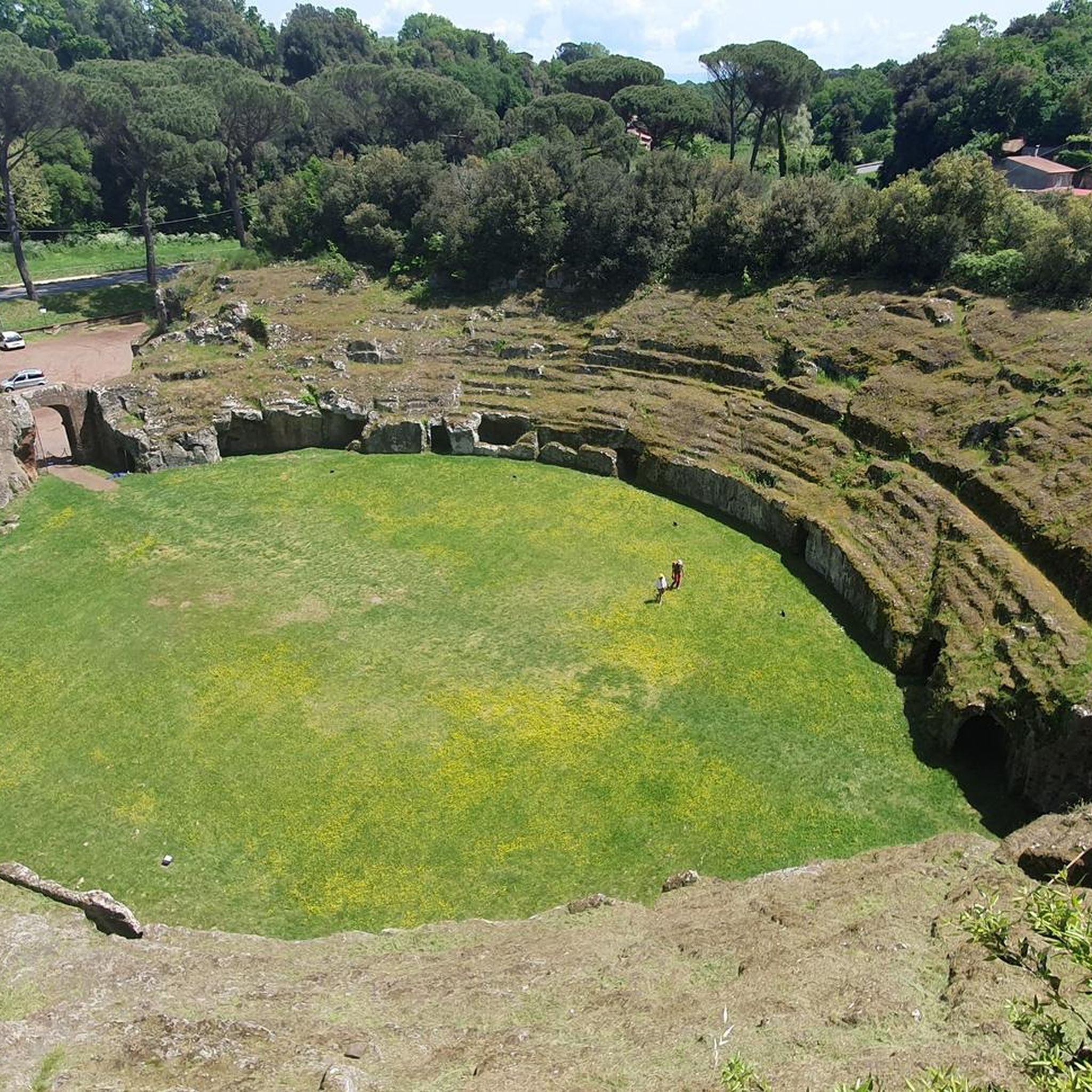
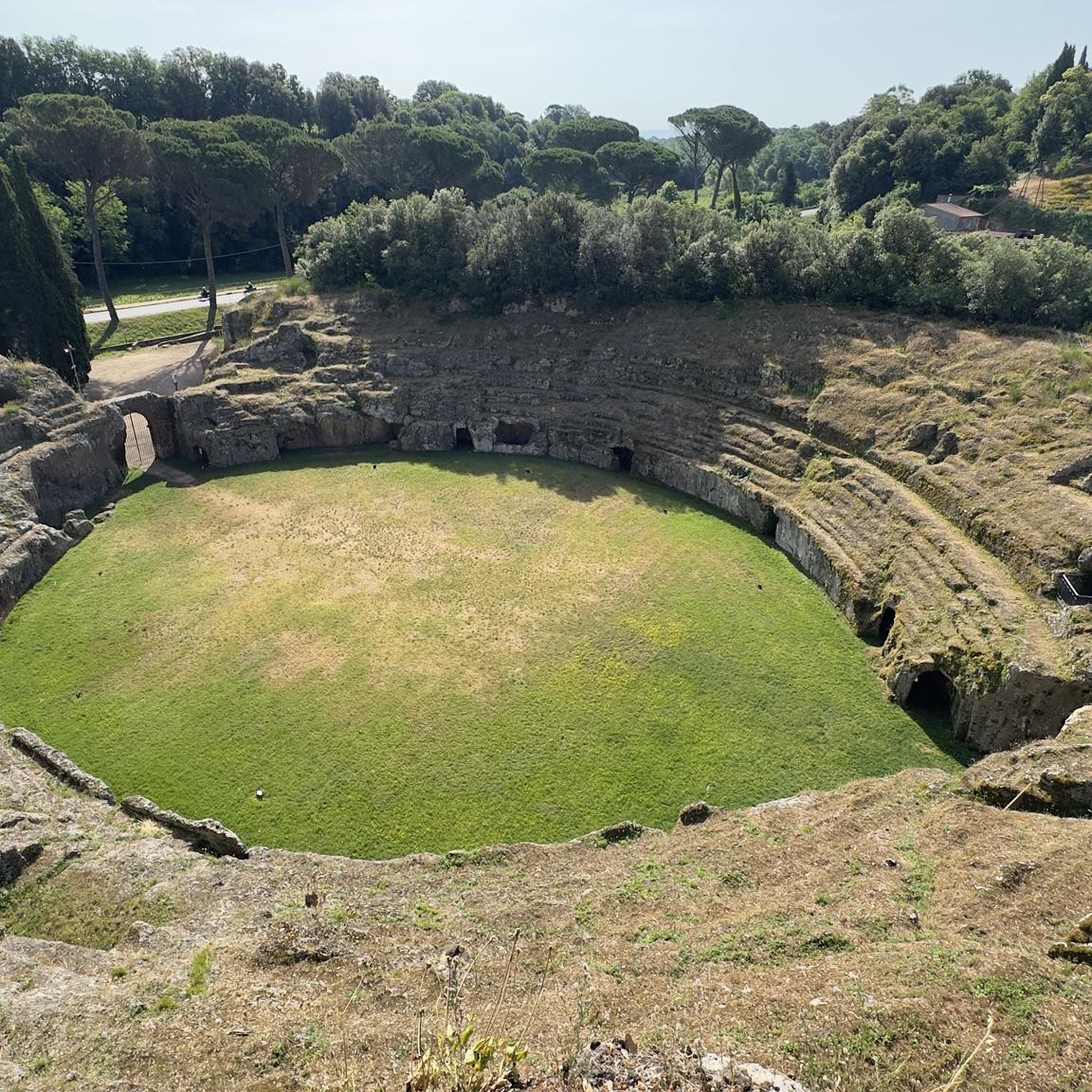
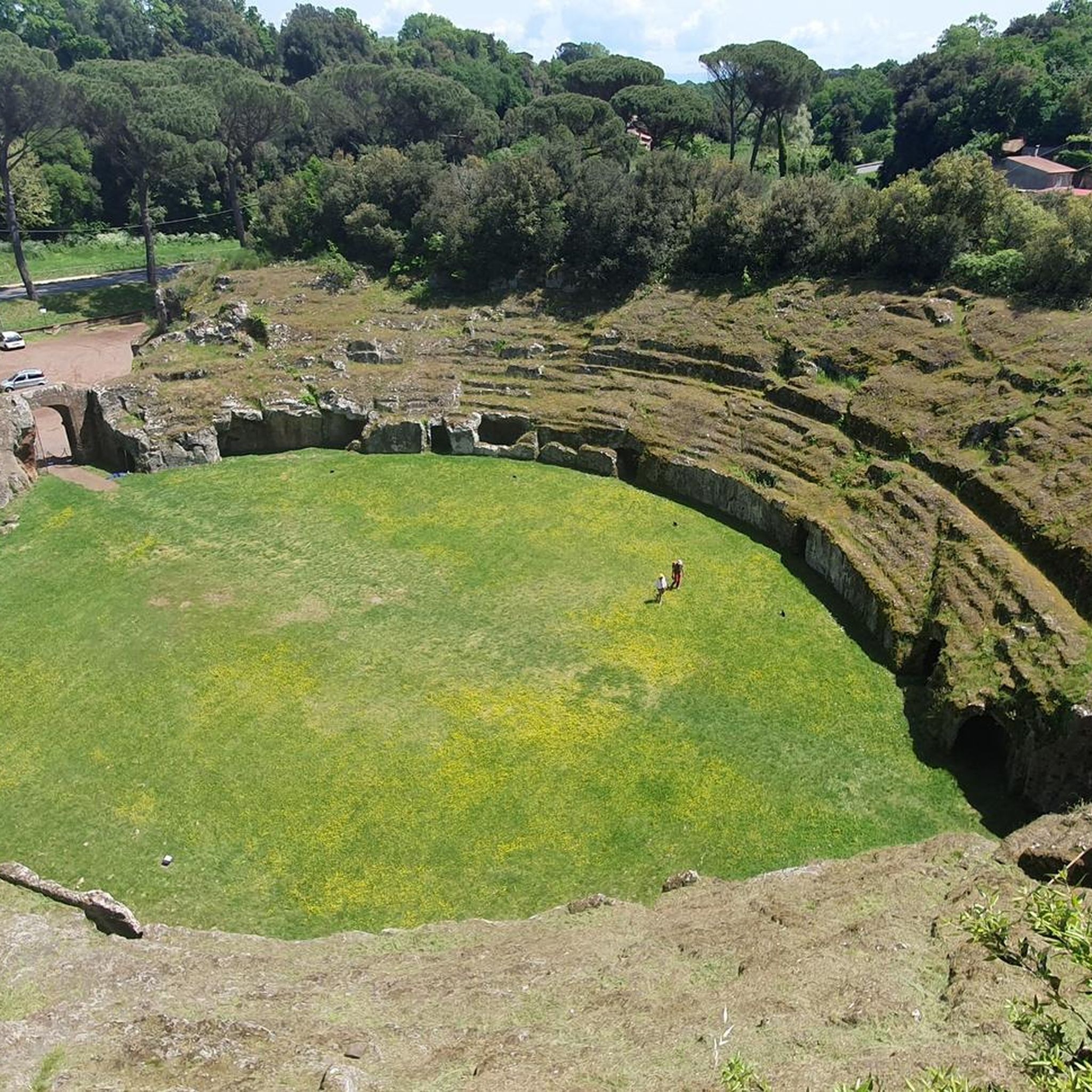
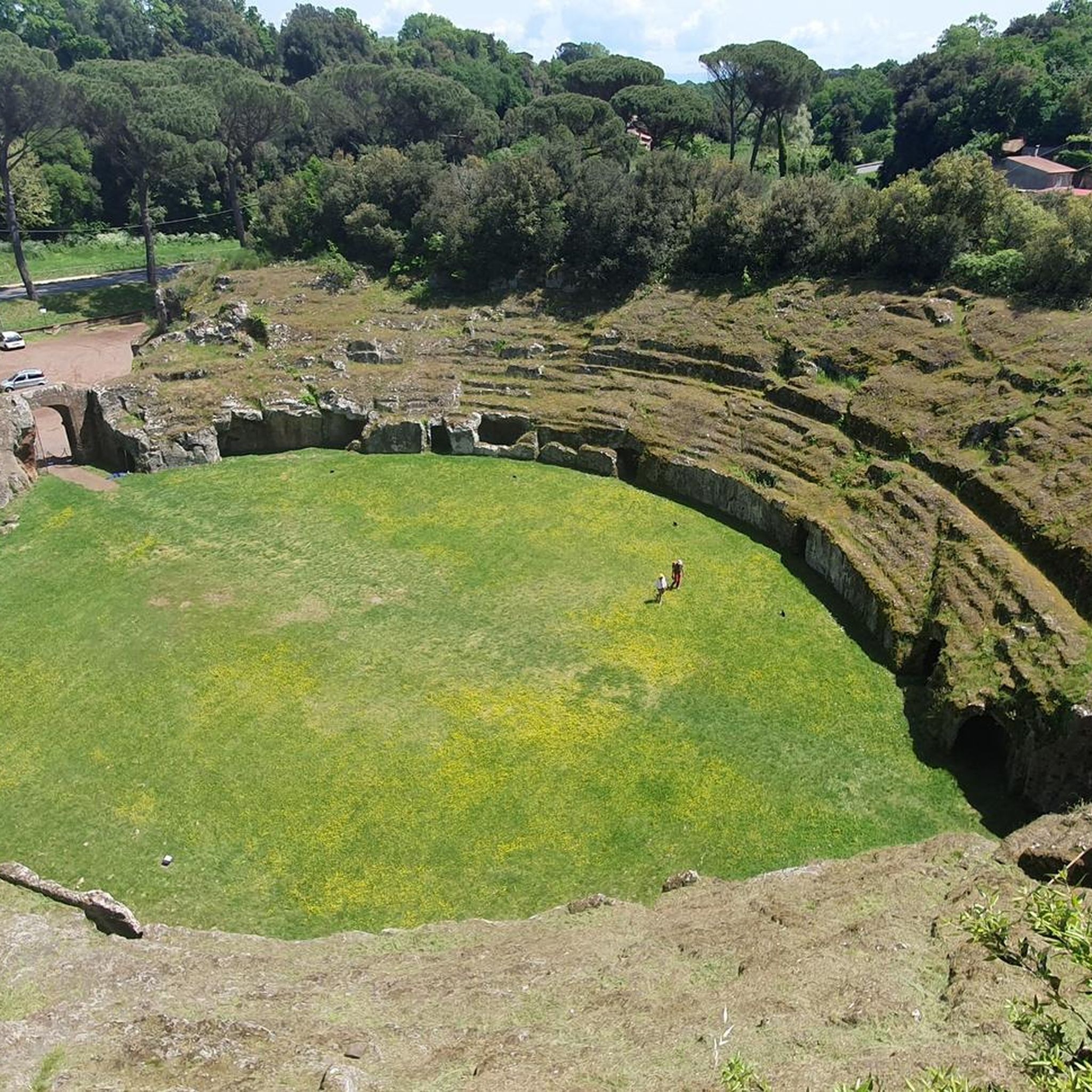
The **Parco Urbano dell'Antichissima Città di Sutri** is home to several significant historical sites carved directly into the tuff ravines. You can explore a unique 1st-century Roman Amphitheater, entirely excavated from the rock, and an extensive Etruscan Necropolis with rock-cut tombs dating back to the 4th century BC. Another fascinating site is the Mithraeum, which began as an Etruscan tomb before becoming a Roman Mithraic temple and later a Christian church, the Church of Madonna del Parto, featuring ancient frescoes.
Are there specific hiking trails to explore the canyons?
Yes, there are several trails that allow you to explore the canyons. A popular option is a section of the Via Francigena, which leads from Capranica to the ruins of Sutri, running parallel to a stream and crossing it with wooden bridges. You can also explore the impressive hand-carved rock paths known as The Cavoni of Nepi, which are ancient Falisci engineering works.
What are the 'Cavoni' and where can I find them?
The 'Cavoni' are ancient communication routes and paths, such as The Cavoni of Nepi, that were hand-carved into the tuff rock by the ancient Falisci civilization over 3000 years ago. These impressive rock paths are significant examples of early engineering. You can find them near Nepi, where they also lead to sites like the Wooden Bridge and Cavoni of Nepi, which marks the beginning of the path to the Picchio waterfall.
What is the best time of year to visit the canyons around Sutri?
Visiting in spring or autumn is generally recommended. The weather is milder, making it ideal for exploring the outdoor archaeological park and hiking trails. During these seasons, the natural beauty of the ravines is enhanced, and the historical sites are comfortable to visit without the intense heat of summer.
Are there family-friendly options for exploring the Sutri canyons?
Yes, the **Parco Urbano dell'Antichissima Città di Sutri** offers a beautiful walk through nature and history that can be enjoyed by families. While some sections of trails like the Via Francigena can be technical, there are easier paths. For specific family-friendly hiking routes, you can explore options listed in the Hiking around Sutri guide, such as the 'Walk from Sutri towards the waterfalls and the secret Etruscan path - suitable for children'.
Can I bring my dog on the trails in the Sutri canyons?
Many outdoor areas in Italy, including natural parks, generally allow dogs on trails, often requiring them to be on a leash. While specific rules for the Sutri canyons are not detailed, it's advisable to keep your dog leashed, especially around historical sites and other visitors. Always carry waste bags and ensure your dog is well-behaved.
What other outdoor activities are available near Sutri's canyons?
Beyond exploring the canyons, Sutri offers a variety of outdoor activities. You can find numerous hiking trails, including easy and moderate options, as detailed in the Hiking around Sutri guide. For cyclists, there are extensive routes for both touring bicycles and road cycling, with options ranging from easy to difficult, which you can find in the Cycling around Sutri and Road Cycling Routes around Sutri guides.
How can I get to the Sutri canyons, and is parking available?
Sutri is located in the Lazio region of Italy. The main area for exploring the canyons and historical sites is the **Parco Urbano dell'Antichissima Città di Sutri**. It is generally accessible by car, and parking is typically available near the entrance to the archaeological park. Public transport options might be limited, so checking local bus schedules to Sutri is recommended if you're not driving.
What are the geological features of the canyons around Sutri?
The canyons around Sutri are characterized by deep ravines and gorges carved into soft volcanic tuff rock. This unique geology has allowed for the excavation of ancient structures directly into the cliffs, such as the Roman Amphitheater and Etruscan Necropolis. The tuff formations create a dramatic landscape, with impressive rock walls and natural shelters, which historically also served as natural defenses for the town.
Do I need a permit to hike in the Sutri canyons?
Generally, you do not need a specific permit to hike the public trails within the **Parco Urbano dell'Antichissima Città di Sutri** or other natural areas around Sutri. Access to the archaeological park itself might have an entrance fee, but hiking on the natural paths is usually free. It's always a good idea to check the official park website for any updated regulations or specific site access requirements before your visit.
Where can I find accommodation or food near the Sutri canyons?
Sutri is a historic town with various options for accommodation, including hotels, B&Bs, and agriturismos. You'll also find a selection of restaurants and cafes in the town center where you can enjoy local cuisine after exploring the canyons. These amenities are typically within a short distance of the archaeological park and canyon trails.
What is the 'Tagliata Fantibassi'?
The Tagliata Fantibassi is an ancient road, also known as a 'dark quarry', carved into the sulphurous rock. It is approximately 190 meters long, with walls reaching 10-14 meters high, and a width of about 4 meters, narrowing to 1 meter in some sections. These 'Tagliate' are historical examples of ancient engineering, similar to the Cavoni, providing a glimpse into the region's past communication routes.
Most popular attractions around Sutri

Get inspired with the komoot mobile app


Explore more
Already discovered everything in this region? See additional gorges around Sutri for your next adventure:
