Top 5 Caves around Palombara Sabina
Best caves around Palombara Sabina are found within an area rich in karst phenomena, located in the heart of the Monti Lucretili Regional Natural Park. This region features significant geological formations, including sinkholes and various cave types. Visitors can explore sites of natural beauty and historical interest, offering insights into both geological processes and ancient human activity. The diverse landscape provides opportunities to observe unique ecosystems and impressive natural monuments.
Best caves around Palombara Sabina
- The most popular caves is…
Last updated: June 29, 2026
Gattaceca and Barco Nature Reserve
Highlight • Forest
Translated by Google •
Tip by

Caves at Villa Gregoriana
Highlight • Cave
Translated by Google •
Tip by

Sign up now to discover places like this
Get recommendations on the best single tracks, peaks, & plenty of other exciting outdoor places.
Sign up for free
Sirens' Cave
Highlight • Cave
Translated by Google •
Tip by

Benedictine Hermitages of San Cosimato
Highlight • Historical Site
Translated by Google •
Tip by

Caves Along the Trail
Highlight • Cave
Translated by Google •
Tip by

Sign up for free to discover even more caves around Palombara Sabina.
Sign up for free
Already have an account?
Start today with a free account
Your next adventure awaits.
Login or Signup

Tips from the Community

The Grotta delle Sirene is a natural cavity carved by the action of the Aniene river. The name derives from local tradition and not from archaeological findings.
1
0
This place is wonderful, if you come to Tivoli you must visit it! Some advice: - It's better if you come in the morning so there will be more light. After a certain time in the afternoon, I believe that not much light will reach the lower part of the park. - It's better to bring hiking shoes and not flip-flops or smooth shoes because some parts of the trail are tricky.
1
0

A unique historical and spiritual complex, carved into the rock along the walls of the Aniene valley. These hermitages are linked to the figure of Saint Benedict of Norcia, who stayed there briefly in 503. During his time at San Cosimato, it is said that the monks attempted to poison him, but the vessel containing the poison miraculously shattered when Benedict blessed it with the sign of the cross. The caves, accessible via a staircase carved into the rock, include a rock chapel dedicated to Saint Michael the Archangel, rich in frescoes, and an ossuary. The convent above, built later by Benedictine monks, was dedicated to the saintly doctors Cosma and Damiano. This place combines history, art and spirituality in a suggestive naturalistic context.
0
0

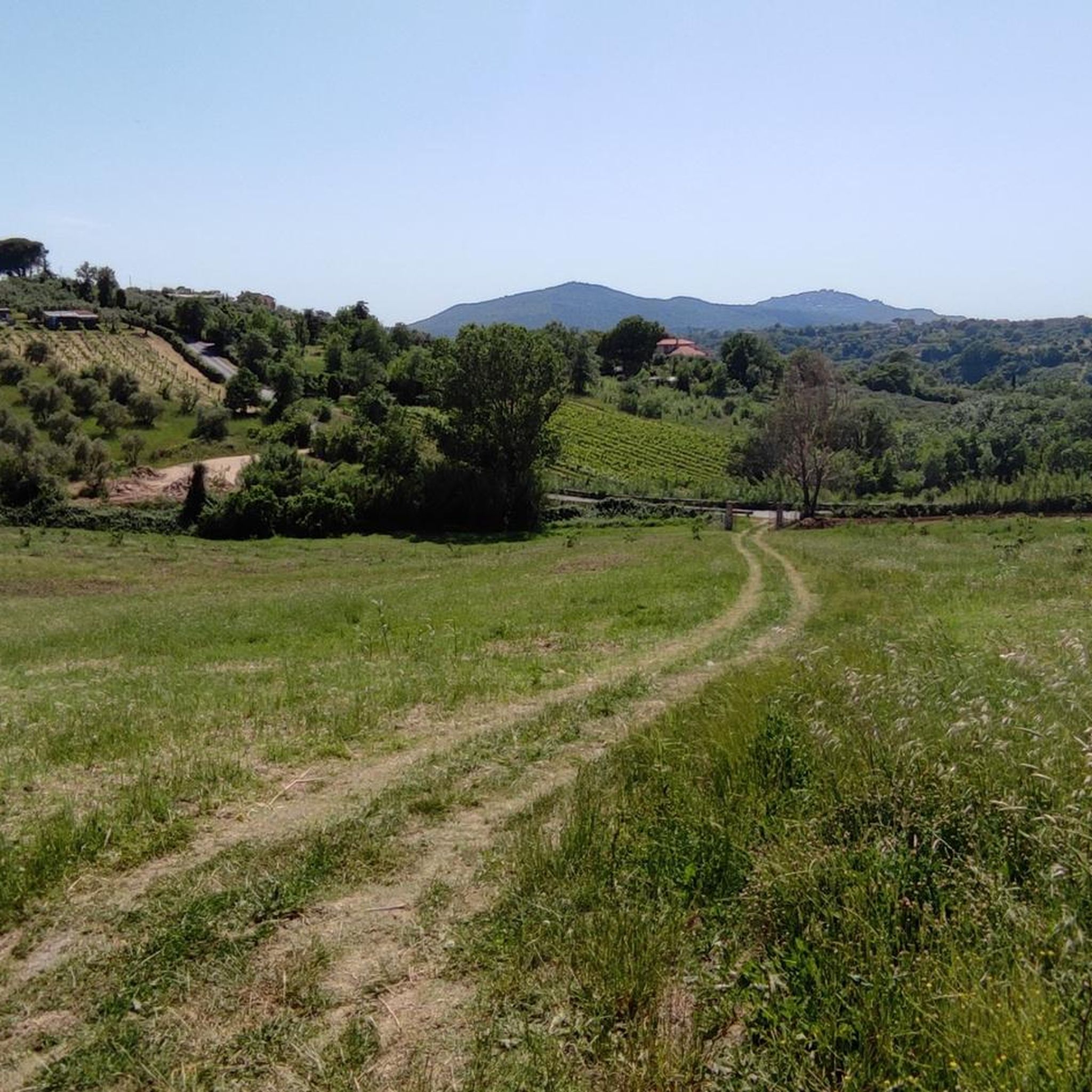
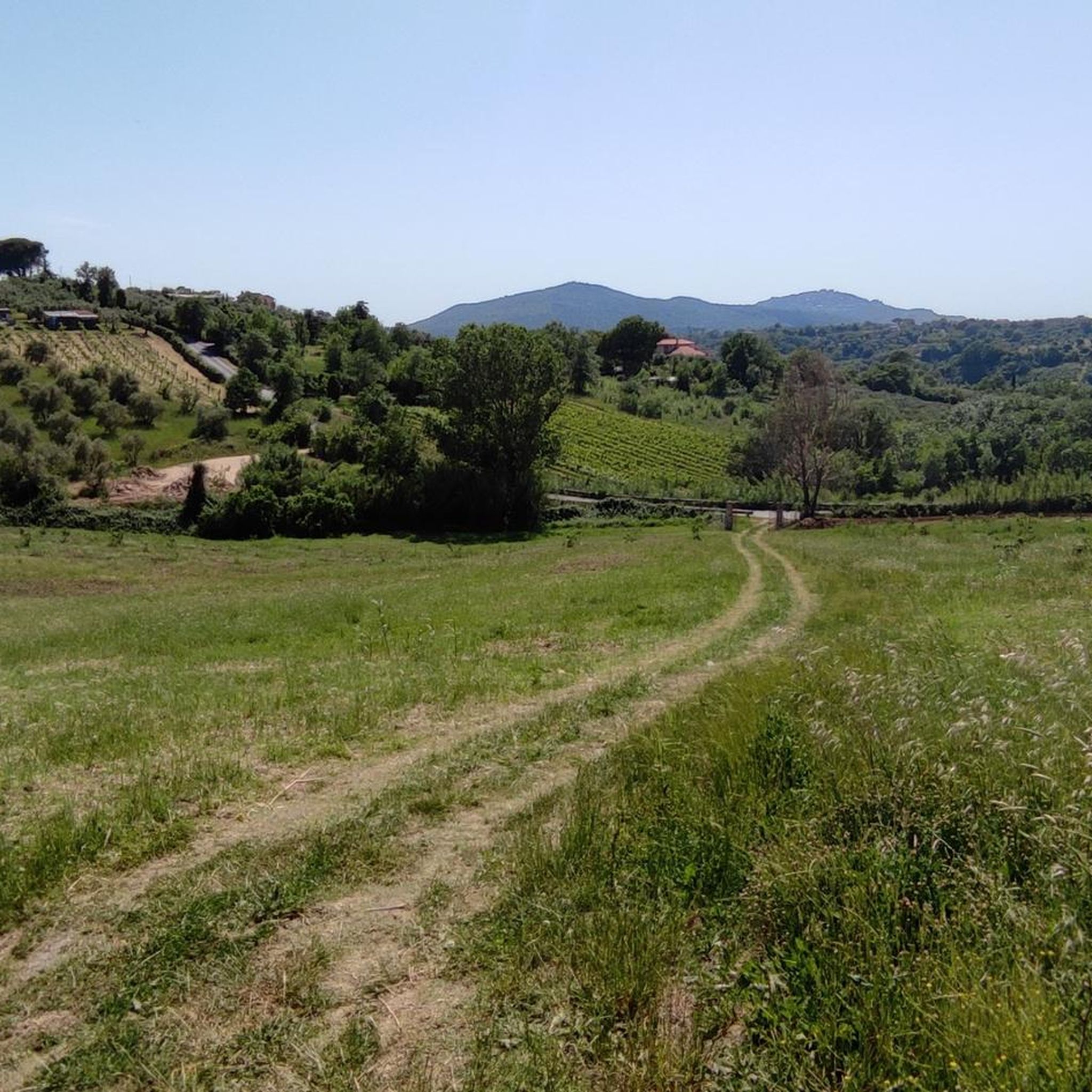
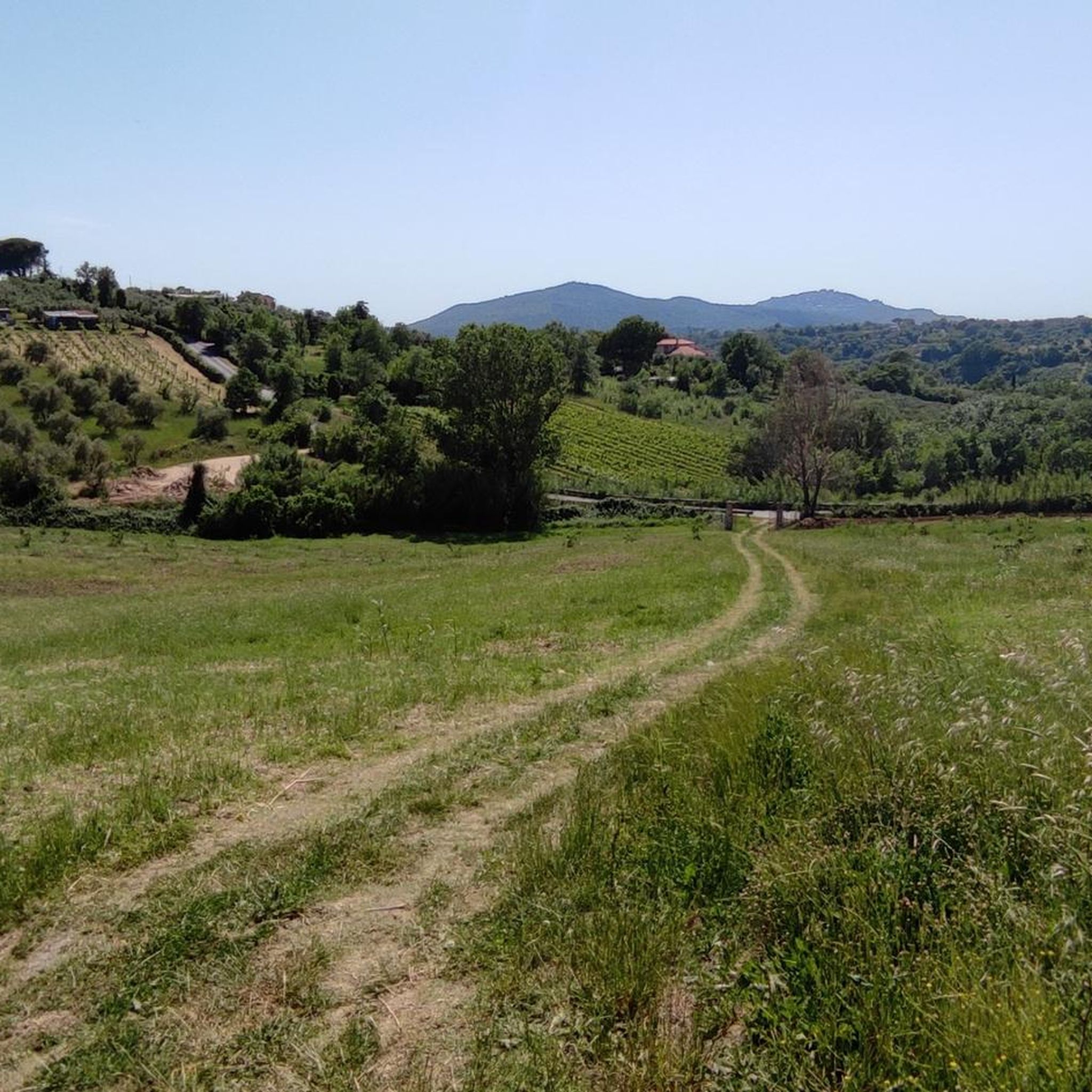
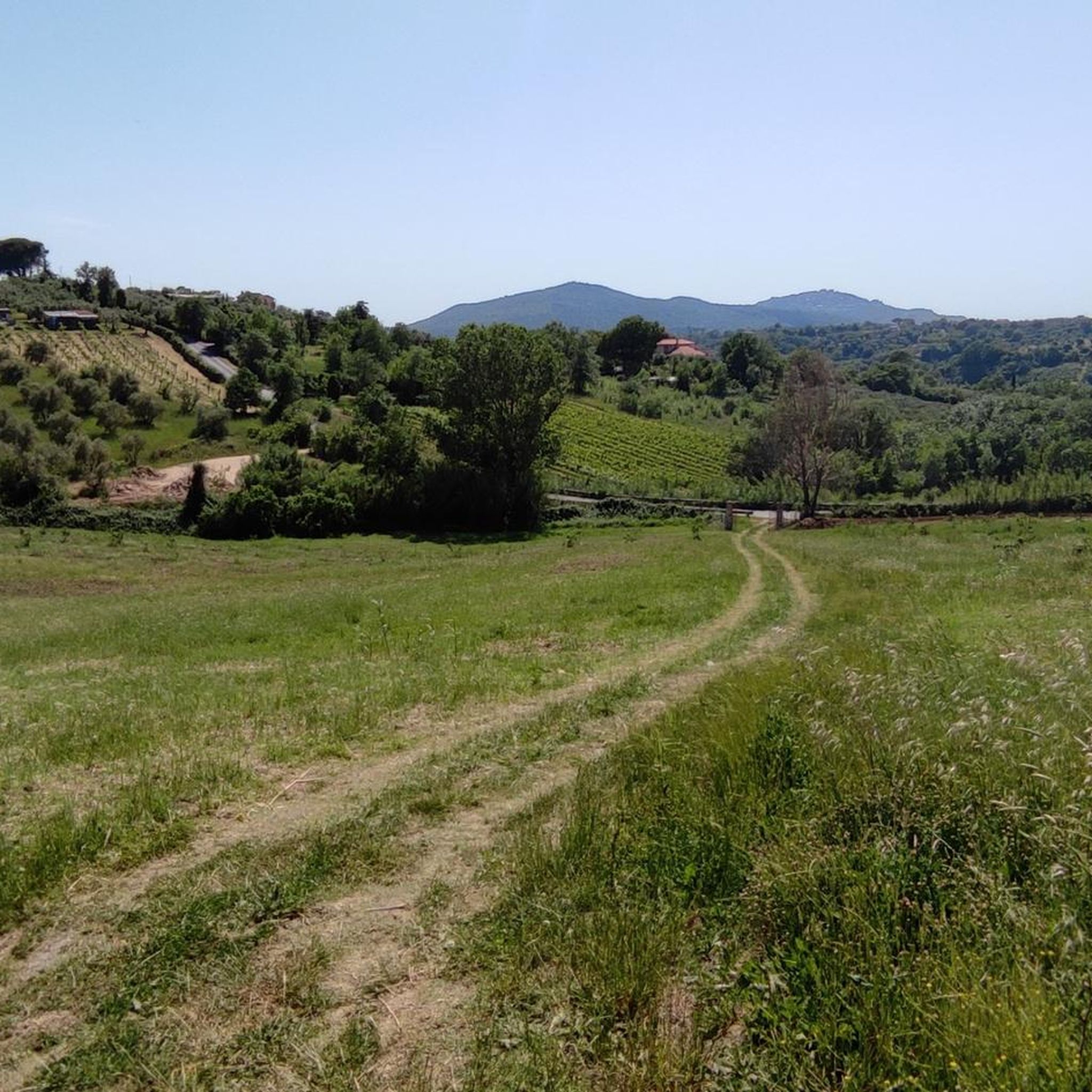
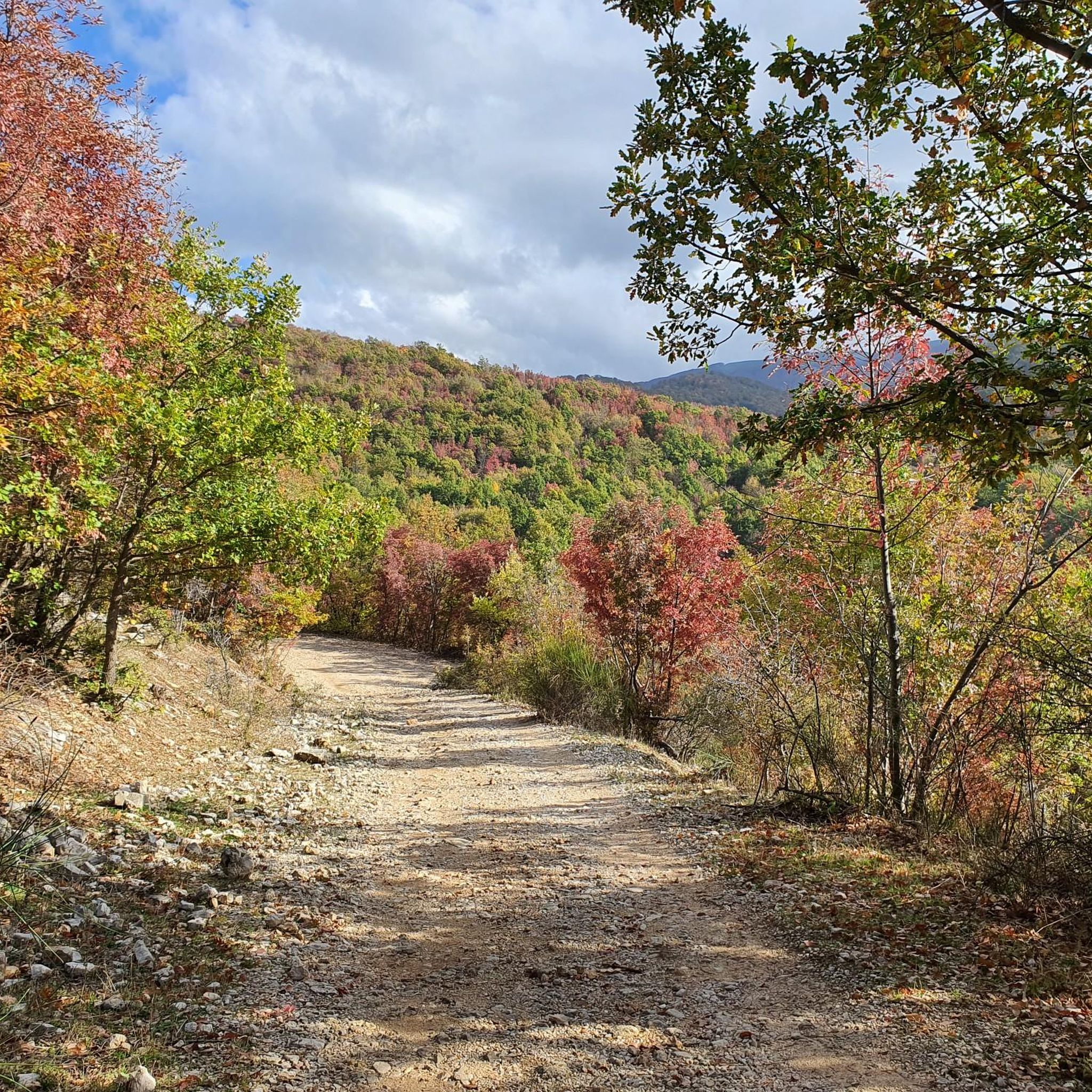
Slightly hidden and covered by bush but still interesting to observe along the way
0
0

The nature reserve extends over about a thousand hectares between the Tiber Valley and the Cornicolani Mountains, in the Roman Sabina. The landscape is hilly, with pasture areas, crops and fragments of woods, remnants of the original forests. The area is known for its botanical value and for karst phenomena such as caves and sinkholes, including the Pozzo del Merro, one of the deepest in the world. The reserve also preserves historical evidence, from prehistory to the Middle Ages.
1
0

A place full of surprises and wonderful views! Challenging due to the climbs and steps but absolutely worth it!
2
0
You enter the park of Villa Gregoriana
2
0

A natural cave into which the Aniene river flows after giving a show of its wonderful waterfalls.
4
0
Frequently Asked Questions
What unique geological features can I explore around Palombara Sabina?
The region is rich in karst phenomena. You can visit the Gattaceca and Barco Nature Reserve, home to the Pozzo del Merro, the second deepest underwater vertical cave in the world. While not for traditional spelunking, its immense depth and unique aquatic ecosystems make it a significant natural monument. Additionally, the Caves at Villa Gregoriana feature dramatic tufa caves formed by the Aniene River.
Are there any caves with historical or archaeological significance in the area?
Yes, Grotta La Pila, located within the Monti Lucretili Natural Park, is of significant paletnological interest. Archaeological investigations there have uncovered ceramic fragments and cave bear bones, indicating human activity as far back as the Upper Paleolithic period. The Caves at Villa Gregoriana also offer a blend of natural beauty and historical significance, with archeological features within the park.
What kind of outdoor activities can I do near the caves around Palombara Sabina?
The Monti Lucretili Regional Natural Park, where many of these caves are located, offers various outdoor activities. You can find numerous routes for gravel biking, mountain biking, and running. Some trails, like the Caves Along the Trail, even incorporate cave observations into the hiking experience.
Are there family-friendly options for visiting caves or natural sites?
The Caves at Villa Gregoriana are a great option for families. The park features accessible paths that allow visitors to explore the tufa formations and enjoy the powerful waterfalls, offering a unique blend of natural beauty and historical significance. The Gattaceca and Barco Nature Reserve also provides opportunities to observe unique ecosystems from the surface.
What is the best time of year to visit the caves and surrounding natural areas?
Spring and autumn are generally the best times to visit the caves and natural areas around Palombara Sabina. The weather is milder, making outdoor activities like hiking and exploring more comfortable. During these seasons, the natural landscapes are particularly vibrant, and the conditions are ideal for enjoying the parks and reserves.
Where can I find caves that are part of a hiking trail?
You can explore the Caves Along the Trail, which are slightly hidden but offer an interesting observation point during your hike. Additionally, the Nice single trail also features a cave and is suitable for mountain or gravel biking, or walking on top of the hill.
What should I wear when visiting caves or hiking in the Monti Lucretili Park?
When visiting caves or hiking in the Monti Lucretili Park, it's advisable to wear comfortable, sturdy walking shoes or hiking boots. Layers of clothing are recommended as temperatures inside caves can be cooler than outside, and weather conditions in the park can change. For more adventurous sites like Grotta del Ghiavaccio, appropriate gear for rugged terrain is essential.
Are there any less-known or adventurous caves to explore?
Grotta del Ghiavaccio, located in the Monti Lucretili near the Convento di San Nicola, is a less formally documented site. Its association with an 'eremo' (hermitage) suggests it may have served as a historical dwelling or spiritual retreat. This cave is likely more rugged and less accessible, appealing to experienced hikers and those seeking off-the-beaten-path exploration.
What makes the Sirens' Cave a popular attraction?
The Sirens' Cave, located within Villa Gregoriana, is popular for its dramatic natural beauty. The Aniene River flows through this natural cave after forming spectacular waterfalls, creating a picturesque scene. It offers a unique blend of natural wonder and historical context within the park.
How far is Villa Gregoriana and its caves from Palombara Sabina?
Villa Gregoriana, which includes the Sirens' Cave and other tufa caves, is approximately 44 kilometers from Palombara Sabina, making it a suitable destination for a day trip.
What kind of wildlife can be observed near the Pozzo del Merro?
The Pozzo del Merro sinkhole and its surrounding nature reserve are home to unique aquatic ecosystems. You can observe protected newt species like the spotted newt and Italian crested newt, as well as Apennine frogs. Various bird, reptile, and mammal species can also be found within the doline.
Most popular routes around Palombara Sabina
Most popular attractions around Palombara Sabina

Get inspired with the komoot mobile app


Explore more
Extend your search for the best caves by checking out these guides of the top ones around Palombara Sabina:
