Top 7 Castles around Letino
Castles around Letino offer a glimpse into the region's rich history and strategic importance. Letino, a rural hill town in Italy's Campania region, is situated within the Matese Regional Park, providing a mountainous backdrop for its historical sites. The area is characterized by its rugged terrain and panoramic views across valleys and mountain slopes. Its historical fortifications, such as the Castello di Letino, reflect centuries of feudal lords and strategic battles.
Best castles around Letino
- The most popular castles is…
Last updated: July 13, 2026
Roccamandolfi Castle
Highlight • Castle
Translated by Google •
Tip by

Prata Sannita
Highlight • Settlement
Translated by Google •
Tip by

Sign up now to discover places like this
Get recommendations on the best single tracks, peaks, & plenty of other exciting outdoor places.
Sign up for free
Matese Castle
Highlight • Castle
Translated by Google •
Tip by
Rupecanina Castle
Highlight • Castle
Translated by Google •
Tip by

View of Monteroduni
Highlight • Viewpoint
Translated by Google •
Tip by

Start today with a free account
Your next adventure awaits.
Login or Signup

Tips from the Community

Monteroduni is known for the Pignatelli Castle, originally from the 8th century. The village, of very ancient origins and involved in the Samnite wars, developed around the castle which was the scene of numerous medieval battles. Today the castle, transformed into a noble residence by the Pignatellis in the eighteenth century, is a historical symbol of the town.
1
0

The fortress of Ravecanina (as it was later called) or Rupe Canina, an ancient medieval tower, was renovated by Frederick II, who assigned it to the Teutonic Knights. Today it is unfortunately abandoned.
0
0

An ancient castle located on top of a hill in a panoramic position. Unfortunately at the moment it is in a state of neglect despite being well preserved.
0
0

The medieval village of Prata Sannita is located on a rock ridge overlooking the valley of the river Lethe. It is characterized by narrow and winding alleys, stairways, arches and stone portals. Here is also the castle, a medieval fortress that witnessed important historical events and is now home to several museums.
1
0

Roccamandolfi is known as the village of brigands. Numerous excursions start from here. The town is famous for the presence of the Tibetan bridge and the ancient Maginulfo Castle.
4
0
From Castello di Monte you have an incredible view of the valley floor. This town was an almost impregnable stronghold, there were five towers, of which two remain today. The layout of the city is medieval.
1
0

Nature, history, culture: those who visit Roccamandolfi are spoiled for choice. The country, in fact, offers interesting elements in all three areas. From a landscape point of view, its territory undoubtedly boasts characteristics that distinguish it from other Municipalities. To begin with, within its borders rises the most extreme point of Monte Miletto, the highest peak of the Matese chain. Added to this is the presence of several spectacular waterfalls and the beautiful plateau of Campitello di Roccamandolfi. Meta, the latter, privileged for excursions and picnics, especially in the summer. Here the traditional Festa del Pastore takes place, which from the 70s to today remains one of the most awaited events of the Molise summer. A rural festival that takes place between milking and shearing tests, musical entertainment and, above all, typical local dishes, based on meat - mostly sheep - and cheeses. Alongside the charm of an environmental context that is still wild and uncontaminated, the village in the province of Pentra can count on a particularly interesting past. Historically, in fact, it is known for having been the homeland of some of the most famous brigands of the nineteenth century. To these attractions, another one has recently been added which has greatly contributed to making the country known and encouraging the arrival of visitors: the Tibetan bridge. As for scenic beauty, Roccamandolfi is second to none, neither in terms of typology nor in the variety of elements that can be found there. It is no coincidence that in 2003 a part of its territory, with a total extension of about 50 hectares, was declared a protected area. We are talking about the magnificent Torrente Callora nature reserve, an obligatory destination for hiking and canyoning enthusiasts, which however deserves to be included in travel itineraries even by simple nature lovers. It takes its name from the stream that crosses it, which has a particularly important flow in the winter months. It flows inside a fissure in the rock and, along its path, gives rise to rapids and waterfalls. In the Reserve there are suggestive gorges, numerous cliffs, a gorge, valleys, a wooded area that climbs up to the slopes of the castle and a meadow area with areas dedicated to pastures. (source https://molisensi.com/2022/03/08/roccamandolfi-dal-ponte-tibetano-sulla-scia-dei-briganti/)
1
1
Frequently Asked Questions
What is the historical significance of the castles around Letino?
The castles in the Letino area, particularly the Castello di Letino, are deeply rooted in the region's past, dating back to Lombard and Norman eras as early as the 9th century. They served as strategic lookouts and fortifications, witnessing centuries of feudal lords and battles. Many, like Prata Sannita, evolved into medieval villages, preserving their historical architecture and stories.
Are there other significant castles or fortified villages to explore near Letino?
Yes, beyond the main castle, you can explore several other historically rich sites. Roccamandolfi Castle is part of a village known for its ancient Maginulfo Castle and the Tibetan bridge, offering a blend of nature, history, and culture. Prata Sannita is a medieval village and castle perched on a rock ridge, featuring narrow alleys and stone portals. Another notable site is Rupecanina Castle, an ancient fortress renovated by Frederick II, offering panoramic views from its hilltop position.
What kind of views can I expect from the castles in Letino?
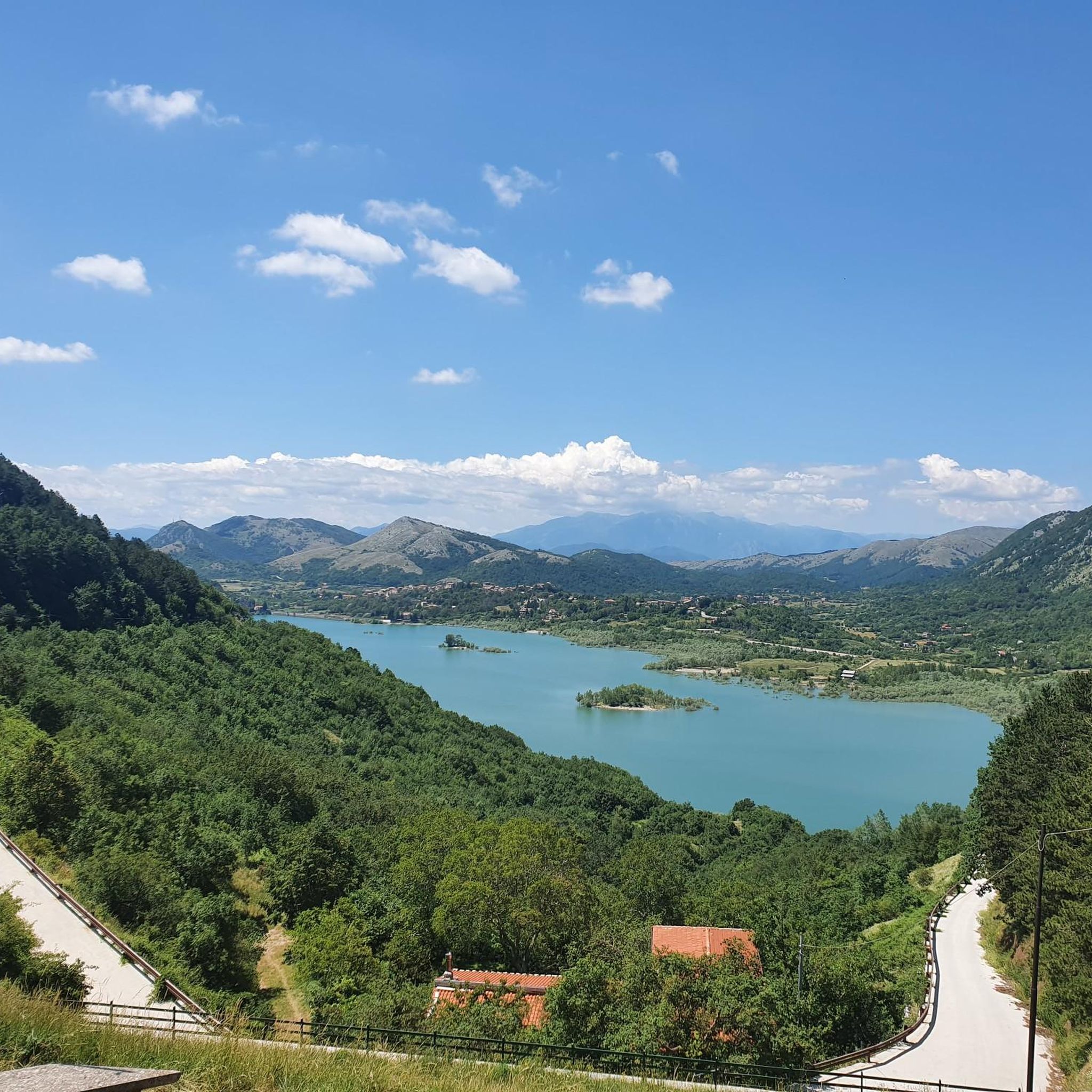
The castles around Letino, especially the Castello di Letino, are situated at high elevations, offering spectacular panoramic views across the valleys and mountain slopes of the Matese Regional Park. From these vantage points, you can often see the Lago di Letino and appreciate the rugged natural beauty of the region. Highlights like Rupecanina Castle and View of Monteroduni are specifically noted for their panoramic positions.
What outdoor activities can I do near the castles around Letino?
The mountainous terrain and Matese Regional Park offer numerous outdoor activities. For cycling enthusiasts, there are routes like 'Ciorlano to Cipresseta of Fontegreca' or the 'Lake Matese – Matese Cycle Lake loop'. Mountain biking options include trails in 'Matese National Park' and routes around 'Lake Gallo Matese'. If you prefer running, you can find trails like 'Monte Miletto e Rifugio del Caprio' or 'Val di Conche Trail'. You can find more details on these activities in the Cycling around Letino, MTB Trails around Letino, and Running Trails around Letino guides.
Is the Castello di Letino also a religious site?
Yes, the Castello di Letino, also known as the Lombard Castle, houses the Sanctuary of Santa Maria del Castello. This symbolic site is deeply cherished by locals and contains a statue of the Virgin Mary, revered as the 'Regina del Matese'. An important religious festival takes place here annually on the third Sunday of September, drawing many faithful to ascend to the site.
What is the best time of year to visit the castles in Letino?
Given the mountainous setting and the nature of exploring ruins, the best time to visit is typically during the spring (April-June) and early autumn (September-October). These seasons offer pleasant temperatures for walking and exploring, and clear skies for enjoying the panoramic views. The annual religious festival at the Castello di Letino takes place on the third Sunday of September, which could be a unique cultural experience.
Are there any family-friendly aspects to visiting the castles around Letino?
While the castles are primarily historical ruins, the surrounding areas offer opportunities for family outings. The village of Roccamandolfi, for example, is known for its Tibetan bridge, which can be an exciting experience for older children. The natural settings within the Matese Regional Park also provide space for picnics and gentle walks, allowing families to combine history with outdoor enjoyment.
What unique features does the Castello di Letino have?
The Castello di Letino has a unique feature: an internal cemetery within its walls, which has held the remains of its inhabitants since 1888. This adds another layer to its historical and cultural significance, alongside its role as a strategic fortress and a religious sanctuary.
How long should I plan for a visit to the castles?
For a comprehensive visit to a single castle like the Castello di Letino or a fortified village like Prata Sannita, you should allocate at least 2-3 hours to explore the ruins, enjoy the views, and absorb the atmosphere. If you plan to visit multiple sites or combine your visit with hiking or other outdoor activities, a full day or even a weekend would be more appropriate.
What should I wear when visiting the castles in Letino?
Given that many castles are ruins and situated in mountainous terrain, comfortable walking shoes with good grip are essential. Layers of clothing are recommended, as weather conditions can change, especially at higher elevations. A hat and sunscreen are advisable during sunny periods, and a light rain jacket could be useful, particularly outside of peak summer.
Are there any hidden gems or lesser-known castles worth visiting?
While the main castles are well-known, the region is dotted with smaller historical sites. Monteroduni, for instance, is known for the Pignatelli Castle, an 8th-century structure transformed into a noble residence. Exploring the smaller villages and their historical centers can often reveal charming, less-trafficked ruins and local stories.
Can I find cafes or refreshments near the castles?
While the castles themselves may not have on-site cafes, the nearby villages such as Letino, Roccamandolfi, and Prata Sannita offer local eateries, bars, and small shops where you can find refreshments and traditional regional food. It's always a good idea to check opening hours, especially in smaller, more rural locations.
Most popular attractions around Letino

Get inspired with the komoot mobile app


Explore more
Looking for the best castles somewhere else? Discover other guides around Letino:
