Top 6 Castles around Rutigliano
Best castles around Rutigliano offer a glimpse into the region's rich medieval history. The town itself features the Norman Tower, a significant remnant of its original Norman castle, built on earlier Byzantine fortifications. This quadrangular tower showcases layers of history and architectural features like limestone ashlar and medieval frescoes. Rutigliano's well-preserved historic center invites exploration of its winding alleys and historic sites.
Best castles around Rutigliano
- The most popular castles is Angevin–Aragonese Castle of Mola di Bari, a castle…
Last updated: June 29, 2026
Castello di Conversano
Highlight • Castle
Translated by Google •
Tip by

Angevin–Aragonese Castle of Mola di Bari
Highlight • Castle
Translated by Google •
Tip by

Sign up now to discover places like this
Get recommendations on the best single tracks, peaks, & plenty of other exciting outdoor places.
Sign up for free
Castello Angioino
Highlight • Castle
In order to defend the coast against the numerous pirate raids, Charles I of Anjou, …
Translated by Google •
Tip by

Torre di Reddito
Highlight • Historical Site
Translated by Google •
Tip by
Masseria Panicelli
Highlight • Castle
Translated by Google •
Tip by
Sign up for free to discover even more castles around Rutigliano.
Sign up for free
Already have an account?
Start today with a free account
Your next adventure awaits.
Login or Signup

Tips from the Community

With the singular shape of a starry polygon, the Angevin-Aragonese Castle imposingly dominates the coast of Mola di Bari.
0
0

The actual title was Castello Angioino, but Komoot has strangely translated it as Anjou Castle. In order to defend the coast against the numerous pirate raids, Charles I of Anjou, in conjunction with the reconstruction of the city, ordered the construction of a "palacium" near its walls in 1277. He entrusted the supervision of the work to the well-known "King of Carpenters", Pierre d'Angicourt and Jean da Toul. Two years later, the fortress was completed. Between the 15th and 16th centuries, the building suffered the same fate as the city and passed through the hands of various vassals; it withstood numerous attacks without ever being conquered. However, the considerable damage suffered by the fortress during the Venetian siege in 1508 required a major restoration, which was carried out a few years later.
0
0


It is worth mentioning that the castle was the residence of the Counts of Conversano for almost seven hundred years, starting from Norman times. Nowadays, the castle is partly public property and partly private.
0
0
Some say that everything related to Conversano "is almost as old as time." The beginnings of the settlement of the current city limits date back at least to the Iron Age, when the local indigenous people founded a settlement called Norba, on the remains of which the city of Conversano was built. In its historical part, at the highest point of the hill, there is the symbol of the city, built of limestone rocks - Castello di Conversano.
0
0

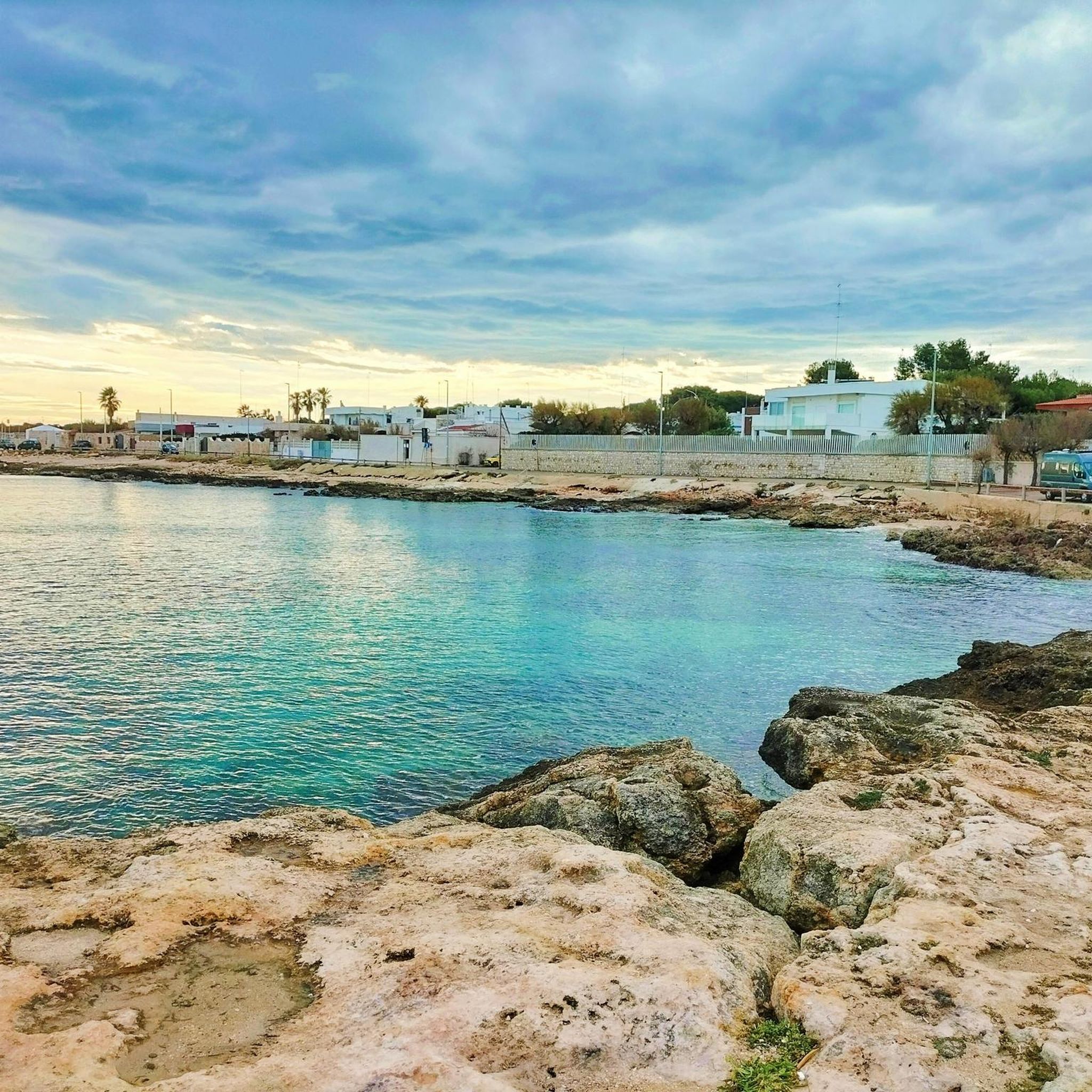
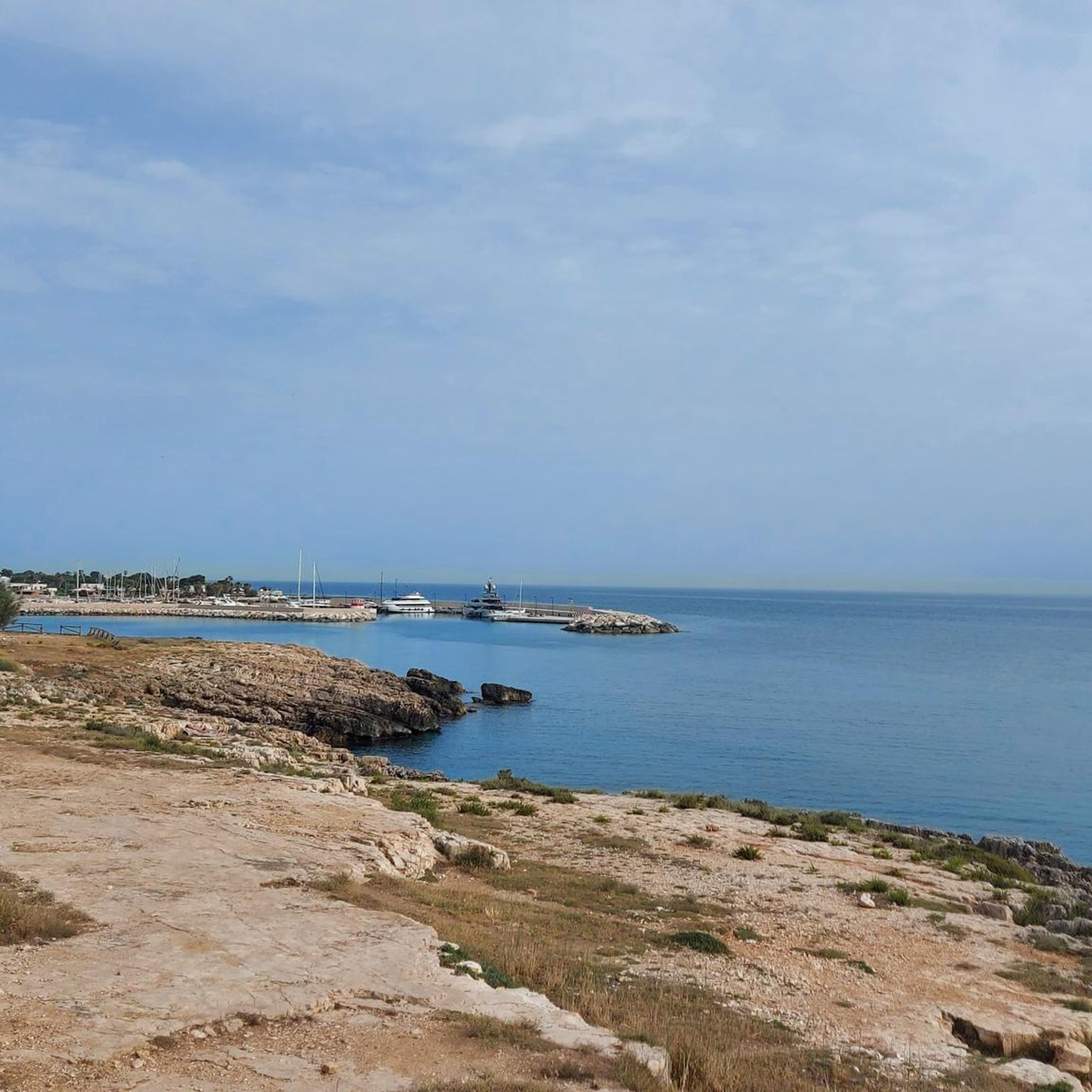
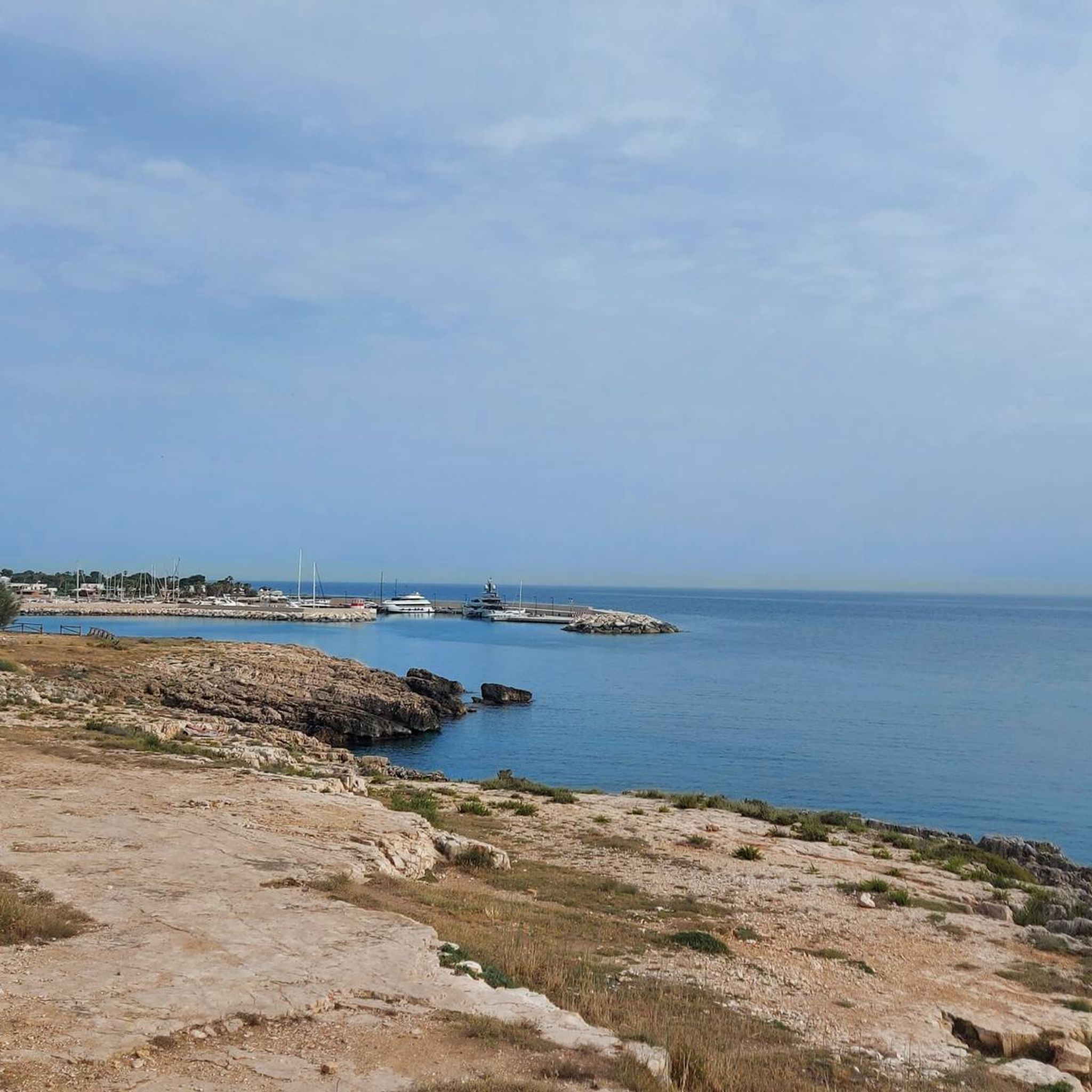
The village of Mola di Bari is a fishing-tourist town. The port is active all year round and there are many restaurants where you can taste the catch of the day. The last weekend of July the octopus festival is held and you can taste dishes based on octopus and fresh fish.
2
0

the Panicelli farmhouse, a structure very similar to that of a castle due to the presence of four bastions. A building dating back to the 15th century, characterized by a considerable height and a particular defensive structure.
2
0
Born as a hunting lodge for the Counts of Conversano and subsequently transformed into a structure used for the breeding of livestock (this can be deduced from the fact that the livestock pit is located outside the walls), it is configured as the symbol of the defensive system and the typology of direct systems, itself at first sight would seem more like a fort than a farm for breeding.
2
0
Frequently Asked Questions
What historical sites can I explore in Rutigliano itself?
In Rutigliano, you can explore the Norman Tower, which is the sole surviving part of the town's original medieval fortress. Dating back to the 11th century, it was built on earlier Byzantine fortifications and stands at an impressive 34 meters high. Inside, you can still admire well-preserved medieval frescoes, offering a deep dive into the region's history.
Are there any castles near Rutigliano that are particularly family-friendly?
Yes, both the Angevin–Aragonese Castle of Mola di Bari and Castello di Conversano are considered family-friendly. The castle in Mola di Bari is located in a lively fishing town with many restaurants, while Conversano offers a rich history of defensive architecture and stately living.
Which castle near Rutigliano has a unique architectural style?
The Angevin–Aragonese Castle of Mola di Bari stands out with its singular shape of a starry polygon, imposingly dominating the coast. This distinctive design makes it a remarkable example of medieval military architecture.
What is the historical significance of Castello di Conversano?
The Castello di Conversano is historically significant as an Aragonese Castle built by the Normans around 1054 as a defensive fortress. It later became the home of the Acquaviva Counts and was transformed into a sumptuous stately home. Its foundations rest on ancient megalithic walls dating back to the VI-IV century BC, with the Torre Maestra being the only surviving Norman tower.
Are there any fortified farmhouses or unique defensive structures to visit?
Yes, Masseria Panicelli is a fascinating example. This 15th-century building, originally a hunting lodge, features four bastions, giving it a castle-like appearance and a particular defensive structure. It was later used for livestock breeding.
What outdoor activities can I do near these castles?
You can find various outdoor activities near the castles around Rutigliano. For mountain biking, explore routes like the 'Entrance to the forest – Annunziata Trail loop' or 'Masseria Panicelli – Annunziata Trail loop'. Road cyclists can enjoy routes such as 'Seafront of Mola di Bari – Port of Mola di Bari loop'. For more options, check out the MTB Trails around Rutigliano or Road Cycling Routes around Rutigliano guides.
Are there any gravel biking routes available near Rutigliano's castles?
Yes, there are several gravel biking routes. You can try the 'Annunziata Trail – Annunziata Route loop' from Rutigliano, or the 'All Saints Church of Cuti – Annunziata Trail loop' from Triggiano. These routes offer a great way to explore the rural landscapes. Find more details in the Gravel biking around Rutigliano guide.
What is the Castello Angioino known for?
The Castello Angioino was built in 1277 by Charles I of Anjou to defend the coast against pirate raids. It withstood numerous attacks without being conquered, including a significant Venetian siege in 1508, which necessitated a major restoration.
Can I find places to eat near the castles, especially in Mola di Bari?
Yes, the village of Mola di Bari, home to the Angevin–Aragonese Castle, is a fishing-tourist town with an active port and many restaurants. You can taste the catch of the day there, and if you visit in late July, you might experience the annual octopus festival.
What do visitors appreciate most about the castles around Rutigliano?
Visitors appreciate the diverse range of historical architecture, from defensive fortresses to stately homes and fortified farmhouses. The komoot community has shared over 25 photos and given more than 60 upvotes, highlighting the rich history and unique structures available for exploration.
Is there a castle that was originally a hunting lodge?
Yes, Masseria Panicelli was originally built in the 15th century as a hunting lodge for the Counts of Conversano before being transformed for livestock breeding. Its four bastions give it a distinctive castle-like appearance.
What is the best time of year to visit the castles around Rutigliano?
While specific opening hours vary by site, the region generally enjoys pleasant weather during spring (April-May) and autumn (September-October), making these ideal times for exploring historical sites and enjoying outdoor activities without the peak summer heat.
Most popular routes around Rutigliano
Most popular attractions around Rutigliano

Get inspired with the komoot mobile app


Explore more
Looking for the best castles somewhere else? Discover other guides around Rutigliano:
