Top 3 Castles around Gravina In Puglia
Best castles around Gravina In Puglia are situated within the Murgia plateau, an area known for its distinctive limestone landscape and historical significance. This region offers a blend of natural beauty and ancient architecture, with sites reflecting centuries of history. The Alta Murgia National Park provides a natural backdrop to these historical landmarks. Gravina In Puglia serves as a gateway to exploring these cultural and geographical features.
Best castles around Gravina In Puglia
- The most popular castles is Castel del…
Last updated: June 29, 2026
Castel del Monte
Highlight • Castle
Translated by Google •
Tip by

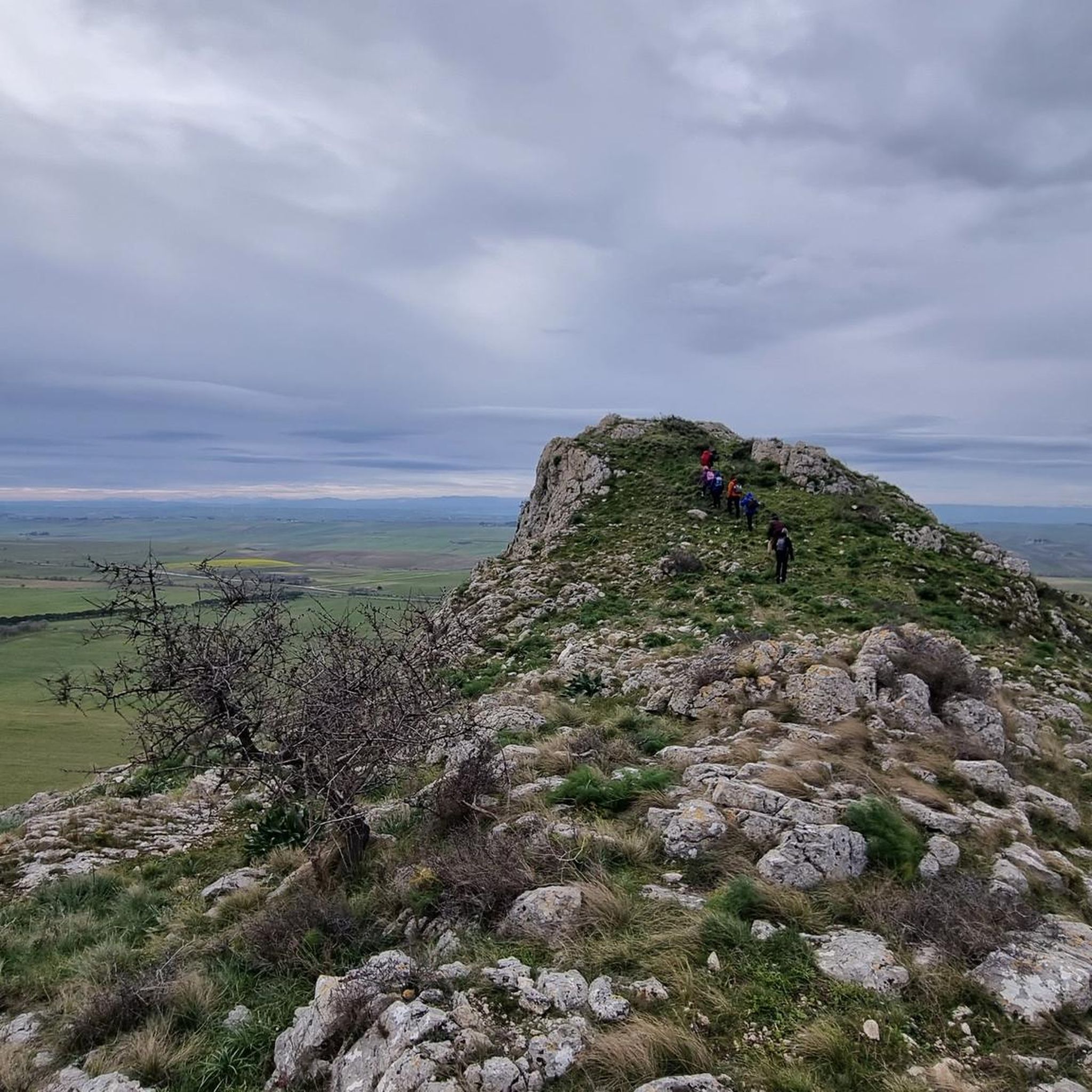
Rocca del Garagnone
Highlight • Castle
To reach …
Translated by Google •
Tip by

Sign up now to discover places like this
Get recommendations on the best single tracks, peaks, & plenty of other exciting outdoor places.
Sign up for free
Monteserico Castle
Highlight • Castle
Translated by Google •
Tip by

Ruins of the Castle of Belmonte
Highlight • Castle
Translated by Google •
Tip by

Garagnone Castle
Highlight • Castle
Tip by

Start today with a free account
Your next adventure awaits.
Login or Signup

Other adventures around Gravina In Puglia

Tips from the Community

Castrum belli montis. A church probably dating back to the 11th century, surrounded by a village, it ended with its destruction by seismic causes at the end of 1700. Today, what remains is what was probably a bell tower which, judging from what remains of it, must have had the characteristics of a square-shaped fortress tower, which gave the fiefdom the appearance and justified the title of Castrum.
0
0

Of the ancient village, only the small church remains today, not far from the castle, dedicated to the Madonna. The castle of Monteserico belonged in the following centuries to various local noble lords. From the 17th to the end of the 18th century, it was owned by the Genoese Grimaldi dei Doria and some descendants of the Sancia family. It remained abandoned, therefore, for more than half a century, until in 1857 it was purchased by local barons, the dell’Agli-Cetti, when, however, it had already become an uninhabitable place.
2
0
The manor is accessed via a ramp paved with cobblestones. After the entrance portal, you enter a square courtyard that separates the keep from the external mass that encloses it. Originally the entrance was located exactly on the opposite side to the current one, opened only in recent times (19th century), and consisted of an ogival door with stone frames. The ground floor plan is divided into two parts with an arch supporting a pointed barrel vault. The two upper floors are accessed via a spiral staircase.
2
0
Around 980, Otto II, after invading Puglia, ordered that defense posts be created at the borders of the occupied regions, also to serve as supply points for the planned expedition to Calabria. The Castle was then transformed into a fortress.
2
0
Some trace its construction back to Roman times, but many rightly believe it is from the Norman age as in the case of Giustino Fortunato. Others, such as the German medievalist Carl Arnold Willemsen - who made a considerable effort in studying the time and the figure of Emperor Frederick II - have believed that, being of modest proportions, it is a holiday rather than a defense , but recent studies show the opposite, especially if we take into account that next to it there was an extensive village. However, it seems certain that it was transformed into a fortress at the time of Otto II, around 980. In 1041 it was the scene of the battle that saw the Normans of Melfi defeat the Byzantines of Montepeloso. The castle was restored and enlarged by the Swabians and it seems that it was frequently visited by Frederick II as the natural habitat of the birds of prey so dear to the Emperor.
2
0
In 1897, the people of Genzano, following a dream had by an old wise man, flocked to that place and began to dig on the northern flank of the castle in search of the Madonna dreamed of by the old man. The work lasted a long time and was resumed in the following years, resulting in serious damage to the structure.
2
0
over the centuries several people have lived in the castle of Monteserico, including, in 1918, Lyda Borelli, silent film actress and wife of Count Vittorio Cini. Legend has it that in the morning the woman walked naked among the wheat fields, arousing the fantasies of peasants and poets😊🤭
2
0
Frequently Asked Questions
What are the main historical castles to visit around Gravina in Puglia?
The region around Gravina in Puglia features several significant historical castles. Among them, Castel del Monte stands out as a UNESCO World Heritage Site, built by Frederick II. Other notable sites include the ruins of Rocca del Garagnone, a defensive structure within the Alta Murgia Park, and Monteserico Castle, a Norman-built fortress dominating a vast valley.
What is the historical significance of the castles in the Gravina in Puglia region?
The castles in this region, particularly the Castello di Gravina (Norman-Swabian Castle), reflect centuries of history, primarily from the era of Emperor Frederick II. Many served as regal hunting lodges, defensive systems, or strategic points along ancient routes. They offer insights into medieval architecture and the political landscape of Southern Italy.
Are there any family-friendly castles to visit near Gravina in Puglia?
Yes, Castel del Monte is considered family-friendly. Its unique octagonal design and historical importance make it an engaging visit for all ages. While some castles are ruins, the experience of exploring their historical grounds can also be educational for families.
Can I explore the natural surroundings of these castles?
Absolutely. Many castles, like Rocca del Garagnone, are immersed within the Alta Murgia National Park. This area is known for its distinctive limestone landscape, offering opportunities to appreciate natural beauty alongside ancient architecture. You can find viewpoints and natural monuments like the summit of the Rocca, providing scenic vistas.
Are there hiking or cycling routes near the castles around Gravina in Puglia?
Yes, the area around Gravina in Puglia is excellent for outdoor activities. You can find numerous running, MTB, and road cycling routes. For example, there are challenging running trails like the "Rocca del Garagnone loop" and moderate MTB trails such as the "SIC Difesa Grande – Rest Area loop." You can explore these and more on the Running Trails, MTB Trails, and Road Cycling Routes guides for Gravina in Puglia.
What kind of architecture can I expect to see at the castles in this region?
The castles showcase medieval architecture, often with a focus on defensive and strategic design. For instance, the Castello di Gravina had a rectangular plan with four corner towers and bifore windows. Monteserico Castle is a classic example of medieval architecture with a truncated cone shape, a central quadrangular tower, and a moat. Castel del Monte is particularly unique with its octagonal plan and eight octagonal towers.
Is the Castello di Gravina accessible to visitors?
The Castello di Gravina, also known as the Norman-Swabian Castle, is currently in ruins. While its historical significance and architectural remnants are captivating, it can generally only be visited externally. You can appreciate its imposing structure and the views it offers from its strategic location.
What is the best time of year to visit the castles around Gravina in Puglia?
The region experiences a Mediterranean climate. Spring (April-May) and early autumn (September-October) are generally ideal, offering pleasant temperatures for exploring the outdoor sites and castle ruins. Summers can be hot, while winters are milder but some facilities might have reduced hours.
Are there any ruins or less-preserved castles worth seeing for their historical value?
Yes, the ruins offer a unique historical perspective. Rocca del Garagnone, for example, is a defensive structure where only a few ruins remain, but its location within the Alta Murgia Park and its ancient role along the Appian Way make it historically significant. The Ruins of the Castle of Belmonte also provide a glimpse into past settlements destroyed by seismic events.
How can I reach the castles around Gravina in Puglia?
Most castles in the region are best accessed by car, as they are often located on hills or within natural parks. Parking facilities are typically available near major sites like Castel del Monte. For sites like Rocca del Garagnone, reaching the site may involve following paths that are sometimes rough, making a mountain bike or gravel bike recommended for the final stretch.
What makes Castel del Monte a unique castle to visit?
Castel del Monte is unique due to its distinctive octagonal plan with eight octagonal towers, a design that has fascinated historians and architects for centuries. Built by Frederick II, it served as a hunting residence and is recognized as a UNESCO World Heritage Site for its architectural brilliance and historical significance. It's considered the most impressive medieval building in southern Italy.
Are there viewpoints near the castles offering scenic views?
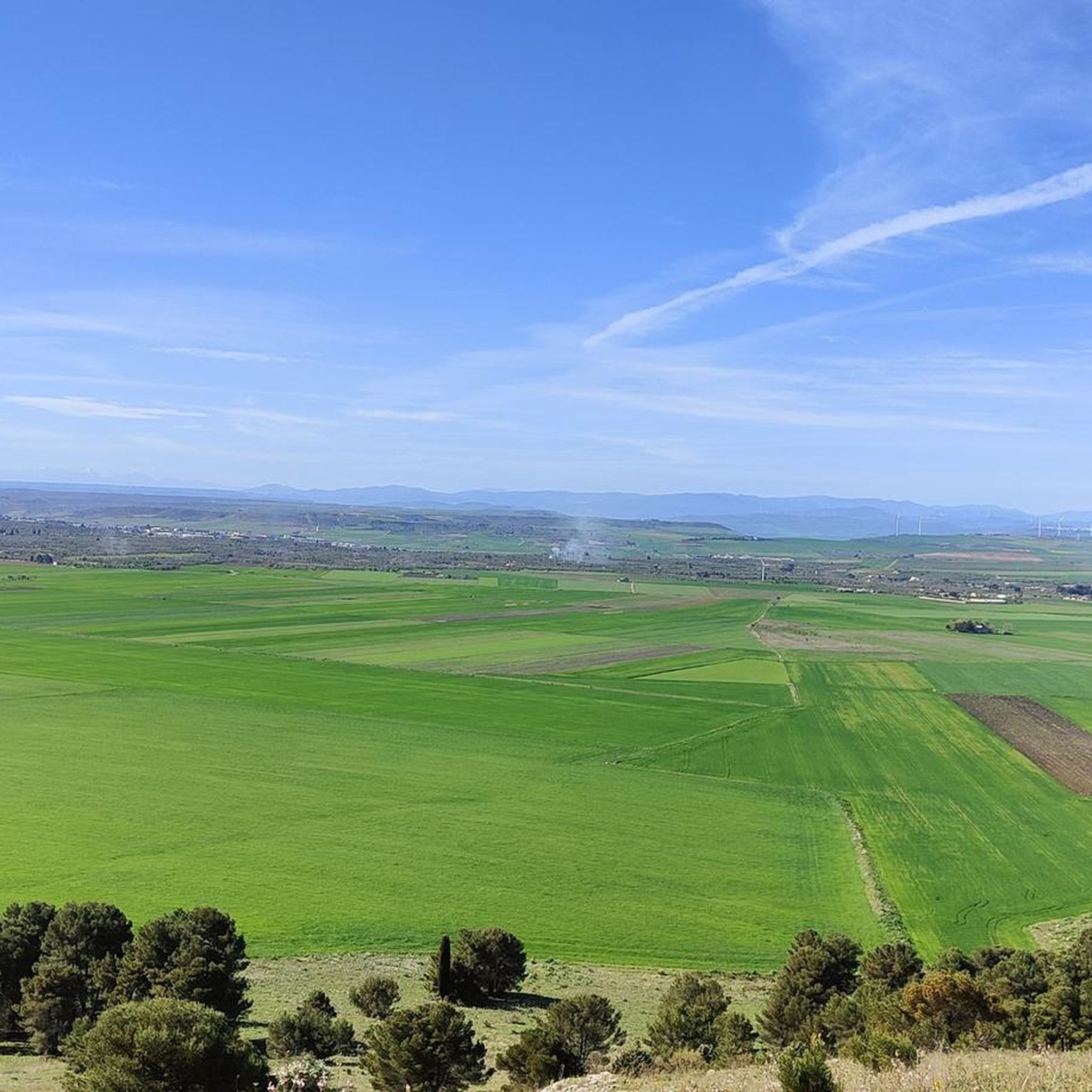
Many of the castles are strategically located on elevated positions, offering panoramic views of the surrounding Murgia landscape. For instance, the summit of the Rocca (near Rocca del Garagnone) provides splendid views. Monteserico Castle also dominates a vast valley, offering expansive vistas.
Are permits required to visit any of the castles in the Gravina in Puglia region?
Generally, permits are not required for external viewing of the castle ruins or for accessing the surrounding natural areas like the Alta Murgia National Park. However, for specific sites like Castel del Monte, there is an entrance fee to access the interior. It's always advisable to check the official websites for any specific requirements or changes before your visit.
What do visitors typically enjoy most about the castles in this area?
Visitors frequently appreciate the profound historical significance and the architectural marvels of these medieval structures. The blend of ancient history with the rugged beauty of the Alta Murgia National Park, along with the panoramic views from elevated castle sites, are often highlighted. The opportunity to explore the same landscapes that captivated Emperor Frederick II is a major draw.
Most popular routes around Gravina In Puglia
Most popular attractions around Gravina In Puglia

Get inspired with the komoot mobile app


Explore more
Looking for the best castles somewhere else? Discover other guides around Gravina In Puglia:
