Top 6 Castles around Cimitile
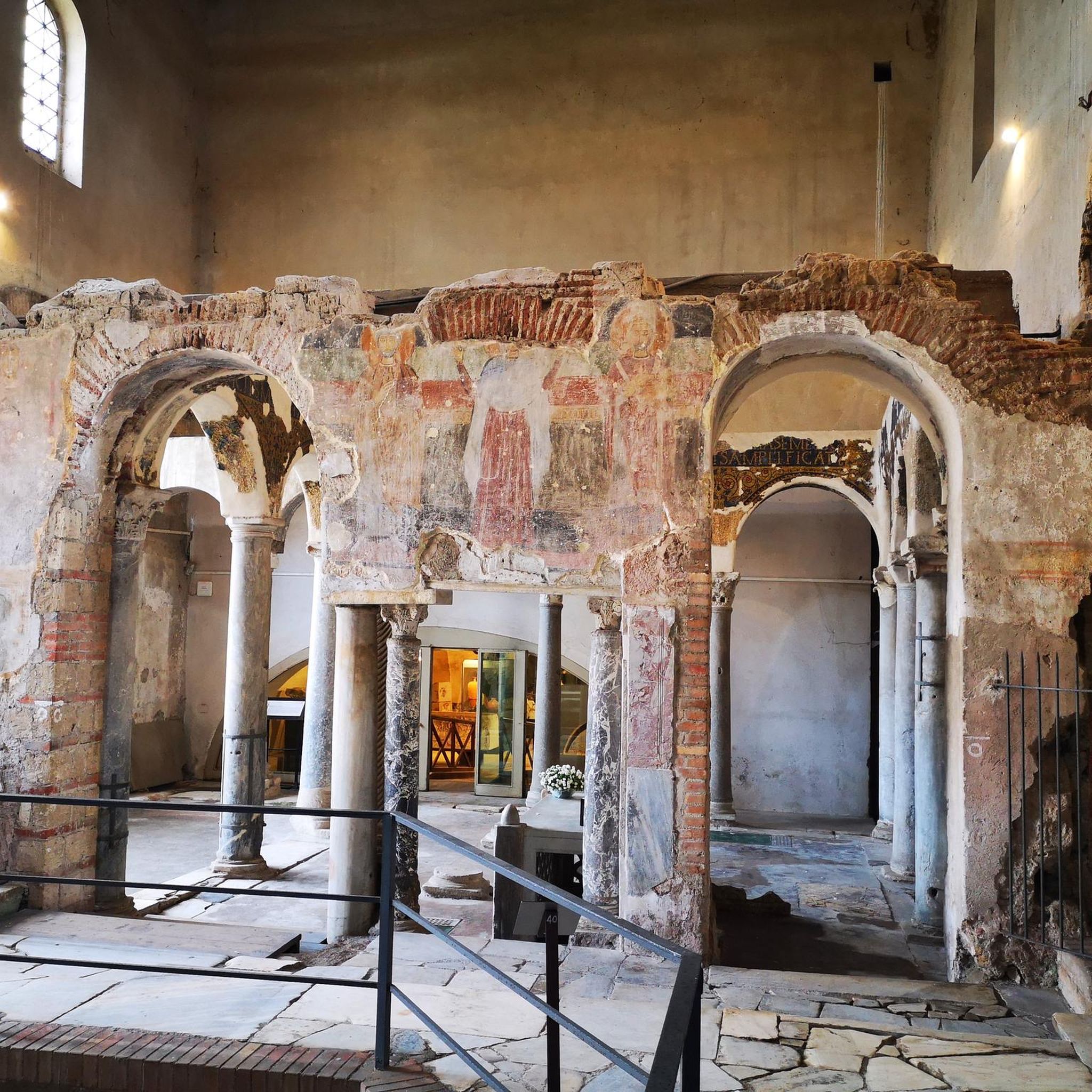
Best castles around Cimitile offer a unique journey through historical fortifications and ancient religious sites. Cimitile is primarily known for its Early Christian Basilicas Complex, a significant archaeological site with structures dating back to the 3rd century AD. This complex showcases early Christian architecture, frescoes, and mosaics, reflecting centuries of history and spirituality. Nearby, traditional castles provide insights into medieval military architecture and strategic viewpoints over the surrounding valleys. The area presents a rich historical landscape for exploration.
Best castles…
Last updated: May 18, 2026
Matinale Castle
Highlight • Castle
Translated by Google •
Tip by

Castello di Arienzo (Castem Vetus)
Highlight • Castle
Translated by Google •
Tip by

Sign up now to discover places like this
Get recommendations on the best single tracks, peaks, & plenty of other exciting outdoor places.
Sign up for free
Castello Village of Palma Campania
Highlight • Settlement
buonapalmacampania.it/borgo-castello
Translated by Google •
Tip by
Summonte Castle
Highlight • Castle
Translated by Google •
Tip by

Avella Castle and Roman Ruins
Highlight • Castle
Translated by Google •
Tip by

Sign up for free to discover even more castles around Cimitile.
Sign up for free
Already have an account?
Start today with a free account
Your next adventure awaits.
Login or Signup


Tips from the Community

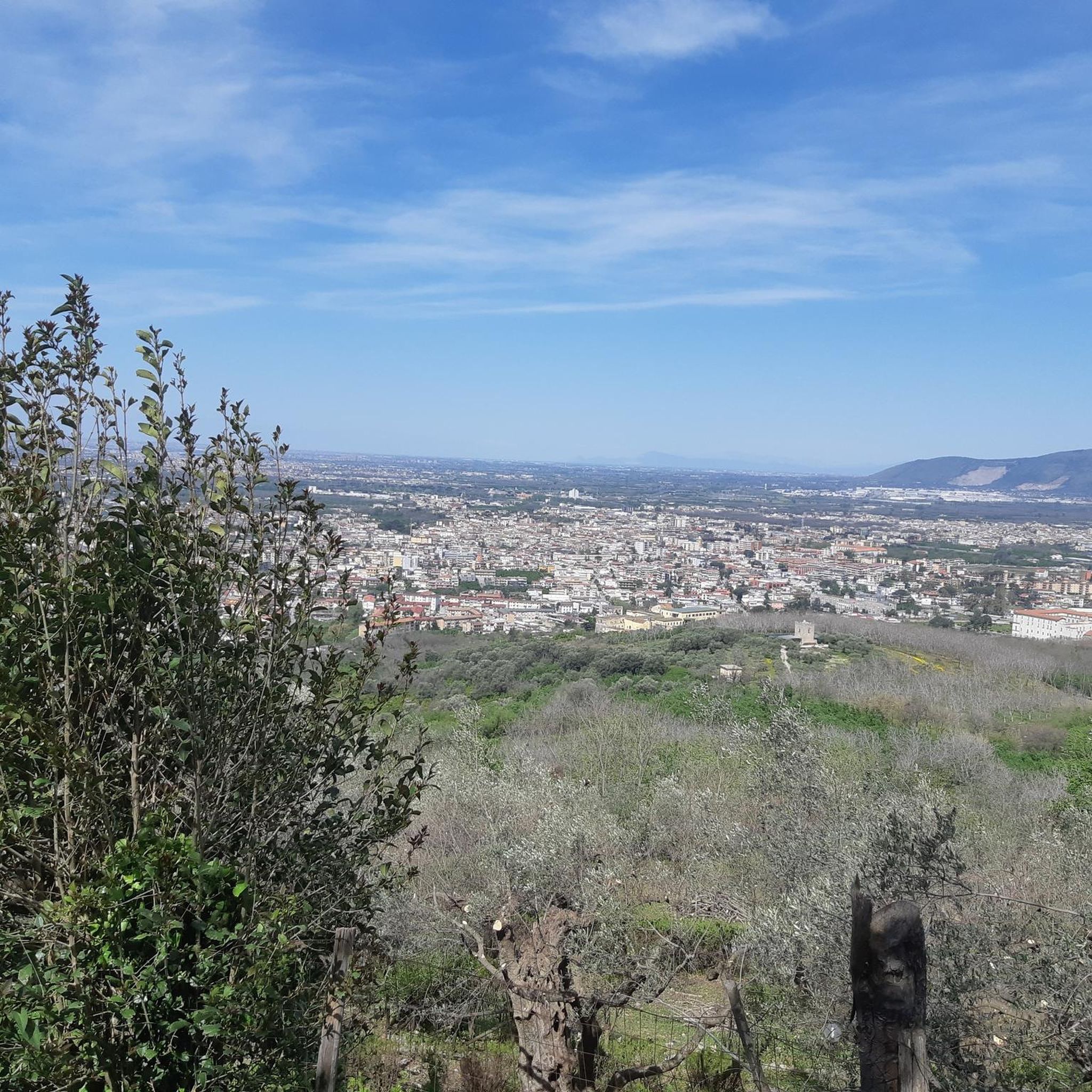
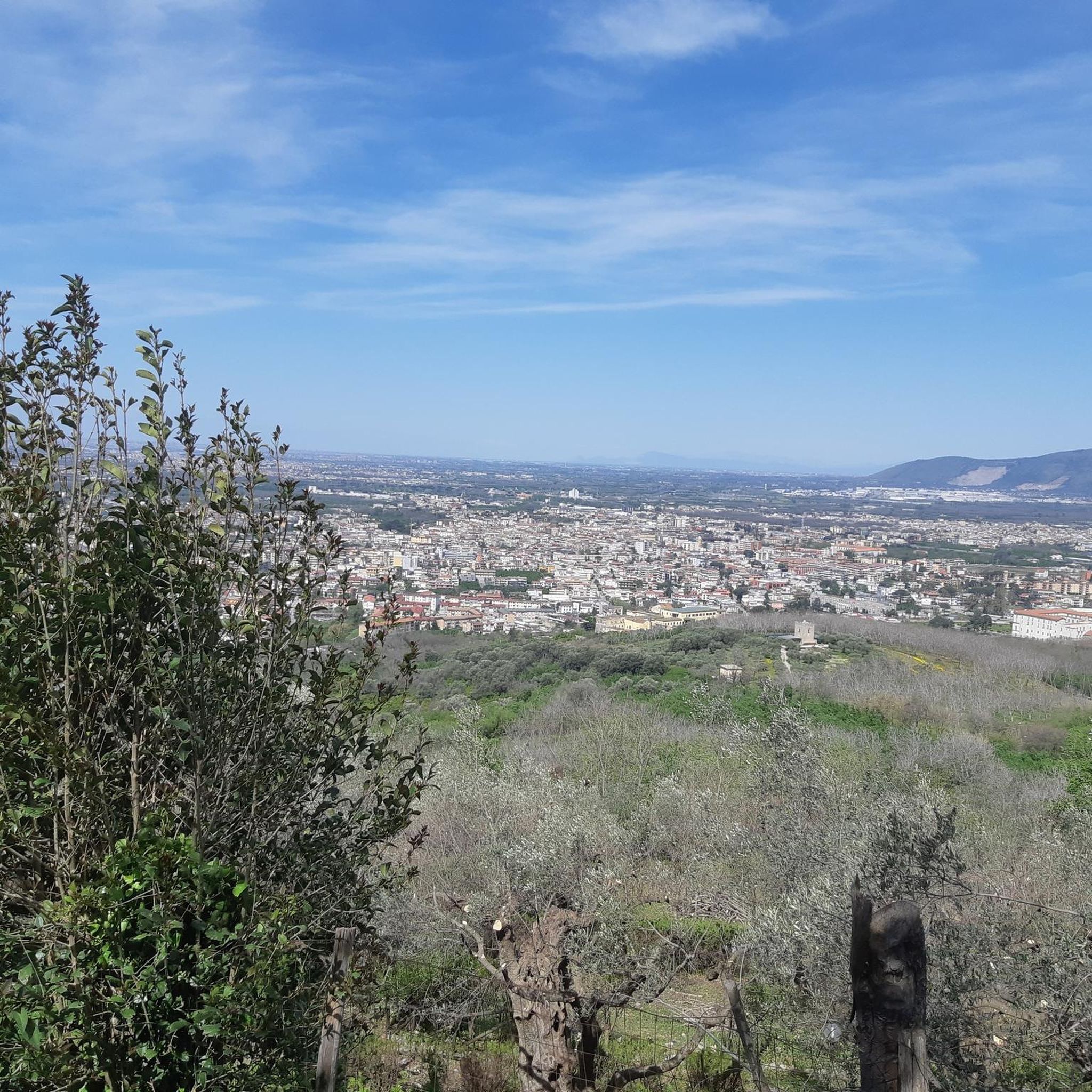
TO visit, it is still possible to climb up one of the 4 towers for a view over the entire valley
1
0

Very suggestive and mysterious. Be very careful when entering because it would be unsafe, but you can also see the various rooms of the castle with the fireplaces and the cellars.
0
0

The municipality of Avella is famous for the cultivation of hazelnuts, the name of the city derives from this peculiarity since in Latin the fruit of the hazelnut is called nux avellana.
1
0

This castle was wanted by Tommaso II d'Aquino. Over the years it was the home of nobles, such as the Sicilian kings, but later also of brigands.
2
0
This castle was wanted by Tommaso II d'Aquino. Over the years it was the home of nobles, such as the Sicilian kings, but later also of brigands.
2
0

The ruins of the castle are very impressive and are worth a visit. Too bad for the very poor enhancement of the site that deserves a better fate ...
6
0
The Castle of Arienzo "Castem Vetus" which dominates Mons Argentium, known today as Monte Castello, dates back to the 7th century and was built by the Lombards to first defend the Duchy and then the Principality of Benevento. Due to its strategic position, the castle was a lookout post over the entire valley below. From 879/882, the city of Suessola was raided and destroyed by the Saracens. After the destruction of the city, following a fire, part of the Suessolani took refuge on Mount Argentarium, where there was a castle. In 1135 King Ruggero II D'Altavilla, known as the Norman, asked for it to be demolished. The latter, having to leave for Sicily, feared that in his absence the soldiers of Rainulfo could settle in the fortress and control the vast territory from above. His order was only partially carried out and later the castle was rebuilt by his son Guglielmo. From 1135, after the destruction of the Arienzo castle, the inhabitants went down to the valley where they built the new Castle of Arienzo, known as "the Terra Murata". The castles of Arpaia, Cancello, Maddaloni, Casertavecchia were built on the highest peaks of the surrounding mountains. https://www.marianodeangelis.com/portfolio/castello-di-arienzo
12
0
The castle of Matinale, or Rudovaco, is a castle in Cancello, a hamlet of the municipality of S. Felice a Cancello, in the province of Caserta. It stands on an elevation that dominates the entrance to the Suessola valley. The construction of the Castle is attributed to Thomas II Aquinas, Count of Acerra. [....] According to local tradition, an original Lombard fortification from the 9th century was the work of a certain Rudovaco and passed upon his death to the Count of Acerra, Cullezio. He wanted to connect his castle of Acerra to that of Cancello with an underground route, causing the ruin of the western side and was unable to carry out the restoration following his death in battle. The castle was later restored or rebuilt by the Norman Ramperto and again by the Mattaloni counts in the 12th century. The castle hosted the kings of Sicily William the Evil (1131-1166) and Manfred of Swabia (1232-1266) and the dukes of Rebursa and again, in the Angevin era, King Ladislaus I and the Carafa in the Aragonese era. In the 15th century it was abandoned, having lost its military function. [....] It was donated at the beginning of the twentieth century by the D'Aquino family, princes of Caramanico, to Baron Giovanni Barracco. During the Second World War it hosted the Allied command in 1943. The castle has a square plan with square corner towers and a fifth tower on the north-west side to protect a postern. The tallest tower measures 20 m high. Splayed windows open in the towers and on the walls. The structures are in uncertain masonry, with corners in ashlar blocks, with wide smooth edges, over 7 m in height. The thickness of the masonry reaches approximately 2.5 m in the towers. The main access portal opens on the south-west side, near one of the towers, and has a double archivolt in white limestone blocks, with the sliding channel for the closing portcullis, and an external smooth ashlar display with an upper profile spearheaded (similar to the portals of the Norman-Swabian castles of Bari and Gioia del Colle). Inside it was divided into four two-storey wings around a courtyard, with rooms with various roofs (acute barrel vaults, cross vaults or wooden vaults on arches). Currently only the south-eastern wing is preserved. https://fondoambiente.it/luoghi/castello-del-matinale?ldc
16
0
Frequently Asked Questions
What kind of historical sites can I expect to find around Cimitile?
Cimitile is uniquely known for its Early Christian Basilicas Complex, a significant archaeological site with structures dating back to the 3rd century AD. This complex showcases early Christian architecture, frescoes, and mosaics. Beyond Cimitile, you'll find traditional medieval castles like Matinale Castle and Castello di Arienzo (Castem Vetus), offering insights into military architecture and strategic viewpoints.
What is the significance of the Early Christian Basilicas Complex in Cimitile?
The Early Christian Basilicas Complex is one of Southern Italy's oldest and most fascinating religious sites. It developed around the tomb of Saint Felix of Nola, becoming a major pilgrimage destination. The complex includes thirteen sacred buildings, such as the Basilica of Saint Felix and Basilica Nova, and features remarkable examples of early Christian art, architecture, and inscriptions, reflecting seventeen centuries of history and spirituality.
Are there any traditional medieval castles to visit near Cimitile?
Yes, while Cimitile itself focuses on its early Christian heritage, there are traditional medieval castles nearby. Notable examples include Matinale Castle in Cancello, a 13th-century structure that hosted kings of Sicily, and Castello di Arienzo (Castem Vetus), a 7th-century Lombard castle built as a strategic lookout post.
Which castles offer the best historical insights into the region?
For deep historical insight, the Early Christian Basilicas Complex of Cimitile is unparalleled, showcasing the evolution from a pagan necropolis to a significant Christian sanctuary. Among traditional castles, Matinale Castle has a rich history, hosting kings and serving various functions until its abandonment in the 15th century. Castello di Arienzo (Castem Vetus), built by the Lombards, provides insight into defensive strategies of the Duchy of Benevento.
Can I find Roman ruins or older historical elements at these sites?
Yes, the Early Christian Basilicas Complex of Cimitile is built over an ancient Roman necropolis dating back to the 3rd century AD. Its Antiquarium museum displays ancient epigraphs, Roman sarcophagi, and other artifacts. Additionally, Avella Castle and Roman Ruins specifically highlights the presence of Roman-era elements alongside its castle.
Are there hiking or walking trails near the castles around Cimitile?
Yes, the region offers various walking and running trails. For example, you can find several running loops around Marigliano, San Vitaliano, and Saviano. While not directly adjacent to every castle, these routes provide opportunities to explore the surrounding landscape. You can find more details on these routes in the Running Trails around Cimitile guide.
What kind of outdoor activities are available besides walking around the castles?
Beyond walking, the area around Cimitile is suitable for mountain biking (MTB) and gravel biking. There are challenging MTB routes like the 'Grande Traversata del Partenio - Sant'Angelo Loop' and various gravel biking trails. For more information, check the MTB Trails around Cimitile and Gravel biking around Cimitile guides.
Do any of the castles offer scenic viewpoints?
Yes, several sites provide excellent views. Matinale Castle stands on an elevation overlooking the Suessola valley. Castello di Arienzo (Castem Vetus) was strategically built as a lookout post over the entire valley. Castello Village of Palma Campania is situated on a hill overlooking the town, and Summonte Castle also offers suggestive views.
Are the castles and historical sites around Cimitile suitable for families?
The Early Christian Basilicas Complex of Cimitile offers an educational experience for families interested in history and archaeology. For traditional castles, the historical context and exploration can be engaging for older children. Always check specific site accessibility and any age recommendations before visiting with very young children.
Can I bring my dog to the historical sites or on nearby trails?
While specific rules for each historical site may vary, many outdoor trails in the region are generally dog-friendly. It's advisable to keep dogs on a leash, especially in historical areas or near wildlife. For indoor sections of the Basilicas Complex or other castles, dogs may not be permitted, so it's best to check in advance.
What is the best time of year to visit the castles and historical sites in this region?
The spring (April-June) and autumn (September-October) months generally offer the most pleasant weather for exploring the outdoor historical sites and castles around Cimitile. Temperatures are mild, making walking and outdoor activities comfortable. Summers can be hot, and winters can be cooler and wetter, though still suitable for visits if dressed appropriately.
Are there places to eat or drink near the historical sites and castles?
Yes, Cimitile and the surrounding towns offer various cafes, pubs, and restaurants where you can find refreshments and local cuisine. You'll find options in Cimitile center, and in towns near castles like Cancello (for Matinale Castle) and Arienzo (for Castello di Arienzo).
How can I reach these historical sites and castles by public transport?
Public transport options to Cimitile and nearby towns typically involve local bus services or regional trains. Cimitile has a train station (Cimitile) on the Circumvesuviana line, which connects to Naples and other towns. For specific castles like Matinale Castle or Castello di Arienzo (Castem Vetus), you might need to combine train travel with a local bus or a short taxi ride from the nearest town.
Is parking available at the castles and the Early Christian Basilicas Complex?
Parking is generally available near the Early Christian Basilicas Complex in Cimitile. For castles like Matinale Castle and Castello di Arienzo (Castem Vetus), parking facilities are usually found in the nearby towns or at designated spots closer to the sites, though access might involve a short walk depending on the castle's location on a hill.
What makes the Matinale Castle unique among the castles in the area?
Matinale Castle, also known as Castello di Rudovaco, is unique for its extensive history dating back to the 13th century, attributed to Tommaso II d'Aquino. It hosted significant figures like the kings of Sicily, Guglielmo il Malo and Manfredi di Svevia. Although abandoned in the 15th century after losing its military purpose, it later served as an inn and even a brigand's den, showcasing a diverse past beyond just a defensive structure.
Most popular routes around Cimitile
Most popular attractions around Cimitile

Get inspired with the komoot mobile app


Explore more
Looking for the best castles somewhere else? Discover other guides around Cimitile:
