Top 3 Caves around Villaricca
Looking to visit a cave around Villaricca on your next adventure? To help you better plan your next outdoor experience, we’ve collected Villaricca’s 3
best caves for you. Based on the experiences of other users, each is a recommendation you know you can trust — so you can better plan your next adventure.
Last updated: October 30, 2026
Naples Underground
Highlight • Cave
Translated by Google •
Tip by

Port of Naples
Highlight • Structure
Translated by Google •
Tip by

Sign up now to discover places like this
Get recommendations on the best single tracks, peaks, & plenty of other exciting outdoor places.
San Lorenzo Maggiore Underground Roman Ruins
Highlight • Historical Site
Translated by Google •
Tip by

Hermitage of Santa Maria Pietraspaccata
Highlight • Religious Site
Translated by Google •
Tip by

Sibyl's Cave
Highlight • Cave
Tip by

Start today with a free account
Your next adventure awaits.
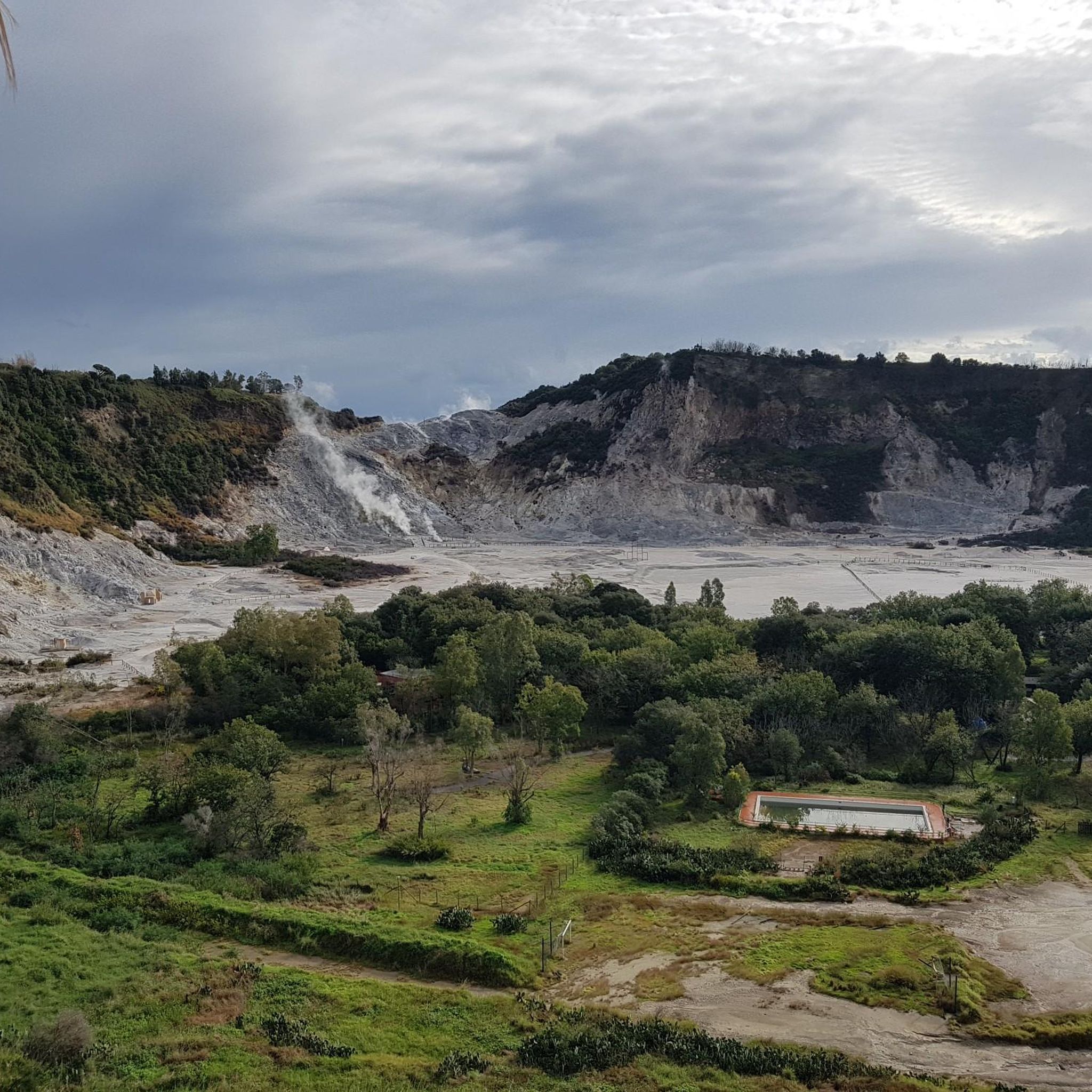
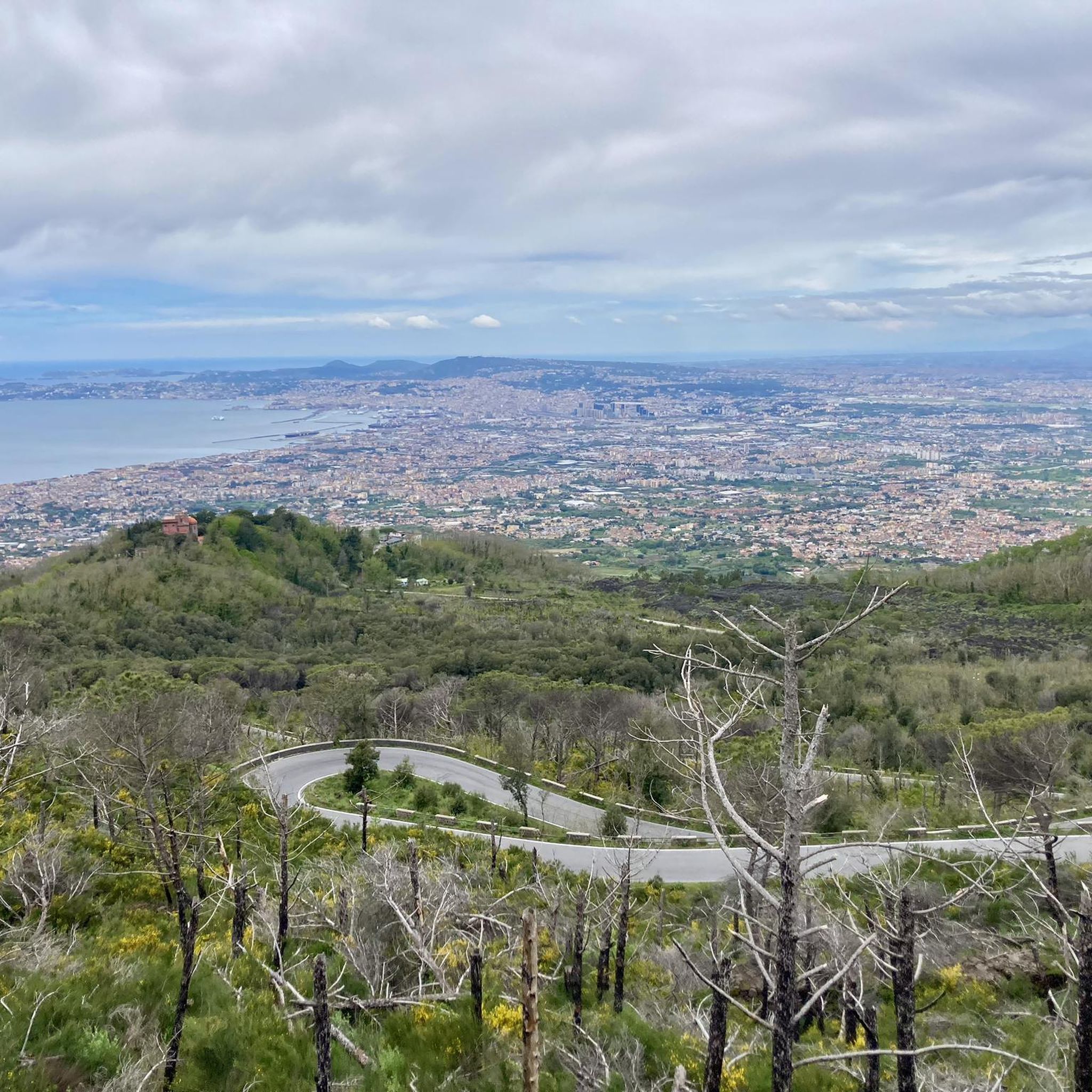
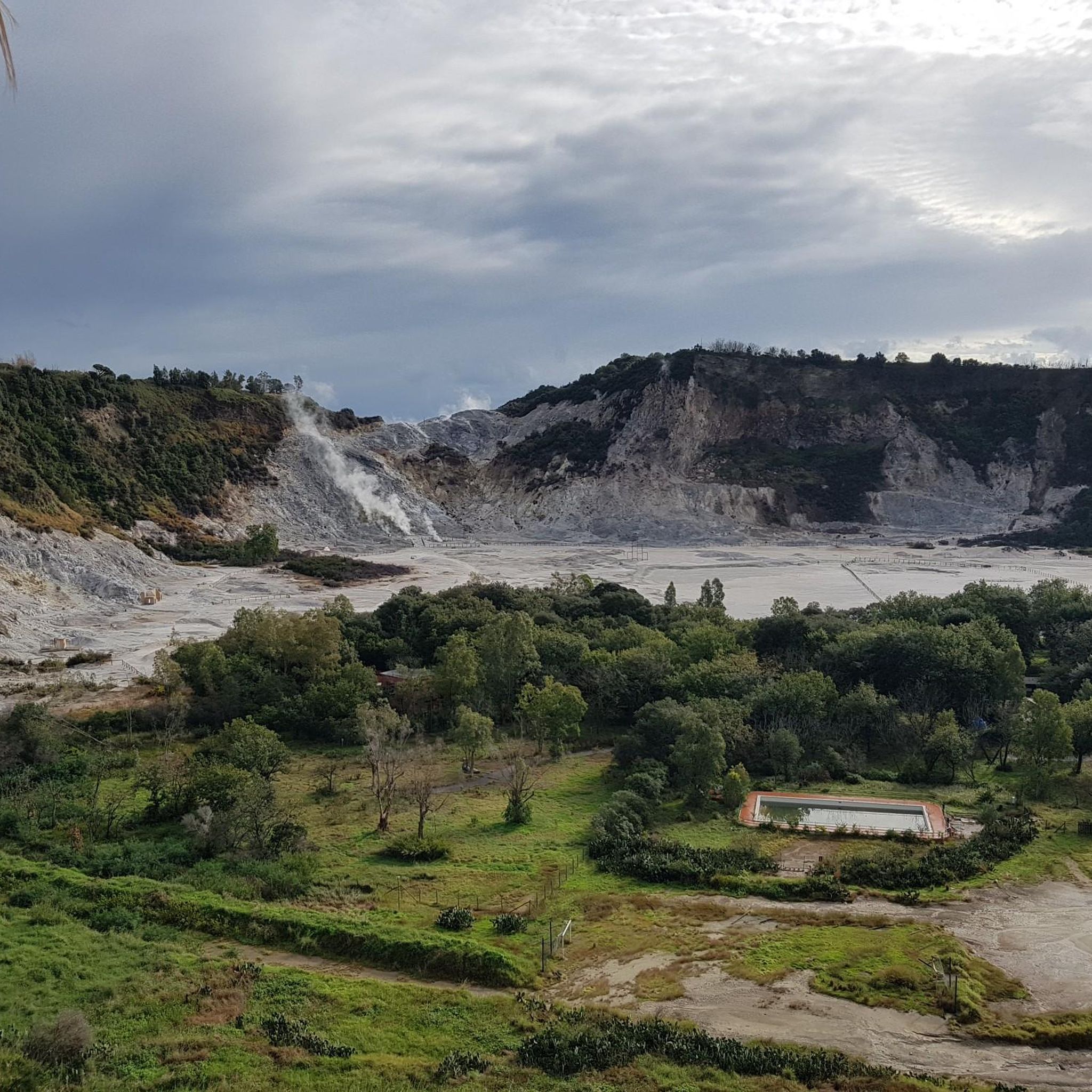

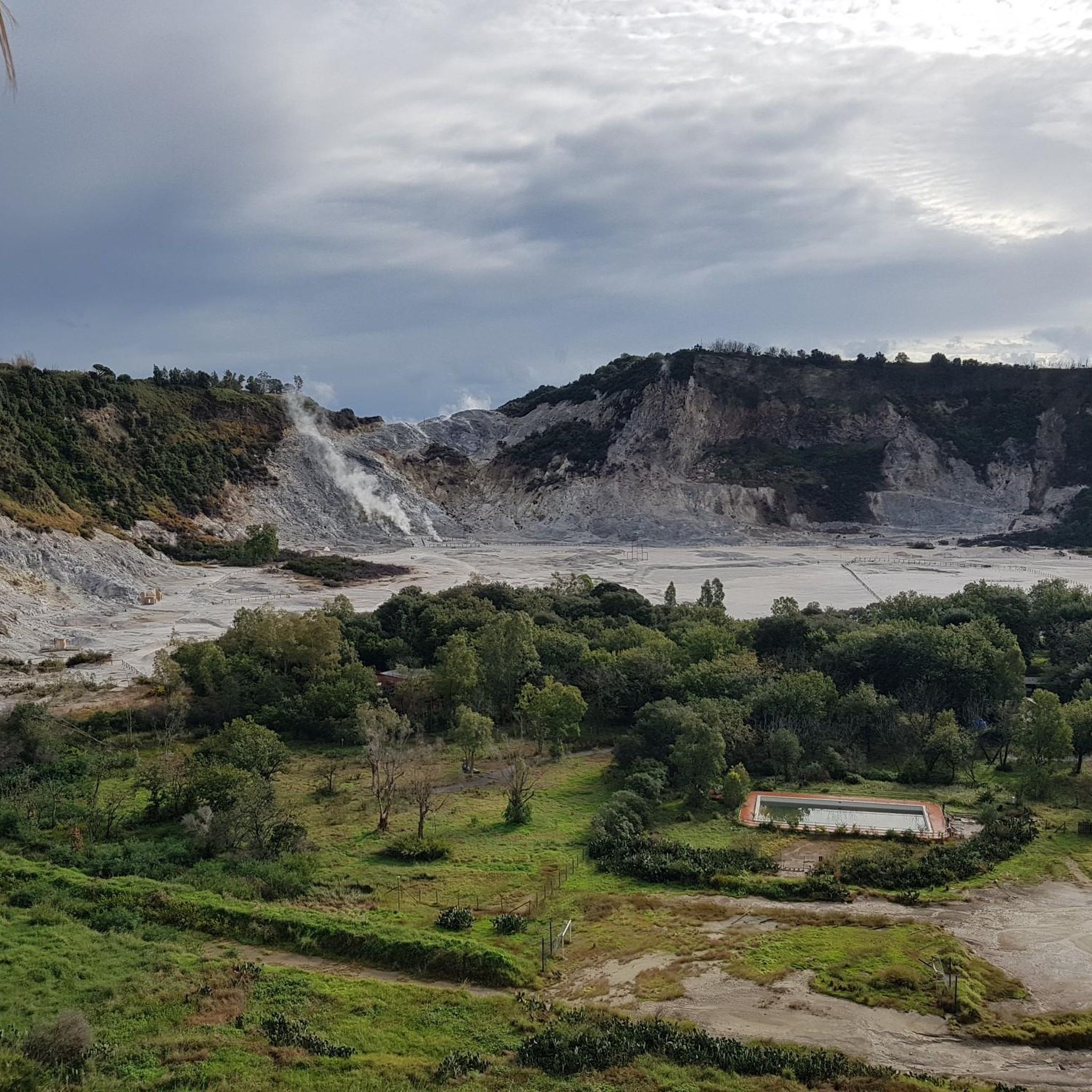
Tips from the Community

Path to get there almost completely closed by vegetation and full of garbage, with the entrance to the cave which is anyway closed by a grate. Not worth the detour
0
0

A route in ancient Neapolis where you can walk along a street from that era with its shops and appreciate the Cryptoporticus and the Macellum. https://www.laneapolissotterrata.it
1
0

There is so much to see and visit in Naples; it cannot be explained in a comment
0
0
The port is divided into various parts where hydrofoils, cruise ships, etc. depart. Near the port there is the metro station
0
0
The subsoil of Naples is crossed by a large network of tunnels, galleries, aqueducts and spaces dug and used by man throughout history...
0
0

The semi-rock hermitage of Santa Maria Pietraspaccata is nestled within a centuries-old chestnut grove, the “Bosco della Salandra”, in the dense forest rich in flora and fauna extraordinary treasures are hidden: the “Ciaurriello“, a Roman mausoleum still preserved today, the “Grotta del Brigante“, and countless other archaeological finds yet to be discovered. The hermitage is located in Marano di Napoli and constitutes an archaeological-architectural unicum in Campania, it is partially dug into the side of a deep hydrographic furrow that from the Camaldoli hill flows into the bottom of the Quarto crater, with jumps of over one hundred meters. Its caves develop on multiple levels and probably represent a primitive rock settlement dating back to the Neolithic. It was an obligatory stop for shepherds during the transhumance, in fact, it overlooks an ancient Osco-Samnite sheep track (also cut into the tuff bank) that connected the highest Neapolitan hill with the Phlegraean-Campanian countryside. In Roman times, the caves were incorporated into an overlying villa, with probable function of mithraeum and nymphaeum. The tuff ridge involved is ingeniously sculpted in such a way as to intercept, with studied channels and inclined planes, both rainwater and spring water to be regimented in two large cisterns. Other channels accompanied the excess water to the bottom of the gully, where a suggestive stream flows that transforms into a rushing torrent during the rains. The hermitage-tower was added at the end of the 16th century in order to incorporate the aforementioned caves. The structure is crossed vertically by a fault fracture from which it is not excluded that thermal steam came out in ancient times. Discovered in 1992 by a group of volunteers organized by Prof. Carlo Palermo, who then formed the Archeoclub Maraheis, it was brought to light by them by manually removing hundreds of cubic meters of material that had fallen from the overlying cliff. The work, which lasted several years, has highlighted the strong archaeological value of the site and has recovered numerous finds from the Neolithic, from the 1st-2nd century AD and others from the medieval period. Most of these are located at the Archaeological Museum of Naples. In the early Middle Ages it was perhaps used by Basilian monks, as would be deduced from the very ancient title of SS. Salvatoriello, given to the main cave, later transformed into a tiny chapel. The place then evolved structurally from a primitive cenoby, becoming a true sanctuary to which people flock from all over the surrounding area. Over time, various hermits followed, then the Franciscan friars (the Madonna with Child and two adoring friars are frescoed in the apse, strongly reminiscent of Giotto), then the Jesuits and still other hermits, until 1800. After that date, it fell into a state of abandonment and almost total decay. In the sights of building speculation, the monumental complex suffered attacks of all kinds: the continuous landslides from the overlying ridge, the damage to the load-bearing structure with the removal of blocks and the dumping of waste of all kinds aimed above all to discourage any cultural activity in situ and above all the visits of both local believers and scholars. The praiseworthy initiative of the FAI ignites new hopes.
0
0

In the off-season (end of October) I was even able to get a guided tour at 2pm without booking in advance.
2
0

Lots of traffic at the port. The metro is right next to it.
3
0
Most popular attractions around Villaricca

Get inspired with the komoot mobile app


Explore more
Extend your search for the best caves by checking out these guides of the top ones around Villaricca:
