Top 5 Caves around Ottaviano
Best caves around Ottaviano are primarily volcanic formations and historical shelters found within the Vesuvius National Park. This region features cave-like structures formed by volcanic activity, offering insights into the geological history of the area. Ottaviano serves as a gateway to explore these unique natural features and the surrounding volcanic landscape. The area provides opportunities to experience the raw power and history of Vesuvius.
Best caves around Ottaviano
- The most popular caves is Grotta Fissure, a challenging cave and…
Last updated: August 23, 2026
Grotta Fissure
Highlight (Segment) • Cave
Translated by Google •
Tip by

Grotta Boscariello
Highlight • Cave
Translated by Google •
Tip by
Sign up now to discover places like this
Get recommendations on the best single tracks, peaks, & plenty of other exciting outdoor places.
Sign up for free
Madonna di Castello Cave at Gavète
Highlight • Cave
Translated by Google •
Tip by

Entrance to the Cave
Highlight • Cave
Translated by Google •
Tip by

Start today with a free account
Your next adventure awaits.
Login or Signup
Tips from the Community

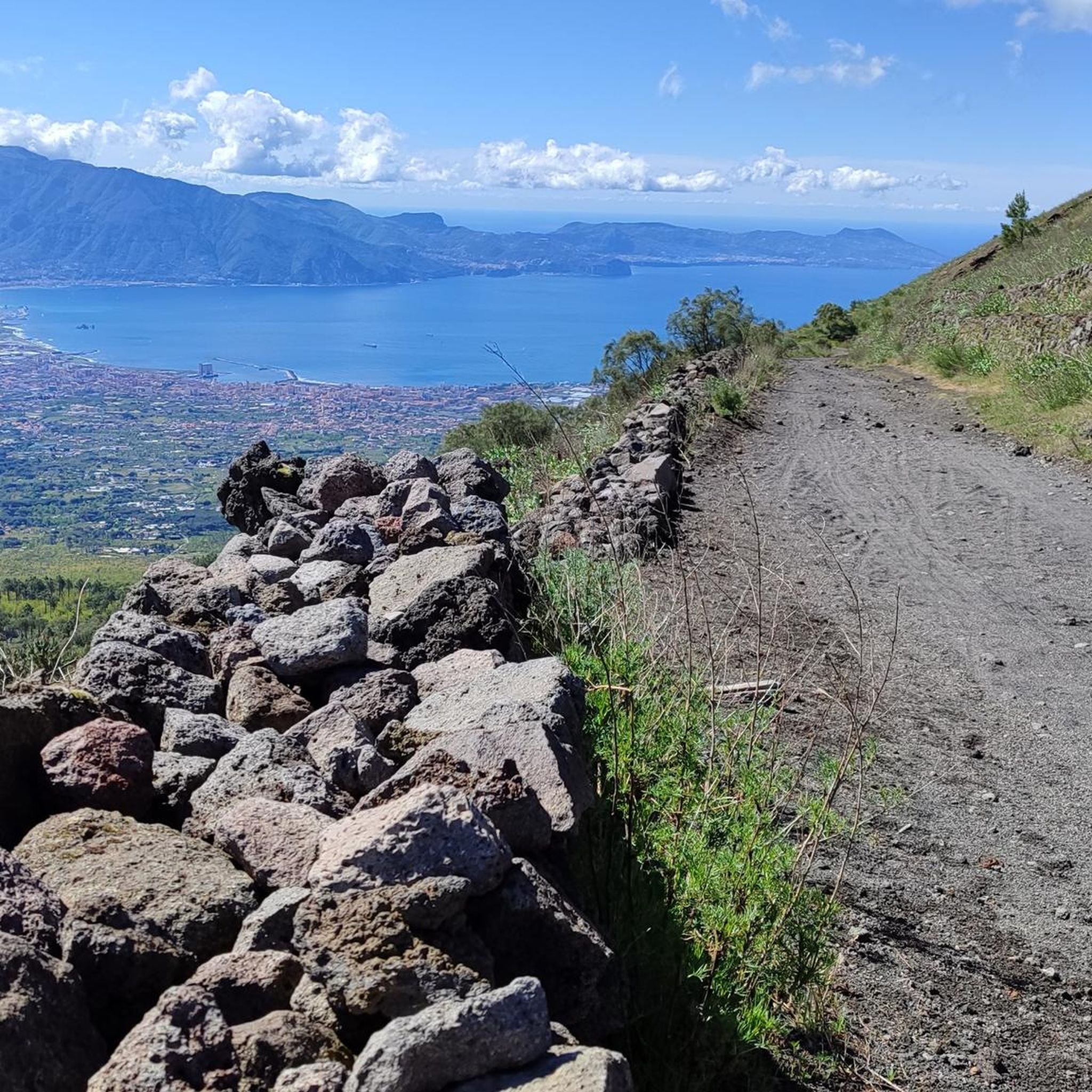
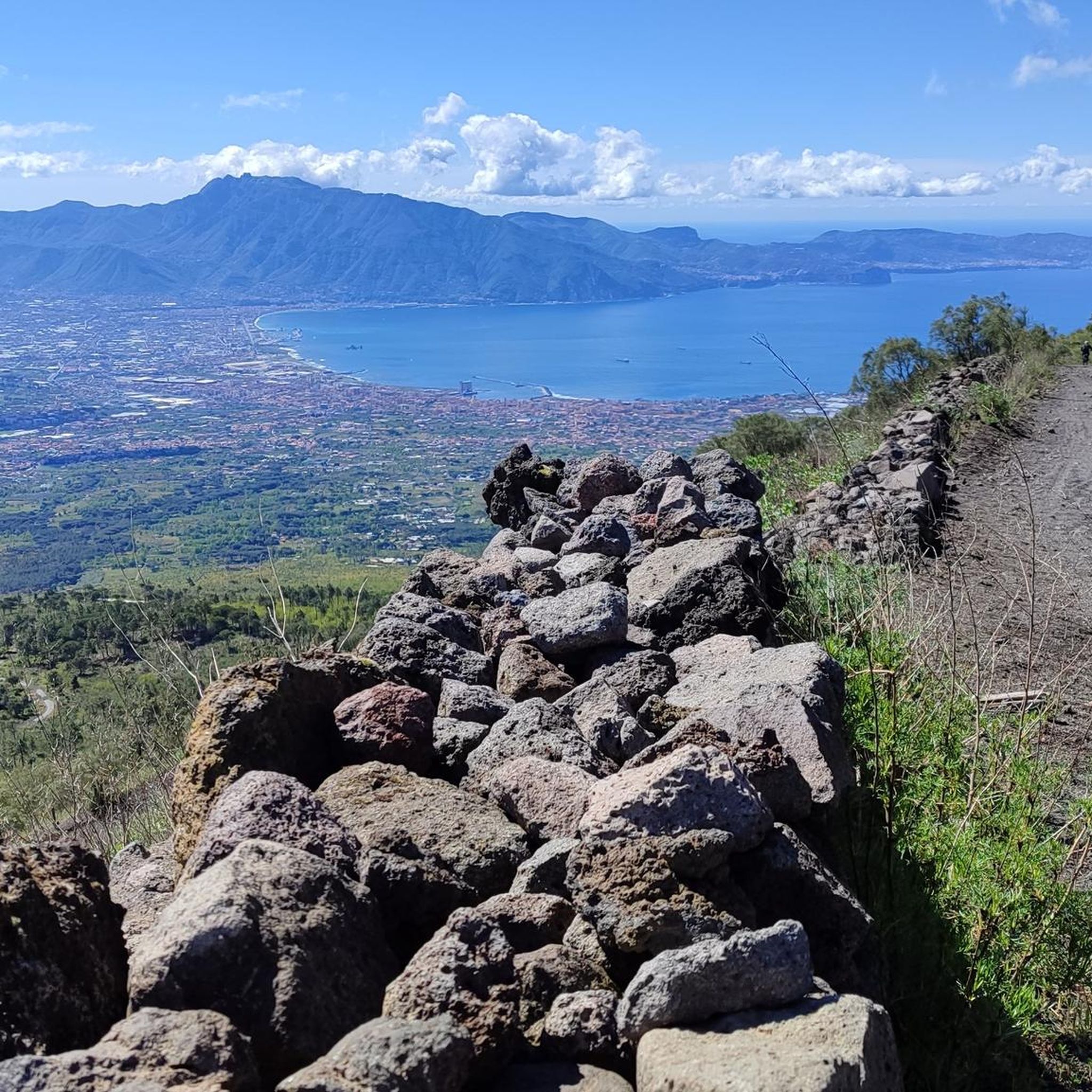
I recommend leaving the road here to get to the grotto. The path is much easier to pass than the path suggested by Komoot further north.
2
0
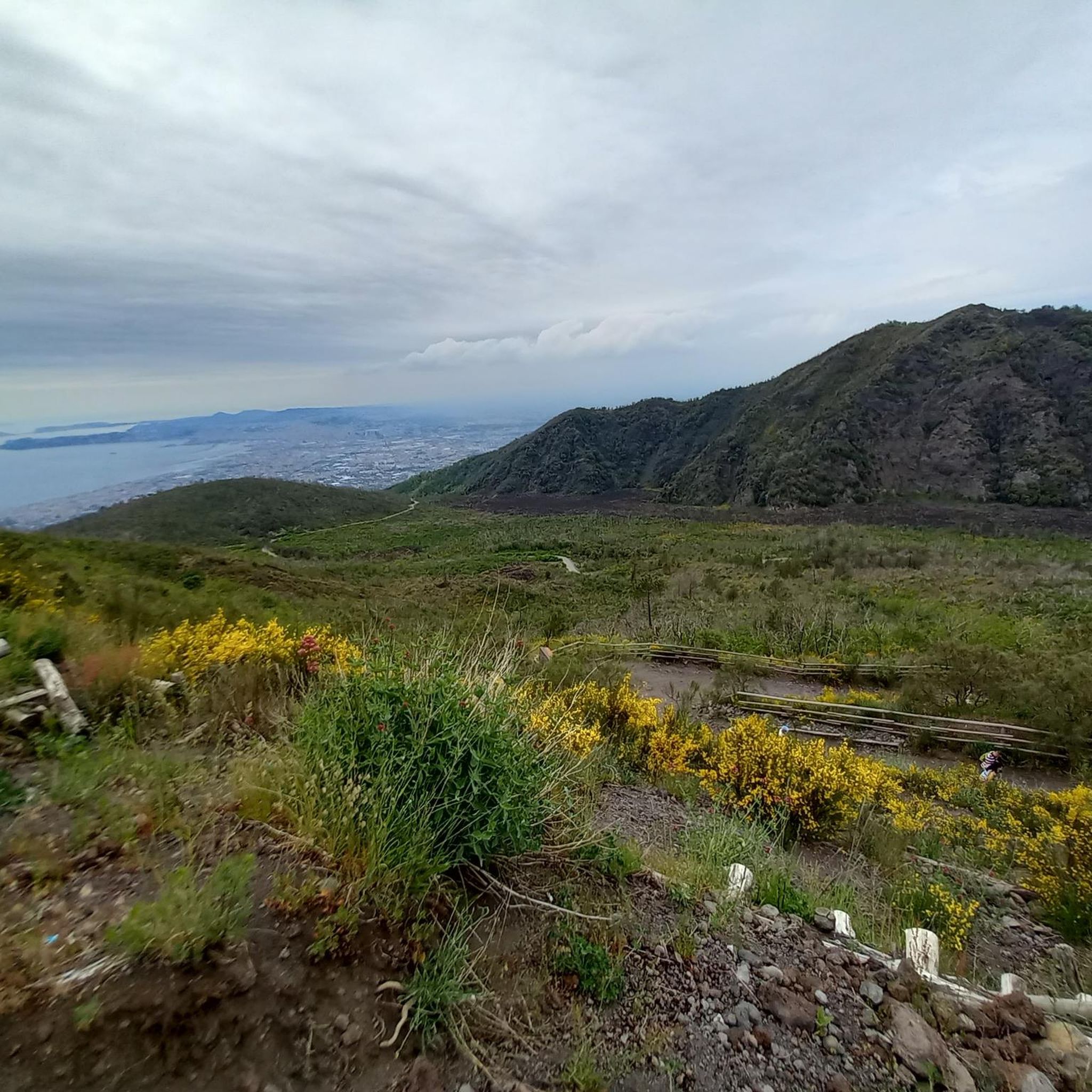
Definitely not accessible by bike, at least not at this time of year. The path is completely overgrown, and even on foot it was barely passable. But the grotto is worth the effort!
0
0

From the table shown in the photo, due to the steep slopes and finally some steps, by bike for the last stretch of about 700/800 meters. we proceed to push, but nothing impossible.
0
0
Natural cave, inside which there is a beautiful lava stone depicting the Madonna di Castello. Every 1st May the pilgrimage under 'e Gavèt is held, guided by faith and devotion to Mamma Schiavona, protector of the Sommesi, hundreds of people participate in the solemn mass which will be held right in front of the small cave, which is positioned under the spring where the ancestors fetched water. Everything is promoted and organized by the friends of the Paranza delle Gavète in collaboration with the group of Zi Riccardo and the women of Tammorra.
0
0
Suggestive natural caves, inside which there is a beautiful lava stone depicting the Madonna di Castello. Every 1st May the pilgrimage under 'e Gavèt is held, guided by faith and devotion to Mamma Schiavona, protector of the Sommesi. Hundreds of people will participate in the solemn mass which will be held right in front of the small cave, which is positioned under the spring where the ancestors went to get water. All promoted and organized by the friends of Paranza delle Gavète in collaboration with the group of Zi Riccardo and the women of Tammorra.
0
0

An exciting walk in the heart of nature
12
0

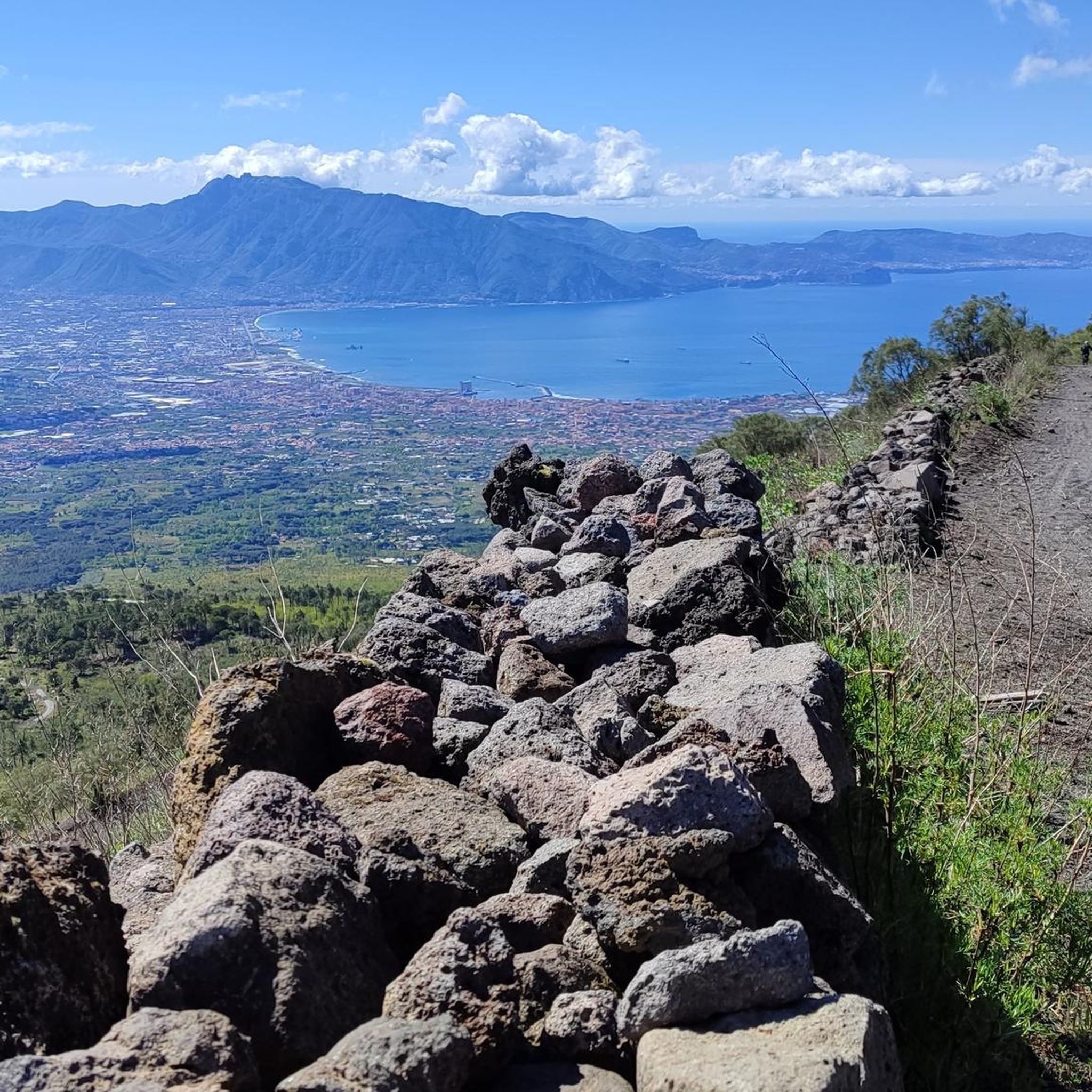
Boscariello cave. Challenging, but not impossible, the gathering brought a cheerful snake of Bikers up, through trees and bushes, along the slopes of Monte Sant'Angelo, to the large cave (142 meters high, surveyed by CAI in the 1970s) The cave has an uncontaminated and primordial aspect, with a large and deep room (sixty-three meters of planimetric development and thirty-one of depth). The beautiful panorama you can enjoy ranges from Vesuvius to Capri and embraces the whole territory https://www.sciscianonotizie.it/grotta-del-boscariello-alla-ricerca-del-tesoro-del-brigante-in-centinaia-alla-passeggiata-creaviva/
11
0
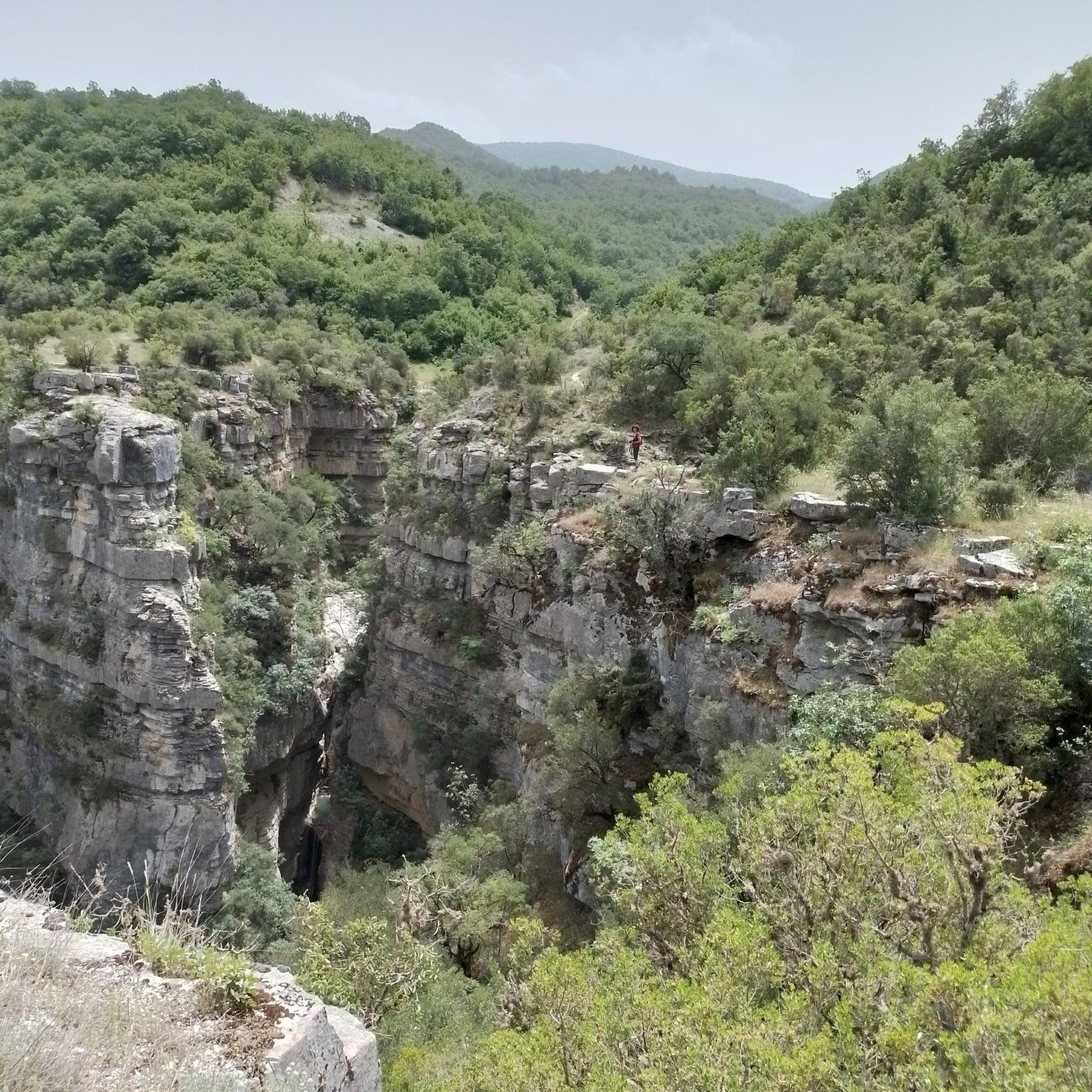
A huge 60-meter-long cave that climbs up to huddle on the bottom with a drop of 31 meters. The floor is covered with material from the collapses, in the center of the main room there is a large chasm that brings light into the cave.
11
0
Frequently Asked Questions
What kind of 'caves' can I expect to find around Ottaviano?
The 'caves' in the Ottaviano region, particularly within the Vesuvius National Park, are primarily volcanic formations, lava flows, and historical shelters. They offer a unique opportunity to explore the geological history of the area and experience the natural beauty of the volcanic landscape, rather than extensive karst cave systems.
Are there any challenging cave explorations near Ottaviano?
Yes, for a challenging experience, you can explore Grotta Fissure. It features a small entrance under a lava gap, explorable for about ten meters, and offers panoramic views of the 'Hell's valley.' It's considered a challenging natural monument.
Which caves are suitable for an intermediate level of exploration?
Grotta Boscariello is an intermediate-level natural monument. It's a large cave, approximately 60 meters long and 31 meters deep, with a chasm in the main room that provides natural light. Another intermediate option is the Madonna di Castello Cave at Gavète.
Are there any caves with historical or religious significance?
Yes, the Madonna di Castello Cave at Gavète is a natural cave with religious significance. Inside, you'll find a lava stone depicting the Madonna di Castello, and it is the site of an annual pilgrimage on May 1st. Historically, a cave on Monte Somma was also consecrated to the Madonna di Lourdes, having served as a refuge for farmers.
What are the best times of year to visit the caves and trails around Ottaviano?
The Vesuvius National Park area, where many of these formations are located, is generally best visited during spring and autumn. These seasons offer milder temperatures, which are ideal for hiking and exploring the volcanic landscape. Summer can be very hot, and winter might bring colder, wetter conditions.
What kind of natural features can I expect to see on trails near Ottaviano's caves?
You can expect to see unique volcanic rock formations, Mediterranean vegetation, and stunning panoramic views. Trails like those leading to Cognoli di Ottaviano or through the Valle dell'Inferno offer glimpses into the ancient volcano's caldera and the raw power of Vesuvius. Many caves themselves are volcanic formations.
Are there hiking or cycling routes near the caves around Ottaviano?
Yes, the area around Ottaviano offers various outdoor activities. For cycling, you can find routes like the 'View of Vesuvius loop from San Giuseppe' or the 'Valley of Hell – Valley of Delights loop from San Giuseppe' in the Cycling around Ottaviano guide. For mountain biking, there's the 'Singletrack to Strada Matrone – Grotta Fissure loop from Castello Mediceo' in the MTB Trails around Ottaviano guide. These guides provide options for different difficulty levels.
Do I need any special permits to visit the caves or hike in Vesuvius National Park?
While general access to Vesuvius National Park trails is usually open, specific areas or guided tours might require permits or reservations, especially for the crater itself. It's advisable to check the official Vesuvius National Park website for the most current information regarding access and any necessary permits before your visit. You can find more information at visitpompeiivesuvius.com.
Are the caves and trails around Ottaviano family-friendly?
Some trails and areas within Vesuvius National Park can be family-friendly, but the 'caves' themselves, being volcanic formations or historical shelters, may vary in accessibility. For example, Grotta Fissure is described as challenging and requires attention to head clearance. Always check the specific trail or cave details for difficulty and suitability for children.
What should I wear when exploring the caves and trails in this region?
Given the volcanic terrain and potential for challenging paths, sturdy hiking shoes with good grip are essential. Layers of clothing are recommended as temperatures can change, especially inside formations or at higher elevations. A headlamp or flashlight is advisable for exploring any darker cave sections, and bringing water is always a good idea.
Is there parking available near the cave exploration points?
Access to Vesuvius National Park and its various points of interest often includes designated parking areas. However, specific parking availability for individual cave formations might vary. It's recommended to research parking options for your chosen starting point within the park or near Ottaviano before your visit.
Can I bring my dog on the trails near the caves?
Policies regarding dogs in Vesuvius National Park can vary by specific trail or protected area. Generally, dogs are often permitted on trails if kept on a leash, but it's always best to verify current regulations with the park authority or local visitor centers to ensure a smooth visit with your pet.
Most popular routes around Ottaviano
Most popular attractions around Ottaviano

Get inspired with the komoot mobile app


Explore more
Extend your search for the best caves by checking out these guides of the top ones around Ottaviano:
