Top 7 Caves around Oria
Best caves around Oria are found in the Apulia region of Italy, an area known for its historical significance and unique geological formations. The landscape features ancient settlements and natural caves often integrated with religious and archaeological sites. These subterranean spaces offer insights into the region's past and natural history. Oria provides access to a variety of cave experiences, from rock-cut sanctuaries to archaeological parks.
Best caves around Oria
- The most popular caves is Sanctuary of Saint Anthony alla Macchia…
Last updated: June 29, 2026
Sanctuary of Saint Anthony alla Macchia
Highlight • Religious Site
Translated by Google •
Tip by

Sanctuary of Madonna delle Grazie
Highlight • Religious Site
Translated by Google •
Tip by

Sign up now to discover places like this
Get recommendations on the best single tracks, peaks, & plenty of other exciting outdoor places.
Sign up for free
Archaeological Park of the Messapian Walls
Highlight • Historical Site
It is possible to visit the park of the Messapian walls and the Plinian source with a very prepared guide who made this …
Translated by Google •
Tip by

Living Nativity of San Marzano
Highlight • Historical Site
Translated by Google •
Tip by
Ipogeo of Torre Santa Susanna
Highlight • Historical Site
Translated by Google •
Tip by

Sign up for free to discover even more caves around Oria.
Sign up for free
Already have an account?
Start today with a free account
Your next adventure awaits.
Login or Signup


Tips from the Community

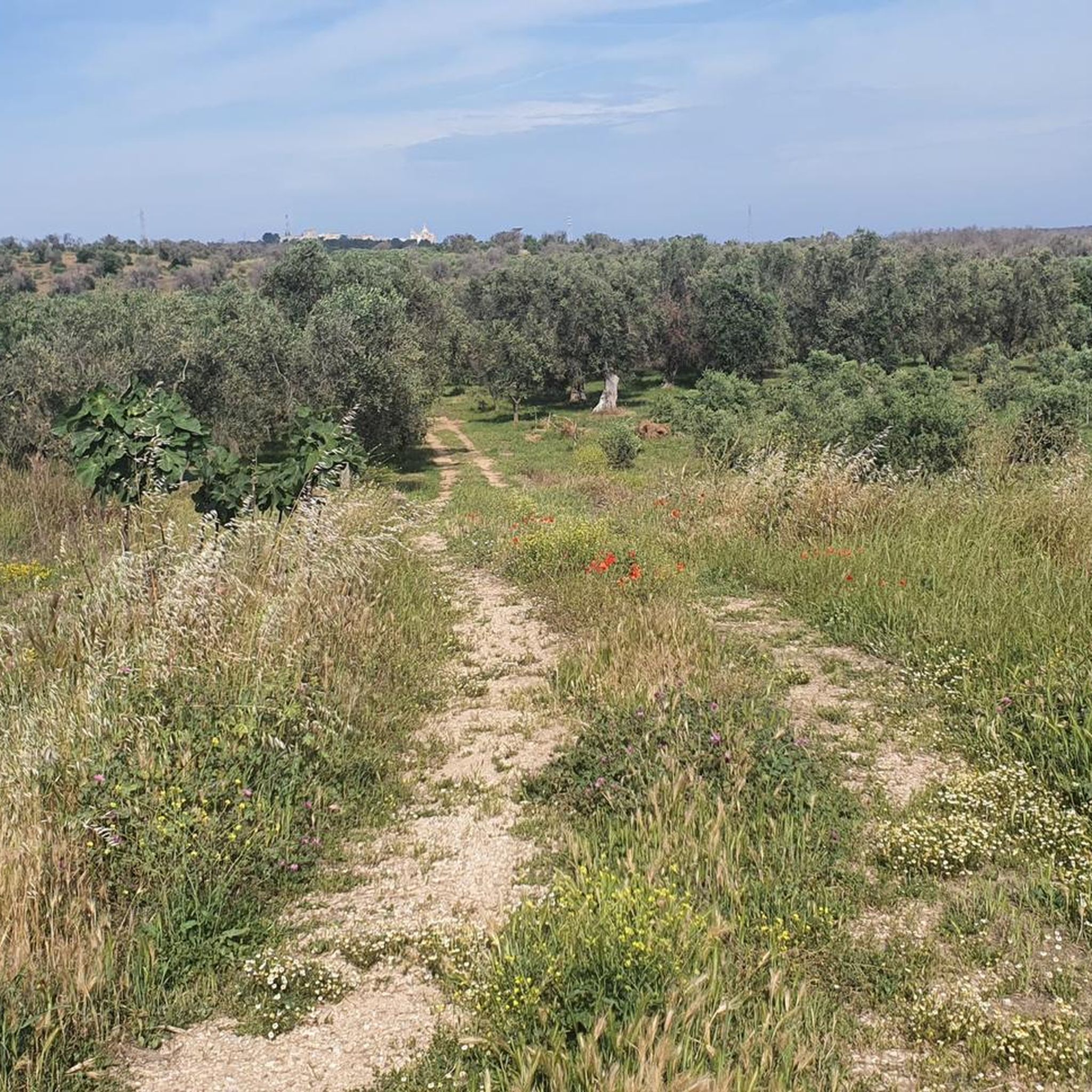
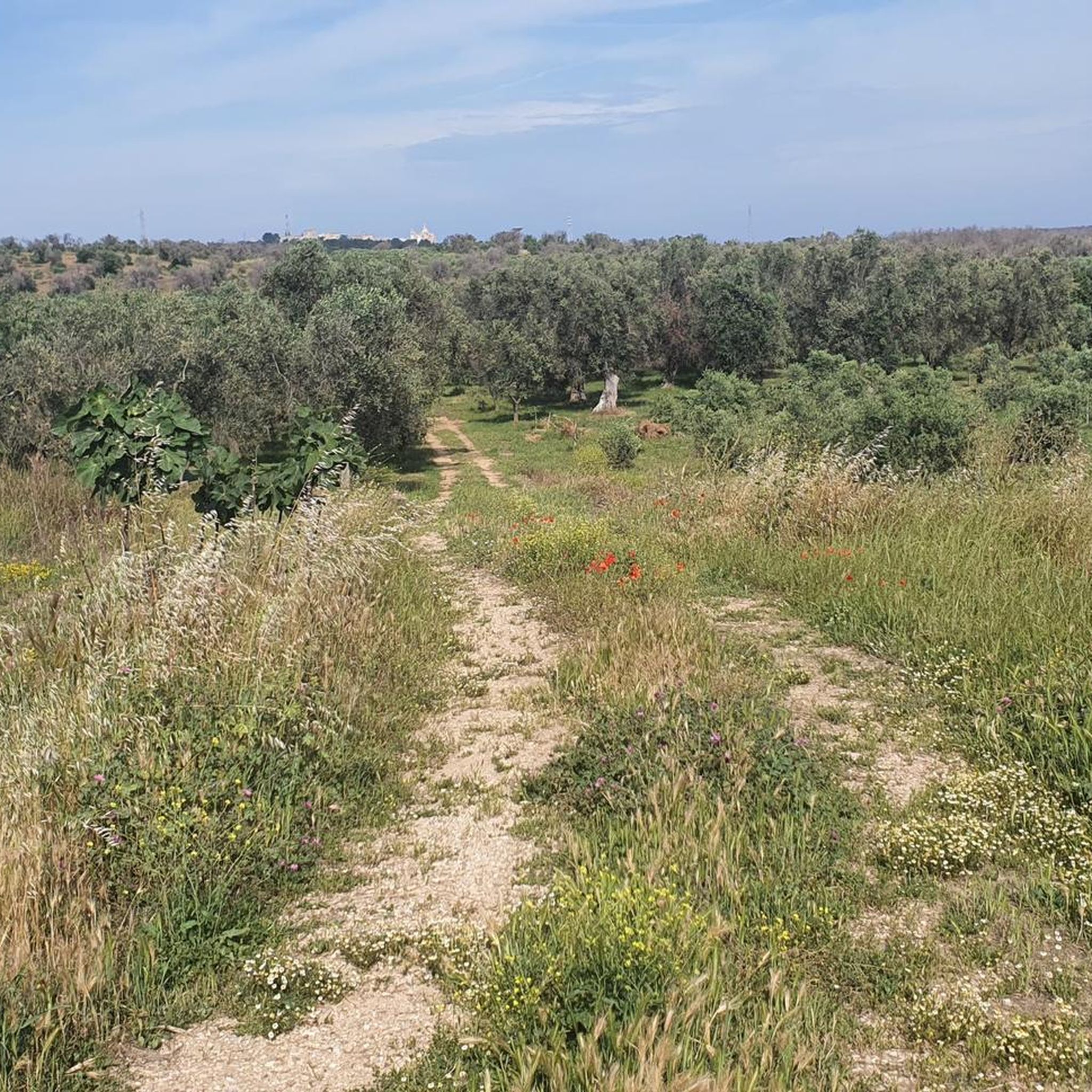
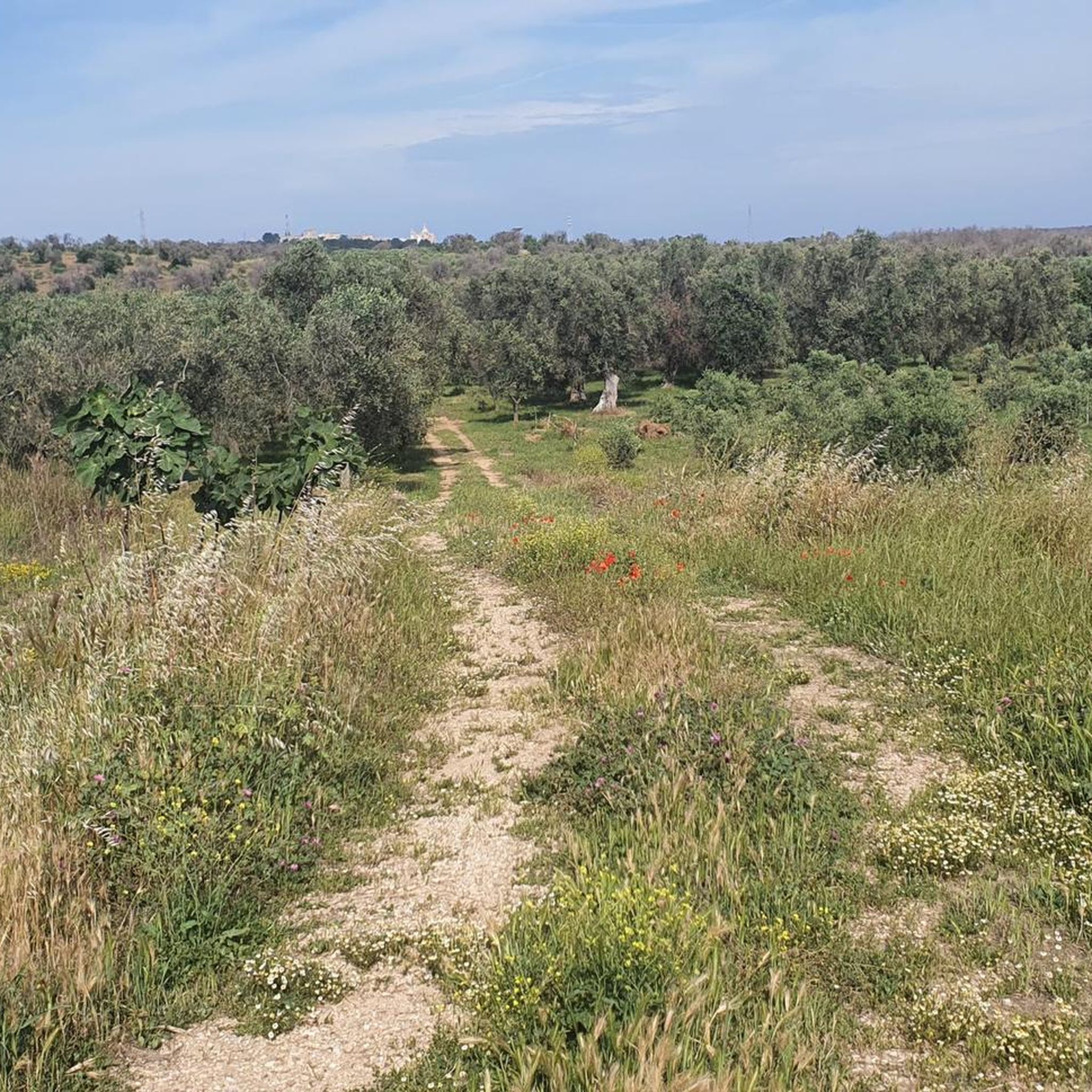
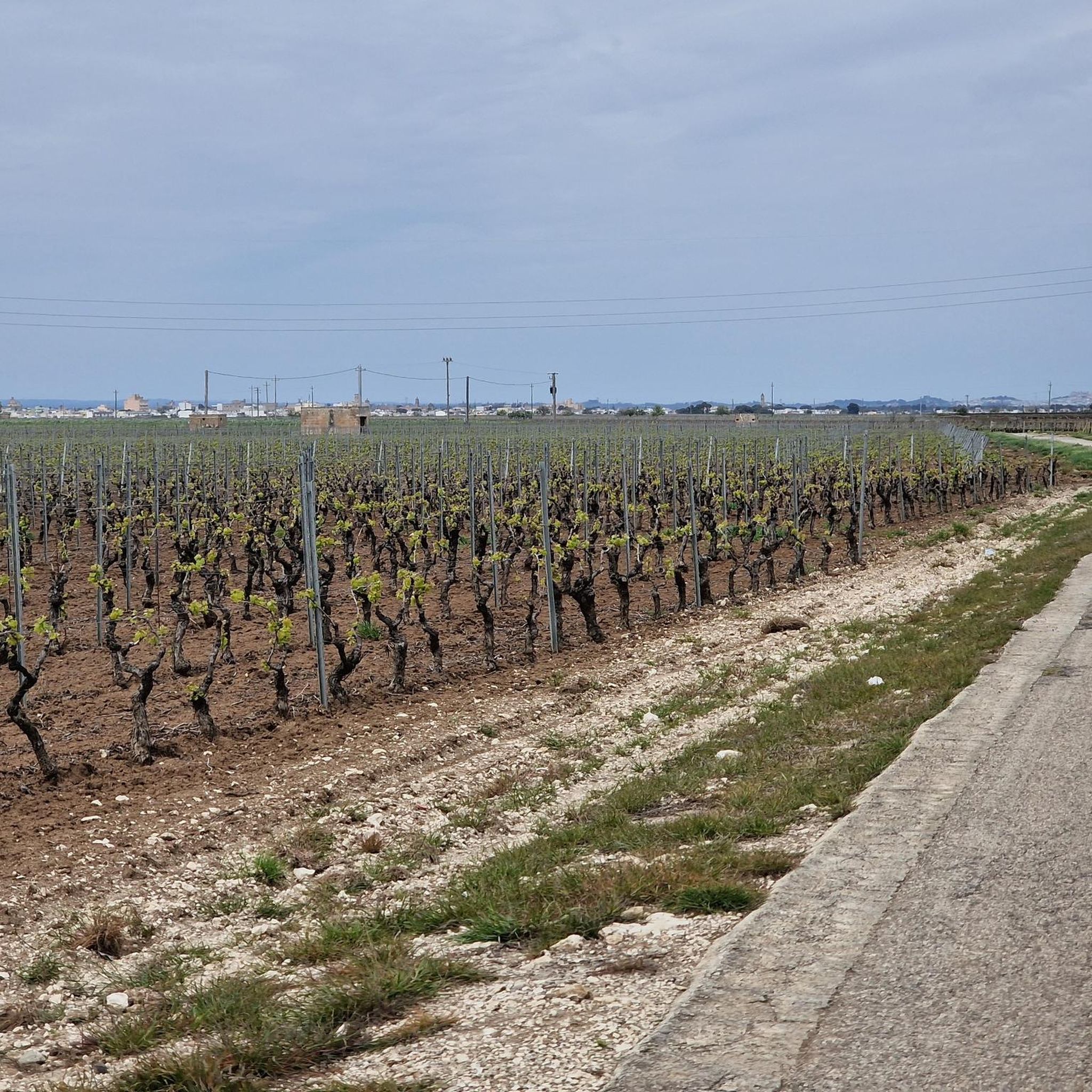
Spectacular place, near the sanctuary of Sant'Antonio alla Macchia there is a very fun XC Mountainbike trail
0
0

The Fonte Pliniano is still one of the symbols of the city (it is also represented in the city coat of arms);[8] almost certainly dating back to the Messapian era,[8] it was described by Pliny the Elder (from whom it subsequently took its name)[9] in his Naturalis Historia. It is a well located inside a natural cave 18 metres in diameter[8] and 8 metres wide[8] which can be reached by going down 20 steps dug into the rock.[8] A square skylight opens on the vault of the cave, a cylindrical structure from which an almond tree emerges (according to centuries-old legend)[9] from which the light necessary to illuminate the room penetrates. Water from an underground aquifer flows perpetually from the well and the adjacent basin.[8] In ancient times the Fonte Pliniano was also used as a place of worship for a Messapian deity
0
0
Wonderfully restored archaeological park. The night visit is spectacular! Not to be missed
0
0
A very suggestive experience that I recommend. It is possible to visit the park of the Messapian walls and the Plinian source with a very prepared guide who made this tour very interesting. The park has been renovated and restored and it is beautiful to be able to admire so much culture and history.
0
0
Stunning and relaxing landscape, excellent for going as a couple to have a bit of relaxation. Very green and excellent to visit
0
0
Stunning and relaxing landscape, excellent for going as a couple to have a relaxing time. Very green and excellent to visit
0
0

Ancient hypogeum used until the beginning of the twentieth century for the production of lampante and cooking oil. The Calabrian and Genoese presses are visible thanks to historical reconstructions. Until the nineties it was used as a cistern for a former petrol pump. Historic site saved and re-evaluated
0
0
The church above is of recent construction and houses the simulacrum of the Madonna delle Grazie, probably made in 1800.
0
0
Frequently Asked Questions
What kind of caves can I explore around Oria, Apulia?
The caves around Oria in Apulia are primarily known for their historical and religious significance. You'll find ancient rock-cut sanctuaries, Basilian crypts, and archaeological caves that offer insights into the region's past. These subterranean spaces are often intertwined with historical and religious narratives.
Are there any family-friendly cave experiences near Oria?
Yes, the region offers family-friendly options. The Sanctuary of Madonna delle Grazie is a rock sanctuary that is considered family-friendly. Additionally, the Living Nativity of San Marzano, which takes place in a ravine and utilizes caves during the Christmas period, is also a family-friendly historical site.
What historical or archaeological sites are integrated with caves around Oria?
Several sites combine historical significance with natural caves. The Sanctuary of Saint Anthony alla Macchia features a Basilian crypt dug into the rock, preserving traces of frescoes and engravings from Byzantine monks. The Archaeological Park of the Messapian Walls includes a natural cave housing the ancient Fonte Pliniano, a well-preserved Messapian source that was also a place of worship.
What are the most notable natural features or geological formations to see in the caves near Oria?
While the local caves around Oria are more focused on historical and religious aspects, the broader Apulia region is home to the spectacular Castellana Caves. These feature a natural labyrinth of stalactites, stalagmites, ancient fossils, and crystal-clear chambers, including the renowned 'White Cave' with its pure white alabaster-like formations.
What is the best time to visit the caves around Oria?
The caves and historical sites around Oria can generally be visited year-round. For specific seasonal events, the Living Nativity of San Marzano is a notable attraction during the Christmas period. For the larger Castellana Caves, guided tours are available throughout the year, but checking their official schedule for specific opening hours is recommended.
Are there any unique geological caves in the wider Apulia region?
Yes, the Apulia region is home to the renowned Castellana Caves (Grotte di Castellana), which are among Italy's most spectacular underground karst systems. They are famous for their vast network, impressive geological formations like stalactites and stalagmites, and the stunning 'White Cave' known for its alabaster formations.
Can I find ancient art or inscriptions in the caves near Oria?
Yes, the Sanctuary of Saint Anthony alla Macchia, with its Basilian crypt, preserves traces of frescoes and engravings left by Byzantine monks. In the broader Apulia region, the Grotta dei Cervi (Deer Cave) near Otranto is known for its 8,000-year-old cave paintings.
What outdoor activities can I do near the caves around Oria?
Beyond exploring the caves, the area around Oria offers various outdoor activities. You can find numerous routes for mountain biking, gravel biking, and running. For example, there are MTB Trails around Oria, Gravel biking around Oria, and Running Trails around Oria, with options ranging from easy to difficult.
What do visitors enjoy most about the caves and historical sites near Oria?
Visitors appreciate the suggestive experience and the rich cultural and historical insights offered by these sites. The Archaeological Park of the Messapian Walls is particularly noted for its wonderfully restored state and the interesting tours with prepared guides. The mystical atmosphere of places like the Sanctuary of Saint Anthony alla Macchia is also highly valued.
Are there any caves near Oria that are particularly significant for their geological rarity?
While the caves directly around Oria are more historical, the Sorbas Caves in Almería, Spain (another region named Oria) are globally significant for being one of the best-preserved gypsum karst sites. They feature an extensive network of caves with millions of sparkling gypsum crystals, a rare geological phenomenon.
Can I visit the Fonte Pliniano, and what is its significance?
Yes, the Fonte Pliniano is located within a natural cave at the Archaeological Park of the Messapian Walls. It's an ancient well, almost certainly dating back to the Messapian era, and was described by Pliny the Elder. It served as a source of water and was also used as a place of worship for a Messapian deity, making it a significant historical and cultural landmark.
What kind of routes are available for cycling near the Oria caves?
For cycling enthusiasts, there are various routes available. You can explore MTB Trails around Oria, with options like the 'Ostuni – The White City – Dentice di Frasso Castle loop' or the 'XC Sant'Antonio MTB Circuit'. For gravel biking, routes such as the 'Ulmo Pine Grove – Water fountain at Pineta Ulmo loop' are available through Gravel biking around Oria.
Most popular attractions around Oria

Get inspired with the komoot mobile app


Explore more
Extend your search for the best caves by checking out these guides of the top ones around Oria:
