Top 12 Castles around Botrugno
Best castles around Botrugno are found in the charming town of Botrugno, located in the Salento region of Puglia, Italy. This area is characterized by its historical significance and architectural evolution, offering insights into centuries of regional history. The landscape features fortified residences and historical sites that reflect the influence of various noble families. Exploring these structures provides a glimpse into the past of this less-traveled part of Puglia.
Best castles around Botrugno
- The most popular castles is Castro Castle…
Last updated: May 18, 2026
Castro Castle
Highlight • Trail
Tip by

Piazza del Popolo, Muro Leccese
Highlight • Historical Site
Translated by Google •
Tip by

Sign up now to discover places like this
Get recommendations on the best single tracks, peaks, & plenty of other exciting outdoor places.
Sign up for free
Guarini Castle of Poggiardo
Highlight • Castle
Translated by Google •
Tip by

Capanne Tower, Castro
Highlight • Historical Site
Translated by Google •
Tip by

Castello Spinola-Caracciolo
Highlight • Castle
Translated by Google •
Tip by

Sign up for free to discover even more castles around Botrugno.
Sign up for free
Already have an account?
Start today with a free account
Your next adventure awaits.
Login or Signup


Tips from the Community


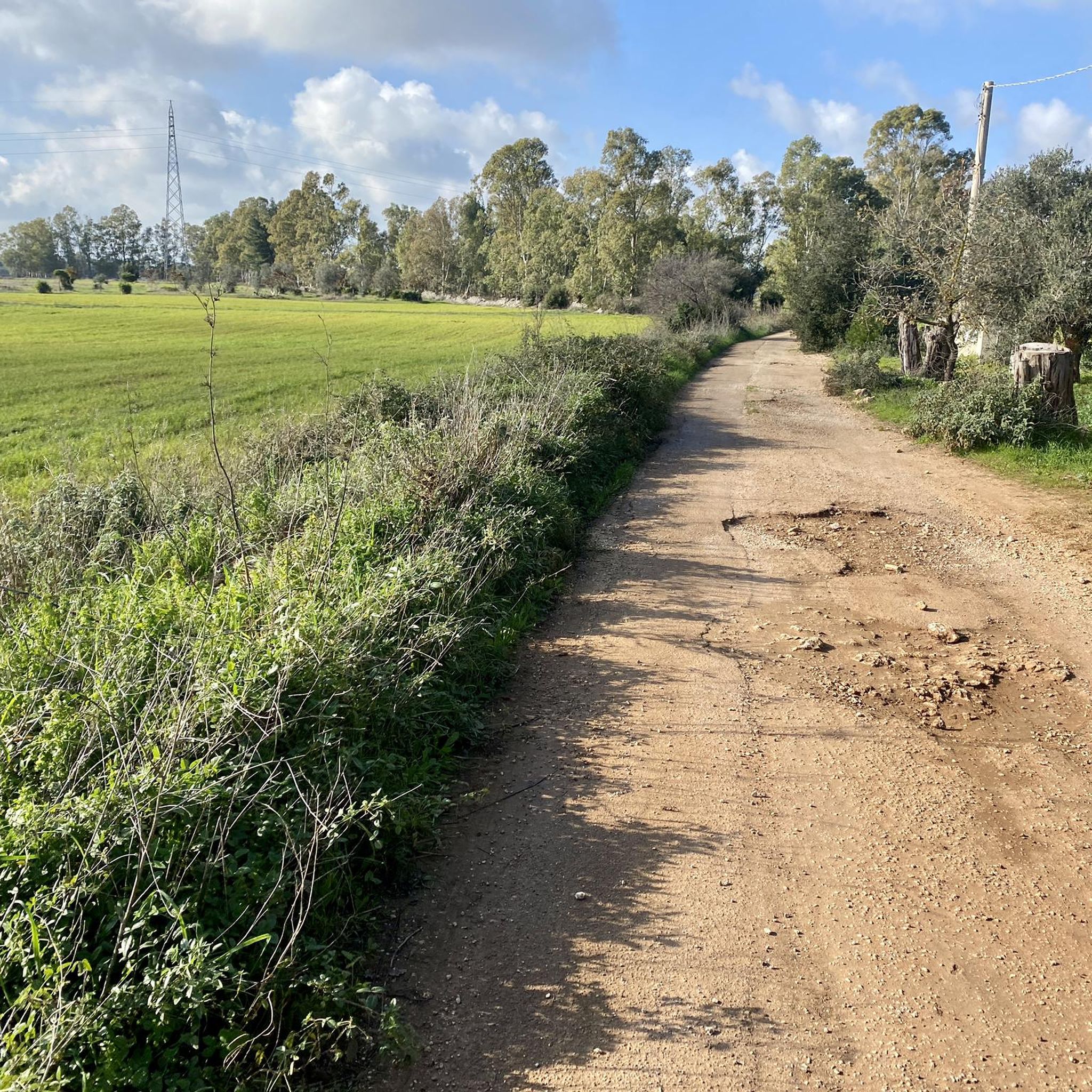
The coastal road is more beautiful than this inland road.
0
0
in front of the castle there is a balcony overlooking the sea
0
0

Beautiful, perfectly preserved example of an Aragonese castle. Very close there are two viewpoints
0
0

In an excellent state of conservation, the castle, located in the center of Andrano, was originally born as a farm in the thirteenth century and then subjected to numerous renovations and extensions until the seventeenth century. Large well-kept lawn behind the castle with playground.
2
0

Posted in Salento Fortifications collection https://www.komoot.it/collection/1396951/-salento-fortificazioni - The most ancient structure of the current Aragonese castle dates back, in all probability, to the XII-XIII century and was built on the remains of the Byzantine fortress. In the second half of the 13th century, Charles I of Anjou defines it as a fortress of strategic importance for the defense of the kingdom. The castle, numbered together with the fortresses of Ostuni, Taranto, Ugento and Torremaggiore, is considered of national importance and considered among the most functional, combining together natural defenses and military architecture [source: https://it.m.wikipedia.org / wiki / Castello_di_Castro]
0
0
Posted in Salento Fortifications collection https://www.komoot.it/collection/1396951/-salento-fortificazioni - The oldest nucleus of the Poggiardo Castle dates back to the 14th century and originally included a cylindrical tower and a building, surrounded by a moat, with essentially defensive and sighting functions. In 1466 it became the property of the Guarini Dukes, Lords of Poggiardo, who expanded the structure over the course of several centuries, progressively transforming it from a fortress into a fortified residential residence. During the seventeenth century the moat was filled, fenced and transformed into a citrus grove while in the following centuries several buildings were built on part of it, on whose roof a beautiful terrace was created [source: https://www.lavocedimaruggio.it /wp/fortresses-and-castles-of-puglia-the-guarini-of-poggiardo- castle.html]
1
0
Posted in Salento Fortifications collection https://www.komoot.it/collection/1396951/-salento-fortificazioni - Between noble palaces and churches adorned with the famous stone of light and luminous tones, passing through the historic center of Muro Leccese is a pleasant surprise. It deserves attention. Built in the first half of the 16th century on an old medieval pre-existing building, Palazzo dei Principi is a splendid building with an austere façade that stands out in Piazza del Popolo, enriched by a portal with the emblem of the Protonobilissimo dragon and by windows and balconies in Renaissance style [ source: https://www.viaggiareinpuglia.it/at/4/castellotorre/4646/it/Palazzo-del-Principe]
1
0
Frequently Asked Questions
What historical insights do the castles around Botrugno offer?
The castles and fortified residences in the Botrugno area provide a deep dive into centuries of history. Botrugno's own Palazzo Marchesale, for instance, showcases architectural evolution from its 16th-century origins as a fortified residence to later restorations, reflecting the influence of noble families like the Catriota Scanderbeg and Maramonte. Further afield, Castro Castle was a crucial coastal defense fortress, while the Guarini Castle of Poggiardo evolved from a 14th-century fortress into a residential palace. Even Piazza del Popolo, Muro Leccese, with its Palazzo dei Principi, highlights the region's Messapian origins and medieval resurgence.
Are there family-friendly castles to visit near Botrugno?
Yes, several castles and historical sites in the area are suitable for families. Castro Castle is listed as family-friendly, offering a glimpse into a historic coastal defense. The Castello Spinola-Caracciolo in Andrano is also family-friendly and features a well-kept lawn with a playground adjacent to the castle, making it ideal for children. Additionally, Piazza del Popolo, Muro Leccese, a historical site with castle elements, is also noted as family-friendly.
What are the architectural highlights of the castles in Botrugno and its surroundings?
The region boasts diverse architectural styles. The Palazzo Marchesale in Botrugno is distinguished by its 16th-century origins, 18th-century restorations, and a continuous loggia on its facade, along with two large portals displaying family coats of arms. Castro Castle features a circular tower, a lanceolate bastion, and sections of curtain walls. The Guarini Castle of Poggiardo, originally a 14th-century fortress with a cylindrical tower, was later transformed into a fortified residential residence. The Castello Spinola-Caracciolo in Andrano is notable for its excellent state of conservation and a moat, reminiscent of classic castle imagery.
Are there any viewpoints overlooking the castles or surrounding areas?
Yes, for stunning views, you should visit Capanne Tower, Castro. Located within the Messapian walls of the Aragonese Castle, it offers a panoramic point on the upper part of Castro, perfect for admiring the landscape and taking photos. Castro Castle itself also provides excellent viewpoints of the coast.
What outdoor activities can I do near these castles?
The area around Botrugno offers various outdoor activities. You can explore the region on two wheels with road cycling or mountain biking. For example, there are road cycling routes like the 'Minervino Tower – Porto Badisco Bay loop' or MTB trails such as the 'Serre di Supersano – Bosco Sant'Elia-Agne Trail loop'. If you prefer walking, there are hiking routes like 'On the trail of the Messapi and the Basilian monks – loop from Muro Leccese'. You can find more details and routes on the Road Cycling Routes around Botrugno, MTB Trails around Botrugno, and Hiking around Botrugno guide pages.
Are there hiking trails near the castles?
Yes, there are several hiking trails in the vicinity that allow you to explore the natural and historical landscape. For instance, you can try the 'On the trail of the Messapi and the Basilian monks – loop from Muro Leccese,' which is a moderate 14.5 km hike. Other easier options include 'Hiking loop from Maglie' (7.4 km) and 'Menhir Crocefisso loop from Muro Leccese' (7.6 km). These routes offer a chance to combine castle visits with scenic walks. More hiking options are available on the Hiking around Botrugno guide page.
What is the best season to visit the castles around Botrugno?
The Salento region, where Botrugno is located, generally enjoys a Mediterranean climate. Spring (April-May) and early autumn (September-October) are often considered ideal, offering pleasant temperatures for exploring historical sites without the intense heat of summer. During these seasons, you can comfortably walk around the castle grounds and enjoy the outdoor activities available.
What do visitors enjoy most about the castles around Botrugno?
Visitors particularly appreciate the rich historical significance and architectural beauty of these sites. Many enjoy the well-preserved nature of places like Castro Castle and the panoramic views offered by Capanne Tower, Castro. The transformation of fortresses into noble residences, as seen in the Palazzo Marchesale and Guarini Castle of Poggiardo, provides a fascinating glimpse into the past. The blend of history, architecture, and the opportunity for outdoor activities makes the region appealing to many.
Are there any less crowded castles or historical sites to visit?
While popular sites like Castro Castle attract many, the region offers several historical gems that might be less frequented. Botrugno's own Palazzo Marchesale, while significant, is part of a smaller town and might offer a more intimate experience compared to larger, more famous castles in Salento. The Castello Spinola-Caracciolo in Andrano, originating as a 13th-century farm and later renovated, also provides a unique historical context in a potentially quieter setting.
How long does it typically take to explore these castles?
The time needed to explore varies by site. For a comprehensive visit to the Palazzo Marchesale in Botrugno, considering its extensive rooms and historical details, you might spend 1-2 hours. Smaller sites like Capanne Tower, Castro, primarily a viewpoint, might only take 30 minutes to an hour. Larger complexes like Castro Castle or Guarini Castle of Poggiardo could easily fill 1.5 to 2.5 hours, especially if you delve into their history and architectural features.
What is the significance of the Palazzo Marchesale in Botrugno?
The Palazzo Marchesale is Botrugno's most notable historical fortified residence, dating back to the 16th century. It was built by the Catriota Scanderbeg family and underwent significant restoration in 1725. While not a traditional medieval fortress, its rectangular plan, continuous loggia, and extensive interior (with approximately 70 rooms on the lower floor and 40 on the upper) illustrate the changing needs from a defensive structure to a noble residence. It also features a beautiful courtyard and a small chapel, offering a unique glimpse into the aristocratic life and architectural styles of the Salento region.
Most popular attractions around Botrugno

Get inspired with the komoot mobile app


Explore more
Looking for the best castles somewhere else? Discover other guides around Botrugno:
