Top 5 Waterfalls in Gaume Natural Park
Best waterfalls in Gaume Natural Park are found in the southernmost point of Belgium. The park is characterized by unique geological formations and tranquil forested environments. It offers a serene natural escape, showcasing varied landscapes from petrifying limestone springs to steep gorges carved by streams. The water features provide insights into the region's geological and ecological richness.
Best waterfalls in Gaume Natural Park
- The most popular waterfalls is Trou du Pérou Waterfall, a waterfall that has shaped a gorge…
Last updated: May 1, 2026
Cron de Montauban
Highlight • Natural Monument
Translated by Google •
Tip by

Trou du Pérou Waterfall
Highlight • Waterfall
Translated by Google •
Tip by
Sign up now to discover places like this
Get recommendations on the best single tracks, peaks, & plenty of other exciting outdoor places.
Sign up for free
Small Waterfall at the French-Belgian Border
Highlight • Waterfall
Translated by Google •
Tip by

Small Waterfall on the Chemin des Songes
Highlight • Waterfall
Translated by Google •
Tip by

Start today with a free account
Your next adventure awaits.
Login or Signup
Popular around Gaume Natural Park
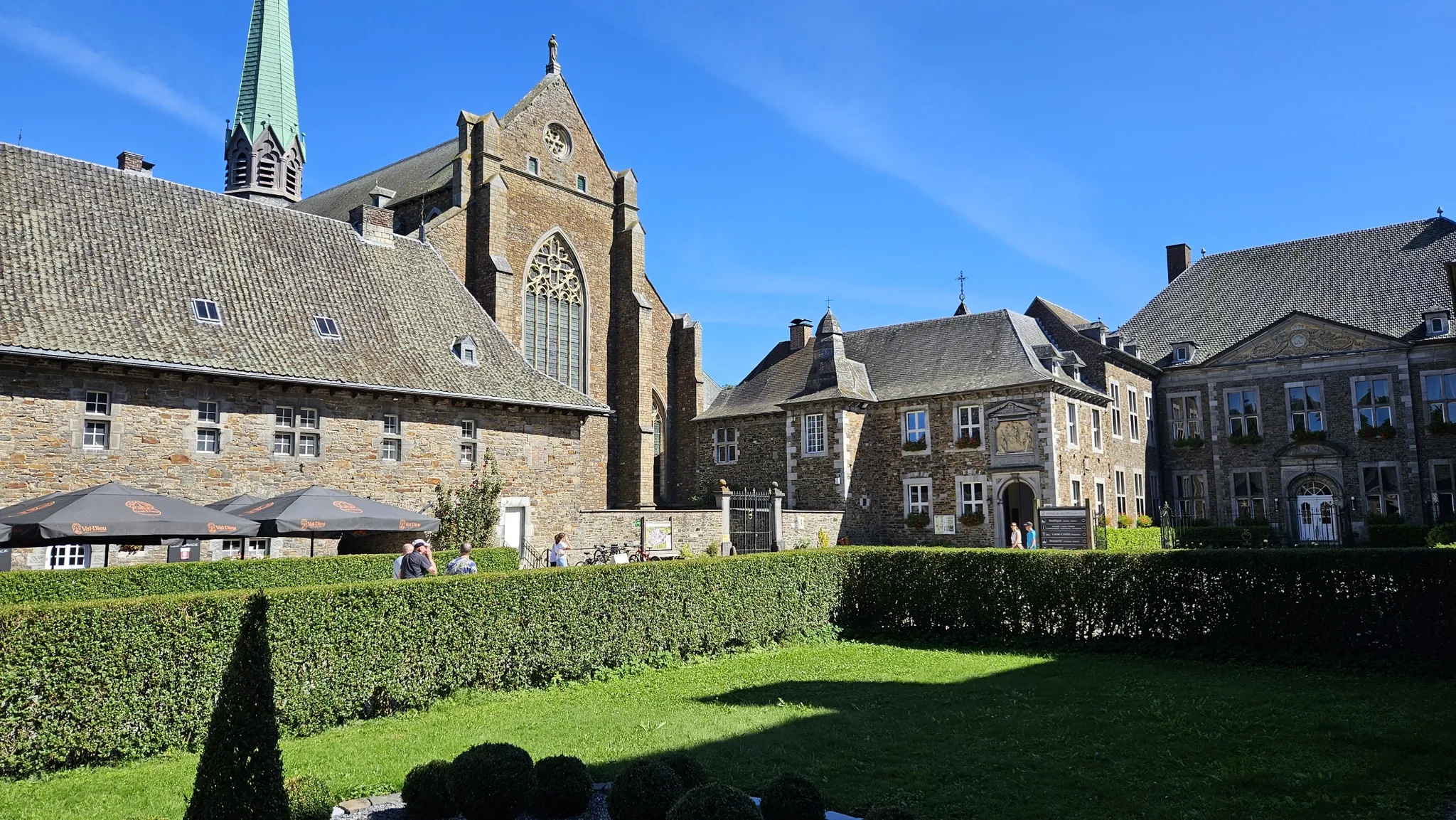
Trappist abbeys cycle route – Between beers and heritage
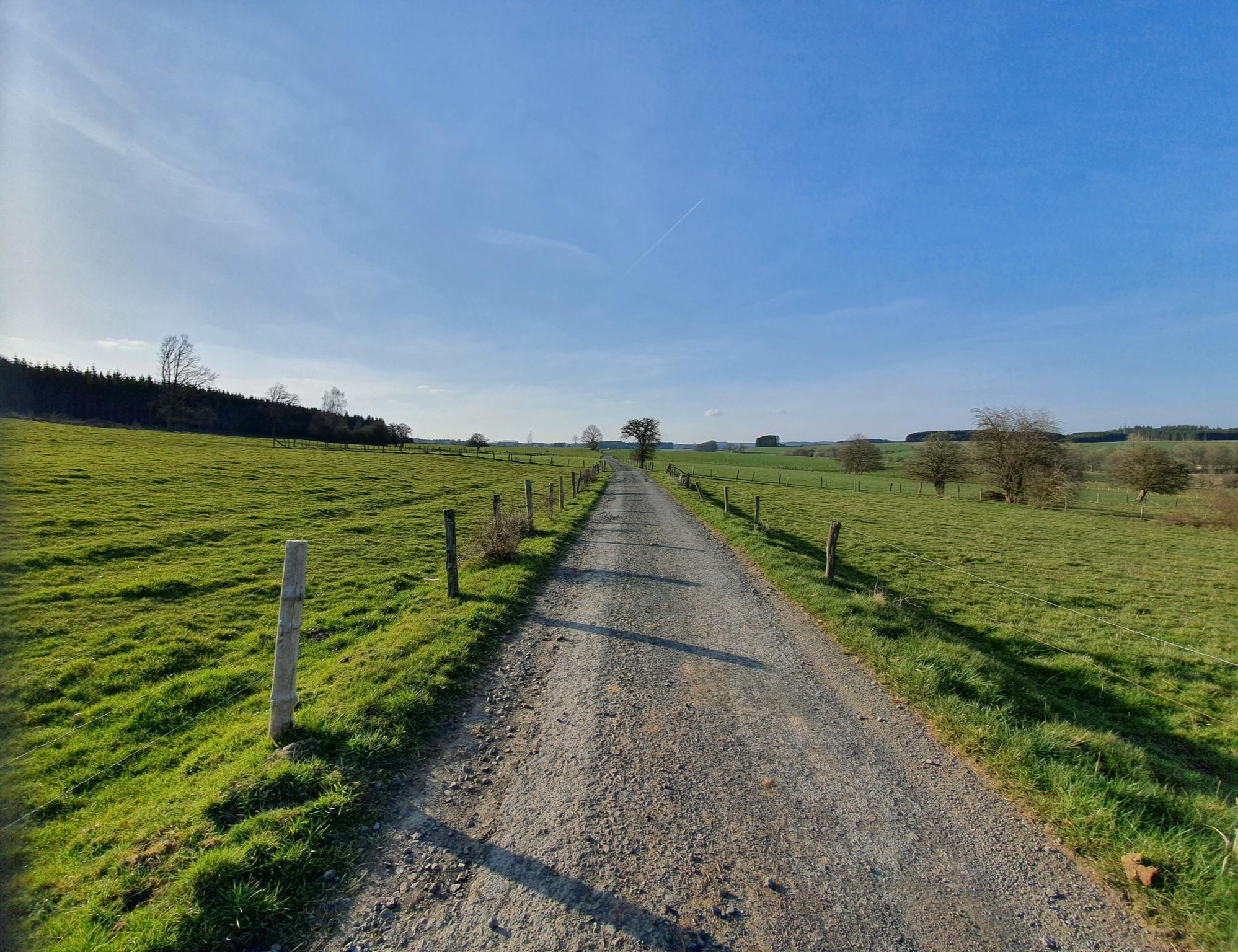
GR 2 d’Orval à Renaix — The Parcs Naturels du sud de la Belgique in gravel
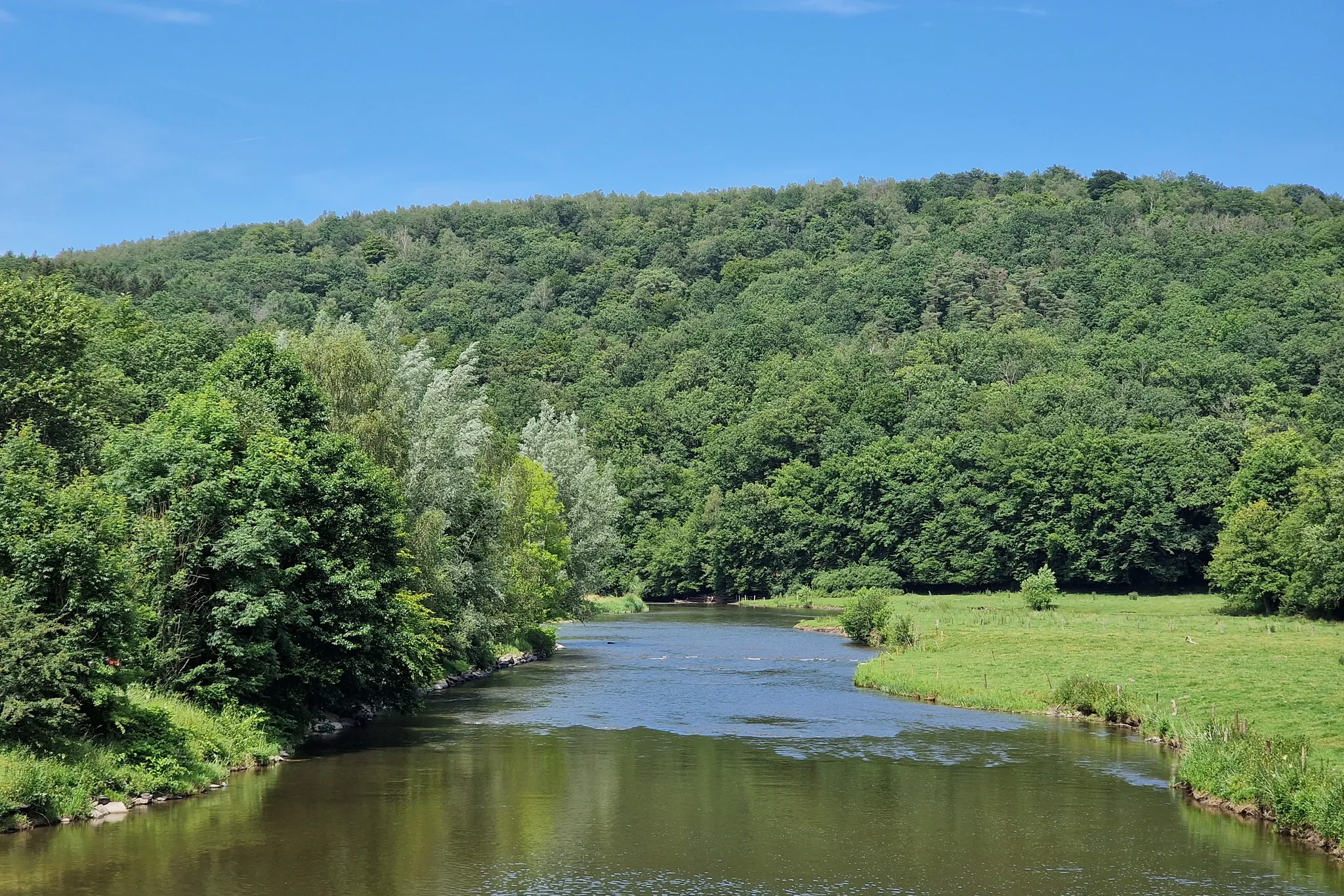
Between nature and gastronomy - Trappist abbeys trail part 2
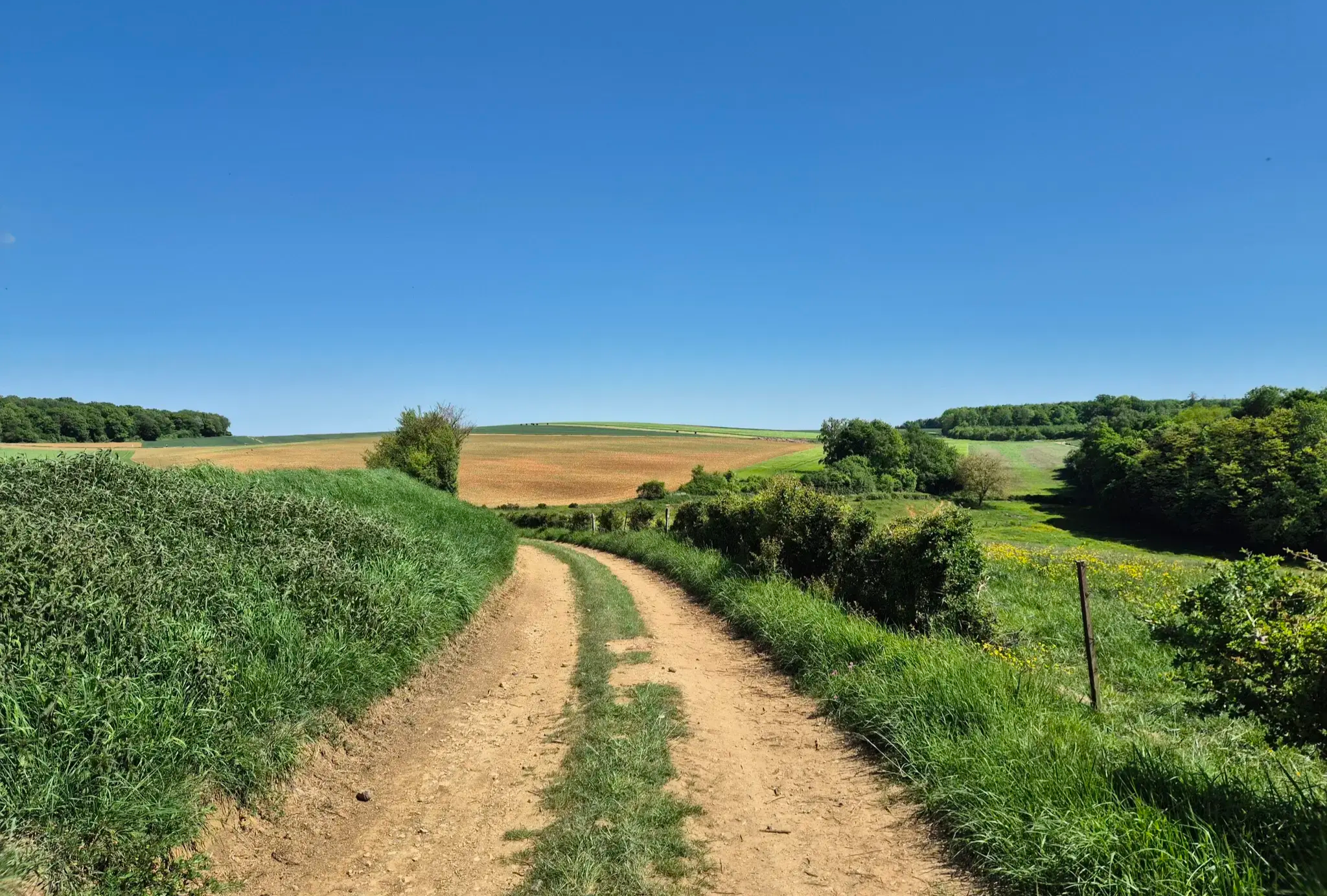
Une randonnée aux airs de Provence — La Transgaumaise
Train & Sac à dos: hiking between stations in southern Belgian forests
Vallée de la Semois National Park – long-distance hiking on Belgium’s GR16
Hiking in the Belgian Ardennes: GR16 through the Semois Valley
A Tour of Belgian Luxembourg — the greenest province of the kingdom
To the abbeys of Belgium — la Cyclotrappiste
Pure nature on the hiking trails in the Belgian Ardennes
Other adventures in Gaume Natural Park


Tips from the Community

This isn't a real waterfall, but rather a few heavy rapids on the Ruisseau de Williers, which forms the border between Belgium and France here.
8
0

The water is very refreshing on a hot summer day
3
0

The origin of the place's name is mysterious. According to some, this name comes from a transcription of the name "Trou du Perdu" (Perisher's Hole). Amidst pine trees, heather, and blueberry bushes, this place represents a steep landscape where the Fourneau stream has shaped a gorge with a waterfall. A little higher up, a waterfall has formed and accentuates the erosion downstream. Above, the stream trickles over a slab of black sandstone. This formed above a significant layer of waterproof marl that stopped the infiltration of the sand present here to above it. A beautiful waterfall has formed due to the presence of the stream and the erosion that followed.
2
0

Beautiful rugged waterfall hidden between the dense forests. A great place to stop during your walk.
0
0

Is it a sculpture? A waterfall ? Up to you. A nice point of interest on this path of dreams.
3
0
Is it a sculpture? Is it a waterfall? It's up to you. A nice point of interest on this path of dreams.
2
0
The site extends about 2 km south of the village of Buzenol, on the left side of the Gros Ruisseau valley, in a largely forested environment (beech grove, among others). The cron, name given to the petrifying limestone springs, currently appears as a steeply sloping clearing facing south and tumbled down by rivulets with crystal clear water, which are fed by two springs located a little below the archaeological park of Montauban . There is remarkably contrasting vegetation and ecological conditions: thus an arid calcareous grassland with blue sesleria (Sesleria caerulea), an alkaline marsh with molinia (Molinia caerulea), dry or wet rocky slabs, a sedge meadow rub shoulders over a short distance. with scaly sedge (Carex lepidocarpa), pioneer thickets of willow (Salix spp.) and buckthorn (Frangula alnus), thermophilic preforest fringes, etc. The flora includes many rare species such as parnassia (Parnassia palustris) and flea sedge (Carex pulicaris), both highly threatened in Wallonia. The local fauna is just as remarkable: the site is, for example, the favorite habitat of a rare dragonfly, the bidentate cordulegaster (Cordulegaster bidentatus), whose larvae develop in the thin streams of water. On this same slope there are several other crons also very interesting but largely under forest cover.
2
0
Frequently Asked Questions
What makes the water features in Gaume Natural Park unique?
Gaume Natural Park is known for its distinctive geological formations, including petrifying limestone springs called 'crons,' and steep gorges carved by streams. These features offer a serene natural escape, showcasing varied landscapes and providing insights into the region's ecological richness.
What is the Cron de Montauban and why is it special?
The Cron de Montauban is a unique natural monument, not a traditional waterfall, but a 'cron' – a petrifying limestone spring. It features a steeply sloping clearing with crystal-clear rivulets fed by two springs. The site is remarkable for its contrasting vegetation, including arid calcareous grassland and alkaline marsh, and is home to rare plant and insect species like the bidentate cordulegaster dragonfly.
What can I expect when visiting the Trou du Pérou Waterfall?
The Trou du Pérou Waterfall is set in a steep landscape where the Fourneau stream has carved a gorge. You'll find the stream trickling over a slab of black sandstone, with another waterfall slightly higher up, accentuating the erosion. The area is surrounded by pine trees, heather, and blueberry bushes, offering a rugged and scenic experience.
Is there a waterfall that marks the French-Belgian border?
Yes, the Small Waterfall at the French-Belgian Border is a picturesque spot where the Ruisseau de Williers forms a series of heavy rapids. While not a traditional cascading waterfall, it beautifully marks the border between Belgium and France.
Are there any other interesting water features to discover in the park?
Beyond the more prominent sites, you can also find the Small Waterfall on the Chemin des Songes. This unique spot is described as a point of interest that blurs the line between a sculpture and a natural waterfall, offering a thought-provoking experience along the path.
Are the waterfalls in Gaume Natural Park suitable for families?
Many of the water features in Gaume Natural Park, such as the Small Waterfall at the French-Belgian Border and the Small Waterfall on the Chemin des Songes, are considered family-friendly. However, some trails leading to other sites like the Trou du Pérou Waterfall can involve steep or rugged terrain, so it's advisable to check specific route details for suitability with younger children.
Can I go hiking near the waterfalls in Gaume Natural Park?
Absolutely! Gaume Natural Park offers numerous hiking opportunities near its water features. You can explore trails like 'The dolmen d'Azy and the belvédère le Bohanan' or 'Forges de Montauban.' For more hiking routes, visit the Hiking in Gaume Natural Park guide.
What other outdoor activities are available in Gaume Natural Park?
Besides hiking, Gaume Natural Park is excellent for cycling. You can find various routes for touring bicycles, such as 'La Gaumaise Loop' or 'Around Virton,' and road cycling routes like 'La Gaumaise Cycle Route.' Explore more options in the Cycling in Gaume Natural Park and Road Cycling Routes in Gaume Natural Park guides.
What is the best time of year to visit the waterfalls in Gaume Natural Park?
The Gaume Natural Park offers charm throughout the year. Spring and autumn are particularly pleasant for hiking, with lush greenery or vibrant fall colors. During these seasons, water levels in the streams and rapids are often higher, enhancing the visual appeal of the water features. Summer can also be enjoyable, especially for cooling off near the water.
What kind of terrain should I expect on trails leading to the waterfalls?
The terrain around Gaume Natural Park's water features can vary. For instance, the Trou du Pérou Waterfall involves a steep landscape and gorge. The Cron de Montauban features a steeply sloping clearing. Trails can range from intermediate to challenging, often involving forested paths, rocky sections, and potentially muddy areas, especially after rain.
Are the waterfalls in Gaume Natural Park dog-friendly?
While specific rules for each waterfall may vary, Gaume Natural Park is generally welcoming to dogs, especially on hiking trails. It's always recommended to keep dogs on a leash to protect local wildlife and ensure a pleasant experience for all visitors. Be mindful of any specific signage at individual sites.
What are the geological processes that formed these water features?
The water features in Gaume Natural Park are shaped by fascinating geological processes. The 'crons' like Cron de Montauban are formed by petrifying limestone springs. The Trou du Pérou Waterfall, on the other hand, is a result of the Fourneau stream carving a gorge and trickling over black sandstone, influenced by a significant layer of waterproof marl that affects water infiltration and erosion.
Most popular routes in Gaume Natural Park
Most popular attractions in Gaume Natural Park

Get inspired with the komoot mobile app


