Top 6 Gorges around Río Guadalevin
Canyons around Río Guadalevin are primarily defined by the Tajo Gorge in Ronda, a significant natural chasm carved by the Guadalevín River. This deep gorge dramatically splits the city of Ronda, featuring limestone cliffs and unique natural formations. The area is notable for its interplay of natural landscape and historic architecture, including three iconic bridges. The river system within these gorges supports diverse flora and fauna.
Best canyons around Río Guadalevin
- The most popular canyons is Puente Nuevo (New Bridge)…
Last updated: June 29, 2026
New Bridge
Highlight • Bridge
Showing Translation
Tip by

Arab Bridge of Ronda
Highlight • Bridge
Translated by Google •
Tip by

Sign up now to discover places like this
Get recommendations on the best single tracks, peaks, & plenty of other exciting outdoor places.
Sign up for free
Cuenca Gardens
Highlight • Viewpoint
Translated by Google •
Tip by

Tajo de Ronda (Ronda Gorge)
Highlight • Gorge
Translated by Google •
Tip by

Old town of Ronda
Highlight • Gorge
Translated by Google •
Tip by

Aldehuela Viewpoint
Highlight • Viewpoint
Translated by Google •
Tip by
New Bridge (Puente Nuevo), Ronda
Highlight • Bridge
Translated by Google •
Tip by

Start today with a free account
Your next adventure awaits.
Login or Signup
Popular around Río Guadalevin

Other adventures around Río Guadalevin

Tips from the Community

The old town (La Ciudad) is dominated by the Plaza Duquesa de Parcent, where the 16th-century cathedral Santa María la Mayor stands. This was formerly a mosque and still has four Moorish domes. The bell tower stands on the foundations of the former minaret. Walking around Ronda is certainly no punishment. There are many sights, such as Moorish city walls and gates, the church Iglesia de Nuestro Padre Jesús, the Moorish baths, the Palacio del Marques de Salvatierra and the Palacio de Mondragón with the Museo Municipal. There is also the Balcón del Coño, from where you have a spectacular view.
2
0

A hiking trail leads from Ronda to below the bridge.
0
0

Ronda's historic center takes you back in time, with narrow streets, whitewashed houses, churches, and palaces reminiscent of both Moorish and Christian history. Here you'll find the city's most important monuments, from the Arab Baths to the Puente Nuevo, and experience the charm of a city that has inspired travelers and writers for centuries.
5
2
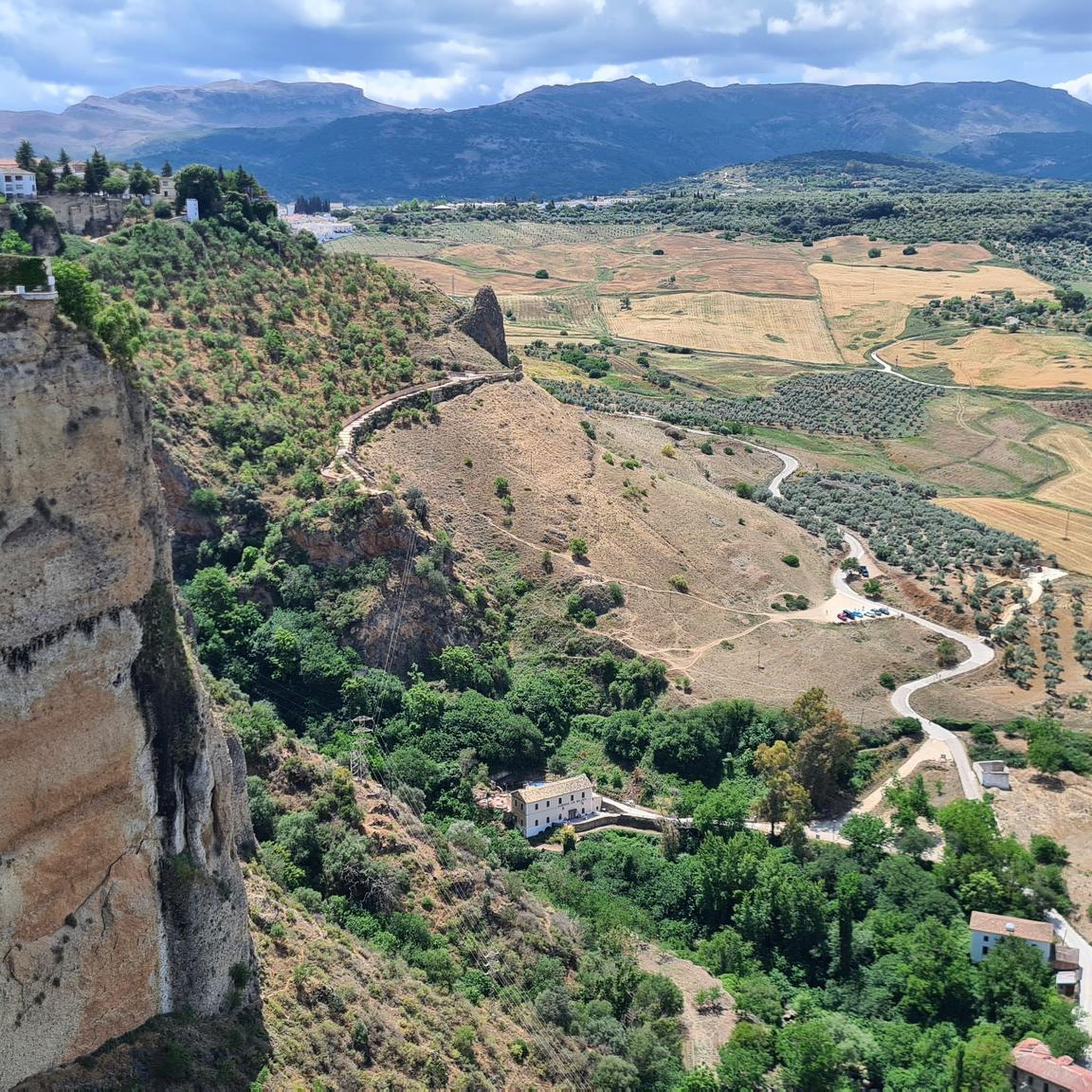
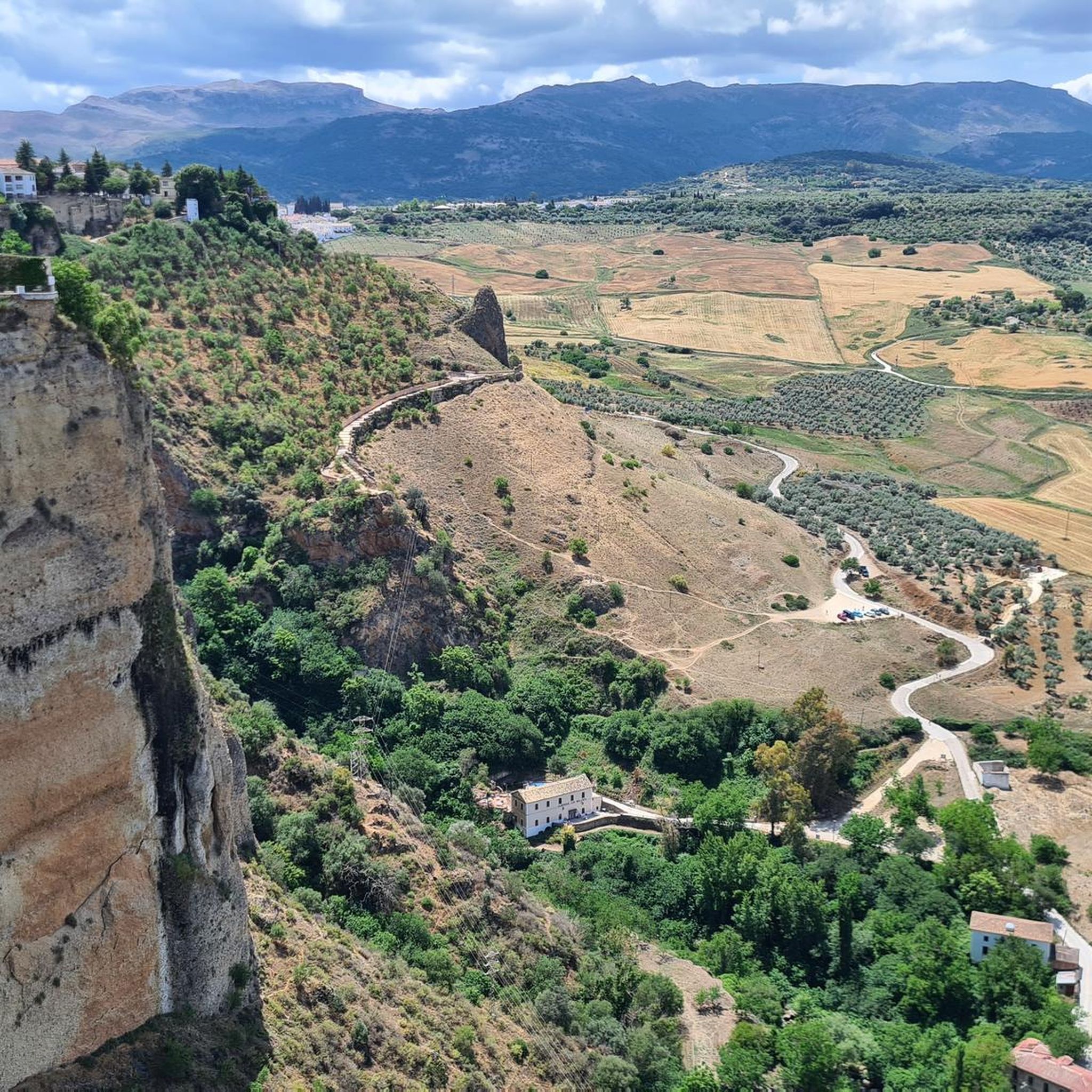
The Mirador de Aldehuela is one of Ronda's most famous viewpoints, located near the Puente Nuevo. From here, you have a spectacular panorama of the deep El Tajo gorge, the bridge, and the surrounding landscape of mountains and valleys. It is named after the architect José Martín de Aldehuela, who completed the Puente Nuevo in the 18th century. 👉 A perfect spot for photos, especially at sunset!
5
0
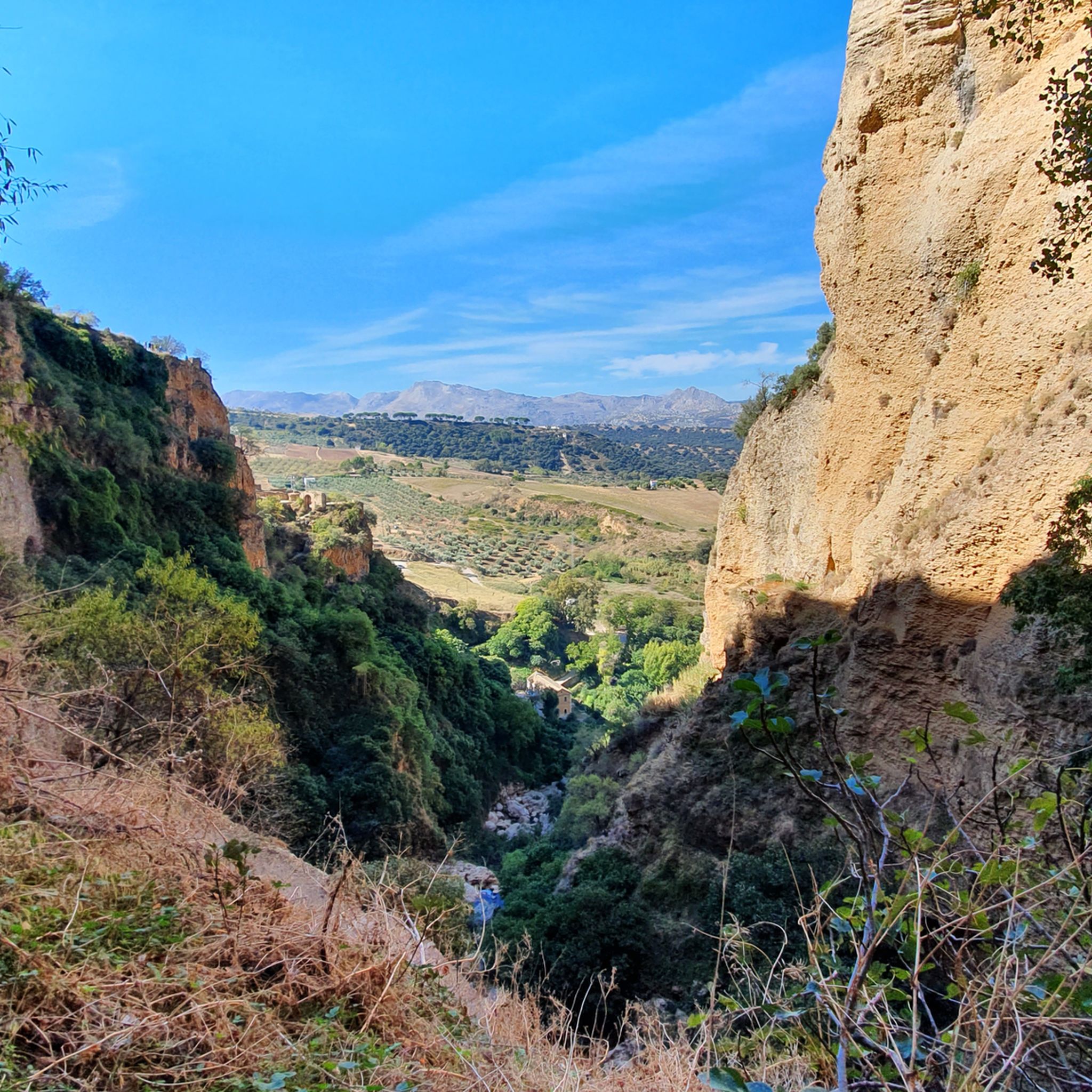
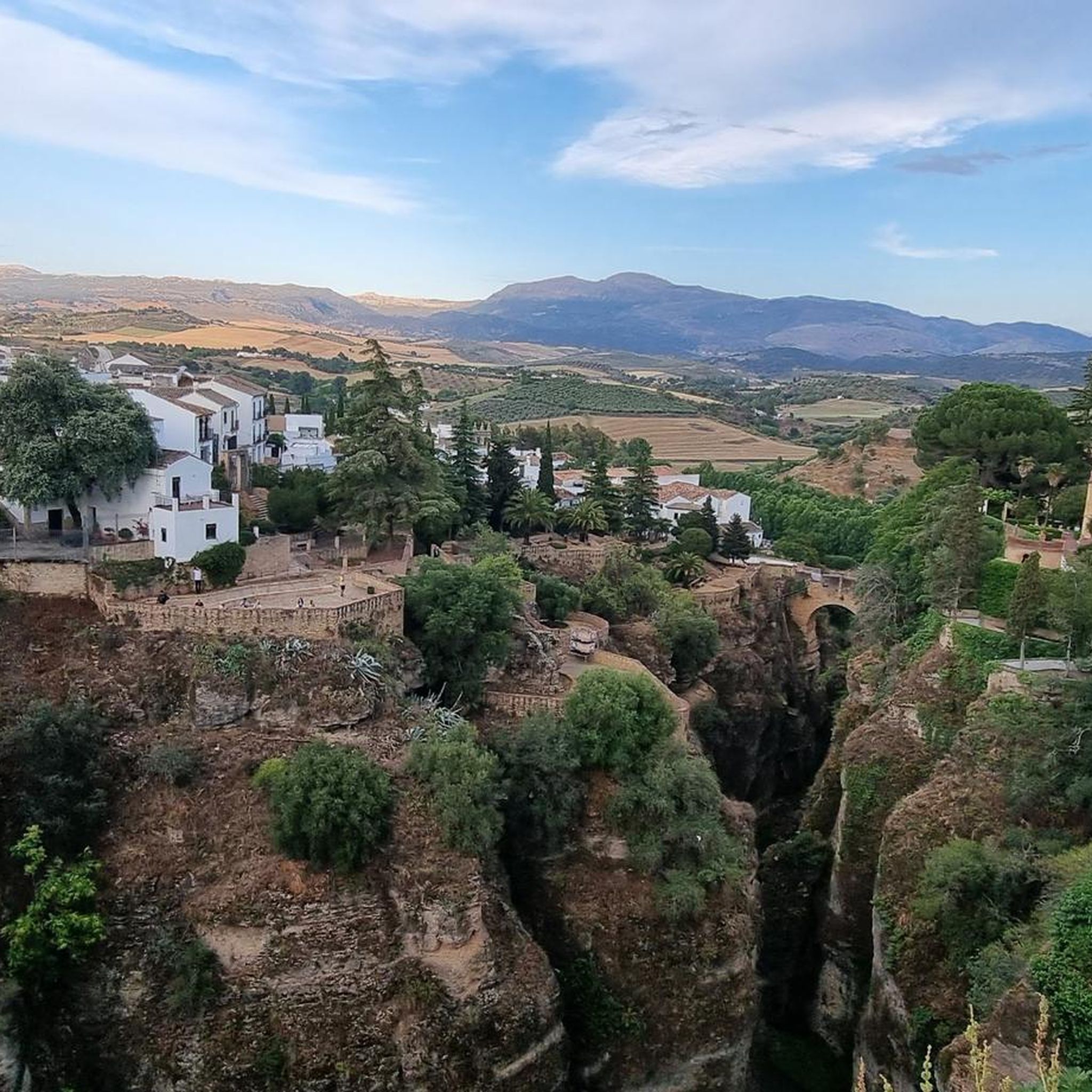
The Tajo de Ronda is the spectacular gorge that literally splits the heart of Ronda in two. 🌄 • It is approximately 120 meters deep and carved out by the Guadalevín River, which flows right through the city. • Impressive bridges stand above the gorge, the most famous and iconic of which is the Puente Nuevo. This bridge connects the old Moorish city with the newer part of Ronda. • For centuries, the Tajo served as both a natural defense against enemies and a challenge to urban expansion. • From its edges, you have breathtaking views of the Ronda valley, the Serranía mountains, and the white villages in the distance. It is one of the most photographed places in Andalusia and a highlight of Ronda's charm: nature and architecture in a dramatic interplay.
1
0

Via Puente Nueva you reach the old town, the monumental part of the city, which lies high above the ravine. It is particularly atmospheric with back squares, old streets, and several city palaces and mansions that are open to the public.
2
1


Frequently Asked Questions
What are the most notable canyons and gorges around Río Guadalevín?
The most significant canyon is the Tajo de Ronda (Ronda Gorge), carved by the Guadalevín River itself. This dramatic chasm splits the city of Ronda and is famously spanned by three historic bridges, including the iconic Puente Nuevo (New Bridge) and the ancient Arab Bridge of Ronda. The broader region, particularly the Serranía de Ronda, also features other significant gorges like Cañón de las Buitreras, Zarzalones Gorge, and Sima del Diablo, which are part of the larger Guadiaro River system.
What natural features can I expect to see in the Río Guadalevín canyons?
You will encounter impressive limestone cliffs, deep riverbeds, and unique rock formations. The Tajo de Ronda is a prime example, showcasing a dramatic chasm up to 120 meters deep. The area also features diverse riverside flora and fauna, including various bird species like the red-billed chough and peregrine falcon, and aquatic life such as otters and several fish species.
Are there historical sites or landmarks within the Río Guadalevín canyons?
Yes, the canyons are rich in history. The Puente Nuevo (New Bridge), Arab Bridge of Ronda, and Puente Viejo are historical marvels spanning the Tajo de Ronda. These bridges connect the ancient Moorish city with newer parts of Ronda, and the gorge itself served as a natural defense for centuries. The Old town of Ronda, perched on the edge of the gorge, is also a significant historical site.
What are the best viewpoints for the Río Guadalevín canyons?
For breathtaking views, visit the Cuenca Gardens, which offer spectacular stepped terraces overlooking the Tajo de Ronda. The View of the Puente Nuevo and El Tajo Gorge is considered one of the best viewpoints in Ronda, providing iconic perspectives of the bridge and the deep chasm. The Aldehuela Viewpoint also offers excellent vistas.
What outdoor activities can I do near the Río Guadalevín canyons?
Beyond exploring the gorges themselves, the region offers various outdoor activities. You can find numerous running trails, including moderate routes like "Hermitage of the Virgin of the Head from Ronda" or more difficult ones like "Abanico Gorge – View of Ronda loop from Ronda." For cycling enthusiasts, there are routes such as "Puerto del Viento Climb from Ronda" and challenging loops like "Marbella Promenade – Puerta de Carlos V loop from Ronda." Mountain biking is also popular, with trails like "Sierra de las Salinas – circular desde Ronda." You can find more details on these activities in the Running Trails around Río Guadalevin, Cycling around Río Guadalevin, and MTB Trails around Río Guadalevin guides.
Are there family-friendly options for visiting the Río Guadalevín canyons?
Yes, several areas are suitable for families. The Cuenca Gardens offer a pleasant and accessible experience with beautiful views. The Aldehuela Viewpoint is also considered family-friendly, providing safe and stunning perspectives of the gorge and bridges.
What is the best time of year to visit the Río Guadalevín canyons?
The region generally enjoys a Mediterranean climate. Spring (March to May) and autumn (September to November) are often considered ideal, offering pleasant temperatures for exploring and outdoor activities. Summers can be very hot, while winters are milder but can bring more rain.
Can I go canyoning in the Río Guadalevín area?
Yes, the Tajo de Ronda and other gorges in the broader Serranía de Ronda region offer exciting canyoning excursions. These activities can involve abseiling beside waterfalls, plunging into crystal-clear pools, and navigating sculpted rock corridors. It's recommended to go with experienced guides for safety and to access the best routes.
What do visitors enjoy most about the Río Guadalevín canyons?
Visitors are consistently captivated by the dramatic natural beauty of the Tajo de Ronda and the architectural marvels of its bridges, especially the Puente Nuevo. The overwhelming views from various viewpoints, the unique blend of nature and history, and the opportunity for diverse outdoor activities are frequently highlighted as major draws.
Are there any specific tips for visiting the Puente Nuevo in Ronda?
The Puente Nuevo separates the old town from the newer part of Ronda. For the most famous view of the bridge and the gorge, take the unpaved road down from Plaza María Auxiliadora to the viewpoint. You can also get a good view of the older Puente Viejo from the New Bridge itself.
Where can I find information about the Guadalevín River itself?
The Guadalevín is a river in Andalusia, Spain, and is a tributary of the Guadiaro River. It is most renowned for carving out the spectacular Tajo Gorge in Ronda. The river system supports diverse aquatic life and contributes significantly to the region's natural ecosystem.
Most popular routes around Río Guadalevin
Most popular attractions around Río Guadalevin

Get inspired with the komoot mobile app


Explore more
Already discovered everything in this region? See additional gorges around Río Guadalevin for your next adventure:
