Top 5 Lakes in Lagunas Del Sur De Cordoba
Best lakes in Lagunas Del Sur De Cordoba are found within a vital complex of wetlands in the southern part of the province of Córdoba, Spain. This area is recognized for its ecological value, serving as a crucial habitat for overwintering and nesting migratory birds. Comprising six principal lagoons, the region is designated as a Nature Reserve, part of the European Natura 2000 network, and a Ramsar Convention site. These wetlands offer opportunities for nature observation and country walks amidst…
Last updated: June 29, 2026
Views over the Laguna del Conde
Highlight • Viewpoint
Translated by Google •
Tip by

Laguna de Zóñar Visitor Center
Highlight • Rest Area
Translated by Google •
Tip by

Sign up now to discover places like this
Get recommendations on the best single tracks, peaks, & plenty of other exciting outdoor places.
Sign up for free
Laguna del Rincón
Highlight • Lake
Translated by Google •
Tip by

Laguna de Tíscar
Highlight • Lake
Translated by Google •
Tip by

Laguna de los Jarales
Highlight • Lake
Translated by Google •
Tip by
Start today with a free account
Your next adventure awaits.
Login or Signup
Popular around Lagunas Del Sur De Cordoba

A winter getaway along the greenways of Andalusia in Spain
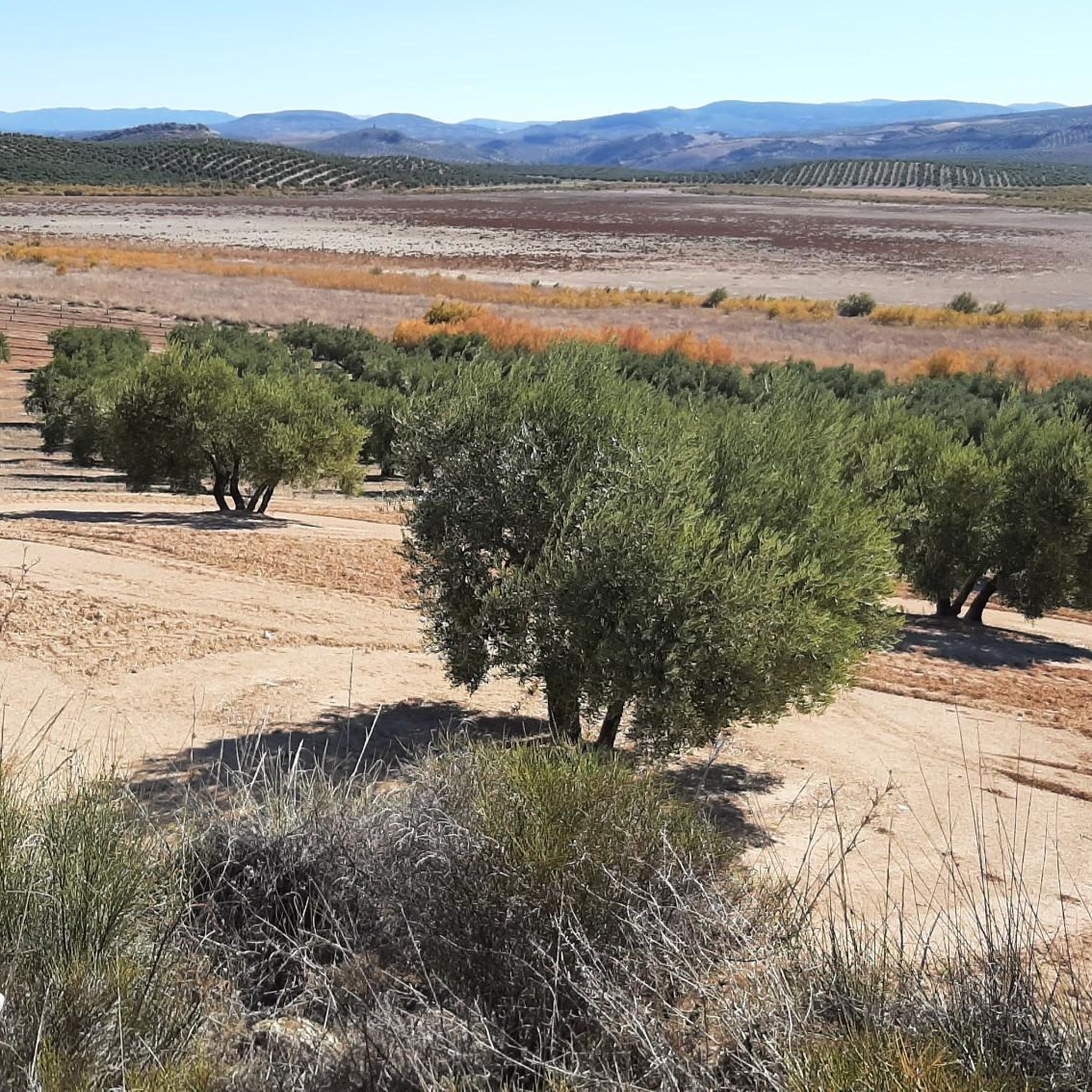
Running Trails in Lagunas Del Sur De Cordoba
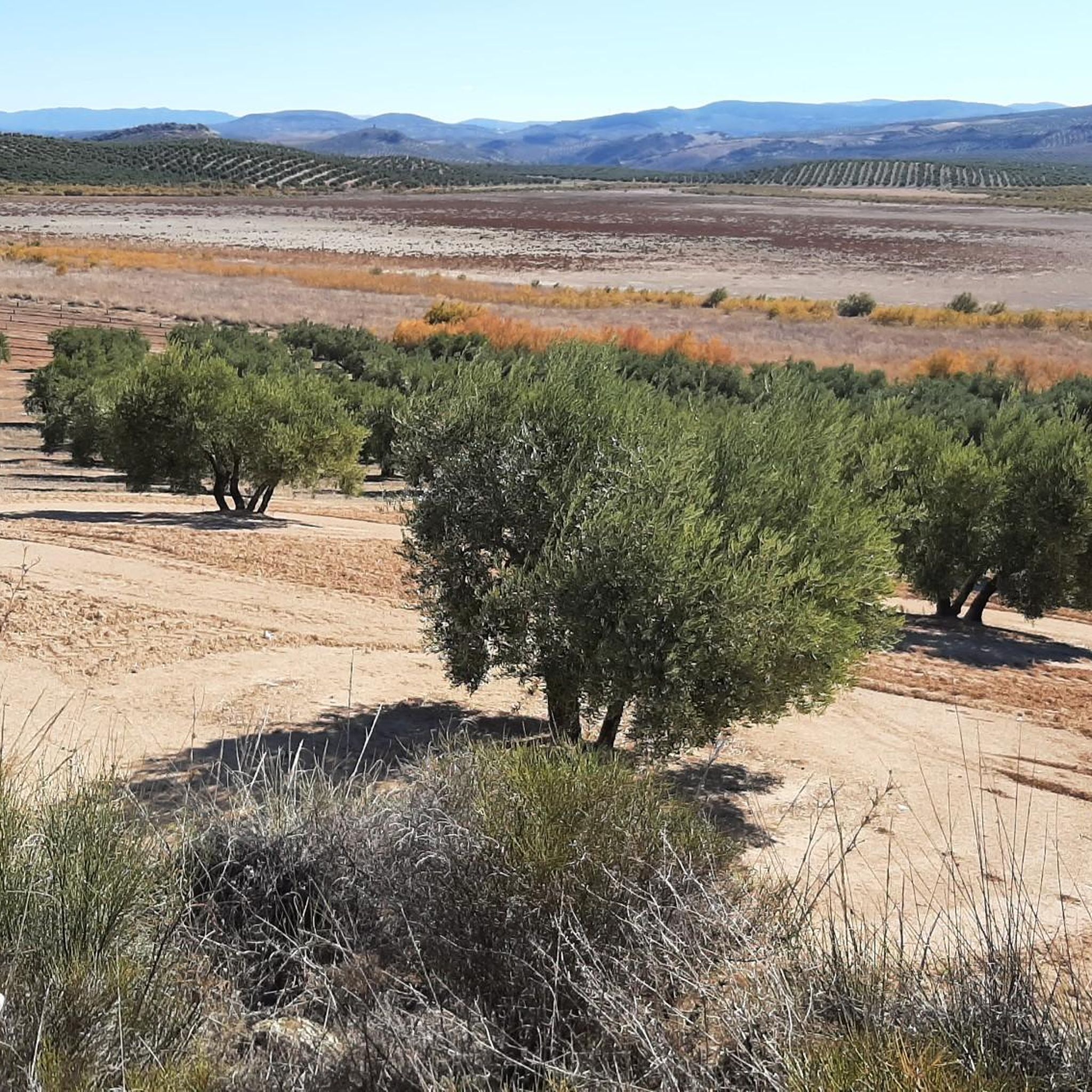
Hiking in Lagunas Del Sur De Cordoba
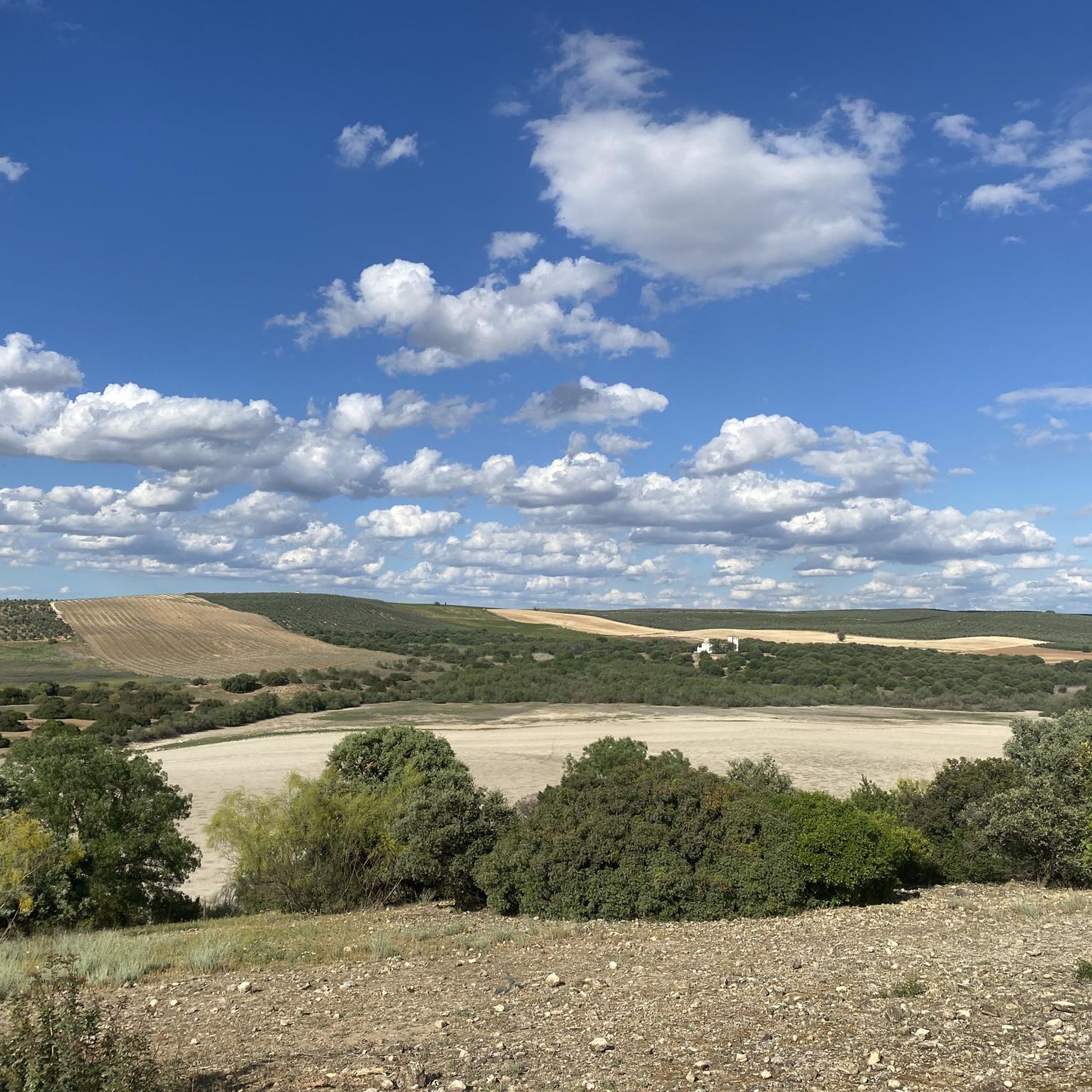
Road Cycling Routes in Lagunas Del Sur De Cordoba
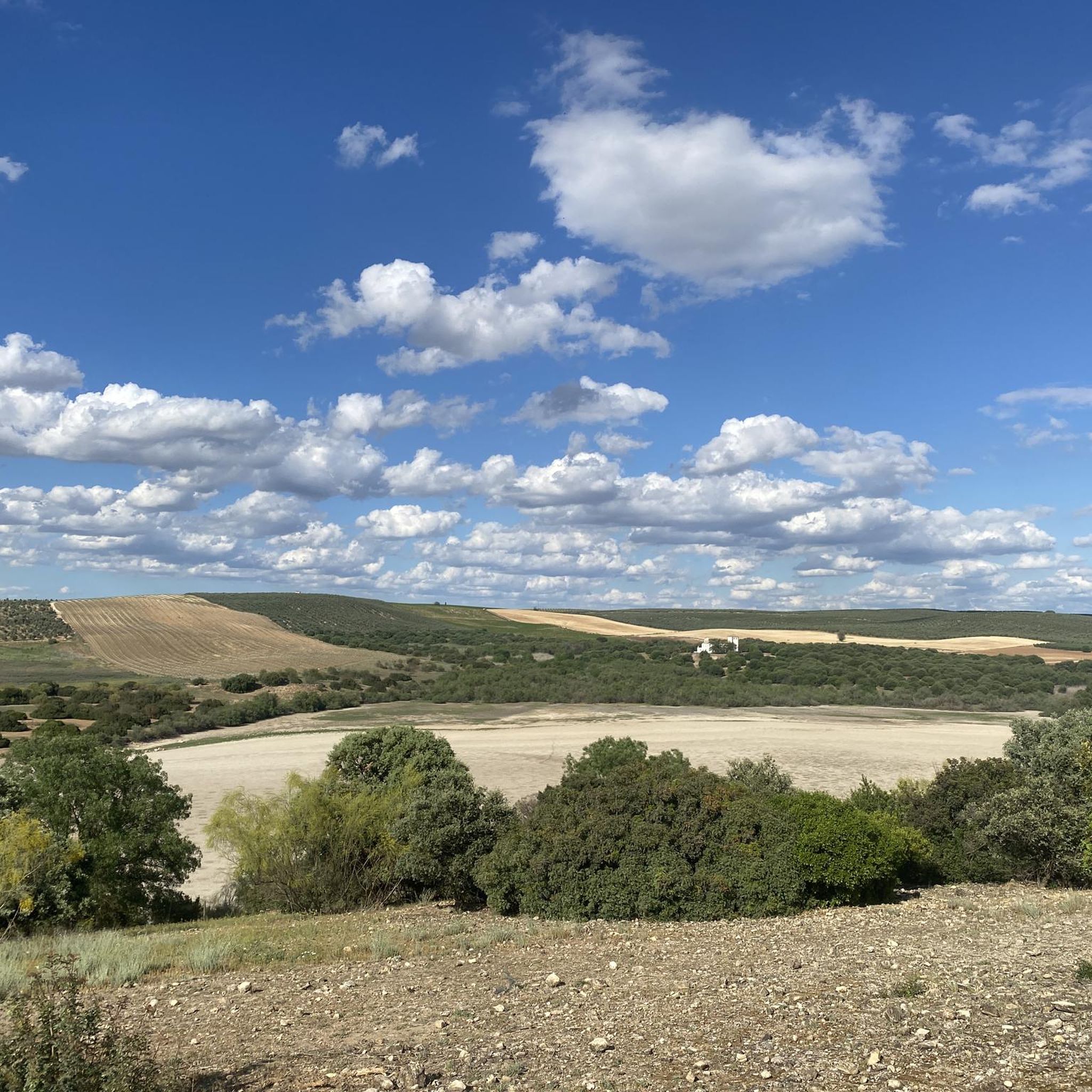
Cycling in Lagunas Del Sur De Cordoba
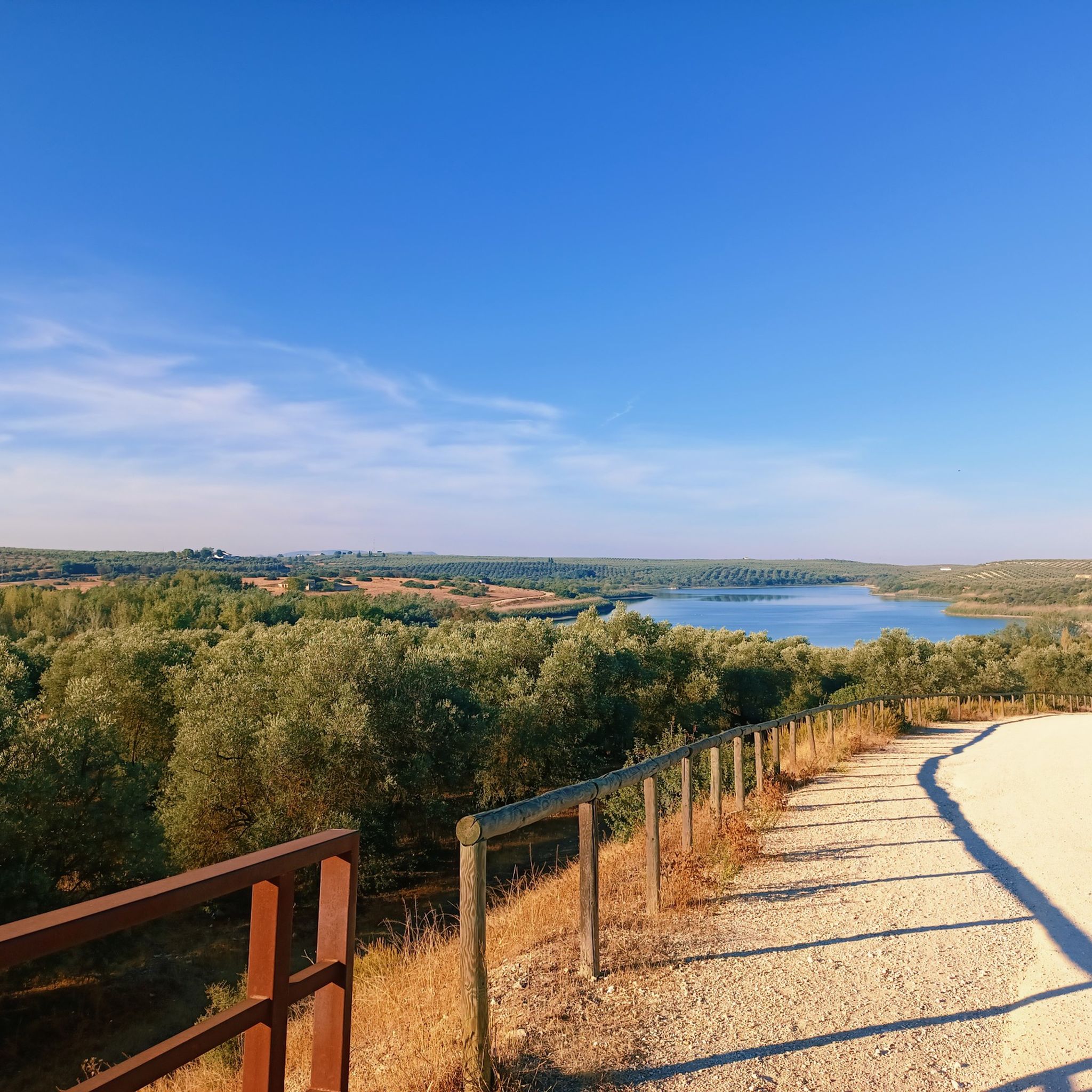
MTB Trails in Lagunas Del Sur De Cordoba
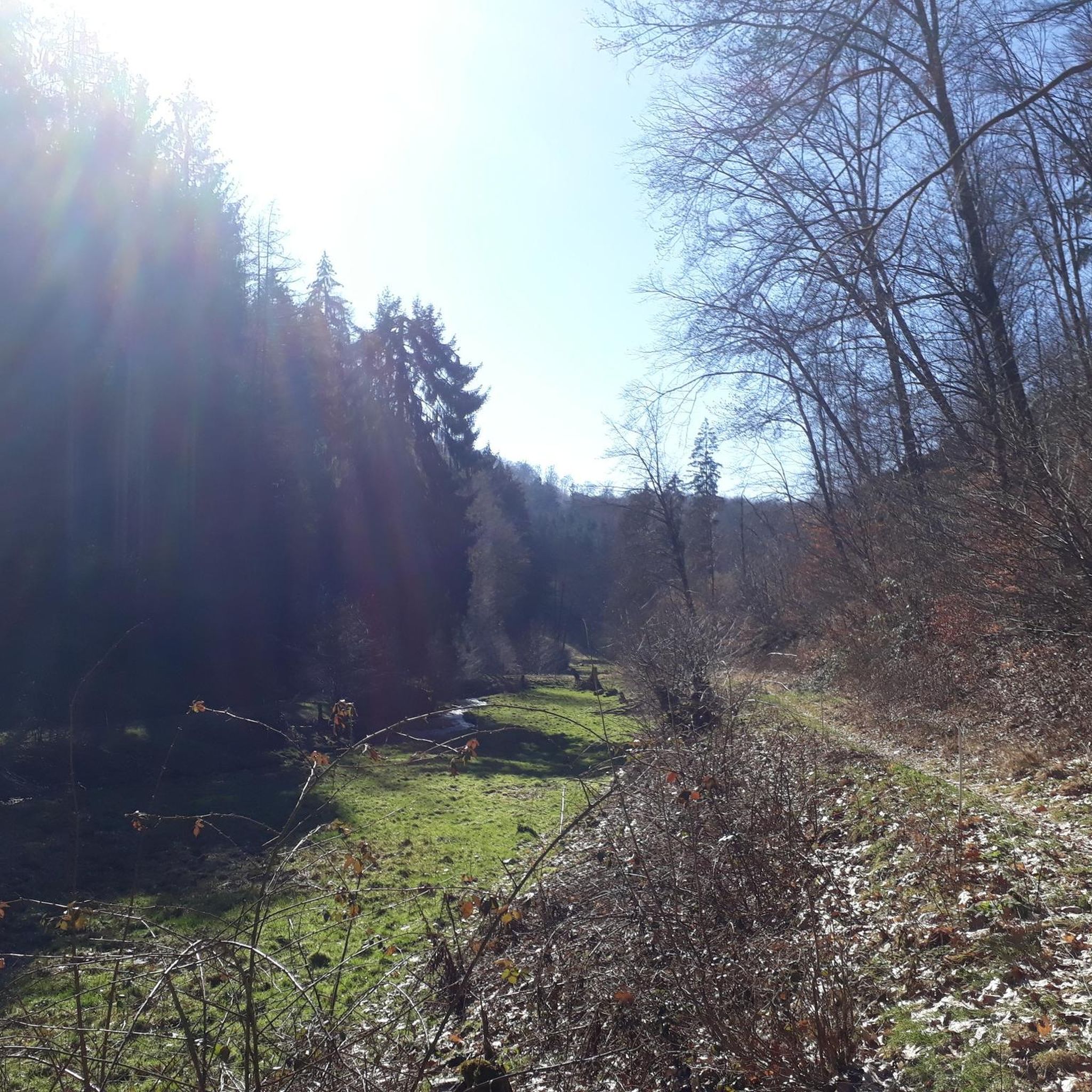
Gravel biking in Lagunas Del Sur De Cordoba
Other adventures in Lagunas Del Sur De Cordoba

Tips from the Community

The Laguna del Conde (also known as Laguna del Salobral) is an important wetland that serves as a habitat for numerous bird species such as flamingos, cormorants, and ducks. Along the Vía Verde, there are viewpoints from which visitors can observe the wildlife.
1
0

The Lagoon del Conde or Salobral Lagoon is a temporary lagoon that reaches a maximum flood level in spring and subsides in summer. The lagoon is filled by rainfall that falls directly on the surface of the lagoon and by surface runoff from its catchment area, particularly from the Carrascón stream. The lagoon is on the migratory route that many birds follow towards the African continent in northeastern Europe. Like the rest of the wetland areas south of Córdoba, the Salobral Lagoon is integrated into the European Natura 2000 network.
10
0

This lagoon, which belongs to the municipality of Luque, is the largest of all the seasonal waters in the province of Córdoba, with a surface area of 46.6 hectares. It was declared a nature reserve in 1989 due to its special value as a wintering and breeding ground for migratory birds. Due to the gentle slope of the terrain and its shallow depth, the wetland is home to numerous wading birds that use the lagoon as a passage and breeding area. The main bird species are the black-winged stilt, the European lapwing, the curlew, the teal, the white-headed duck, the Kentish plover, the tern and the Montagu's harrier, among many other species.
10
1

This lagoon is nestled between the mountains and attracts a large number of migratory birds that can be observed from a wooden hut. Depending on the time of year you visit, you may find it dry.
0
0

It is at this point where there is the break to go to see Laguna de los Jarales, which together with the other lagoon to the west of it, Laguna Amarga, form the Laguna de los Jarales Natural Reserve Protection Zone.
0
1
Small lagoon that is located north of the town of Moriles and that two of them appear, surrounded by fields of vineyards in a beautiful place.
0
1

It's a pity: the last time I went there it was completely dry.
6
0

Laguna de Zóñar is a "Wetland of International Importance". It belongs to the Inventory of Protected Natural Areas of the Junta de Andalucía. It is the only natural lake in Andalusia, reaching a depth of 14 meters. It is the habitat of more than 30 species of birds, which we can observe walking through this unique place.
2
0
Frequently Asked Questions
What kind of wildlife can I expect to see around the lakes in Lagunas del Sur de Córdoba?
The Lagunas del Sur de Córdoba are a crucial habitat for diverse wildlife, especially migratory birds. You can observe over 30 bird species at Laguna de Zóñar, including the white-headed duck. Laguna del Salobral is a principal breeding site for the white-headed duck and hosts numerous wading birds like black-winged stilts and flamingos. Laguna del Rincón is also known for close observation of endangered species like the white-headed duck. Laguna Amarga is notable for the red-knobbed coot, a species listed in the Andalusian Catalogue of Threatened Species.
When is the best time to visit the Lagunas del Sur de Córdoba for birdwatching?
The region is particularly significant for overwintering and nesting migratory birds. Therefore, the best times for birdwatching are generally during the winter months and migration periods (spring and autumn) when the lagoons are most active with diverse species.
Are there hiking trails around the lakes in Lagunas del Sur de Córdoba?
Yes, there are trails available. Near Laguna de Zóñar, you can explore trails like the 'Observatory Walk' and 'La Carrizosa' for bird spotting and panoramic views. You can also find various running routes in the area, including a circular route around Laguna de los Jarales. For more options, explore the Running Trails in Lagunas Del Sur De Cordoba guide.
Can I cycle around the lakes in Lagunas del Sur de Córdoba?
Yes, cycling is a popular activity. A section of the Vía Verde de la Subbética runs near Laguna del Salobral, offering a pleasant route. There are also numerous road cycling and general cycling routes throughout the region. You can find detailed routes in the Road Cycling Routes in Lagunas Del Sur De Cordoba guide and the Cycling in Lagunas Del Sur De Cordoba guide.
Are the lakes in Lagunas del Sur de Córdoba suitable for families?
Many of the lakes and their surrounding areas are family-friendly. The Laguna de Zóñar Visitor Center provides information and easy observation points. The natural beauty and opportunities for birdwatching make it an engaging experience for children. Several highlights, including Views over the Laguna del Conde and Laguna del Rincón, are categorized as family-friendly.
What makes Laguna de Zóñar unique among the lakes?
Laguna de Zóñar is unique as the only natural lake in Andalusia, reaching depths of up to 16 meters in the rainy season. Its permanent waters and depth support abundant vegetation and a diverse array of bird species, making it a 'Wetland of International Importance' and a crucial refuge for over 30 bird species.
Why is Laguna del Salobral (or Laguna del Conde) important?
Laguna del Salobral is the largest of the seasonal waters in the province and a principal breeding site for the white-headed duck. Its saline water supports specific halophytic vegetation and makes it an ideal breeding and wintering spot for numerous wading birds, including flamingos.
What can I expect at Laguna de Tíscar?
Laguna de Tíscar is a seasonal brackish water lagoon known for hosting the greatest number of birds among all the wetlands in the province. Its strategic location makes it a crucial stop for species like flamingos and white storks. Visitors can enjoy birdwatching from a wooden hut, though it may dry up depending on the season.
What are the main natural features of the Lagunas del Sur de Córdoba?
The region is characterized by its complex of wetlands, including permanent, temporary, and brackish water lagoons. These diverse aquatic environments, surrounded by olive groves and vineyards, create unique habitats for numerous bird species and specialized flora. The varying depths and salinity levels contribute to the distinct ecological characteristics of each lagoon.
Are there any visitor centers in the Lagunas del Sur de Córdoba region?
Yes, the Laguna de Zóñar Visitor Center serves as a key information point for all the lakes in the reserve. Here, visitors can learn about the ecological importance of the wetlands and the diverse bird species that inhabit them.
What is the significance of Laguna Amarga?
Laguna Amarga, or the 'Bitter Lagoon,' is notable for its high mineral salt content, which supports unique fauna, including a rare species of neotropical silverside fish. It is also one of the few reproduction points in Andalusia for the red-knobbed coot, a species listed in the Andalusian Catalogue of Threatened Species.
What is the importance of Laguna del Rincón for conservation?
Laguna del Rincón is highly valued for environmental tourism and conservation. In the 1970s, it served as a crucial refuge for the last 22 individuals of the white-headed duck in Western Europe, highlighting its vital role in the species' recovery. Visitors can observe this endangered species from a public observation point.
Most popular routes in Lagunas Del Sur De Cordoba
Most popular attractions in Lagunas Del Sur De Cordoba

Get inspired with the komoot mobile app


Explore more
Still not found your perfect lake in Lagunas Del Sur De Cordoba? Check out the guides of these regions to see even more beautiful places.
