Top 5 Caves in Sierras Subbéticas
Caves in Sierras Subbéticas are a prominent feature of the region's karstic landscape, offering insights into geological processes and ancient history. The natural park is characterized by its limestone formations and subterranean networks. These caves provide a unique blend of natural beauty and archaeological significance. The area's geology and relief contribute to a diverse range of cave types, from vast chambers to intricate gypsum formations.
Best caves in Sierras Subbéticas
- The most popular caves is Bat Cave, a cave…
Last updated: June 29, 2026
Limestone formations and caves in the Bailón Canyon
Highlight • Canyon
Translated by Google •
Tip by

Bat Cave
Highlight • Cave
Translated by Google •
Tip by

Sign up now to discover places like this
Get recommendations on the best single tracks, peaks, & plenty of other exciting outdoor places.
Sign up for free
Cueva del Morrión
Highlight • Cave
Translated by Google •
Tip by

Sima de Cabra
Highlight • Cave
Translated by Google •
Tip by
Start today with a free account
Your next adventure awaits.
Login or Signup
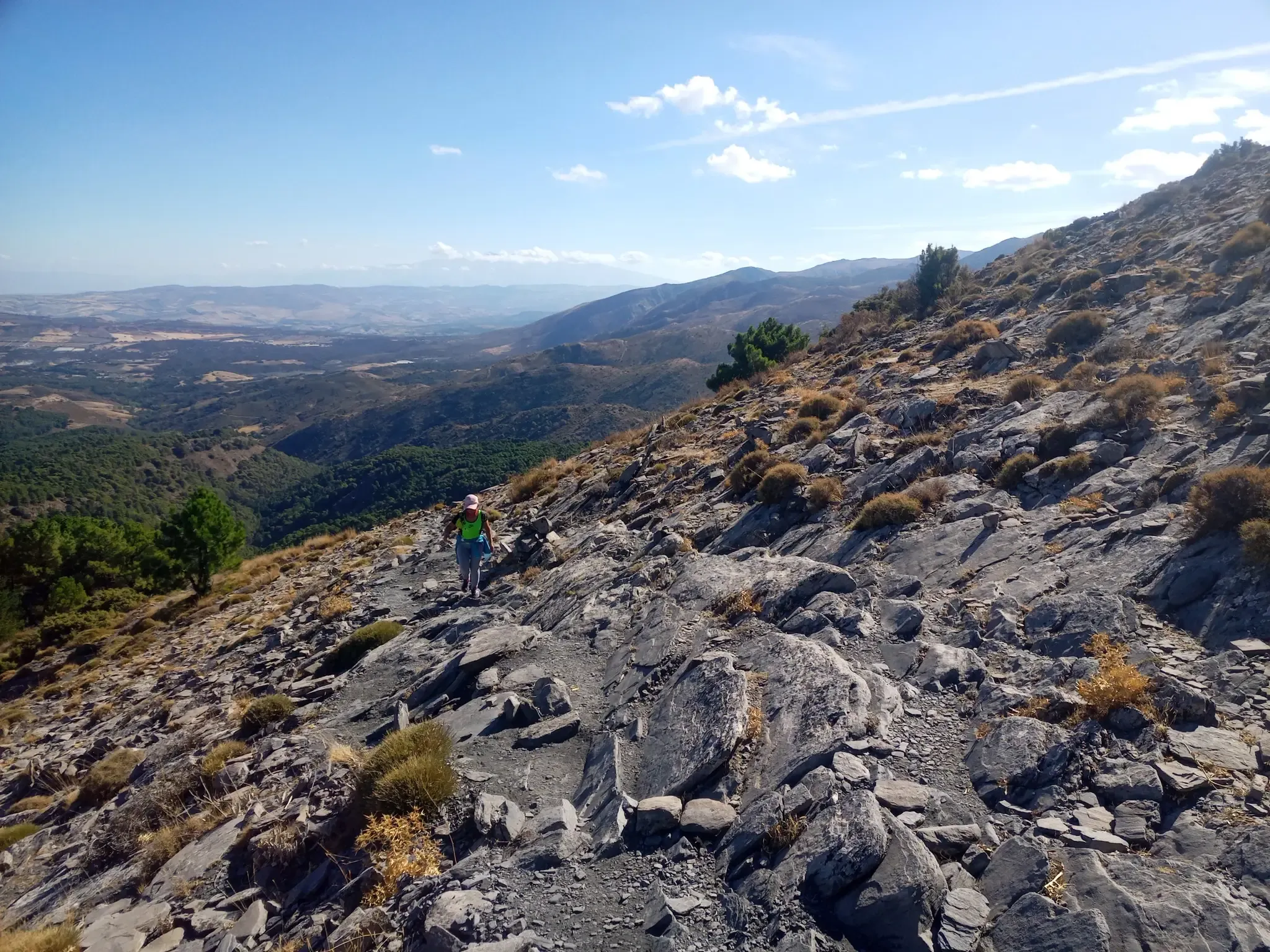
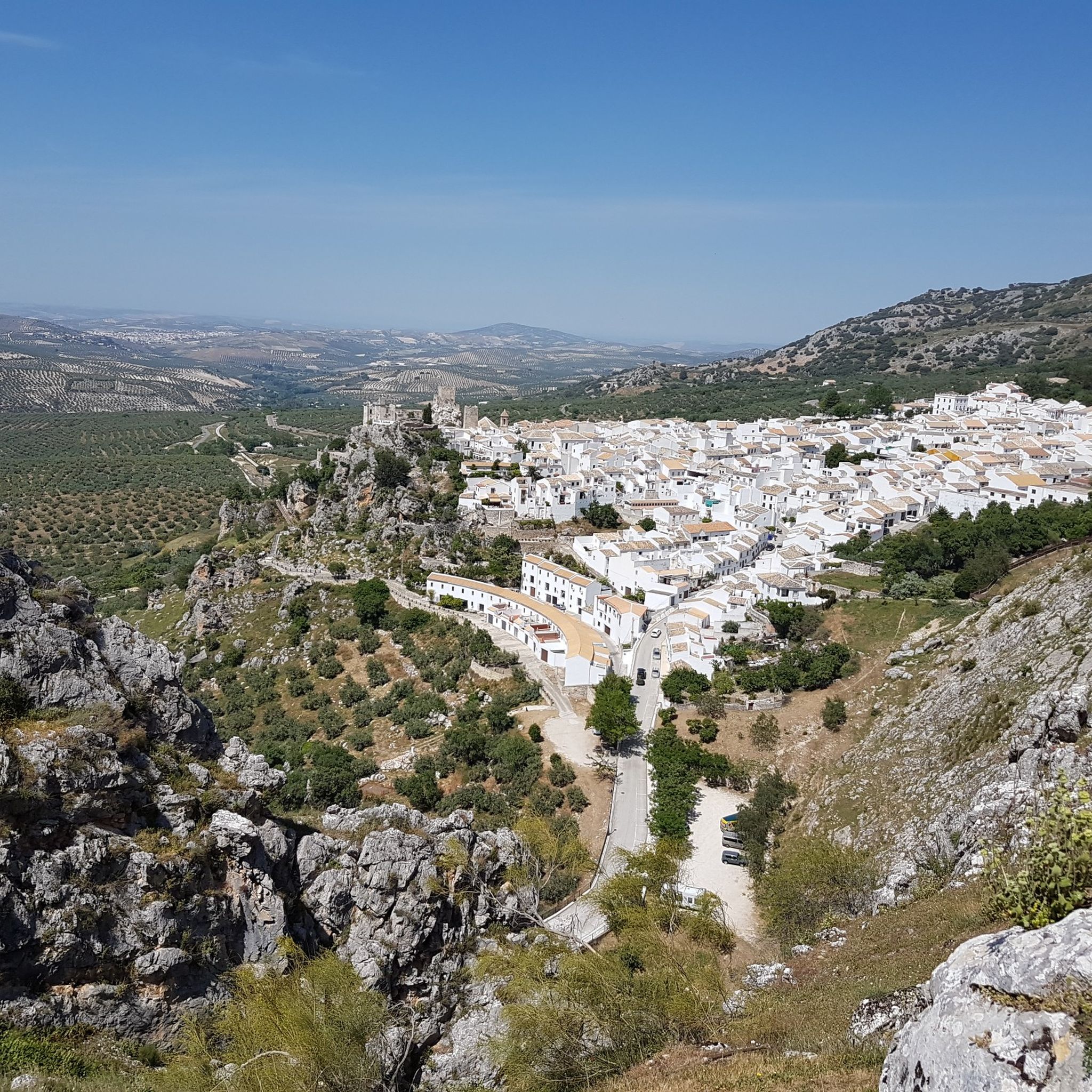
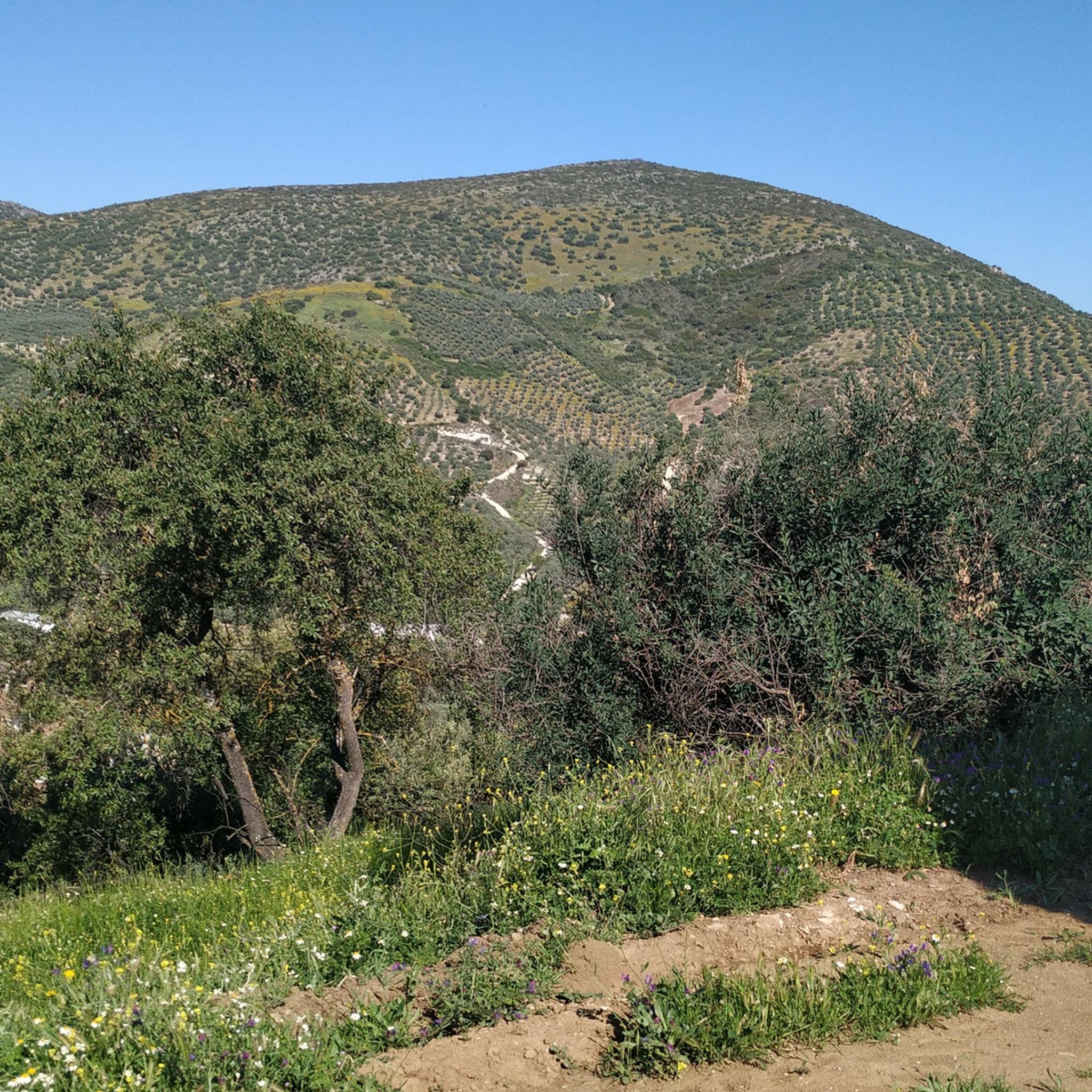
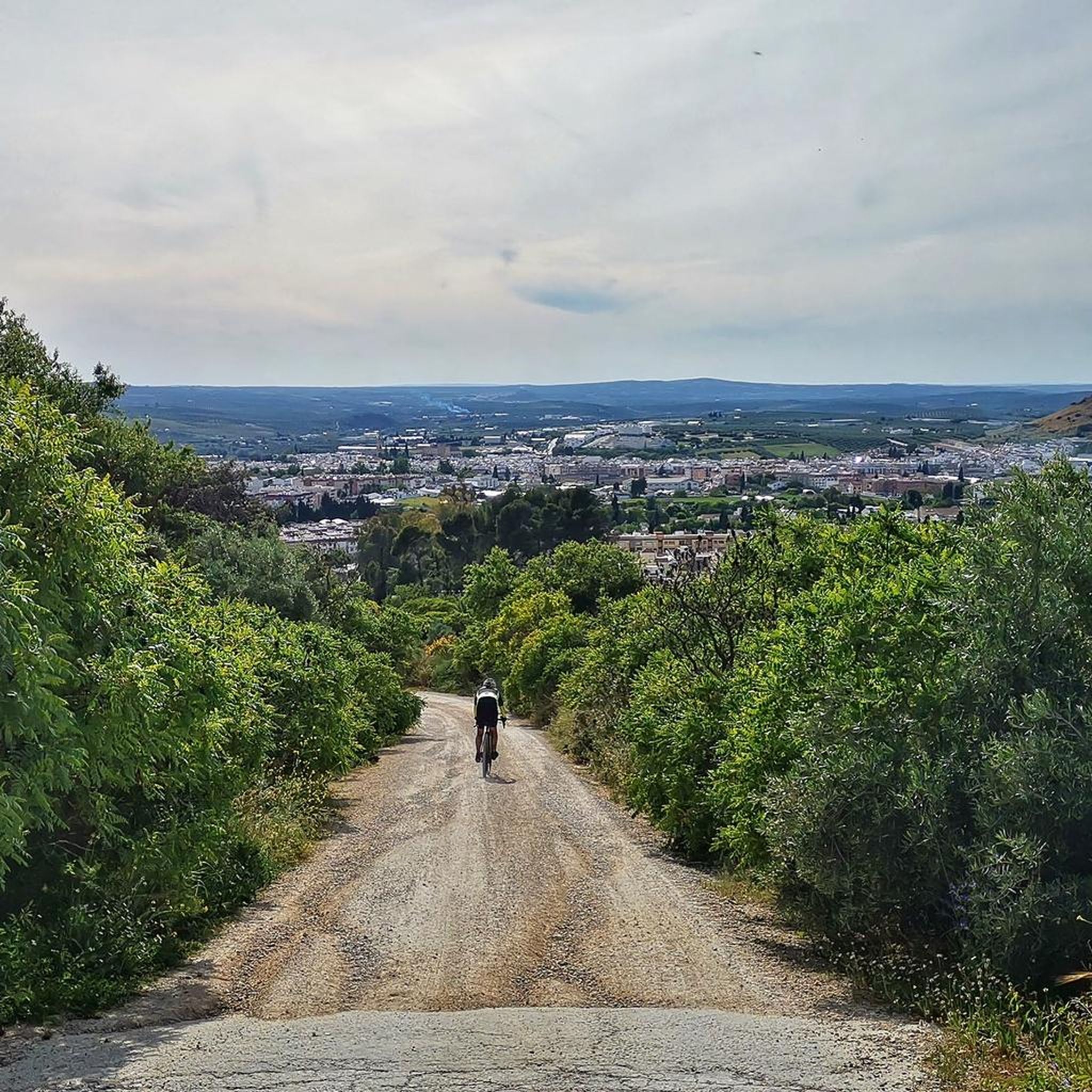
Other adventures in Sierras Subbéticas

Tips from the Community


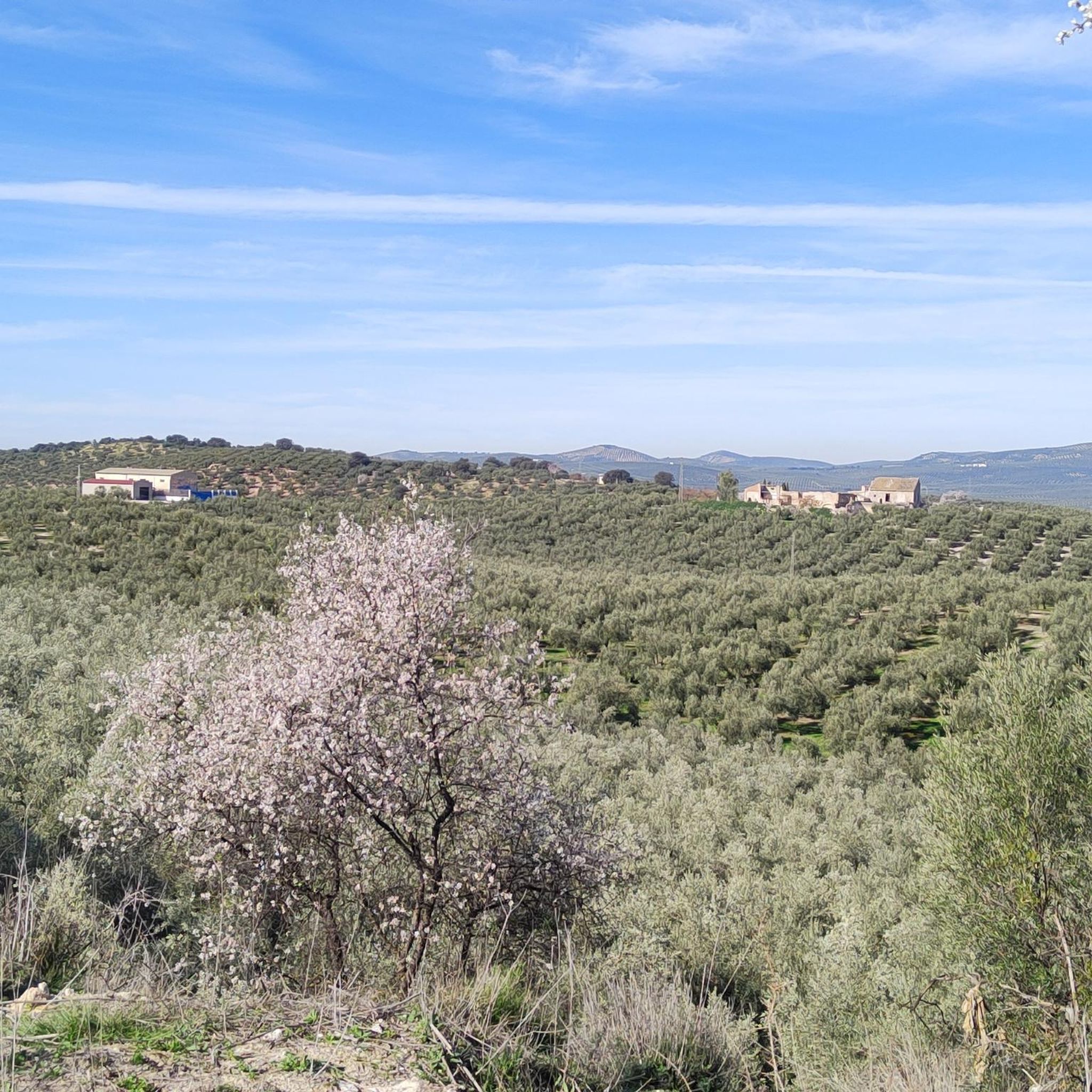
Good views, although the cave is more a place of passage than a place of rest, because it is, above all, a place to shelter animals.
0
0

It is a prehistoric cave, the largest in the province of Córdoba, declared a Natural Monument in 2001. Its name comes from the bats, of different species, that inhabit this cave. In his tourist visit, a descent of up to 65 m deep is made.
3
0

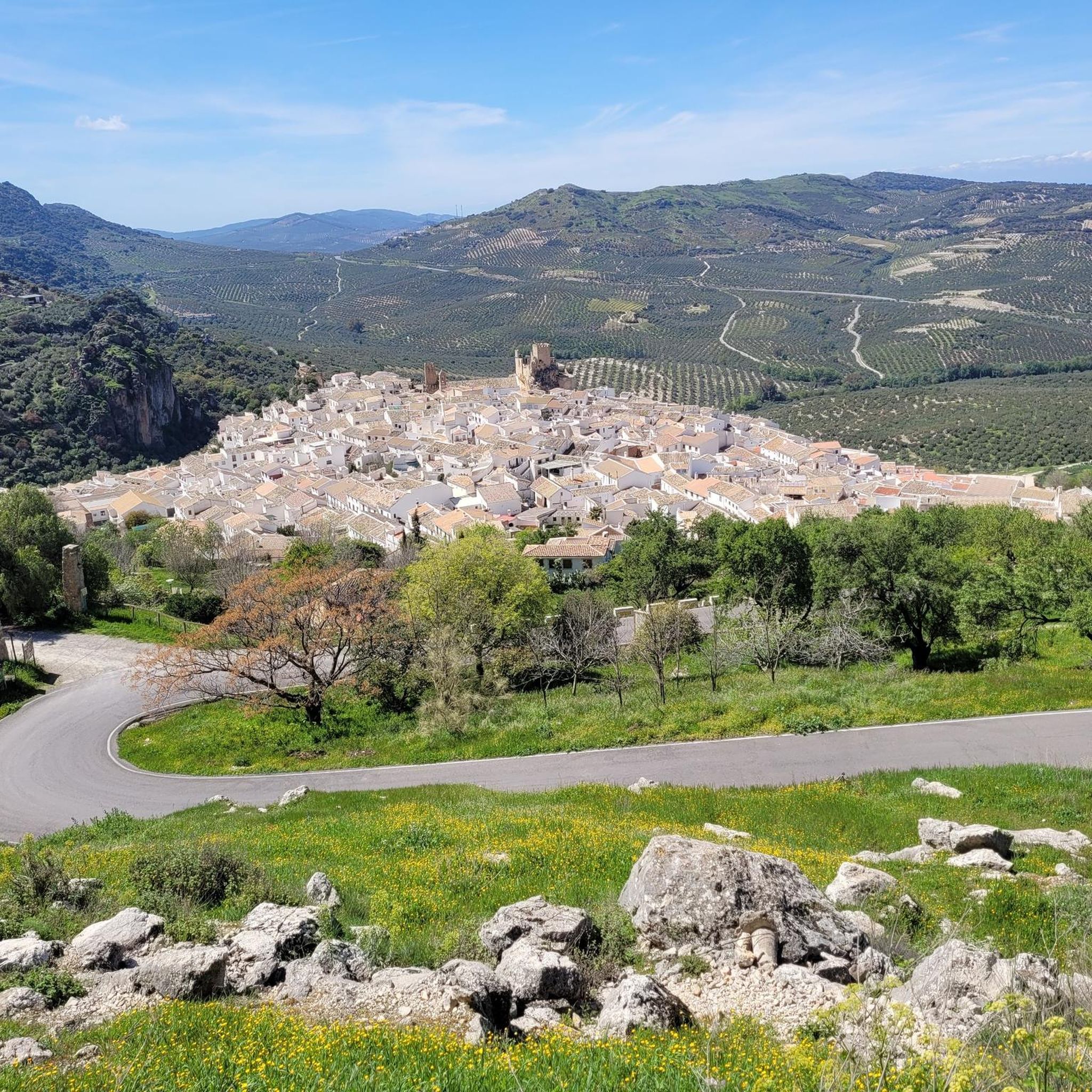
This trail is full of impressive limestone rock walls, with a multitude of vegetation sprouting between its numerous pores. They have been formed over time by the force of the Bailón River. From some angles you can see Zuheros and its castle peeking out between the walls.
2
0
The first caving expedition in Spain was carried out in this vertical chasm in 1841. It is located on the slopes of the Picacho de la Sierra de Cabra. It appears mentioned in Don Quixote and in other works by Miguel de Cervantes, who lived in the town of Cabra. It has an average width of about 20 meters and a depth of -116 meters, up to its base, but it has an additional narrow gallery that leads to the Sarcophagus room, located at -131 meters.
2
0
This cave is a system of galleries typical of limestone formations, very porous. Its name is due to the fact that various species of bats inhabit it.
2
1

A beautiful place, even for short walks. You determine the level of difficulty yourself. A little fitness is useful because of the sometimes steep climbs.
1
1

The entire tour leads through interesting landscape with many plants and interesting views.
2
0
Frequently Asked Questions
What unique geological features can I find in the caves of Sierras Subbéticas?
The Sierras Subbéticas are known for their karstic landscape. You'll find impressive limestone formations, such as those in the Limestone formations and caves in the Bailón Canyon, sculpted by the Bailón River. The region also features unique gypsum caves, like the Cueva del Yeso, which boasts magnificent gypsum crystals and formations, a rarity in the Guadalquivir Valley.
Are there any caves with significant archaeological or historical importance in the region?
Yes, the Bat Cave (Cueva de los Murciélagos) is a crucial Neolithic site in Andalusia. It contains Upper Paleolithic rock art and evidence of habitation from the Middle Paleolithic to Roman times. A human skeleton found there was identified as the first farmer of the southern Iberian Peninsula, dating back over 7,000 years.
What kind of wildlife can be found in the caves of Sierras Subbéticas?
As its name suggests, the Bat Cave is home to various species of bats in its deeper galleries. The Cueva del Yeso also hosts a significant colony of endangered bats and diverse species of prawns, some of which may be unique globally, thriving in its unique aquatic ecosystem.
What should I expect during a guided tour of a cave like the Cueva de los Murciélagos?
A guided tour of the Cueva de los Murciélagos typically lasts about an hour. The tourist route descends up to 65 meters deep, involving approximately 700 steps and covering about 415 meters. You'll see spectacular karstic formations, including stalactites like 'El Espárrago' and the intricate 'Sala del Órgano'.
How long does it take to visit the Cueva del Yeso and what is the experience like?
A visit to the Cueva del Yeso typically takes about an hour. The tourist route is approximately 200 meters long, featuring walkways and staircases for comfortable access. Visitors are provided with helmets and front lights to enhance visibility of the impressive gypsum formations. The cave maintains a constant temperature of around 21 degrees Celsius and high humidity.
Are there family-friendly cave options in Sierras Subbéticas?
Both the Cueva de los Murciélagos and the Cueva del Yeso offer accessible tourist routes suitable for families. The Cueva del Yeso, with its provided helmets and lights, and comfortable walkways, offers a distinct and engaging experience for all ages interested in geology and unique ecosystems.
Do I need to make reservations to visit the caves?
Yes, reservations are recommended for popular caves like the Cueva de los Murciélagos to ensure your visit, especially during peak times. It's always best to check the specific cave's official website or contact them directly for their booking policy.
What outdoor activities can I do near the caves in Sierras Subbéticas?
The area around the caves, particularly near Zuheros and the Bailón Canyon, is excellent for hiking and climbing. You can also explore various cycling routes in the wider Sierras Subbéticas Natural Park. For more options, check out the Cycling in Sierras Subbéticas or Gravel biking in Sierras Subbéticas guides.
What is the best time of year to explore the caves in Sierras Subbéticas?
Caves generally maintain a stable internal temperature year-round, making them a good option in various seasons. However, visiting during spring or autumn allows for more comfortable exploration of the surrounding natural park, which offers beautiful landscapes and hiking opportunities.
Are there any caves that offer panoramic views of the surrounding area?
The Bat Cave (Cueva de los Murciélagos) is situated at an elevated position above Zuheros, providing spectacular panoramic views of the town, its castle, and the Vía Verde de la Subbética from its entrance area.
What is the Cueva del Morrión used for?
The Cueva del Morrión is primarily used to protect livestock. It serves more as a passage or shelter for animals rather than a resting place, and also offers good views of the surrounding landscape.
What kind of formations can be seen in the Bailón Canyon?
The Limestone formations and caves in the Bailón Canyon feature impressive limestone rock walls with abundant vegetation. These formations have been sculpted over time by the force of the Bailón River, creating a dramatic and picturesque landscape.
Most popular routes in Sierras Subbéticas
Most popular attractions in Sierras Subbéticas

Get inspired with the komoot mobile app


Explore more
Extend your search for the best caves by checking out these guides of the top ones in Sierras Subbéticas:
