Top 5 Caves in National Park Teide
Caves in National Park Teide are a prominent feature of this UNESCO World Heritage site, which is home to Spain's highest peak. The park's landscape is shaped by volcanic activity, featuring numerous cones, lava flows, and subterranean formations. These geological structures offer insights into the island's volcanic history. The park contains a variety of caves, including volcanic tubes and lava caves.
Best caves in National Park Teide
- The most popular caves is Cuevas Negras, a cave that features ancient…
Last updated: May 17, 2026
Cuevas Negras
Highlight (Segment) • Cave
Translated by Google •
Tip by

Hoya Fría Gallery
Highlight • Cave
Translated by Google •
Tip by

Sign up now to discover places like this
Get recommendations on the best single tracks, peaks, & plenty of other exciting outdoor places.
Sign up for free
Cueva del Hielo (Ice Cave)
Highlight • Cave
Translated by Google •
Tip by

Cave and tunnel near Vilaflor
Highlight • Cave
Translated by Google •
Tip by

Start today with a free account
Your next adventure awaits.
Login or Signup
Popular around National Park Teide
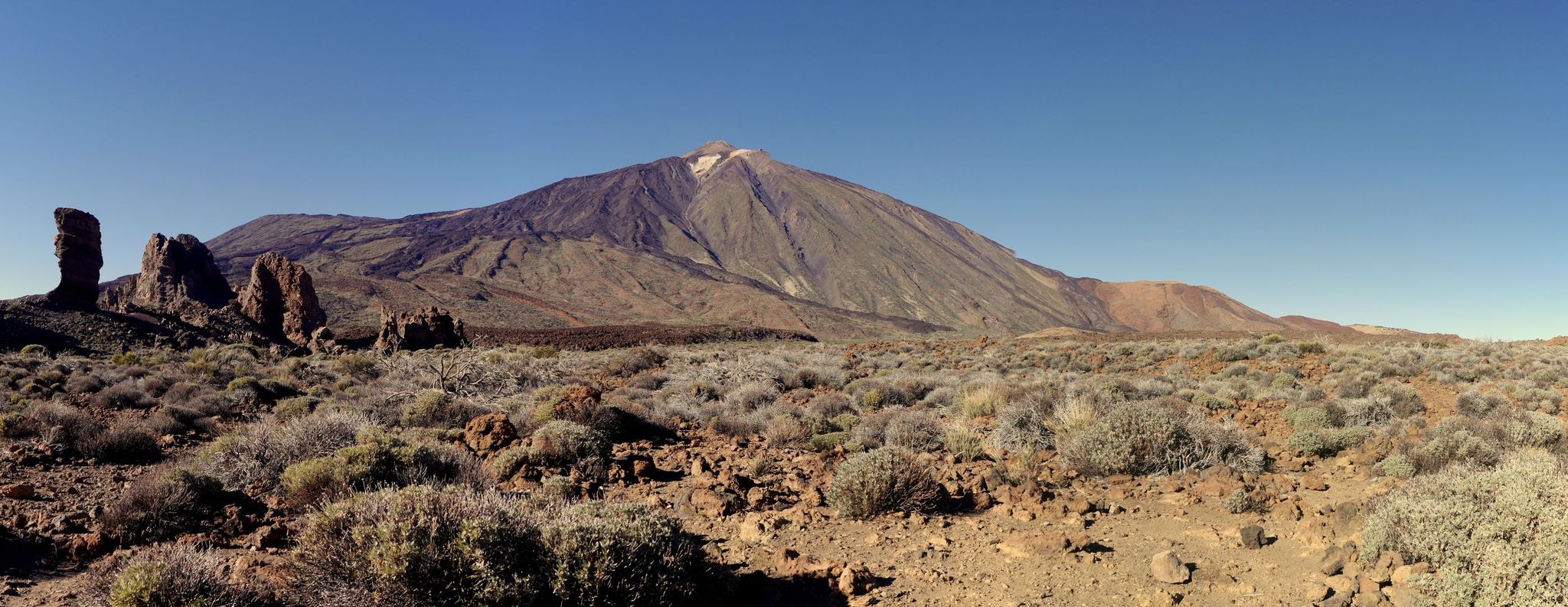
The giant of Tenerife — around Teide by road bike

Trail running in Tenerife – dreamy routes between sea and mountain
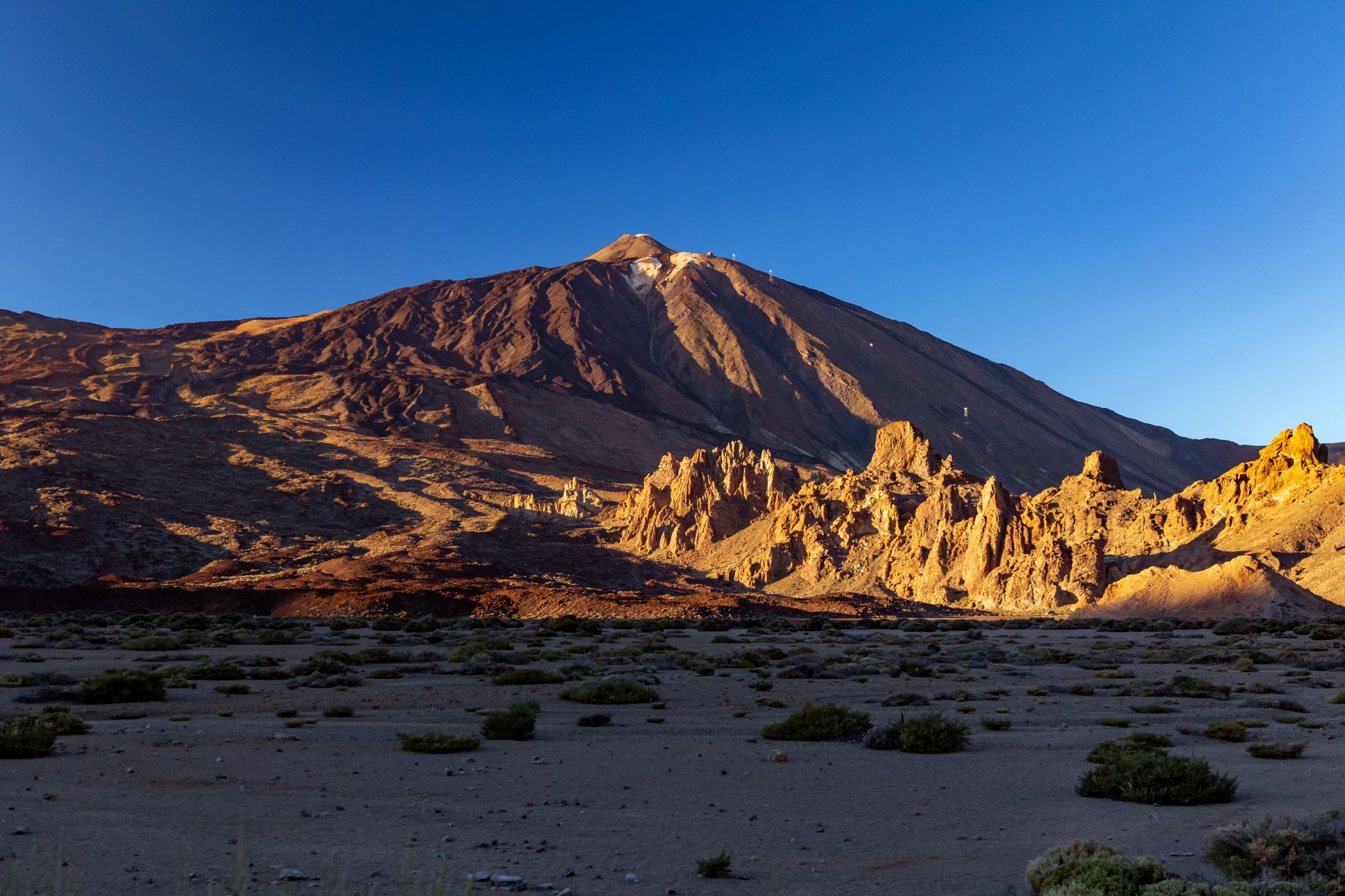
Six fascinating ways to discover the Canary Islands on foot
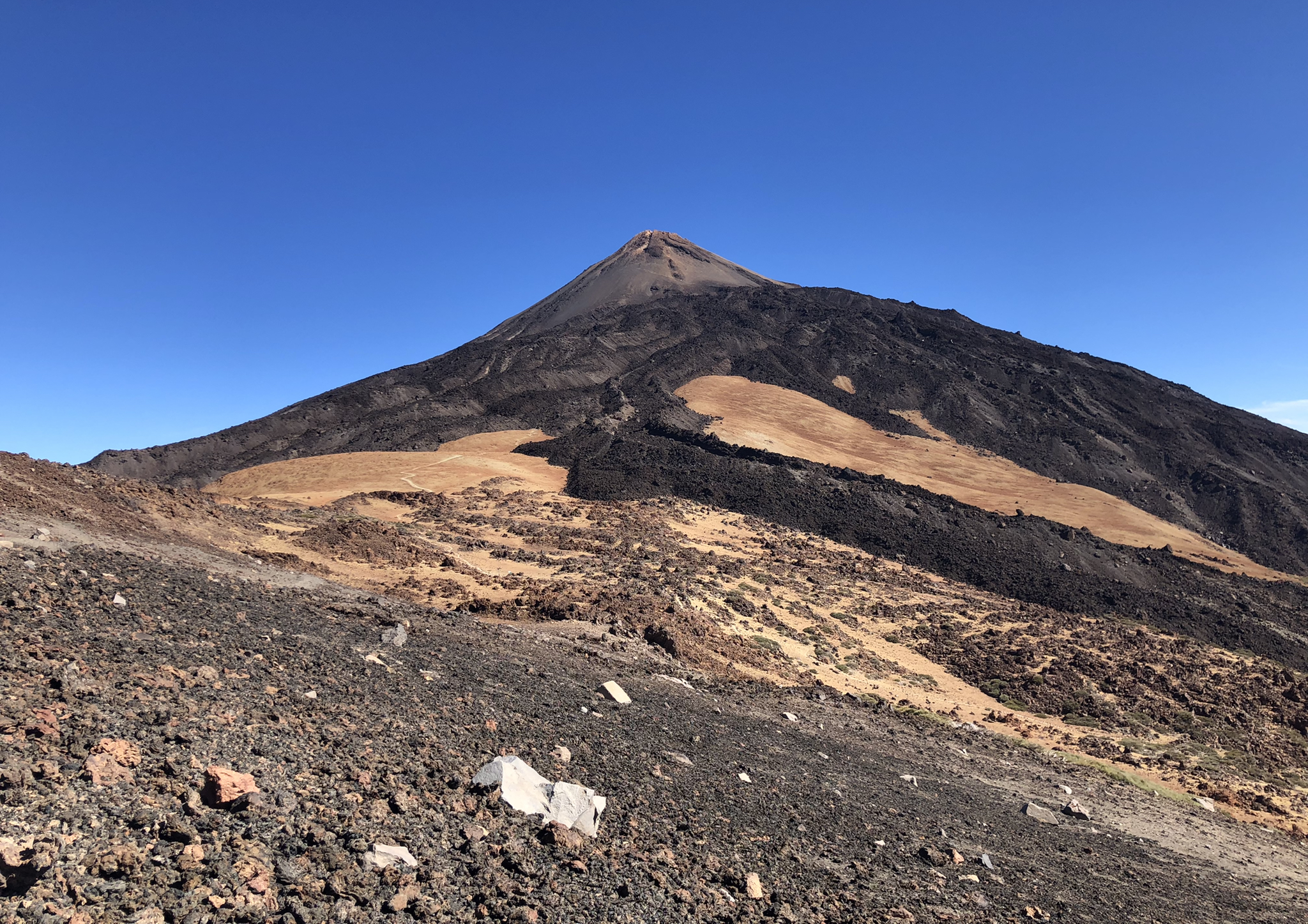
Volcanoes, lava and forests – running in Tenerife
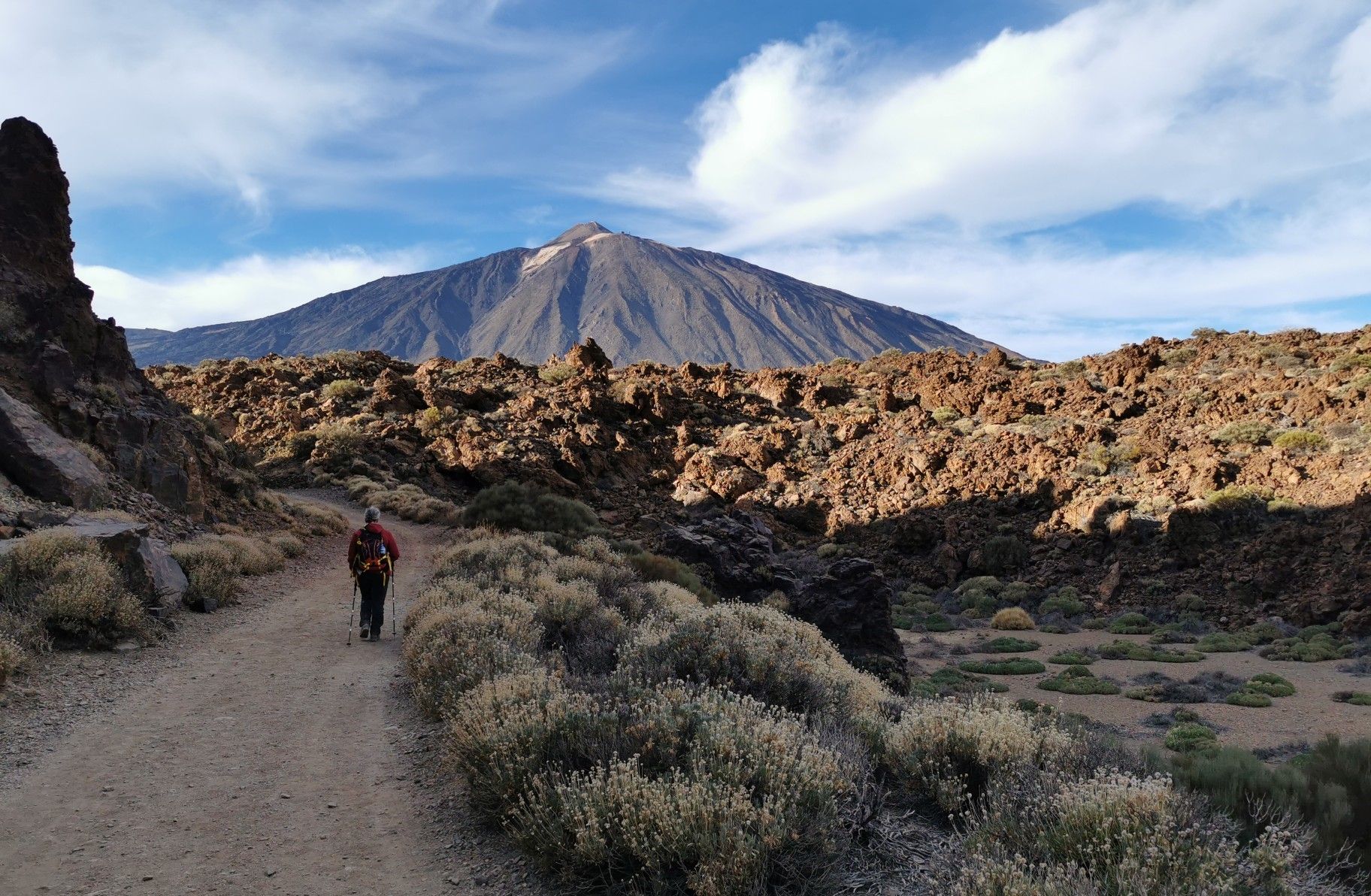
Tenerife from north to south – Camino Natural de Anaga-Chasna
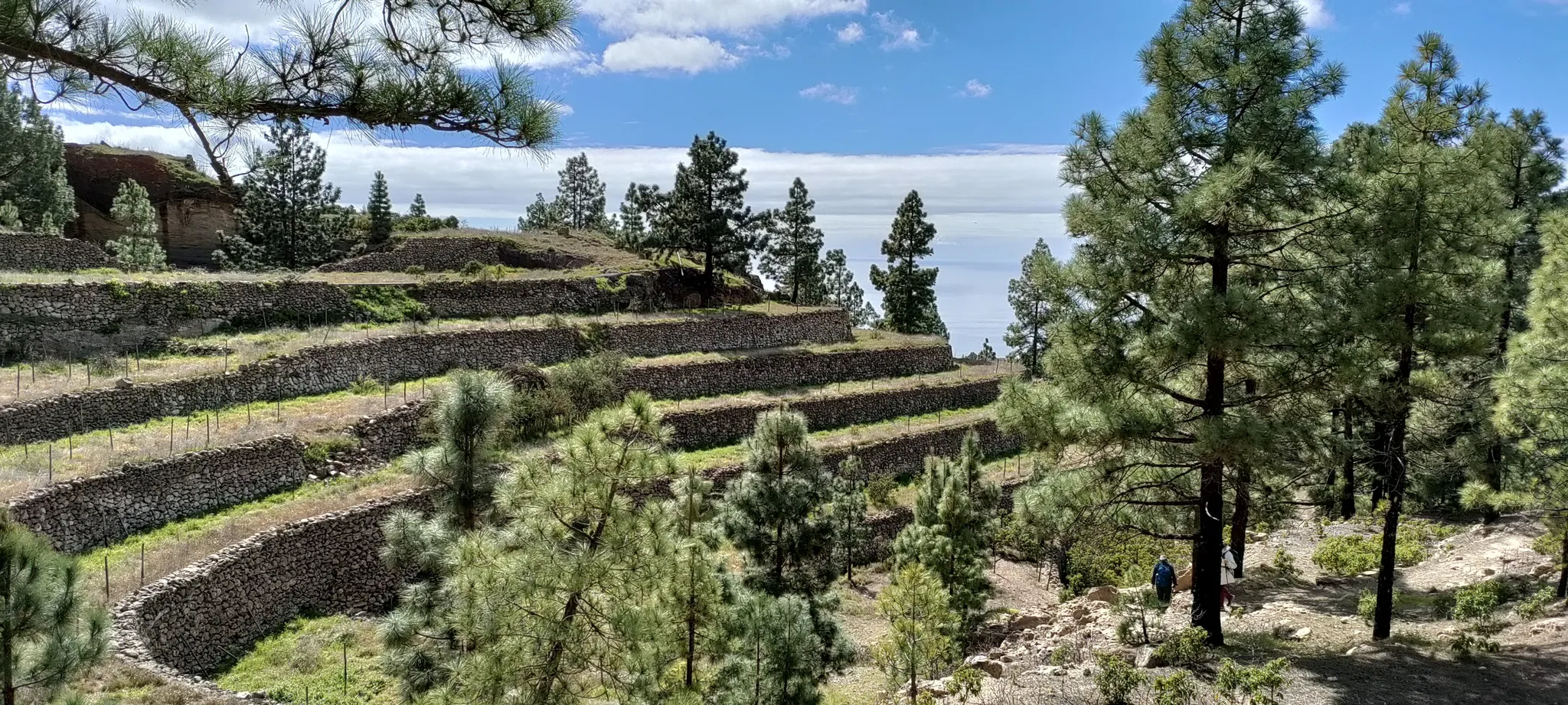
Laurel forest to Caldera – hike the Tenerife GR 131 in 5 days
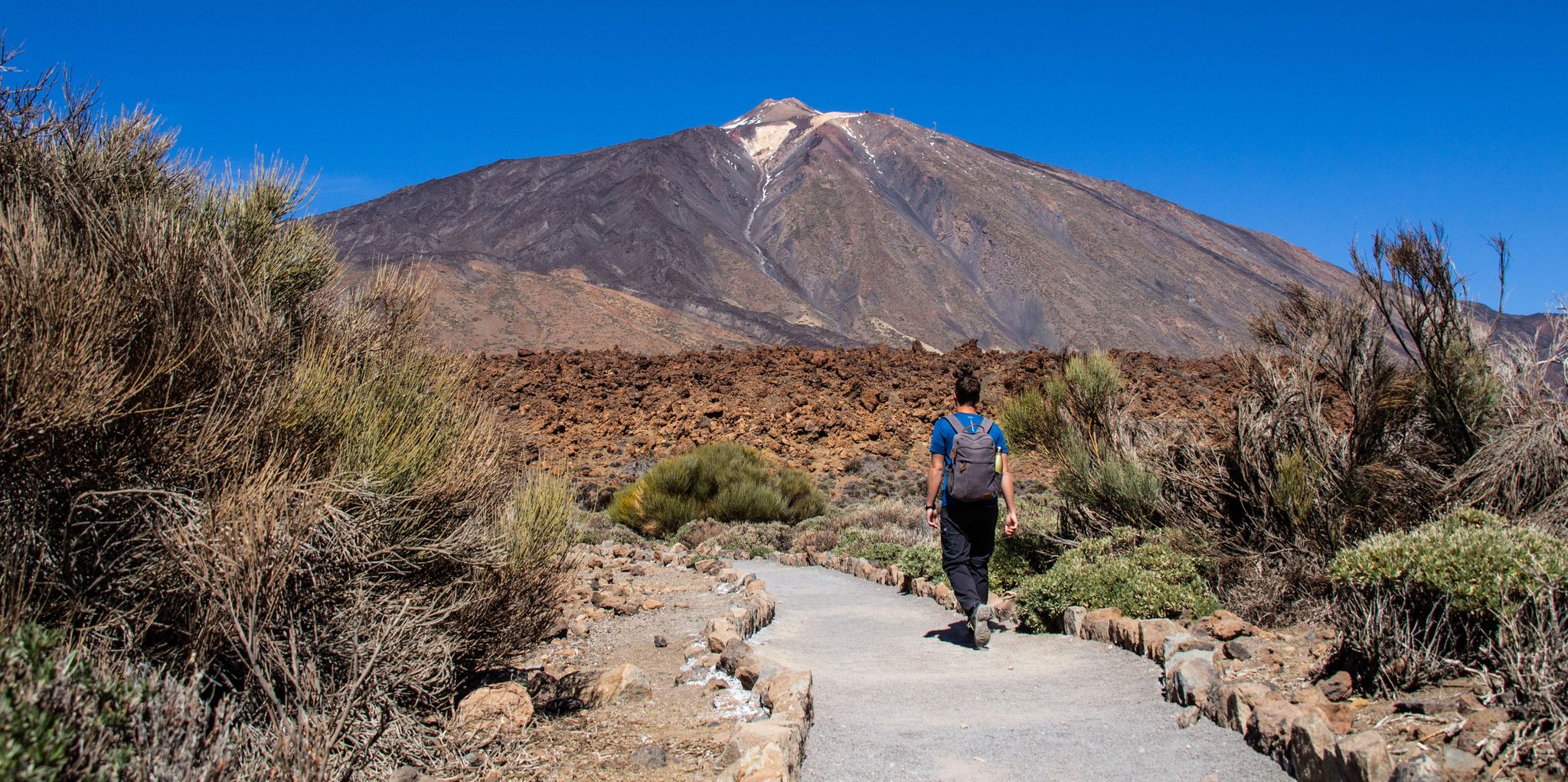
Adventuring in Tenerife — six hiking Tours for every taste
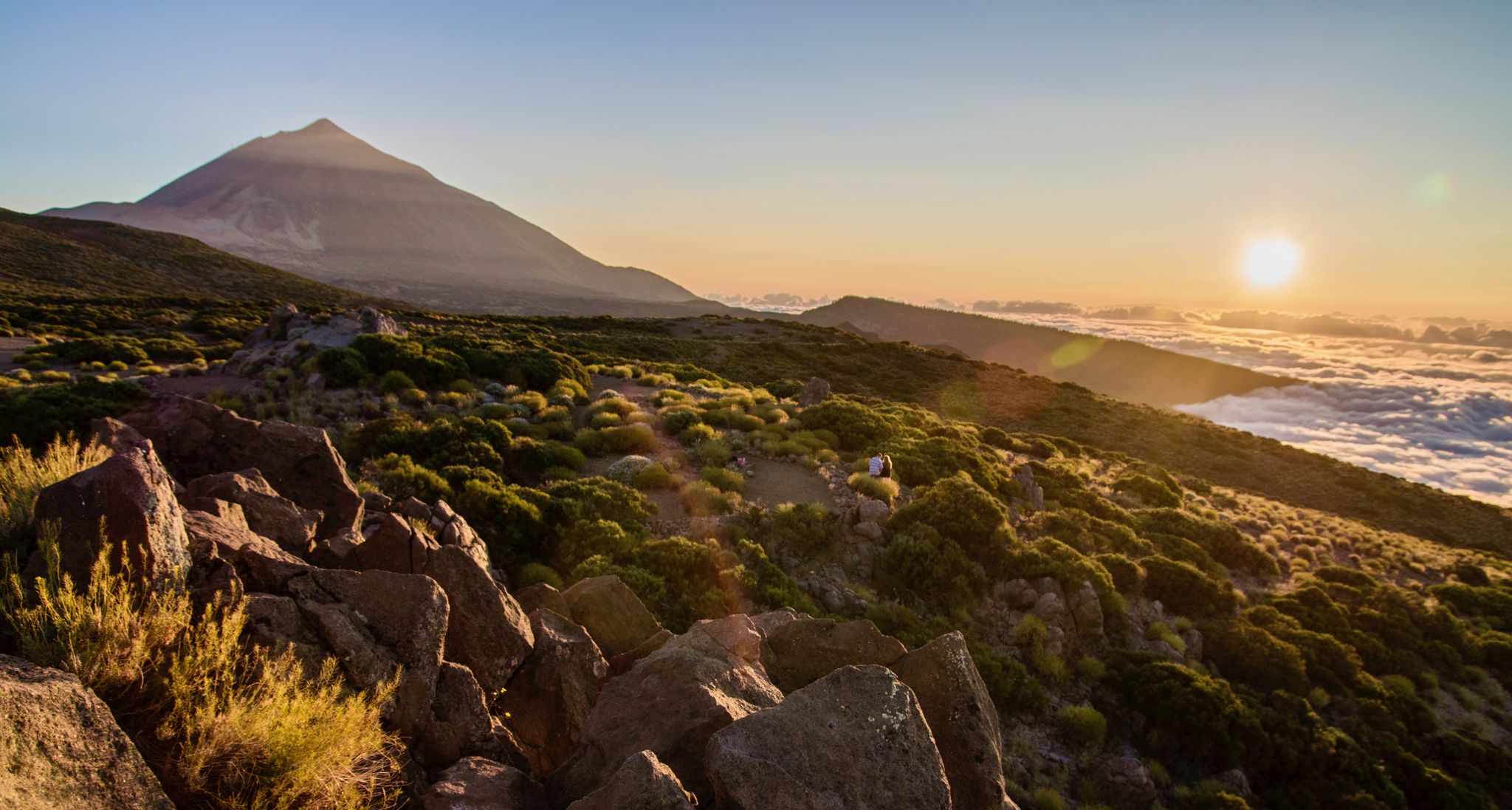
From volcanic peaks to pristine beaches – A hiking paradise in Tenerife
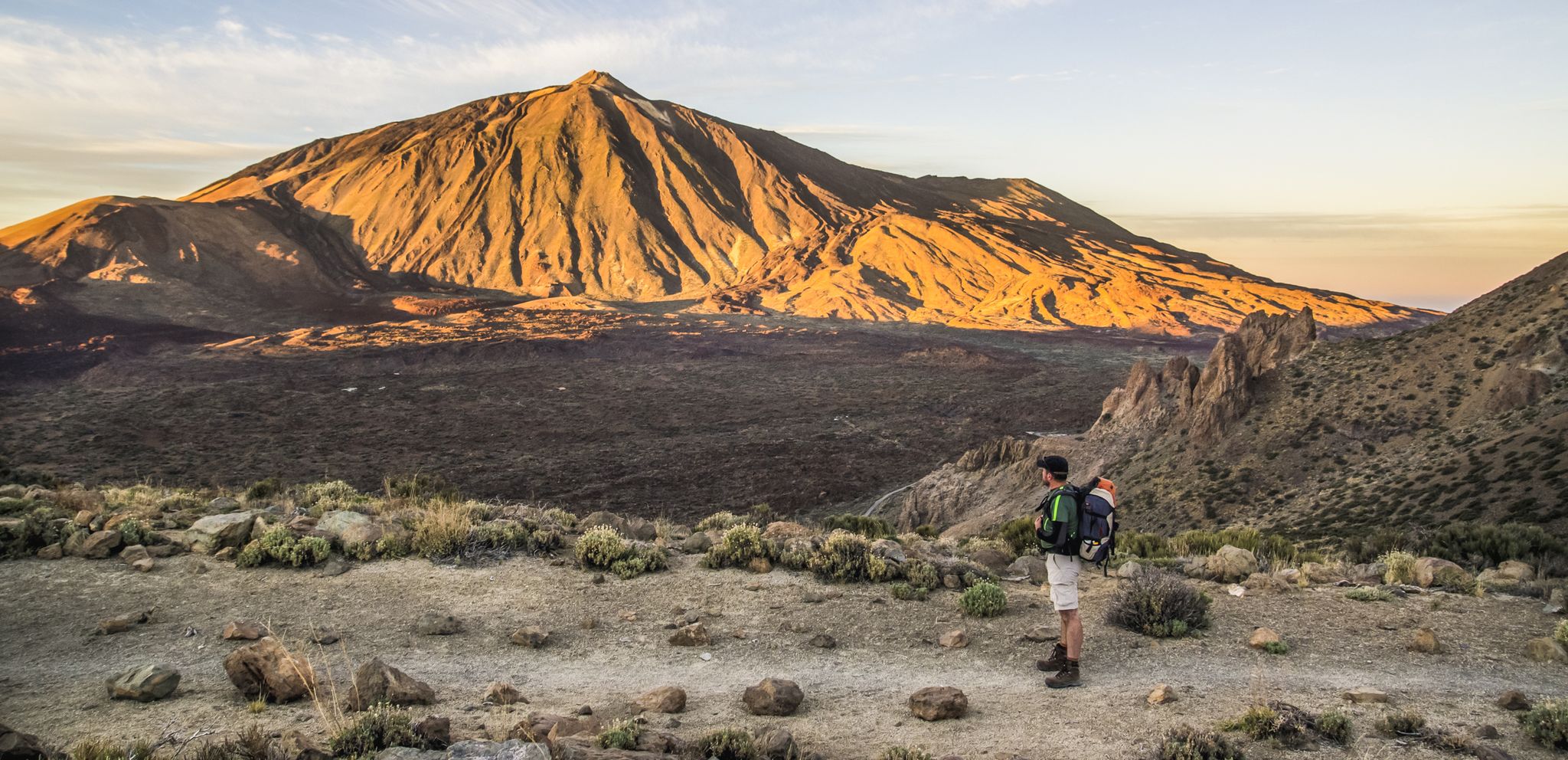
The most beautiful hiking adventures on Tenerife
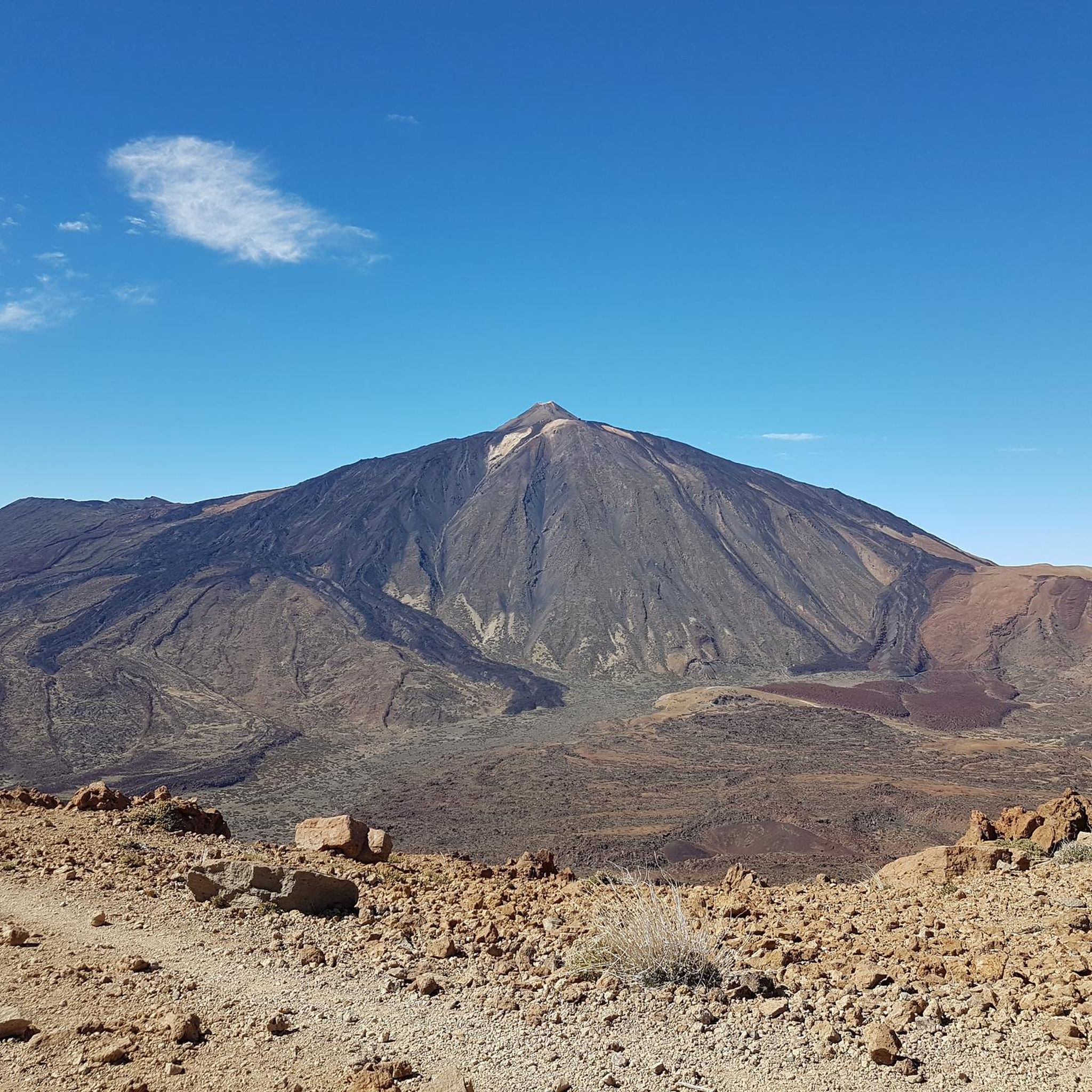
Hiking in National Park Teide
Other adventures in National Park Teide


Tips from the Community

If you like the barren lava landscape, this is the place for you.
0
0

Old volcanic cave, where snow was collected so that it was transformed into ice and from there, lowered to La Orotava. Currently closed to the public.
0
0


As always, I recommend my video about the tour: https://youtu.be/oRQZzar7hYo
1
1

On the hikes you can admire the different volcanic rocks in terms of mineral composition, colour, shape and structure in their lush variety. Interesting not only for geologists.
4
1

have a flashlight with you. It's a cave and a tunnel I don't know how deep it goes.
0
0
The 2nd cave is more of a tunnel. Without a flashlight, I couldn't tell how far the hallway went.
0
0

One of the most beautiful places on this island...
7
0
Frequently Asked Questions
What makes the caves in National Park Teide unique?
The caves in National Park Teide are primarily volcanic formations, including lava tubes and other subterranean structures, sculpted by the park's extensive volcanic activity. As a UNESCO World Heritage site, the park showcases a diverse array of cones, lava flows, and caves, offering a unique glimpse into the island's geological history.
Which are some of the most notable caves to visit in National Park Teide?
Among the prominent caves are Cuevas Negras, known for its ancient lava flows and striking black rock formations. Another significant site is Cueva del Hielo (Ice Cave), a volcanic cave famous for its year-round ice formations at a high altitude. Additionally, the Hoya Fría Gallery offers a challenging tunnel-like exploration, and the Cave and tunnel near Vilaflor provides an intermediate caving experience.
Do I need a permit to access caves in Teide National Park?
Access to some of the more delicate and unique caves, such as Cueva del Hielo and Cuevas Negras, is restricted and often requires prior permission to prevent damage to their environment. It's advisable to check current regulations before planning your visit.
Are the caves in Teide National Park suitable for beginners?
Many of the caves, such as Hoya Fría Gallery and Cueva del Hielo (Ice Cave), are described as challenging. Some, like the Cave and tunnel near Vilaflor, are intermediate. Exploring these caves often requires a flashlight due to their depth and can involve difficult paths. Beginners should exercise caution and consider guided tours or easier, more accessible sections if available.
What is the historical significance of Cueva del Hielo (Ice Cave)?
Historically, Cueva del Hielo, also known as Cueva de la Nieve, was a crucial site where ice was harvested. This ice was then transported to coastal towns for various purposes, including food preservation, therapeutic uses, and even making ice cream. Its strategic location also made it a popular spot for mountaineers and scientists.
Can I see ice formations in any of the caves?
Yes, Cueva del Hielo (Ice Cave) is renowned for its frozen lake and countless icicles that adorn its walls year-round. This unique phenomenon is maintained by cold air flowing into its downward-facing entrance during winter.
Is Cueva del Viento located within Teide National Park?
No, Cueva del Viento, while a significant lava tube system on Tenerife, is located in Icod de los Vinos and is not within the boundaries of Teide National Park itself.
What outdoor activities can I do near the caves in Teide National Park?
Teide National Park offers a variety of outdoor activities. You can find numerous hiking trails, from easy to challenging, and routes for gravel biking. For example, you can explore easy hikes or more demanding mountain hikes. There are also gravel biking routes available in the park.
What should I pack when visiting caves in Teide National Park?
Given that some caves are challenging and deep, a flashlight is highly recommended. For caves like Cueva del Hielo, which is at a high altitude (3,300-3,350 meters), warm clothing is essential, even if you are not entering the cordoned-off sections. Sturdy footwear is also advisable for navigating volcanic terrain.
What do visitors enjoy most about the caves in National Park Teide?
Visitors frequently highlight the 'incredible landscape' and 'breathtakingly extraterrestrial barren lunar landscape' around caves like Cuevas Negras. The unique geological formations, including diverse volcanic rocks, and the opportunity to witness rare features like year-round ice in a volcanic setting, are highly appreciated.
Are there guided cave tours available in Teide National Park?
While specific guided tours for individual caves are not detailed, given the restricted access to some caves and the challenging nature of others, guided excursions within Teide National Park often provide context and may include views or discussions about the park's numerous subterranean formations. It is recommended to check with local tour operators for available options.
What is the best time to visit the caves in Teide National Park?
Teide National Park can be visited year-round, but the best time depends on your preferences. High-altitude caves like Cueva del Hielo will be cold regardless of the season due to their unique microclimate. Generally, spring and autumn offer milder temperatures for exploring the park's trails and cave surroundings, avoiding the peak heat of summer or potential snow in winter at higher elevations.
Most popular routes in National Park Teide
Most popular attractions in National Park Teide

Get inspired with the komoot mobile app


Explore more
Extend your search for the best caves by checking out these guides of the top ones in National Park Teide:
