Top 8 Waterfalls around Parco regionale Monti Picentini
Best waterfalls around Parco regionale Monti Picentini are located in Italy's Campania region, offering natural beauty and hiking opportunities. This area is characterized by lush, green environments and diverse flora, making it suitable for nature enthusiasts. The park features numerous water features, including several notable waterfalls nestled within its valleys and forests. Visitors can explore various trails that lead through dense woodlands and along rivers, providing a tranquil escape.
Best waterfalls around Parco regionale Monti Picentini
- The most popular waterfalls…
Last updated: July 13, 2026
Acquabianca Waterfall
Highlight • Waterfall
jammway.it/oasi-valle-della-caccia-la-cascata-acquabianca
Trekking clothes and sturdy shoes!
Translated by Google •
Tip by

The Bard'natore Waterfall
Highlight • Waterfall
Translated by Google •
Tip by
Sign up now to discover places like this
Get recommendations on the best single tracks, peaks, & plenty of other exciting outdoor places.
Sign up for free
Gradone Waterfall
Highlight • Waterfall
Phenomenon that is taking place more and more in this area
Translated by Google •
Tip by

Moss Cave
Highlight (Segment) • Cave
Translated by Google •
Tip by
Stream in the Parco Regionale dei Monti Picentini
Highlight • River
Tip by

Sign up for free to discover even more waterfalls around Parco regionale Monti Picentini.
Sign up for free
Already have an account?
Start today with a free account
Your next adventure awaits.
Login or Signup
Popular around Parco regionale Monti Picentini
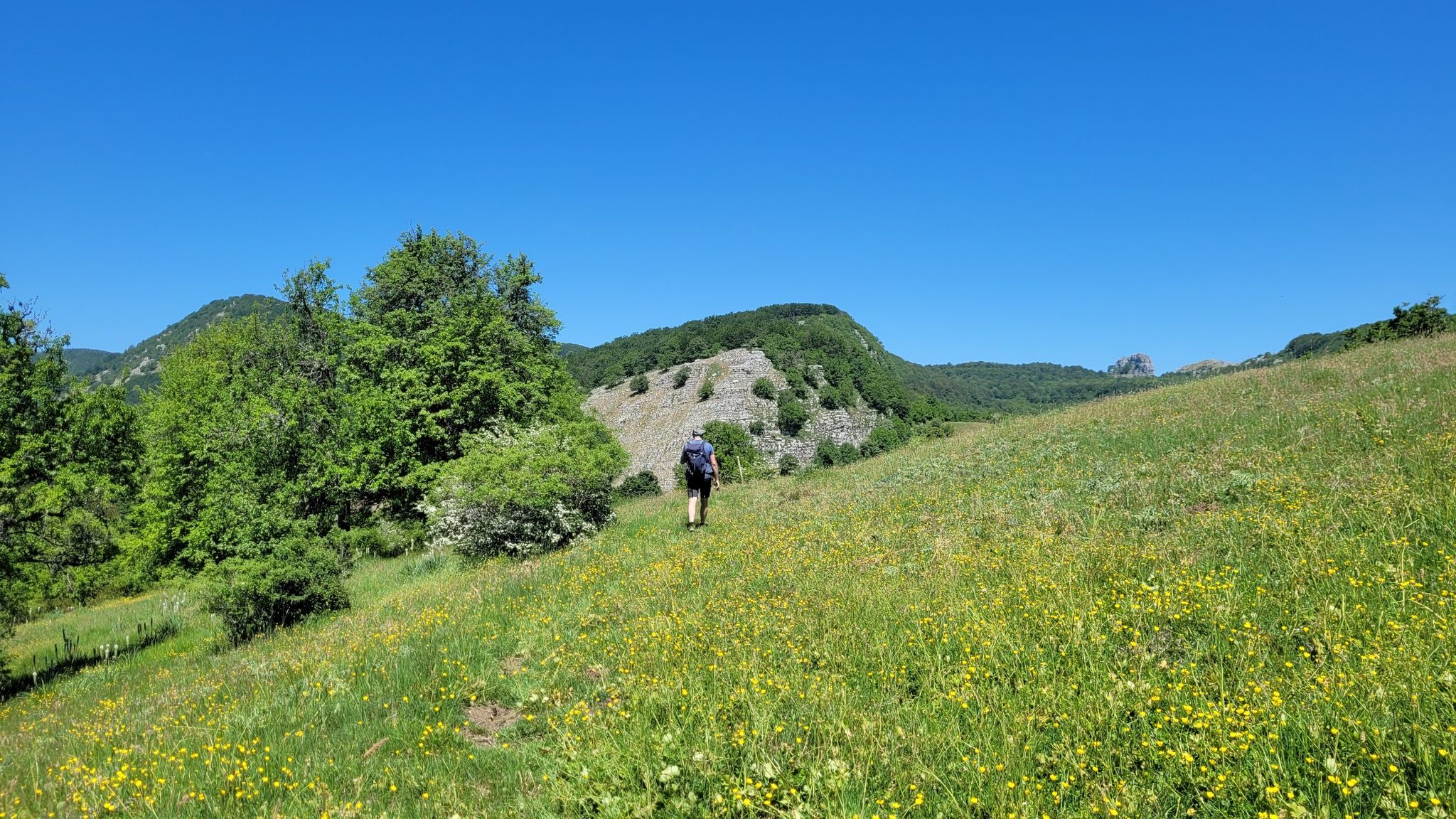
Sentiero Italia – A journey into the heart of Campania
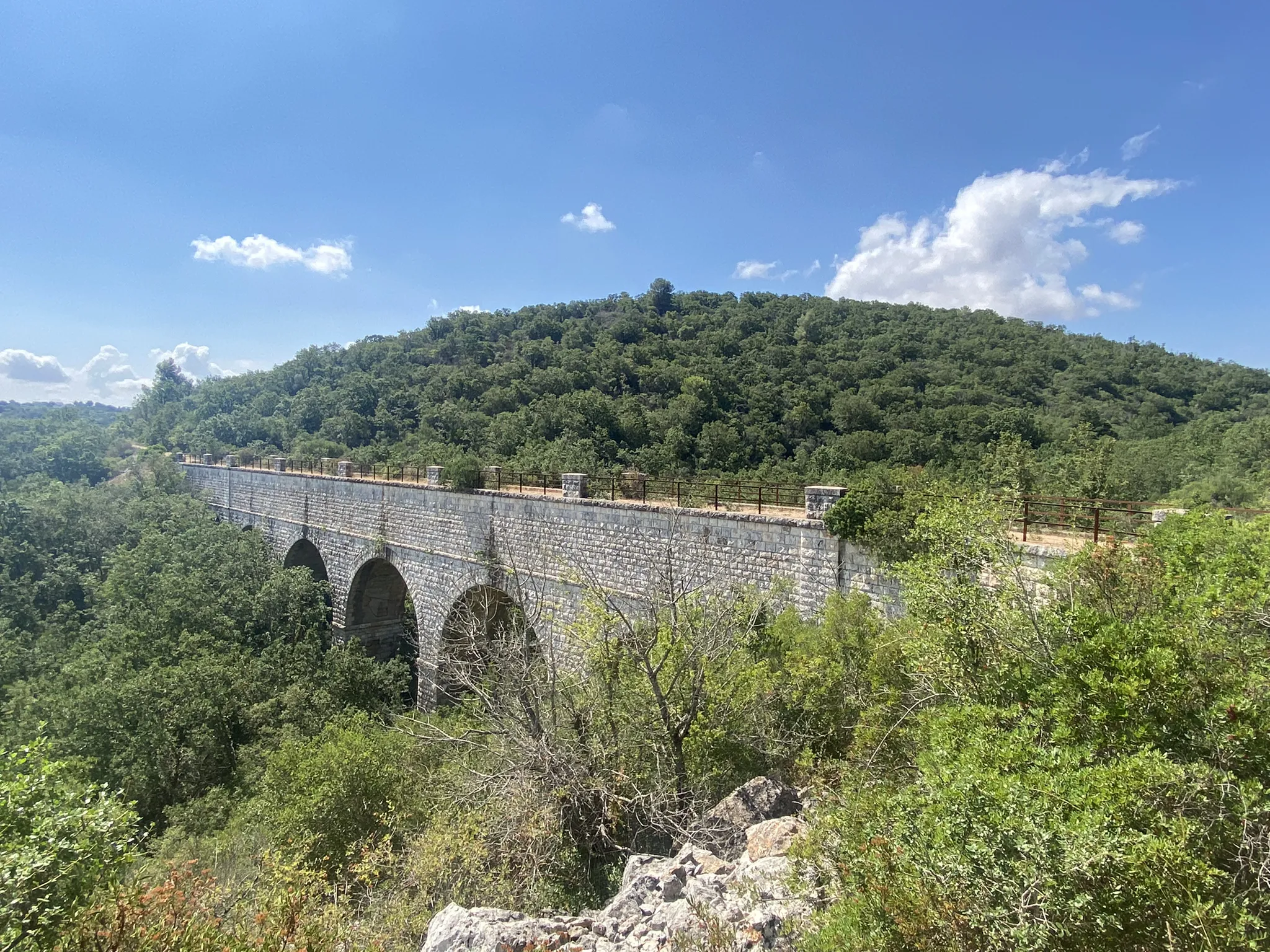
Caposele to Santa Maria di Leuca – Apulian Aqueduct Cycle Route
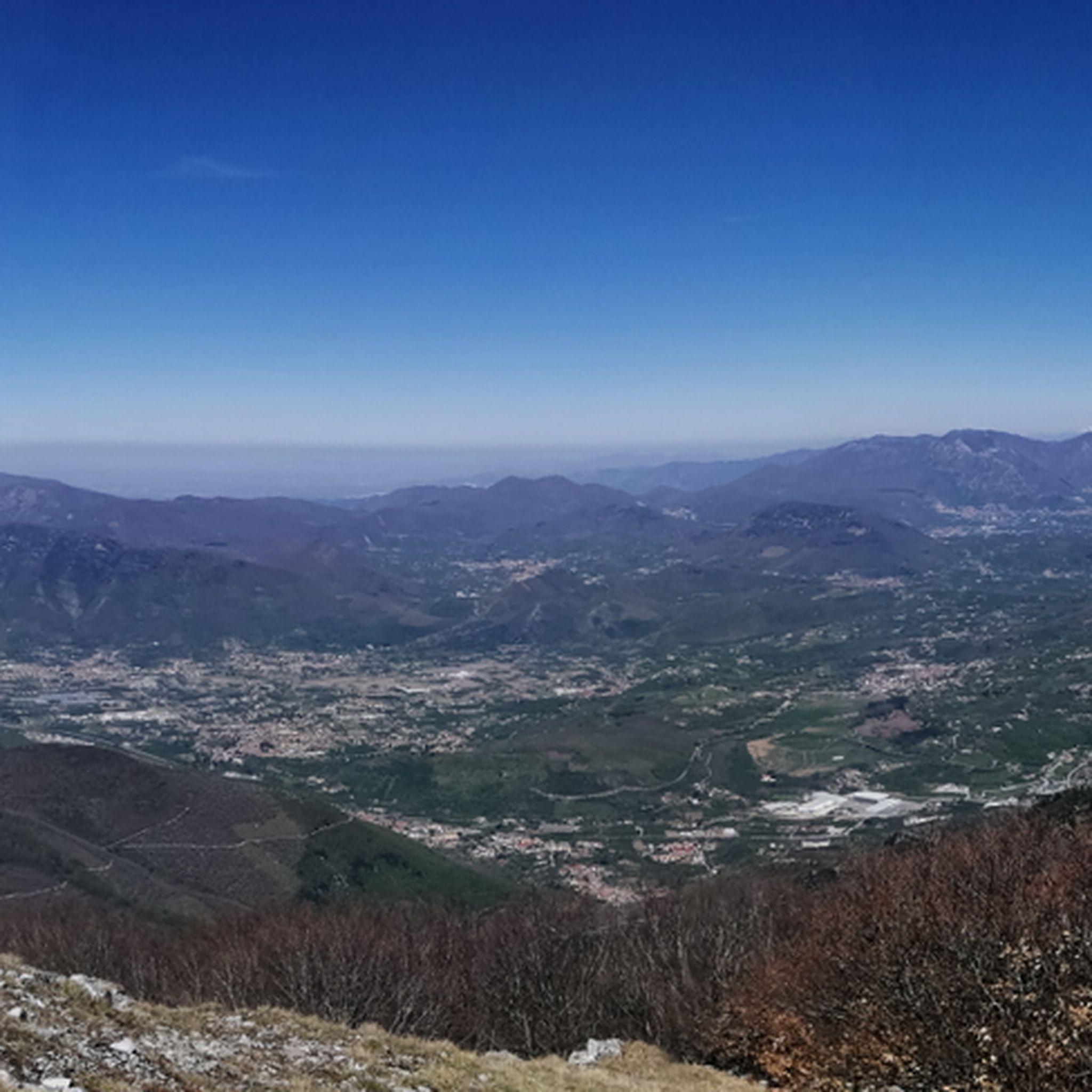
Hiking around Parco regionale Monti Picentini
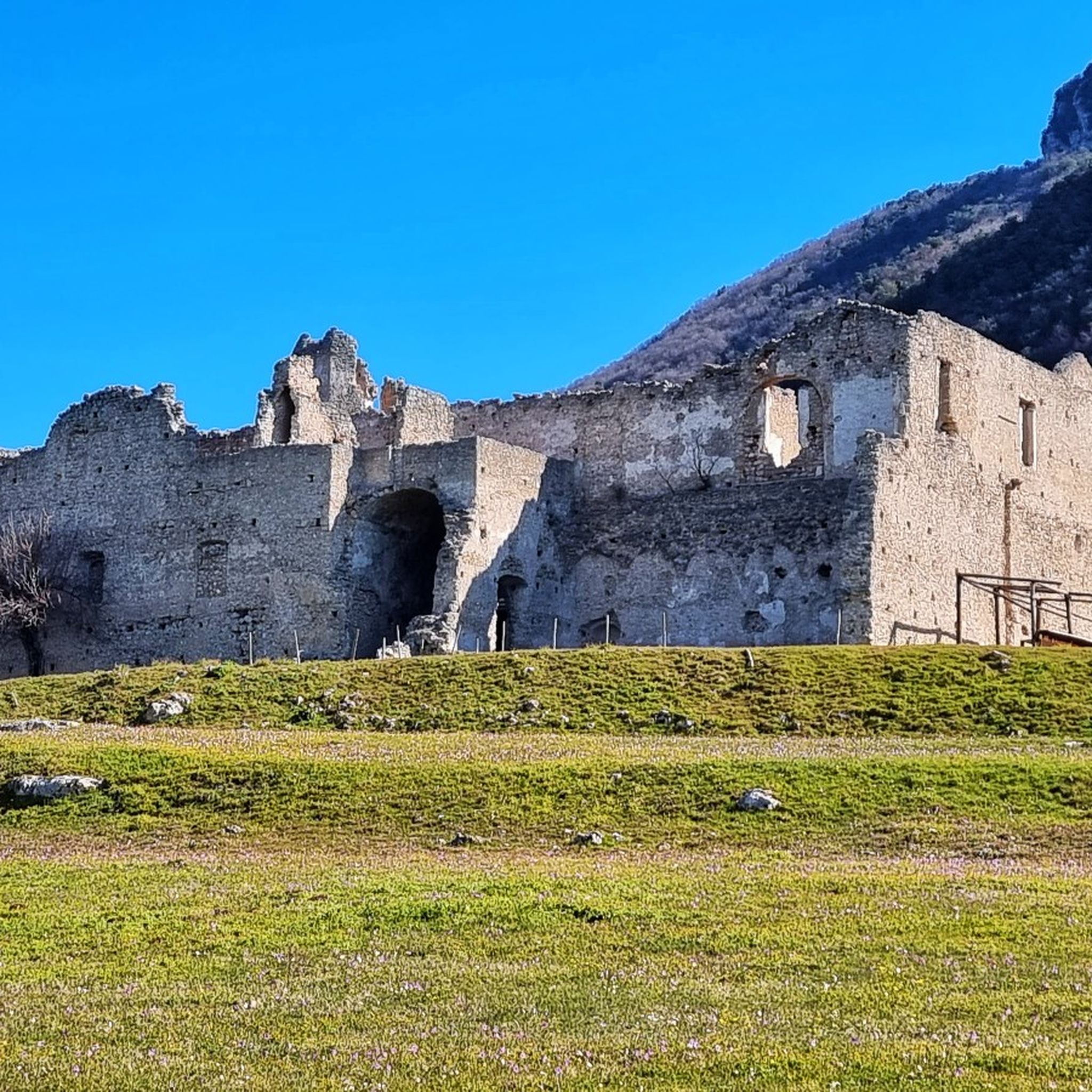
MTB Trails around Parco regionale Monti Picentini
Running Trails around Parco regionale Monti Picentini
Cycling around Parco regionale Monti Picentini
Road Cycling Routes around Parco regionale Monti Picentini

Gravel biking around Parco regionale Monti Picentini
Other adventures around Parco regionale Monti Picentini


Tips from the Community

Some useful information: infoirpinia.it/santuario-della-madonna-del-fiume-calabritto-percorso-trekking
3
0
some useful information: infoirpinia.it/santuario-della-madonna-del-fiume-calabritto-percorso-trekking
2
0
Some information: infoirpinia.it/santuario-della-madonna-del-fiume-calabritto-percorso-trekking
3
0

It is a spectacle of nature in the months of greatest flow of water, path some dangerous stretches
0
0

This place is recommended but be careful of the wooden bridges which are old.
0
0

Small waterfall that changes its flow depending on the season
2
0

The Acquabianca waterfall is located just 1 km from the beginning of the path along the river through a forest of beech, oak and maple trees. The water descends along an inlet of the mountain and forms a small lake with clear and fresh waters.
2
0
Frequently Asked Questions
When is the best time to visit the waterfalls in Parco regionale Monti Picentini?
The best time to visit the waterfalls in Parco regionale Monti Picentini is generally during wetter periods, such as autumn or winter, to experience the most significant flow. For example, the Gradone Waterfall is particularly impressive then. Spring also offers lush greenery and strong flows from melting snow, making it a beautiful time for exploration.
Are there family-friendly waterfall trails in Parco regionale Monti Picentini?
Yes, there are options suitable for families. The Acquabianca Waterfall is located just 1 km from the start of a path along the river, making it an accessible option. The area around Cascate di Calabritto also offers well-marked hiking trails suitable for various fitness levels, including those leading through dense beech forests and along the Zagarone river.
What kind of hiking trails can I expect near the waterfalls?
You can expect a variety of trails, from easy walks to more challenging routes. Many trails lead through dense beech forests and along rivers. For instance, the path to the Bard'natore Waterfall involves a small detour from the Madonna del Fiume path, which can be impervious in parts. Some trails, like those near Acquabianca Waterfall, include rocky stretches, requiring sturdy shoes and some experience. You can find more details on specific routes in the Waterfall hikes around Parco regionale Monti Picentini guide.
What makes the Cascate di Calabritto area special for waterfall enthusiasts?
The Cascate di Calabritto area is particularly rich in water features, boasting approximately 14 waterfalls. Among them are the impressive Cascata del Tuorno with its four drops, the spectacular Cascata del Bard'natore cascading down in five jumps, and the dramatic Cascata del Rivezzuolo, known as the highest waterfall in Irpinia. The area offers well-marked trails, lush environments, and opportunities for refreshing dips in natural pools.
Are there any historical or cultural sites near the waterfalls?
Yes, the region offers a blend of natural beauty and history. For example, the hike to the Cascata del Bard'natore often includes views of the historic rupestrian church of Madonna del Fiume. Additionally, the Historic Center and Waterfalls of Campagna offers a charming village with narrow medieval streets, a church, a castle, and an archaeological museum, all with a stream running through it.
Can I go wild swimming near the waterfalls?
Yes, some waterfalls offer opportunities for wild swimming. The crystalline waters of the natural pools at the base of some falls in the Cascate di Calabritto area provide a refreshing dip during warmer months. Similarly, the Cascata del Fascio in Montella forms a pool about 7-8 meters deep where adventurous visitors can swim in the cold waters.
What should I wear when hiking to the waterfalls?
When hiking to the waterfalls, it's recommended to wear appropriate trekking clothing and sturdy shoes. Some paths, especially those leading to waterfalls like Acquabianca Waterfall or The Bard'natore Waterfall, can be rocky or impervious, making good footwear essential for safety and comfort.
Are there any caves to explore near the waterfalls?
Yes, you can explore caves in the vicinity. Along the nature trail to the Acquabianca Waterfall, you'll find the Moss Cave. This cave is a result of calcareous concretions, with countless rivulets of water falling from the rock face, feeding large layers of moss and creating suggestive chromatic effects.
What outdoor activities can I do near these waterfalls besides hiking?
Besides hiking, you can also enjoy road cycling in the broader Parco regionale Monti Picentini area. There are several challenging road cycling routes available, such as the 'Lago Laceno in the Parco Regionale dei Monti Picentini – loop from Bagnoli Irpino'. You can find more details in the Road Cycling Routes around Parco regionale Monti Picentini guide.
Is there public transport available to reach the waterfalls?
While specific public transport details for individual waterfalls are limited, the fan-out queries suggest that public transport options are a common concern for visitors to Parco regionale Monti Picentini. It's advisable to research local bus services or consider driving, as some paths may have limited signage. Local guides are often available to help navigate the terrain.
What is unique about the Cascata del Fascio in Montella?
The Cascata del Fascio in Montella is unique not only for its natural beauty but also for its historical significance. Approximately 8-10 meters high, it forms a deep pool. Historically, the waterfall and an accompanying bridge were constructed during the fascist era for irrigation and water supply, with an inscription of the letter 'M' (likely referring to Mussolini) on the bridge serving as a historical marker of its origins.
Are there any viewpoints to see the waterfalls from above?
Yes, there are viewpoints available. Along path 153, you can find a panoramic point that allows you to see the beautiful Acquabianca Waterfall from above. This offers a different perspective of the water descending along the mountain inlet and forming its small lake.
Most popular routes around Parco regionale Monti Picentini
Most popular attractions around Parco regionale Monti Picentini

Get inspired with the komoot mobile app


Explore more
Happy to travel a little further afield? Then browse these guides for the best waterfalls around Parco regionale Monti Picentini:
