Top 10 Caves around Parco Nazionale del Gargano
Best caves around Parco Nazionale del Gargano are primarily found along its coastline, sculpted by sea and wind over millennia. This region features unique geological formations and diverse natural landscapes. The area is known for its marine caves, offering various visual effects and historical significance. Boat tours are a popular method for exploring these captivating grottoes.
Best caves around Parco Nazionale del Gargano
- The most popular caves is Monte Calvo, a summit that features an evident karst morphology. This…
Last updated: June 29, 2026
Sanctuary of Saint Michael the Archangel
Highlight • Religious Site
Translated by Google •
Tip by

Monte Calvo
Highlight • Summit
Translated by Google •
Tip by

Sign up now to discover places like this
Get recommendations on the best single tracks, peaks, & plenty of other exciting outdoor places.
Sign up for free
Tomba di Rotari, San Pietro, and Santa Maria Maggiore (Monte Sant’Angelo)
Highlight • Religious Site
Translated by Google •
Tip by
Abbey of Santa Maria di Pulsano
Highlight • Religious Site
September 8 is the feast for the …
Translated by Google •
Tip by

Caves of the Valley of Hell
Highlight • Cave
Translated by Google •
Tip by
Sign up for free to discover even more caves around Parco Nazionale del Gargano.
Sign up for free
Already have an account?
Start today with a free account
Your next adventure awaits.
Login or Signup
Popular around Parco Nazionale del Gargano

Trieste to Santa Maria di Leuca – the Adriatic Cycle Route
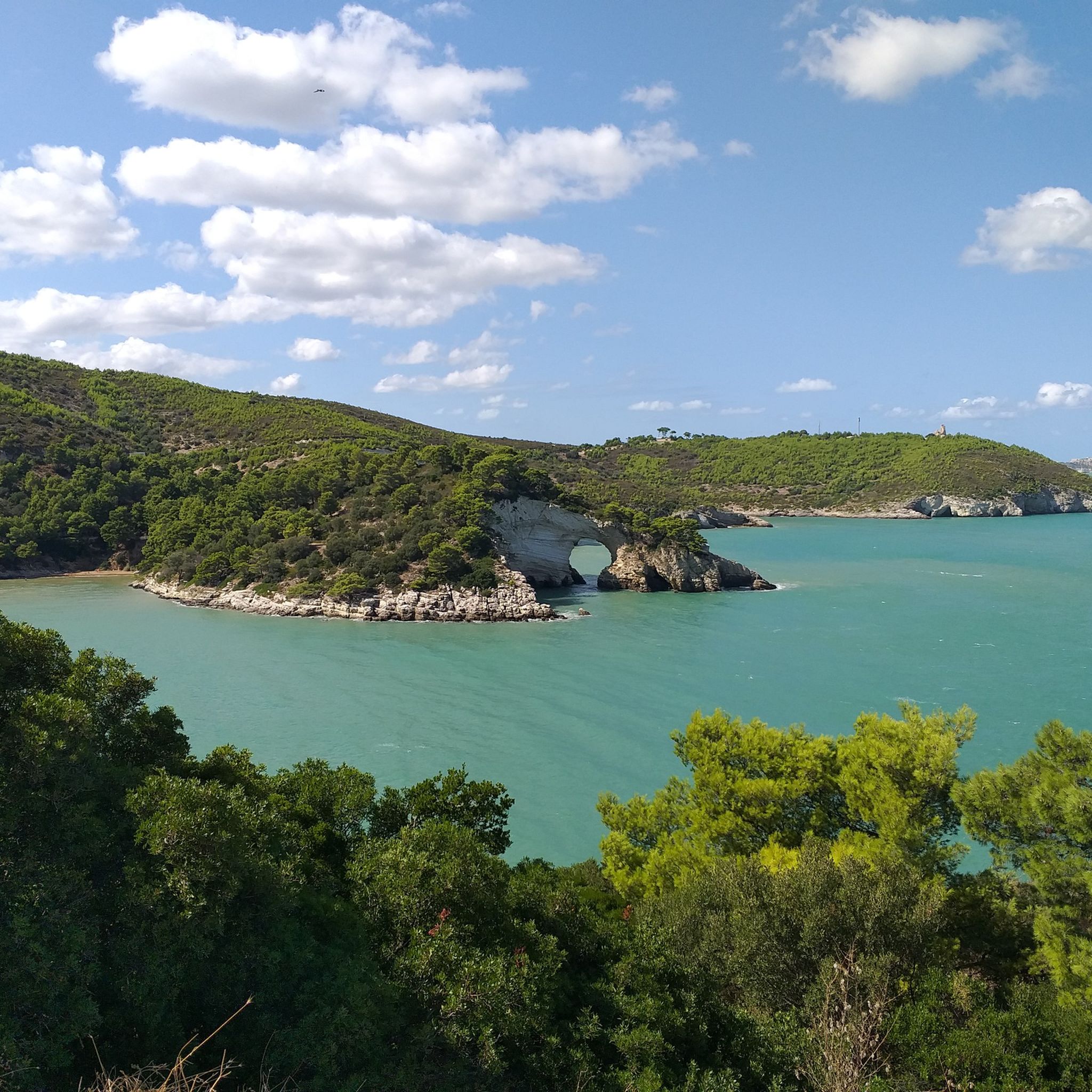
Hiking around Parco Nazionale del Gargano
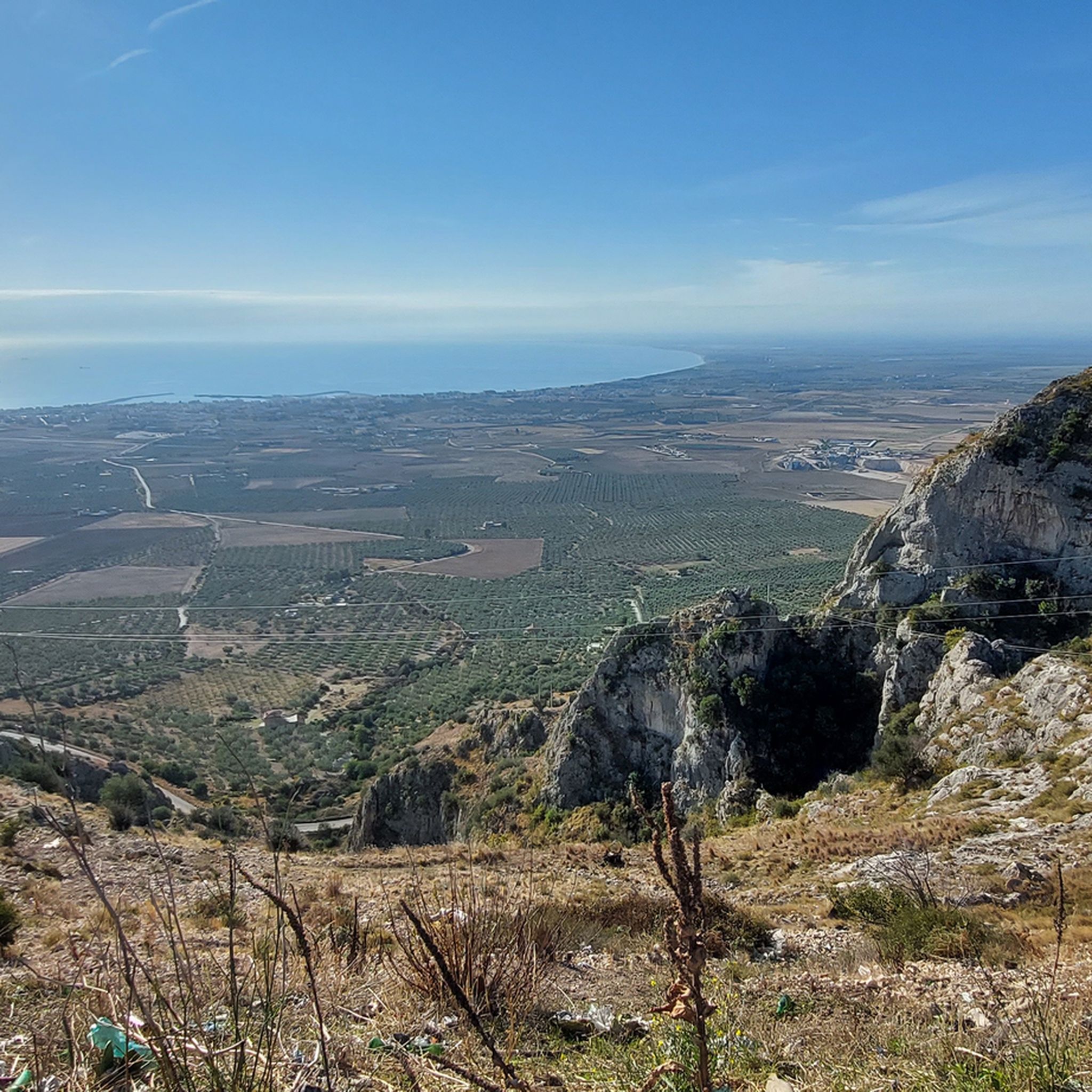
Cycling around Parco Nazionale del Gargano
Running Trails around Parco Nazionale del Gargano
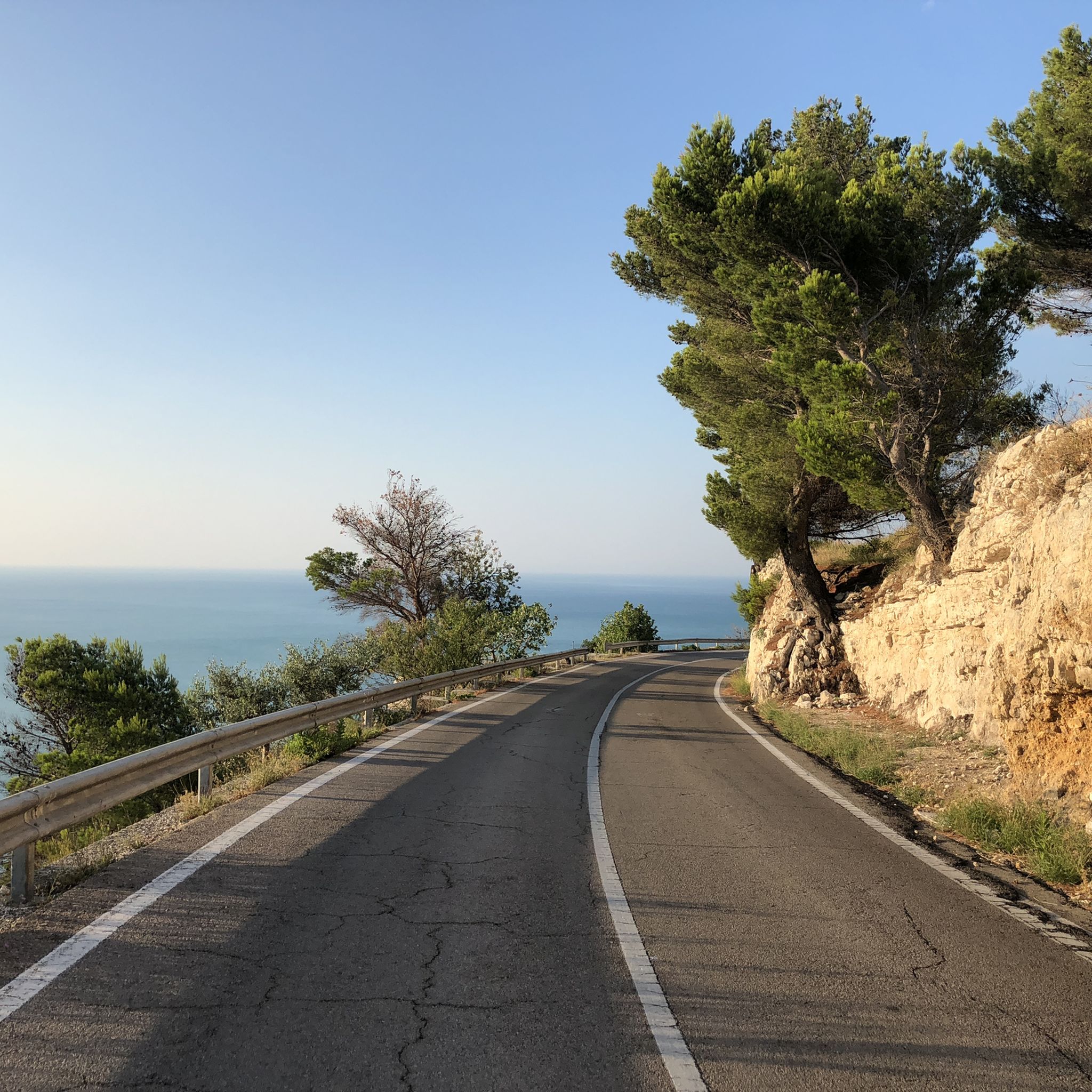
Road Cycling Routes around Parco Nazionale del Gargano
MTB Trails around Parco Nazionale del Gargano

Gravel biking around Parco Nazionale del Gargano
Other adventures around Parco Nazionale del Gargano

Tips from the Community

On Monte Calvo, it's best to ascend from the east by mountain bike, despite the numerous unnecessary stone steps that clutter the initial section. The trail, which descends west from the summit to connect with the Sentiero delle Anguille, would be less rideable and much more difficult overall.
1
0

This highlight contains three churches: The Tomba di Rotari (left), a building from the 11th and later centuries with several architectural and artistic-historical features. To the right of the portal is the apse of the 12th-century parish church of San Pietro, which collapsed in the 19th century. Next to it, in close proximity, is the 12th-century church of Santa Maria Maggiore. Source: https://de.m.wikipedia.org/wiki/Monte_Sant%E2%80%99Angelo Santa Maria Maggiore is a church in the Apulian town of Monte Sant'Angelo. It dates primarily from the second half of the 12th century and is part of a complex with two other buildings whose connection is unclear. It is known for its façade and the relief above the portal. The church's interior is basilica-style, meaning it has three naves with a raised central nave. Characteristic of the early Gothic alterations are the pointed arcades and transverse arches of the side aisles. These are supported by pillars preceded by half-columns and pilasters. The church has only three bays, and in relation to its relatively short length, the side aisles and nave are very high. In the third bay, facing the semi-hexagonal choir, the nave is vaulted by a small dome with small round-arch windows; otherwise, the nave is covered by a barrel vault with small lunettes. Source and further information: https://de.m.wikipedia.org/wiki/Santa_Maria_Maggiore_(Monte_Sant’Angelo)
2
0
San Michele – the main church of Monte Sant'Angelo – is a grotto church, a church type particularly favored by the Normans in their newly conquered territories. All that can be seen at the top of the mountain is the church's octagonal bell tower (1273/74) and the two-part entrance hall (1395). The church itself is located inside the mountain. San Michele is a pilgrimage church dedicated to the Archangel Michael. Source: https://de.m.wikipedia.org/wiki/Monte_Sant%E2%80%99Angelo
2
0

The Basilica of San Michele Arcangelo, included in the UNESCO heritage, represents one of the most important places of Michaelic worship in Italy. The apparitions of the Archangel in the 5th century AD have given rise to pilgrimages to the cave, consecrated by the celestial Archangel himself, since the Middle Ages.
1
0

1 of the 7 sanctuaries of San Michele that are part of the Sacred Line of San Michele
0
0

Not yet restored, it retains all its old-world charm.
1
0
Absolutely to be visited. An old church created in the cave: you can feel the spirituality (if avoid the crowd, of course...). Great place!
1
0

A beautiful grotto church that you definitely have to see
1
1
Frequently Asked Questions
What types of caves can I explore in Parco Nazionale del Gargano?
The Parco Nazionale del Gargano offers a diverse range of caves. You can explore stunning marine caves along the coastline, sculpted by the sea and wind, as well as karst caves characterized by unique geological formations. The region also features historical grottoes, some with archaeological significance or religious importance.
What are some of the most visually striking marine caves in the Gargano?
The Gargano coastline is home to several visually striking marine caves. The Grotta Smeralda is renowned for its emerald green water, while the Grotta Sfondata features a natural skylight in its ceiling, creating magical light effects. Other notable caves include the Grotta dei Due Occhi with its distinctive openings and the Grotta della Campana, known for its bell-shaped vault.
Are there caves with historical or archaeological significance in the region?
Yes, several caves in the region hold historical and archaeological importance. Monte Calvo, the highest peak in Gargano, contains numerous caves inhabited since prehistoric times, with archaeological finds from the Neolithic period. Additionally, sites like the Abbey of Santa Maria di Pulsano and the complex of Tomba di Rotari, San Pietro, and Santa Maria Maggiore in Monte Sant’Angelo feature religious buildings with associated grottoes or caves dating back centuries.
How can I best explore the marine caves along the Gargano coastline?
The most popular and recommended way to explore the marine caves along the Gargano coastline, particularly between Vieste and Mattinata, is by boat tour. These tours, often departing from Vieste, allow you to enter the grottoes, witness their unique formations and light effects, and sometimes even swim in crystalline waters within secluded coves.
When is the best time to visit the caves in Parco Nazionale del Gargano?
The best time to visit the caves, especially the marine grottoes, is typically during the warmer months, from late spring to early autumn (May to September). During this period, the weather is generally calm, making boat tours more accessible and enjoyable. The sunlight also enhances the visual effects within the caves, such as the emerald glow of Grotta Smeralda.
Are there any caves associated with local legends or unique names?
Yes, several caves in the Gargano region are steeped in local folklore or have intriguing names. The Grotta delle Sirene (Mermaid Cave) is said to have been the dwelling of mermaids. The Grotta dei Contrabbandieri (Smugglers' Cave) earned its name from its historical use, while the Grotta dei Pomodori (Tomato Cave) is uniquely named for the red, tomato-shaped mollusks adorning its walls.
What unique geological features can I see in the Gargano caves?
The caves of Gargano, particularly the Caves of the Valley of Hell, are characterized by suggestive karst forms. You can observe impressive stalactites, stalagmites, grooves, corrosion basins, and furrows, all sculpted by natural processes over millennia. The marine caves also showcase unique rock formations carved by the sea.
What outdoor activities can I combine with a visit to the caves in Parco Nazionale del Gargano?
The Parco Nazionale del Gargano offers numerous outdoor activities to complement your cave exploration. You can enjoy gravel biking on routes like the 'View of Cala Gusmay – Baia dello Sfinale loop' or running trails such as 'On the sand of Scialmarino beach'. Cycling routes like the 'Gargano Coast Loop from Vieste' also provide scenic views. For more details, explore the Gravel biking, Running Trails, and Cycling guides for the region.
Are there family-friendly caves or activities suitable for children?
While specific 'family-friendly' cave tours aren't explicitly highlighted, boat tours of the marine caves are generally suitable for families and offer an engaging experience for children, showcasing the natural beauty and unique formations. The magical light effects in caves like Grotta Sfondata and the emerald waters of Grotta Smeralda are often captivating for all ages.
What makes the Grotta Smeralda so special?
The Grotta Smeralda (Emerald Cave) is particularly special due to its namesake: the magnificent emerald green hue of its water. This vibrant color is created by the reflection of light and sea on the cave walls, producing extraordinary visual effects. It's also known as Grotta dei Pipistrelli (Bat Cave) as it provides shelter for many bats, adding to its unique character.
What do visitors particularly enjoy about the caves in Parco Nazionale del Gargano?
Visitors to the caves in Parco Nazionale del Gargano consistently appreciate the raw beauty of nature's artistry and the unique geological formations. The interplay of light and shadow, especially in caves like Grotta Sfondata, and the vibrant colors of the water in Grotta Smeralda are frequently mentioned highlights. The opportunity to explore hidden grottoes and sometimes swim in crystalline waters also contributes to an unforgettable experience.
Are there any caves known for their picturesque surroundings?
Yes, the Grotta dei Sogni (Cave of Dreams), located near Vignanotica, is notable for its picturesque setting. It is surrounded by magnificent Aleppo pine trees that extend all the way to the sea, creating a beautiful natural backdrop for the cave.
Most popular routes around Parco Nazionale del Gargano
Most popular attractions around Parco Nazionale del Gargano

Get inspired with the komoot mobile app


Explore more
Extend your search for the best caves by checking out these guides of the top ones around Parco Nazionale del Gargano:
