Top 6 Caves around Parque Natural do Sudoeste Alentejano e Costa Vicentina
Best caves around Parque Natural do Sudoeste Alentejano e Costa Vicentina are found within a protected coastal region known for its rugged cliffs and diverse geological formations. This area features numerous sea caves and grottoes, part of a larger karst landscape formed by the dissolution of soluble rocks. These formations showcase impressive geological diversity, with some areas revealing complex rock structures. Many of the coastal caves are accessible via boat tours, offering unique exploration opportunities.
Best caves around Parque Natural…
Last updated: May 17, 2026
Beach Caves
Highlight • Cave
Translated by Google •
Tip by

Muração Beach Caves
Highlight • Cave
Translated by Google •
Tip by

Sign up now to discover places like this
Get recommendations on the best single tracks, peaks, & plenty of other exciting outdoor places.
Sign up for free
Translated by Google •
Tip by

Caves and Hidden Beaches of the Costa Vicentina
Highlight • Cave
Translated by Google •
Tip by

Furna do Cabo de São Vicente
Highlight • Cave
Translated by Google •
Tip by

Sign up for free to discover even more caves around Parque Natural do Sudoeste Alentejano e Costa Vicentina.
Sign up for free
Already have an account?
Start today with a free account
Your next adventure awaits.
Login or Signup
Popular around Parque Natural do Sudoeste Alentejano e Costa Vicentina
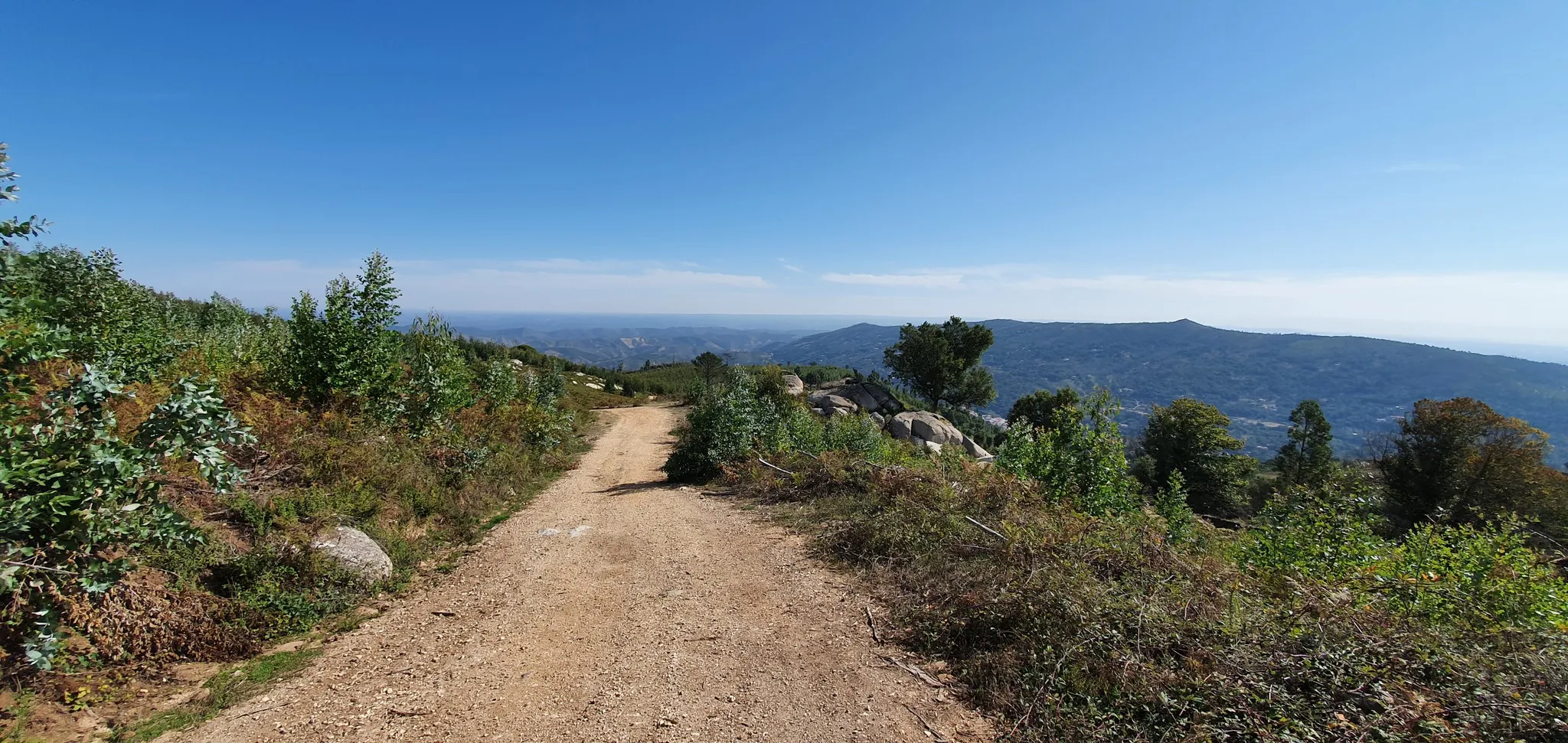
Via Algarviana (GR 13) - hidden corners of the south
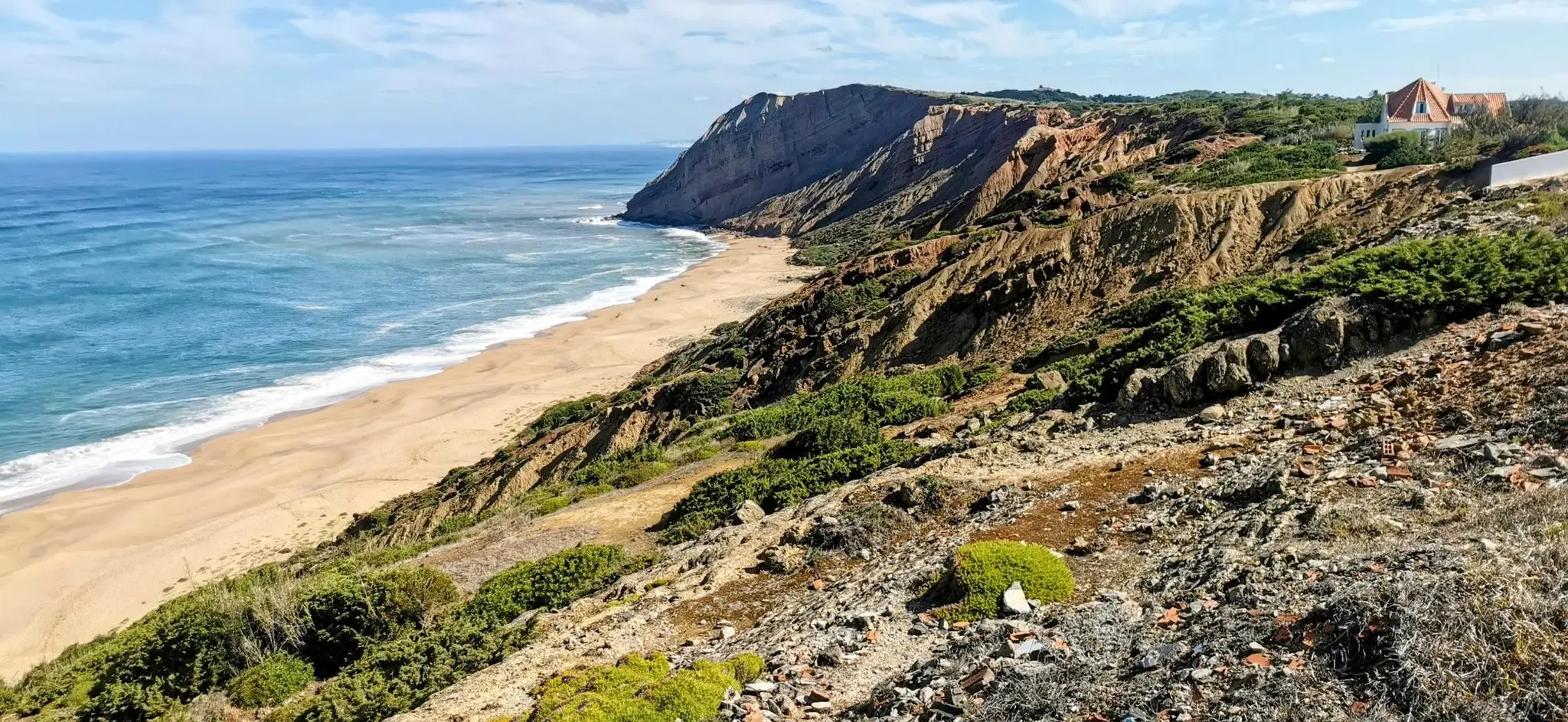
EuroVelo 1 Portugal – Cycle the Atlantic Coast
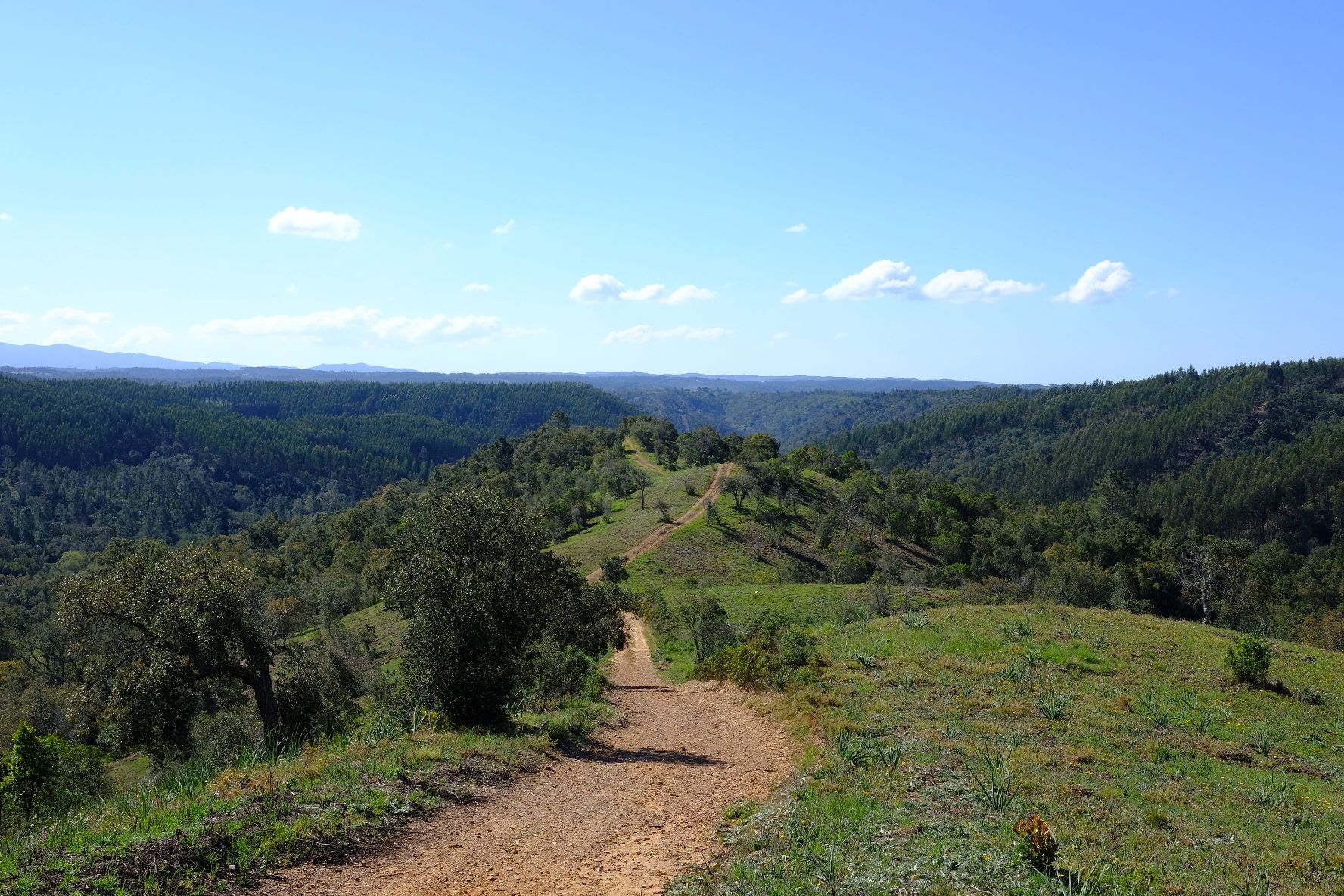
Caminho Histórico – Discover Portugal's beauty and history
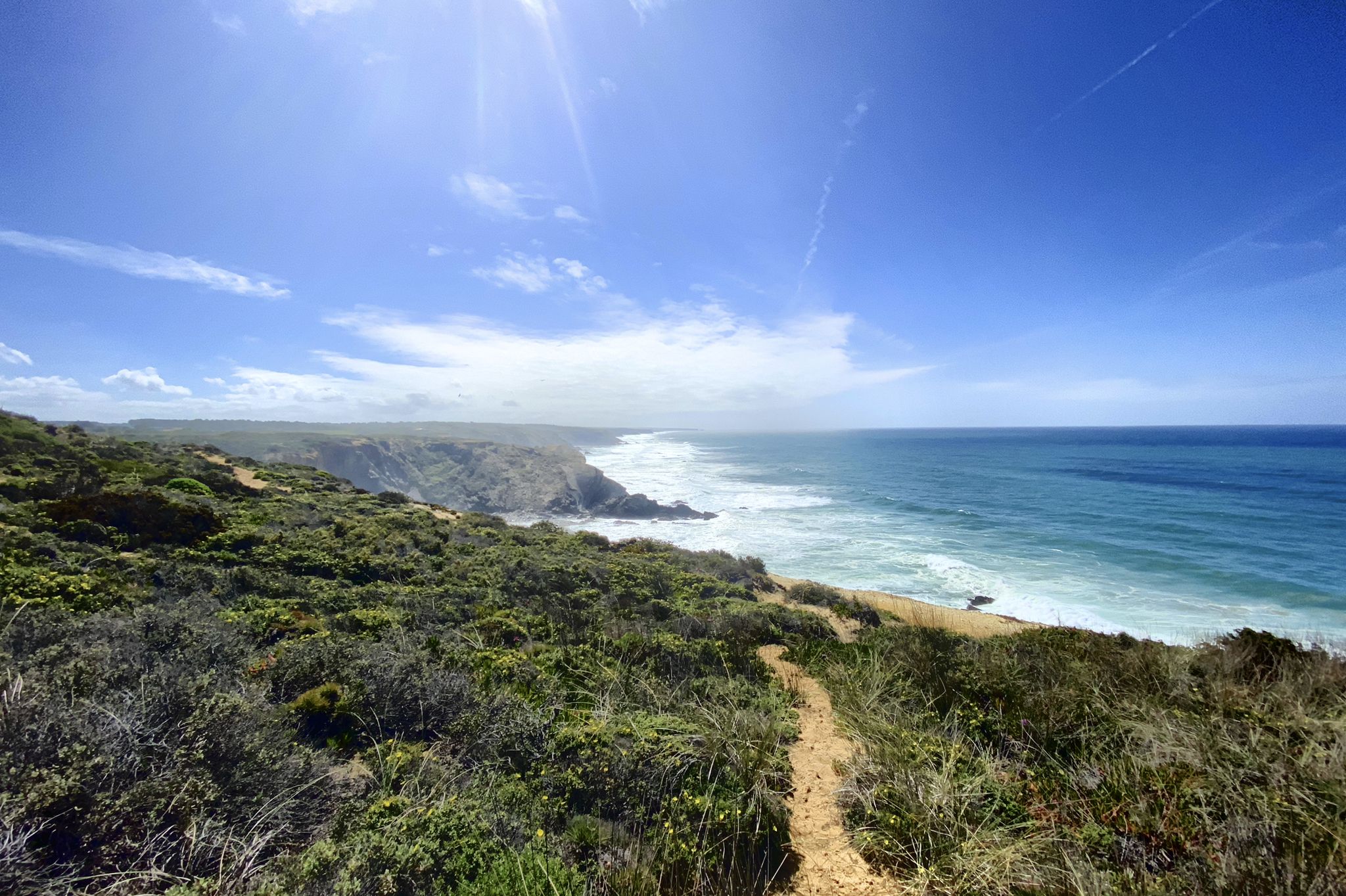
Trilho dos Pescadores – Portugal's Fishermen's Trail
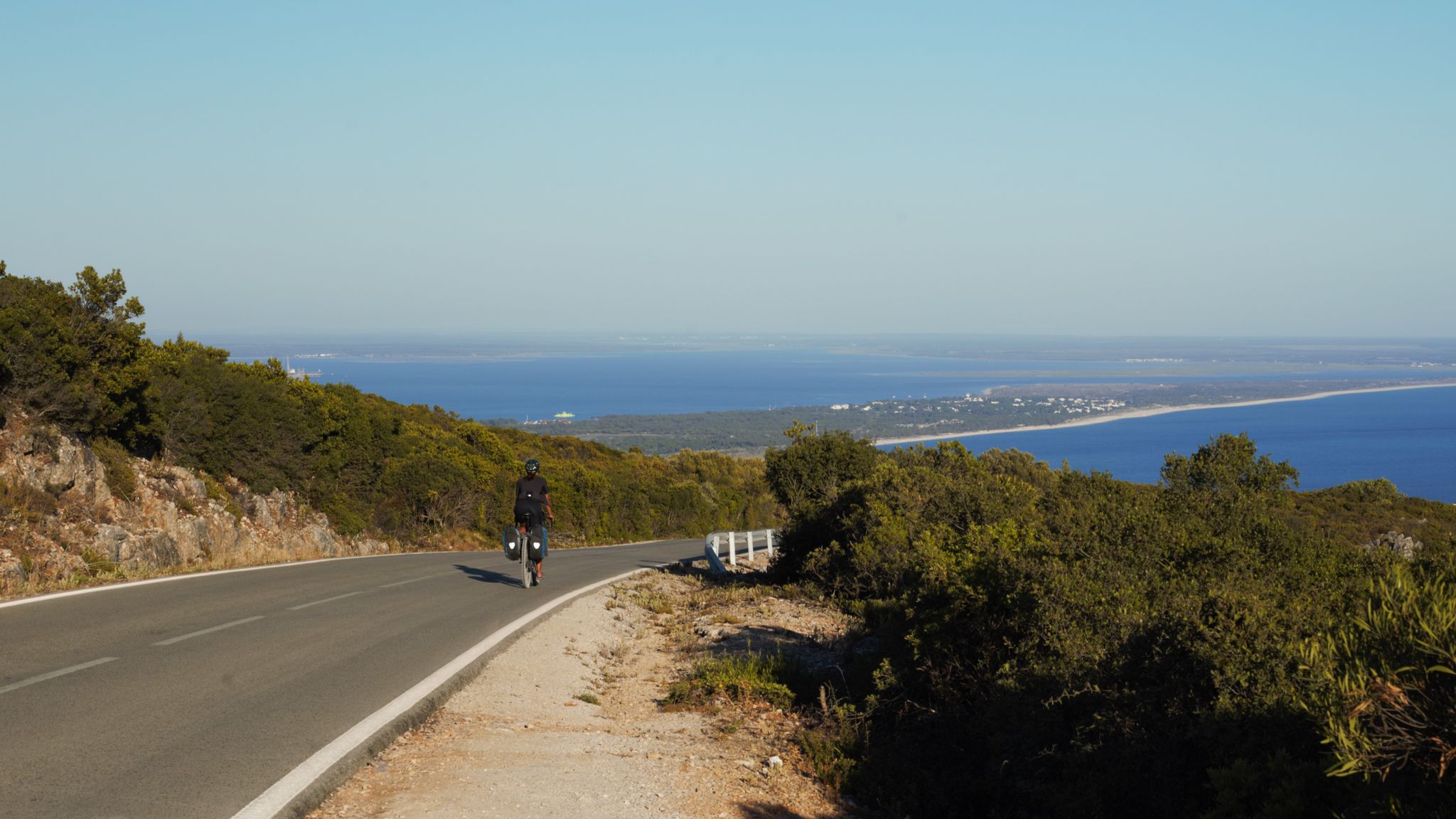
The breaking waves – cycle along the Atlantic coast of Portugal
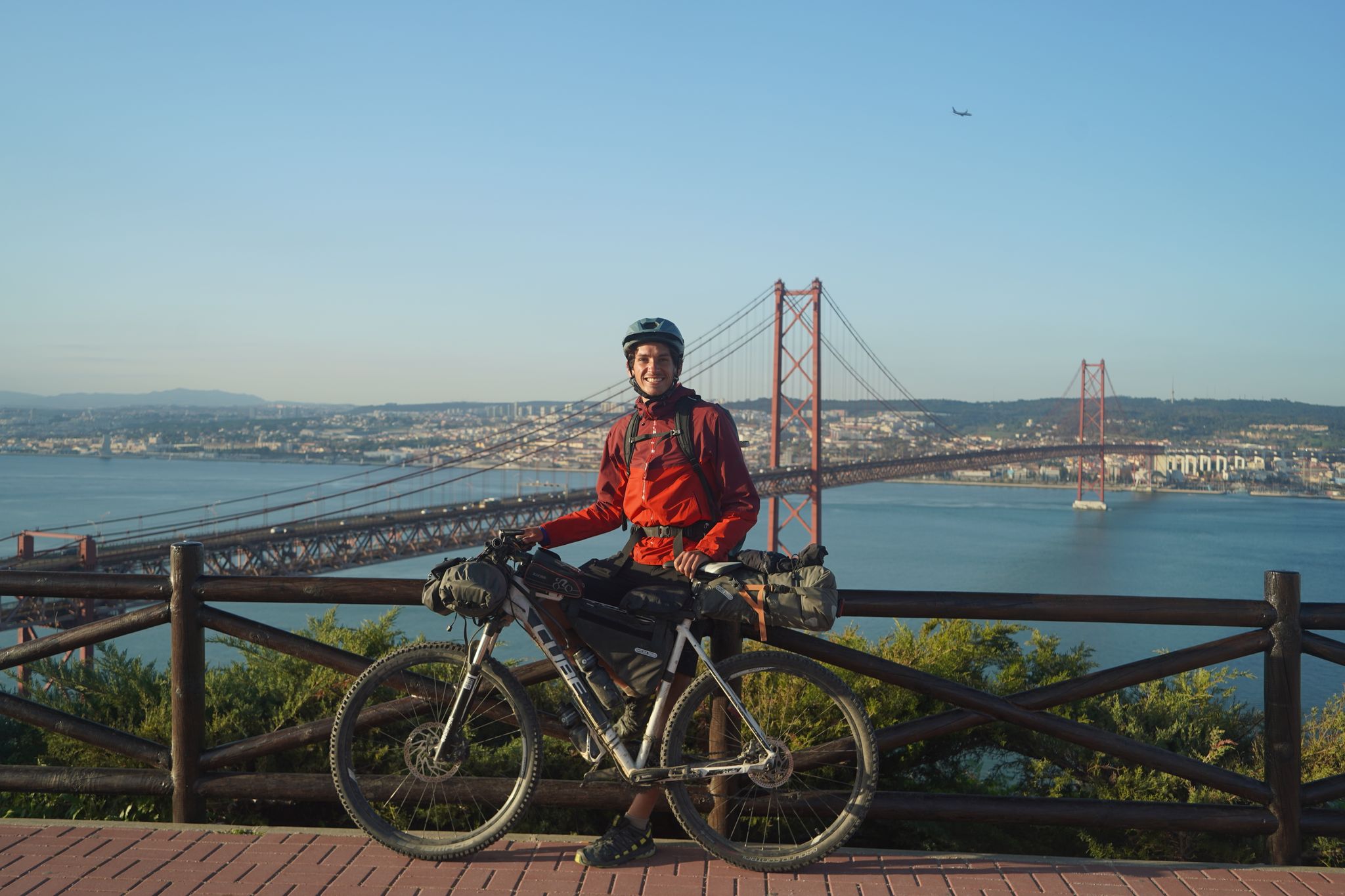
Road to Lisbon – bikepacking the Alps, Pyrenees and Picos de Europa
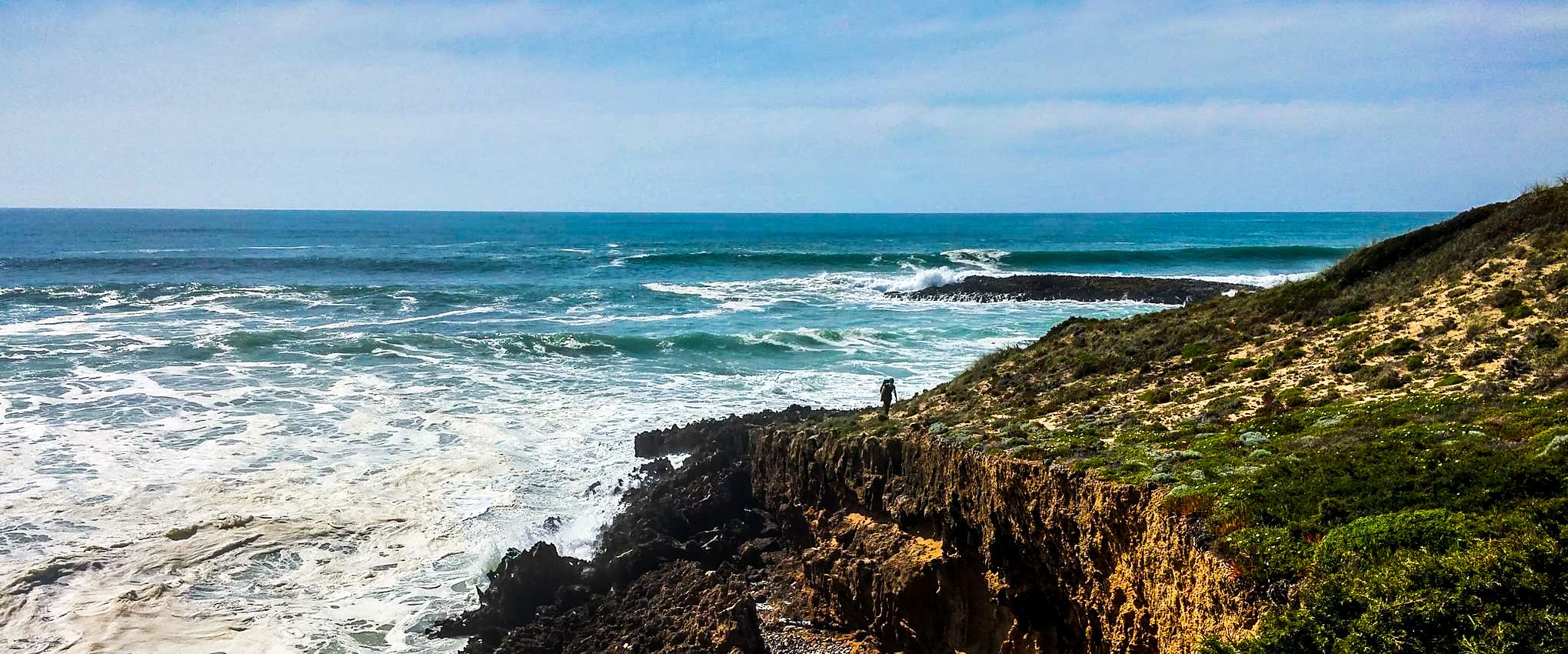
Fishermen's Trail – Discover Portugal's Atlantic Coast
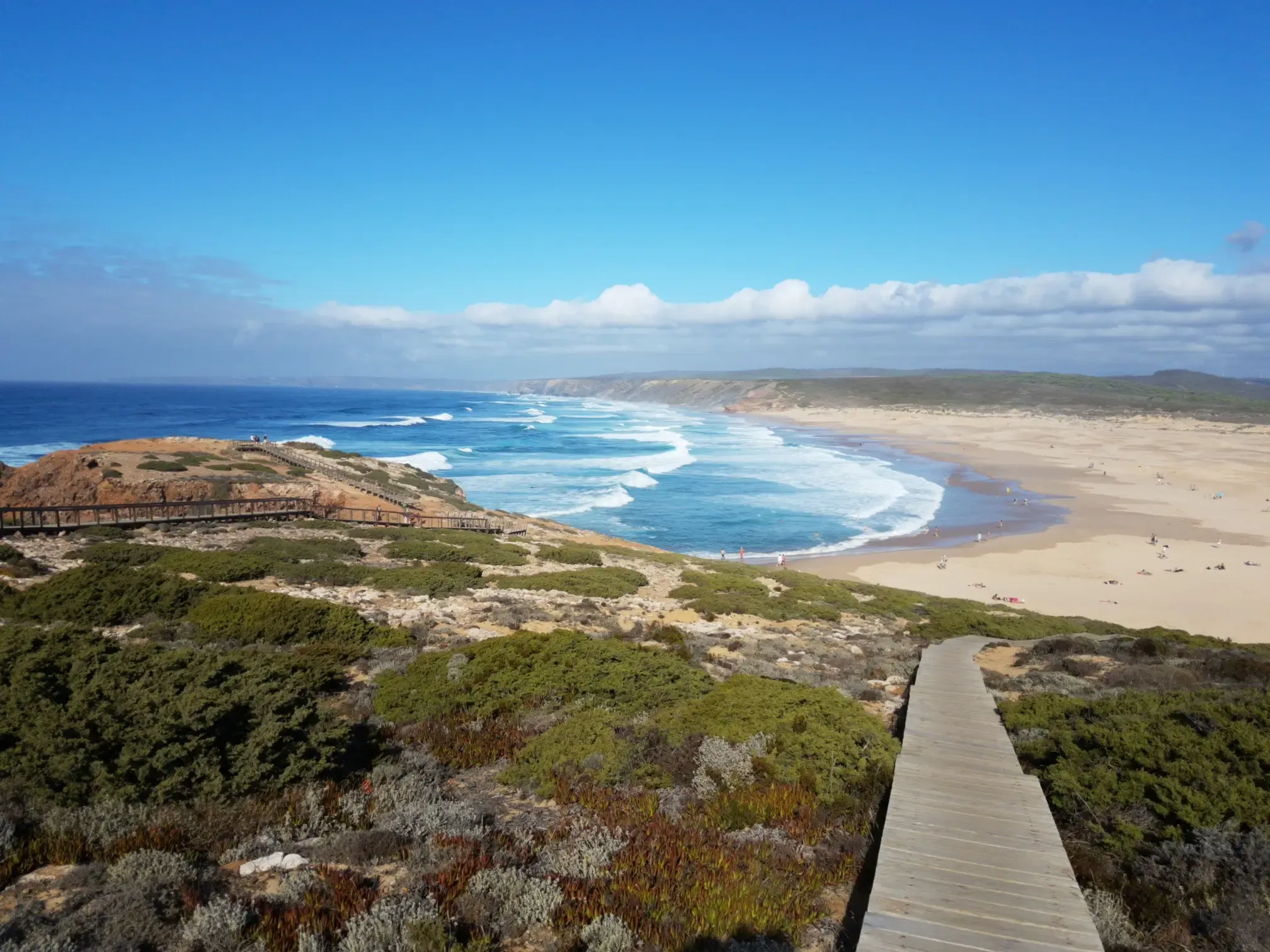
Lisbon to Santo António – The Atlantic Coast of Portugal (south)
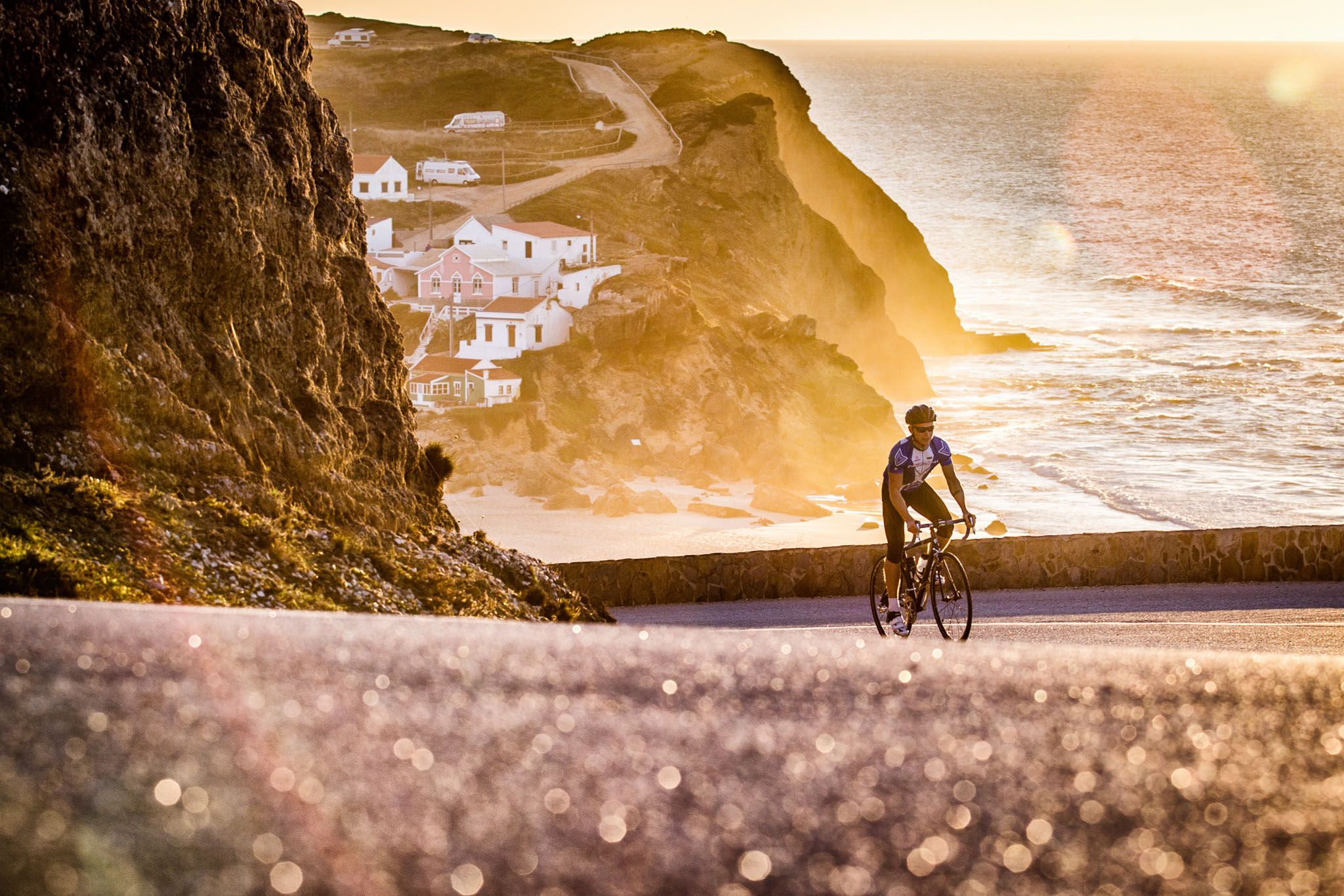
Sun, cliffs and endless roads in the Algarve
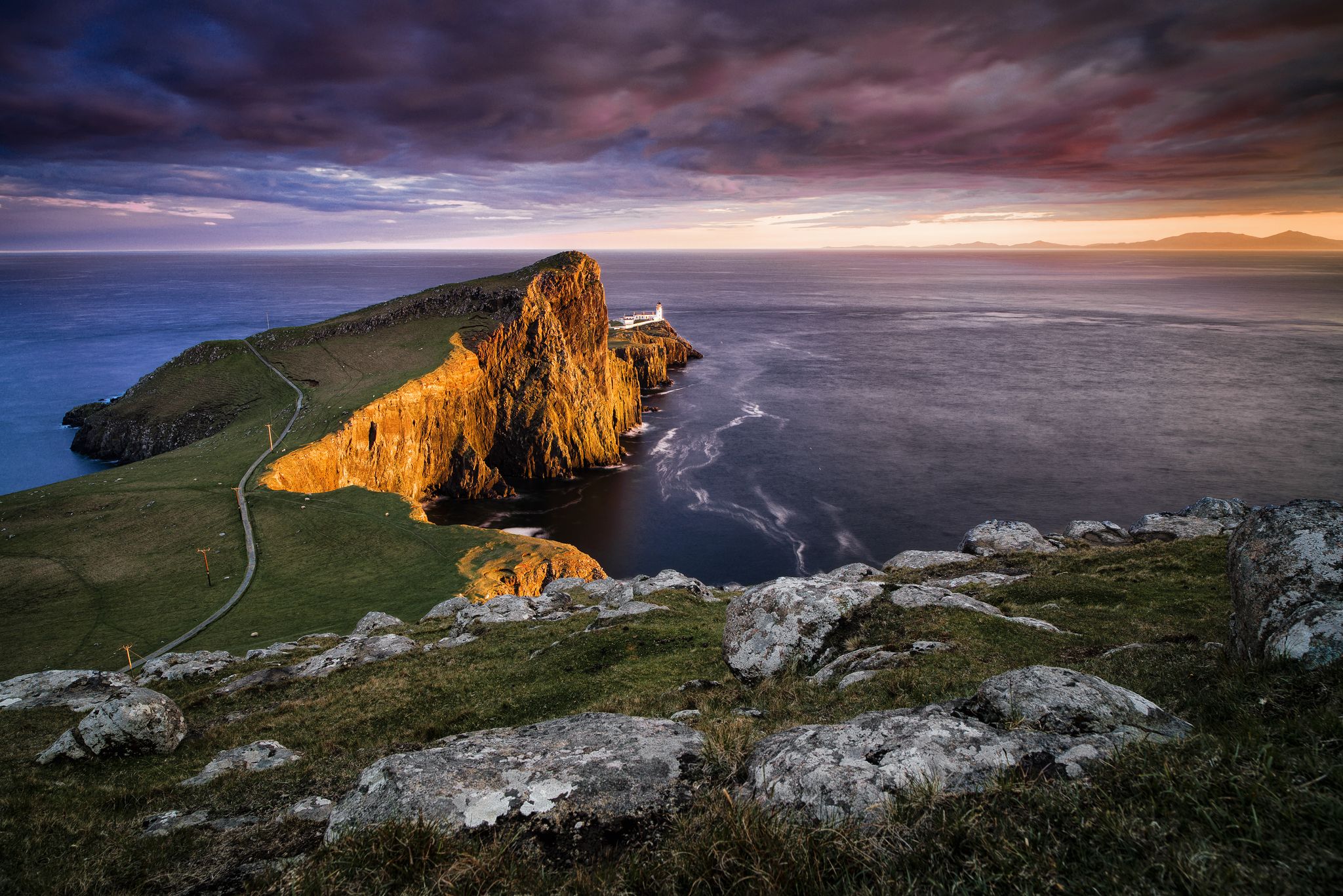
Epic sunset spots in Western Europe
Other adventures around Parque Natural do Sudoeste Alentejano e Costa Vicentina


Tips from the Community

This place is magical, the quintessence of wild nature, magnificent flowery undergrowth in a semi-tropical atmosphere, the beach is superb too.....
0
0

An extraordinary route, with views of the mouth of the Mira River and the cliffs on the Alentejo coast, etched into the rocks by years of waves crashing against the shore. Thank you for sharing the photos.🙏
0
0

You should definitely give it a listen, although the "snail" is even more impressive.
0
0

Direct access is possible via the mapped T4 trail—less difficult than expected. The beach is often deserted, but this is permitted in good conditions. As a bonus, you can also continue along the beach and take the adventurous alternative route uphill through a stream bed (mapped black trail at the end of the beach) instead of the more extensive Rota Vicentina trail. We took this uphill route 👍
1
0

A very beautiful, secluded beach. The access is a bit difficult, but it's all the more quiet.
2
0

Frequently Asked Questions
What types of caves can I explore in Parque Natural do Sudoeste Alentejano e Costa Vicentina?
The region is known for its diverse geological formations, primarily sea caves and coastal grottoes. These are part of a larger karst landscape, formed by the dissolution of soluble rocks. Many are accessible by boat, showcasing impressive geological diversity and unique rock structures.
Can I explore the caves by boat?
Yes, many of the coastal caves and grottoes in the Parque Natural do Sudoeste Alentejano e Costa Vicentina are only accessible by water. Boat tours from towns like Sagres offer opportunities to explore these 'secret caves' and other formations, highlighting the natural splendor and geological wonders of the coastline.
Are there any specific caves recommended for exploration?
Beyond the popular spots, you might enjoy exploring the Beach Caves, which offer exciting rock structures. Another option is Muração Beach Caves, known for its secluded beauty and adventurous access. Remember to pay attention to the ebb and flow of the tide when exploring coastal caves.
What makes the caves in this region unique from a geological perspective?
The caves are part of a significant karst landscape, characterized by the dissolution of soluble rocks, creating intricate networks. The coastline features impressive geological diversity with sedimentary rocks from various eras. Some areas even offer glimpses into ancient marine life from 20 million years ago, with rock structures reflecting 120 million years of sedimentary composition.
Are the caves in Parque Natural do Sudoeste Alentejano e Costa Vicentina suitable for families?
While specific family-friendly cave tours are not detailed, exploring the coastal grottoes by boat can be a unique and exciting experience for families. Always ensure that any boat tour or exploration activity is suitable for all family members and follows safety guidelines.
What is the best time of year to visit the caves?
The best time to visit the coastal caves is generally during the warmer, drier months, typically from spring to early autumn (April to October). This period offers calmer seas, making boat tours more accessible and enjoyable. Always check local weather and sea conditions before planning your visit.
What should I wear or bring for cave exploration?
For boat tours, comfortable clothing, sun protection (hat, sunscreen), and possibly a light jacket are recommended. If you plan to paddle or swim into grottoes, appropriate swimwear, water shoes, and safety equipment are essential. Be aware that terrain in limestone areas can have cracks and natural wells, so sturdy footwear is advisable if exploring on foot near cave entrances.
Are there any historical or archaeological aspects to the caves?
Yes, the underwater grottoes of Costa Vicentina have yielded marine archaeological finds dating back to 8000 BCE, indicating a long history of human interaction with the coastline. Near Porto Covo, a submarine cave system has revealed 15,000-year-old sea urchin fossils, suggesting a dramatically different ancient environment.
What other outdoor activities can I do near the caves in Parque Natural do Sudoeste Alentejano e Costa Vicentina?
The region offers a variety of outdoor activities. You can find numerous cycling routes, such as the 'Cape St. Vincent – Cabo de São Vicente Lighthouse loop from Martinhal' or the 'Porto Covo town center – Pessegueiro Island Beach loop from Vila Nova de Milfontes'. For more details on cycling, visit the Cycling around Parque Natural do Sudoeste Alentejano e Costa Vicentina guide.
Are there hiking trails along the coast near these caves?
Absolutely. The Parque Natural do Sudoeste Alentejano e Costa Vicentina is renowned for its coastal hiking. Popular routes include 'Pontal da Carrapateira — circular route in Costa Vicentina' and 'From Sagres to Cabo de São Vicente — route on the Costa Vicentina'. You can find more hiking options in the Hiking around Parque Natural do Sudoeste Alentejano e Costa Vicentina guide.
What do visitors particularly enjoy about the caves in this region?
Visitors often highlight the impressive views over the coastline and the unique experience of exploring the grottoes. Many appreciate the natural beauty and the opportunity to witness fascinating water features, especially at spots like Sea Spray Cave (Gischt Cave). The sound and feel of the sea within formations like Furna do Cabo de São Vicente also leave a lasting impression.
Are there any running trails near the caves?
Yes, the area offers several running trails with stunning coastal views. Notable routes include 'From Sagres to Cabo de São Vicente — route on the Costa Vicentina' and 'Pontal da Carrapateira — circular route in Costa Vicentina'. For more running options, check out the Running Trails around Parque Natural do Sudoeste Alentejano e Costa Vicentina guide.
Most popular routes around Parque Natural do Sudoeste Alentejano e Costa Vicentina
Most popular attractions around Parque Natural do Sudoeste Alentejano e Costa Vicentina

Get inspired with the komoot mobile app


Explore more
Extend your search for the best caves by checking out these guides of the top ones around Parque Natural do Sudoeste Alentejano e Costa Vicentina:
