Top 4 Lakes around Nature Reserve Lake Cornino
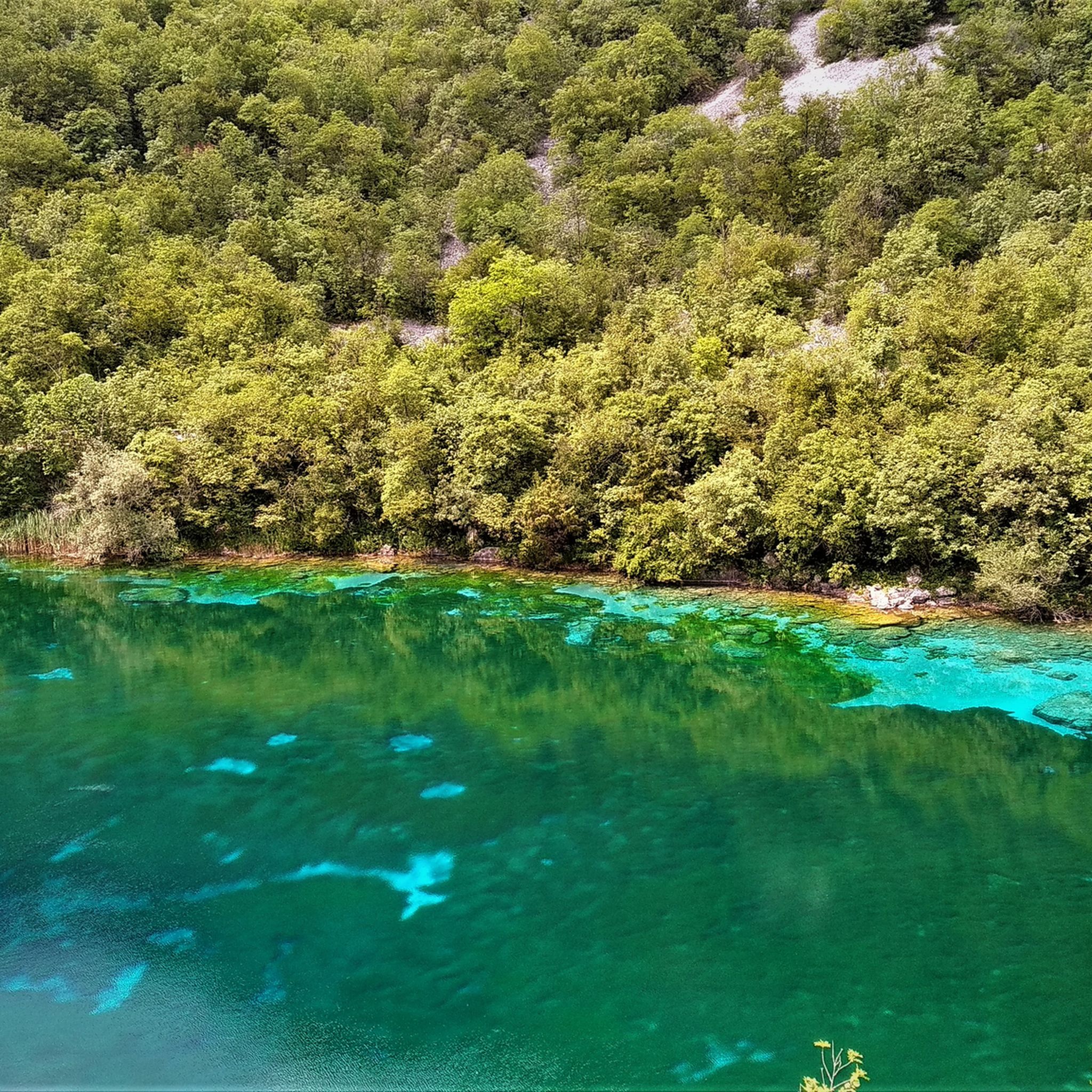
Best lakes around Nature Reserve Lake Cornino are centered around Lake Cornino, a small karstic lake formed approximately 10,000 years ago. This Alpine lake is known for its crystal-clear, emerald waters, maintained by constant underground water exchange. The reserve, established in 1994, is a significant site for biodiversity and conservation, notably for the Griffon Vulture. Visitors can explore a circular trail around the lake and other walking routes extending to the Tagliamento River.
Best lakes around Nature Reserve Lake Cornino
…Last updated: May 16, 2026
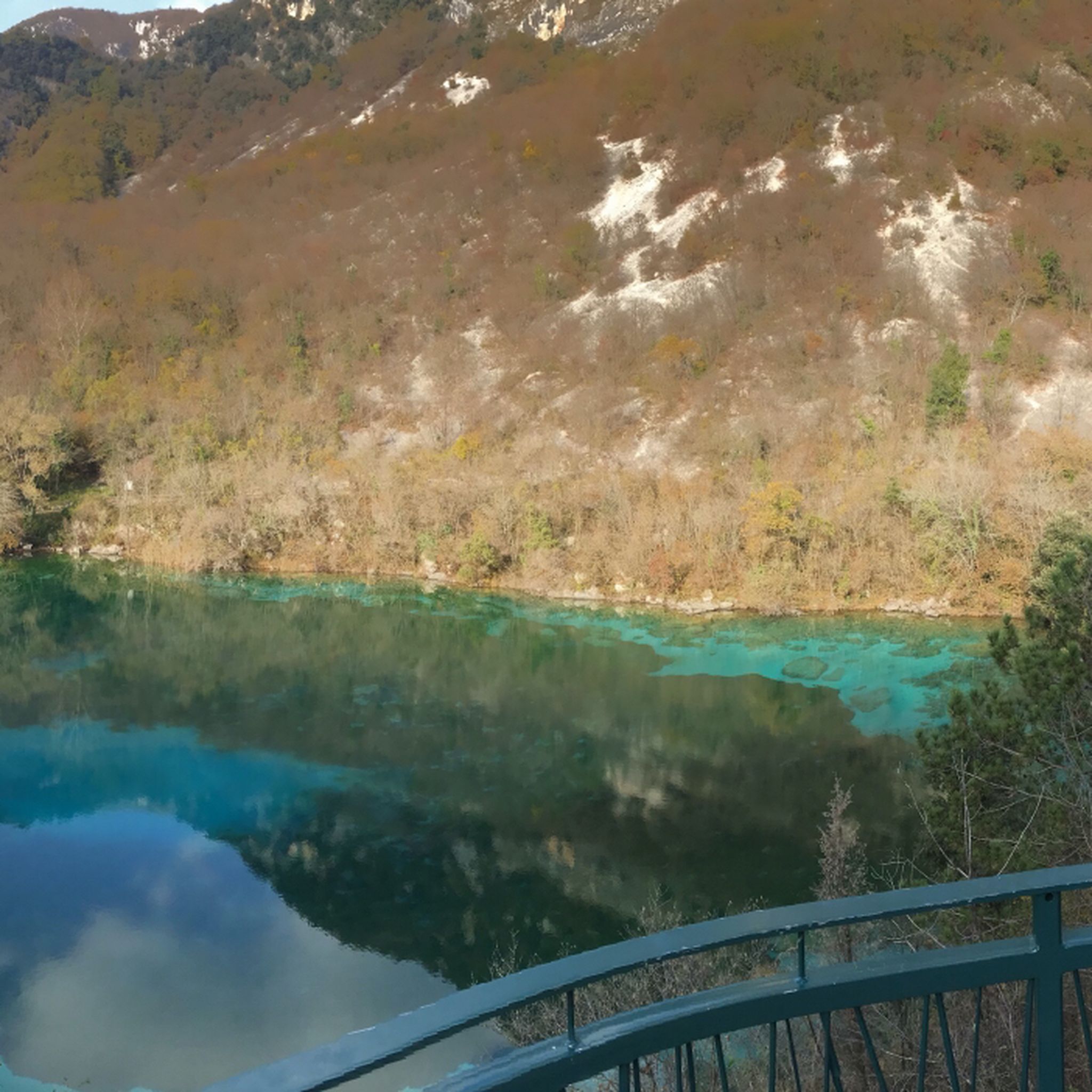
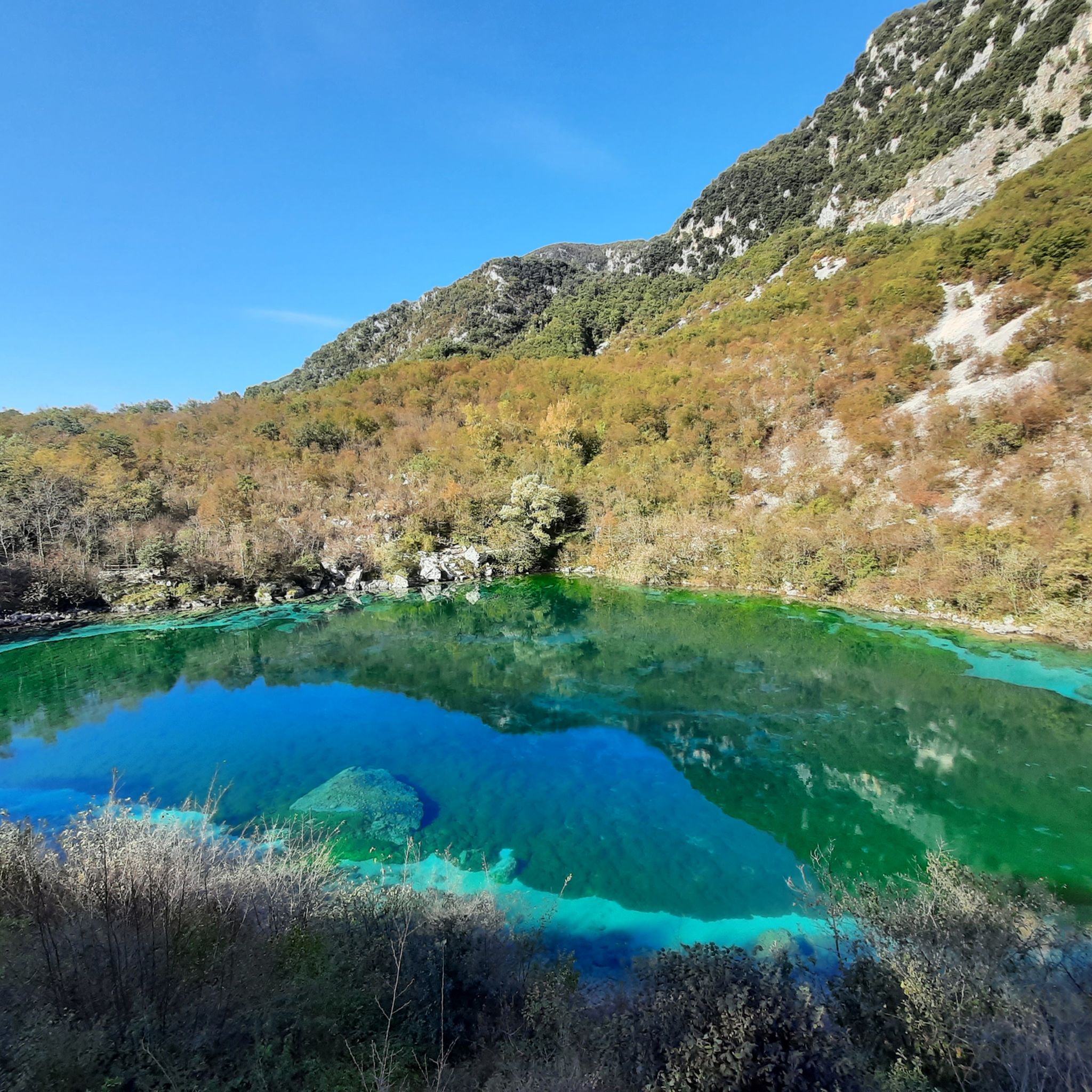
Lake Cornino
Highlight • Lake
Translated by Google •
Tip by

Cornino Lake Regional Nature Reserve
Highlight • Natural Monument
Translated by Google •
Tip by

Sign up now to discover places like this
Get recommendations on the best single tracks, peaks, & plenty of other exciting outdoor places.
Sign up for free
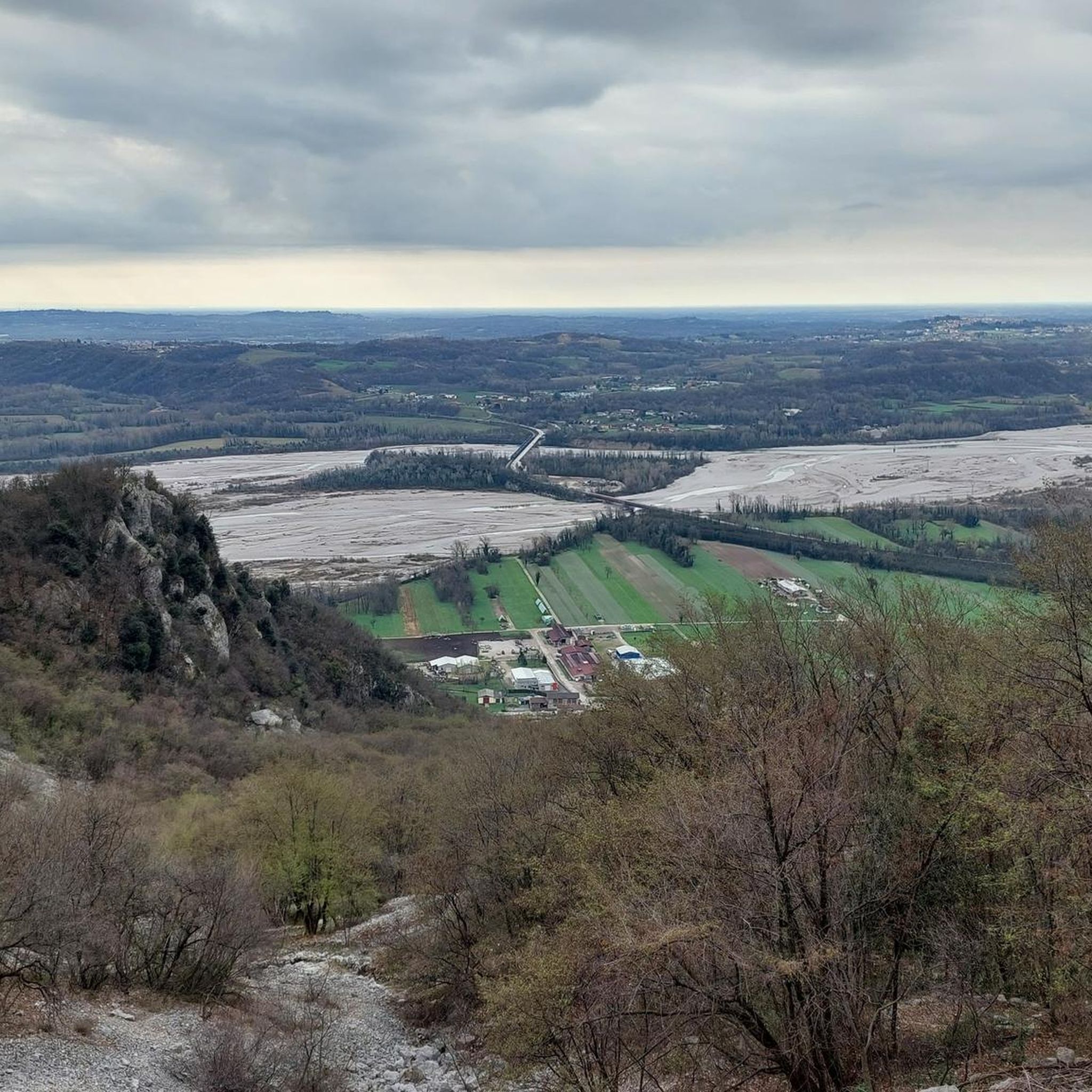
Along the Tagliamento to Lake Cornino
Highlight (Segment) • Cycleway
Translated by Google •
Tip by

Start today with a free account
Your next adventure awaits.
Login or Signup
Popular around Nature Reserve Lake Cornino

Tips from the Community

Small lake with wonderful colours, at the foot of rocky cliffs which are home to colonies of griffon vultures which can easily be seen circling in the sky above us.
4
1

beautiful road surrounded by nature
2
1

Lake Cornino is a small body of water that originated during the retreat of the ice, which occurred around 10,000 years ago. In this period numerous and impressive landslides occurred along the sides of the valleys, which were suddenly deprived of the support represented by the mass of ice itself. The current morphology is the result of one of these landslides. These waters are easily distinguishable from those coming from the Prealps by a chemical "trace" that distinguishes them: coming from the Tagliamento basin they are loaded with calcium sulphate obtained from the dissolution of the chalks that abound in its basin. Waters of different origins also reach the lake, coming from the Monte Prat plateau. The lake is just over 140 meters long and 8 m deep. It has neither tributaries nor emissaries, but the underground water circulation is such that it still allows rapid water exchange. Hence its particular transparency and the very low temperature variations (which generally fluctuate between 9-11 °C) over the course of the year. These characteristics allow it to be classified as an oligotrophic lake as it is poor in nutrients. The bottom is populated by green algae that form dense underwater meadows, while the rocks are colonized by blue algae. The scarcity of nutrients present and the low temperature of its waters significantly reduce the possibility of life within it. The fish fauna present is scarce and linked to the introduction of Cyprinids and Salmonids but the presence of the Crayfish is certainly interesting.
7
1

obligatory passage above the emerald green lake
2
1

The incredible color of the lake, which is even richer in reality
6
0

Beautiful lake with a Caribbean feel. What crystal clear water. A fantastic sight and a must for a trip there.
6
0

This lake, small but wonderful at the same time, rises within a natural area that takes its name.
3
0

Beautifully colored lake, a small pearl not to be missed. The reserve of the griffons that can be admired from the foot of the lake is also very suggestive
6
1
Frequently Asked Questions
What makes Lake Cornino unique?
Lake Cornino is a small, karstic lake known for its crystal-clear, emerald waters. These unique colors are due to underground water circulation that ensures a rapid exchange of water and maintains a consistent temperature of 9-11°C year-round. It has no visible inlets or outlets, relying entirely on this subterranean flow for its remarkable transparency and low nutrient levels.
What kind of walking trails are available around Lake Cornino?
Visitors can explore a circular trail directly around Lake Cornino, which is open year-round and suitable for all hiking levels. Other walking routes extend from the Visitor's Centre to the Tagliamento riverbed and surrounding areas. For more options, you can find various routes in the Mountain Hikes around Nature Reserve Lake Cornino guide.
Are there family-friendly activities or walks around Lake Cornino?
Yes, the Cornino Lake Regional Nature Reserve and Lake Cornino itself are considered family-friendly. The circular trail around the lake is accessible for all levels, making it suitable for families. The Visitor's Centre also provides information about the area's natural characteristics and conservation initiatives.
What wildlife can I spot in Nature Reserve Lake Cornino?
The reserve is particularly famous for its Griffon Vulture reintroduction project, with approximately 100 individuals present and more in the summer, making it an excellent spot for birdwatching. You can also see other raptors like kites, eagles, and eagle owls. The lake itself, despite low nutrients, supports green algae, dense underwater vegetation, and a significant population of crayfish.
When is the best time to visit Nature Reserve Lake Cornino?
The circular trail around Lake Cornino is open year-round. The consistent water temperature of 9-11°C means the lake's emerald colors are visible throughout the seasons. Summer months might offer more opportunities for birdwatching, especially for Griffon Vultures.
Are there cycling routes near the lakes?
Yes, the area offers several cycling opportunities. The Strada del Bottecchia at Lake Cornino is a popular cycleway known for its good asphalt and naturalistic views, passing under Mount Prat and through the reserve. You can find more routes in the Cycling around Nature Reserve Lake Cornino guide.
What do visitors enjoy most about the lakes in this region?
Visitors are consistently captivated by the incredible, crystal-clear, and emerald colors of Lake Cornino and Laghetto di Cornino. The natural beauty, the serene atmosphere, and the opportunity to see Griffon Vultures in their natural habitat are frequently highlighted as major draws.
Are there challenging hiking trails in the Nature Reserve Lake Cornino area?
Yes, for more experienced hikers, there are trekking itineraries leading to the Monte Prât plateau, which offer breathtaking views. You can explore challenging options in the Mountain Hikes around Nature Reserve Lake Cornino guide, which includes difficult routes like the Chain-Assisted Passage loop.
Is there a visitor center at Nature Reserve Lake Cornino?
Yes, the Visitor's Centre serves as a central hub for the Nature Reserve Lake Cornino. It provides information about the area's natural characteristics and the ongoing conservation initiatives, particularly regarding the Griffon Vulture reintroduction project.
Can I find other small lakes or bodies of water besides Lake Cornino?
While Lake Cornino is the most prominent, the reserve is known for its karstic lakes and crystal-clear waters. Visitors can explore the main lake and smaller bodies of water within the reserve, such as Laghetto di Cornino, which offers indescribable colors after a short climb.
Where can I find more information about the Nature Reserve Lake Cornino?
For additional details about the reserve, its conservation efforts, and visitor information, you can refer to the official resources such as Italian Botanical Heritage or Tourism Friuli Collinare.
Most popular routes around Nature Reserve Lake Cornino
Most popular attractions around Nature Reserve Lake Cornino

Get inspired with the komoot mobile app


Explore more
Still not found your perfect lake around Nature Reserve Lake Cornino? Check out the guides of these regions to see even more beautiful places.
