Top 16 Caves around Parco dell'Etna
Best caves around Parco dell'Etna offer a unique glimpse into the geological history of Mount Etna, one of the world's most active volcanoes. This region, known for its impressive network of over 250 lava caves, provides an adventurous and educational experience. These subterranean wonders often reveal spectacular lava formations and unique microclimates, formed as molten rock cooled and solidified. The area's volcanic landscape creates a diverse environment for exploration.
Best caves around Parco dell'Etna
- The most popular caves is Serracozzo Cave, a cave that features a beautiful lava tube. Visitors can explore a few hundred meters into the cave, which is known for its magical atmosphere and openings that allow light to enter.
- Another must-see spot is Snow Grotto, a cave also known as Grotta dei Ladroni. This cave was historically used as a snow depot and is associated with a legend of bandits.
- Visitors also love Schadlish Cave, a partially incised lava tunnel. Its accessible nature makes it a rewarding detour off the main trail, offering views inside the lava flow cave.
- Parco dell'Etna is known for its diverse range of lava tubes, ice caves, and multi-level volcanic formations. These caves offer varied experiences, from exploring complex geological structures to historical snow storage sites.
- The caves around Parco dell'Etna are appreciated by the komoot community, with more than 120 upvotes and 80 photos shared by visitors. This highlights the general appeal and popularity of exploring these unique natural features.
Last updated: June 28, 2026
Serracozzo Cave
Highlight • Cave
Translated by Google •
Tip by

Ascent to Grotta dei Lamponi
Highlight • Cave
Tip by

Sign up now to discover places like this
Get recommendations on the best single tracks, peaks, & plenty of other exciting outdoor places.
Sign up for free
Rifugio Santa Barbara
Highlight • Mountain Hut
Translated by Google •
Tip by

Schadlish Cave
Highlight • Cave
Translated by Google •
Tip by

Snow Grotto
Highlight • Cave
Translated by Google •
Tip by

Sign up for free to discover even more caves around Parco dell'Etna.
Sign up for free
Already have an account?
Start today with a free account
Your next adventure awaits.
Login or Signup
Popular around Parco dell'Etna
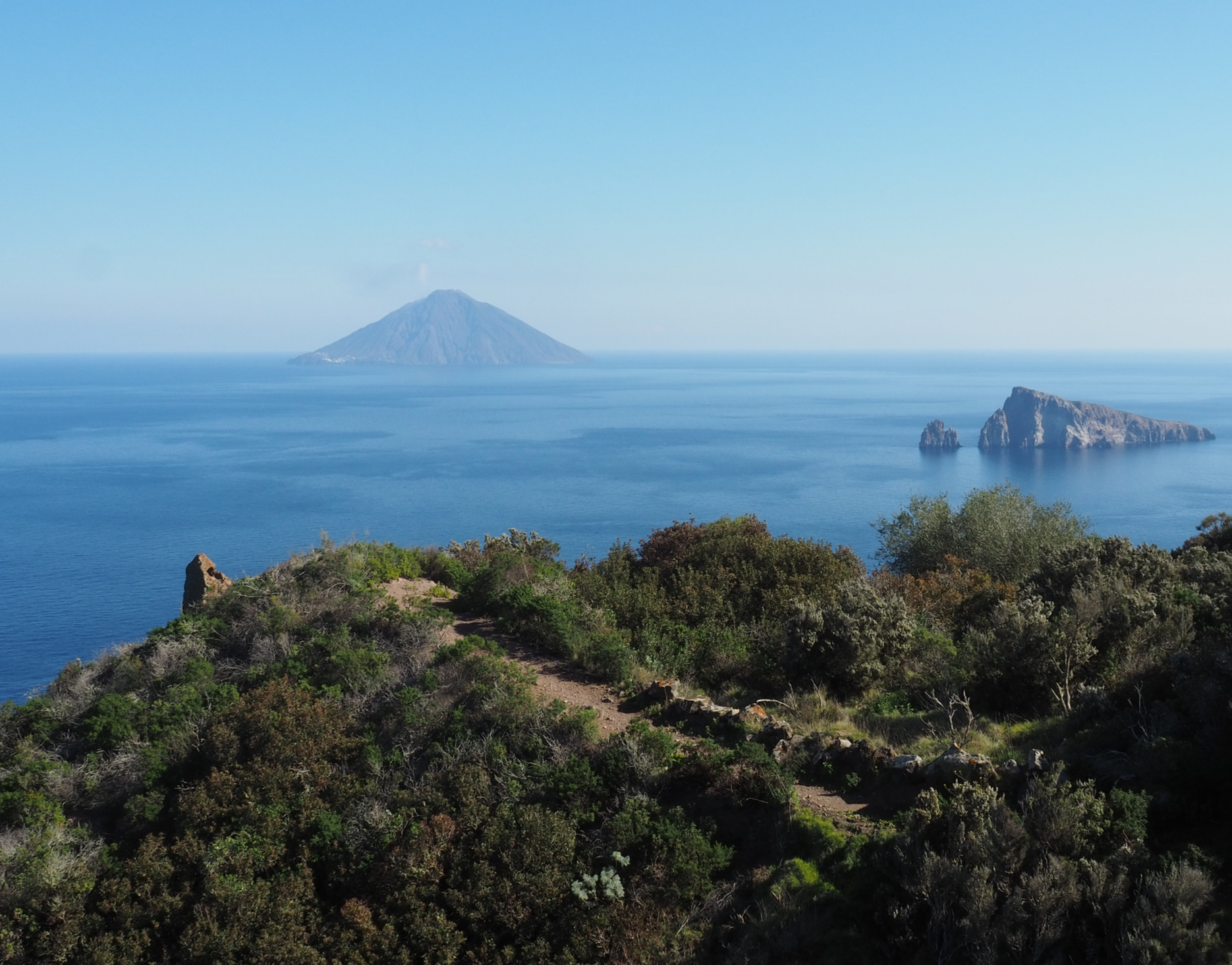
In the land of volcanoes – exploring between lava and nature in Sicily
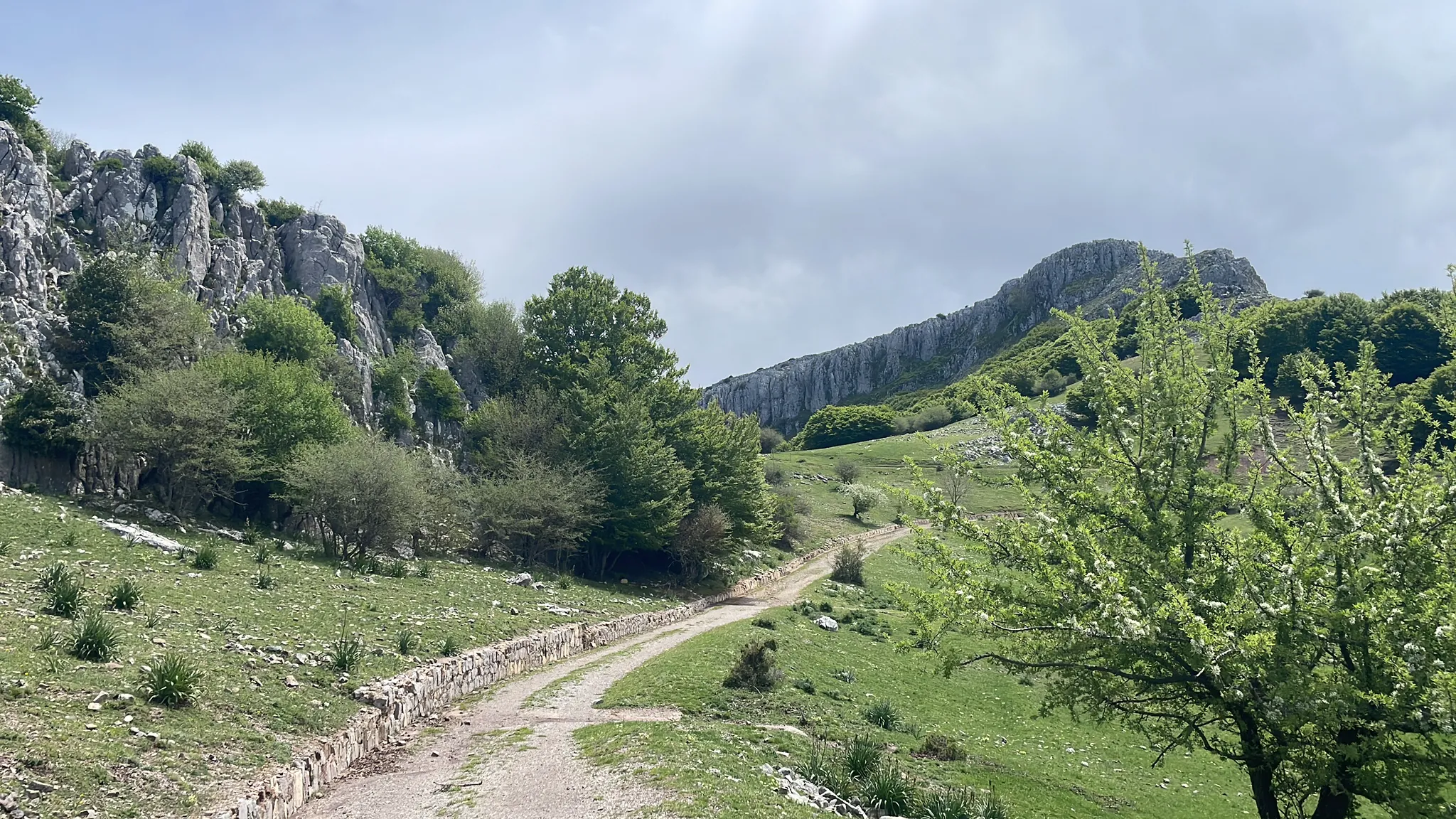
Etna and Madonie mountain bike parks – the Wild Heart of Sicily
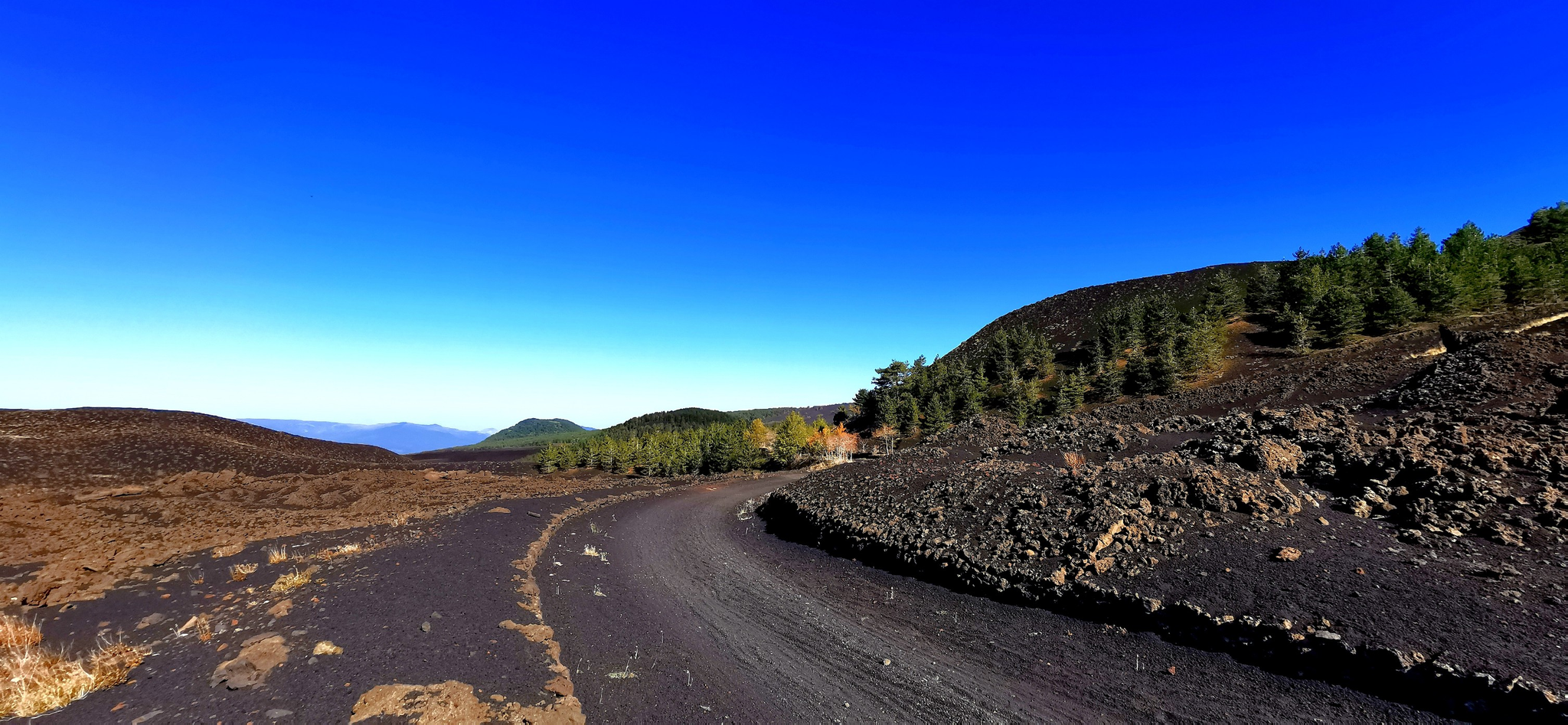
Volcanoes, forests and sea – Parchi della Sicilia cycling route by MTB
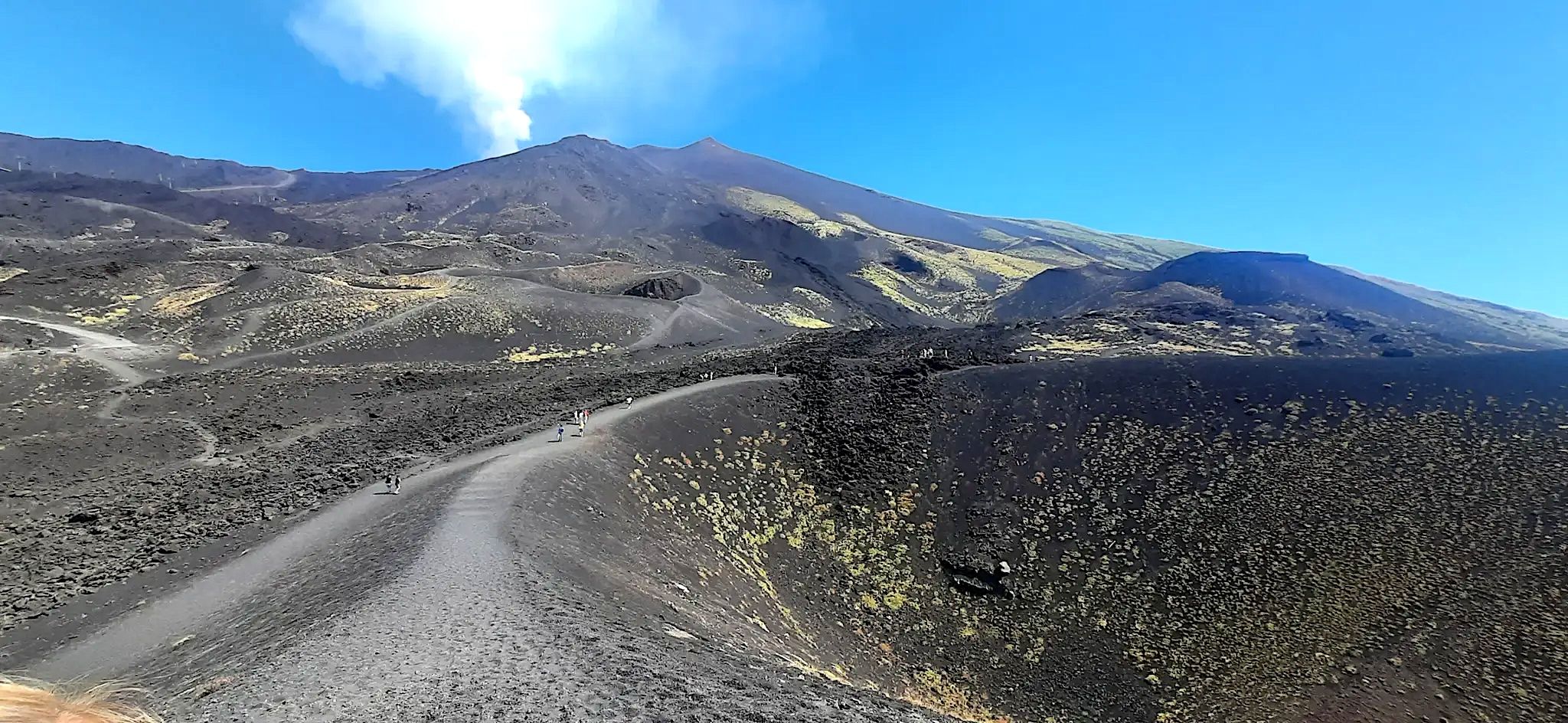
On the trails of Etna – day hikes to discover the volcano
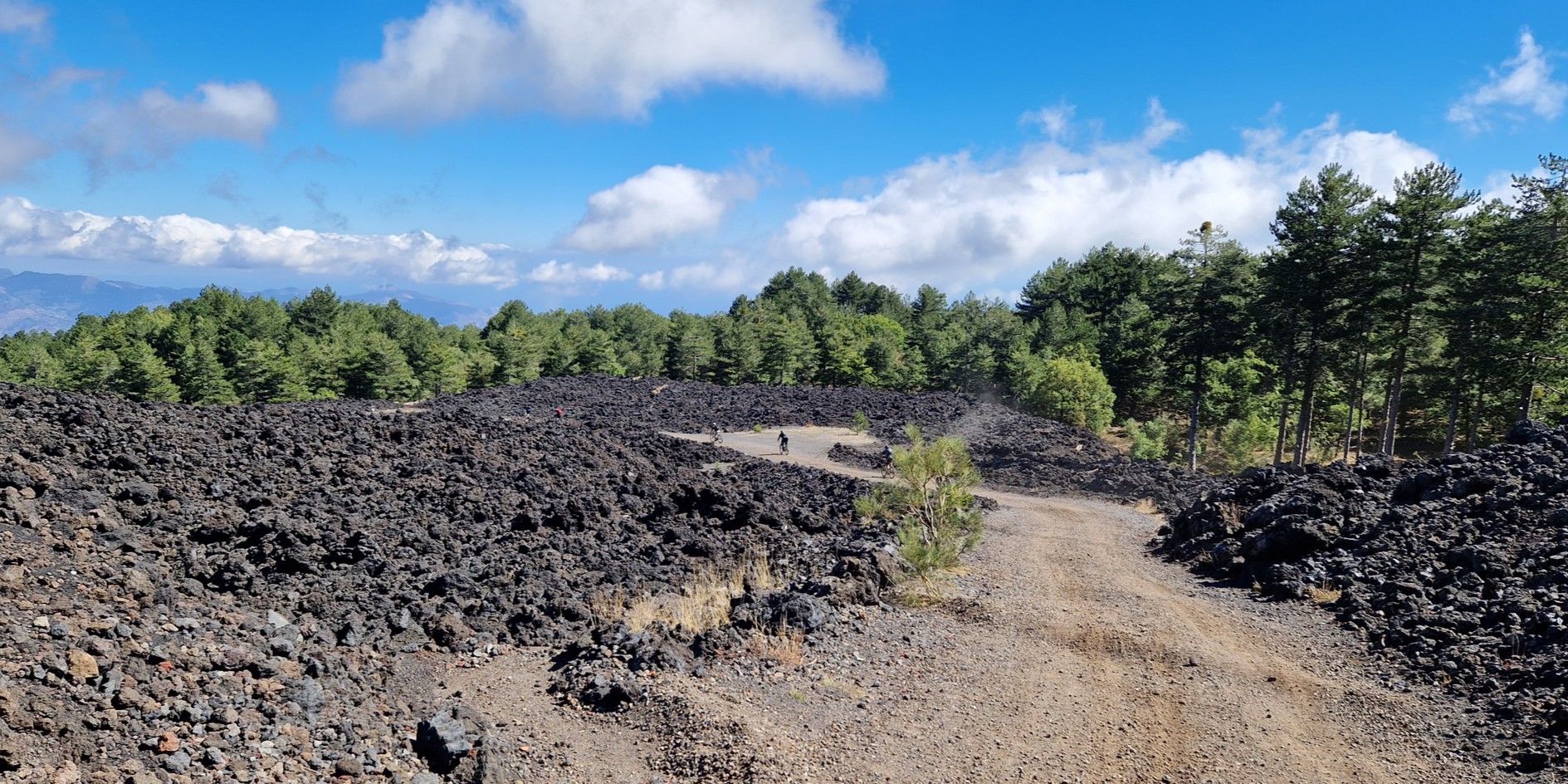
Among the lava fields of Europe's highest volcano – Mount Etna by MTB
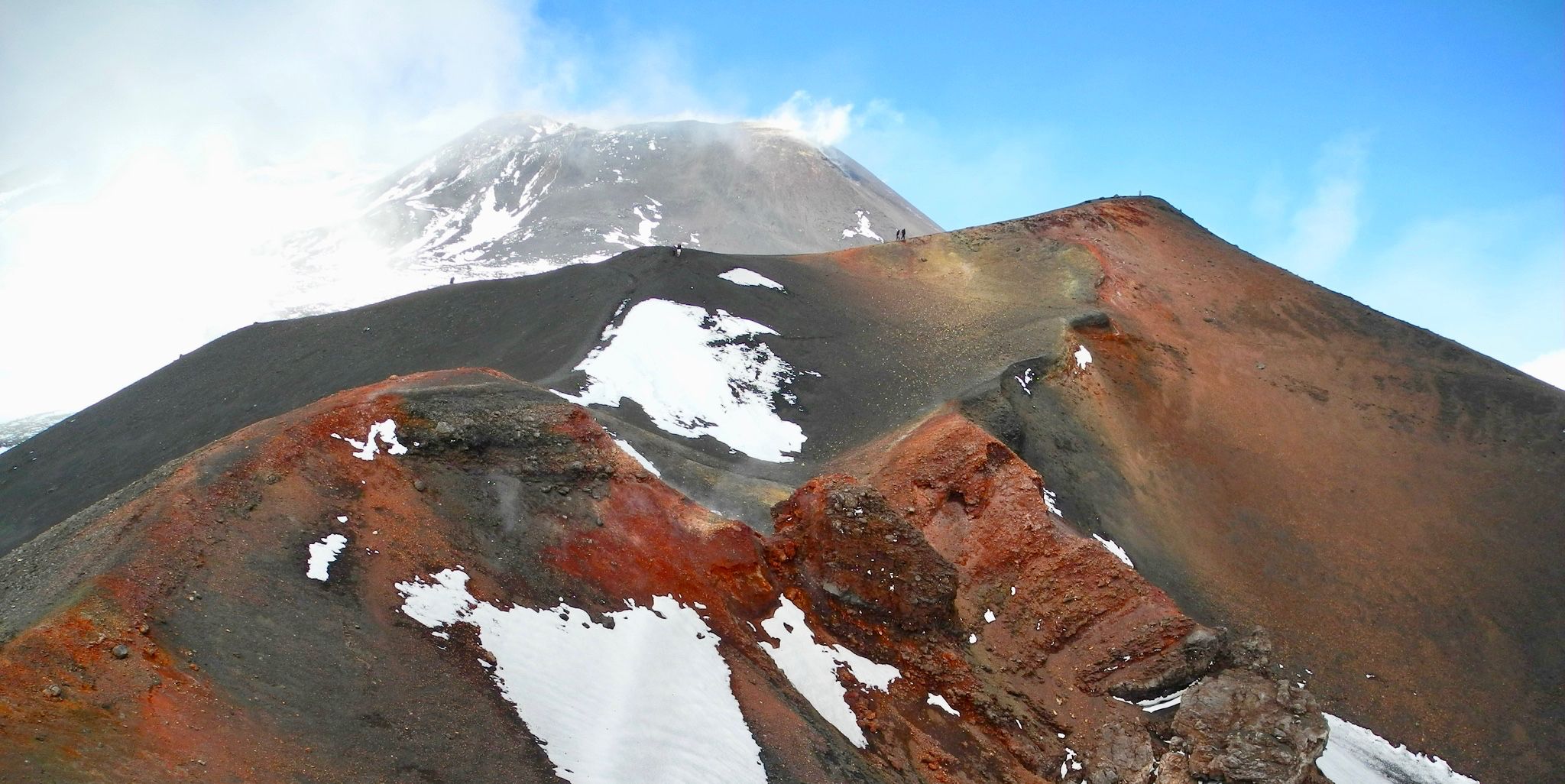
Holy mountains and their stories
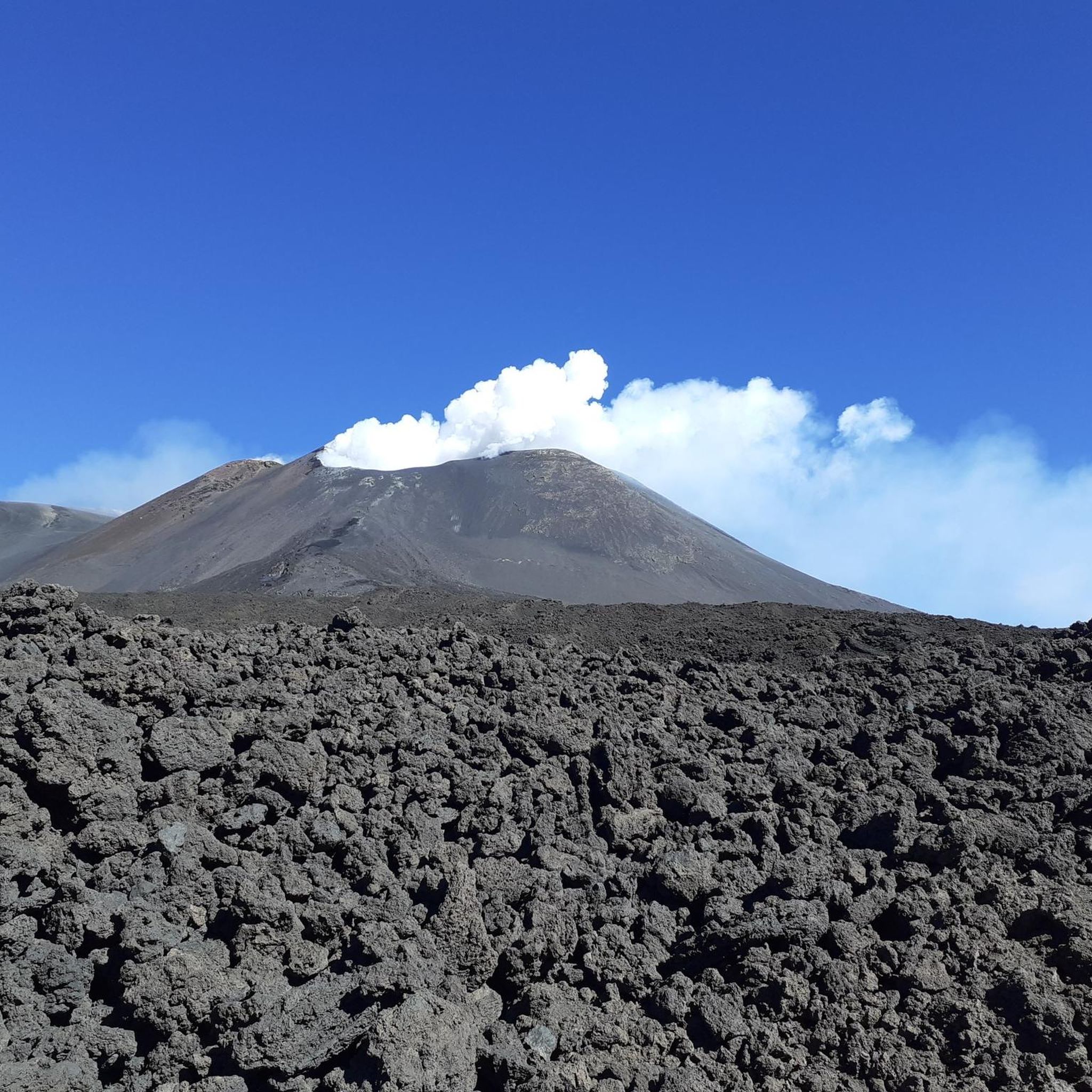
Hiking around Parco dell'Etna
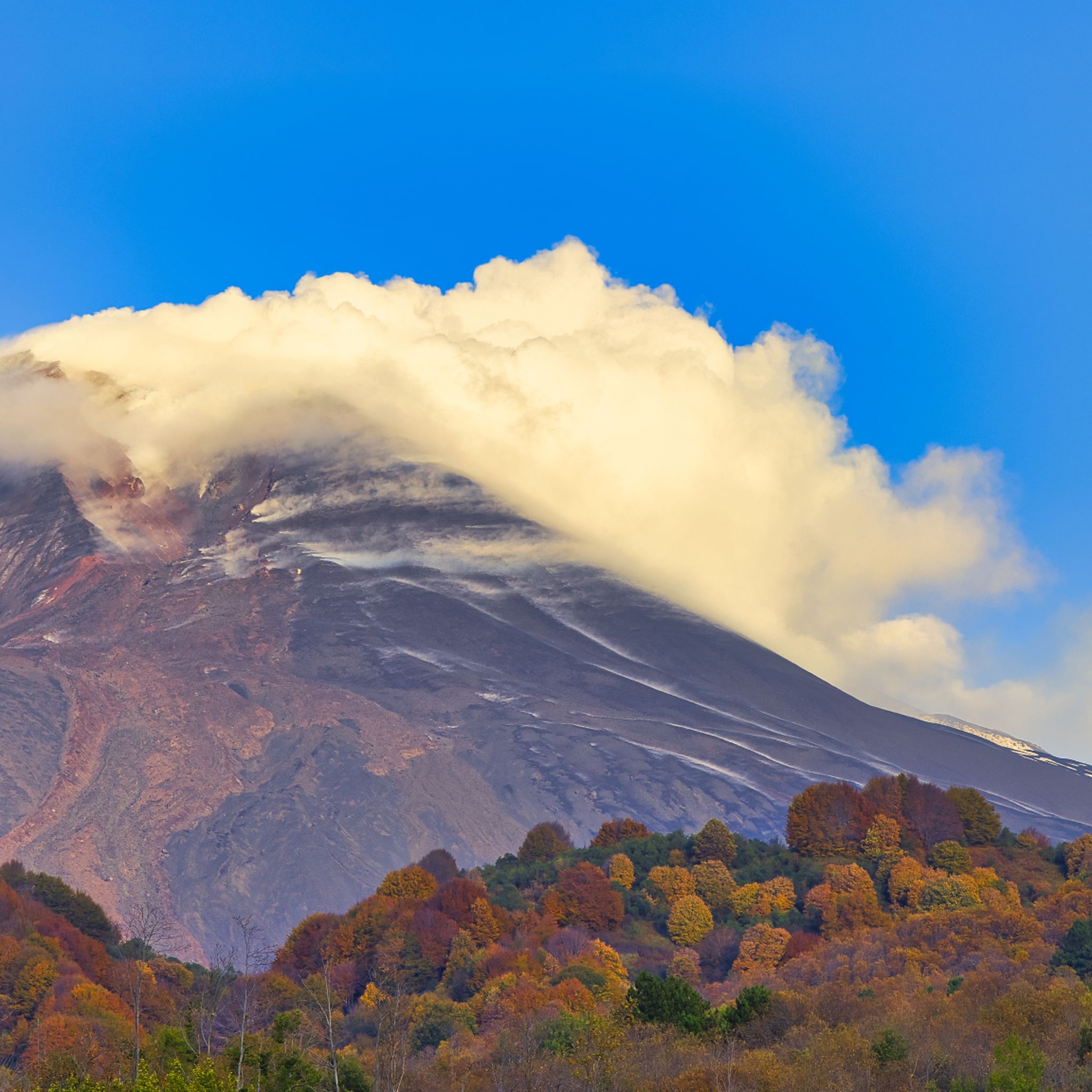
MTB Trails around Parco dell'Etna
Running Trails around Parco dell'Etna
Road Cycling Routes around Parco dell'Etna
Other adventures around Parco dell'Etna


Tips from the Community


Deep cave not visitable. Located near a shelter unfortunately now closed by the forestry.
1
0

The Santa Barbara refuge is located in the Etna Park, immersed in a suggestive landscape of woods and lava flows. Recently renovated, it has a fireplace with a wood reserve and can be used as a bivouac. It is an excellent starting point for excursions around the volcano.
1
0

One of the most beautiful lava tunnels on the north side of Mount Etna is the Serracozzo Grotto (surely often visited, but not signposted). A lava tunnel is not a cave, but rather one formed during an eruption, when a crust forms on the surface of the slowly flowing lava in flatter terrain. This "tunnel" is easy to enter (assuming there's no threat of a thunderstorm (flooding!) or ice and snow making entry dangerous). Don't forget your flashlight; two cave-ins in the ceiling provide sufficient light until halfway through the tunnel, after which it becomes very shallow and pitch-dark in places. It's worth exploring!
0
0

Approx. 115m long volcanic grotto. A few meters off the main path. Signposted.
0
0

It is located a very short distance from the track, following an uphill path. The cave is also slightly uphill... it is not very high, nor one of the most spectacular. But it is really easy to reach
0
0
This cave was formed from a lava flow that cooled and solidified on the outside, but continued to flow inside, leaving a hollow space behind. The Grotta Serracozzo is particularly impressive because it has collapsed in two places, allowing daylight to enter.
0
0

There is no equipped area. The cave is fenced off because it is an overhanging well. Good connection. The view of Etna and the crater of Monte Nero degli Zappini in the foreground is spectacular.
0
0
Frequently Asked Questions
What makes the caves around Parco dell'Etna unique?
The caves in Parco dell'Etna are primarily lava tubes, formed when molten lava flows cool and solidify on the outside, while the interior drains away. This process creates unique subterranean tunnels with spectacular lava formations and distinct microclimates. The region boasts over 250 such caves, offering a glimpse into Mount Etna's geological history.
Are there any caves with historical significance in Parco dell'Etna?
Yes, several caves have historical importance. For example, the Snow Grotto, also known as Grotta dei Ladroni, was historically used as a 'niviera' or snow depot, where snow was collected and stored for sale in villages during summer. It's also associated with a legend of bandits using it as a hideout.
Which caves are suitable for families or beginners?
For families, Schadlish Cave is a good option as it's a partially incised lava tunnel, making it easily accessible and a rewarding detour. Grotta degli Archi is also suitable for children, featuring natural 'bridges' and two overlapping levels of lava channels. Grotta Cassone is highly accessible and often included in guided nature tours, though visiting with experienced guides is recommended.
What are some of the most impressive geological features found in these caves?
The caves showcase a variety of impressive geological features. Grotta dei Tre Livelli is remarkable for its complex structure of three overlapping lava galleries and rare remelted lava stalactites. Grotta del Gelo is famous for its perennial ice, making it Europe's southernmost glacier with ice stalactites and stalagmites. Serracozzo Cave is known for its beautiful lava tube and openings that allow light to create a magical atmosphere.
What should I bring when exploring the caves?
When exploring the caves, it's essential to bring a flashlight or headlamp, as many caves like the Snow Grotto can be pitch-black. Sturdy footwear is also recommended, and for some caves, especially those with steeper sections or requiring access to lower levels like Case del Vescovo Caves, specialized speleological equipment might be necessary. Always consider visiting with an experienced guide for safety.
What is the best time of year to visit the caves around Parco dell'Etna?
The best time to visit can depend on the specific cave and your preferences. While many caves are accessible year-round, some, like Grotta del Gelo, require a five-hour walk to reach in summer. During winter, some caves like the Snow Grotto may still contain ice formations, offering a different experience. Always check local conditions and consider guided tours for optimal safety and experience.
Are there any caves that are particularly challenging to explore?
Grotta dei Tre Livelli is considered challenging due to its complex structure, steep sections with slopes up to 40°, and a significant vertical drop. Reaching Grotta del Gelo also involves a demanding five-hour walk. For the basal part of Case del Vescovo Caves, speleological equipment is required, indicating a higher level of difficulty.
What other outdoor activities can I do near the caves in Parco dell'Etna?
Parco dell'Etna offers a wide range of outdoor activities. You can find numerous routes for gravel biking, mountain biking, and road cycling. For example, there are many gravel biking routes, MTB trails, and road cycling routes that allow you to explore the volcanic landscape and forests surrounding the caves.
How long does a typical cave visit take?
The duration of a cave visit varies greatly depending on the cave's size and complexity. Easily accessible caves like Schadlish Cave might be a short detour, while exploring a few hundred meters into Serracozzo Cave can take a bit longer. Reaching and exploring Grotta del Gelo, for instance, involves a five-hour walk just to get there, plus time inside. Guided tours often have set durations.
Are guided tours recommended for exploring the caves?
Yes, visiting the caves with an expert guide is highly recommended for safety and to enhance your understanding of these unique volcanic formations. Guides can provide insights into the geology, history, and specific features of each cave, and ensure you have the appropriate equipment and knowledge for a safe exploration. This is particularly true for caves like Grotta Cassone, where past ceiling collapses highlight the importance of expert guidance.
What is the Grotta dei Lamponi known for?
The Grotta dei Lamponi, or Raspberry Cave, discovered in 1965, is considered one of Etna's longest and most important caves, exceeding 700 meters in length. It gets its name from the abundant raspberry vegetation found by explorers at its entrance, and its formation is linked to the spectacular lava flows of 1614.
Can I find information about the caves online before my visit?
Yes, you can find additional information about the caves and the region. For example, Euro Etna Tourism provides details on the caves of Etna, offering further context for your visit. You can explore their resources at euroetnatourism.it.
Most popular routes around Parco dell'Etna
Most popular attractions around Parco dell'Etna

Get inspired with the komoot mobile app


Explore more
Extend your search for the best caves by checking out these guides of the top ones around Parco dell'Etna:
