Top 4 Lakes around National Park Cornalvo
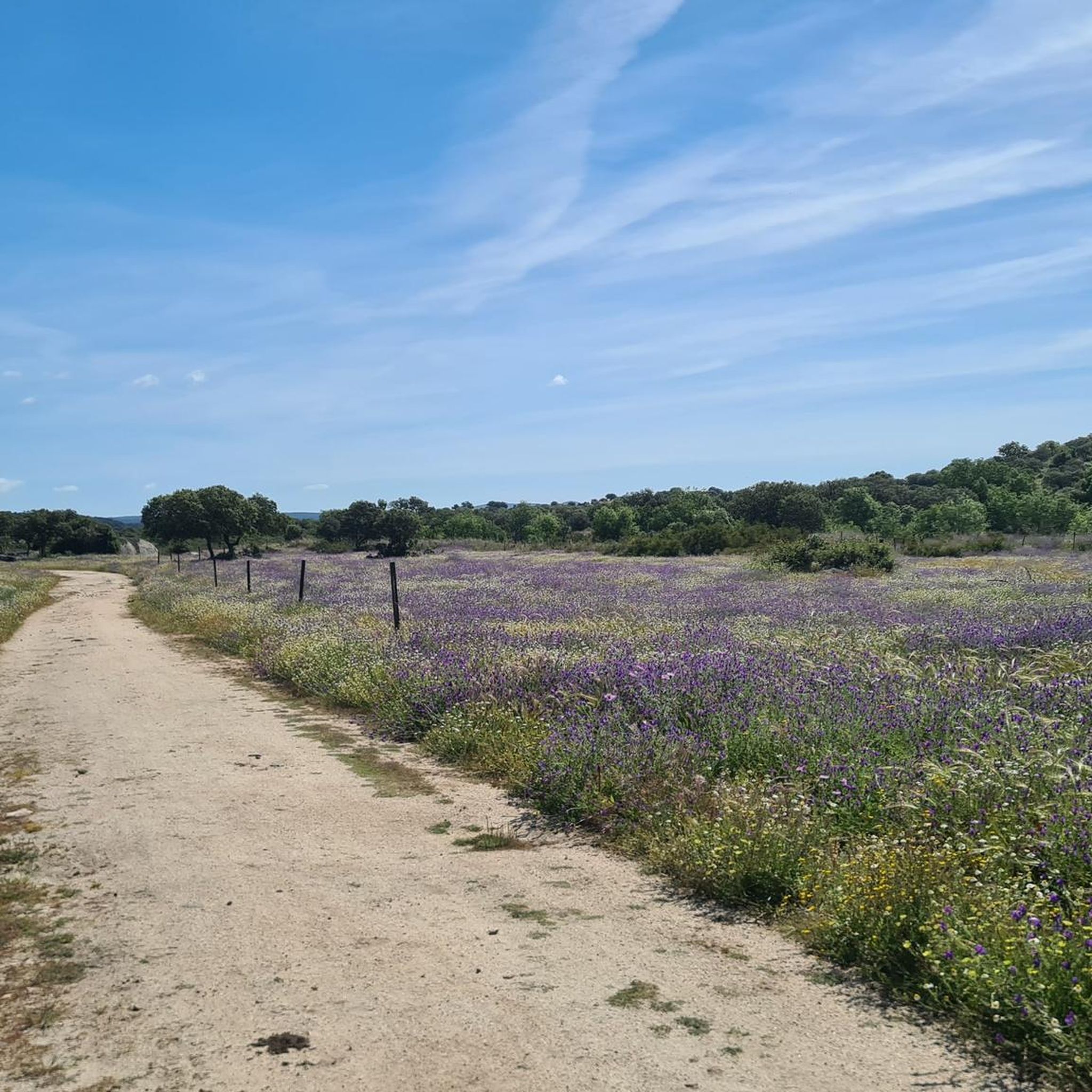
Best lakes around National Park Cornalvo include significant aquatic features such as the Cornalvo Reservoir and the Las Muelas Reservoir. These bodies of water, along with the Aljucén River, form crucial aquatic landscapes within the park. The area combines ancient Roman engineering with pristine natural beauty, featuring holm oak and cork oak groves, Mediterranean woodlands, and dehesa pastures. The entire archaeological ensemble of Mérida, including the Cornalvo Reservoir and its Roman dam, is a UNESCO World Heritage Site.
Best lakes…
Last updated: June 28, 2026
Cornalvo Dam
Highlight • Monument
Translated by Google •
Tip by

Cornalvo Reservoir
Highlight • Lake
Translated by Google •
Tip by

Sign up now to discover places like this
Get recommendations on the best single tracks, peaks, & plenty of other exciting outdoor places.
Sign up for free
Las Muelas Reservoir
Highlight • Lake
Translated by Google •
Tip by
Pantano de Cornalvo Circular Route
Highlight (Segment) • Trail
Translated by Google •
Tip by

Start today with a free account
Your next adventure awaits.
Login or Signup
Tips from the Community

The Cornalvo Dam is an impressive Roman engineering work located about 15 km from Mérida. Built in the 1st century AD, this dam is still in use today and is part of the Cornalvo Natural Park. The reservoir is an ideal place to enjoy nature and explore Roman history.
7
0
Built around 130 AD, this dam was used to supply water to the ancient Roman city of Augusta Emerita. The reservoir and its surroundings were declared a natural park in 2004, making it an ideal destination for nature and history lovers.
7
0

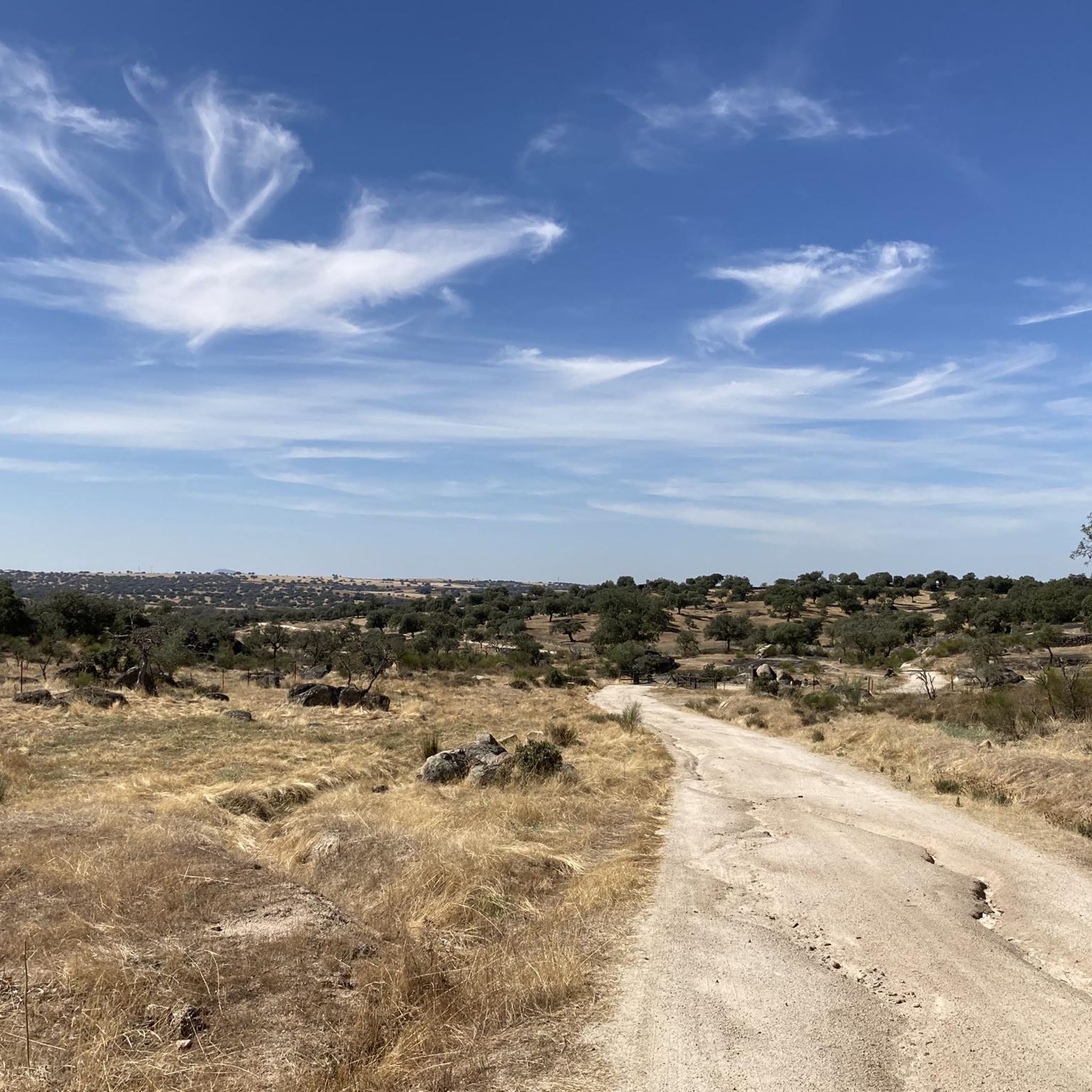
A place with very nice views of Sierra Bermeja. It has a circular path of about 5/6km that is very cyclable, with an initial part (depending on which direction you go) that is a bit steep.
0
0

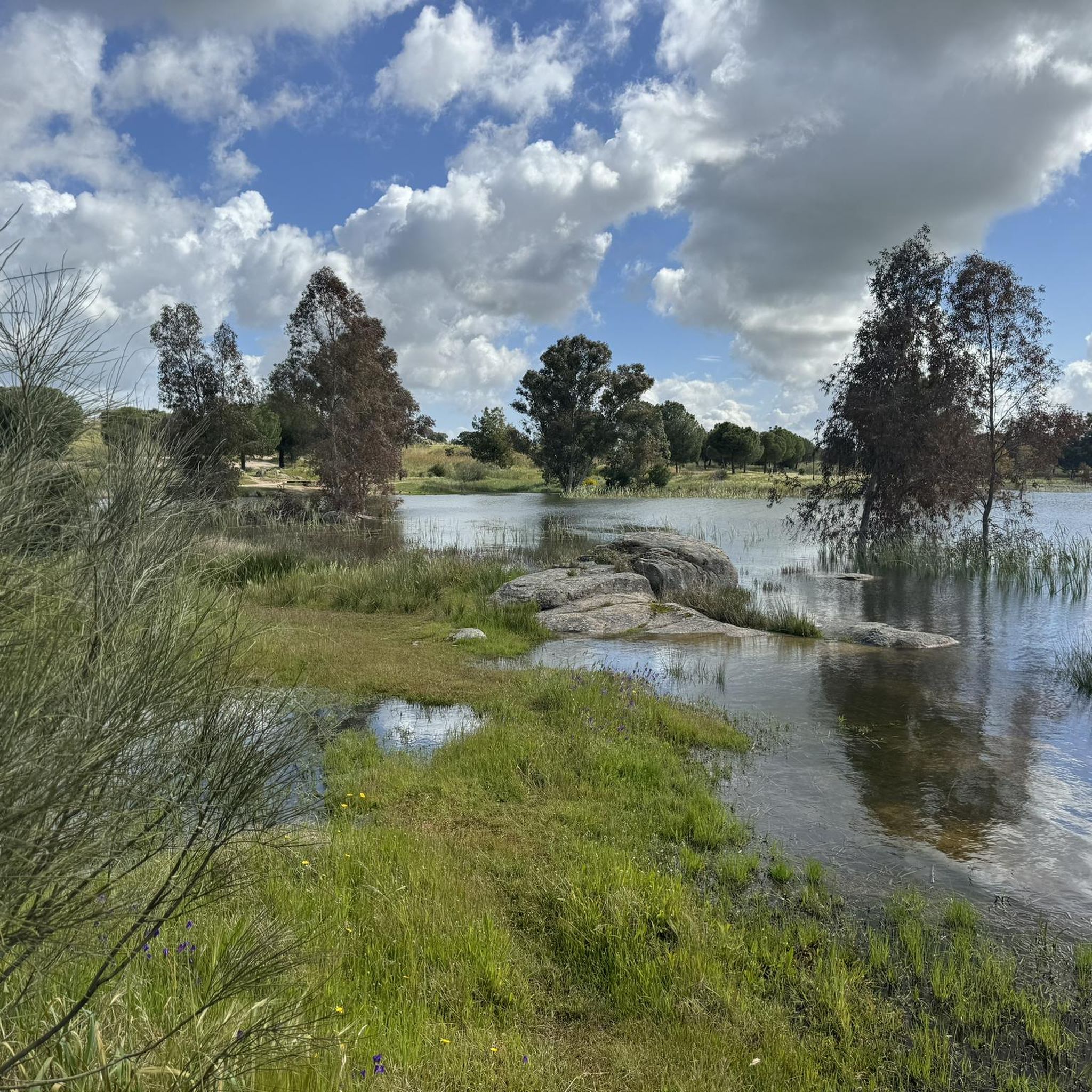
In spring the number of birds that can be observed from its viewpoints is spectacular and how beautiful the site can be.
0
1
In spring the number of birds that can be observed from its viewpoints is spectacular, without counting the herds of cattle that come to drink and frolic on the shore of the reservoir.
0
1
Reservoir that is located within the Cornalvo Natural Park and that represents one of the water areas that exist in this protected area. Very beautiful in leafy and wet seasons!
0
0

One of the attractions of the Cornalvo Natural Park is the homonymous reservoir that is very close to the town on the A-5 highway and is easily reached from Trujillo or San Pedro de Mérida. A place that deserves to visit and to which you can turn completely around a picturesque path.
3
0
Frequently Asked Questions
What is the historical significance of the Cornalvo Reservoir?
The Cornalvo Reservoir is formed by an ancient Roman Dam, constructed around 130 AD to supply water to the city of Augusta Emerita (modern-day Mérida). It is one of the best-preserved Roman dams on the Iberian Peninsula and is still in use today. The entire archaeological ensemble of Mérida, including the reservoir and dam, is a UNESCO World Heritage Site.
What kind of wildlife can I expect to see around the lakes?
The lakes, particularly the Cornalvo Reservoir and Las Muelas Reservoir, are vital for biodiversity. The Cornalvo Reservoir is a Special Protection Area (ZEPA) for birds and a Site of Community Importance (LIC). Las Muelas is known for its diverse aquatic bird populations and waders, making it an excellent spot for birdwatching, especially in spring and winter. You might spot species like Little Grebe, Grey Heron, Black-crowned Night Heron, and various raptors.
Are there hiking trails around the lakes in National Park Cornalvo?
Yes, there are numerous hiking routes around the lakes. For example, you can explore the Pantano de Cornalvo Circular Route which offers very nice views. You can find more detailed hiking options and routes in the Hiking around National Park Cornalvo guide, including easy loops like the Cornalvo Reservoir Loop and more challenging trails.
Can I go mountain biking near the lakes?
Absolutely. The area around National Park Cornalvo offers several mountain biking trails. You can find routes like the Cornalvo Dam – Cornalvo Reservoir loop. For a comprehensive list of trails, check out the MTB Trails around National Park Cornalvo guide.
Are the lakes in National Park Cornalvo suitable for family visits?
Yes, the lakes and surrounding areas are generally family-friendly. Highlights like the Cornalvo Dam, Cornalvo Reservoir, and Las Muelas Reservoir are categorized as suitable for families. There are easy circular paths, and the blend of history and nature offers educational opportunities for all ages.
What makes the Cornalvo Reservoir a significant natural feature?
The Cornalvo Reservoir is the park's centerpiece, known for its sinuous, horn-like shape dictated by the terrain, which gives the park its name ('Cornus Albus' meaning 'white horn'). It is crucial for the park's biodiversity, nestled between the Sierra del Moro and Sierra Bermeja mountains, and surrounded by holm oak and cork oak groves.
Why is Las Muelas Reservoir recommended for birdwatching?
The Las Muelas Reservoir is a smaller but ecologically rich wetland located upstream from Cornalvo. It is particularly known for its diverse aquatic bird populations and waders. In spring, the number of birds that can be observed from its viewpoints is spectacular, making it an ideal spot for birdwatching.
When is the best time to visit the lakes in National Park Cornalvo?
Spring and winter are often recommended for visiting the lakes, especially for birdwatching at Las Muelas Reservoir. During summer or dry years, Las Muelas Reservoir can dry out. The Cornalvo Reservoir is particularly beautiful in leafy and wet seasons.
Where can I find scenic viewpoints around the lakes?
Many areas around the lakes offer scenic views. The Pantano de Cornalvo Circular Route provides very nice views of Sierra Bermeja. The reflective waters, changing skies, and unique sinuous shape of the Cornalvo Reservoir also offer compelling photographic opportunities from various points along its shores.
Is there a visitor center for National Park Cornalvo?
Yes, the Cornalvo Natural Park Interpretation Centre is located near Trujillanos. It provides valuable information about the park's flora, fauna, and historical significance, including the Roman hydraulic system. It's a good starting point for understanding the area.
What kind of running trails are available near the lakes?
Runners can find various trails around the lakes, ranging from moderate to difficult. Options include the Cornalvo Reservoir Trail and longer routes like 'El Rugidero y la Presa de Cornalvo'. For more details and specific routes, consult the Running Trails around National Park Cornalvo guide.
What is the significance of the Roman Dam at Cornalvo?
The Roman Dam, which forms the Cornalvo Dam, is an engineering marvel from around 130 AD. It was built to supply water to the ancient Roman city of Augusta Emerita (Mérida) and is one of the best-preserved Roman dams on the Iberian Peninsula. Its construction involved a gravity structure with dressed ashlars and a concrete core, and it remains in use today.
Most popular routes around National Park Cornalvo
Most popular attractions around National Park Cornalvo

Get inspired with the komoot mobile app


Explore more
Still not found your perfect lake around National Park Cornalvo? Check out the guides of these regions to see even more beautiful places.
