The 9 Most Amazing Peaks around Parc Natural dels Ports
Best mountain peaks around Parc Natural dels Ports are found within a rugged and diverse natural park spanning Catalonia, Valencia, and Aragon. The park's terrain features deep valleys, rocky cliffs, and extensive pine forests. It is recognized for its rich flora and fauna, including the Spanish ibex, and offers a variety of outdoor activities. The region provides numerous impressive mountain peaks with varied landscapes.
Best mountain peaks around Parc Natural dels Ports
- The most popular mountain peaks is Cim de…
Last updated: June 28, 2026
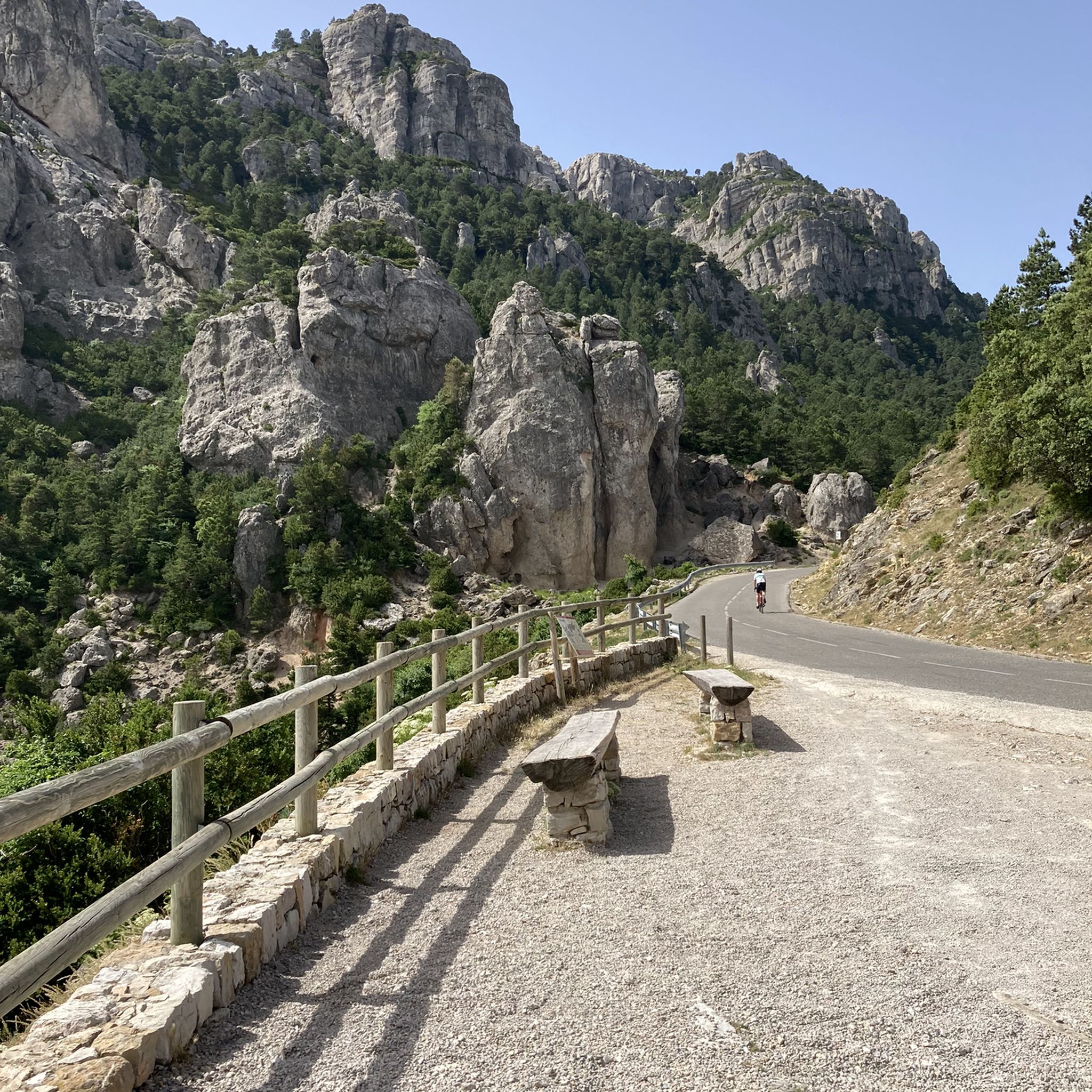
Ascent to Mont Caro from Tortosa
Highlight (Segment) • Climb
Translated by Google •
Tip by

Cim de Caro Summit (1,441 m)
Highlight • Summit
Translated by Google •
Tip by

Sign up now to discover places like this
Get recommendations on the best single tracks, peaks, & plenty of other exciting outdoor places.
Sign up for free
Punta de l'Aigua (1098 m)
Highlight • Summit
Translated by Google •
Tip by

Castell de l'Airosa
Highlight • Natural Monument
Translated by Google •
Tip by

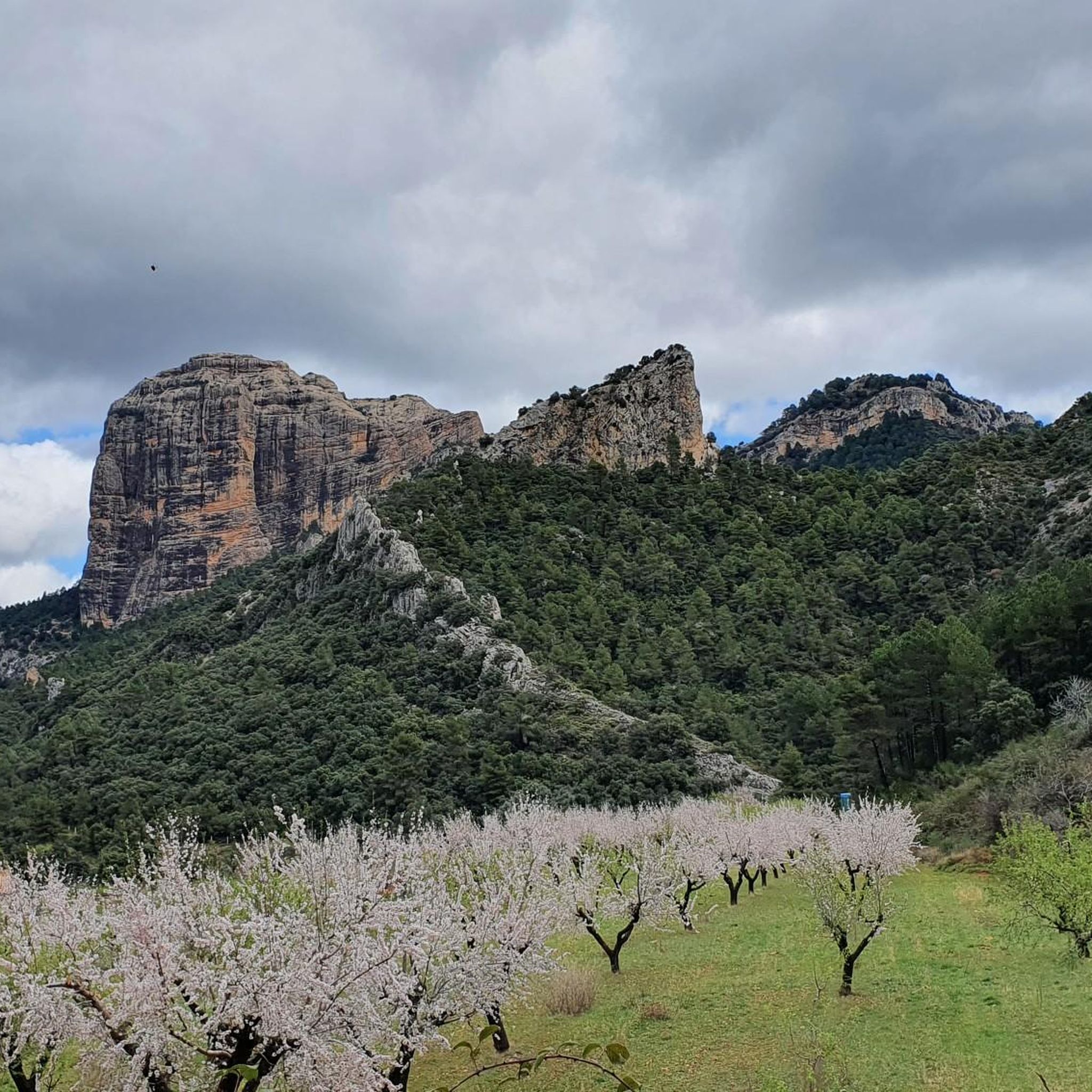
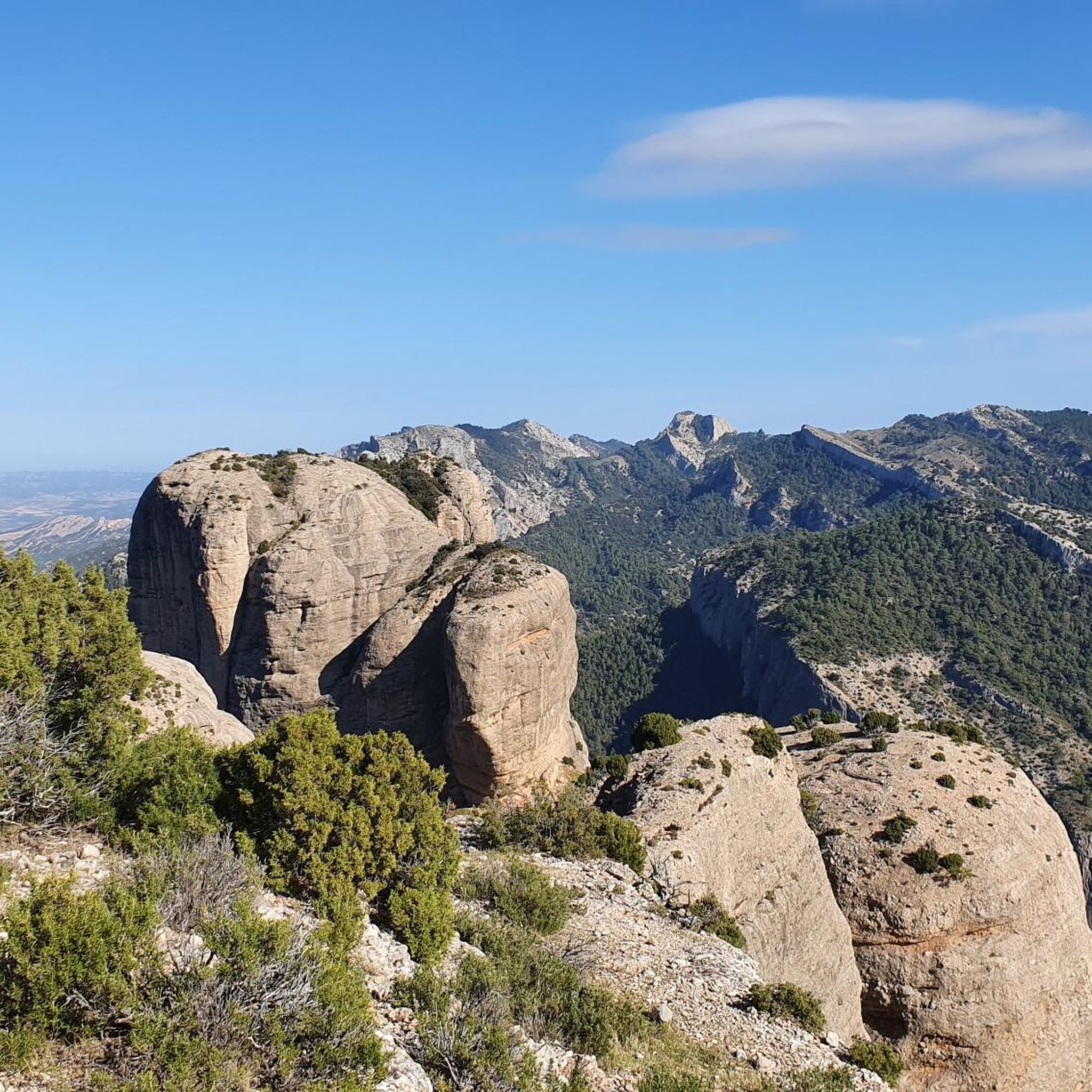
La Mola or Moleta d'Alfara
Highlight • Summit
Translated by Google •
Tip by

Sign up for free to discover even more peaks around Parc Natural dels Ports.
Sign up for free
Already have an account?
Start today with a free account
Your next adventure awaits.
Login or Signup
Popular around Parc Natural dels Ports
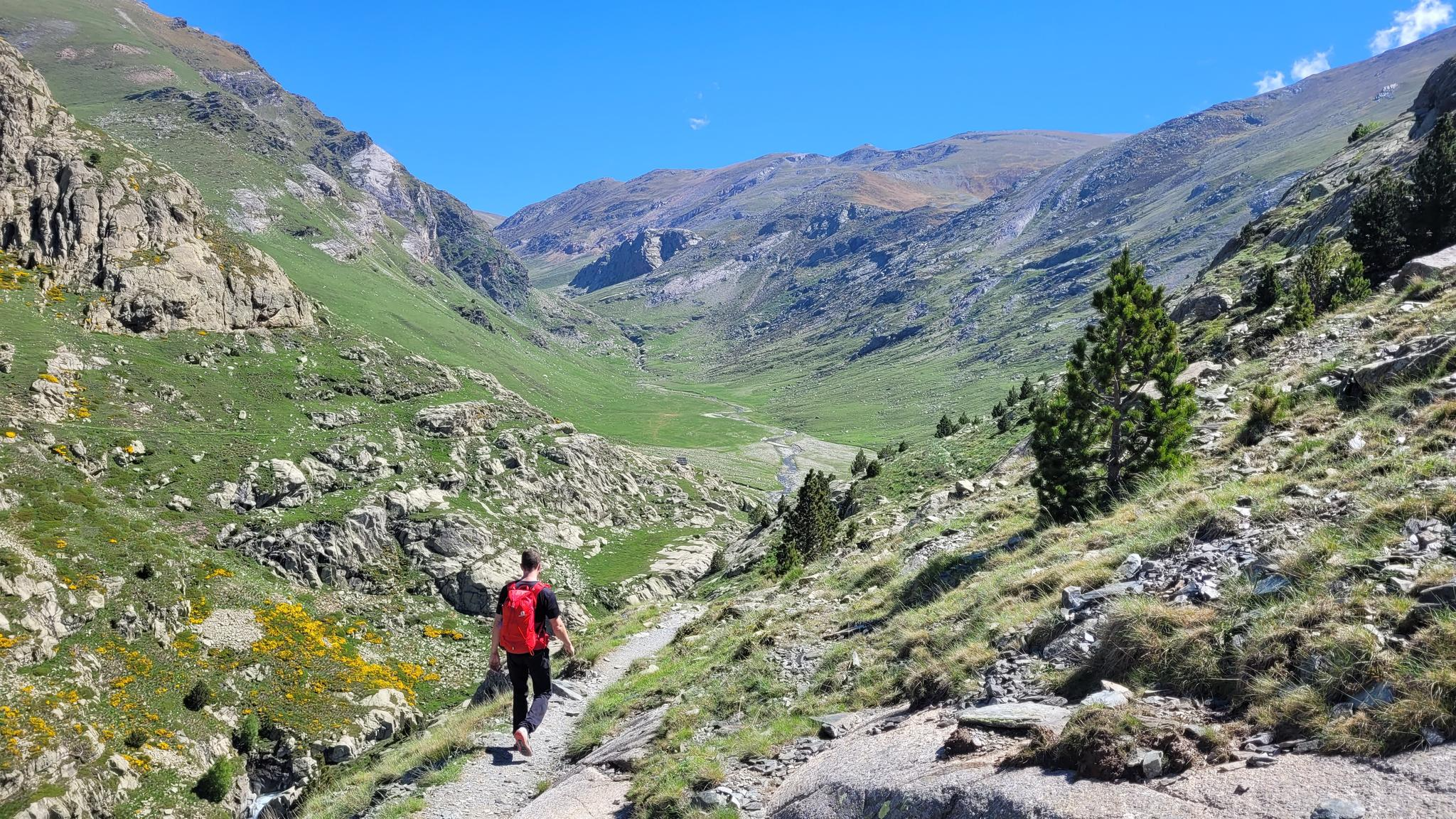
10 hikes with teenagers — Catalan paradises
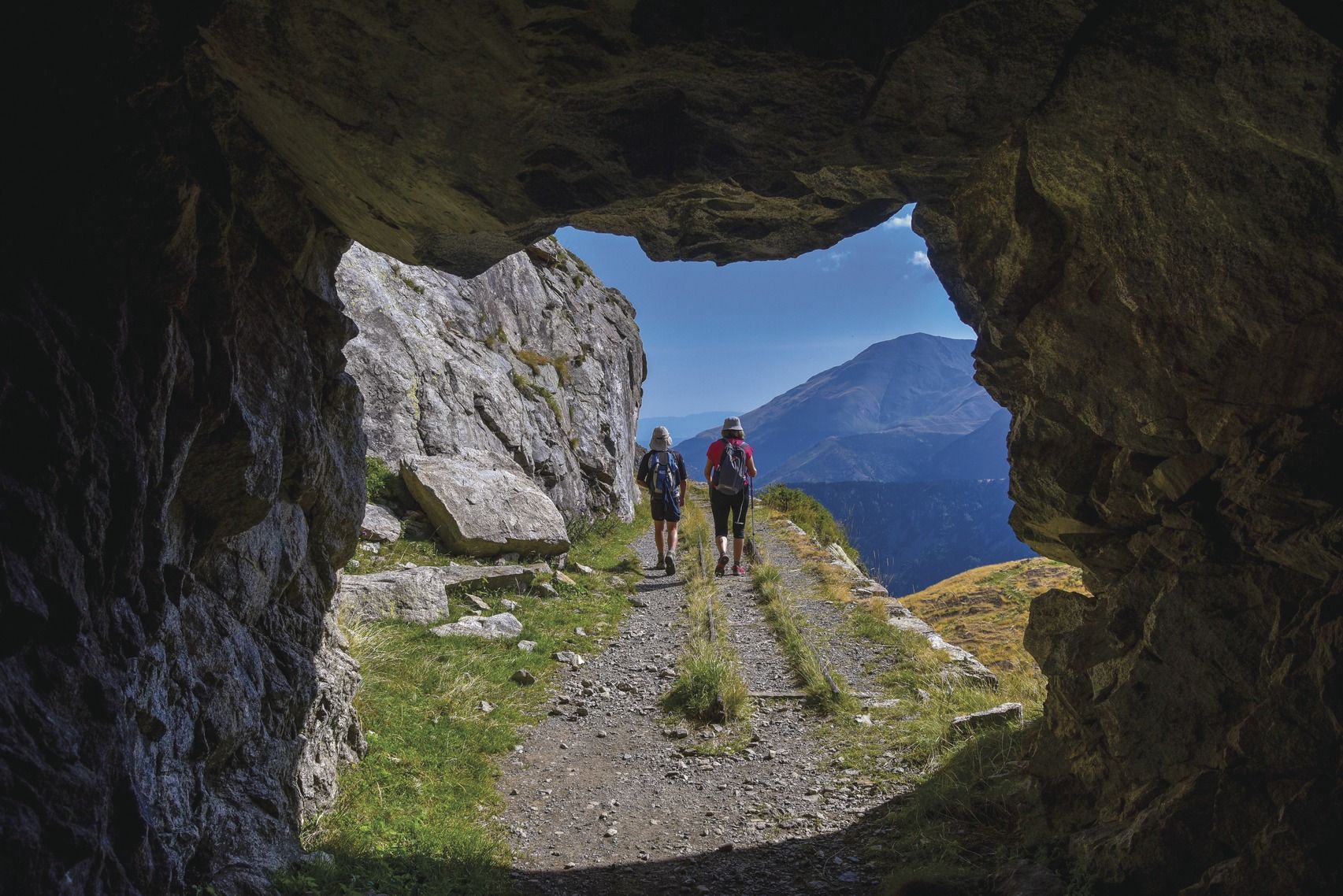
Six spectacular circular tours to discover Catalonia
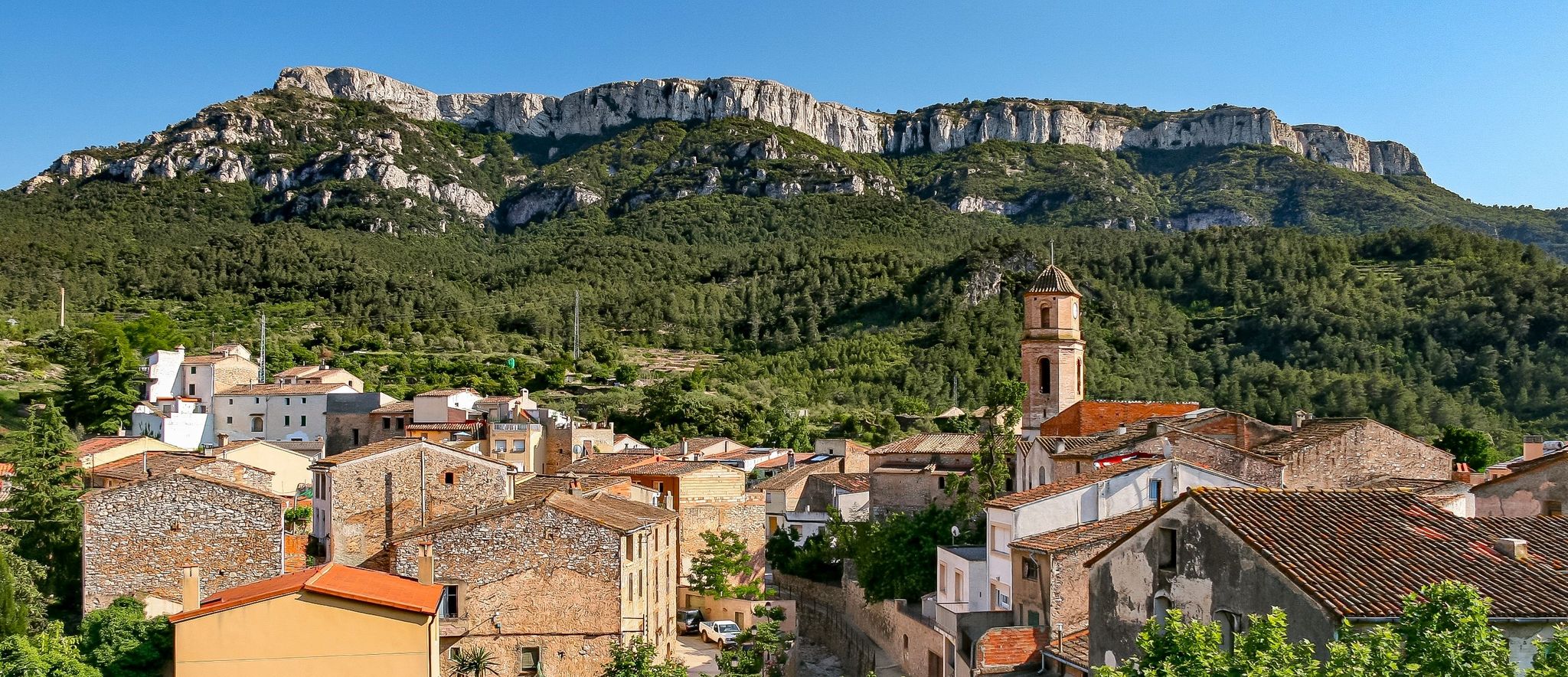
A land of contrasts – Tarragona to the Pyrenees on the GR 7
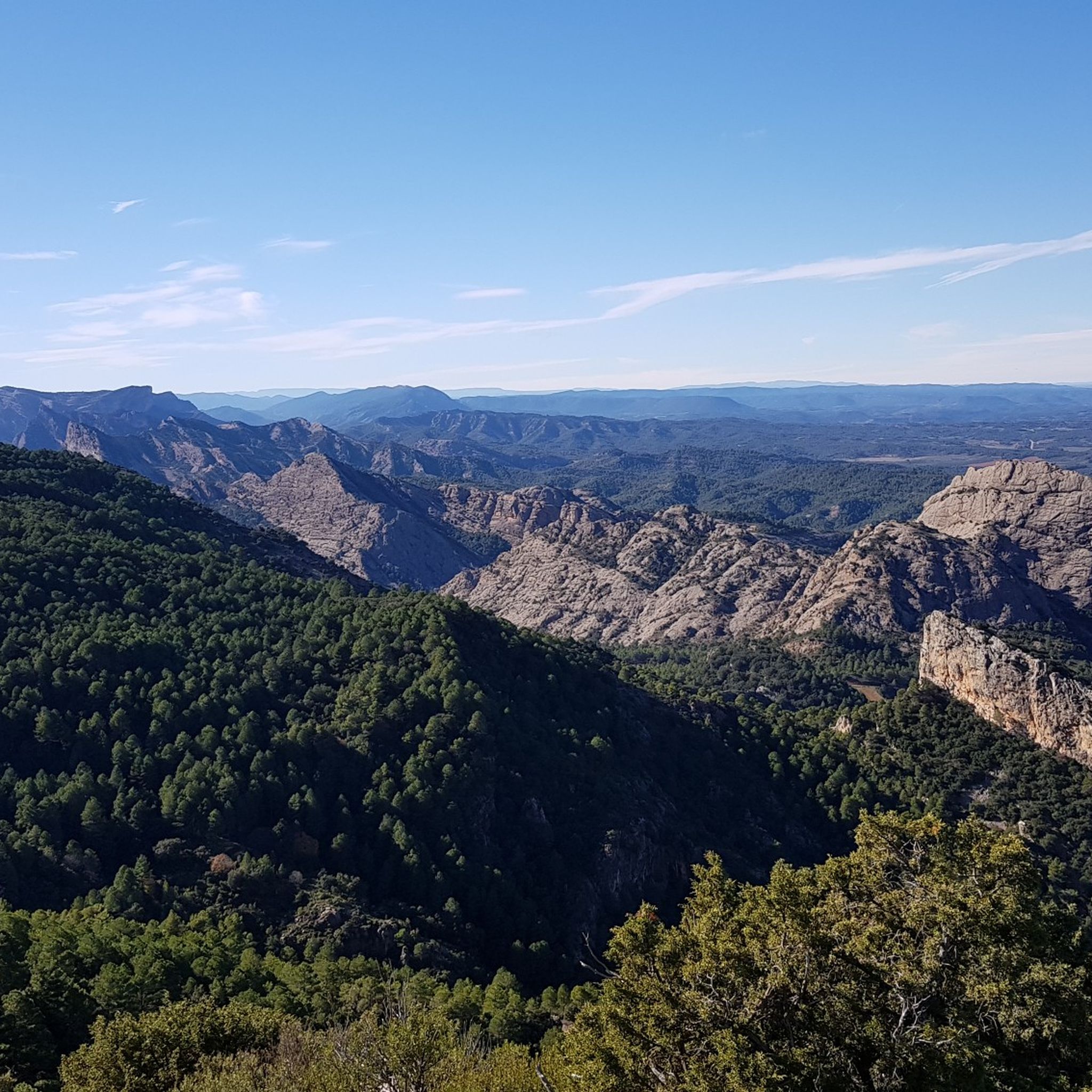
Hiking around Parc Natural dels Ports
Running Trails around Parc Natural dels Ports
MTB Trails around Parc Natural dels Ports
Road Cycling Routes around Parc Natural dels Ports
Cycling around Parc Natural dels Ports

Gravel biking around Parc Natural dels Ports
Other adventures around Parc Natural dels Ports


Tips from the Community

La Punta de l'Aigua is a mountain located near Paüls, in the Lower Ebro region, Catalonia. It is one of the most prominent peaks in the area and is part of the 100 Peaks challenge of the Federation of Hiking Entities of Catalonia (FEEC).
8
0

Fantastic climb with little traffic and a breathtaking view at the summit!
0
0

Mount Caro peak at 1441m. A demanding climb with a reward for the good views and the satisfaction of having made a good climb.
3
0

Nice walk up to Castell de l'Airosa. Check my video: https://youtu.be/WS7DskqEu7I
0
0

To access the Mola there is a passage equipped with staples and a cable in which we must proceed with caution.
0
0

Airosa Castle is a rock formation that looks like a castle construction. It is located in Ombria del Castell, a valley with a group of pinnacles of different sizes.
0
0

Mont Caro is one of the most difficult passes in the region. The climb is fairly steep but steady, with sections reaching 20% incline. Downhill cornering forces you to keep control of the brakes. The view from the top is worth it! Don't hesitate to take advantage of the panoramic viewpoints to catch your breath.
2
0

The Coll de la Gilaberta is a traditional pass in the mountains between Paüls and Horta de San Joan. In the meadow of the hill there are metal posts with directions and it is the beginning of the mythical ascent of the Punta del Agua. The beginning of the ascent passes between some curious pine trees and immediately there are some steps through rock to a small hill that seems to have been excavated between two large boulders. The main trail continues straight on towards the head of the Vacarissal ravine. The trail turns to the left (east) and ascends a calcareous spur marked with stone milestones to the top. This section without good visibility can be dangerous. The trail ends at the small plateau of Punta del Agua (1,098 m), there are some rocks and several trees but there is no geodesic vertex, although the views are stunning.
2
0
Frequently Asked Questions
What are some of the most popular mountain peaks to visit in Parc Natural dels Ports?
Among the most popular peaks, Cim de Caro Summit (1,441 m) stands out as the highest point in the Ports massif, offering exceptional panoramic views. Another significant peak is Tossal del Rei, known for its unique historical significance as the meeting point of three ancient kingdoms. Roques de Benet is also highly regarded for its striking geological formations and 360-degree views.
What makes Mont Caro a significant peak to visit in the region?
Mont Caro, with its summit at 1,447 meters, is the highest peak in the entire Ports massif and the province of Tarragona. It offers unparalleled panoramic views that, on a clear day, can stretch as far as the Ebro Delta, the Pyrenees, and even the Balearic Islands. The ascent, such as the Ascent to Mont Caro from Tortosa, can be challenging, but the breathtaking scenery from the viewing platform at the top makes it a rewarding experience.
What is the historical significance of Tossal dels Tres Reis?
Tossal dels Tres Reis, or Tossal del Rei, translates to 'Peak of the Three Kings' because it marks the precise meeting point of the ancient Kingdoms of Aragon, Valencia, and the Principality of Catalonia. A cairn at the summit commemorates this unique geographical and historical junction, offering a tangible connection to the past alongside panoramic views of the converging regions.
Are there any peaks known for unique geological formations?
Yes, Roques de Benet is a striking cluster of sheer rocky outcrops, primarily composed of vertical conglomerate walls rising almost 300 meters. This impressive formation is recognized as one of the Emblematic Summits of Catalonia and is said to have inspired Pablo Picasso. It offers stunning 360-degree views and opportunities to spot diverse wildlife.
What kind of views can I expect from the peaks in Parc Natural dels Ports?
The peaks in Parc Natural dels Ports offer a diverse range of stunning views. From Cim de Caro Summit (1,441 m), you can see the Ebro Delta, the Pyrenees, and even the Balearic Islands. Penyagalera provides impressive vistas of the Ulldemó and Algars river valleys, while Roques de Benet offers expansive 360-degree views of the surrounding region and towns.
What outdoor activities can I do near the mountain peaks in Parc Natural dels Ports?
The Parc Natural dels Ports offers countless opportunities for outdoor activities. You can explore various routes for gravel biking, such as those found in the Gravel biking around Parc Natural dels Ports guide. There are also numerous running trails, including the challenging Mont Caro Loop Trail, detailed in the Running Trails around Parc Natural dels Ports guide.
Are there challenging climbs for experienced hikers in Parc Natural dels Ports?
Absolutely. Peaks like Mont Caro offer demanding ascents with sections reaching a 20% incline, providing a significant challenge for experienced hikers. Punta de l'Aigua (1098 m) is another prominent peak known for its challenging climb, being part of the 100 Peaks challenge of the Federation of Hiking Entities of Catalonia (FEEC). La Mola or Moleta d'Alfara also features a passage equipped with staples and a cable, requiring caution and experience.
When is the best time to visit the mountain peaks in Parc Natural dels Ports?
The Parc Natural dels Ports can be enjoyed throughout the year, but spring and autumn generally offer the most pleasant conditions for hiking and exploring the peaks. During these seasons, temperatures are milder, and the natural landscapes are particularly vibrant. Summer can be hot, making early morning or late afternoon ascents preferable, while winter may bring colder temperatures and potentially snow at higher elevations.
Can I see wildlife while visiting the peaks in Parc Natural dels Ports?
Yes, the Parc Natural dels Ports is recognized for its rich fauna, and you have a good chance of spotting wildlife. The park is a significant reserve for the Spanish ibex, which can often be seen on the rocky slopes and peaks, particularly around areas like Roques de Benet. Keep an eye out for other diverse species that inhabit the rugged terrain and extensive pine forests.
Are there any peaks that offer a unique solitary experience or river views?
Penyagalera forms a distinctive rocky line of conglomerate and limestone, acting as a natural border between the provinces of Tarragona and Teruel. The ascent to Penyagalera offers impressive views of the Ulldemó and Algars river valleys, providing a solitary and unique massif experience. On warmer days, hikers can even enjoy a refreshing swim in the clear waters of the Ulldemó River.
Are there hiking trails near these mountain peaks that include waterfalls?
Yes, the region offers beautiful waterfall hikes. You can find several routes in the Waterfall hikes around Parc Natural dels Ports guide, such as the Toll Blau – Els Estrets d'Arnes loop or the Ferrassó Waterfall – El Ventador Waterfall loop. These trails combine the beauty of the mountain landscape with refreshing natural water features.
Which peak is part of a regional hiking challenge?
Punta de l'Aigua (1098 m) is one of the most prominent peaks in the area and is part of the 100 Peaks challenge of the Federation of Hiking Entities of Catalonia (FEEC). The ascent involves navigating between curious pine trees and some steps through rock, leading to stunning views from the small plateau at the top.
Most popular routes around Parc Natural dels Ports
Most popular attractions around Parc Natural dels Ports

Get inspired with the komoot mobile app


Explore more
See even more amazing summits around Parc Natural dels Ports with these guides:
