Top 4 Castles around Parc de Collserola
Best castles around Parc de Collserola are situated within a vast natural park bordering Barcelona, offering historical structures and fortifications. This region is characterized by its diverse terrain, providing strategic viewpoints and a connection to the area's past. The park's natural landscape complements the historical significance of its castles, making it a notable destination for exploration.
Best castles around Parc de Collserola
- The most popular castle is Castellciuró, a castle and historical site that offers views over the Baix…
Last updated: June 28, 2026
Torre Baró Castle
Highlight • Castle
Translated by Google •
Tip by

Castellciuró Ruins
Highlight • Castle
Translated by Google •
Tip by
Sign up now to discover places like this
Get recommendations on the best single tracks, peaks, & plenty of other exciting outdoor places.
Sign up for free
Castellciuró
Highlight • Castle
Translated by Google •
Tip by

La Torre Negra
Highlight • Castle
Translated by Google •
Tip by

Start today with a free account
Your next adventure awaits.
Login or Signup
Popular around Parc de Collserola
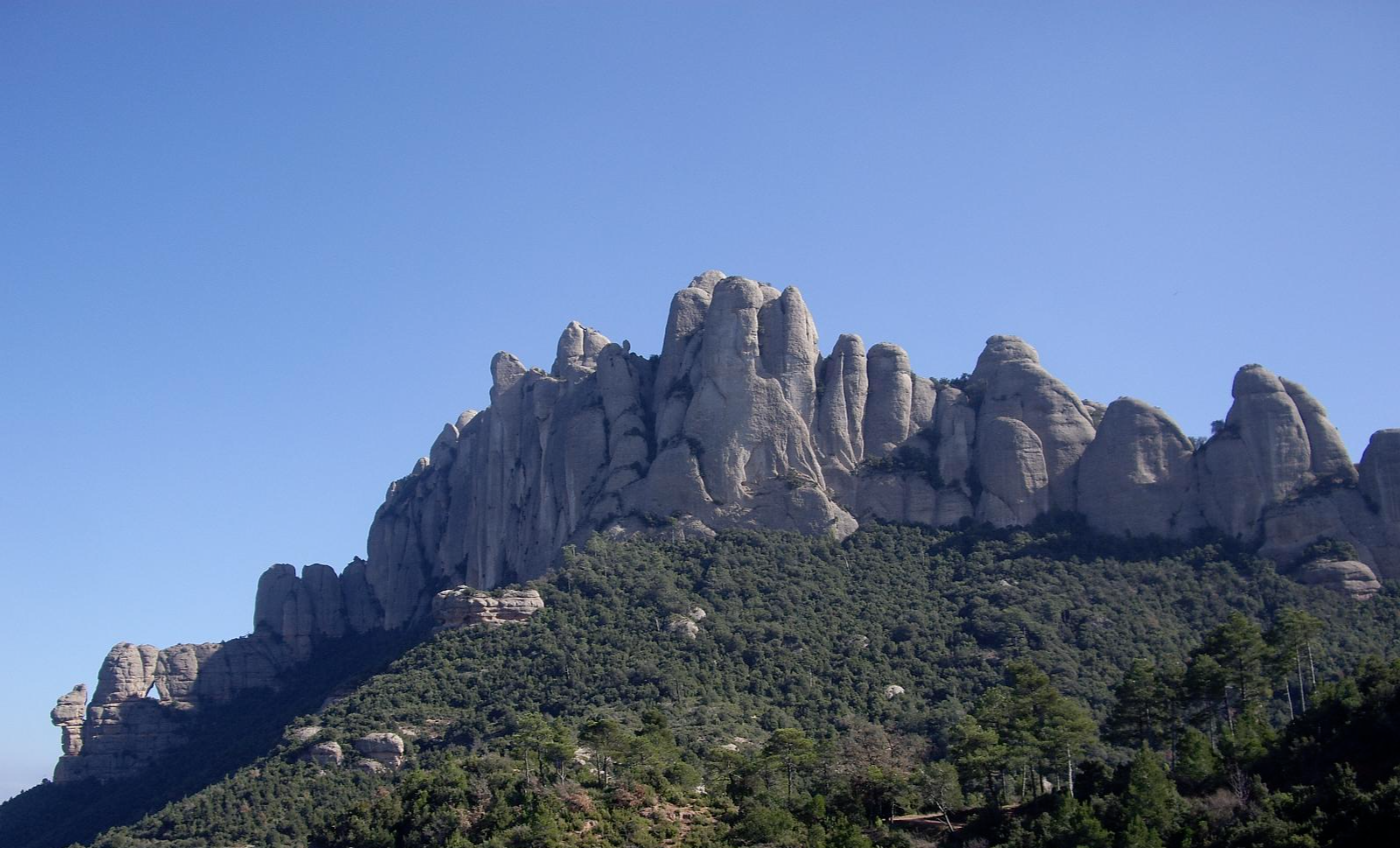
The Pilgrims' Road to Montserrat - GR 96
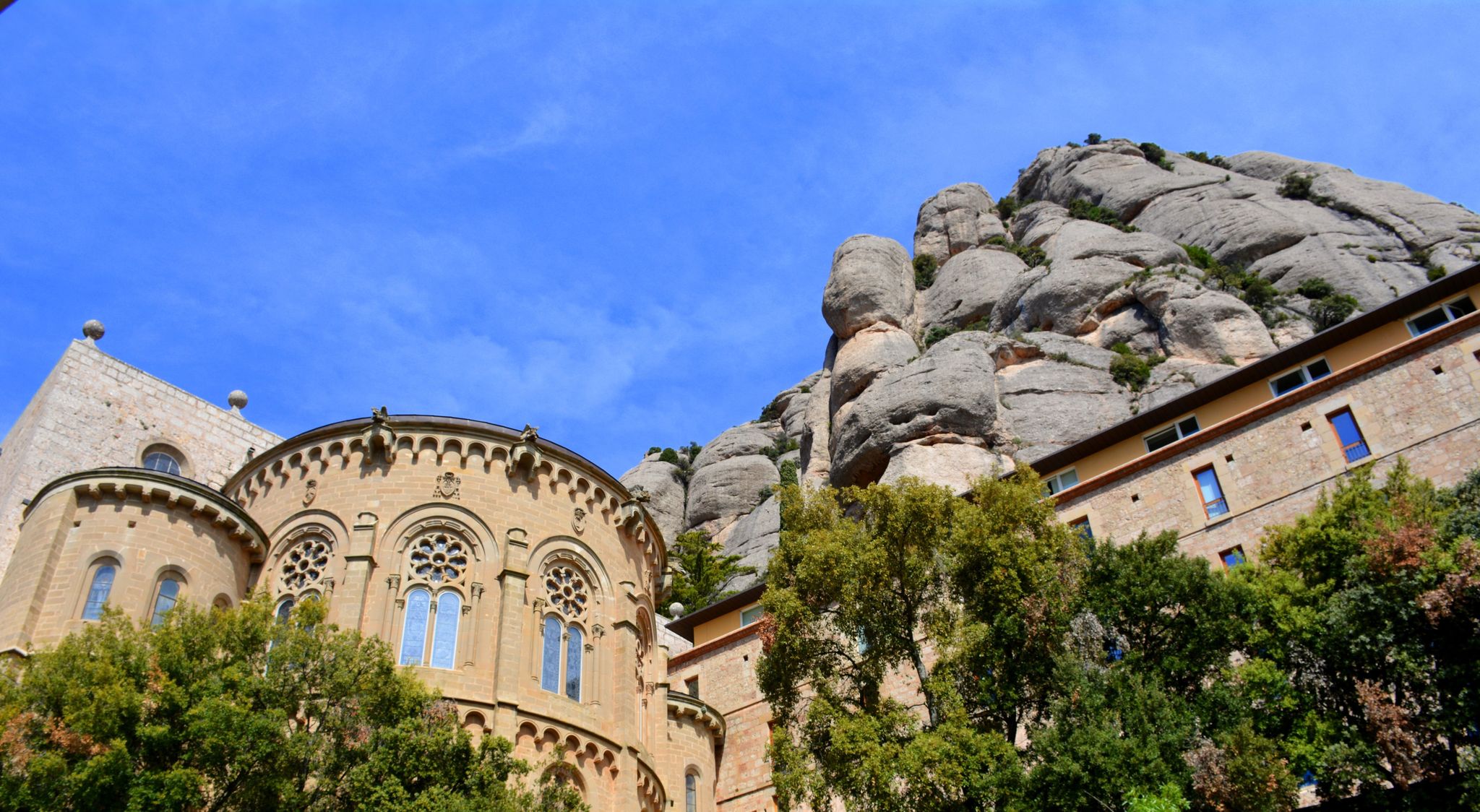
From the city to the forests – Camí Romeu de Montserrat (GR 96)
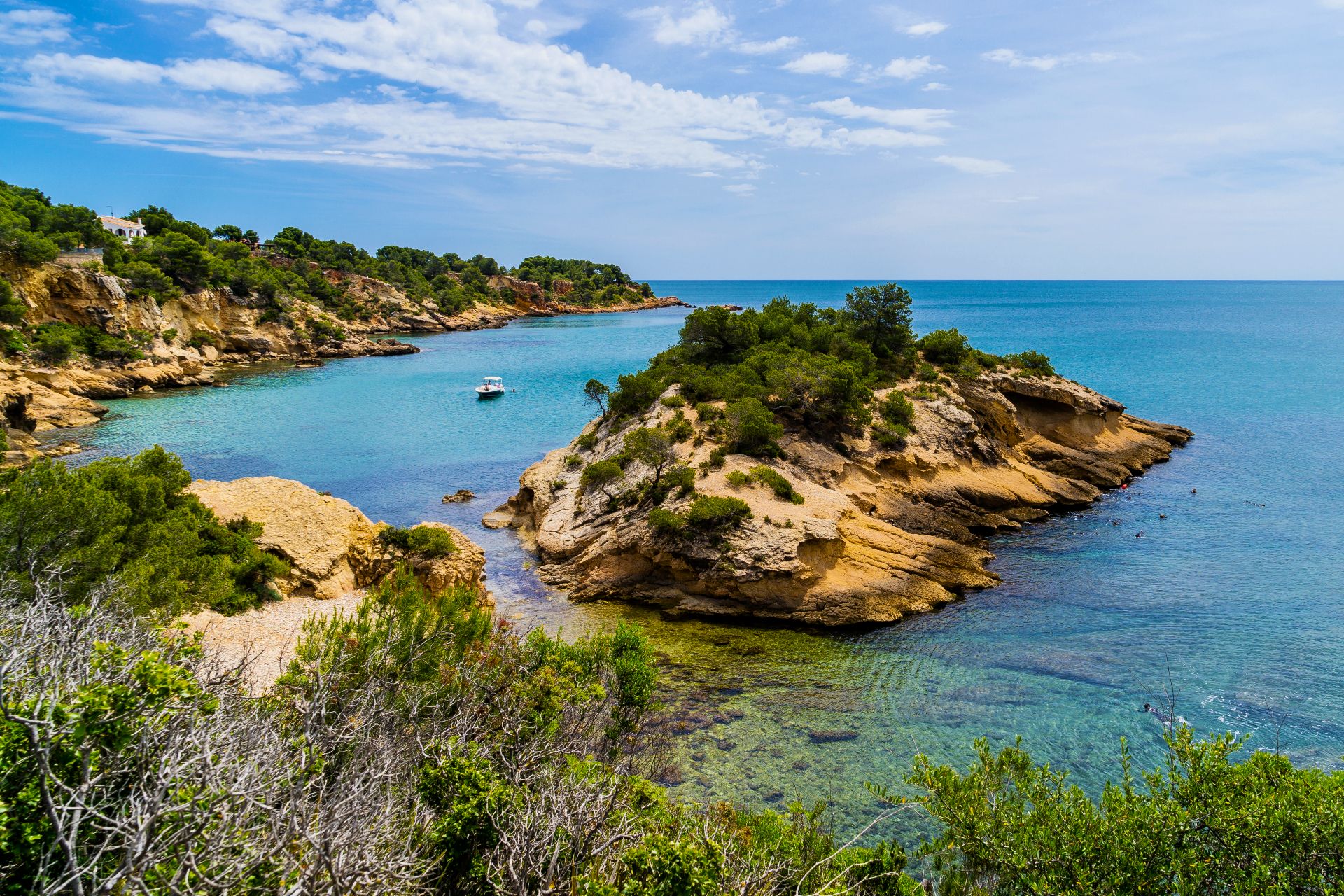
The Catalan coast on foot – Mediterranean Path (GR 92)
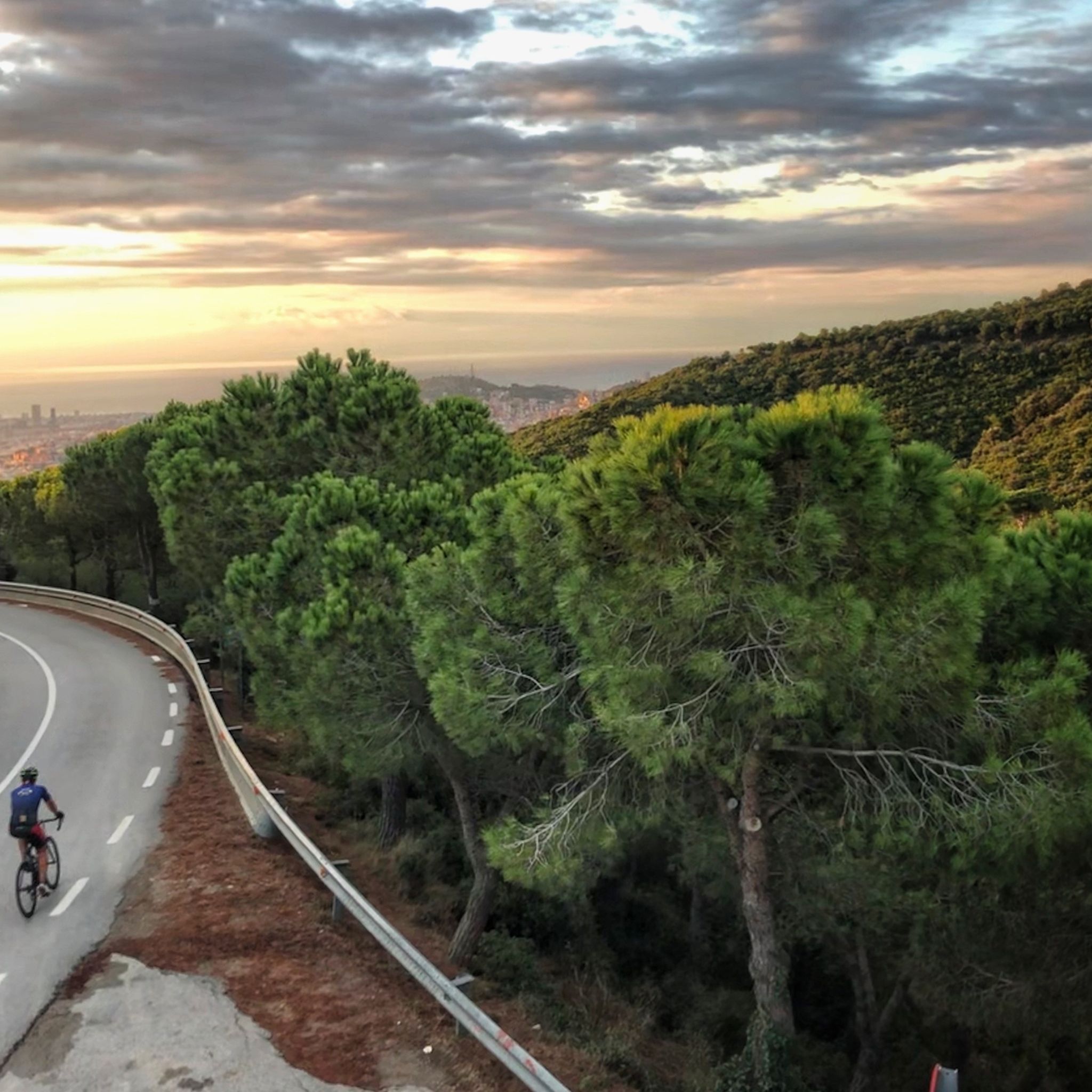
Road Cycling Routes around Parc de Collserola
Hiking around Parc de Collserola
Running Trails around Parc de Collserola
Cycling around Parc de Collserola
MTB Trails around Parc de Collserola

Gravel biking around Parc de Collserola
Other adventures around Parc de Collserola


Tips from the Community


On a small hill, above the town of Molins de Rei, are the ruins of the castle that was built in the 14th century on the remains of an old circular defensive tower, called Guadall or Guadallo, of Visigothic origin (8th century) , that is to say, pre-Romanesque. This is confirmed by the remains of a wall lock that used an opus spicatum facing characteristic of that period. On the west facade stands a three-tiered tower where the door and two openings are preserved, one of which is currently reconstructed. There are also remains of the trapezoidal plant, a small tower attached to the rock, the walls of the Guadall tower and the remains of a large cistern, partially drilled into the rock and protected by a barrel vault (10th and 12th centuries ).
2
0

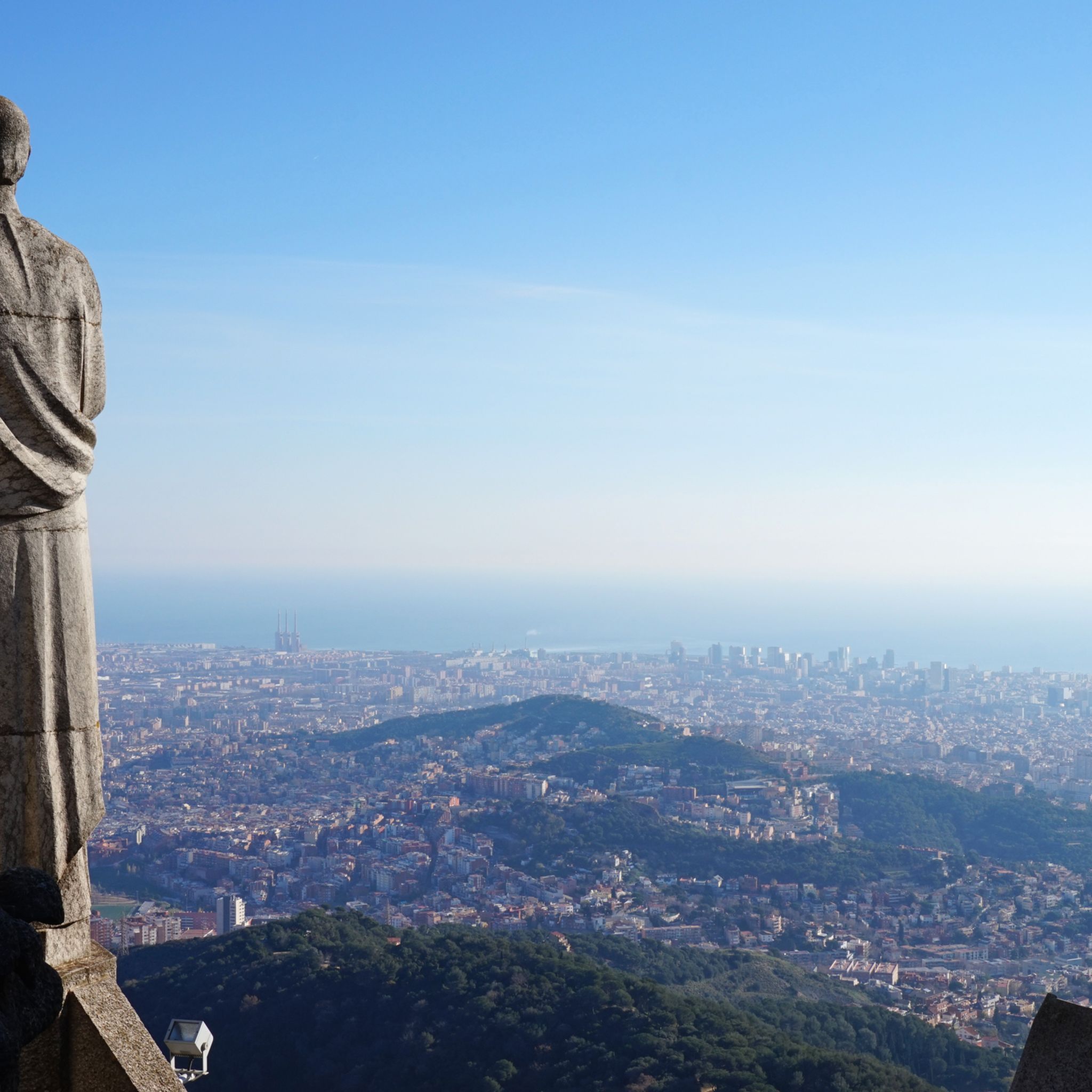
Despite its medieval appearance, the Castell de Torre Baró, which dominates the neighbourhood, is a construction from the beginning of the 20th century. It was built as a project to create a hotel that would be the center of an urbanization in the area, but in the end the urban plan did not work and it ended up abandoned without having finished the works. Finally, in 1989 it was restored and declared historical heritage by the Barcelona City Council, and a magnificent viewpoint was built around it. It is currently an information and environmental education point in the Collserola park. Among other activities, guided tours of the castle, itineraries to discover the surroundings and educational workshops for all audiences are offered. It is one of the best viewpoints in Barcelona, from which you can see Nou Barris, Horta, Sant Andreu, Sant Martí and, beyond, the Besòs river and the Collserola buttresses, with the towns of Santa Coloma, Sant Adrià and Badalona .
8
0
Become one of the most emblematic symbols of Nou Barris, the Castell de Torre Baró is located between the neighborhoods of Roquetes and Torre Baró. The name of Torre Baró actually comes from another tower, currently missing, which was located where the metro station is today, and which was the residence of the Baron de Pinós until in 1714, as a result of the War of Succession, it was destroyed.
8
0
A century later the castle would pass under the direct domain of King Jaime II. In 1320, the sovereign granted Simón des Llor (de Lauro) permission to build a new castle on the site, and in 1332 Molins de Rey and the site of Ciuró were sold for 10,000 salaries. In 1632, "Molins de Rey" and "Santa Creu d'Olorda" are recorded as places owned by Countess Benavent, although by then the castle must have been in a very poor state of preservation. The current owner is Mr. Lluís Vila, a resident of Molins de Rey.
5
0
The castle was built on the site of the Guadallo tower (mentioned in 998), at a height of 155 meters and in a fairly strategic location. It is located on the westernmost hill of the branch that leaves the hill of Can Ribes joined, and a very short distance, with the Puig de Olorda. This situation gives it a good perspective of the course of the Llobregat river and the town of Molins de Rey. It was granted to the Hospitallers in the 12th century, according to a document from 1162 in what is known as “Cidró”. In 1202 it was owned by the Order of the Temple.
4
0
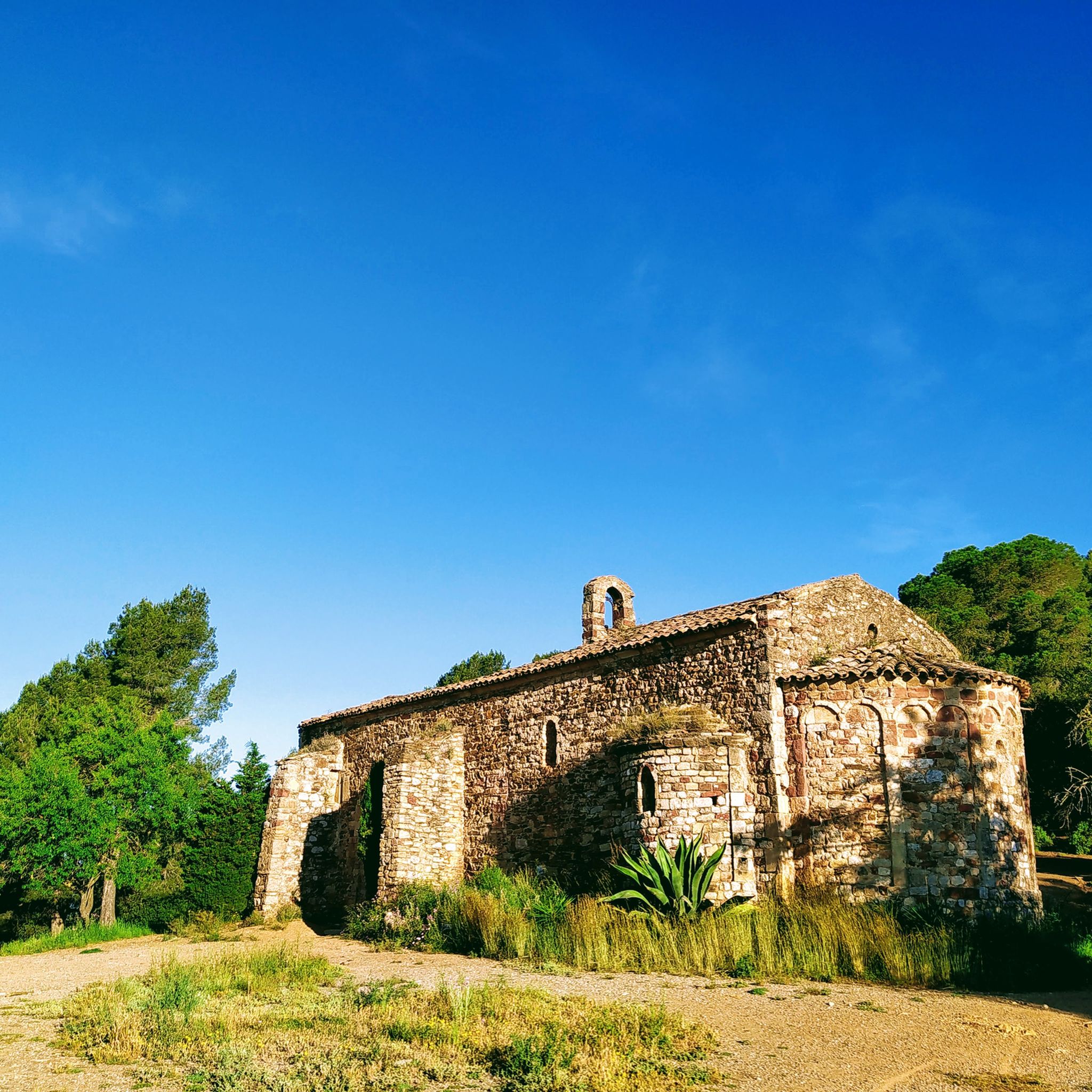
Castellciuró is a castle located in the municipality of Molins de Rey, in Bajo Llobregat, in the Collserola mountain range, very close to the hermitage of Santa Cruz de Olorde and Puig de Olorda. It is currently in ruins, although these have been restored, and it also serves as a viewpoint. Documented in 1066, the oldest part of the remains of this castle is a wall in opus spicatum (work of inclined stones, alternating the direction of the inclination in each course) very well built, which could be of Visigothic origin (8th century). or pre-Romanesque (10th century) and were destroyed around the year 985 by the Saracen hordes of Almanzor. Of its scarce remains, a couple of walls and a cistern embedded in the rock stand out.
5
0

The Black Tower is a Romanesque military construction in the municipality of San Cugat del Vallés, very well preserved, with a quadrangular plan and three stories high with a square tower attached to one corner of the building. Since 1842 until today it is in private hands and belongs to the Rabadà family. Some windows on the façade are geminated and the entrance door is formed by a semicircular arch. Located in a natural setting between two streams, at the entrance to the Gausac valley on the border between the Collserola mountain range and the southern fields of the Vallés plain, with views over the entire horizon to the north. Its origin dates back to the 12th century, in a castle named Ricanli or Ricard, built in the time of Abbot Ermengol and it seems that it was rebuilt between the 14th and 15th centuries. The Black Tower owes its current name to its dark-colored stone walls. Its first known inhabitants were the Vilanova in the 12th century. Later it passed to the Palou family. Throughout the Middle Ages it was the subject of disputes between the owners and the Sant Cugat monastery, which opposed its construction.
0
0
Frequently Asked Questions
What types of castles can I explore in Parc de Collserola?
Parc de Collserola offers a variety of historical structures, from well-preserved castles to ancient ruins. You can find Gothic castles like Castellciuró, which dates back to the 12th century, and military fortifications like Castell Fortí. Some, like Torre Baró Castle, have unique, unfinished histories, while others, such as El Papiol Castle, have been significantly rebuilt and house historical artifacts.
Which castles offer the best historical insights into the region?
For a deep dive into history, Castellciuró Ruins are particularly significant. Documented since 1066, they feature an 8th-century wall and a cistern, offering a tangible connection to the region's past. El Papiol Castle, with parts dating to the 11th and 12th centuries and a refurbished interior displaying furnishings and weapons, also provides a comprehensive historical experience.
Are there any castles with impressive viewpoints in Parc de Collserola?
Yes, several castles offer excellent views. Torre Baró Castle is known for its extensive views of Barcelona, Nou Barris, Horta, Sant Andreu, Sant Martí, and the Besòs river. Castellciuró also provides a great perspective over the Baix Llobregat and even Montserrat on clear days.
What is the best time of year to visit the castles in Parc de Collserola?
The castles and their surrounding trails in Parc de Collserola are enjoyable year-round. Spring and autumn offer pleasant temperatures for hiking and exploring the ruins. Winter can also be a good time for quieter visits, while summer mornings or late afternoons are ideal to avoid the midday heat.
Are there family-friendly options for visiting castles in the park?
Many of the castle trails in Parc de Collserola are suitable for families, especially those looking for an outdoor adventure combined with history. Exploring the ruins of Castellciuró Ruins can be an engaging experience for children, sparking their imagination about medieval times. Look for easy hiking routes that lead to these sites.
Can I bring my dog to the castle trails in Collserola?
Yes, Parc de Collserola is generally dog-friendly, and many trails leading to the castles welcome dogs. It's always recommended to keep your dog on a leash, especially in protected natural areas, and to clean up after them. Ensure you carry enough water for both yourself and your pet.
What outdoor activities can I do near the castles?
The Parc de Collserola offers a wide range of outdoor activities. You can find numerous hiking trails, from easy walks to more challenging routes, that often lead to or pass by the castles. There are also extensive cycling and mountain biking routes. For more details on routes, check out the Easy hikes around Parc de Collserola, Cycling around Parc de Collserola, and MTB Trails around Parc de Collserola guides.
Are there easy hiking trails to reach the castles?
Yes, there are several easy hiking trails that allow you to reach some of the castles. For example, routes like the 'Turo de Magarola, Ermita Sant Medir, Fuente Vista Rica – Circular Route' are considered easy and can be a good starting point for exploring the park's historical sites. You can find more options in the Easy hikes around Parc de Collserola guide.
Where can I find parking for castle trails in Parc de Collserola?
Parking availability varies depending on the specific castle and trailhead. Many access points to Parc de Collserola have designated parking areas. It's advisable to check specific trailheads or castle locations for nearby parking options before your visit. Public transport is also a good alternative for reaching various parts of the park.
Are there cafes or amenities near the castle trails?
While the park itself is a natural reserve, some areas bordering towns like Molins de Rei or Sant Cugat del Vallès may have cafes and amenities within a reasonable distance from certain castle trails. For example, Torre Baró Castle serves as an information point and environmental education center, which might offer some basic facilities.
What is the story behind Torre Baró Castle?
Torre Baró Castle has a unique and somewhat complex history. Despite its medieval appearance, the current unfinished building was constructed in the early 20th century. It was reportedly intended as a resting place for the sick daughter of the Sivatte family or as part of a hotel development project that was never completed. Today, it stands as an emblematic symbol of Nou Barris and offers magnificent views.
What makes La Torre Negra a notable castle in the region?
La Torre Negra is a well-preserved Romanesque military construction from the 12th century, located in Sant Cugat del Vallés. Its quadrangular plan and dark-colored stone walls give it its name. It's notable for its strategic location between two streams, offering views over the northern horizon, and its history of disputes between its owners and the Sant Cugat monastery.
Most popular routes around Parc de Collserola
Most popular attractions around Parc de Collserola

Get inspired with the komoot mobile app


Explore more
Looking for the best castles somewhere else? Discover other guides around Parc de Collserola:
